
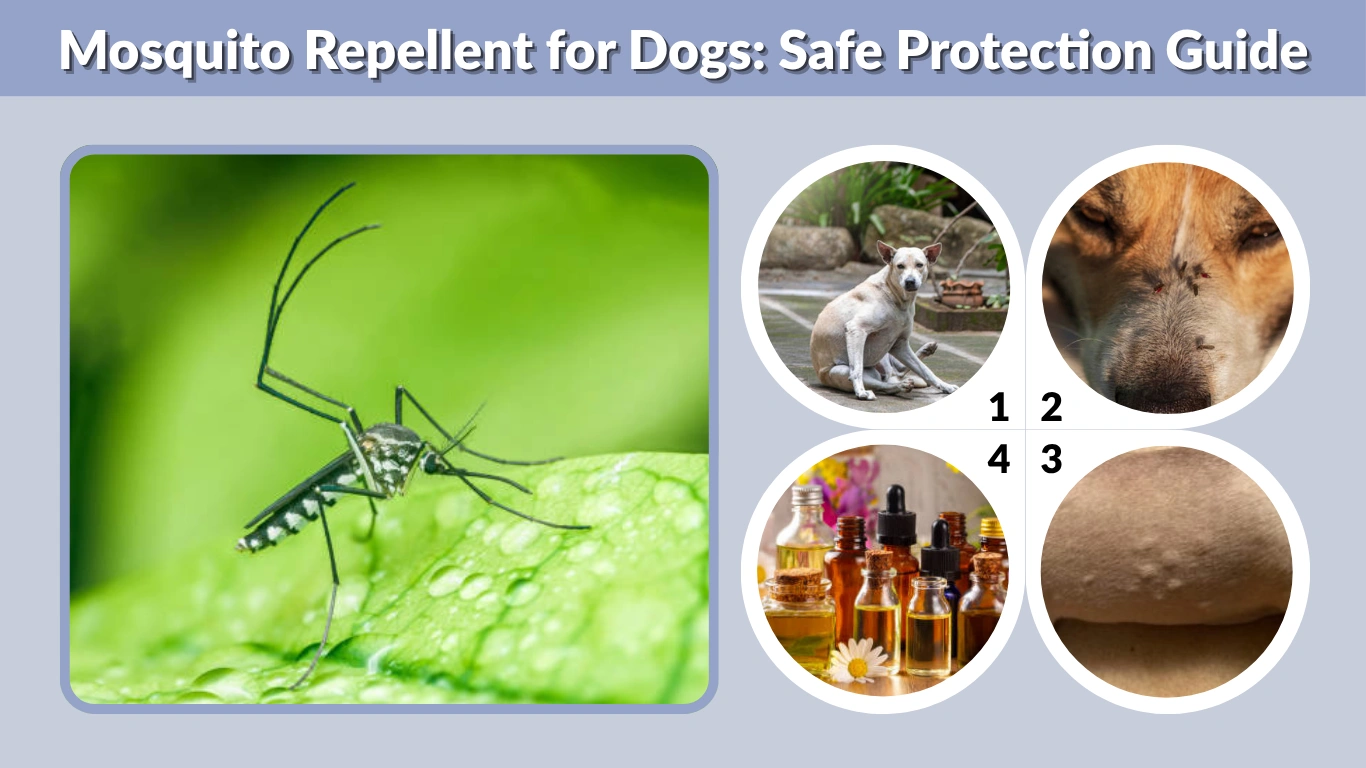
Mosquitoes are more than just a nuisance for dogs—they can pose serious health risks if left unchecked. While many pet owners focus on fleas and ticks, mosquitoes are often overlooked despite their ability to transmit dangerous diseases like heartworm. Protecting dogs from mosquito bites requires choosing the right repellent and taking preventive steps that are both safe and effective. Since many human repellents contain toxic ingredients for pets, it is essential to understand which options are suitable for dogs. This guide explores safe mosquito repellents, risks, and practical ways to keep your dog protected.
Why Mosquito Protection is Important for Dogs
Mosquito bites can affect dogs in several ways, ranging from mild irritation to severe health conditions. Unlike humans, dogs may not always show obvious signs of discomfort, making it harder to detect problems early. Regular exposure to mosquitoes increases the risk of infections and parasitic diseases that can impact a dog’s long-term health.
Dogs that spend time outdoors are especially vulnerable, particularly in warm and humid environments where mosquitoes thrive. Even indoor dogs are not completely safe, as mosquitoes can easily enter homes. Protecting dogs from mosquito bites is not just about comfort—it is a crucial step in maintaining their overall well-being and preventing serious illnesses.
Health Risks Mosquitoes Pose to Dogs
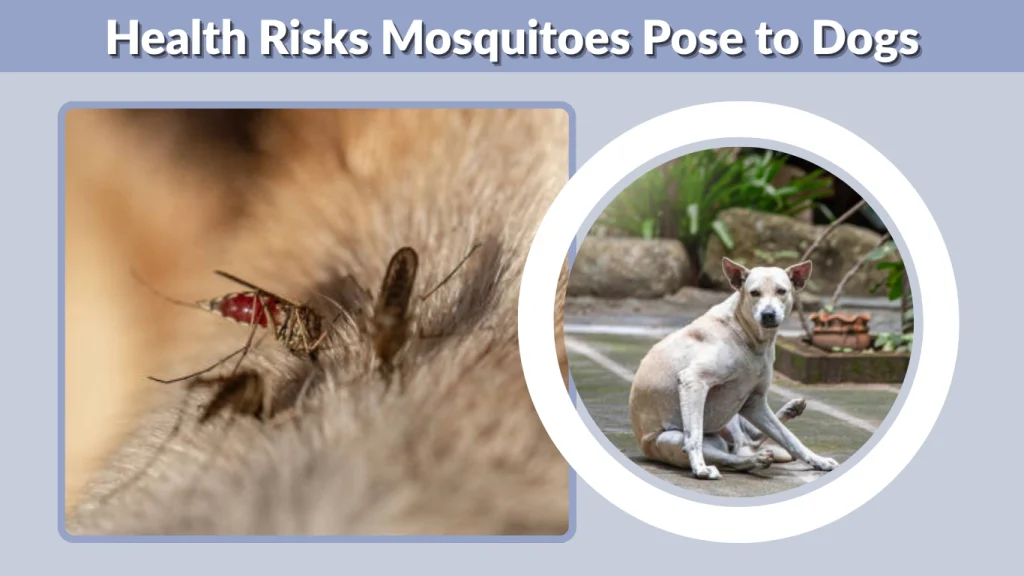
Heartworm Disease
- Transmitted through mosquito bites
- Affects the heart, lungs, and blood vessels
- Can become life-threatening if untreated
Skin Irritation and Allergies
- Causes itching, redness, and swelling
- May lead to excessive scratching
- Can result in skin infections over time
Other Infections
- Bacteria can enter through bite wounds
- May cause inflammation or localized infections
- Can worsen in dogs with weak immune systems
Types of Mosquito Repellents for Dogs
Chemical Repellents
Chemical repellents are often recommended by veterinarians because they are specifically formulated for pets and provide long-lasting protection. These products come in various forms such as sprays, spot-on treatments, and wipes. When used according to instructions, they are generally safe and effective in preventing mosquito bites.
Natural Repellents
Natural mosquito repellents are a popular choice for pet owners who prefer chemical-free solutions. These products are usually made from plant-based ingredients and are considered safer when properly diluted and used in moderation. However, not all natural ingredients are safe for dogs, so careful selection is important.
Wearable Protection
Wearable options such as mosquito-repellent collars and protective clothing offer an additional layer of defense. These are especially useful for dogs that spend a lot of time outdoors. Collars infused with repellent substances can provide continuous protection, while mesh covers or clothing help reduce direct exposure to mosquitoes.
Natural Mosquito Repellents for Dogs
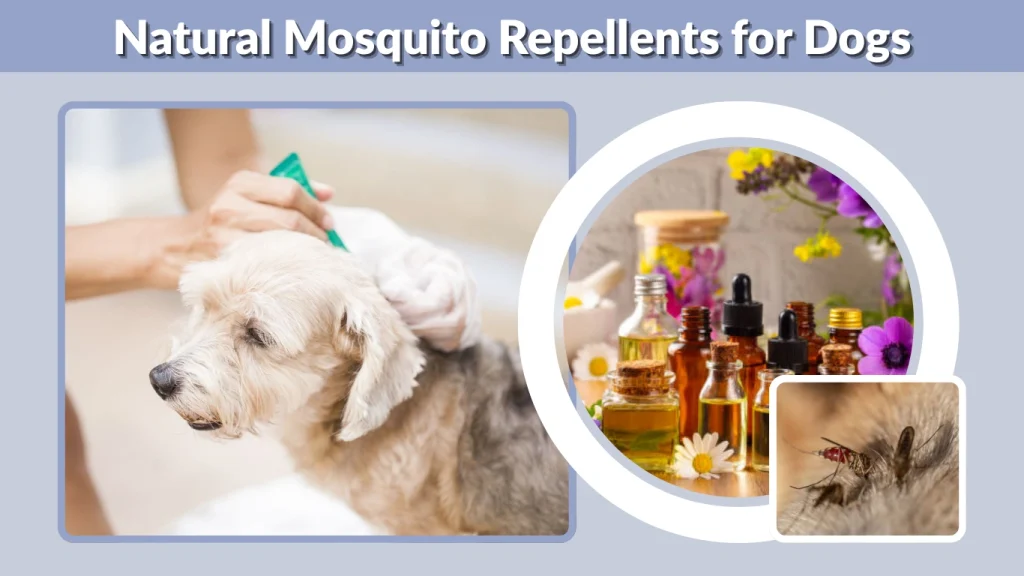
Natural repellents can be a gentle and safer alternative when used correctly. Many pet owners prefer these options because they reduce exposure to harsh chemicals. Ingredients such as certain herbal extracts and mild essential oils are commonly used to repel mosquitoes.
However, it is important to understand that “natural” does not always mean completely safe. Some essential oils can be harmful to dogs if used in high concentrations or without proper dilution. Always choose products specifically designed for pets or consult a veterinarian before using homemade solutions.
Natural repellents are often best used alongside other preventive measures. While they may help reduce mosquito activity, they may not provide complete protection in areas with heavy mosquito populations. Consistency and proper application are key to achieving the best results.
How to Protect Dogs from Mosquitoes
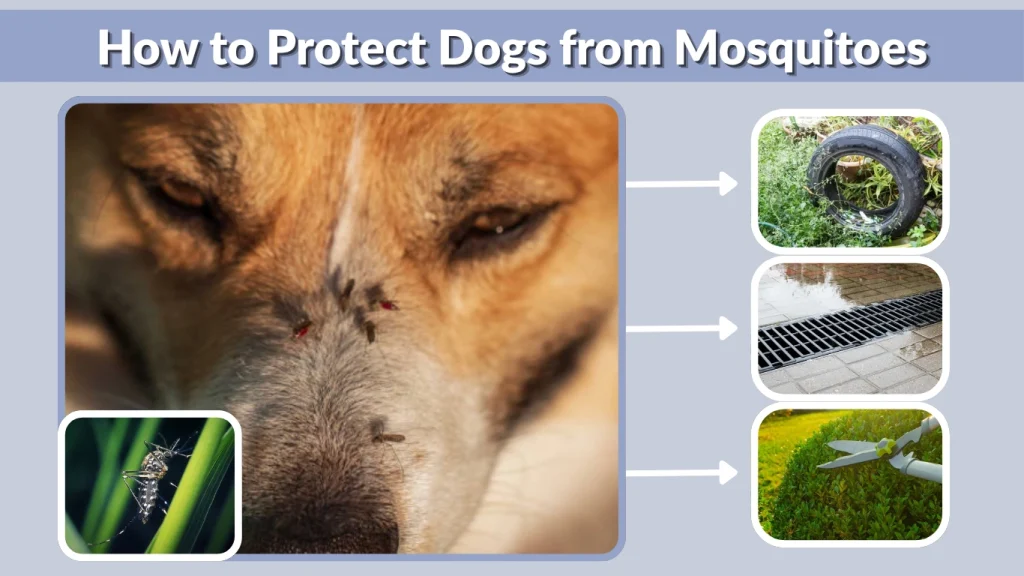
Home Environment Control
- Remove standing water around the house
- Clean drains, bowls, and containers regularly
- Keep surroundings dry and well-maintained
Outdoor Protection
- Avoid taking dogs out during peak mosquito hours
- Use pet-safe repellents before outdoor activities
- Keep grass and bushes trimmed
Indoor Safety Measures
- Install window and door screens
- Use fans to reduce mosquito activity indoors
- Keep doors closed during high mosquito activity times
Ingredients to Avoid in Dog Repellents
Not all mosquito repellents are safe for dogs, and using the wrong product can lead to serious health problems. Many repellents designed for humans contain chemicals that are toxic to pets. Dogs have different skin sensitivities and metabolic systems, which makes them more vulnerable to certain substances.
Pet owners should always read labels carefully and avoid using any product that is not specifically formulated for dogs. Even small amounts of harmful ingredients can cause reactions ranging from mild irritation to severe toxicity. Choosing the right product is essential to ensure both safety and effectiveness.
- DEET, which can be toxic and cause neurological issues
- Permethrin in high concentrations, especially harmful if misused
- Strong artificial fragrances that irritate skin
- Undiluted essential oils that may cause poisoning
Signs Your Dog Is Reacting to Mosquito Bites
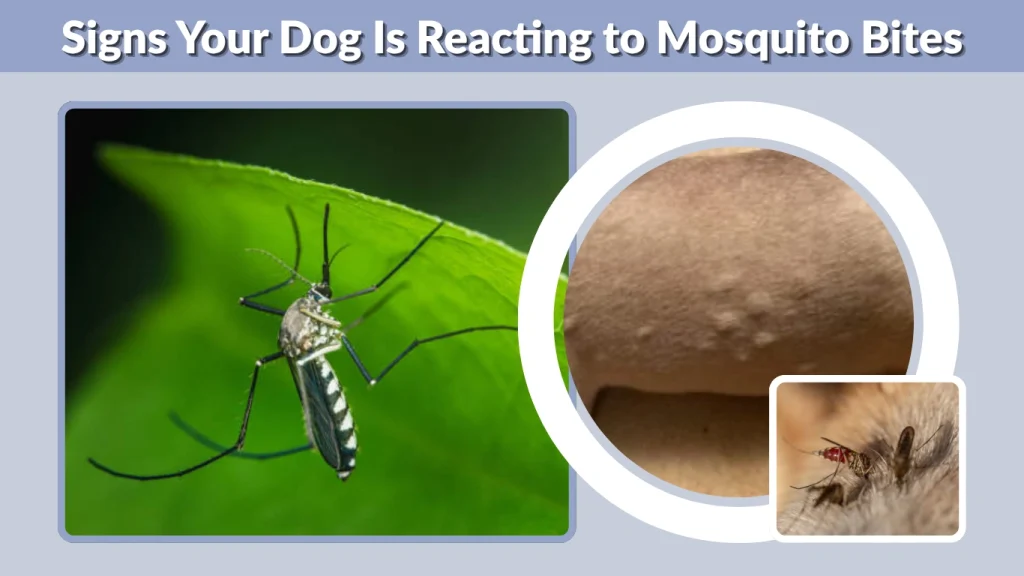
Mosquito bites on dogs can sometimes go unnoticed, especially if the symptoms are mild. However, in some cases, dogs may develop visible reactions that indicate discomfort or allergic responses. Being aware of these signs helps pet owners take quick action and prevent complications.
- Excessive scratching, licking, or biting at the skin
- Redness, swelling, or small raised bumps
- Hair loss around affected areas
- Restlessness or unusual behavior
In more sensitive dogs, reactions can become more severe, leading to infections or prolonged discomfort. Monitoring your dog regularly, especially after outdoor activities, can help identify these symptoms early.
When to Consult a Veterinarian
While mild mosquito bites may not require medical attention, certain symptoms should never be ignored. If a dog shows signs of severe irritation, persistent scratching, or unusual behavior, it is important to seek professional help. Early intervention can prevent minor issues from turning into serious health problems.
Symptoms such as coughing, fatigue, or difficulty breathing may indicate more serious conditions like heartworm disease. These signs require immediate veterinary attention. Regular check-ups and preventive treatments recommended by a veterinarian can also help reduce risks associated with mosquito exposure.
Conclusion
Protecting dogs from mosquitoes is an important part of responsible pet care. From choosing safe repellents to maintaining a clean environment, every step plays a role in reducing the risk of bites and disease transmission. Understanding the types of repellents available and knowing which ingredients to avoid ensures that dogs remain safe and comfortable.
By combining preventive measures, proper product selection, and regular monitoring, pet owners can effectively protect their dogs from mosquito-related problems. A proactive approach not only improves a dog’s quality of life but also helps prevent serious health conditions in the long run.
FAQs
What mosquito repellent is safe for dogs?
Safe mosquito repellents for dogs include vet-approved sprays, spot-on treatments, and specially designed collars. These products are formulated to be non-toxic for pets. It is always best to consult a veterinarian before choosing a repellent to ensure it suits your dog’s needs.
Can mosquitoes harm dogs?
Yes, mosquitoes can harm dogs by transmitting diseases such as heartworm, which affects the heart and lungs. They can also cause skin irritation, allergic reactions, and discomfort, especially in dogs with sensitive skin or weak immune systems.
Are natural mosquito repellents effective for dogs?
Natural repellents can help reduce mosquito exposure when used correctly. However, they may not provide complete protection in high-risk areas. They are best used alongside other preventive measures such as environmental control and vet-recommended treatments.
Can I use human mosquito repellent on my dog?
No, human mosquito repellents should not be used on dogs. Many contain ingredients like DEET, which can be toxic and cause serious health issues in pets. Always use products specifically designed for dogs.
How can I prevent mosquito bites on my dog?
You can prevent mosquito bites by removing standing water, using dog-safe repellents, avoiding peak mosquito activity times, and keeping your dog indoors when mosquito levels are high. Regular grooming and health checks also help in early detection and prevention.
