
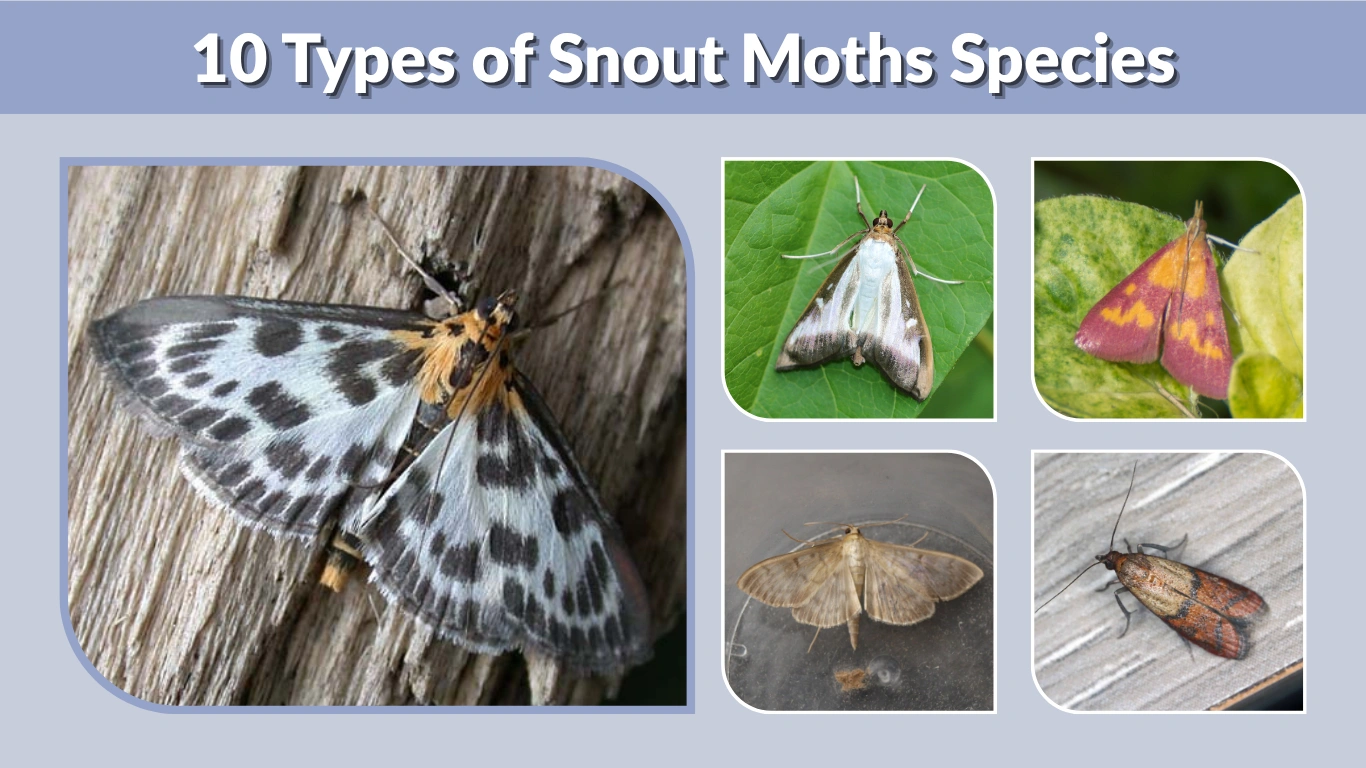
Snout moths are a diverse group of moths recognized for their elongated mouthparts that create a distinctive snout-like appearance. These moths belong mainly to the family Pyralidae and are found in homes, gardens, forests, grasslands, and agricultural environments worldwide. Some species are harmless and admired for their unique patterns, while others are serious pests of stored food products and crops. From the pantry-invading Indianmeal Moth to the colorful Mint Moth, snout moths display remarkable variety in appearance, habitat, behavior, feeding habits, and lifecycle across different ecosystems and environmental conditions.
1. Meal Moth
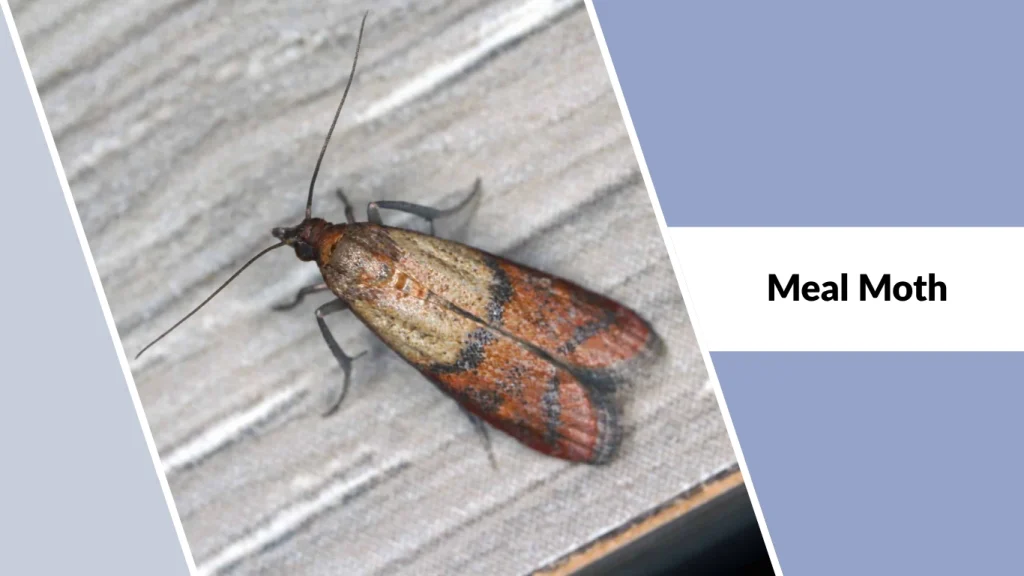
The Meal Moth is a common snout moth species often associated with stored grains, flour, cereals, and dried food products. It is considered a household and pantry pest because its larvae contaminate food supplies during feeding. This moth is widely distributed around the world and is frequently found in homes, warehouses, mills, and food storage facilities.
Identification
- Scientific name: Pyralis farinalis
- Wings are brown with pale cream bands
- Wingspan ranges from 2 to 3 cm
- Body is slender with a noticeable snout-like mouthpart
- Forewings display wavy dark and light markings
- Adults are commonly active during nighttime hours
Habitat and Distribution
The Meal Moth is found worldwide in places where stored food products are available. It commonly inhabits kitchens, food warehouses, grain storage areas, barns, mills, and other indoor environments with dry food materials.
Behavior and Diet
Adult moths are nocturnal and are often attracted to lights at night. Larvae feed on flour, grains, cereals, dried plant material, and stored food products. Infestations may contaminate food supplies with silk webbing and waste materials.
Lifecycle
Females lay eggs near stored food sources where larvae hatch and begin feeding immediately. Caterpillars pass through several developmental stages before pupating in sheltered corners or cracks. Adult moths later emerge and continue the reproductive cycle under favorable conditions.
2. Indianmeal Moth
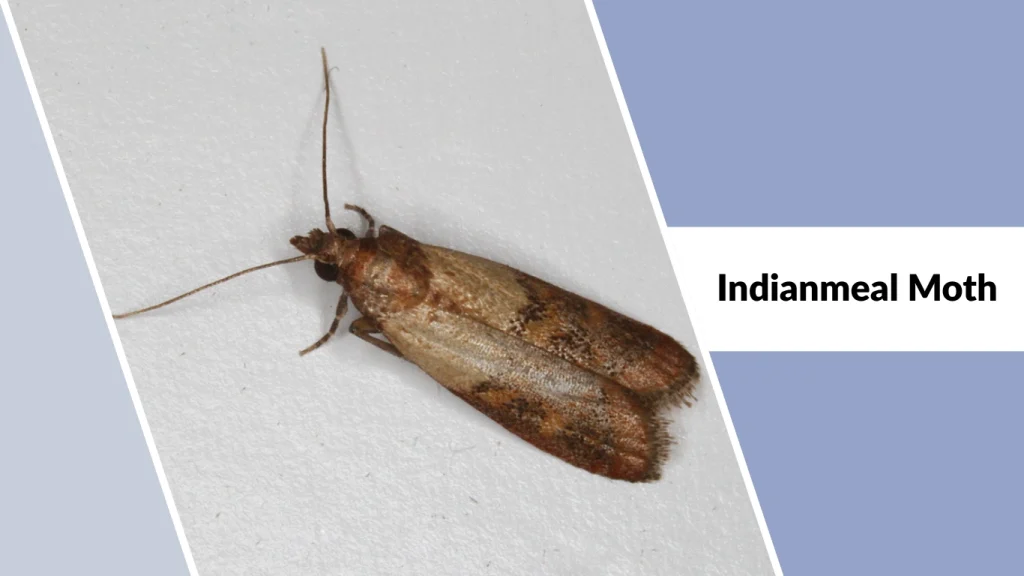
The Indianmeal Moth is one of the most common pantry pests found in homes and food storage areas worldwide. Its larvae infest grains, flour, nuts, dried fruits, and pet food, causing contamination and spoilage. This snout moth species is highly adaptable and reproduces quickly, making it a frequent problem in kitchens, grocery stores, and warehouses.
Identification
- Scientific name: Plodia interpunctella
- Forewings are pale gray near the body and reddish-brown toward the tips
- Wingspan ranges from 1.5 to 2 cm
- Body is slender with a pointed snout-like appearance
- Adults often rest with wings folded roof-like over the body
- Larvae are cream-colored with brown heads
Habitat and Distribution
The Indianmeal Moth is distributed worldwide and commonly inhabits homes, food processing facilities, grain storage areas, supermarkets, and warehouses where dry food products are stored.
Behavior and Diet
Adult moths are mainly nocturnal and are attracted to indoor lights. Larvae feed on cereals, grains, flour, nuts, dried fruits, seeds, chocolate, and pet food. Heavy infestations can contaminate food products with webbing and waste material.
Lifecycle
Females lay eggs directly on or near food sources. Caterpillars hatch and feed through several growth stages before pupating in cracks, corners, or packaging materials. Adult moths later emerge and continue the reproductive cycle under suitable environmental conditions.
3. Mediterranean Flour Moth
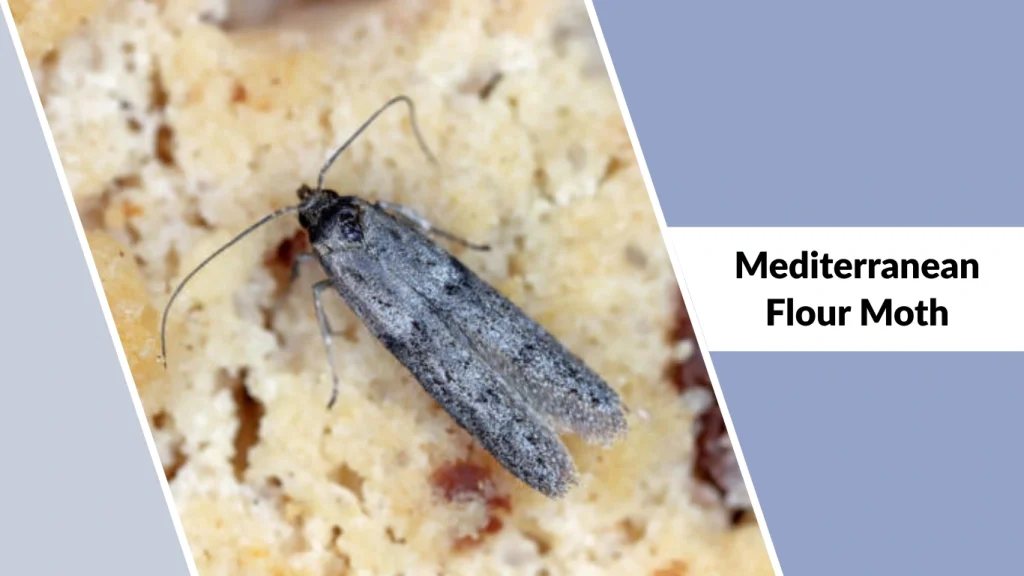
The Mediterranean Flour Moth is a widespread snout moth species commonly found in flour mills, bakeries, grain storage facilities, and household pantries. It is considered a serious pest because its larvae infest stored food products and create silk webbing that contaminates flour and grains. This moth thrives in warm indoor environments where dry food materials are easily available.
Identification
- Scientific name: Ephestia kuehniella
- Forewings are gray with dark zigzag patterns
- Wingspan ranges from 2 to 2.5 cm
- Body is slender with a pointed snout-like appearance
- Hindwings are pale gray with fringed edges
- Larvae are whitish with darker heads
Habitat and Distribution
The Mediterranean Flour Moth is distributed worldwide and commonly inhabits flour mills, warehouses, bakeries, kitchens, grain storage facilities, and food-processing environments with abundant dry food products.
Behavior and Diet
Adult moths are mainly nocturnal and are attracted to artificial lights. Larvae feed on flour, cereals, grains, bran, pasta, and other stored food products. Their silk webbing may clog machinery and contaminate food supplies during heavy infestations.
Lifecycle
Females lay eggs near stored food materials during favorable conditions. Caterpillars hatch and feed through several developmental stages before pupating in cracks, corners, or packaging materials. Adult moths later emerge and continue the reproductive cycle indoors throughout the year.
4. European Corn Borer Moth
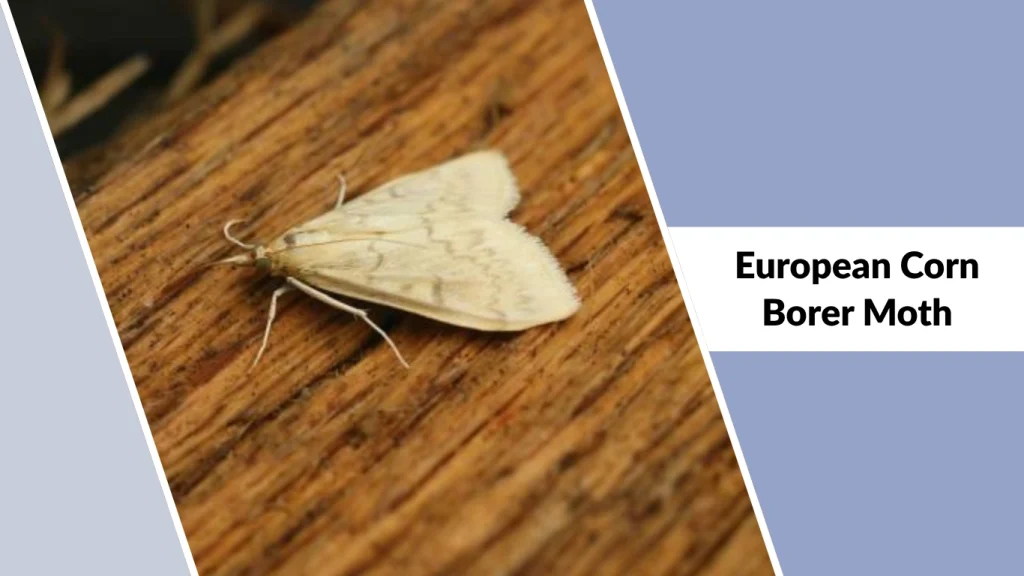
The European Corn Borer Moth is a destructive snout moth species known for damaging corn and other agricultural crops. Its larvae tunnel into plant stems, weakening crops and reducing yields. Originally native to Europe, this moth spread widely across North America and became one of the most significant agricultural pests affecting corn production and related farming industries.
Identification
- Scientific name: Ostrinia nubilalis
- Wings are pale yellowish-brown with wavy darker markings
- Wingspan ranges from 2 to 3 cm
- Females are usually lighter in color than males
- Body is slender with a slight snout-like appearance
- Larvae are pale with darker spots along the body
Habitat and Distribution
The European Corn Borer Moth is widely distributed across Europe, North America, and parts of Asia. It commonly inhabits cornfields, agricultural land, gardens, grasslands, and areas where host crops are widely cultivated.
Behavior and Diet
Adult moths are mainly nocturnal and become active during warm evenings. Caterpillars feed inside corn stalks, stems, and ears, but they may also attack peppers, potatoes, beans, and other cultivated plants.
Lifecycle
Females lay eggs on the undersides of plant leaves during the breeding season. Caterpillars hatch and bore into stems where they feed and grow through several stages before pupating. Adult moths later emerge and continue the reproductive cycle under favorable environmental conditions.
5. Rice Moth
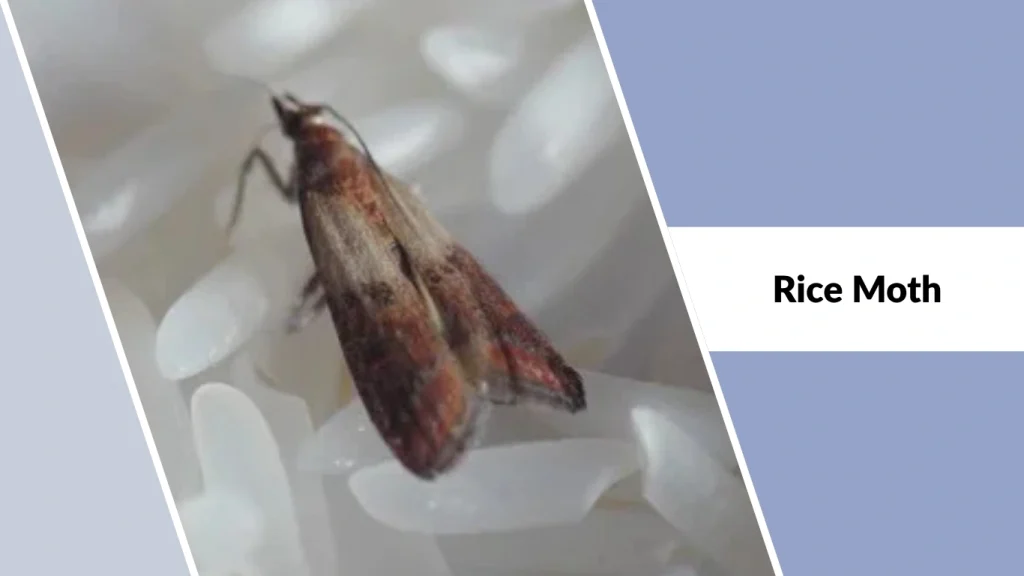
The Rice Moth is a common snout moth species that infests stored grains and food products in homes, warehouses, and grain storage facilities. It is considered a serious pest because its larvae feed on rice, flour, cereals, and dried foods while producing silk webbing that contaminates stored products. This moth is especially common in warm and humid regions.
Identification
- Scientific name: Corcyra cephalonica
- Wings are grayish-brown with darker markings
- Wingspan ranges from 1.5 to 2.5 cm
- Body is slender with a pointed snout-like appearance
- Hindwings are lighter in color with fringed edges
- Larvae are creamy-white with brown heads
Habitat and Distribution
The Rice Moth is widely distributed across tropical and subtropical regions worldwide. It commonly inhabits grain storage areas, warehouses, kitchens, mills, food-processing centers, and agricultural environments with stored food products.
Behavior and Diet
Adult moths are mainly nocturnal and are attracted to lights during nighttime hours. Larvae feed on rice, cereals, flour, maize, dried fruits, nuts, and other stored food materials. Heavy infestations can contaminate food supplies with silk webbing and waste.
Lifecycle
Females lay eggs directly on stored food materials during favorable conditions. Caterpillars hatch and feed through several developmental stages before pupating in cracks, packaging, or sheltered areas. Adult moths later emerge and continue the reproductive cycle indoors throughout the year.
6. Garden Pebble Moth
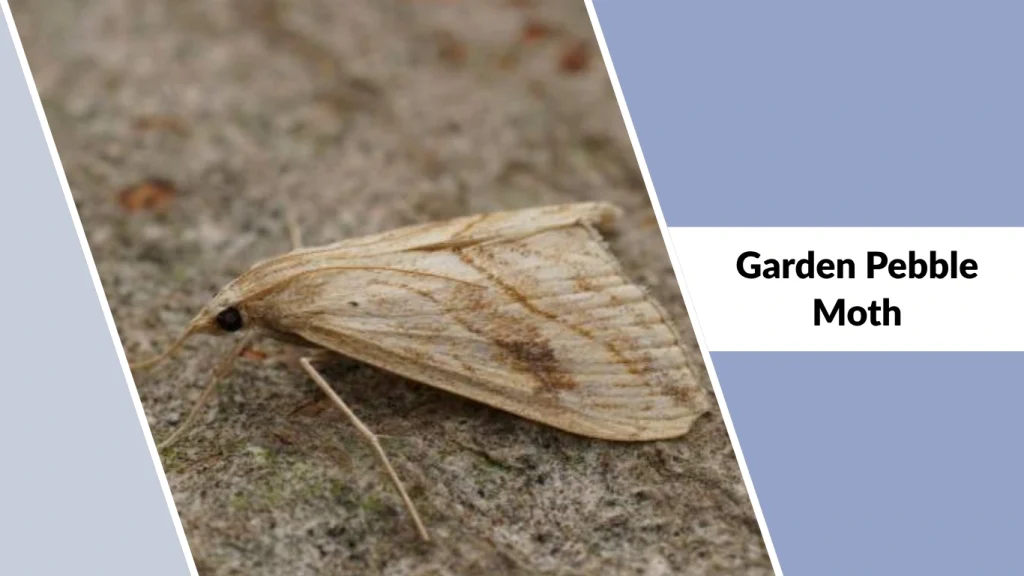
The Garden Pebble Moth is a small snout moth species commonly seen in gardens, hedgerows, and woodland habitats. It is recognized for its mottled wing patterns that provide excellent camouflage against bark, stones, and dried vegetation. This moth is widespread and adaptable, often appearing around outdoor lights during warm evenings in both rural and urban environments.
Identification
- Scientific name: Evergestis forficalis
- Wings are brownish-gray with mottled dark markings
- Wingspan ranges from 2 to 3 cm
- Body is slender with a slight snout-like appearance
- Forewings display irregular pale and dark patches
- Adults rest with wings folded roof-like over the body
Habitat and Distribution
The Garden Pebble Moth is widely distributed across Europe and parts of Asia. It commonly inhabits gardens, meadows, hedgerows, woodland edges, farmland, and urban green spaces with abundant vegetation.
Behavior and Diet
Adult moths are mainly nocturnal and are frequently attracted to lights during warm nights. Caterpillars feed on leaves and seed pods of low-growing plants, especially species within the cabbage and mustard family.
Lifecycle
Females lay eggs on suitable host plants during the breeding season. Caterpillars hatch and feed through several developmental stages before pupating among vegetation or soil debris. Adult moths later emerge and continue the reproductive cycle under favorable environmental conditions.
7. Mother of Pearl Moth
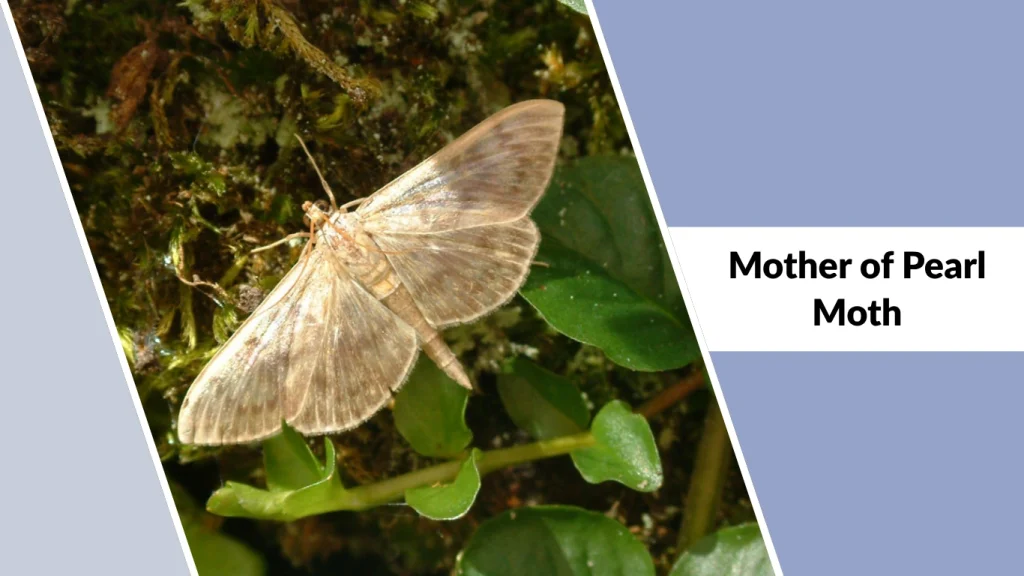
The Mother of Pearl Moth is a beautiful snout moth species admired for its shimmering white wings that reflect rainbow-like colors in sunlight. Its elegant appearance makes it one of the more recognizable moths in gardens and grassy habitats. This species is commonly active during warm months and is often attracted to outdoor lights during nighttime hours.
Identification
- Scientific name: Pleuroptya ruralis
- Wings are pearly white with iridescent shine
- Wingspan ranges from 3 to 4 cm
- Forewings display brown or bronze borders
- Body is slender with a slight snout-like appearance
- Adults rest with wings spread flat over surfaces
Habitat and Distribution
The Mother of Pearl Moth is widely distributed across Europe and parts of Asia. It commonly inhabits gardens, woodland edges, hedgerows, meadows, damp grasslands, and areas with dense vegetation.
Behavior and Diet
Adult moths are mainly nocturnal and are strongly attracted to lights during warm evenings. Caterpillars feed on nettles and other low-growing plants, remaining hidden among leaves and vegetation during development.
Lifecycle
Females lay eggs on host plants during favorable seasons. Caterpillars hatch and feed through several growth stages before pupating within silk shelters or plant debris. Adult moths later emerge and continue the reproductive cycle under suitable environmental conditions.
8. Small Magpie Moth
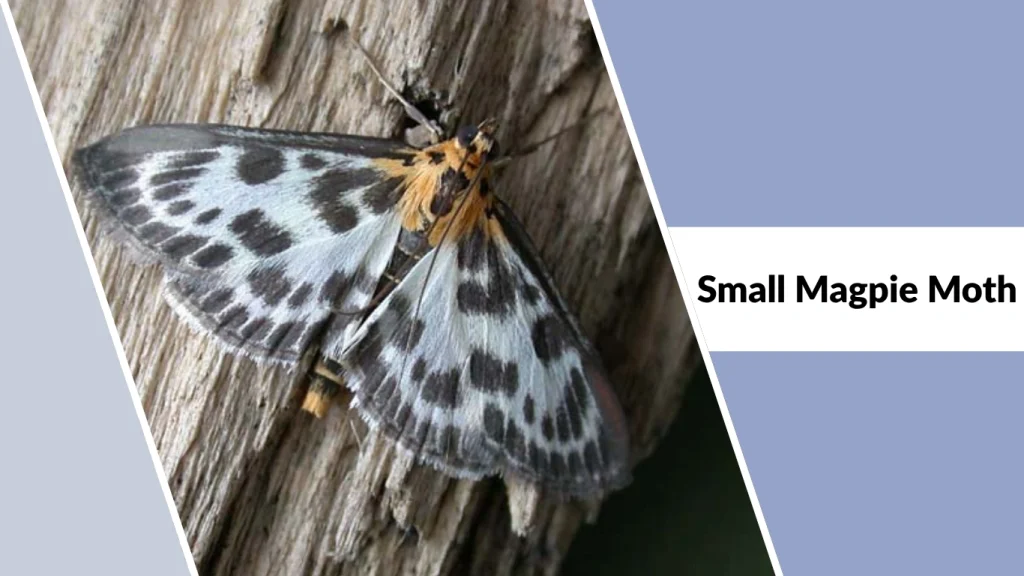
The Small Magpie Moth is a colorful snout moth species recognized for its striking black-and-white wing patterns. Despite its delicate size, it is highly noticeable when resting on leaves or flowers during daytime hours. This moth is commonly found in gardens, woodland edges, and hedgerows where its caterpillars feed on various low-growing plants and shrubs.
Identification
- Scientific name: Anania hortulata
- Wings are white with bold black markings
- Wingspan ranges from 2 to 3 cm
- Body is slender with a slight snout-like appearance
- Adults rest with wings spread flat over surfaces
- Contrasting wing patterns resemble those of magpie birds
Habitat and Distribution
The Small Magpie Moth is widely distributed across Europe and parts of Asia. It commonly inhabits gardens, meadows, woodland edges, hedgerows, parks, and damp grassy habitats with abundant vegetation.
Behavior and Diet
Adult moths are active during both daytime and nighttime hours and may visit flowers for nectar. Caterpillars feed on nettles, mint, and other herbaceous plants while remaining hidden among leaves during development.
Lifecycle
Females lay eggs on suitable host plants during warmer months. Caterpillars hatch and feed through several developmental stages before pupating within silk shelters or plant debris. Adult moths later emerge and continue the reproductive cycle under favorable environmental conditions.
9. Box Tree Moth
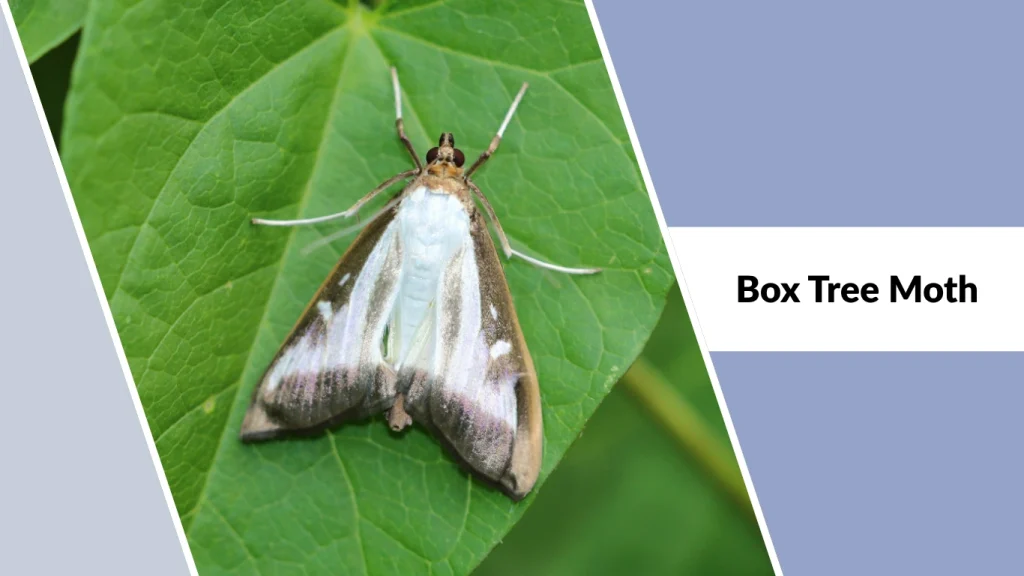
The Box Tree Moth is an invasive snout moth species known for causing severe damage to boxwood plants in gardens and landscapes. Native to Asia, it has spread rapidly across Europe and other regions where ornamental box shrubs are commonly grown. Its caterpillars feed aggressively on leaves and bark, often leaving plants heavily defoliated or completely destroyed.
Identification
- Scientific name: Cydalima perspectalis
- Wings are white with dark brown borders
- Some individuals may appear mostly brown in color
- Wingspan ranges from 3.5 to 4.5 cm
- Body is slender with a slight snout-like appearance
- Caterpillars are green with black and white stripes
Habitat and Distribution
The Box Tree Moth is native to East Asia but is now widely distributed across Europe and other regions. It commonly inhabits gardens, parks, nurseries, hedgerows, and landscaped areas where boxwood plants are cultivated.
Behavior and Diet
Adult moths are mainly nocturnal and are attracted to lights during warm evenings. Caterpillars feed heavily on boxwood leaves and bark, often creating silk webbing among branches while causing severe plant damage.
Lifecycle
Females lay eggs on the undersides of boxwood leaves during the breeding season. Caterpillars hatch and feed through several developmental stages before pupating within silk cocoons attached to the plant. Adult moths later emerge and continue the reproductive cycle under favorable conditions.
10. Mint Moth
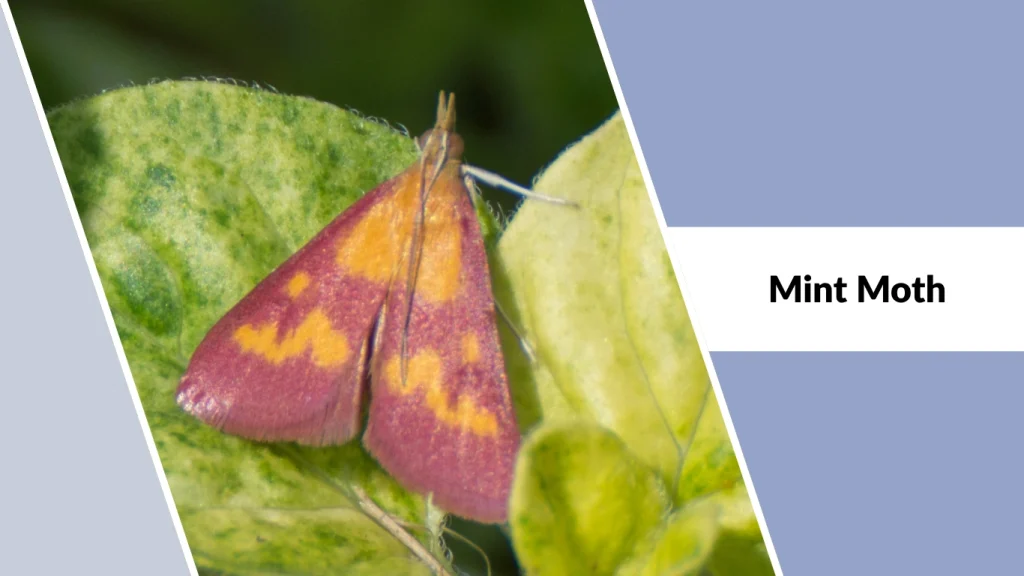
The Mint Moth is a small and attractive snout moth species commonly associated with mint plants and other aromatic herbs. Its dark wings marked with golden patterns make it easy to recognize in gardens and herb patches. This moth is widely distributed and is often seen resting on leaves during the daytime or flying near vegetation during warm evenings.
Identification
- Scientific name: Pyrausta aurata
- Wings are dark brown or purple with golden markings
- Wingspan ranges from 1.5 to 2 cm
- Body is slender with a slight snout-like appearance
- Forewings display bright metallic patterns
- Adults often rest with wings held flat over the body
Habitat and Distribution
The Mint Moth is widely distributed across Europe, Asia, and parts of North America. It commonly inhabits herb gardens, meadows, woodland edges, parks, and grassy habitats where mint and related plants grow abundantly.
Behavior and Diet
Adult moths are active during both daytime and nighttime hours and may visit flowers for nectar. Caterpillars feed mainly on mint, marjoram, oregano, and related aromatic plants while remaining hidden among leaves during development.
Lifecycle
Females lay eggs on suitable host plants during warm seasons. Caterpillars hatch and feed through several developmental stages before pupating within silk shelters attached to leaves or stems. Adult moths later emerge and continue the reproductive cycle under favorable environmental conditions.
FAQs
What are snout moths?
Snout moths are a large group of moths known for their elongated mouthparts that create a snout-like appearance. Most species belong to the family Pyralidae and are commonly found in gardens, forests, homes, and agricultural environments around the world.
Are snout moths harmful to food products?
Some snout moth species are serious pantry pests because their larvae infest stored grains, flour, cereals, dried fruits, and pet food. Species such as the Indianmeal Moth and Mediterranean Flour Moth can contaminate food supplies with silk webbing and waste.
Where are snout moths commonly found?
Snout moths are found in homes, warehouses, forests, gardens, grasslands, agricultural fields, and woodland habitats worldwide. Different species prefer different environments depending on the availability of food sources and suitable breeding conditions.
What do snout moth caterpillars eat?
Snout moth caterpillars feed on a wide variety of materials, including stored grains, flour, cereals, leaves, stems, herbs, and ornamental plants. Their diet depends on the species and the habitat where they develop.
Why are snout moths called snout moths?
Snout moths receive their name from the elongated mouthparts and palps that extend forward from the head, creating a structure that resembles a snout. This feature helps distinguish them from many other moth groups.
