

Silverfish are small, wingless insects known for their silvery-gray bodies and quick movements. While harmless to humans, they can cause significant damage to books, wallpaper, clothing, and stored papers. These nocturnal pests thrive in dark, damp places, making basements, bathrooms, and kitchens their favorite hiding spots.
In this guide, we’ll explore 7 effective methods to eliminate silverfish from your home and prevent them from coming back, ensuring a cleaner, pest-free living environment.
What Are Silverfish?
Silverfish are primitive insects that belong to the order Zygentoma. They have elongated, flattened bodies covered in silvery-gray scales, giving them a fish-like shimmer when they move. These pests prefer dark, moist environments and are often found in kitchens, bathrooms, basements, and attics. Although they don’t bite or transmit diseases, they can damage household items by feeding on starchy materials.
Appearance
- Silvery-gray body covered with fine scales
- Long, slender shape measuring 12–19 mm
- Three long tail-like appendages at the rear
Common Hiding Spots
- Behind baseboards
- Under sinks and in cabinets
- Inside cardboard boxes and old books
Signs of a Silverfish Infestation

Identifying a silverfish problem early can help prevent extensive damage. Because they are nocturnal, you may not see them during the day, but there are clear signs to watch for.
- Yellowish stains or scales on books, fabrics, and paper
- Irregular holes in wallpaper, cardboard, and clothing
- Shed skins in corners or storage areas
- Spotting live silverfish in dark rooms at night
- Noticing quick, darting movements when a light is switched on
Why You Should Remove Silverfish Quickly
Allowing silverfish to remain in your home can lead to costly damage and persistent infestations. While they may seem harmless, their feeding habits can destroy valuable items over time. Removing them promptly helps protect books, important documents, wallpaper, and fabrics from destruction. It also reduces the risk of allergic reactions caused by their shed skins and droppings. Acting early prevents their population from multiplying, making control much easier and more effective in the long run.
7 Effective Methods to Get Rid of Silverfish

Eliminating silverfish requires a combination of environmental changes, natural deterrents, and in some cases, chemical treatments. Below are seven proven strategies to remove these pests and keep them from returning.
1. Reduce Humidity in Your Home
Silverfish thrive in damp, humid conditions, making basements, bathrooms, and kitchens their preferred habitats. By lowering moisture levels, you can make your home less inviting.
- Use a dehumidifier in damp rooms
- Improve ventilation with exhaust fans
- Repair leaks in pipes, roofs, or faucets
2. Seal Entry Points
Blocking possible entryways helps keep silverfish out for good. Check your home for small cracks, gaps, and holes where they could sneak in.
- Apply caulk to gaps in baseboards and wall seams
- Seal around pipes, vents, and utility lines
- Install tight-fitting door sweeps and window screens
3. Clean and Declutter
Silverfish feed on starchy materials like paper, cardboard, and fabric. Reducing clutter removes their food sources and hiding spots.
- Store books and documents in airtight containers
- Remove old magazines, newspapers, and unused clothing
- Vacuum regularly to eliminate eggs and debris
4. Use Natural Repellents
Certain natural scents can deter silverfish from settling in your home. Essential oils are especially effective and safe for most households.
- Apply lavender, cedarwood, or citrus oil around baseboards, closets, and storage areas
- Place dried cedar shavings or sachets in cupboards and drawers
- Refresh scents every few weeks to maintain effectiveness
5. Set Silverfish Traps
Traps can help capture and reduce silverfish numbers over time. You can use both DIY and store-bought options.
- Create a homemade trap with a glass jar lined with masking tape and baited with flour or bread
- Use commercial sticky traps placed in dark corners and behind furniture
- Check and replace traps regularly for best results
6. Apply Diatomaceous Earth
Diatomaceous earth is a natural, non-toxic powder that dehydrates and kills silverfish on contact.
- Sprinkle a thin layer along baseboards, under sinks, and in storage areas
- Leave it in place for several days before vacuuming
- Use food-grade diatomaceous earth for safety around pets and children
7. Use Boric Acid or Insecticide (For Severe Infestations)
When infestations are widespread, stronger treatments may be necessary. Boric acid is highly effective against silverfish but should be used with caution.
- Lightly dust boric acid powder in problem areas where pets and children cannot reach
- Apply insecticide sprays labeled for silverfish control in cracks and crevices
- Always follow safety instructions to prevent accidental exposure
How to Prevent Silverfish from Coming Back
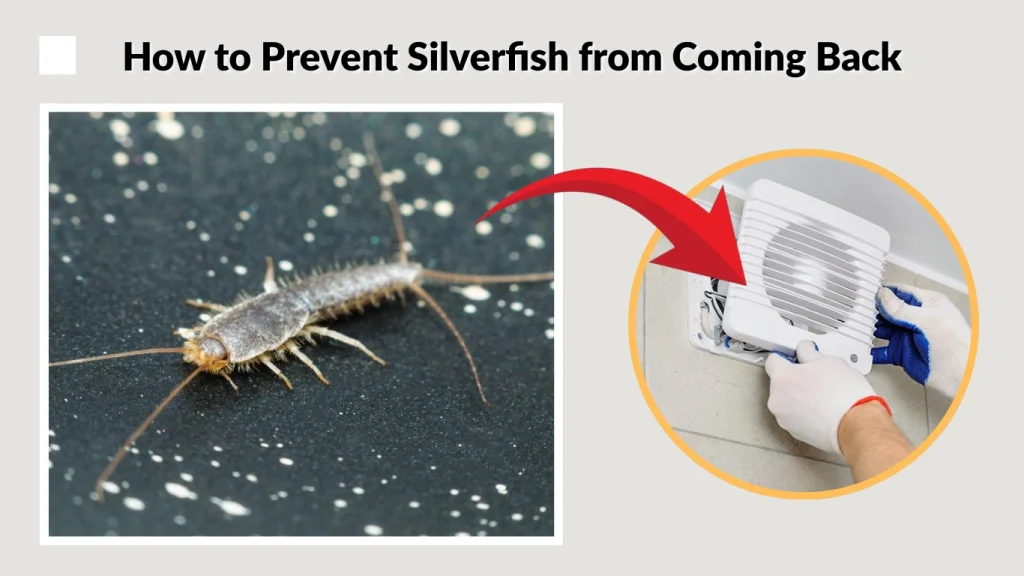
Once you’ve eliminated silverfish, taking preventive steps is essential to keep them from returning. Start by maintaining low humidity levels throughout your home with dehumidifiers and proper ventilation. Store books, important papers, and clothing in airtight containers to protect them from damage. Keep storage areas clean and clutter-free, vacuum regularly, and promptly repair leaks or water damage. By making your home less appealing to silverfish, you can ensure long-term protection against future infestations.
When to Call a Pest Control Professional
If silverfish persist despite your efforts, it may be time to involve a pest control expert. Professionals can assess the infestation’s severity, identify hidden breeding areas, and apply targeted treatments that are more effective than DIY methods. This is especially important if silverfish are damaging valuable books, fabrics, or wallpaper, or if they are spreading to multiple rooms in your home. A timely professional intervention can prevent the problem from becoming a long-term issue.
FAQs
Are silverfish harmful to humans?
No, silverfish do not bite or transmit diseases. However, they can trigger allergies in some people and cause damage to household items.
Can silverfish live in dry areas?
Silverfish prefer humid environments, but they can survive in dry areas for short periods, especially if they have access to food sources like paper and fabric.
How long does it take to get rid of silverfish?
With consistent cleaning, humidity control, and targeted treatments, you can often see a significant reduction within a few weeks. Severe infestations may take longer to eliminate.
What attracts silverfish the most?
They are drawn to starchy materials, sugars, and damp environments. Items like wallpaper paste, book bindings, cardboard, and clothing are common targets.
Will essential oils alone get rid of silverfish?
Essential oils can help repel silverfish but may not completely eliminate them. Combining oils with cleaning, moisture control, and sealing entry points provides better results.
