

Aphids are small, soft-bodied insects that commonly attack garden plants, crops, and ornamental flowers. These tiny pests feed on plant sap, weakening plants and causing various types of damage. Because aphids reproduce very quickly, a small number can turn into a large infestation in a short time. They are commonly found on the undersides of leaves, stems, and new plant growth. Early identification and proper pest control methods are important to prevent serious damage and protect plant health in gardens, farms, and indoor plant collections.
What Are Aphids?
Aphids are tiny plant-sucking insects that belong to a group of pests known for feeding on plant sap. They use specialized mouthparts to pierce plant tissues and extract nutrients from the plant’s fluids. Because of this feeding behavior, aphids can weaken plants and interfere with their growth.
These insects are commonly found in gardens, agricultural fields, greenhouses, and even on indoor plants. Aphids prefer young plant growth because it contains more nutrients and is easier to feed on.
Although aphids are small, they can cause serious problems for plants when their populations grow rapidly. Large colonies may form on stems, leaves, buds, and flowers. As they feed, they remove essential nutrients that plants need to stay healthy and grow properly.
Aphid Classification
Aphids belong to the insect family Aphididae, which includes thousands of species found around the world. Scientists estimate that there are more than 4,000 aphid species globally, with many species specializing in certain types of plants.
Some aphids attack a wide variety of plants, while others prefer specific host plants. For example, certain species are commonly found on roses, while others prefer vegetable crops such as tomatoes or lettuce.
Despite their differences, most aphid species share similar feeding habits and life cycles. This makes them one of the most common and widespread plant pests in gardens and agricultural environments.
What Do Aphids Look Like?

Aphids are very small insects, usually measuring between 1 and 4 millimeters in length. Their bodies are soft and pear-shaped, which makes them easy to distinguish from many other plant pests.
These insects come in a variety of colors depending on the species. Common aphid colors include green, black, yellow, brown, pink, and sometimes even white. Because of these color variations, aphids can sometimes blend in with the plants they infest.
Aphids often gather in clusters, especially on the undersides of leaves or along plant stems. When viewed closely, they appear as small groups of tiny insects feeding together.
Winged vs Wingless Aphids
Aphids can exist in two different forms: wingless and winged. Most aphids in a colony are wingless and remain on the same plant where they were born. These wingless aphids focus on feeding and reproducing, allowing the colony to grow quickly.
However, when the population becomes crowded or when food sources begin to decline, some aphids develop wings. These winged aphids can fly to nearby plants and start new colonies.
Winged aphids play an important role in spreading infestations from one plant to another. This is why aphid problems can sometimes spread quickly throughout a garden or crop field.
Key Physical Features
Although aphids are small, they have several distinctive physical features that help identify them.
One of the most noticeable features is their pear-shaped body. Their bodies are wider at the back and narrower toward the head. Aphids also have long, thin antennae that help them sense their environment.
Another important identifying feature is the presence of cornicles, which are small tube-like structures located on the back of their abdomen. These structures release defensive chemicals that help protect aphids from predators.
Because of these unique features, aphids can usually be identified easily with a close inspection of the affected plant.
Aphid Life Cycle
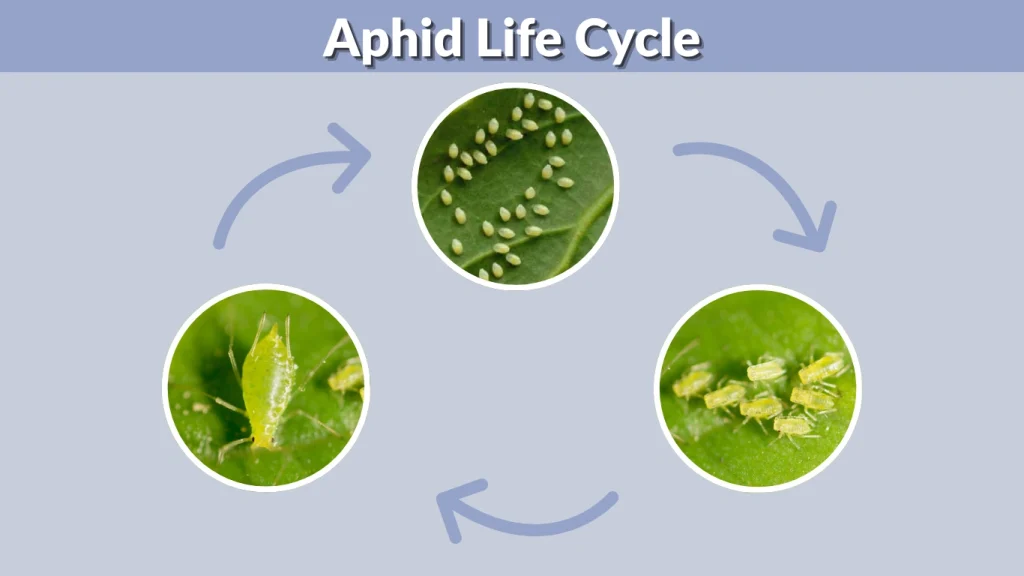
Reproduction of Aphids
One of the main reasons aphids become such serious plant pests is their ability to reproduce extremely quickly. Many aphid species reproduce through a process called parthenogenesis, which allows females to produce offspring without mating.
This means that a single aphid can begin producing young aphids without the need for a male. As a result, aphid populations can increase very rapidly, especially during warm weather conditions.
In many cases, female aphids give birth to live young rather than laying eggs. These young aphids begin feeding almost immediately after they are born.
Because reproduction happens so quickly, multiple generations of aphids can appear on a plant within a short period of time.
Stages of Development
Aphids go through a simple life cycle that includes several stages of development. After being born or hatching from eggs, young aphids enter the nymph stage.
Nymphs look very similar to adult aphids but are smaller in size. As they grow, they shed their outer skin several times through a process called molting.
After several molts, the nymph develops into a fully mature adult aphid. Adult aphids then continue feeding and reproducing, allowing the population to grow even larger.
Because aphids mature quickly, their entire life cycle can sometimes be completed in as little as a week under ideal conditions.
Seasonal Activity
Aphid activity often changes with the seasons. In spring, aphid populations begin to grow rapidly as temperatures rise and new plant growth becomes available.
During summer, colonies may expand quickly, especially when food sources are plentiful. This is when aphid infestations often become most noticeable in gardens and farms.
In many regions, aphids lay eggs in the fall that survive through the winter. These eggs hatch the following spring, beginning the cycle again.
Understanding the seasonal patterns of aphids can help gardeners and farmers manage infestations more effectively before populations grow too large.
What Plants Do Aphids Attack?
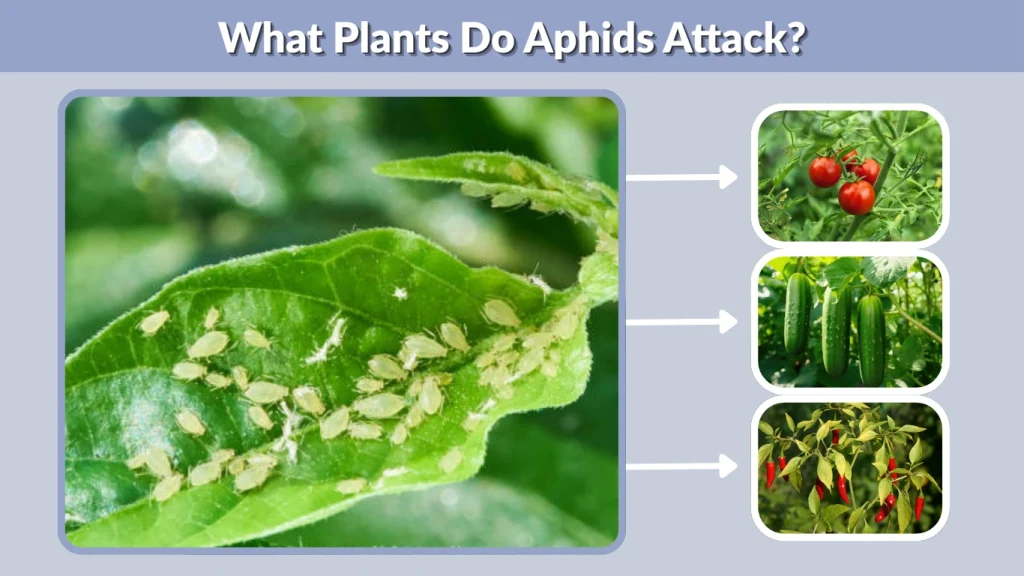
Aphids attack a wide variety of plants, making them one of the most common garden and agricultural pests. They feed by piercing plant tissues and sucking out sap, which provides them with nutrients needed for growth and reproduction.
These insects are often found on tender plant parts such as young leaves, buds, and new stems. Soft new growth is easier for aphids to penetrate and contains more nutrients than older plant tissue.
Aphids can infest many types of plants including vegetables, fruit trees, shrubs, flowering plants, and houseplants. Because they are highly adaptable, they can thrive in gardens, greenhouses, and even indoor environments.
Crops Most Vulnerable to Aphids
Certain plants tend to attract aphids more frequently than others. Many common vegetable crops are particularly vulnerable to aphid infestations.
Some of the plants most commonly affected include:
- Tomatoes
- Cucumbers
- Peppers
- Lettuce
- Potatoes
Aphids also frequently attack flowering plants such as roses, chrysanthemums, and dahlias. Fruit trees like apple, peach, and plum trees may also experience aphid problems.
Because these insects reproduce quickly, even a small infestation can spread rapidly across multiple plants in a garden.
Signs of an Aphid Infestation

Visible Aphids on Plants
One of the most obvious signs of an aphid infestation is the presence of clusters of small insects on plants. Aphids usually gather on the undersides of leaves, along stems, or around new plant growth.
When populations increase, large groups of aphids may become visible without close inspection. These clusters can sometimes cover entire sections of a plant.
Leaf Damage
Aphid feeding can cause visible damage to plant leaves. As the insects remove sap from plant tissues, the leaves may begin to curl, twist, or become distorted.
Leaves may also turn yellow or develop unusual shapes due to the loss of nutrients. In severe infestations, plant growth may slow down significantly.
Sticky Residue on Leaves
While feeding, aphids produce a sticky substance known as honeydew. This sugary liquid is excreted by aphids as they digest plant sap.
Honeydew often coats nearby leaves, stems, and even surfaces beneath the plant. This sticky residue can attract other insects, particularly ants.
Sooty Mold Growth
The honeydew produced by aphids can also lead to the growth of a black fungus called sooty mold. This fungus grows on the sticky residue left behind by aphids.
Sooty mold does not directly attack the plant, but it can block sunlight from reaching the leaves. When sunlight is blocked, the plant’s ability to perform photosynthesis may be reduced.
Damage Caused by Aphids
Plant Sap Removal
The primary way aphids damage plants is by removing sap from plant tissues. Sap contains essential nutrients that plants need for growth and development.
When aphids feed in large numbers, they can weaken plants by depriving them of these nutrients. Over time, this can cause plants to become stressed and less productive.
Transmission of Plant Viruses
In addition to direct feeding damage, aphids are also known to spread plant viruses. As aphids move from one plant to another, they can carry viral diseases with them.
These viruses can infect healthy plants and cause additional problems such as leaf discoloration, stunted growth, and reduced crop yields.
Because aphids can move quickly between plants, viral diseases may spread rapidly within a garden or crop field.
Reduced Plant Growth
When plants lose too much sap due to aphid feeding, their growth may slow down significantly. Young plants are particularly vulnerable because they require large amounts of nutrients to develop properly.
In agricultural settings, heavy aphid infestations can reduce crop yields and affect the quality of harvested produce. This is why controlling aphids is an important part of plant care and crop management.
Natural Predators of Aphids
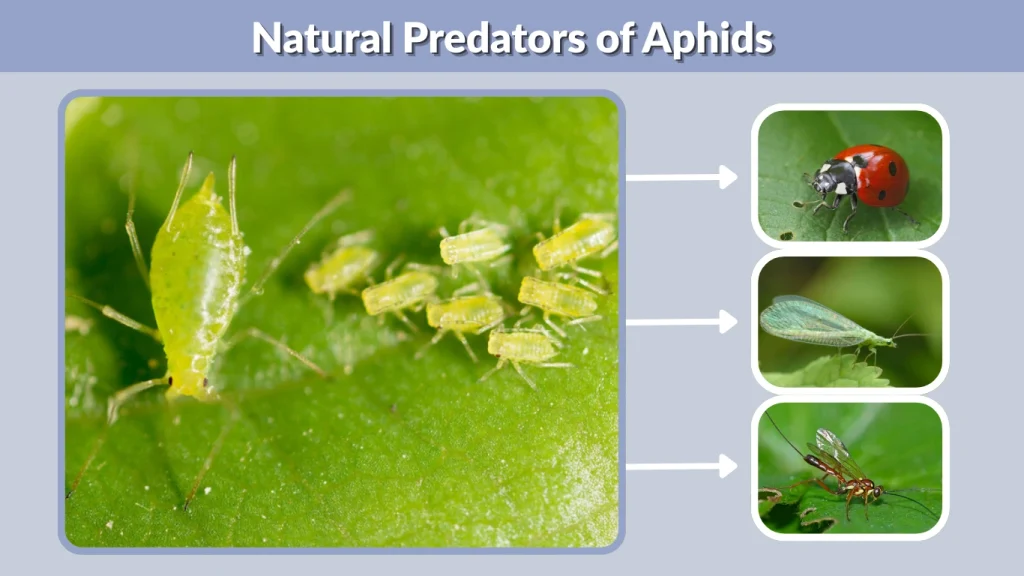
Ladybugs (Lady Beetles)
Ladybugs are one of the most well-known natural predators of aphids. Both adult ladybugs and their larvae feed on aphids and can consume large numbers of them each day.
Because of this, ladybugs are often considered beneficial insects in gardens and agricultural environments.
Lacewings
Lacewing larvae are also effective aphid predators. These small insects actively hunt aphids and feed on them as part of their diet.
Gardeners often encourage lacewings because they help reduce aphid populations naturally.
Parasitic Wasps
Some tiny parasitic wasps lay their eggs inside aphids. When the eggs hatch, the developing larvae feed on the aphid from the inside.
This process helps reduce aphid populations and plays an important role in natural pest control.
Hoverflies
Hoverfly larvae are another important predator of aphids. While adult hoverflies feed on nectar and pollen, their larvae actively hunt and consume aphids on plants.
Encouraging these beneficial insects can help maintain a balanced garden ecosystem.
How to Get Rid of Aphids

Spraying Plants with Water
One of the simplest ways to control aphids is by spraying plants with a strong stream of water. This method can physically remove aphids from leaves and stems.
Regularly rinsing plants can help keep aphid populations under control, especially during early infestations.
Insecticidal Soap
Insecticidal soaps are commonly used to control aphids safely. These soaps work by damaging the outer coating of aphids, causing them to dehydrate.
They are widely used in gardens because they are less harmful to beneficial insects when applied properly.
Neem Oil Treatment
Neem oil is a natural pesticide derived from the neem tree. It works by interfering with insect feeding and reproduction.
Applying neem oil to affected plants can help control aphid populations while also preventing future infestations.
Introducing Beneficial Insects
Another effective way to control aphids is by introducing natural predators such as ladybugs or lacewings. These beneficial insects feed on aphids and help keep their populations in balance.
Using biological pest control methods can reduce the need for chemical pesticides.
Preventing Aphid Infestations
Regular Plant Inspection
Inspecting plants regularly is one of the best ways to prevent serious aphid infestations. Early detection allows gardeners to remove aphids before their populations grow too large.
Checking the undersides of leaves and new plant growth can help identify problems early.
Garden Maintenance
Keeping the garden clean and well-maintained can also help reduce aphid problems. Removing damaged or infected plant parts can prevent pests from spreading.
Proper watering and fertilization also help plants stay strong and better able to resist pests.
Companion Planting
Certain plants can help repel aphids when grown near vulnerable crops. Companion planting is a natural method used by many gardeners to reduce pest problems.
Plants such as garlic, onions, and marigolds are commonly used to discourage aphids.
Encouraging Beneficial Insects
Creating an environment that attracts beneficial insects can help control aphids naturally. Planting flowers that produce nectar and pollen can attract predators such as ladybugs and hoverflies.
Avoiding excessive pesticide use can also help maintain a healthy balance of insects in the garden.
FAQs
Are aphids harmful to humans?
Aphids are not harmful to humans. They do not bite or sting people and are mainly a problem for plants. However, large aphid infestations can damage garden plants and crops by feeding on plant sap and spreading plant diseases.
How quickly do aphids reproduce?
Aphids reproduce very quickly, especially in warm conditions. Some species can produce new generations every few days. Because females can reproduce without mating, aphid populations can grow rapidly and form large colonies in a short period.
What plants attract aphids the most?
Aphids are commonly attracted to plants with soft, new growth. Vegetables such as tomatoes, peppers, lettuce, and cucumbers are often affected. Flowering plants like roses and fruit trees such as apples may also attract aphids.
Can aphids kill plants?
Yes, severe aphid infestations can weaken plants and sometimes kill young or heavily infested plants. By removing plant sap and spreading diseases, aphids can stunt plant growth and reduce overall plant health.
What is the fastest way to remove aphids from plants?
Spraying plants with a strong stream of water is one of the fastest ways to remove aphids. This method can quickly knock aphids off leaves and stems. Repeating the process regularly can help keep aphid populations under control.
