

Red wasps are often seen as aggressive, unpredictable insects capable of painful stings. Found commonly in the southern United States, these reddish-brown paper wasps (Polistes carolina) are protective of their nests but not naturally hostile toward humans. Learning what triggers their defensive behavior helps you avoid stings and understand their role in nature.
Understanding Red Wasp Behavior

Overview of Red Wasps
Red wasps are part of the paper wasp family, known for their umbrella-shaped nests and reddish-brown coloring. They thrive in warm climates such as Texas, Florida, Alabama, and Georgia, where they nest under eaves, porch roofs, or attic corners.
Although their appearance and buzz can be intimidating, red wasps play an important ecological role. They pollinate plants while feeding on nectar and help control garden pests like caterpillars and flies by feeding them to their larvae.
Social Structure and Colony Behavior
Red paper wasps live in small colonies that include a queen, female workers, and males. Their social organization is simple but efficient. The queen builds the nest and lays eggs, while workers handle food collection and defense. Most aggression comes from worker wasps defending their queen and larvae, not from the queen herself.
Unlike hornets or yellow jackets that form massive colonies, red wasp colonies are smaller and less territorial — but still capable of aggressive defense if disturbed.
Are Red Wasps Aggressive?

Natural Temperament
Despite their fierce reputation, red wasps are not naturally aggressive. They become defensive only when they sense a threat to their nest. When left alone, they usually ignore humans and continue their foraging activities.
However, red wasps are highly alert. Loud vibrations, fast movements, or sudden proximity can make them perceive danger. A single alarm pheromone released by one wasp can alert the entire colony, triggering a swarm response if provoked.
When Red Wasps Become Aggressive
Common triggers for red wasp aggression include:
- Attempting to remove or touch their nest
- Standing too close to an active colony
- Swatting or waving at flying wasps
- Wearing bright colors or floral perfumes that attract them
- Using lawnmowers or power tools near nests
When threatened, wasps don’t attack immediately — they may fly in circles, hover near your face, or buzz loudly as a warning before stinging.
Why Are Red Wasps So Aggressive at Times?
Red wasps become more defensive during late summer, when colonies are largest and resources are stretched. During this period, they must protect their larvae and queen from predators. Environmental stress such as high heat or food scarcity can also make them more reactive.
In most cases, their aggression is purely defensive, not predatory. If you respect their space and avoid nest disturbance, they will rarely sting.
Are Red Paper Wasps Aggressive Away from the Nest?
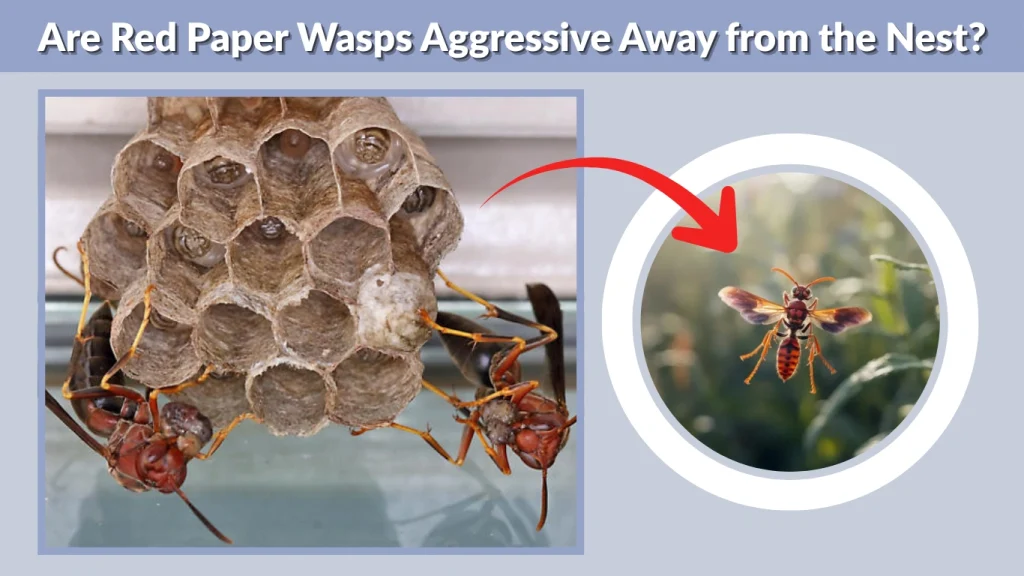
No — when away from their nests, red paper wasps are generally calm and uninterested in humans. You might see them hovering over flowers or collecting water, but they won’t attack unless physically harmed. This behavior makes them far less aggressive than hornets or yellow jackets, which often chase intruders over long distances.
For gardeners, this means that red wasps can coexist safely as long as their nests aren’t near high-traffic areas.
Are Red Wasps Dangerous?
Red wasps are considered moderately dangerous due to their sting, not their intent. Their venom contains compounds that cause intense pain, redness, and swelling. Most stings heal within a few days, but allergic individuals may experience severe reactions that require immediate medical attention.
While their sting is painful, red wasps rarely sting unprovoked. They are defensive protectors, not natural attackers.
How Dangerous Are Red Wasp Stings?

A single red wasp sting can cause immediate, sharp pain that lasts several minutes. The venom contains enzymes and toxins that trigger inflammation, resulting in redness, itching, and mild swelling. For most people, symptoms fade within a few hours or days.
However, allergic individuals may experience more serious reactions such as:
- Widespread swelling or hives
- Dizziness or rapid heartbeat
- Difficulty breathing or swallowing
These symptoms indicate anaphylaxis, a medical emergency that requires immediate treatment with epinephrine (EpiPen) and urgent medical attention.
Do Red Wasps Sting Multiple Times?
Yes. Unlike honeybees, red wasps retain their stingers, allowing them to sting repeatedly. This makes defensive attacks more painful, especially if several wasps respond to a single alarm pheromone. Staying calm and moving away slowly helps reduce the risk of multiple stings.
Are Red and Black Mason Wasps Dangerous?
Red and black mason wasps are often mistaken for aggressive paper wasps due to their color. In reality, they are solitary and non-aggressive.
- They build mud nests instead of paper ones.
- They rarely sting humans unless handled.
- Their primary focus is hunting caterpillars and spiders to feed their larvae.
While their size and color can be intimidating, mason wasps are actually beneficial garden allies, helping control pest populations naturally.
Red Wasps vs Hornets: Which Are More Aggressive?
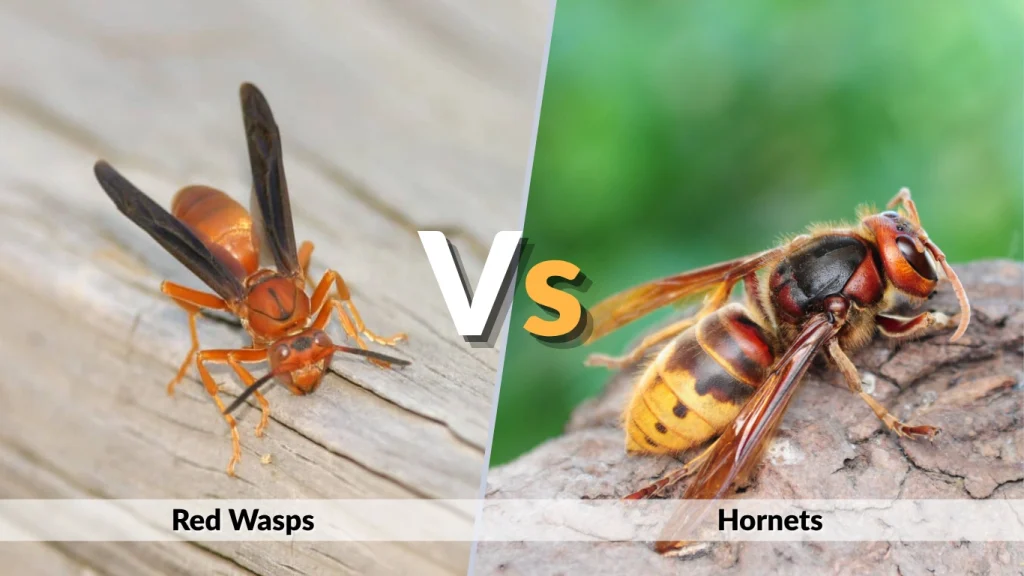
Though similar in appearance, hornets are much more aggressive than red paper wasps.
- Hornets protect a wider territory around their nest.
- They attack in swarms when threatened.
- Their stings deliver more venom due to their larger size.
Red wasps, by contrast, generally defend only the immediate nest area. They prefer to give warning flights before stinging and retreat once the threat is gone.
Aggression Comparison Table
| Insect | Aggression Level | Typical Behavior | Danger to Humans |
| Red Paper Wasp | Moderate | Defends nest if threatened | Painful sting, mild risk |
| Hornet | Very High | Territorial, swarms easily | Severe pain, multiple stings |
| Yellow Jacket | High | Easily provoked | Repeated stings possible |
| Mason Wasp | Low | Solitary, peaceful | Harmless unless handled |
Preventing Red Wasp Aggression
Practical Tips
- Avoid bright clothing or perfumes when outdoors, as these attract wasps.
- Inspect eaves and roof corners in spring for early nests.
- Remove food and sugary drinks from patios or open spaces.
- Keep trash bins sealed and away from entrances.
- Spray natural repellents, such as peppermint oil mixed with water, around potential nesting areas.
During Outdoor Activity
If a red wasp approaches, remain calm. Don’t sweat or run. Slowly step away until the insect loses interest. Quick movements or loud noises can provoke defensive reactions.
What to Do If You’re Stung
- Clean the sting site with soap and cool water to prevent infection.
- Apply ice for 10–15 minutes to reduce swelling and pain.
- Use calamine lotion or hydrocortisone cream for itching.
- Take an antihistamine if swelling persists.
- Seek medical attention if severe allergic symptoms develop.
For known allergies, always carry an EpiPen during outdoor activities in wasp-prone areas.
FAQs
Are red paper wasps aggressive away from the nest?
No. They’re generally calm when foraging and won’t sting unless provoked. Aggression occurs mainly near nests when they sense danger to their queen or larvae.
Why are red wasps more aggressive in late summer?
During late summer, colonies are large and food becomes scarce. Worker wasps are under stress, making them more reactive to noise and movement near their nests.
Are red wasps dangerous to pets?
Yes, potentially. Curious pets that disturb nests may be stung multiple times. Keep outdoor pet areas clear of visible nests and inspect regularly during warm months.
Are red and black mason wasps aggressive?
Not at all. They are solitary wasps that rarely sting and are beneficial predators of caterpillars. Their red and black color may look threatening, but their behavior is calm.
What’s the safest way to remove a red wasp nest?
Remove nests at night using protective clothing and long-range wasp spray. For large or high nests, contact professional pest control to ensure safe and complete removal.
