

Blue Carpenter Bee: Habitat, Sting, Identification & Behavior
The blue carpenter bee, scientifically known as Xylocopa caerulea, is one of the most visually stunning insects in the world. Its deep metallic-blue body glistens … Read More
The blue carpenter bee, scientifically known as Xylocopa caerulea, is one of the most visually stunning insects in the world. Its deep metallic-blue body glistens … Read More

Carpenter bees are hardworking pollinators, but they can become an unexpected nuisance when they start nesting in your home’s wood. Their drilling may look harmless … Read More
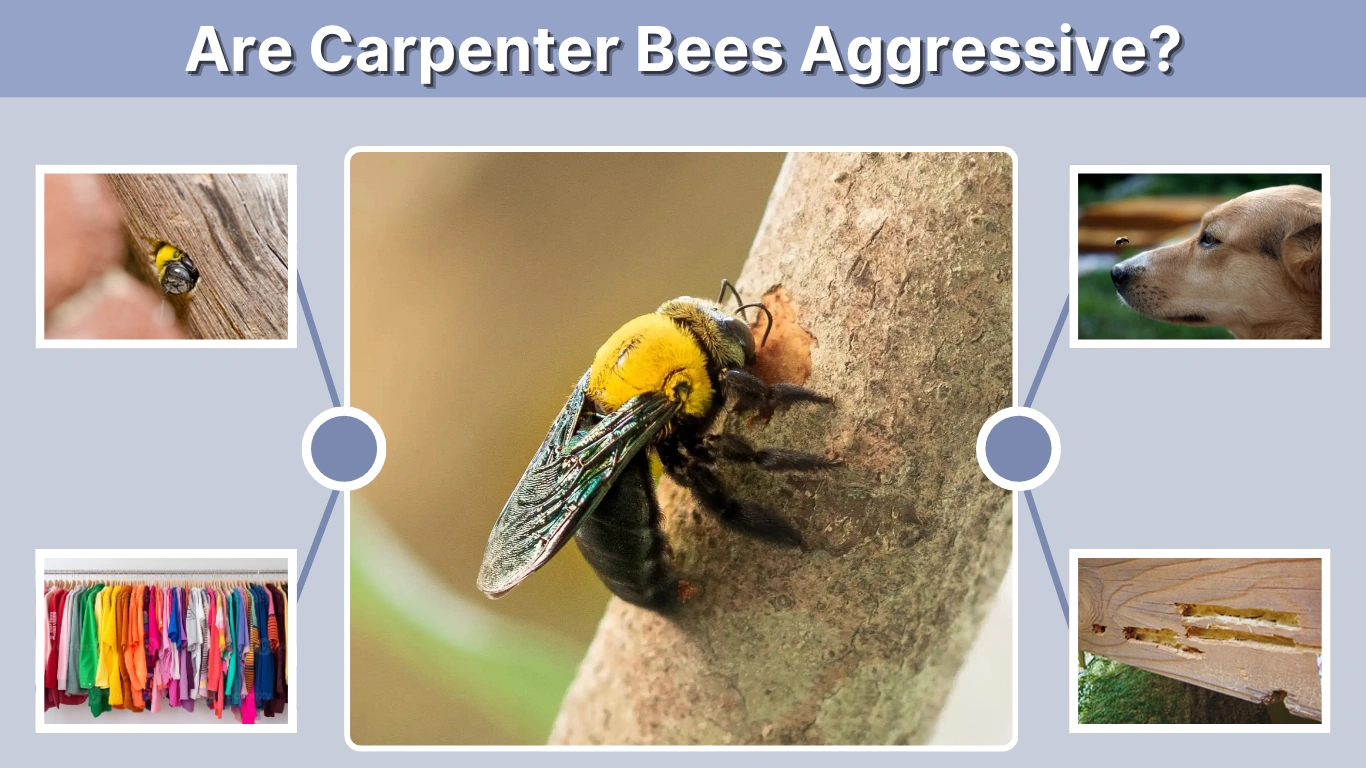
Carpenter bees are large, buzzing insects that often hover close to people, wooden decks, and garden structures. Their size and sound can make them seem … Read More

Carpenter bees are large, buzzing insects that often hover near wooden structures and gardens, making many people wonder if they’re dangerous. Despite their intimidating size … Read More
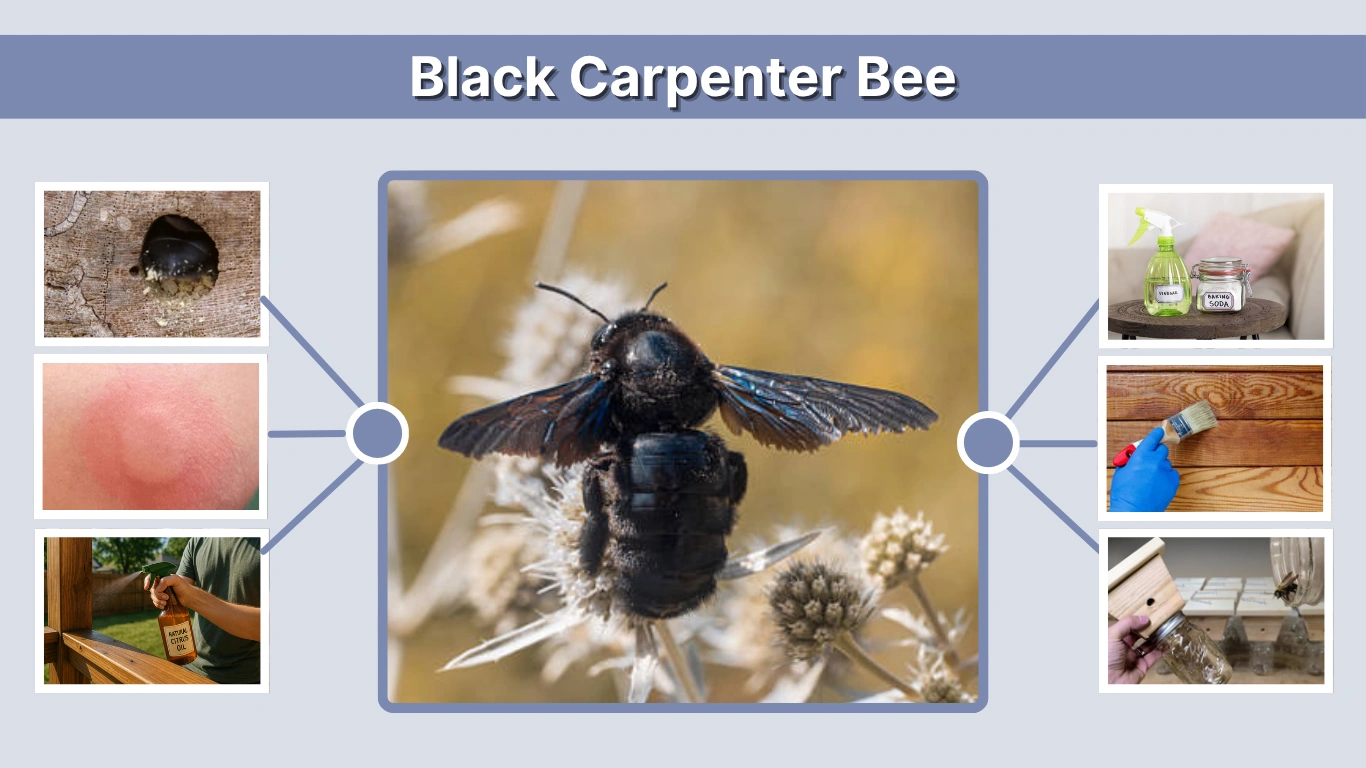
Black carpenter bees are large, glossy insects often confused with bumblebees because of their similar appearance. However, they are solitary wood-boring bees that prefer nesting … Read More

Carpenter bees are large, black, and often mistaken for bumblebees, but unlike their fuzzy cousins, these insects burrow into wood to make their nests. Over … Read More
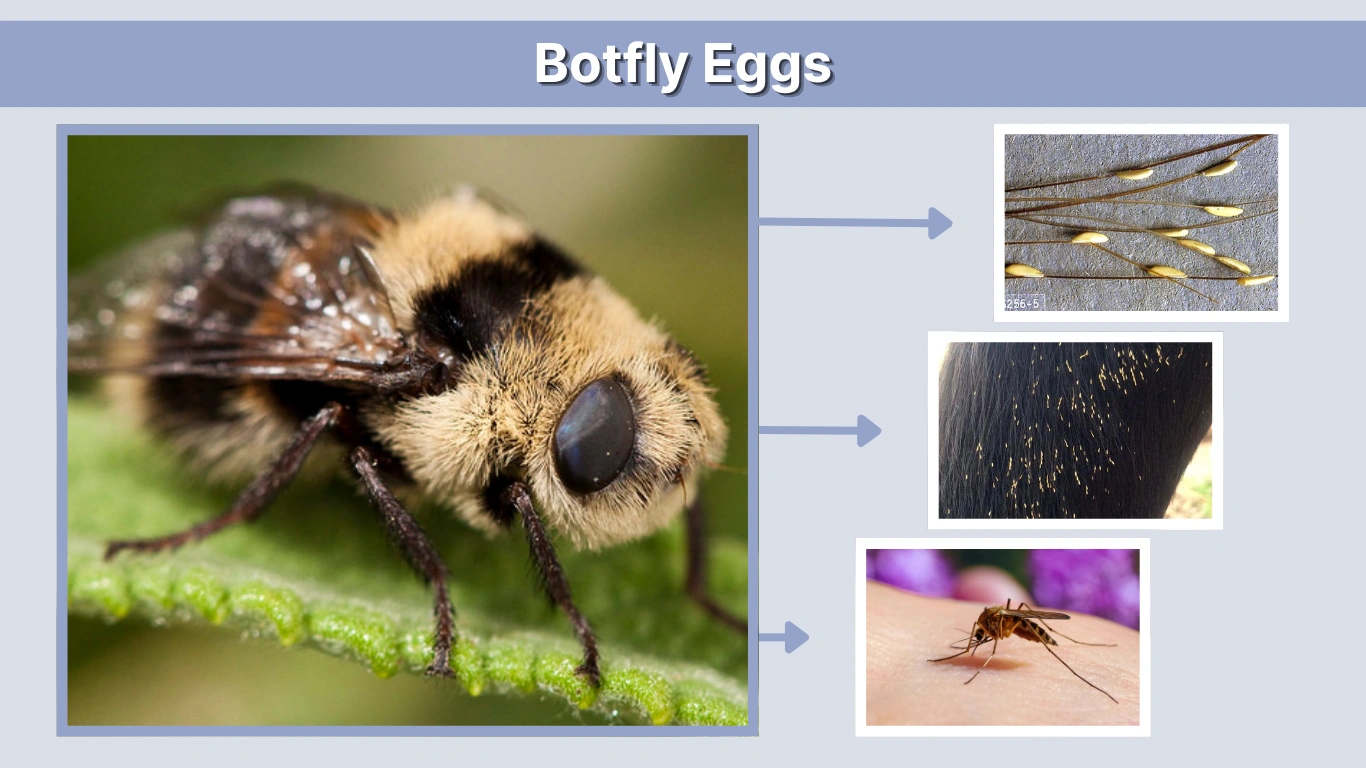
Botflies are parasitic insects known for their disturbing yet fascinating life cycle. Their eggs are laid on hosts like horses, dogs, or even humans. Once … Read More

The deer botfly (Cephenemyia spp.) is one of nature’s most specialized parasites, known for its remarkable speed and unique relationship with deer. Unlike ordinary flies, … Read More

Botfly bites are not ordinary insect bites—they are parasitic infestations caused when botfly larvae burrow into the skin. These painful lesions develop as the larvae … Read More
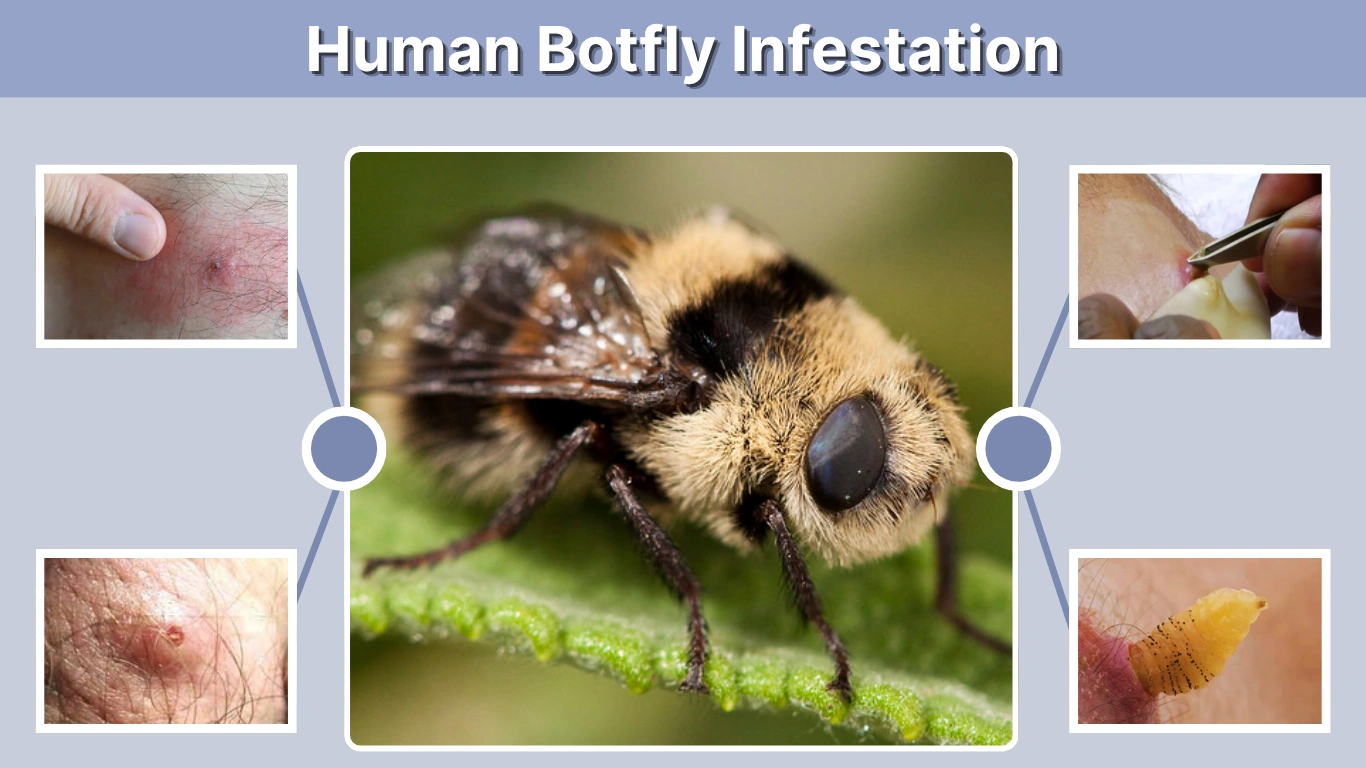
The human botfly (Dermatobia hominis) is one of the most fascinating yet disturbing parasites that can infect humans. Known for laying larvae beneath the skin, … Read More