

The cicada killer wasp is one of the most misunderstood yet fascinating insects in the wasp family. Often mistaken for dangerous hornets due to its large size and bold appearance, this solitary predator actually plays a helpful role in nature. So, what is a cicada killer wasp? It’s a ground-burrowing wasp species that hunts cicadas to feed its young. Despite its intimidating name and look, the cicada wasp killer is not aggressive toward humans. In this guide, I’ll explore their types, nesting behavior, sting facts, and how to manage them if they show up in your yard.
12 Types of Cicada Killer Wasps
1. Eastern Cicada Killer Wasp
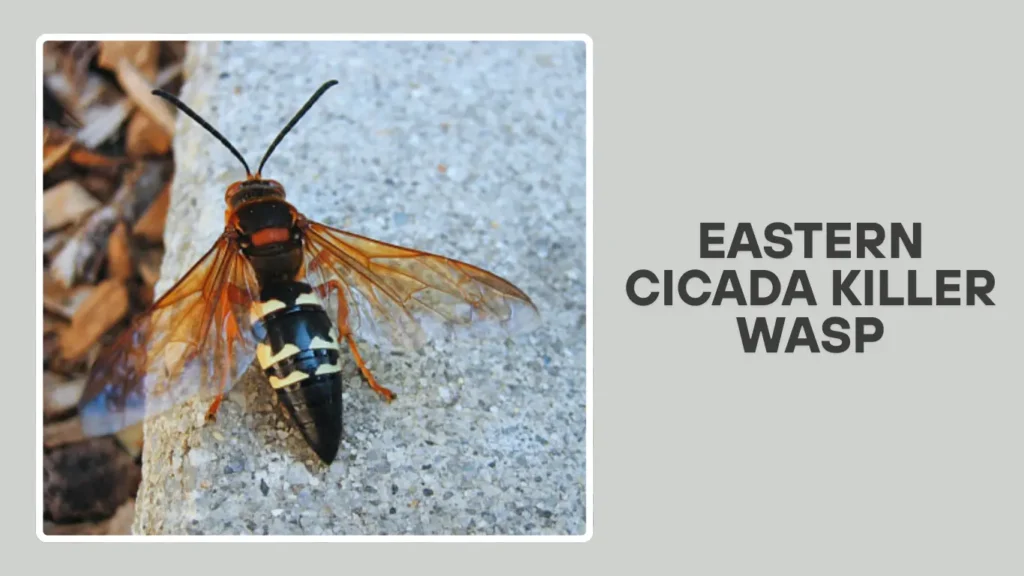
Scientific Name: Sphecius speciosus
The eastern cicada killer wasp is the most recognized species in North America. It’s known for its impressive size and striking appearance, often causing unnecessary fear due to its resemblance to hornets.
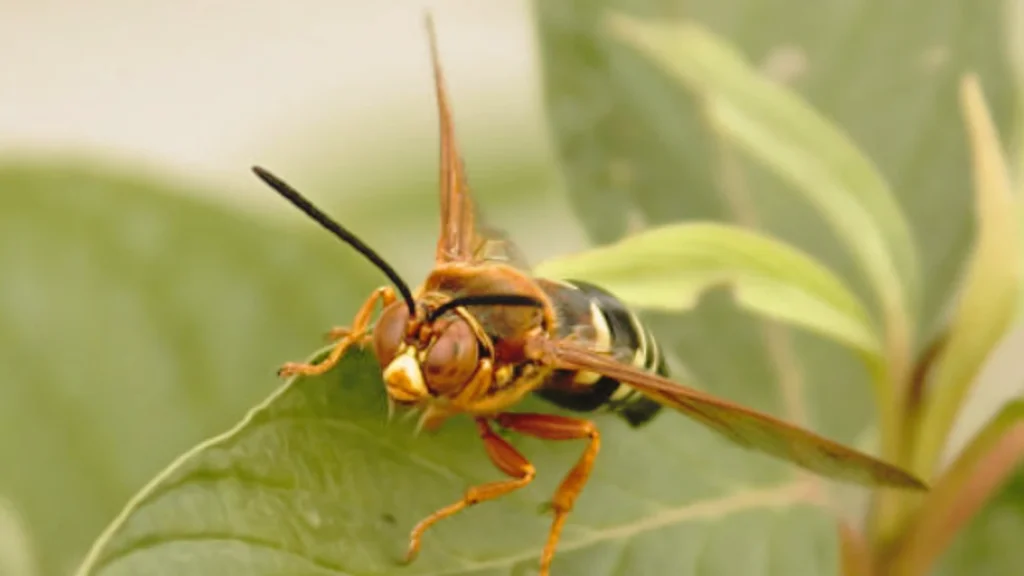
Appearance:This wasp features a black abdomen with yellow bands, reddish-brown wings, and a rust-colored thorax. Females are typically larger than males, ranging from 1 to 1.5 inches long.
Behavior: Despite their size, eastern cicada killer wasps are solitary and non-aggressive toward humans. Females hunt cicadas to feed their larvae, while males patrol territory but lack stingers.
Habitat: They prefer loose, sandy soils in sunny locations such as gardens, lawns, sidewalks, and along the edges of woodlands—where they dig burrows to create underground nests.
2. Western Cicada Killer Wasp
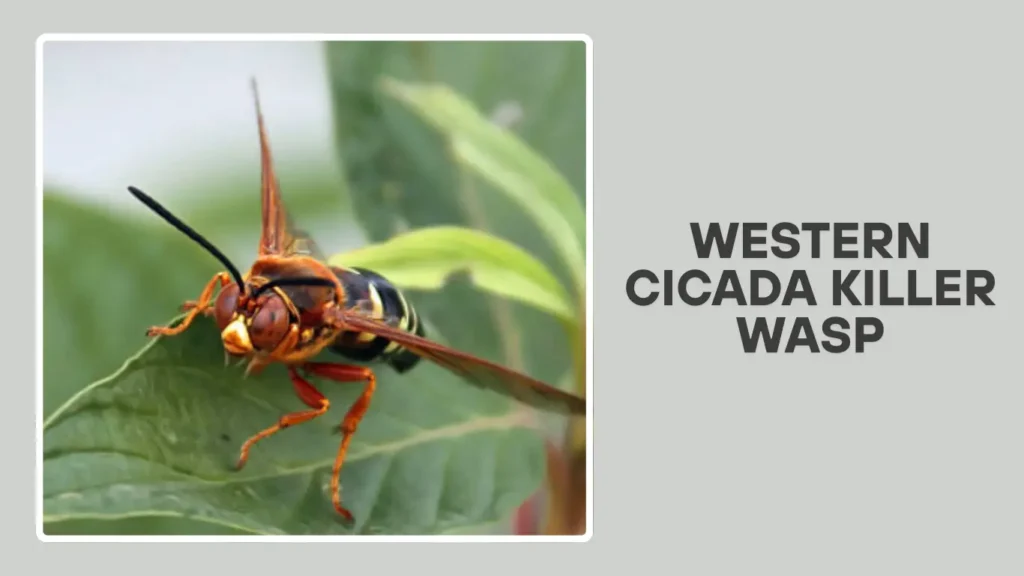
Scientific Name: Sphecius grandis
Found primarily in the western United States and parts of Central America, the western cicada killer wasp is a close relative of the eastern species but thrives in more arid environments.
Appearance: This species has a slightly more reddish-brown hue and is generally similar in size and markings to the eastern cicada killer, though slightly less contrasting in color.
Behavior: Females paralyze cicadas and bury them in underground chambers for their developing larvae. Males are territorial but harmless, often seen hovering near nest sites.
Habitat: They prefer dry, sandy soils—often nesting along hillsides, roadsides, or open fields in states like Arizona, New Mexico, and parts of Texas.
3. Giant Cicada Killer Wasp
Size Distinction: As the name suggests, the giant cicada killer wasp is among the largest of its kind, sometimes reaching over 2 inches in length. It’s often confused with Asian giant hornets due to its massive size.
Appearance: It has a robust body with a shiny black head, large eyes, amber-colored wings, and bold yellow bands on the abdomen.
Behavior: Despite its imposing look, it is not aggressive. It follows the same reproductive cycle as other cicada killers—paralyzing cicadas and placing them in burrows for larval feeding.
Distribution: While not a separate species, “giant” is often used to describe particularly large specimens of either the eastern or western cicada killer wasps, especially in nutrient-rich environments.
4. Male Cicada Killer Wasp
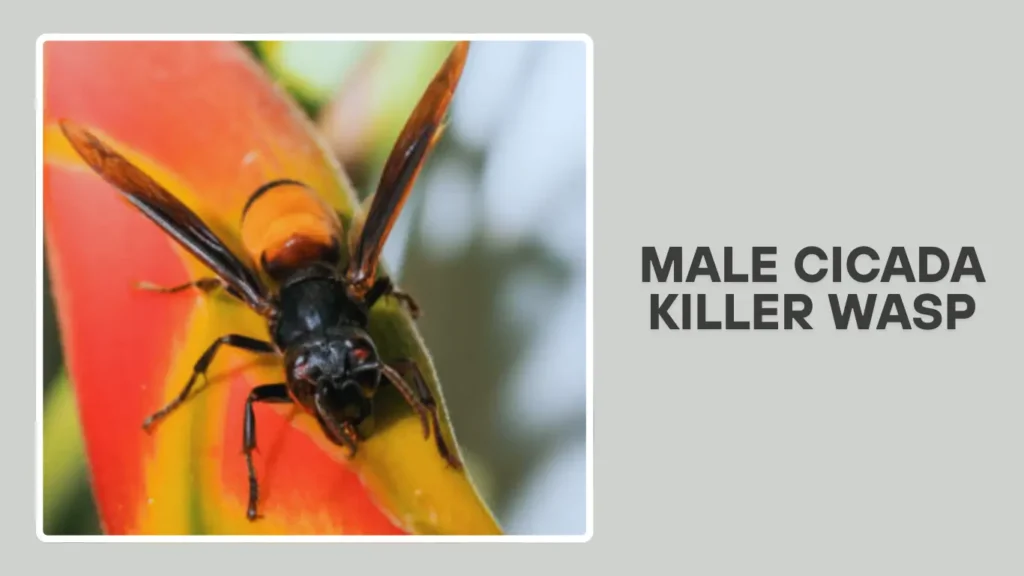
Role in Colony: Male cicada killer wasps do not sting and play no role in hunting or nesting. Their primary function is to establish and defend territories to attract females during the breeding season.
Appearance: Smaller than females, males still retain the same yellow and black banded pattern but are leaner in build and more agile in flight.
Behavior: They are territorial and may appear aggressive as they hover and confront intruders, but they are harmless. Their “attacks” are all bluff, as they lack stingers.
Lifespan: Males have a shorter lifespan than females, typically living just long enough to mate—about 2 to 3 weeks during summer.
5. Female Cicada Killer Wasp

Female cicada killer wasps are the hunters and nest builders. They sting and paralyze cicadas, drag them to their burrows, and lay eggs on them as a food source for larvae.
Appearance: Larger and stronger than males, females can measure up to 2 inches long. They have powerful mandibles and a curved stinger used specifically for immobilizing cicadas.
Behavior: Despite having stingers, females are not aggressive and usually avoid humans unless handled or threatened.
Reproductive Role: Each female constructs her own underground nest, often with multiple chambers, each stocked with cicadas to nourish her developing offspring.
6. Killer Cicada Wasp

General Identity: “Killer cicada wasp” is a broad term often used to refer to various cicada killer species, especially when highlighting their behavior of hunting and killing cicadas for reproduction.
Usage Context: This name is commonly used in media and by the public to emphasize their dramatic hunting behavior, but it does not represent a distinct species.
Behavior: Like others in the genus Sphecius, they paralyze cicadas and use them as a food source for their larvae.
Clarification: The term is interchangeable with eastern or western cicada killer wasps and is more of a nickname than a formal taxonomic classification.
7. Cicada Wasp Killer
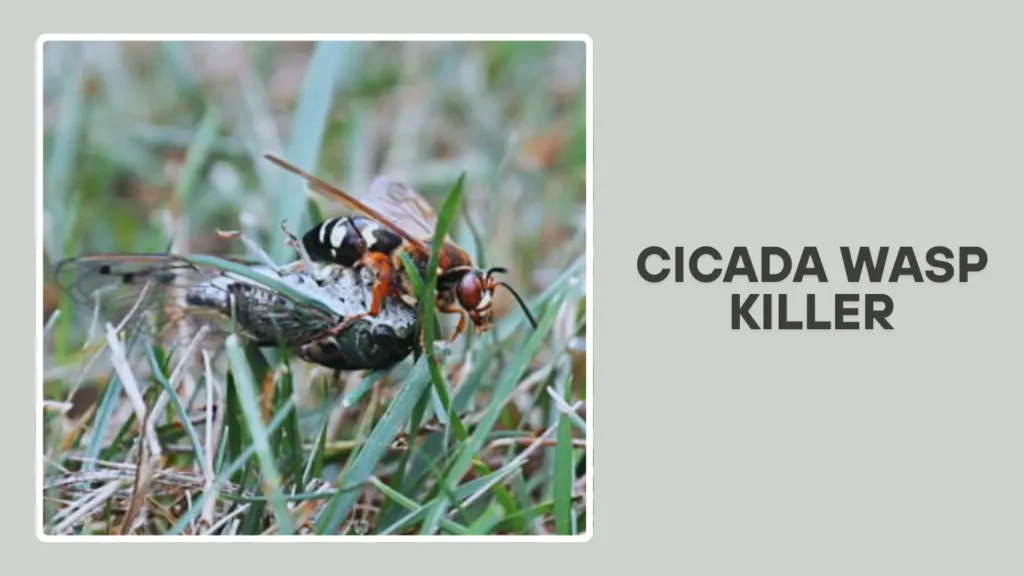
Naming Note: “Cicada wasp killer” is a variant term used interchangeably with “cicada killer wasp.” It’s another non-scientific name describing their role as cicada hunters.
Public Confusion: This name often confuses people, making it sound like a separate species, but it generally refers to the same group—primarily Sphecius speciosus.
Behavior and Habitat:
Their behavior and nesting practices are identical to those of other cicada killer wasps, including burrowing and provisioning nests with cicadas.
Purpose of Use: This alternative phrasing often appears in search results, pest control sites, or casual conversation.
8. Australian Cicada Killer Wasp
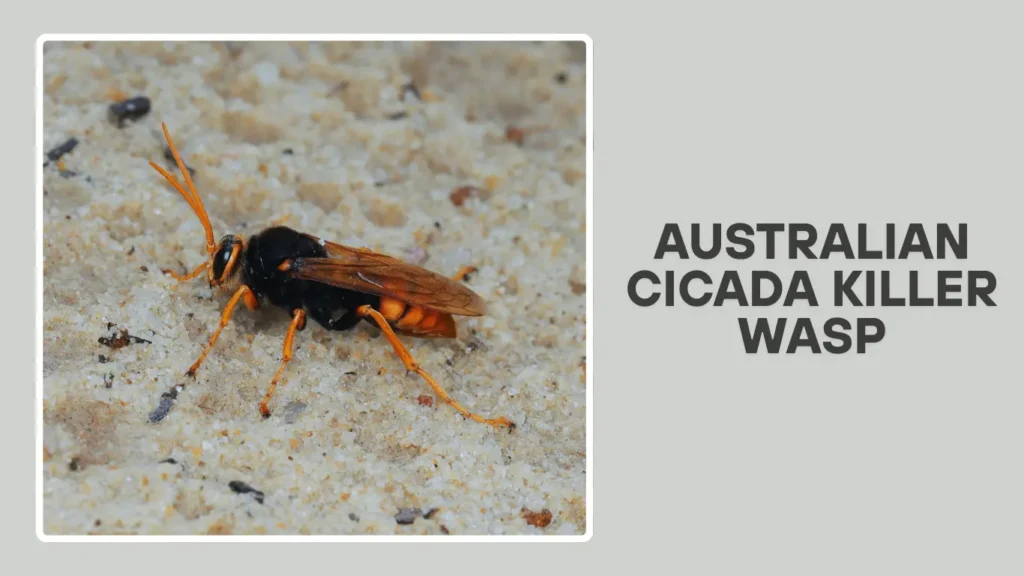
Global Presence: While Australia is home to various wasp species, the true cicada killer wasps (Sphecius spp.) are not native to the continent. However, the term is sometimes used to describe native Australian wasps that prey on cicadas.
Confusion with Mud Daubers: Some large solitary wasps in Australia may be mistaken for cicada killers due to similar hunting behaviors.
Behavior: These wasps similarly paralyze prey and build ground or mud nests, depending on the species.
Clarification: The “Australian cicada killer wasp” label is informal and not scientifically linked to Sphecius species but is regionally used to describe cicada-hunting wasps.
9. Florida Cicada Killer Wasp

Regional Distribution: Commonly found across the southeastern United States, the Florida cicada killer wasp is a regional variant of the eastern species, thriving in the state’s sandy soils and warm climate.
Appearance: Similar in look to other cicada killers, with bold yellow stripes and reddish wings. Due to Florida’s subtropical conditions, they may grow slightly larger and appear more frequently.
Nesting Sites: They prefer open, sunny areas like garden beds, patios, golf courses, and sandy pathways where they can dig their characteristic burrows.
Seasonal Activity: In Florida, these wasps are typically active from late June through August, during peak cicada season.
10. The Cicada Killer Wasp
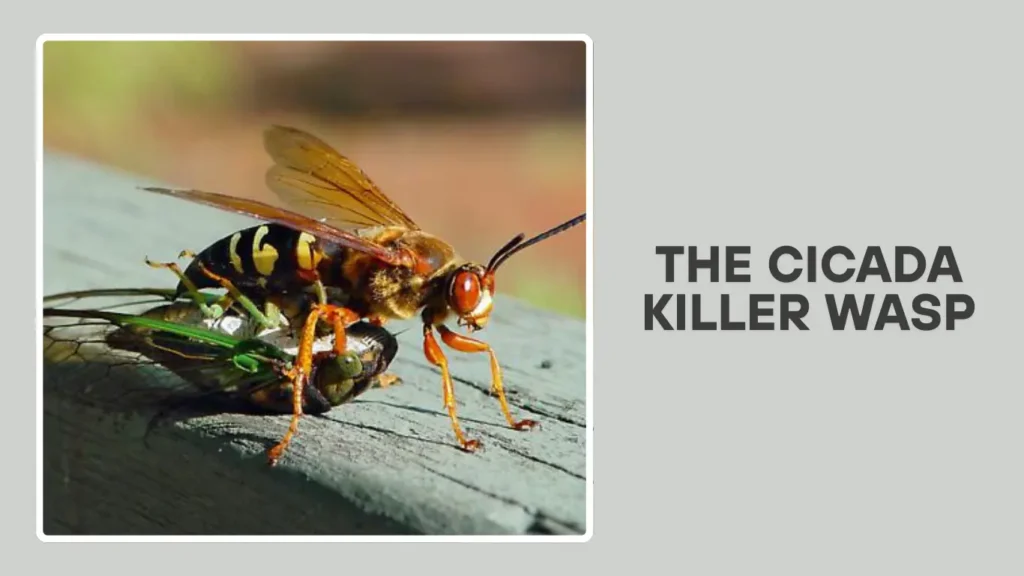
General Definition: “The cicada killer wasp” is a common umbrella term used to describe all wasps within the Sphecius genus, particularly the well-known eastern species.
Use in Literature: This title is often used in pest control guides, educational articles, and nature documentaries when referring to the species as a group.
Behavior Overview: They are solitary, ground-nesting wasps that hunt cicadas and provision nests for their young.
Public Perception: Despite their fearsome name, “the cicada killer wasp” is largely harmless to humans and beneficial in controlling cicada populations.
11. The Eastern Cicada Killer Wasp
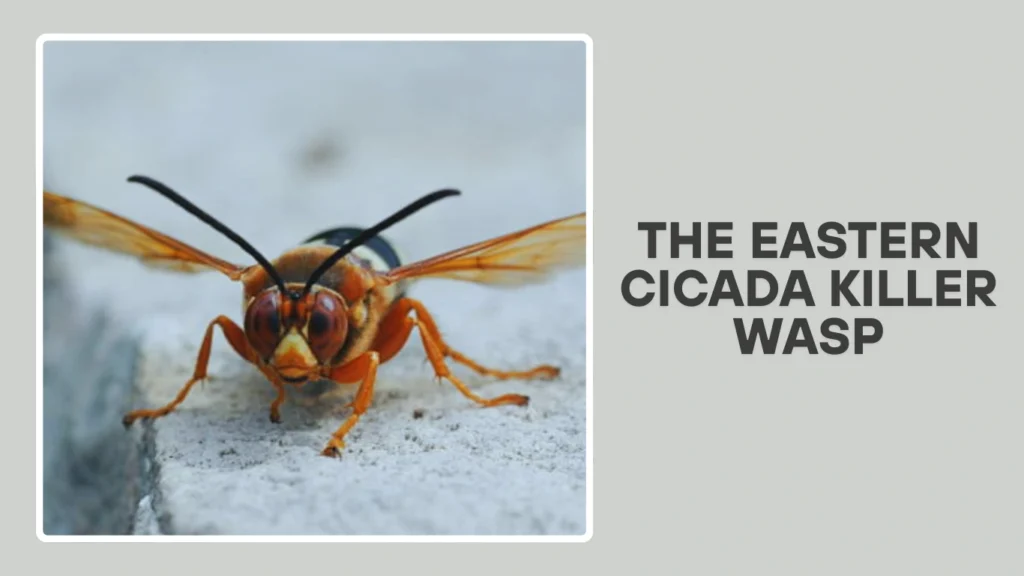
Clarified Identity: This is a reiteration of the most commonly referenced species, Sphecius speciosus, but the phrase “the eastern cicada killer wasp” is often used to distinguish it from western or other variants.
Preferred Regions: Widely found across the eastern United States, from New England down to Florida and west to the Mississippi River.
Soil Preference: They favor well-drained, sandy soils where digging is easy and sunlight is plentiful—ideal for their nesting needs.
Importance: This species plays a vital role in balancing cicada populations and aerating soil through its burrowing activity.
12. Cicada Wasps vs Cicada Killers

Comparison Focus: This comparison typically highlights the difference between true cicada killer wasps (Sphecius genus) and other large wasps that might resemble or behave similarly but belong to different groups.
Cicada Wasps: A broader term that could include other wasp species observed hunting cicadas but not officially classified as Sphecius.
Cicada Killers: Specifically refers to members of the Sphecius genus, known for their unique reproductive habit of provisioning nests with paralyzed cicadas.
Life Cycle of Cicada Killer Wasp
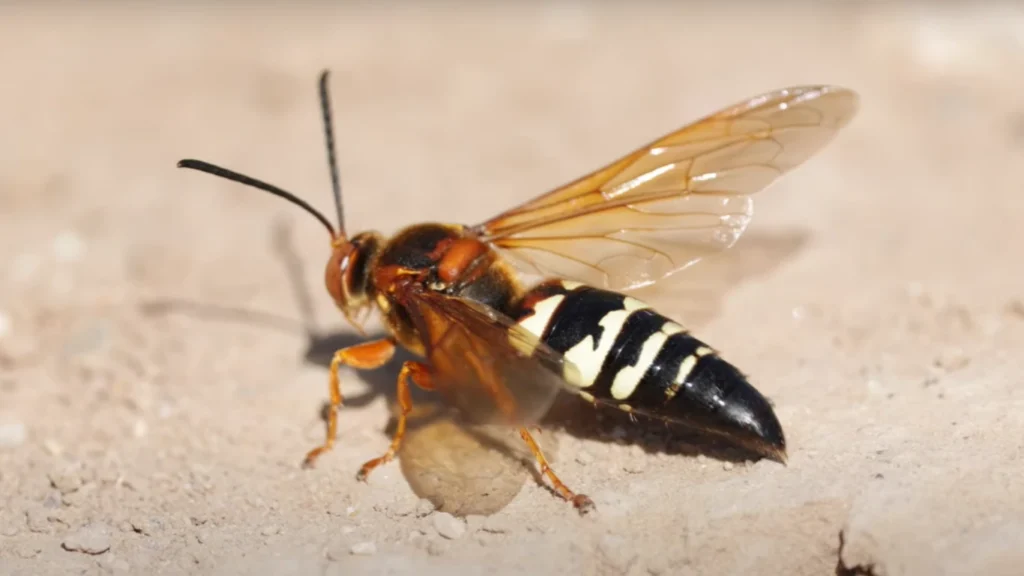
The life cycle of a cicada killer wasp begins in the heat of summer and follows a unique solitary process underground. These wasps don’t form colonies like other species. Instead, each female is responsible for digging her own burrow and raising her offspring independently.
Egg Laying and Nest Preparation
Female cicada killer wasps dig deep tunnels in well-drained, sandy soil. Each tunnel can be over a foot long, with several side chambers. In each chamber, the female places one or two paralyzed cicadas and lays a single egg on top of the prey before sealing the chamber shut.
Larval Stage and Feeding
After a few days, the egg hatches and the larva begins feeding on the immobilized cicada. The larva consumes the entire cicada slowly over the course of a week, ensuring maximum nutrition. This food provides all the energy needed for its growth and metamorphosis.
Pupal Stage and Overwintering
Once feeding is complete, the larva spins a silken cocoon and enters the pupal stage. It remains underground through the fall and winter months, in a dormant state, protected from the elements.
Adult Emergence and Mating
In early to mid-summer of the following year, adult wasps emerge from the soil. Males come out first, waiting around nesting areas to mate. Females follow shortly after, beginning the cycle again. Adult wasps live only for a few weeks—just long enough to mate and reproduce.
Habitat and Range of Cicada Killer Wasps
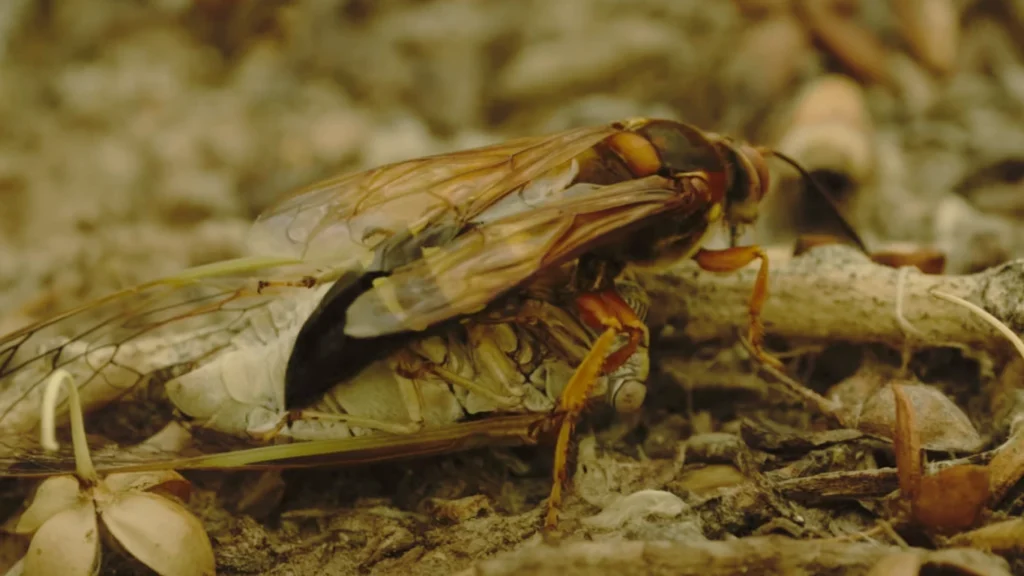
Cicada killer wasps prefer sunny areas with loose, sandy, and well-drained soil—perfect for digging burrows. You’ll often find them in lawns, gardens, sidewalks, and open fields.
They are widespread across the U.S., especially in eastern and southern states like Florida, New Jersey, and Texas. Western types live in states like Arizona and New Mexico. Though solitary, they often nest in clusters, with each female digging her own tunnel.
Nesting and Burrowing Behavior
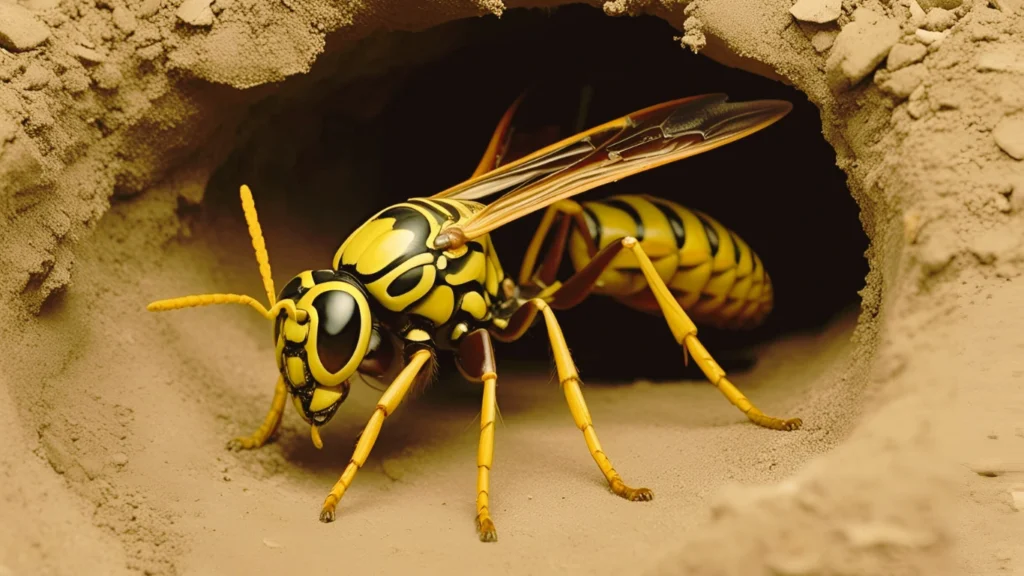
Cicada killer wasps are ground-nesting insects, known for creating deep burrows in dry, sandy soil. Each female digs her own tunnel, which can reach over 12 inches long with several side chambers.
The entrance to the nest is often marked by a mound of loose dirt. Inside, the female places paralyzed cicadas as food for her larvae, sealing each chamber after laying an egg.
These burrows are usually found in sunny, open areas like lawns, playgrounds, and flower beds. While multiple nests may appear close together, each is independently maintained.
Sting, Pain, and Safety
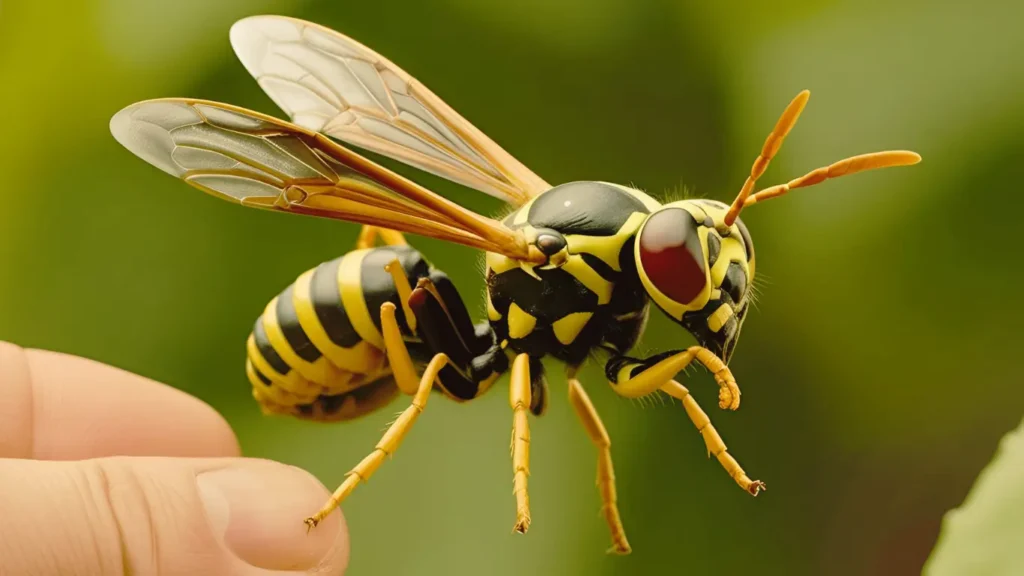
Cicada killer wasps may look alarming due to their size and buzzing flight, but they are surprisingly docile. Understanding their behavior around humans helps dispel common fears and ensures safe coexistence, especially during their active months in summer.
Do Cicada Killer Wasps Sting Humans?
Only female cicada killer wasps are capable of stinging. They use their sting to paralyze cicadas, not for defense. Males are completely harmless—they lack a stinger altogether. Even when nesting in busy areas like lawns or gardens, they typically avoid human interaction.
Pain Level and Reactions
The sting from a female is rare and usually occurs only if she is directly threatened or handled. When it does happen, the pain is minimal—often compared to a small pinch or ant bite. It’s far less painful than stings from hornets, yellowjackets, or even honeybees. Most people experience mild swelling or redness that subsides within a few hours.
Aggression and Safety Around Nests
Cicada killer wasps are solitary and do not defend their nests like social wasps. Males may hover or “dive bomb” in defense of their territory but cannot sting. Females remain focused on hunting and burrow maintenance. This makes them one of the least aggressive large wasps in North America.
When to Be Cautious
Avoid stepping on or disturbing burrows, and never try to handle the wasps. Although they are not naturally aggressive, a trapped or squeezed female may sting in self-defense. If stung, basic first aid like washing the area and applying ice is usually enough.
Are Cicada Killer Wasps Dangerous or Aggressive?
Despite their size and name, cicada killer wasps are not dangerous or aggressive to humans. They are solitary and rarely sting.
Aggression Level
They don’t defend nests like other wasps. Males may buzz around but can’t sting. Females have stingers but only use them on cicadas.
Risk to Humans and Pets
They won’t chase or attack. Stings are rare and mild, usually only occurring if the wasp is handled or stepped on.
Misunderstood Insects
Their large size often leads to confusion, but they are gentle, helpful predators that control cicada populations naturally.
Appearance and Size Comparison
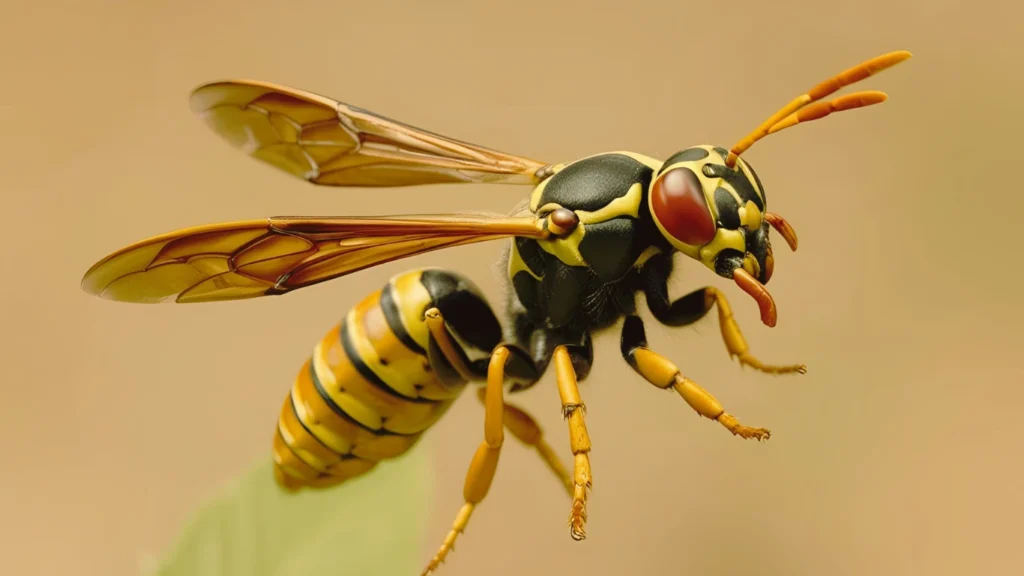
Here’s a comparison table summarizing the appearance and size differences of cicada killer wasps:
| Feature | Female Cicada Killer Wasp | Male Cicada Killer Wasp |
| Size | 1.5 to 2 inches | 1 to 1.3 inches |
| Body Build | Large, robust | Smaller, slender |
| Color | Black abdomen with yellow bands, reddish-brown thorax | Same as female |
| Wings | Transparent, amber-tinted | Transparent, amber-tinted |
| Stinger | Yes (used for hunting cicadas) | No stinger |
| Behavior | Hunts, digs nests, lays eggs | Patrols territory, mates |
| Aggressiveness | Non-aggressive, may sting if provoked | Harmless, cannot sting |
Diet and Hunting Behavior
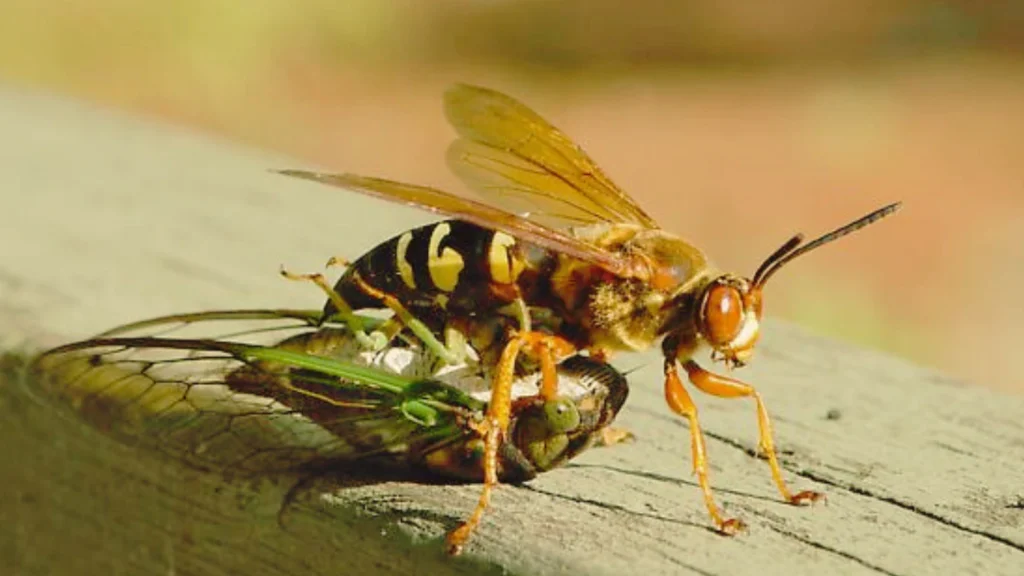
Cicada killer wasps are named for their specialized diet—cicadas. Their hunting skills are precise and efficient, especially in the case of females who use cicadas to nourish their developing young.
What They Eat
Adult cicada killer wasps feed on nectar and other sugary substances like tree sap. They don’t eat cicadas themselves—only their larvae do.
How They Hunt
Females locate cicadas in trees, sting them to cause paralysis, and then carry the much heavier insect back to their underground burrow. This behavior is both impressive and critical for their reproductive success.
Purpose of the Hunt
The paralyzed cicadas are placed in nest chambers as food for larvae. Each larva feeds on one to two cicadas until it’s ready to pupate.
Not Just Any Wasp
While many wasps hunt other insects, cicada killers are among the few that specialize in cicadas. This niche behavior makes them beneficial for natural pest control.
10 Interesting Facts About Cicada Killer Wasps
- They are one of the largest wasps in North America, with females reaching up to 2 inches in length.
- Only females can sting, and they use it to paralyze cicadas—not for defense against humans.
- Males are stingless, but they often act territorial by hovering or diving at intruders.
- Each female digs her own underground burrow, sometimes over a foot deep with multiple chambers.
- Cicada killers specialize in hunting cicadas, dragging the heavy prey back to their nests for their larvae.
- Adults feed on nectar, while their larvae consume cicadas placed in the nest.
- They are solitary wasps, meaning they don’t form colonies like yellowjackets or hornets.
- Their presence peaks during summer, typically from June through August, aligned with cicada emergence.
- They prefer sunny, sandy areas such as lawns, gardens, and sidewalks for nesting.
- Despite their name and size, they are not dangerous, and stings to humans are extremely rare.
Summary
Cicada killer wasps are large, solitary insects known for their dramatic size and unique behavior. Though their name sounds intimidating, they are not aggressive and rarely sting humans. Females dig underground burrows and hunt cicadas to feed their young, while males patrol territory without the ability to sting. Found across the U.S. in sunny, sandy areas, these wasps play a beneficial role in controlling cicada populations. With a short adult lifespan and peaceful nature, cicada killers are fascinating and misunderstood members of the insect world.
