
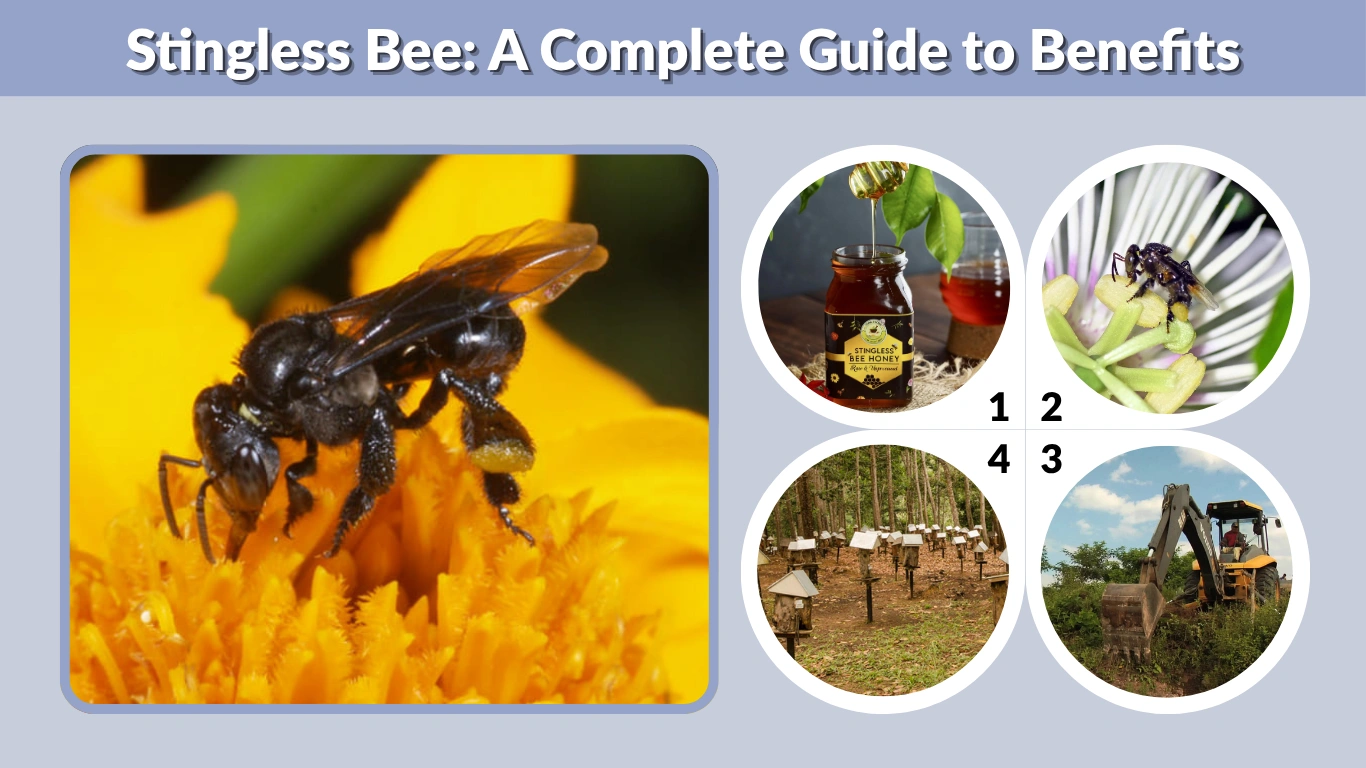
Stingless bees are fascinating insects known for their gentle nature and vital role in the ecosystem. Unlike common honey bees, they do not sting, making them safer for humans and ideal for small-scale farming. These bees are excellent pollinators and produce a unique type of honey valued for its medicinal properties. In this guide, you’ll learn about stingless bees, their types, benefits, honey, and how they can be farmed effectively.
What Are Stingless Bees?
Stingless bees belong to the Meliponini tribe, a group of highly social bees found mainly in tropical and subtropical regions. They live in colonies similar to honey bees and play a crucial role in pollination, helping plants reproduce and maintain biodiversity.
These bees are generally smaller than regular honey bees and are well adapted to warm climates. They build their nests in tree hollows, walls, or underground spaces, depending on the species.
Why Are They Called Stingless?
Stingless bees are called “stingless” because their stinger is either absent or too weak to be effective for defense. Instead of stinging, they protect themselves by biting or using sticky substances to deter threats. This makes them much less aggressive and safer to manage, especially for beginners or in residential areas.
Types of Stingless Bees
There are more than 500 species of stingless bees worldwide, each with unique characteristics and behaviors. While they share many similarities, their size, nesting habits, and honey production can vary significantly.
Common Species Around the World
Some well-known stingless bee genera include Melipona, Trigona, and Tetragonula.
- Melipona species are larger and produce relatively more honey.
- Trigona bees are smaller and more aggressive but highly efficient pollinators.
- Tetragonula species are commonly used in farming due to their adaptability.
Stingless Bees in South Asia
In South Asia, including Bangladesh, stingless bees such as Tetragonula iridipennis are widely found. These bees thrive in warm, humid environments and are often seen nesting in walls, tree trunks, and wooden structures. Their ability to adapt to local conditions makes them suitable for small-scale farming in rural and urban areas alike.
Stingless Bees vs Honey Bees
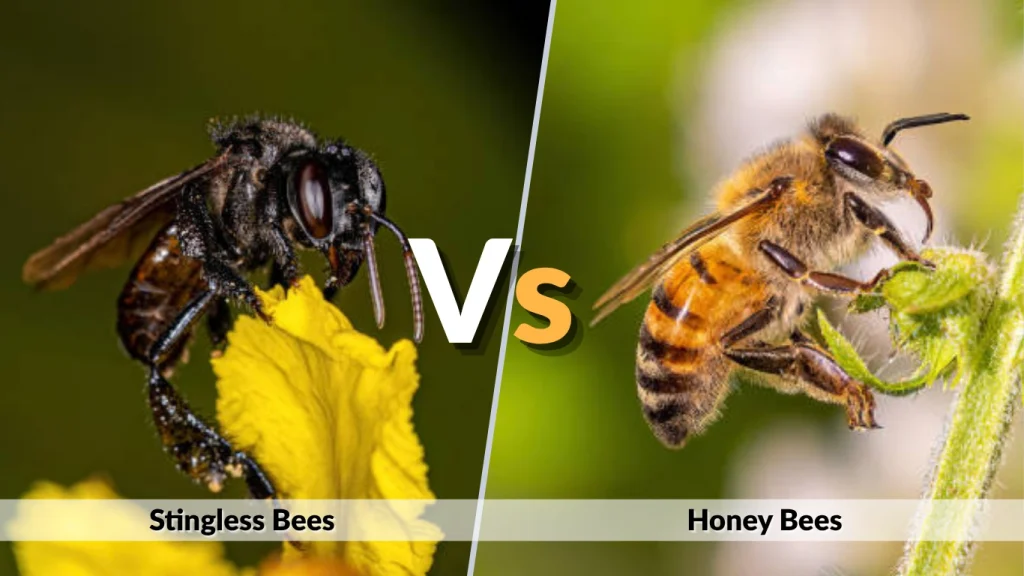
Although stingless bees and honey bees share some similarities, they differ in several important ways. Understanding these differences can help you decide which type is better suited for your needs.
Key Differences
Stingless bees are generally smaller and less aggressive than honey bees. Unlike honey bees, they cannot sting, which makes them safer to handle. In terms of honey production, stingless bees produce much smaller quantities, but their honey is often considered more valuable due to its medicinal qualities.
Another key difference lies in their nesting structure. Stingless bees store honey in small resin pots, while honey bees use wax combs.
Which One Is Better for Beginners?
For beginners, stingless bees are often a better choice because they are easier and safer to manage. They require less protective equipment and can be kept in small spaces, such as backyards or gardens. However, if the goal is large-scale honey production, honey bees may be more suitable due to their higher yield.
Stingless Bee Honey
What Makes It Unique?
Stingless bee honey is quite different from regular honey. It has a higher moisture content and a thinner consistency, often with a slightly sour or tangy taste. This unique flavor comes from the natural fermentation process that occurs due to its higher water content.
Health Benefits
This type of honey is highly valued for its medicinal properties. It contains strong antibacterial and antifungal compounds, making it useful for boosting immunity and healing wounds. Additionally, it is rich in antioxidants, which help protect the body from damage caused by free radicals. In many cultures, stingless bee honey has been used as a natural remedy for digestive issues, sore throats, and infections.
Why Is It Expensive?
One of the main reasons stingless bee honey is expensive is its low production rate. A single colony produces only a small amount of honey compared to honey bees. At the same time, its growing demand and recognized health benefits increase its market value, making it a premium product.
Benefits of Stingless Bees
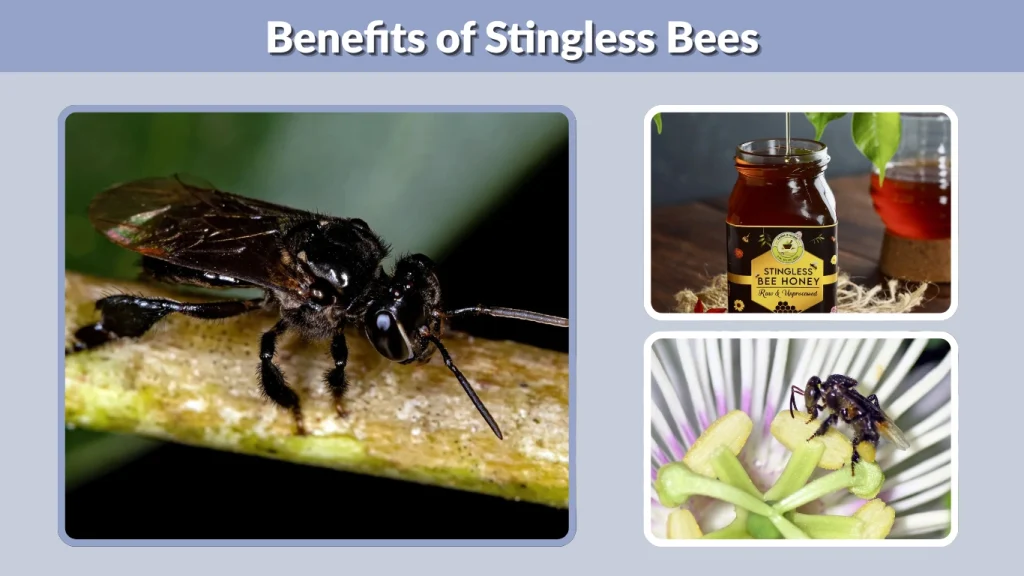
Stingless bees offer many benefits beyond honey production, making them extremely valuable for both agriculture and the environment.
Pollination Role
These bees are excellent pollinators and play a key role in improving crop yields. They help pollinate fruits, vegetables, and flowering plants, ensuring better quality and higher production. In some cases, they are even more efficient than honey bees for certain crops.
Environmental Importance
Stingless bees contribute significantly to maintaining biodiversity. By pollinating a wide variety of plants, they support healthy ecosystems and help preserve natural habitats. Their presence is often an indicator of a balanced and thriving environment.
Stingless Bee Farming (Beginner Guide)
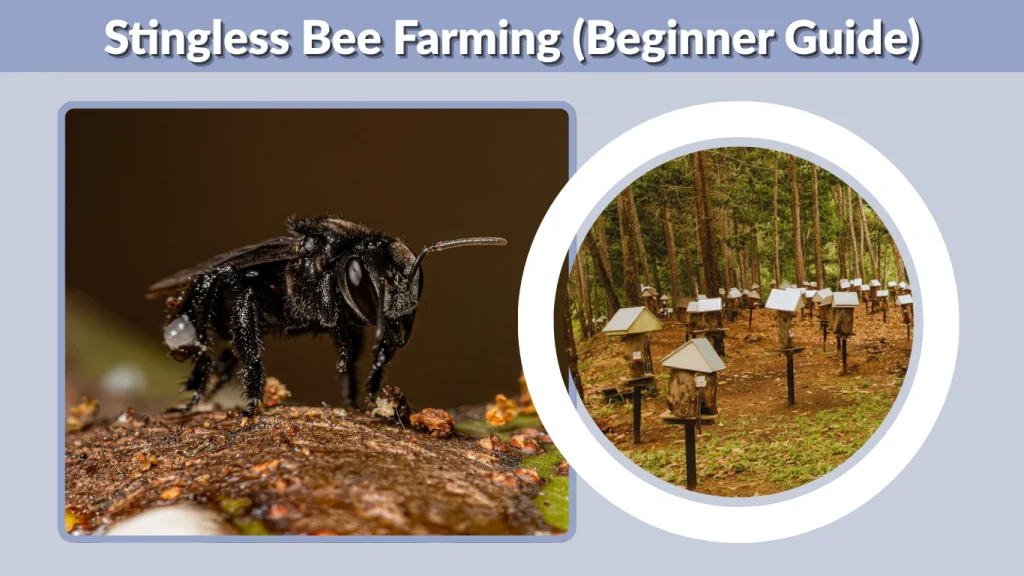
What Is Meliponiculture?
Meliponiculture is the practice of keeping and managing stingless bees for honey production and pollination. It is an eco-friendly form of beekeeping that requires less space and lower investment compared to traditional beekeeping. This method has been practiced for centuries in tropical regions and is now gaining popularity worldwide.
How to Start
Starting stingless bee farming is relatively simple. First, you need to obtain a healthy colony, either from a trusted beekeeper or by transferring bees from a natural nest into a wooden hive box. Choosing the right location is also important. A shaded, quiet area with access to flowering plants is ideal for the bees to thrive.
Next, set up a proper hive box designed for stingless bees. These boxes are usually small and easy to maintain. Make sure the hive is protected from direct sunlight, heavy rain, and strong winds.
Maintenance Tips
Stingless bees require minimal maintenance, but regular monitoring is essential. Ensure that the bees have access to enough food sources, especially during seasons when flowers are scarce. You can provide sugar syrup as a supplement if needed.
It’s also important to protect the hive from pests such as ants, lizards, and other insects. Keeping the hive clean and placing it on a stand with barriers can help prevent infestations. Regular observation will help you identify any issues early and keep the colony healthy.
Hive Structure and Colony Behavior
Stingless bee colonies are well-organized and function as a cooperative unit. Each bee has a specific role that contributes to the survival of the colony.
Colony Roles
The queen bee is responsible for laying eggs and maintaining the population of the colony. Worker bees perform multiple tasks such as collecting nectar and pollen, building the nest, and protecting the hive. Male bees, also known as drones, mainly exist for reproduction.
Nest Structure
Unlike honey bees, stingless bees do not build traditional honeycombs. Instead, they create small resin pots to store honey and pollen. These pots are arranged around the brood area, where the young bees develop.
The nest structure is often irregular but highly efficient. It is made using a mixture of wax and plant resins, which provides strength and protection against external threats.
Challenges and Conservation
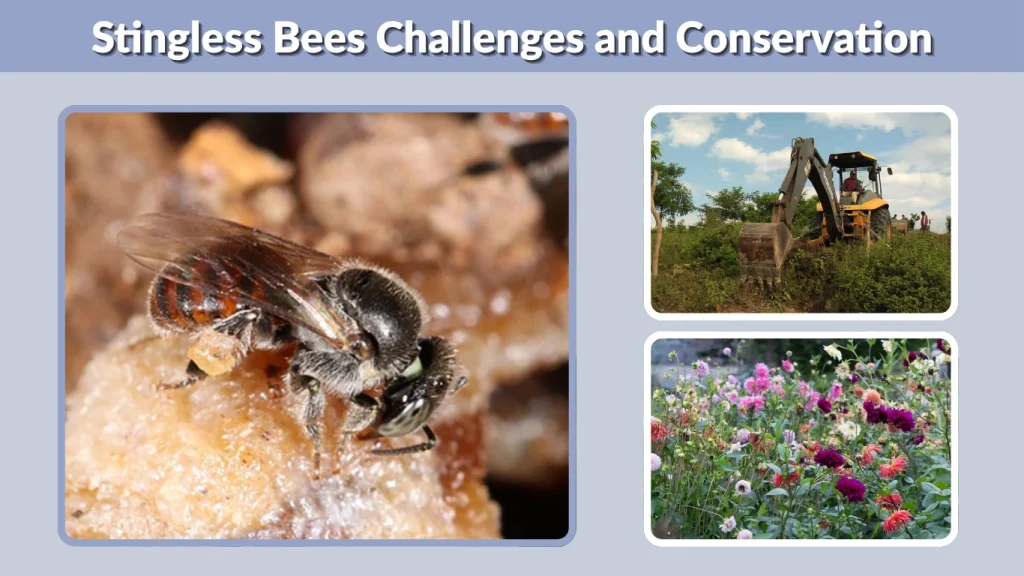
Despite their importance, stingless bees face several challenges that threaten their survival.
Common Threats
One of the biggest threats is habitat loss due to deforestation and urbanization. As natural nesting sites disappear, it becomes harder for these bees to survive. Climate change also affects their food sources and breeding patterns.
Additionally, the use of pesticides in agriculture can harm stingless bees, reducing their population and impacting pollination.
How to Protect Them
Protecting stingless bees requires both individual and collective efforts. Planting more flowering plants and trees can provide them with food and shelter. Reducing the use of harmful chemicals in farming is also crucial.
Promoting sustainable beekeeping practices and raising awareness about their importance can help conserve these valuable pollinators for future generations.
Economic Importance
Stingless bees offer promising economic opportunities, especially for small-scale farmers and rural communities. Their honey is considered a premium product and is often sold at a higher price than regular honey.
Because stingless bee farming requires low investment and space, it can be started as a side business. In addition to honey, farmers can also earn income by selling bee colonies and providing pollination services for crops.
With increasing awareness of natural and medicinal products, the demand for stingless bee honey continues to grow, making it a profitable and sustainable venture.
FAQs
Do stingless bees really not sting?
Yes, stingless bees do not have a functional stinger. They may bite for defense, but they are generally harmless to humans.
Is their honey better than regular honey?
Stingless bee honey is often considered more medicinal due to its higher antioxidant and antibacterial properties, although it is produced in smaller quantities.
Can they be kept at home?
Yes, stingless bees can be kept in home gardens or backyards, as they are safe and require minimal space.
How much honey do they produce?
A single colony produces only a small amount of honey each year, usually much less than honey bees.
Conclusion
Stingless bees are remarkable insects that offer numerous benefits, from pollination to producing valuable medicinal honey. Their gentle nature and ease of management make them ideal for beginners interested in beekeeping. As environmental challenges continue to grow, protecting and promoting stingless bees is more important than ever. By understanding their role and supporting sustainable practices, we can ensure these tiny yet powerful pollinators continue to thrive.
