
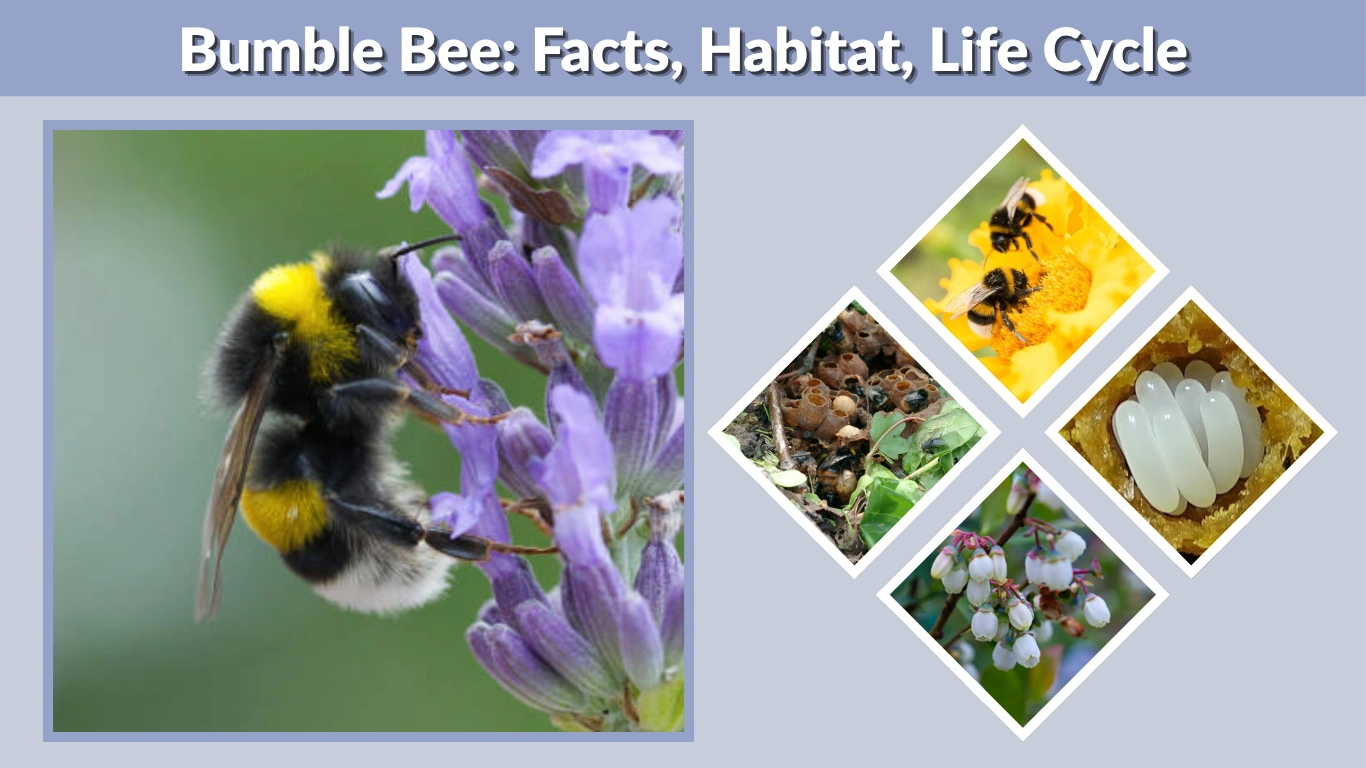
Bumble bees are among the most important pollinators in the natural world. Known for their fuzzy bodies and distinctive buzzing sound, these insects play a vital role in maintaining ecosystems and supporting food production. Unlike many other bees, bumble bees are highly efficient pollinators, especially in cooler climates. However, their populations are declining due to environmental changes, making it more important than ever to understand and protect them.
What is a Bumble Bee?
Definition and Classification
A bumble bee belongs to the genus Bombus, which is part of the Apidae family. There are over 250 known species of bumble bees worldwide, each adapted to different environments. These insects are social creatures, though their colonies are much smaller compared to honey bees.
Physical Characteristics
Bumble bees are easily recognized by their round, hairy bodies and black-and-yellow striped patterns. Their thick fur helps them collect pollen more effectively and allows them to survive in colder temperatures. They are generally larger and bulkier than honey bees, and their loud buzzing sound is a result of rapid wing movement.
Types of Bumble Bees
Common Species
There are many species of bumble bees, but some of the most common include the buff-tailed bumblebee, red-tailed bumblebee, and white-tailed bumblebee. Each species has unique color patterns and behaviors, making them distinguishable from one another.
Distribution Around the World
Bumble bees are primarily found in temperate regions across Europe, North America, and parts of Asia. They thrive in cooler climates and are often seen in gardens, meadows, and forests. Unlike some other pollinators, they can remain active even in lower temperatures.
Bumble Bee vs Honey Bee
Physical Differences
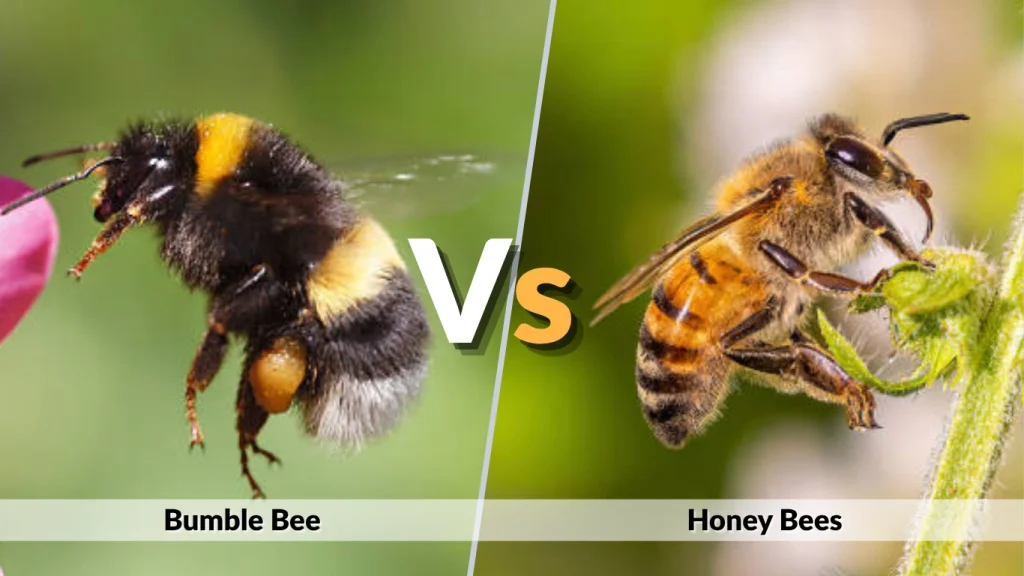
One of the main differences between bumble bees and honey bees is their appearance. Bumble bees are larger, rounder, and much hairier. In contrast, honey bees have a slimmer, more streamlined body with less visible hair.
Behavioral Differences
Bumble bees live in smaller colonies, usually consisting of 50 to 400 individuals, while honey bee colonies can contain thousands. Additionally, bumble bees do not produce large amounts of honey. Their nests are temporary and typically last for one season.
Pollination Efficiency
Bumble bees are highly effective pollinators due to a unique method called “buzz pollination.” By vibrating their bodies, they release pollen from flowers more efficiently than many other insects. This makes them especially valuable for crops like tomatoes, peppers, and blueberries.
Habitat and Nesting Behavior
Where Do Bumble Bees Live?
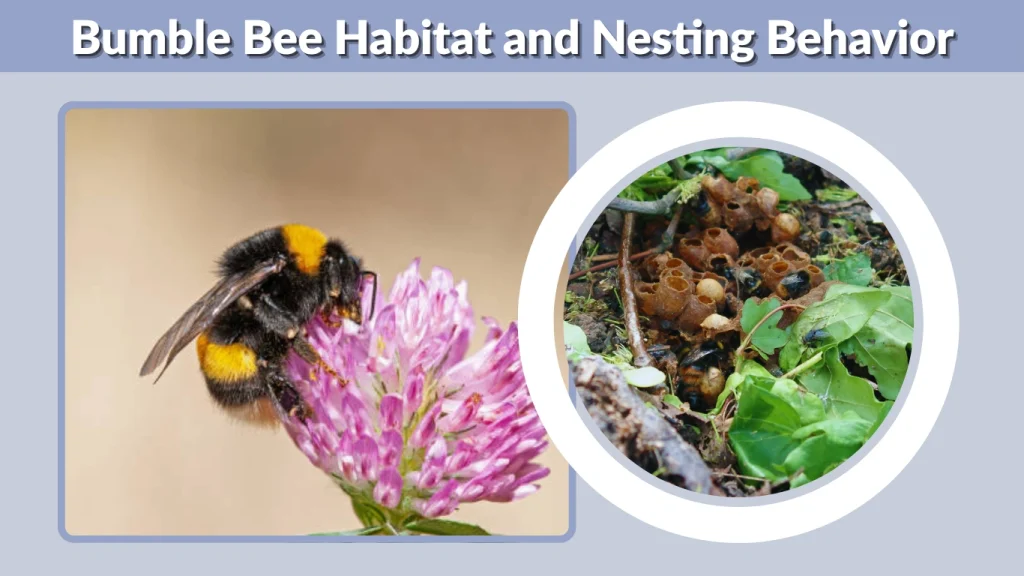
Bumble bees prefer habitats that provide plenty of flowers and safe nesting sites. They often build their nests underground in abandoned rodent burrows, but they can also be found nesting in grass, compost piles, or sheltered areas in gardens and woodlands.
Nest Structure and Colony Size
Their nests are relatively small and simple compared to those of honey bees. A typical colony contains between 50 and 400 bees, including a single queen, female worker bees, and male drones. These colonies are temporary and usually last for just one season.
Life Cycle of a Bumble Bee
Development Stages
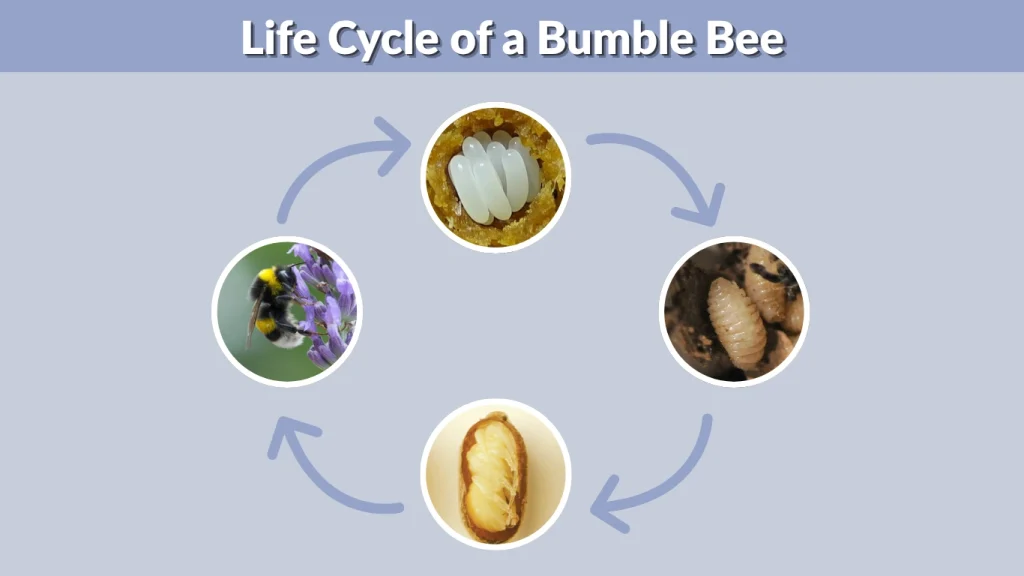
The life cycle of a bumble bee consists of four main stages: egg, larva, pupa, and adult. The queen lays eggs, which hatch into larvae. These larvae are fed and cared for until they develop into pupae and eventually emerge as adult bees.
Seasonal Lifecycle
The lifecycle of a bumble bee colony begins in early spring when a queen emerges from hibernation. She builds a nest and lays the first batch of eggs. As the season progresses, worker bees take over foraging duties while the queen continues to reproduce. By late summer, the colony produces new queens and males. As winter approaches, the colony dies off, leaving only the new queens to survive and start the cycle again.
Why Are Bumble Bees Important?
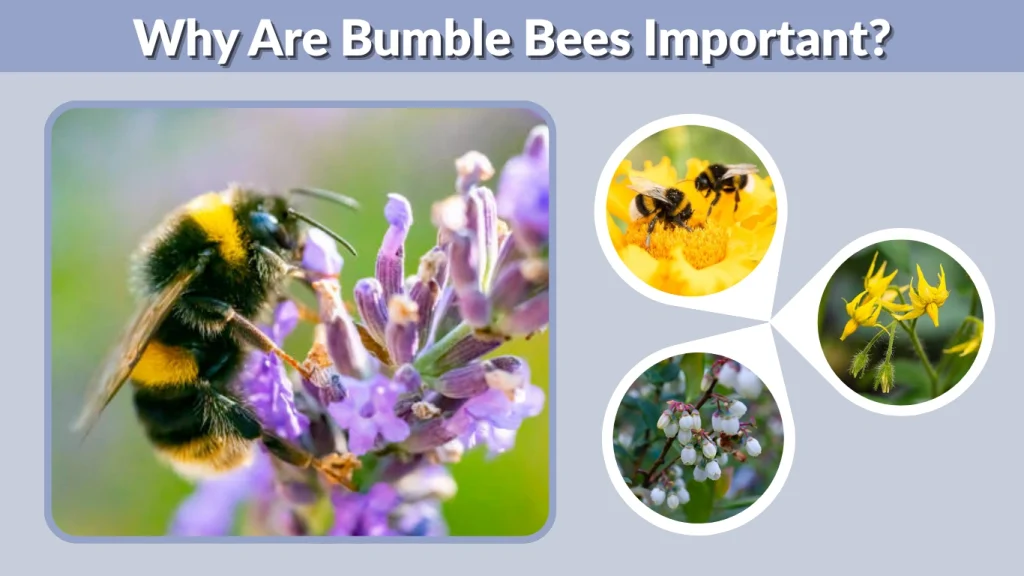
Role in Pollination
Bumble bees play a crucial role in pollination, which is essential for the production of many fruits, vegetables, and seeds. As they move from flower to flower collecting nectar, they transfer pollen, enabling plants to reproduce. Their ability to perform buzz pollination makes them especially effective for crops like tomatoes, blueberries, peppers, and eggplants. Without bumble bees, the yield and quality of these crops would significantly decrease.
Environmental Impact
Beyond agriculture, bumble bees are vital for maintaining biodiversity. They help wild plants reproduce, which in turn supports other wildlife such as birds and small mammals. Healthy pollinator populations contribute to balanced ecosystems, making bumble bees an important part of environmental stability.
Are Bumble Bees Dangerous?
Sting Behavior
Bumble bees are generally gentle and non-aggressive insects. Only female bumble bees have the ability to sting, and they usually do so only when they feel threatened or when their nest is disturbed. Unlike honey bees, they can sting more than once because their stinger does not get stuck in the skin.
Safety Tips
In most cases, bumble bees pose little danger to humans. To avoid being stung, it’s best to stay calm and avoid sudden movements around them. Do not attempt to disturb or remove their nests, and give them space when they are foraging on flowers.
Threats to Bumble Bees
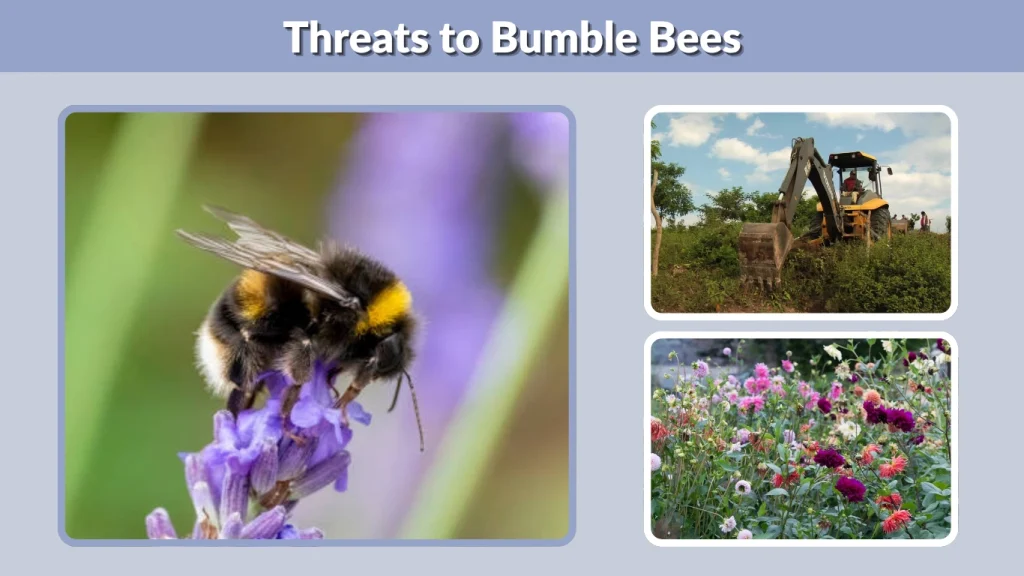
Natural and Environmental Threats
Bumble bee populations are facing serious challenges due to climate change and habitat loss. Rising temperatures can disrupt their life cycles and reduce the availability of flowering plants. Changes in weather patterns also affect their ability to find food and reproduce successfully.
Human-Related Threats
Human activities have a significant impact on bumble bee survival. The use of pesticides, especially neonicotinoids, can harm or kill bees. Urbanization and intensive farming practices reduce natural habitats, leaving fewer safe spaces for nesting and feeding.
How to Attract Bumble Bees
Garden Tips
Creating a bee-friendly environment is one of the best ways to support bumble bees. Planting a variety of flowering plants that bloom throughout the growing season ensures a steady food supply. Avoid using chemical pesticides and provide areas where bees can nest, such as undisturbed patches of soil or grass.
Best Plants for Bumble Bees
Some plants are particularly attractive to bumble bees due to their rich nectar and pollen. These include lavender, sunflowers, clover, foxglove, and wildflowers. Choosing native plants is especially beneficial, as they are well-suited to local bee species.
Conservation and Protection Efforts
Efforts to protect bumble bees are increasing worldwide. Conservation programs focus on preserving natural habitats, reducing pesticide use, and raising public awareness about the importance of pollinators. Individuals can also contribute by planting bee-friendly gardens, supporting organic farming, and participating in local conservation initiatives. Even small actions can make a significant difference in protecting these essential insects.
Conclusion
Bumble bees are more than just buzzing insects—they are vital contributors to our ecosystems and food supply. From pollinating crops to supporting biodiversity, their role in nature is irreplaceable. However, their populations are under threat, making conservation efforts more important than ever. By understanding their importance and taking simple steps to protect them, we can help ensure that bumble bees continue to thrive for generations to come.
FAQs
Do bumble bees make honey?
Yes, but only in small amounts. Unlike honey bees, they do not store large quantities of honey.
Can bumble bees sting more than once?
Yes, they can sting multiple times because their stinger does not detach.
Why are bumble bees important?
They are essential pollinators that help plants reproduce and support food production.
How long do bumble bees live?
Worker bees live a few weeks, while queens can survive up to a year.
