
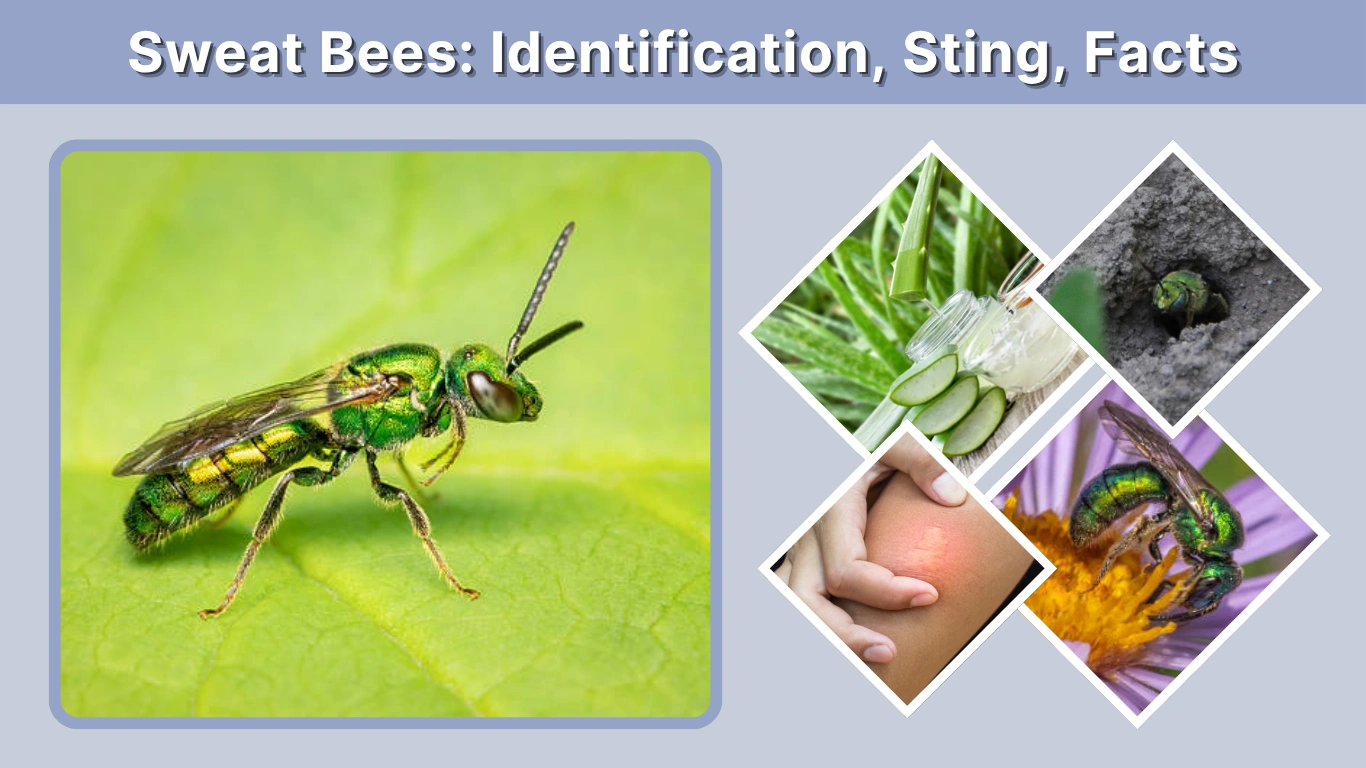
Sweat bees are small, often brightly colored insects that are commonly seen hovering around people during warm weather. Unlike larger bees, they are attracted to human sweat because of the salt it contains. While their presence can feel annoying, sweat bees are generally harmless and play an important role in pollination. Understanding how to identify them, whether they sting, and how to manage them can help you stay safe and avoid unnecessary fear.
What Are Sweat Bees?
Sweat bees belong to the Halictidae family, one of the largest groups of bees in the world. They are commonly found in gardens, lawns, and open fields, especially in warm climates.
Definition and Overview
Sweat bees are small to medium-sized bees known for their attraction to moisture and salt. They are active during the day and are often seen flying close to the ground or around flowers.
Why Are They Called Sweat Bees?
They get their name because they are drawn to human sweat. The salt and moisture on skin provide nutrients that these bees seek, especially during hot weather.
Are Sweat Bees Dangerous to Humans?
In most cases, sweat bees are not dangerous. They are not aggressive and will only sting if they feel threatened or are handled roughly.
Sweat Bee Identification
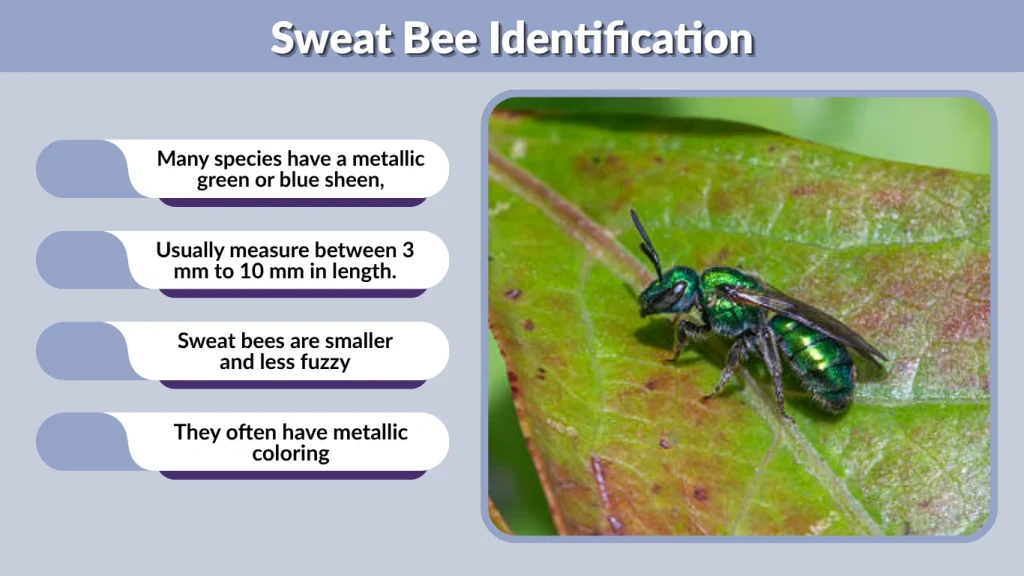
Identifying sweat bees correctly is important because they are often mistaken for other insects like honey bees or even flies.
What Do Sweat Bees Look Like?
Sweat bees are typically small, slender, and less hairy than honey bees. Their appearance can vary widely depending on the species.
Colors (Green, Metallic, Black Sweat Bees)
One of the most noticeable features of sweat bees is their color. Many species have a metallic green or blue sheen, while others may appear dull black or brown.
Size and Body Shape
They usually measure between 3 mm to 10 mm in length. Their bodies are narrow with relatively short legs compared to other bees.
Differences Between Sweat Bees and Honey Bees
- Sweat bees are smaller and less fuzzy
- They often have metallic coloring
- Honey bees are larger and more robust
- Sweat bees are less likely to live in large colonies
Common Types of Sweat Bees (Halictidae Family)
Some common genera include Lasioglossum, Halictus, and Agapostemon. Each group has slightly different behaviors and appearances.
Do Sweat Bees Sting?

This is one of the most common questions people ask when they notice these bees around them.
Do Sweat Bees Sting Humans?
Yes, sweat bees can sting humans, but it is relatively rare. Only female bees have stingers, and they use them mainly for defense.
When and Why Sweat Bees Sting
Sweat bees usually sting when they feel threatened. For example:
- If they are swatted or crushed
- If their nest is disturbed
- If they get trapped in clothing
Are Sweat Bee Stings Painful?
The sting is typically mild compared to other bees. Most people describe it as a small pinch or slight burning sensation.
Are They Aggressive or Defensive?
Sweat bees are defensive rather than aggressive. They do not actively chase people and prefer to avoid confrontation.
Sweat Bee Sting vs Bite
Many people confuse whether sweat bees bite or sting.
Do Sweat Bees Bite or Sting?
Sweat bees do not bite. They use a stinger, which is only present in females.
Difference Between Bite and Sting
- A bite involves mouthparts
- A sting involves a stinger that injects venom
Sweat bees rely on stinging as their primary defense mechanism.
Symptoms of a Sweat Bee Sting
Common symptoms include:
- Mild pain
- Redness
- Slight swelling
- Itching
These symptoms usually go away within a few hours.
Allergic Reactions (Rare Cases)
Although rare, some people may experience allergic reactions such as:
- Severe swelling
- Difficulty breathing
- Dizziness
In such cases, immediate medical attention is necessary.
Sweat Bee Sting Treatment
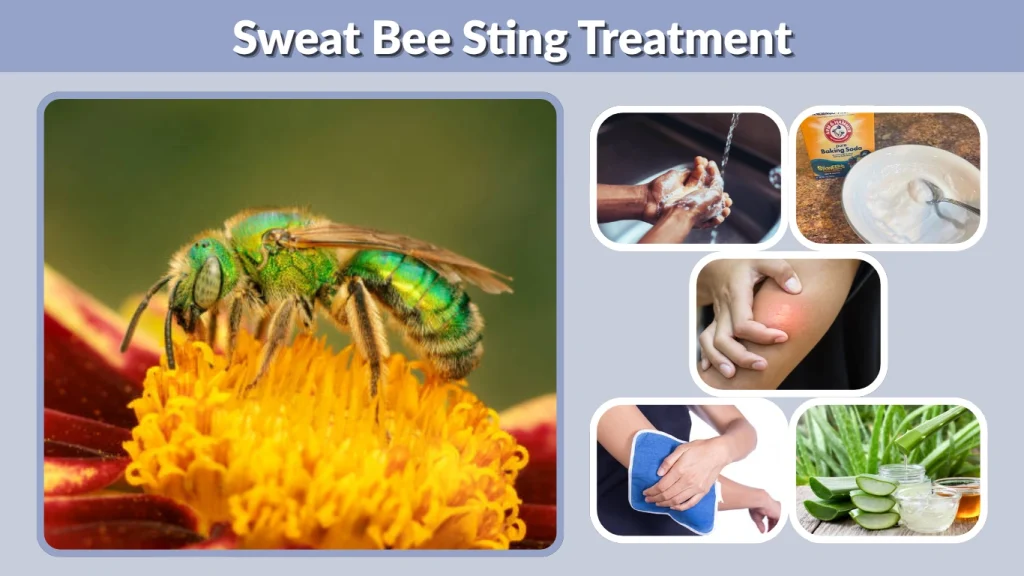
If you do get stung, treatment is usually simple and can be done at home.
Immediate First Aid Steps
- Wash the area with soap and water
- Apply a cold compress to reduce swelling
- Avoid scratching the affected area
Home Remedies for Relief
- Apply ice packs
- Use baking soda paste
- Apply aloe vera gel
These remedies can help reduce irritation and speed up healing.
When to See a Doctor
Seek medical help if you experience:
- Severe allergic reactions
- Persistent pain or swelling
- Signs of infection
How Long Does the Sting Last?
Most sweat bee stings heal within a few hours to a couple of days, depending on individual sensitivity.
Sweat Bees Facts
Sweat bees are more than just curious insects hovering around people—they play a vital role in ecosystems and have some fascinating characteristics.
Are Sweat Bees Helpful Pollinators?
Yes, sweat bees are excellent pollinators. They visit a wide variety of flowers and help transfer pollen, supporting plant growth and food production.
Why They Are Attracted to Sweat
Sweat bees are attracted to the salt and moisture found in human sweat. These nutrients are essential for their survival, especially in hot environments where salt sources are limited.
Lifespan of Sweat Bees
The lifespan of a sweat bee varies by species. Some live only a few weeks, while others—especially social species—may survive for several months.
Do Sweat Bees Make Honey?
No, sweat bees do not produce honey like honey bees. While some species store small amounts of nectar, they are not honey producers.
Are They Solitary or Social?
Sweat bees can be either solitary or social depending on the species. Some live alone, while others form small colonies with basic social structures.
Sweat Bee Nest
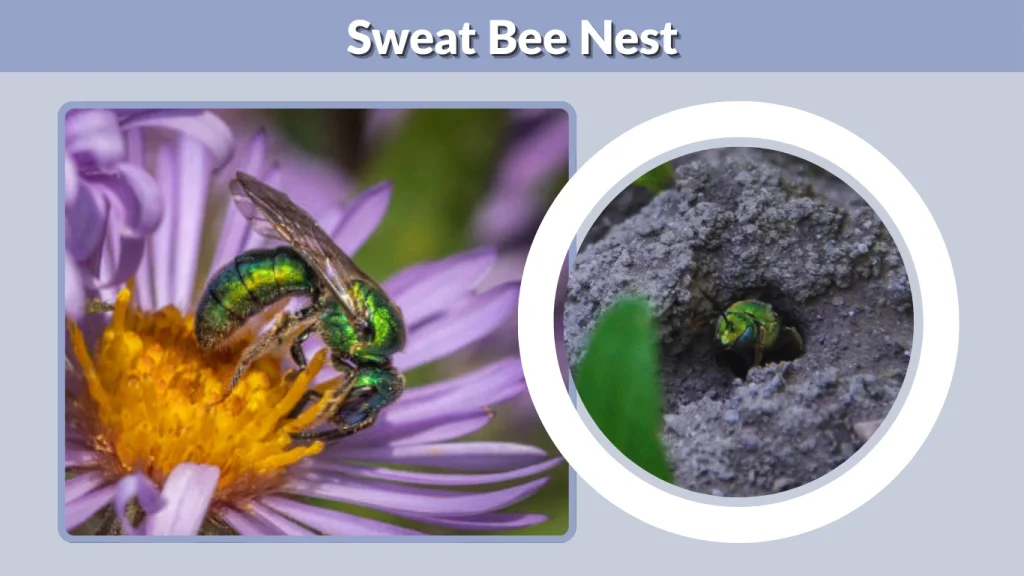
Understanding where sweat bees live can help you identify and manage their presence around your home.
Where Do Sweat Bees Live?
Sweat bees typically live in the ground. They prefer dry, well-drained soil and are often found in gardens, lawns, and along pathways.
Sweat Bee Nest in Ground (Burrowing Behavior)
These bees create small tunnels in the soil. Each tunnel may lead to multiple chambers where eggs are laid and larvae develop.
What Do Sweat Bee Nests Look Like?
Sweat bee nests often appear as tiny holes in the ground, sometimes surrounded by small piles of loose soil. They are easy to overlook due to their size.
Seasonal Nesting Behavior
Sweat bees are most active during spring and summer. Nesting usually begins in warmer months when flowers are abundant.
How to Identify a Sweat Bee Nest
Look for:
- Small holes in bare soil
- Bees flying low to the ground
- Repeated activity in one spot
Why Sweat Bees Are Around You
If you’ve ever noticed sweat bees hovering around you, there’s a simple explanation.
Attraction to Human Sweat
The salt in sweat is highly attractive to these bees. They may land on your skin to collect it.
Attraction to Salt and Moisture
Besides sweat, they are also drawn to:
- Salty surfaces
- Wet soil
- Damp clothing
Outdoor Activities That Attract Them
Activities like gardening, exercising, or sitting outdoors in hot weather can increase the chances of attracting sweat bees.
Sweat Bee Traps & Control
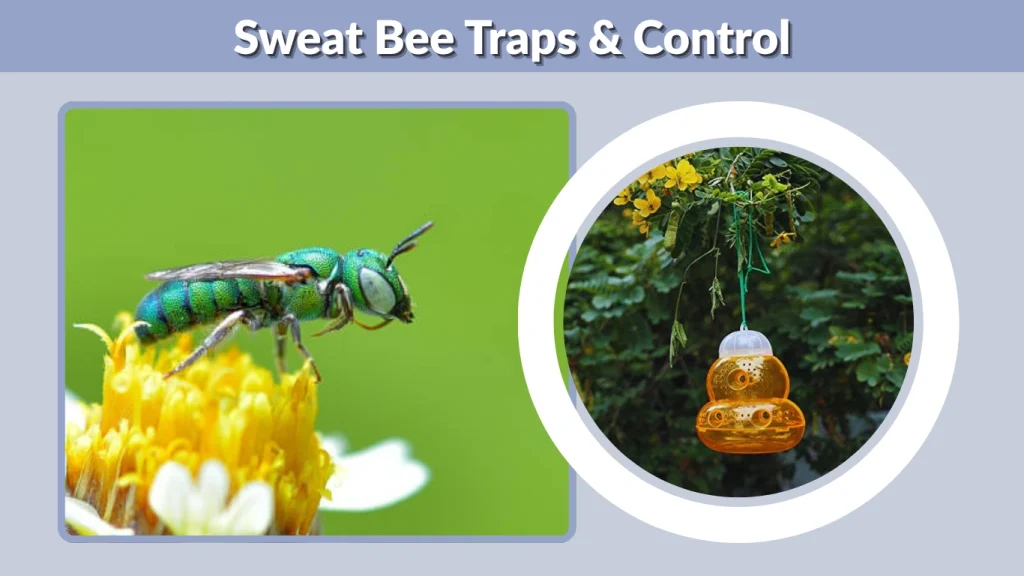
While sweat bees are beneficial, you may still want to reduce their presence in certain areas.
Do Sweat Bee Traps Work?
Traps can work to some extent, but they are not always necessary. Since sweat bees are not aggressive, non-lethal control methods are often preferred.
Best Sweat Bee Traps (DIY & Store-Bought)
- Sticky traps placed near nesting areas
- Sugar-water traps (less effective)
- Commercial bee traps designed for small insects
Natural Ways to Repel Sweat Bees
- Wear light-colored clothing
- Avoid strong perfumes or scented lotions
- Stay dry and wipe away sweat
- Use natural repellents like essential oils
How to Keep Sweat Bees Away While Outside
- Shower after sweating
- Use fans to keep them away
- Cover food and drinks
- Avoid swatting, which can provoke them
How to Remove Sweat Bee Nests Safely
- Water the area to discourage nesting
- Cover soil with mulch or grass
- Avoid using harmful pesticides unless necessary
Are Sweat Bees Beneficial or Harmful?
This is an important consideration before trying to eliminate them.
Role in Pollination
Sweat bees contribute significantly to pollination, helping crops and wild plants thrive.
Environmental Importance
They are part of a healthy ecosystem and support biodiversity.
Should You Kill Sweat Bees?
In most cases, it’s better not to kill them. They are harmless unless provoked and provide valuable ecological benefits.
FAQs
Do sweat bees sting often?
No, they rarely sting and usually only do so when threatened.
Are sweat bees dangerous?
They are generally not dangerous and pose little risk to humans.
How do I get rid of sweat bees fast?
Reduce sweat, avoid scents, and eliminate nesting spots in soil.
Can sweat bees live indoors?
They rarely live indoors and prefer outdoor environments.
Why do sweat bees follow me?
They are attracted to the salt in your sweat, not actually “following” you intentionally.
Conclusion
Sweat bees may seem bothersome, especially when they hover around you on hot days, but they are mostly harmless and highly beneficial insects. They play a key role in pollination and maintaining ecological balance. By understanding their behavior, identifying their nests, and using simple prevention methods, you can peacefully coexist with them. Instead of fearing sweat bees, it’s better to appreciate their role in nature while taking small steps to stay comfortable outdoors.
