
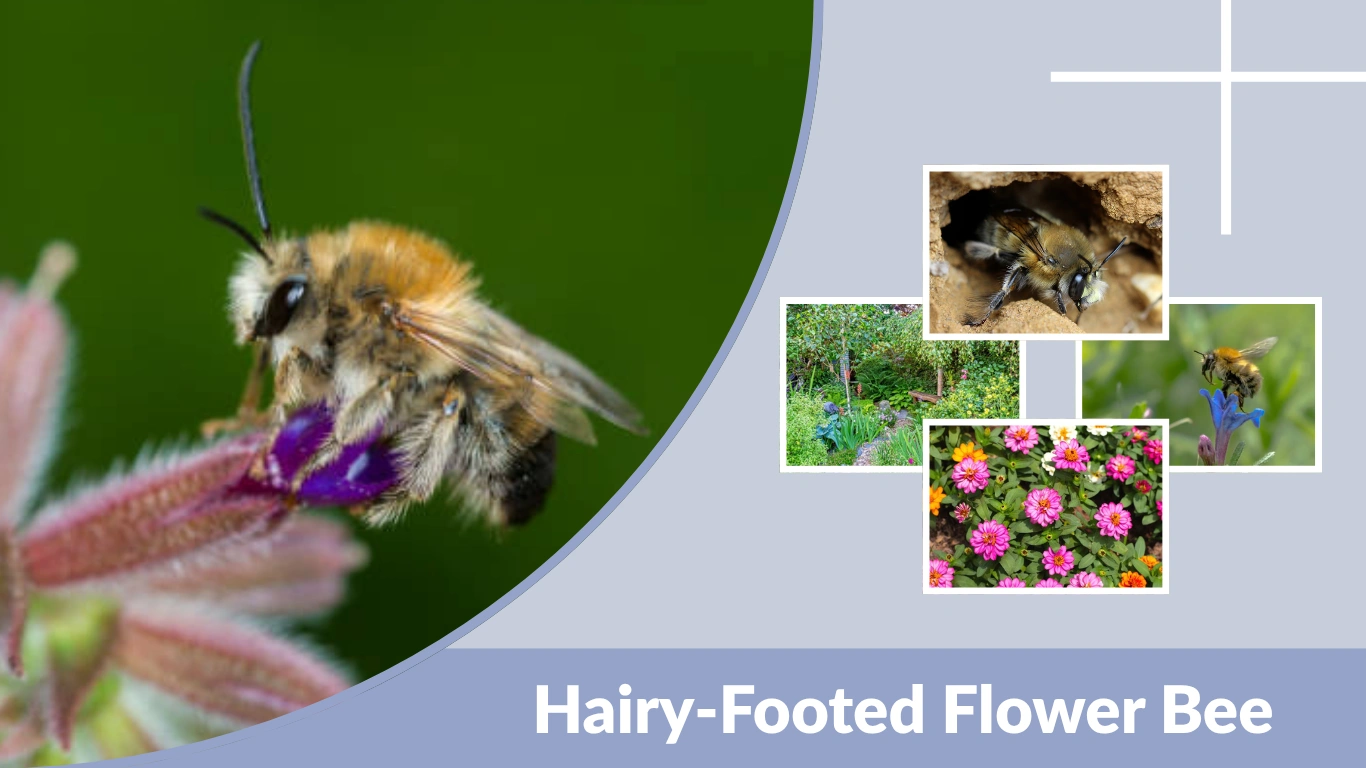
The hairy-footed flower bee is a fascinating and fast-flying pollinator often seen in early spring gardens. Known for its hovering behavior and fuzzy appearance, this bee is commonly mistaken for a bumblebee or even a small hummingbird. Despite its intimidating flight patterns, it is harmless and plays an important role in pollination. Understanding how to identify this bee, its behavior, and whether it poses any risk can help you appreciate its presence rather than fear it.
What Is a Hairy-Footed Flower Bee?
The hairy-footed flower bee (Anthophora plumipes) is a species of solitary bee found mainly in Europe and parts of Asia. It is one of the earliest bees to emerge in spring, making it a key pollinator for early-blooming plants.
Definition and Overview
This bee belongs to the genus Anthophora, which includes fast-flying, nectar-feeding bees. Unlike honey bees, hairy-footed flower bees do not live in large colonies.
Scientific Name (Anthophora plumipes)
The name “plumipes” refers to the hairy structures on the legs of the bee, particularly noticeable in males. These hairs help them collect pollen efficiently.
Where Are Hairy-Footed Flower Bees Found?
They are commonly found in:
- Gardens and parks
- Woodland edges
- Urban areas with flowering plants
They prefer environments rich in nectar-producing flowers.
Why Are They Called “Hairy-Footed”?
The name comes from the dense hairs on their legs, especially in males. These hairs are used to gather and transport pollen from flowers.
Hairy-Footed Flower Bee Identification
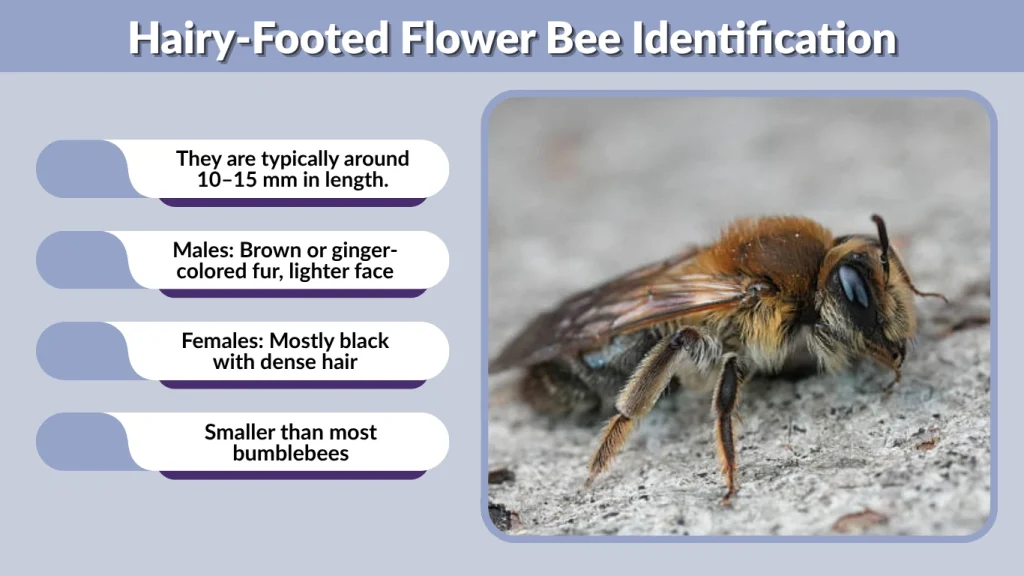
Correct identification is important because these bees are often confused with other species.
What Does a Hairy-Footed Flower Bee Look Like?
Hairy-footed flower bees are medium-sized, robust bees with a fuzzy body. They have a distinctive fast and darting flight pattern.
Male vs Female Differences
- Males: Brown or ginger-colored fur, lighter face, and very noticeable leg hair
- Females: Mostly black with dense hair and less obvious leg features
These differences make it easier to distinguish between sexes.
Size, Color, and Appearance
They are typically around 10–15 mm in length. Their bodies are compact, and their wings are strong, allowing rapid movement.
Fast Flying Behavior (Hovering Like a Hummingbird)
One of their most unique traits is their ability to hover in front of flowers while feeding. This behavior often surprises people and leads to confusion with hummingbirds.
Differences from Bumblebees and Honey Bees
- Smaller than most bumblebees
- Faster and more agile in flight
- Do not form large colonies like honey bees
- More solitary in nature
Do Hairy-Footed Flower Bees Sting?
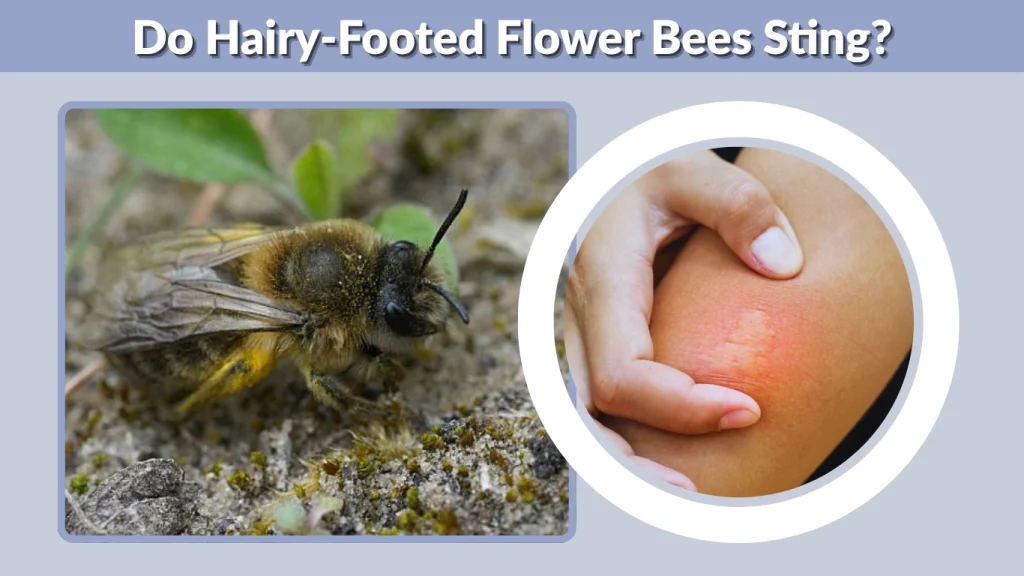
Many people worry about being stung when they see these bees hovering nearby.
Can Hairy-Footed Flower Bees Sting Humans?
Yes, but only females can sting. Even then, stings are extremely rare.
Are They Aggressive or Harmless?
Hairy-footed flower bees are generally harmless. They are not aggressive and will avoid humans unless directly threatened.
Male vs Female Sting Ability
- Males: Cannot sting
- Females: Can sting, but only in self-defense
This makes encounters with males completely safe.
Pain Level and Risk Factors
If a sting does occur, it is usually mild and similar to a small bee sting. Most people experience only slight discomfort.
Hairy-Footed Flower Bee Bite vs Sting
There is often confusion about whether these bees bite or sting.
Do They Bite or Sting?
Hairy-footed flower bees do not bite. Like most bees, they rely on a stinger for defense.
Symptoms of a Sting
Typical symptoms include:
- Mild pain
- Redness
- Slight swelling
- Itching
These symptoms usually disappear quickly.
Allergic Reactions (Rare Cases)
In rare cases, individuals may have allergic reactions such as swelling beyond the sting site or breathing difficulty.
Basic Treatment Options
- Clean the area with soap and water
- Apply ice to reduce swelling
- Use antihistamines if needed
Hairy-Footed Flower Bee Facts
These bees have several interesting traits that make them unique among pollinators.
Early Spring Activity
Hairy-footed flower bees are among the first bees to appear in spring, often seen as early as March or April.
Important Pollinators
They are highly effective pollinators, especially for early-season flowers that other insects may not yet visit.
Lifespan and Life Cycle
Their life cycle includes egg, larva, pupa, and adult stages. Adults are typically active for a few weeks during spring.
Unique Hovering Feeding Style
Their ability to hover while feeding allows them to access nectar without landing fully on flowers.
Solitary vs Social Behavior
These bees are solitary, meaning each female builds and manages her own nest without the help of a colony.
Hairy-Footed Flower Bee Nest
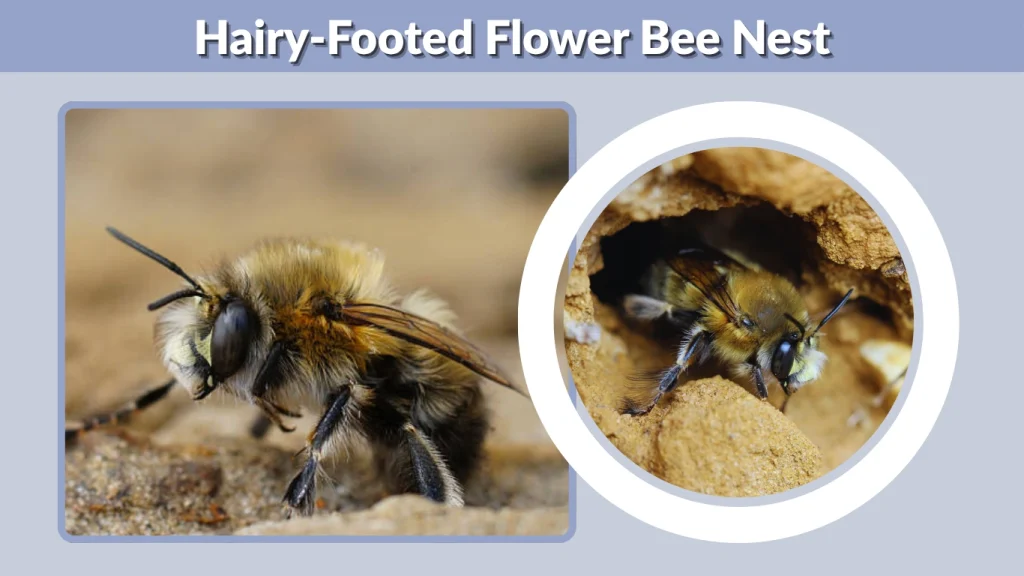
Understanding where and how hairy-footed flower bees nest can help you identify their presence and decide whether any action is needed.
Where Do They Nest?
Hairy-footed flower bees typically nest in soft materials such as:
- Old walls
- Soft mortar joints
- Clay or sandy soil
- Cracks in buildings
They prefer sheltered areas that are warm and protected from rain.
Nesting in Walls, Soft Mortar, and Soil
Unlike ground-nesting bees that dig deep tunnels, these bees often use existing holes or crevices. In urban areas, they are commonly found nesting in brick walls where mortar has softened over time.
What Do Their Nests Look Like?
Their nests are small and not easily visible. You may notice:
- Tiny holes in walls or soil
- Bees repeatedly entering and exiting the same spot
- Fine dust or debris near the entrance
Nesting Season and Reproduction
Nesting begins in early spring. The female creates individual chambers, lays eggs, and provides each with pollen and nectar before sealing it.
How to Identify Their Nest
Look for consistent bee activity in one area, especially near walls or dry soil. Their fast, direct flight paths often lead straight to the nest entrance.
Behavior and Feeding Habits
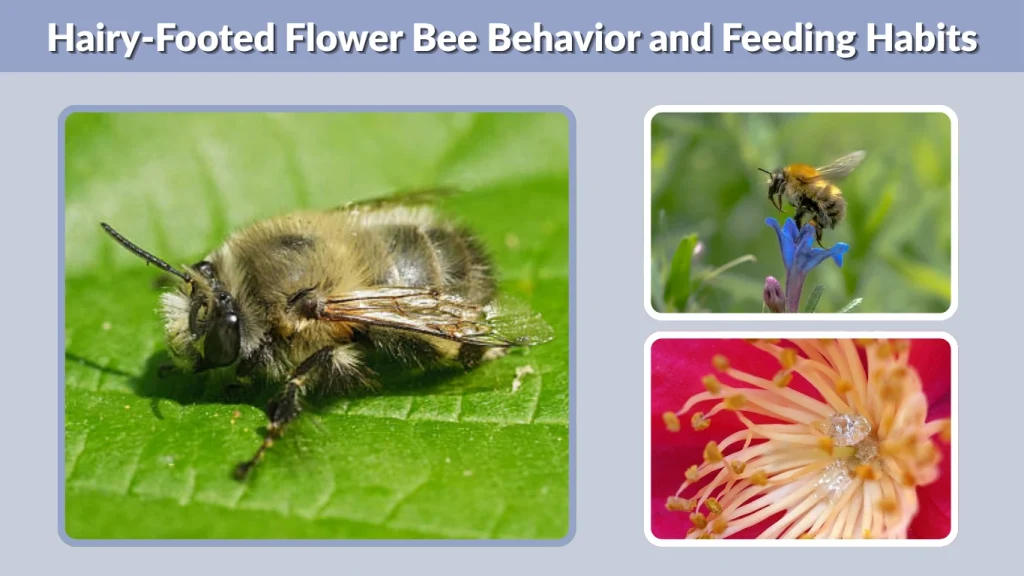
Hairy-footed flower bees have unique behaviors that set them apart from other bees.
What Do Hairy-Footed Flower Bees Eat?
They feed primarily on:
- Nectar for energy
- Pollen for protein
These nutrients are essential for their survival and reproduction.
Favorite Flowers (Lungwort, Primrose, etc.)
They are especially attracted to early spring flowers such as:
- Lungwort
- Primrose
- Dead-nettle
- Comfrey
These plants provide the nectar they need during their active season.
Hovering and Territorial Behavior
Male hairy-footed flower bees are known for hovering in one place, often guarding a patch of flowers. They may appear to “inspect” people, but they are simply defending their territory or searching for females.
Role in Pollination
Their fast movement between flowers makes them efficient pollinators. They help fertilize plants, which supports fruit and seed production.
Why Hairy-Footed Flower Bees Visit Your Garden
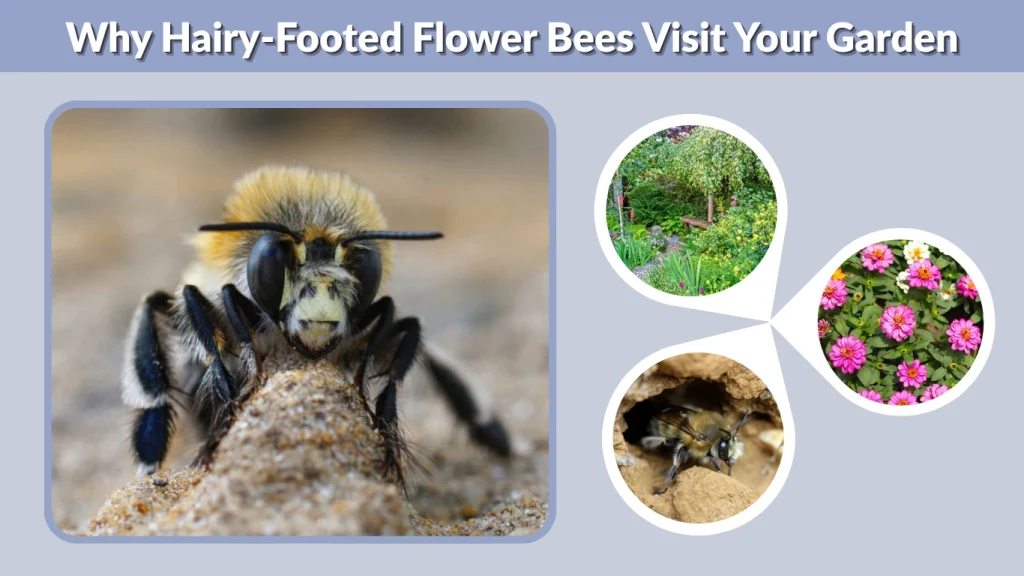
Seeing these bees in your garden is usually a positive sign.
Attraction to Early Blooming Flowers
Since they emerge early in the year, they rely on plants that bloom in spring. Gardens with these flowers naturally attract them.
Garden Conditions That Attract Them
They prefer:
- Sunny spots
- Sheltered areas
- Plenty of nectar-rich flowers
- Access to nesting sites
Seasonal Appearance (Spring Focus)
Hairy-footed flower bees are mostly active in spring, and their presence typically decreases as summer begins.
How to Attract or Repel Hairy-Footed Flower Bees
Depending on your goals, you can either encourage or discourage their presence.
How to Attract Them for Pollination
- Plant early-blooming flowers
- Avoid pesticides
- Provide natural nesting spaces
- Maintain a bee-friendly garden
Best Plants to Grow
- Lungwort
- Primrose
- Lavender (early varieties)
- Flowering herbs
These plants are highly attractive to them.
How to Keep Them Away (If Needed)
- Seal cracks in walls
- Repair old mortar
- Reduce exposed soil areas
- Avoid planting nectar-rich flowers near entrances
Safe and Natural Control Methods
It is best to use non-harmful methods such as habitat modification rather than pesticides, as these bees are beneficial.
Are Hairy-Footed Flower Bees Beneficial?
These bees provide significant ecological value.
Importance for Gardens and Crops
They help pollinate plants early in the season, ensuring better growth and yields.
Environmental Benefits
By supporting plant reproduction, they contribute to biodiversity and ecosystem stability.
Should You Protect Them?
Yes, in most cases. Hairy-footed flower bees are harmless and valuable pollinators that should be protected whenever possible.
FAQs
Are hairy-footed flower bees rare?
They are not rare in suitable habitats, especially in areas with plenty of spring flowers.
Do hairy-footed flower bees sting often?
No, they rarely sting and only do so when threatened.
Why do they hover in front of people?
This is usually territorial behavior by males or curiosity—not aggression.
When are hairy-footed flower bees active?
They are most active in early spring, often from March to May.
Are they dangerous to humans?
No, they are generally harmless and pose very little risk.
Conclusion
Hairy-footed flower bees are unique, fast-moving pollinators that bring life to gardens in early spring. While their hovering behavior may seem intimidating, they are harmless and rarely sting. By understanding their identification, nesting habits, and ecological role, you can better appreciate their presence. Encouraging these bees in your garden supports pollination and helps maintain a healthy environment, making them a welcome visitor rather than a pest.
