

Termites are small, wood-eating insects that can silently cause thousands of dollars in structural damage to your home. Often referred to as “silent destroyers,” they chew through wood, flooring, and even wallpaper without being detected for months.
Early detection is crucial because termite damage isn’t usually covered by homeowner’s insurance. The sooner you spot signs of infestation, the more you can minimize damage and repair costs.
Recognizing the subtle, early warning signs of termites can save your home and your wallet from severe consequences. Let’s look at 12 clear signs to watch for.
Common Signs of Termites in Your Home
1. Hollow-Sounding Wood

If you tap on wooden surfaces like baseboards, floors, or walls and they sound hollow, that’s a strong sign termites may be inside.
Termites eat wood from the inside out, leaving only a thin layer of timber or paint behind. What appears to be solid wood may already be extensively damaged beneath the surface.
2. Mud Tubes on Walls or Foundations

Mud tubes are thin, pencil-width tunnels made of soil and wood particles. You’ll often find them along foundations, walls, or crawl spaces.
Subterranean termites build these tubes to travel safely from their nests in the soil to your home without exposure to open air. Finding these is a red flag of an active termite colony.
3. Discarded Wings Near Windows or Doors
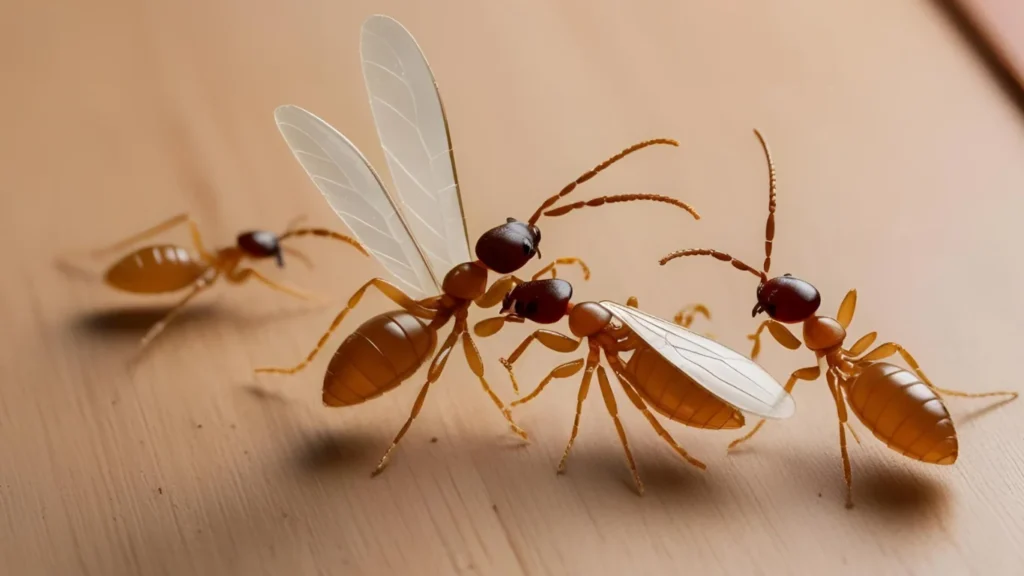
Termite swarmers (reproductive termites) shed their wings after finding a mate and a location to start a new colony. You might find these tiny, translucent wings near windowsills, doors, or light fixtures.
Termite wings are uniform in size, unlike ant wings which have one longer pair. If you see piles of matching wings, termites may already be inside.
4. Clicking Sounds Inside Walls
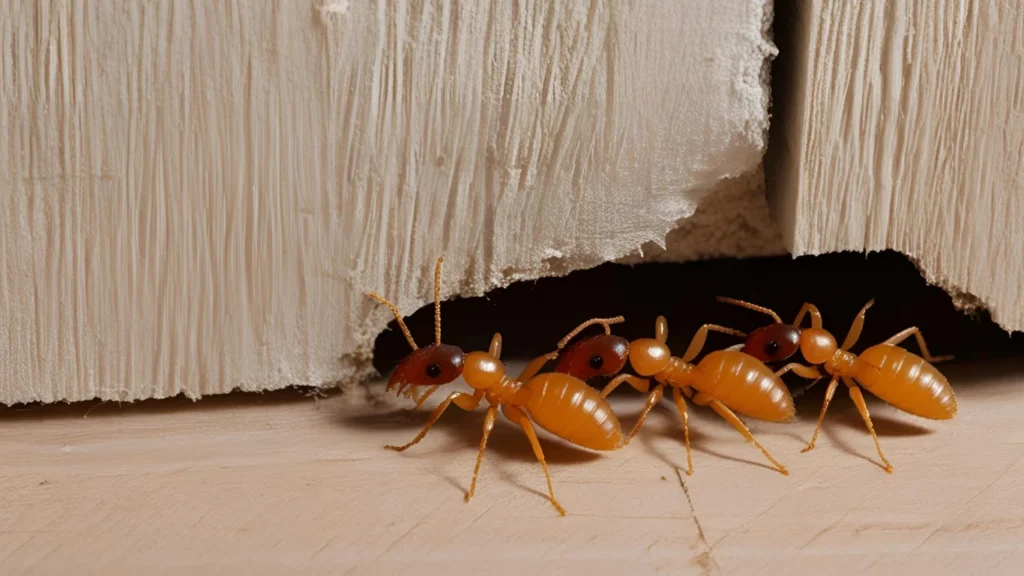
Termites make soft clicking or tapping sounds inside your walls. This noise comes from soldier termites banging their heads as a warning, or from workers chewing through wood.
If you put your ear to an infested wall and hear faint activity, it’s worth investigating further.
5. Warped Doors and Tight-Fitting Windows

Termites bring moisture into wood, causing it to swell. This can lead to doors or windows becoming hard to open or close.
While humidity and water damage can cause similar issues, termite damage is often accompanied by other signs like frass or mud tubes.
6. Termite Droppings (Frass)

Drywood termites leave behind small, pellet-shaped droppings known as frass. These tiny piles often look like sawdust or coffee grounds.
You’ll usually find frass around baseboards, window sills, or underneath wooden furniture. It’s a telltale sign of termite activity.
7. Cracked or Bubbling Paint
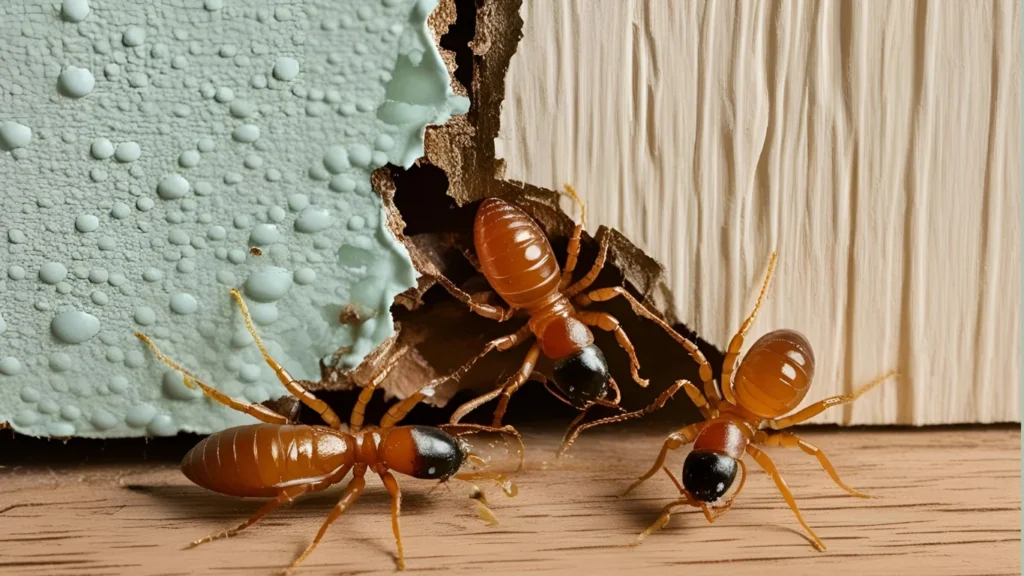
Termite damage beneath the surface can cause paint to bubble or crack, often resembling water damage.
As termites tunnel close to the surface of wood, they allow moisture to collect, which causes visible deformities in paint or wallpaper.
8. Pinholes in Drywall or Wallpaper
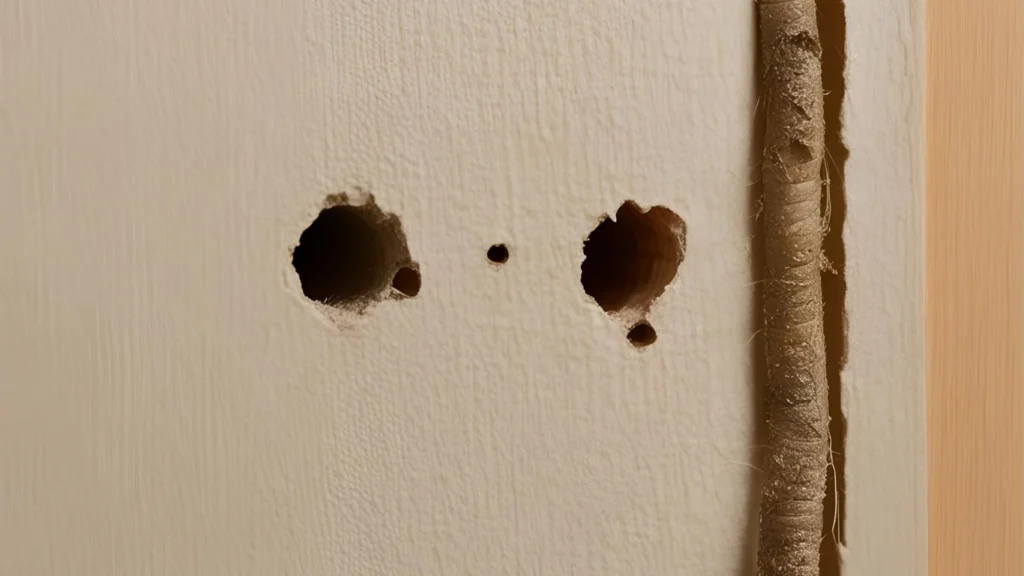
Tiny holes about the size of a pinhead might appear in walls or wallpaper. These are often exit points where termites have tunneled through.
Look for these pinholes in combination with frass, bubbling paint, or nearby mud tubes for confirmation.
9. Sagging Floors or Ceilings

When termites consume the structural wood beneath flooring or ceiling beams, these areas can begin to sag.
Inspect sagging areas cautiously. Use a flashlight and tap gently to check if wood sounds hollow or feels spongy.
10. Damaged or Hollow Furniture
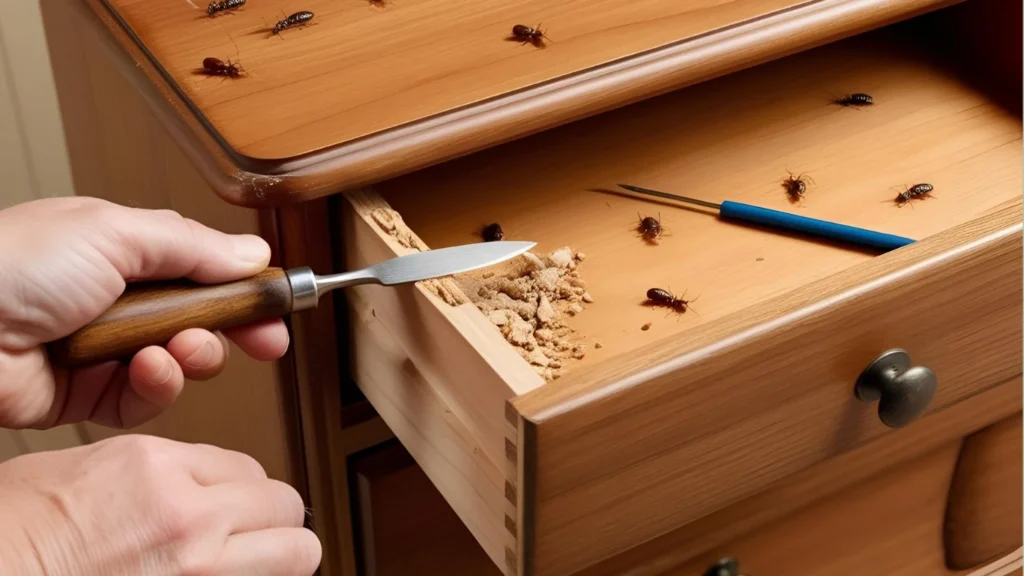
Wooden furniture is a favorite target for drywood termites. Damage may be hidden inside joints or underneath drawers.
Use a screwdriver to gently tap or probe furniture edges. If it crumbles easily or sounds hollow, termites may be to blame.
11. Presence of Live Termites

Seeing live termites is a sure sign of infestation. They often hide in basements, crawl spaces, under sinks, or in wooden debris.
- Workers: Cream-colored and soft-bodied.
- Soldiers: Larger heads and mandibles.
- Swarmers: Winged and darker in color.
Each has a role in the colony and may be visible at different stages of the infestation.
12. Unusual Patterns in Wood
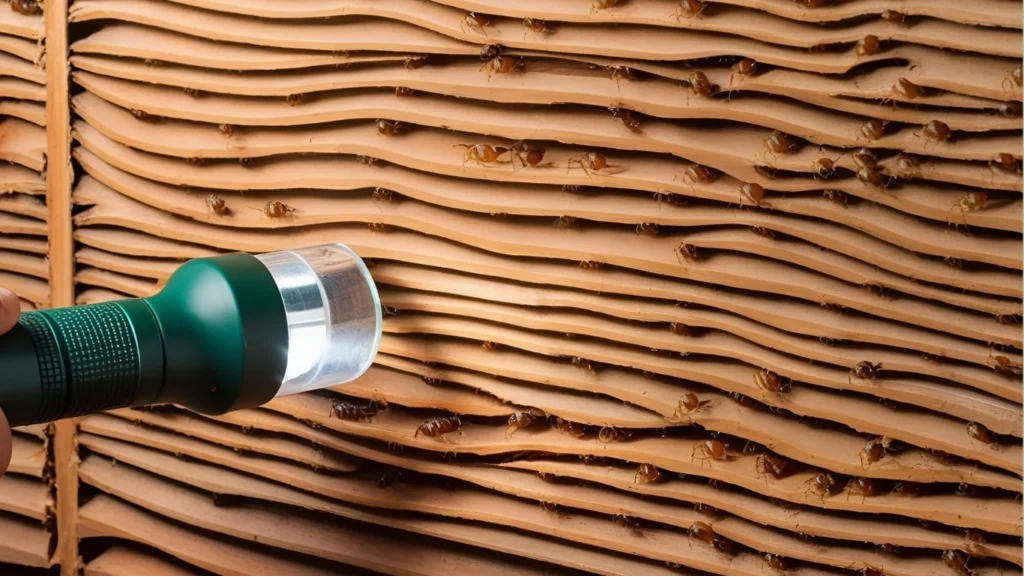
If you see maze-like grooves in wood surfaces or under wallpaper, these are galleries created by termites as they eat through timber.
Use a flashlight and magnifying glass to inspect suspect areas closely. Look for irregular tunnels or patterns in wooden structures.
What to Do If You Notice These Signs

Discovering signs of termites in your home can be alarming, but acting quickly and strategically can minimize damage and prevent further infestation. Here’s a step-by-step guide to handling the situation effectively.
Step 1: Confirm the Infestation
The first thing you should do is verify whether the signs you’ve noticed truly indicate a termite problem. Begin by examining your home closely—tap on wooden surfaces like walls, baseboards, and floors to see if they sound hollow. Shine a flashlight into crawl spaces, basements, and behind furniture, checking for telltale signs such as mud tubes, discarded wings, or termite droppings (frass). You can also gently probe wood with a screwdriver to feel for weakened or soft spots that suggest internal damage.
If you’re unsure about what you’re seeing or suspect more widespread activity, it’s wise to call in a licensed pest control professional. They have the tools and expertise to identify the type of termite, assess the extent of the damage, and confirm whether there is an active colony inside your home.
Step 2: Stop Moisture Buildup
Once an infestation is suspected or confirmed, reducing moisture inside and around your home is a critical next step. Termites thrive in damp environments, so eliminating excess humidity can make your home less attractive to them. Repair any leaking faucets, pipes, or air conditioning units—especially in areas like the kitchen, bathroom, and basement. Improve ventilation in damp spaces by installing exhaust fans or using a dehumidifier. Make sure gutters are clean and downspouts direct water away from the foundation to prevent pooling moisture near the home’s base.
Step 3: Avoid Disturbing the Colony
It might be tempting to destroy visible mud tubes or apply over-the-counter sprays when you spot termite signs, but this can do more harm than good. Disturbing an active colony can cause termites to retreat deeper into the structure, making them harder to detect and treat effectively. It’s best to leave the area untouched and intact for a professional to assess. Take clear photos of any signs you find, so you can document the issue for later reference or share them with an inspector if needed.
Step 4: Limit Further Access
To reduce the risk of the infestation spreading, make your home less accessible to termites. If possible, remove any wood-to-soil contact around the exterior of your home—this includes moving stacked firewood, lumber, or wooden planters away from the foundation. Seal any visible cracks in the walls or foundation that could serve as entry points, and check that your vents are properly screened to keep pests out. Creating this kind of barrier can buy you valuable time and help slow down the colony’s expansion.
Step 5: Schedule a Professional Termite Inspection
At this stage, it’s essential to bring in a licensed pest control expert. A thorough inspection will identify the termite species, determine the severity of the problem, and outline an effective treatment plan tailored to your home. During this visit, ask questions about the infestation, treatment methods, safety precautions, and estimated costs. Understanding what to expect will help you make informed decisions and avoid unnecessary expenses.
Step 6: Consider Long-Term Treatment Options
After treatment begins, discuss long-term solutions to prevent future infestations. These may include chemical soil treatments, baiting systems designed to eliminate the entire colony, or preventive wood treatments to make structural timber less appealing to termites. Many companies also offer service plans that include regular monitoring and follow-up inspections. Choosing a long-term strategy not only helps eliminate existing termites but also provides peace of mind for years to come.
Step 7: Monitor and Maintain Vigilance
Even after treatment is complete, remain vigilant. Continue checking your home regularly for any new signs of termite activity, especially in previously affected areas. Maintain low moisture levels, inspect wooden structures periodically, and consider scheduling annual inspections with your pest control provider. Ongoing awareness is the key to preventing a future infestation from getting out of hand.
When to Call a Pest Control Professional
Don’t wait for damage to become visible. Early professional intervention can:
- Stop the spread of termites
- Minimize repair costs
- Provide long-term protection through baiting or chemical treatments
During an inspection, professionals will assess the infestation level, identify the termite type, and recommend a treatment plan.
Conclusion
Termites can quietly destroy your home if left undetected. By learning to spot these 12 warning signs—from hollow wood and discarded wings to sagging floors and live insects—you can take action before the damage escalates.
