
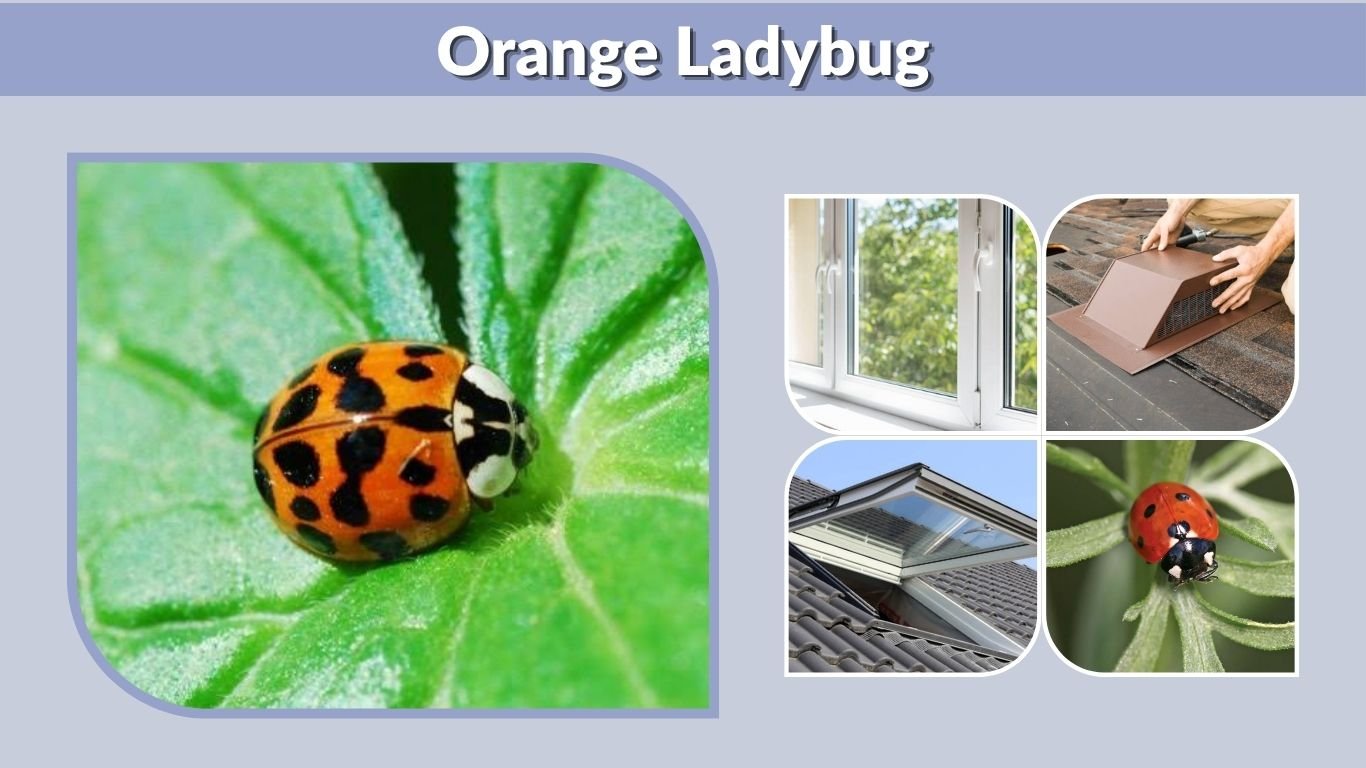
An orange ladybug can be a surprising sight because most people picture ladybugs as bright red insects with black spots. However, ladybugs naturally occur in many colors, including orange, yellow, brown, and black. Some orange ladybugs are native species, while many orange insects found around homes are Asian lady beetles. Although these beetles are generally beneficial predators, certain species may enter houses in large numbers and occasionally pinch human skin. Here is how to identify orange ladybugs and understand their meaning, behavior, and safety.
What Is an Orange Ladybug?
An orange ladybug is usually a member of the lady beetle family, Coccinellidae. Orange coloration does not automatically identify a particular species because several lady beetles can appear orange.
One of the most frequently encountered orange-colored species is the Asian lady beetle, which varies dramatically in appearance.
What Is an Orange Ladybug Called?
There is no single species officially called the “orange ladybug.” Depending on its location and markings, an orange ladybug may be an Asian lady beetle or another species of lady beetle.
Asian lady beetles can appear:
- Yellow
- Pale orange
- Bright orange
- Red-orange
- Deep red
They may have numerous black spots, only a few spots, or no visible spots at all.
Orange Ladybug With Black Spots
An orange ladybug covered with black spots is frequently an Asian lady beetle, particularly when it has a pale area behind the head containing a dark marking that can resemble an “M” or “W.”
However, color and spot number alone are not always enough for a reliable identification.
Orange Ladybug With No Spots
Ladybugs do not necessarily need spots. Some individual lady beetles naturally have very faint markings or no noticeable spots.
Asian lady beetles are especially variable, so an orange specimen without spots can still belong to the same species as one covered with black spots.
Orange Ladybug vs. Red Ladybug
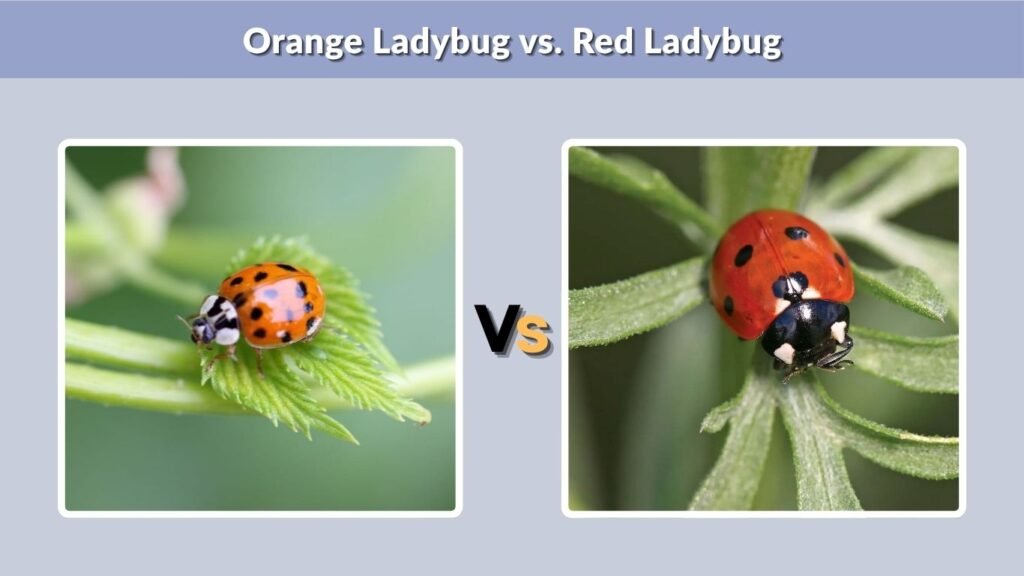
Orange and red ladybugs often belong to different species, although some species can occur in both colors. Their appearance, behavior, and tendency to enter buildings can also differ.
For homeowners, the most important distinction is often between native ladybugs and Asian lady beetles.
Appearance
Common differences may include:
- Orange ladybug: Yellow-orange to deep orange coloration
- Red ladybug: Usually bright or dark red
- Asian lady beetle: Often has a pale pronotum with dark markings
- Native species: Markings vary greatly depending on species
- Spots: Neither color nor number of spots alone reliably determines species
Because ladybugs are extremely variable, close examination is necessary before identifying one solely by color.
Orange Ladybug vs. Asian Lady Beetle
The term “orange ladybug” is sometimes used specifically for Asian lady beetles, but they are not exactly synonymous.
An Asian lady beetle is a specific species, while “orange ladybug” describes an insect’s appearance. Many Asian lady beetles are orange, but other ladybug species may also be orange.
Asian lady beetles are especially noticeable because they frequently gather around buildings and move indoors when temperatures fall.
Are Orange Ladybugs Poisonous?
Orange ladybugs are not considered dangerously poisonous to humans. You should not deliberately eat them, but simply touching or having one land on you does not normally create a poisoning risk.
Like other lady beetles, they may release defensive chemicals when threatened.
Are Orange Ladybugs Venomous?
Ladybugs do not inject medically significant venom into people.
When disturbed, some lady beetles release yellowish defensive fluid from their leg joints. This behavior is called reflex bleeding.
The fluid:
- Has an unpleasant smell
- Has a bitter taste
- May leave temporary stains
- Discourages predators
- Can occasionally irritate sensitive skin
This defensive secretion should not be confused with venom.
Is a Black and Orange Ladybug Poisonous?
Black ladybugs with orange or red spots also occur naturally. Their unusual coloration does not automatically mean they are dangerous.
Dark-colored lady beetles use the same types of chemical defenses as many other members of their family. They generally pose little danger to people when left alone.
Do Orange Ladybugs Bite?
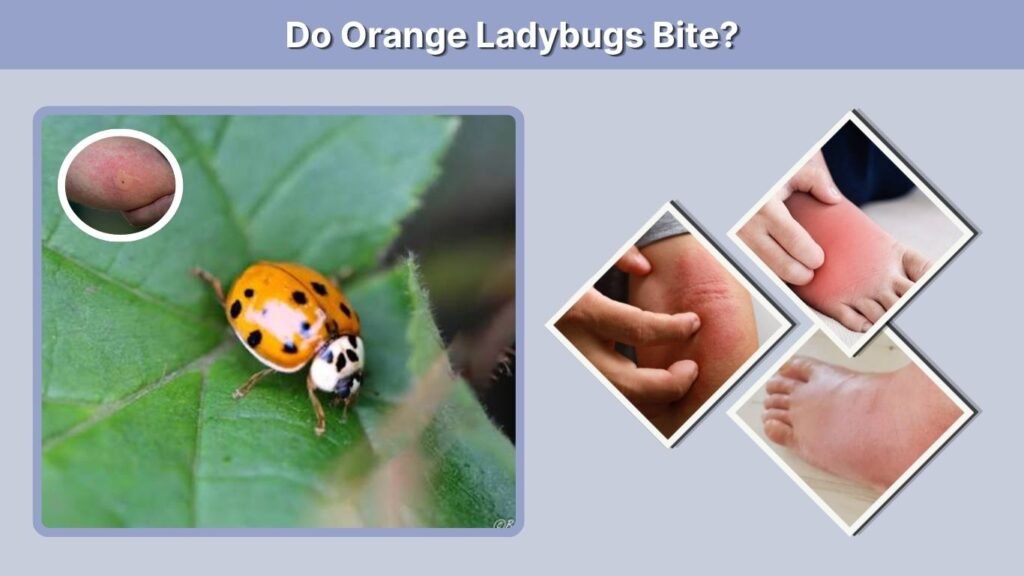
Some lady beetles, especially Asian lady beetles, can occasionally pinch or scrape human skin with their mouthparts. These incidents are usually minor and occur when the insects land on exposed skin.
Ladybugs do not feed on human blood.
What Does an Orange Ladybug Bite Feel Like?
A person may experience a small pinching or prickling sensation.
Possible effects include:
- Mild redness
- Temporary irritation
- Itching
- Slight swelling
- A small red spot
- Brief discomfort
Serious reactions are uncommon, although individual sensitivity varies.
What Do Orange Ladybug Bites Look Like?
An orange ladybug bite may appear as a small red or irritated spot. Because the marks are not distinctive, it can be difficult to determine from appearance alone whether a lady beetle caused the irritation.
If severe swelling, difficulty breathing, spreading redness, or persistent pain occurs following any insect encounter, medical advice should be sought.
Orange Ladybug Meaning and Symbolism
Ladybugs have long been associated with positive symbolism in folklore and popular culture. Orange ladybugs have developed additional symbolic interpretations because orange itself is commonly associated with warmth, creativity, and energy.
These meanings are cultural or spiritual beliefs rather than scientific facts.
Orange Ladybug Spiritual Meaning
In modern spiritual interpretations, an orange ladybug may symbolize:
- Creativity
- Personal growth
- Optimism
- Positive change
- Confidence
- New opportunities
Some people interpret seeing one as encouragement to pursue a new idea or embrace a period of change.
Orange Ladybug Landing on You Meaning
Folklore often considers a ladybug landing on someone a sign of good fortune.
An orange ladybug landing on you may therefore be interpreted as a symbol of luck, happiness, or positive transformation. Biologically, however, the beetle has simply chosen you as a temporary landing surface.
Orange Ladybug Meaning in the House
Finding an orange ladybug indoors does not carry any scientifically established symbolic meaning.
From a practical perspective, Asian lady beetles frequently enter buildings looking for protected places where they can survive colder weather.
A single beetle may simply have wandered inside, while dozens or hundreds can indicate an overwintering aggregation.
Why Are Orange Ladybugs in My House?
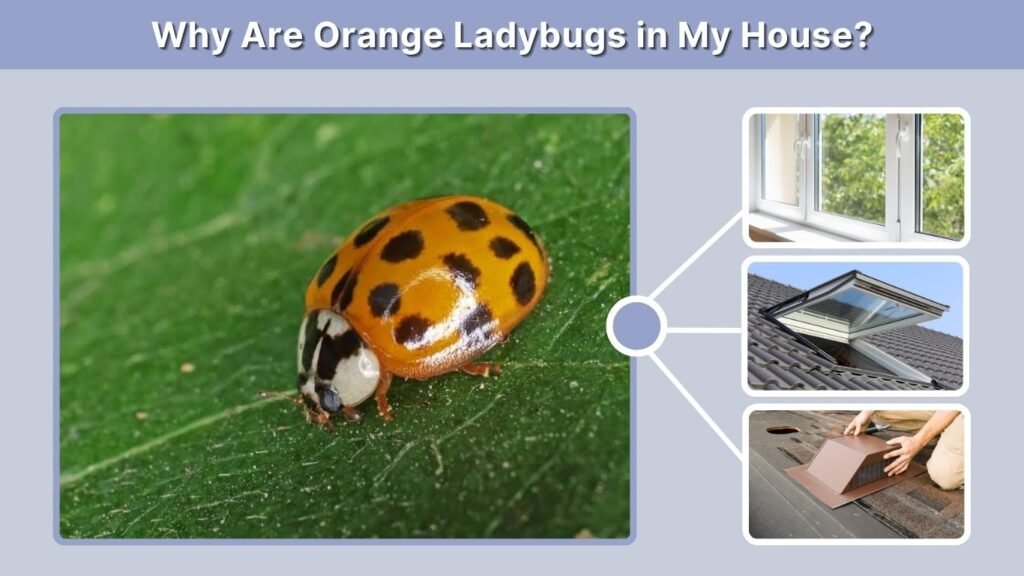
Orange ladybugs commonly become noticeable around homes during autumn and cooler weather. Asian lady beetles gather on sunny exterior walls and enter through tiny openings.
Once indoors, they may remain hidden until warmer conditions make them active again.
How They Get Inside
Common entry points include:
- Window frames
- Door gaps
- Roof openings
- Siding
- Attic vents
- Utility openings
- Cracks around walls
They generally do not reproduce or damage household structures while overwintering indoors.
How to Get Rid of Orange Ladybugs
If orange ladybugs are entering your home, physical removal and exclusion are usually preferable to spraying pesticides throughout indoor rooms.
Try these methods:
- Vacuum visible beetles
- Empty the vacuum contents outside
- Seal cracks around windows and doors
- Repair damaged screens
- Seal gaps around pipes and utility lines
- Install weather stripping
- Prevent access to attic openings
Avoid crushing large numbers indoors because their defensive fluids can produce odors and leave stains.
Are Orange Ladybugs Good or Bad?

In gardens, most ladybugs are beneficial because both adults and larvae consume plant pests. Lady beetles are particularly valued for their ability to reduce populations of soft-bodied insects.
Their presence outdoors is usually beneficial.
Benefits of Orange Ladybugs
Depending on species, ladybugs may feed on:
- Aphids
- Scale insects
- Mealybugs
- Mites
- Whiteflies
- Other small arthropods
This natural predation can reduce pest populations without chemical treatments.
When They Become a Problem
Orange ladybugs become troublesome mainly when large groups enter homes.
Asian lady beetles may gather around walls, windows, ceilings, and light fixtures. Their defensive secretions can also stain certain surfaces.
They generally do not damage furniture, stored food, or the wooden structure of a home.
FAQs
Can a ladybug be orange?
Yes. Many lady beetles naturally occur in shades of yellow, orange, red-orange, or red. Asian lady beetles are particularly variable in color.
Is an orange ladybug poisonous?
Orange ladybugs are not considered dangerously poisonous to humans. They can release unpleasant defensive chemicals, but normal contact is generally harmless.
Do orange ladybugs bite?
Some orange ladybugs, especially Asian lady beetles, may occasionally pinch exposed skin. The resulting irritation is usually mild.
What does an orange ladybug mean?
In folklore and modern spiritual symbolism, orange ladybugs are often associated with luck, creativity, optimism, and positive change. These interpretations are cultural beliefs rather than scientific facts.
Why do I have orange ladybugs in my house?
Orange Asian lady beetles commonly enter houses while searching for protected overwintering sites. Sealing exterior openings and vacuuming indoor beetles are effective ways to manage them.
