

Finding small black insects indoors can be frustrating, especially when they crawl, fly, or even bite. These pests range from harmless nuisances like springtails and booklice to serious problems such as fleas and termites. Each insect has distinct habits, habitats, and warning signs. This guide explores twelve common small black insects found in homes, with tips on how to identify, understand, and effectively control them before infestations spread.
1. Fungus Gnats

Fungus gnats are among the most common small black flying insects in house environments, especially where indoor plants are grown. These pests are not strong fliers but are often seen hovering near soil, sinks, or windows. While the adults are mostly a nuisance, their larvae can damage delicate plant roots and cause stress to potted plants.
Identification
- Adults are tiny, mosquito-like insects about 2–4 mm long.
- Black or dark gray bodies with long legs and clear wings.
- Weak fliers, often seen resting on walls, soil, or near windows.
- Larvae are slender, white to translucent, with black heads, found in soil.
- Adults live about a week but reproduce quickly.
Habitat
Fungus gnats thrive in damp, organic-rich soil. Overwatered indoor plants, poor drainage, and compost materials create ideal breeding conditions. They are frequently found around houseplants, basements, bathrooms, and kitchens where moisture is abundant.
Symptoms
- Adult gnats hovering near plants, windows, or lights.
- Seedlings and young plants wilting or stunted.
- Roots damaged by larvae feeding in the soil.
- Yellowing leaves despite proper watering.
- Increased pest activity in overwatered pots or trays.
Control Methods
To manage fungus gnats, allow soil to dry between waterings to disrupt their breeding cycle. Use well-draining potting soil and avoid standing water in trays. Yellow sticky traps are effective for catching adults. For larvae control, add a layer of sand or perlite to the soil surface. Biological treatments like Bacillus thuringiensis israelensis (BTI) or beneficial nematodes target larvae effectively. Keeping humidity balanced and maintaining clean plant care practices help prevent reinfestations.
2. Fruit Flies (Dark Varieties)

Fruit flies are often mistaken for small black flying insects in house kitchens, especially near ripe or decaying fruits. While the common type is tan with red eyes, some darker varieties appear almost black, making them harder to distinguish from fungus gnats. They multiply quickly and can become a nuisance in food preparation areas.
Identification
- Tiny flies about 2–3 mm long.
- Dark brown to blackish body, with red or dark eyes.
- Found hovering around fruits, vegetables, and sugary liquids.
- Larvae are white, worm-like, and develop inside fermenting food.
- Quick life cycle leads to sudden infestations.
Habitat
They thrive in kitchens, pantries, and garbage bins where fermenting organic matter is present. Overripe fruit, spilled juices, or damp mops can all attract them. Indoor drains may also harbor breeding sites.
Symptoms
- Clusters of tiny flies around fruit bowls or trash bins.
- Infested fruits showing soft spots or larvae inside.
- Fast-spreading population, often noticed after a few days.
- Adult flies lingering near sinks or drains.
- Visible maggots in neglected food items.
Control Methods
Remove overripe or decaying food immediately and keep garbage bins sealed. Wash produce thoroughly before storage. Clean drains with boiling water or vinegar solutions to destroy hidden breeding sites. Use vinegar traps (apple cider vinegar with dish soap) to lure and capture adults. Maintaining kitchen hygiene is the most effective prevention method.
3. Drain Flies (Moth Flies)
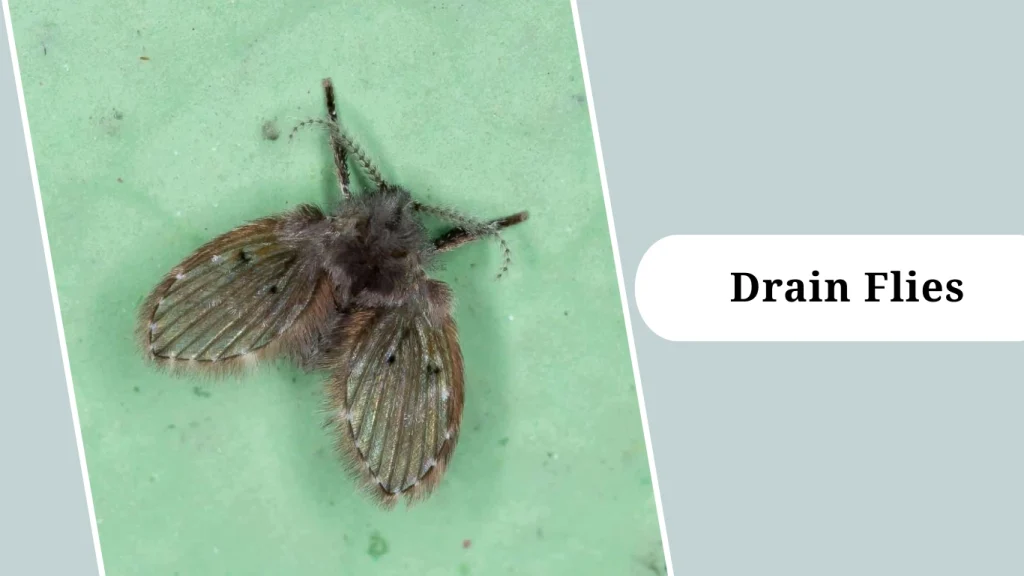
Drain flies are another common small black insects in house that appear near sinks, drains, or bathrooms. They are also called moth flies due to their fuzzy, moth-like wings. While not harmful, their presence signals organic buildup in drains or pipes.
Identification
- Tiny, fuzzy insects about 1.5–5 mm long.
- Black or gray bodies with hairy, heart-shaped wings.
- Weak fliers, often seen resting on walls near drains.
- Larvae are worm-like, living in organic slime in pipes.
- Adults live about two weeks but breed rapidly.
Habitat
They thrive in moist environments such as bathroom drains, kitchen sinks, sump pumps, and sewage pipes. Organic slime inside drains provides perfect breeding conditions.
Symptoms
- Flies clustering around sink drains, bathtubs, or toilets.
- Presence of larvae in drain slime.
- Flies resting on bathroom walls or tiles.
- Persistent nuisance despite cleaning surfaces.
- Infestation recurring in poorly maintained plumbing.
Control Methods
Thoroughly clean drains with a stiff brush and boiling water to remove organic buildup. Use enzymatic drain cleaners to break down slime where larvae develop. Cover unused drains to prevent flies from emerging. Vinegar traps or sticky boards can reduce adults. Maintaining clean plumbing systems is essential to long-term prevention.
4. Carpet Beetles (Adults)

Carpet beetles are one of the most common small black crawling insects in house environments, often mistaken for bed bugs or fleas. While adults feed on pollen outdoors, their larvae are destructive indoors, damaging fabrics, carpets, and stored items. Spotting adults inside usually signals hidden larvae infestations.
Identification
- Adults are oval, 2–4 mm long, black or mottled with white and brown.
- Slow-moving and often found near windows or light sources.
- Larvae are hairy, brownish, and much more damaging than adults.
- Adults can fly but are often seen crawling indoors.
- Shed skins and fecal pellets are left behind in infested areas.
Habitat
Carpet beetles thrive in dark, undisturbed spaces like under carpets, inside closets, behind furniture, or in air ducts. They feed on natural fibers such as wool, silk, feathers, and leather. Homes with stored clothing or upholstered furniture are especially vulnerable.
Symptoms
- Holes in fabrics, carpets, or stored clothes.
- Shed larval skins in corners or drawers.
- Adults crawling on windowsills or near lights.
- Visible larvae in hidden areas.
- Gradual fabric damage over time.
Control Methods
Vacuum carpets, furniture, and storage areas regularly to remove larvae and eggs. Wash or dry-clean infested clothing. Seal stored items in airtight containers. Use mothballs or cedar to deter pests. In severe cases, insecticides or professional pest control may be needed. Prevent reinfestation by reducing dust and lint buildup.
5. Booklice (Psocids)
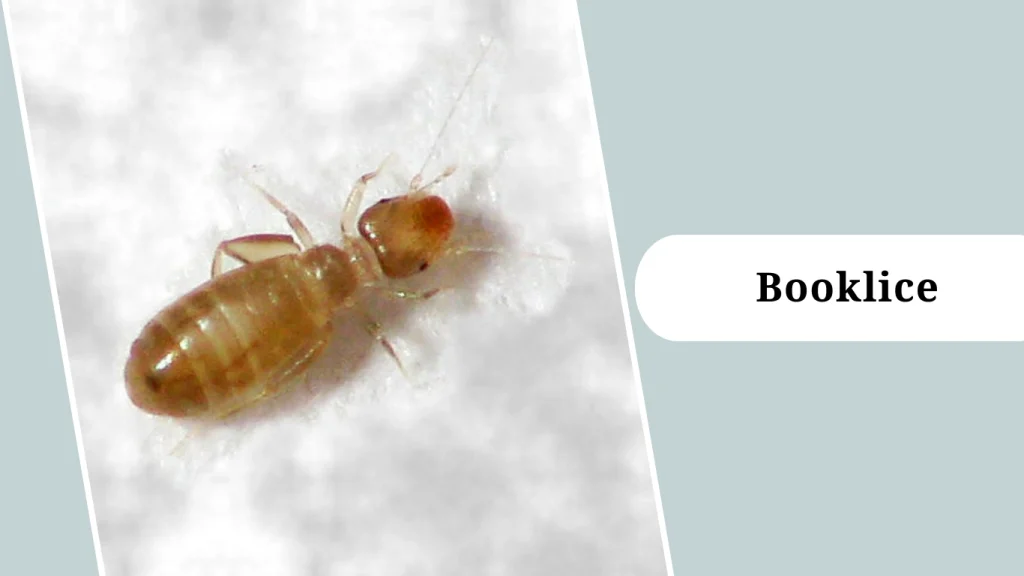
Booklice are often identified as very small black insects in house kitchens, bathrooms, or damp storage areas. Despite their name, they are not true lice and do not bite humans. They feed on mold, fungi, and starches, thriving in moist environments.
Identification
- Extremely small, soft-bodied insects (1–2 mm long).
- White, gray, or blackish in color depending on species.
- Often wingless indoors but some have tiny wings.
- Found in groups on damp walls, books, or stored food.
- Move slowly compared to fleas or ants.
Habitat
Booklice prefer humid environments such as kitchens, bathrooms, basements, and stored food cupboards. They feed on moldy surfaces, wallpaper paste, book bindings, and cereals. High humidity inside homes promotes rapid growth.
Symptoms
- Tiny specks crawling on walls, books, or food packaging.
- Infestation around damp or moldy areas.
- Contaminated cereals, flour, or grains in pantries.
- No direct plant or human damage, but nuisance presence.
- Populations increase during humid months.
Control Methods
Reduce indoor humidity using dehumidifiers and good ventilation. Store food in airtight containers and discard infested items. Clean mold-prone areas with antifungal solutions. Vacuum and wipe surfaces regularly. Booklice are easily controlled by drying out their environment since they cannot survive without moisture.
6. Phorid Flies (Humpbacked Flies)

Phorid flies are commonly mistaken for small black flying insects in house drains and kitchens. Known as humpbacked flies due to their arched thorax, they are persistent pests that breed in decaying organic matter. They are often confused with fruit flies but move with a distinctive running motion when disturbed.
Identification
- Very small flies, 0.5–5 mm long.
- Dark brown to black bodies with a noticeable humped back.
- Weak fliers but fast runners on surfaces.
- Larvae develop in decaying food, organic waste, or drains.
- Adults live for about a month, long enough to build infestations.
Habitat
Phorid flies thrive in kitchens, drains, garbage bins, and even plumbing leaks where organic buildup occurs. They are also common in hospitals, basements, and damp crawl spaces. Infestations often begin unnoticed until adults become numerous.
Symptoms
- Tiny flies hovering near drains, garbage, or food spills.
- Running across counters or walls instead of flying directly.
- Presence of larvae in moist organic matter.
- Recurring infestations even after cleaning surfaces.
- Increased activity in damp or leaky areas.
Control Methods
Remove breeding sources by cleaning drains and disposing of waste promptly. Fix plumbing leaks and ensure garbage is sealed. Use vinegar or soap traps to capture adults. For heavy infestations, enzymatic or biological drain cleaners eliminate breeding grounds. Good sanitation is the best prevention method.
7. Thrips (Dark Varieties Indoors)
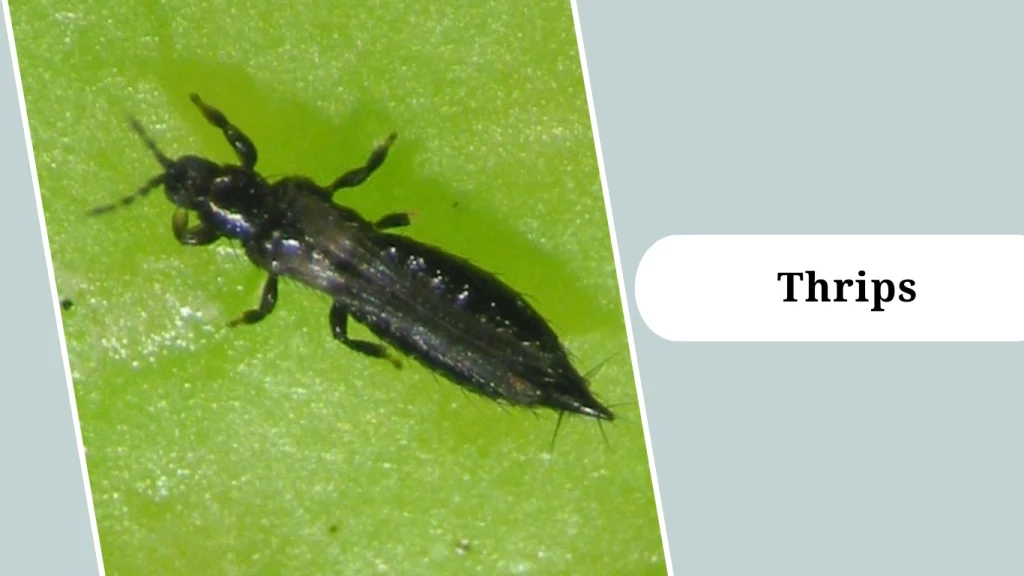
Thrips, often recognized as small black biting insects in house, can invade from outdoor plants or garden areas. While more notorious as plant pests, some darker species bite humans, causing minor skin irritation. Their small size makes them difficult to detect until infestations grow.
Identification
- Slender insects, usually 1–2 mm long.
- Dark brown to black with narrow fringed wings.
- Move quickly when disturbed, often hidden in crevices.
- Nymphs may appear lighter before darkening into adults.
- Capable of biting humans, though not dangerous.
Habitat
Thrips enter homes through windows, screens, or on infested plants. They thrive in dry, warm environments and may hide in upholstery, curtains, or indoor plants. During hot months, outdoor populations move indoors seeking shelter.
Symptoms
- Tiny black specks moving on surfaces or skin.
- Occasional biting or pinprick sensations.
- Plant leaves showing silvery streaks if indoor plants are infested.
- Increased activity near windows or light sources.
- Difficult to identify without magnification.
Control Methods
Keep windows and screens well-sealed to reduce entry. Inspect and treat indoor plants regularly with neem oil or insecticidal soap. Vacuum frequently to remove hiding insects. For biting thrips, applying sticky traps near windows can help. Outdoors, maintaining healthy plants prevents population buildup that may spread inside.
8. Springtails (Dark Species)
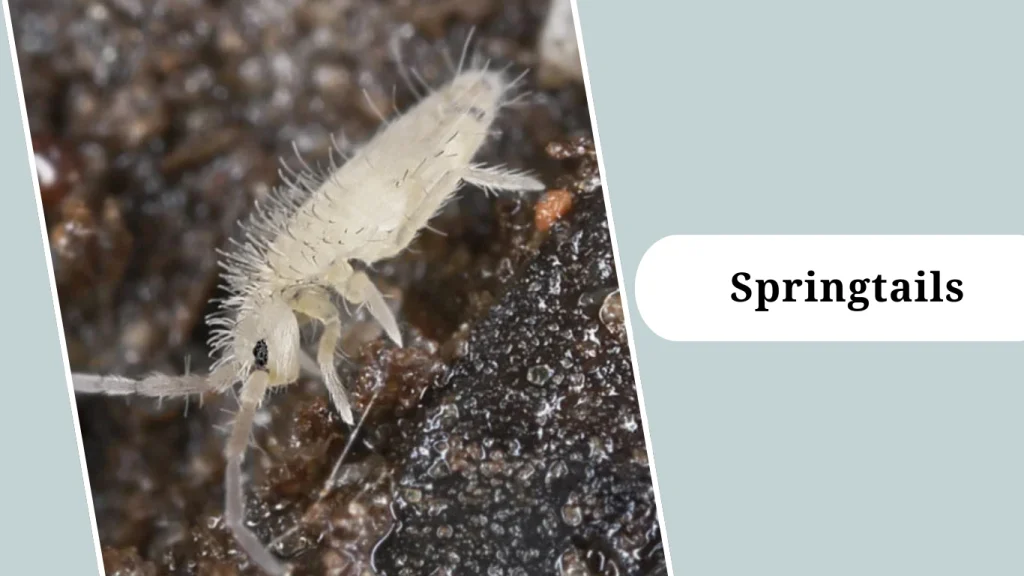
Springtails are often noticed as small black jumping insect in house bathrooms, basements, or around potted plants. Though harmless to humans, their sudden jumping movements and large numbers make them a nuisance indoors. They thrive in damp areas where mold and organic matter are present.
Identification
- Tiny insects, 1–2 mm long, dark brown to black.
- Wingless, with a forked tail-like appendage (furcula) used for jumping.
- Move in sudden leaps rather than steady crawling.
- Found in groups on moist soil, tiles, or around sinks.
- Best seen when disturbed, as they spring off surfaces.
Habitat
Springtails thrive in damp, humid environments such as bathrooms, kitchens, and basements. Indoors, they are common in potted plant soil, leaky plumbing areas, or near windowsills after rain. Outdoors, they live in soil and leaf litter.
Symptoms
- Tiny black specks appearing to hop or scatter on wet surfaces.
- Clusters visible on bathroom tiles, sink edges, or soil surfaces.
- No direct damage to humans, pets, or furniture.
- Indirect stress to seedlings if soil is heavily infested.
- Presence often linked to excessive moisture.
Control Methods
Control involves reducing humidity and moisture indoors. Fix leaks, improve ventilation, and allow soil to dry between waterings. Vacuum springtails directly from surfaces and use dehumidifiers in basements. For potted plants, adding a dry layer of sand or gravel discourages infestations. They usually disappear once conditions dry out.
9. Ants (Small Black House Ants / Sugar Ants)

Ants are one of the most common small black insect in house kitchens and pantries. These social insects invade homes in search of food, especially sugary or greasy substances. While they don’t cause direct harm to humans, their colonies can grow large and become difficult to manage indoors.
Identification
- Small, black ants ranging from 2–3 mm long.
- Fast-moving, often forming visible trails to food sources.
- Wingless workers, though winged swarmers may appear seasonally.
- Segmented bodies with bent antennae.
- Colonies often hidden in walls, floors, or outdoor soil.
Habitat
Small black house ants thrive in kitchens, pantries, and bathrooms where food and water are accessible. Outdoors, they nest in soil, cracks, or near foundations. They easily travel inside through tiny gaps in windows or walls.
Symptoms
- Long lines of ants moving toward food crumbs or spills.
- Ant activity near sinks, cabinets, or pet food bowls.
- Small piles of soil or debris near wall cracks.
- Seasonal appearance of winged ants indoors.
- Persistent presence even after cleaning.
Control Methods
Keep food sealed in airtight containers and wipe away crumbs immediately. Clean countertops and floors regularly to remove attractants. Seal cracks and entry points around windows, doors, and foundations. Use bait stations to eliminate colonies from within. For large infestations, professional pest control may be necessary. Consistent sanitation is the best prevention method.
10. Termite Swarmers (Dark-Winged Stage)

Termite swarmers are sometimes mistaken for small black winged insect in house, especially during their seasonal flights. These reproductive termites leave their colonies in large numbers to establish new ones. Though they don’t bite or sting, their presence indoors is a serious warning sign of hidden termite activity.
Identification
- Small, dark brown to black insects about 4–6 mm long.
- Two pairs of equal-sized wings, often shed after flight.
- Straight antennae (unlike ants’ bent antennae).
- Thick waist compared to ants’ narrow waists.
- Often appear in swarms near windows or lights.
Habitat
Termite swarmers emerge from colonies in soil, walls, or wooden structures. Indoors, they gather near light sources such as windows, doors, and lamps. Their presence usually indicates a nearby nest within the home or foundation.
Symptoms
- Swarms of small black insects flying near windows.
- Piles of discarded wings on floors or windowsills.
- Wood damage, hollow sounds when tapped, or bubbling paint.
- Mud tubes on walls or foundations.
- Gradual structural weakening of wood.
Control Methods
Immediate inspection by a pest professional is essential if termite swarmers are found indoors. Reduce wood-to-soil contact around foundations and fix leaks that create moisture. Use bait stations or chemical treatments for active colonies. Regular termite inspections are critical for long-term prevention.
11. Parasitoid Wasps (Tiny Black Wasps Indoors)

Parasitoid wasps are sometimes seen as a small black wasp like insect in house, often emerging accidentally from houseplants or stored goods. Though alarming, they are harmless to humans and actually beneficial outdoors, where they parasitize pest insects.
Identification
- Very small wasps, usually 2–4 mm long.
- Black, slender bodies with narrow waists.
- Clear wings, sometimes held flat over the body.
- Long antennae, sometimes with white banding.
- Often found near windows as they try to exit.
Habitat
Parasitoid wasps are introduced indoors via potted plants, soil, or infested food packaging. Outdoors, they are common in gardens and crops, where they help control pests like aphids, whiteflies, and caterpillars.
Symptoms
- Isolated small black wasps near windows or plants.
- No damage to food, fabric, or structures.
- Presence linked to infested plants or stored goods.
- May disappear quickly without intervention.
- No biting or stinging of humans.
Control Methods
Since they are harmless indoors, control is usually unnecessary. Gently release them outdoors if found inside. Inspect plants before bringing them indoors and discard heavily infested produce or packaging. Parasitoid wasps are natural pest controllers and beneficial in gardens. Prevention mainly involves monitoring entry points and plants.
12. Fleas

Fleas are often noticed as small black biting insects in house, particularly in homes with pets. These parasites feed on the blood of animals and sometimes humans, leaving behind itchy bite marks. Their small size, jumping ability, and rapid reproduction make them one of the most difficult household pests to eradicate once established.
Identification
- Tiny, wingless insects about 1.5–3 mm long.
- Dark brown to black, with flattened bodies for moving through fur.
- Strong hind legs that allow them to jump long distances.
- Eggs are tiny, white, and often fall into carpets or pet bedding.
- Larvae are worm-like and feed on organic debris.
Habitat
Fleas thrive in homes with cats, dogs, or rodents. They hide in carpets, bedding, upholstered furniture, and cracks in floors. Outdoors, they live in shaded, humid areas where pets rest. Infestations spread quickly because adult females lay dozens of eggs per day.
Symptoms
- Pets scratching, biting, or showing hair loss from irritation.
- Small, itchy red bites on ankles or legs of humans.
- Flea dirt (tiny black specks) visible on pet fur or bedding.
- Tiny jumping insects spotted on carpets or pets.
- Rapidly growing populations if untreated.
Control Methods
Vacuum carpets, furniture, and pet bedding thoroughly to remove eggs and larvae. Wash pet bedding regularly in hot water. Use veterinarian-recommended flea treatments such as topical medications or flea collars for pets. Apply insect growth regulators (IGRs) or sprays to carpets and upholstery for long-term control. Outdoor areas should also be treated if pets go outside. Consistent pet care and sanitation are the keys to preventing reinfestation.
