

Insect bites are common and can cause irritation, itching, pain, or even allergic reactions. While most bites are harmless, some can lead to infections or transmit diseases. Identifying the type of insect bite helps in proper treatment and prevention. Below are 15 different insect bites, their common symptoms, and how they appear on the skin.
1. Mosquito Bites: Identification and Symptoms

Mosquito bites appear as small, round, puffy bumps that can be red or pink. They often have a central puncture mark where the mosquito has fed. The bites usually occur on exposed skin areas like arms, legs, and the neck. Some people may develop larger welts due to allergic reactions.
Symptoms
- Itching and Redness – The bite site becomes itchy and irritated within minutes.
- Swelling – Mild swelling occurs, especially in sensitive individuals.
- Blisters or Dark Spots – Some bites may develop into small blisters or darken over time.
- Allergic Reactions – In rare cases, mosquito bites can cause excessive swelling, fever, or even anaphylaxis.
2.Bed Bug Bites: Identification and Symptoms

Bed bug bites typically appear as small, red, itchy welts in a cluster or line. They are often found on areas exposed while sleeping, such as the face, arms, neck, and back. Unlike mosquito bites, bed bug bites do not have a central puncture mark and may take longer to appear after the bite.
Symptoms
- Itchy Red Welts – Bites cause irritation and redness, often worsening with scratching.
- Swelling and Inflammation – Some individuals may experience mild swelling around the bite area.
- Clusters or Patterns – Bites usually appear in a straight line or grouped together.
- Delayed Reaction – Symptoms may take hours or even days to become visible.
3. Flea Bites: Identification and Symptoms

Flea bites appear as small, red bumps with a slightly raised center. They are often found in clusters or groups, usually on the ankles, feet, legs, and waist. Unlike mosquito bites, flea bites remain small and may develop into scabs due to excessive scratching.
Symptoms
- Intense Itching – Flea bites are extremely itchy and may cause discomfort.
- Red Bumps or Rash – The bites often form a rash-like pattern with multiple spots.
- Swelling and Irritation – Some people may experience allergic reactions, leading to increased swelling.
- Secondary Infections – Scratching can lead to open wounds, increasing the risk of infection.
4. Lice Bites: Identification and Symptoms

Lice bites are small, red bumps commonly found on the scalp, neck, and behind the ears. They may also appear on other hairy areas of the body, such as the armpits and pubic region. The bites are often accompanied by visible lice or nits (eggs) attached to hair strands.
Symptoms
- Intense Itching – Persistent itching, especially on the scalp, due to lice saliva irritating the skin.
- Red Bumps and Irritation – Small, red, raised bumps can appear where lice feed.
- Sores and Crusting – Excessive scratching can lead to open sores and secondary infections.
- Tickling Sensation – Some individuals feel a crawling sensation from lice movement.
5. Tick Bites: Identification and Symptoms

Tick bites are often small, red, and painless at first, making them hard to notice. A tick may remain attached to the skin for hours or days. After removal, the bite site may have a red bump or a bullseye-shaped rash, especially if the tick carried Lyme disease.
Symptoms
- Mild Redness and Swelling – The bite area may be slightly raised and irritated.
- Itching or Pain – Some people experience mild itching or soreness at the bite site.
- Bullseye Rash – A red circular rash around the bite may indicate Lyme disease.
- Flu-like Symptoms – Fever, fatigue, and muscle aches can occur if a tick transmits a disease.
6. Chigger Bites: Identification and Symptoms
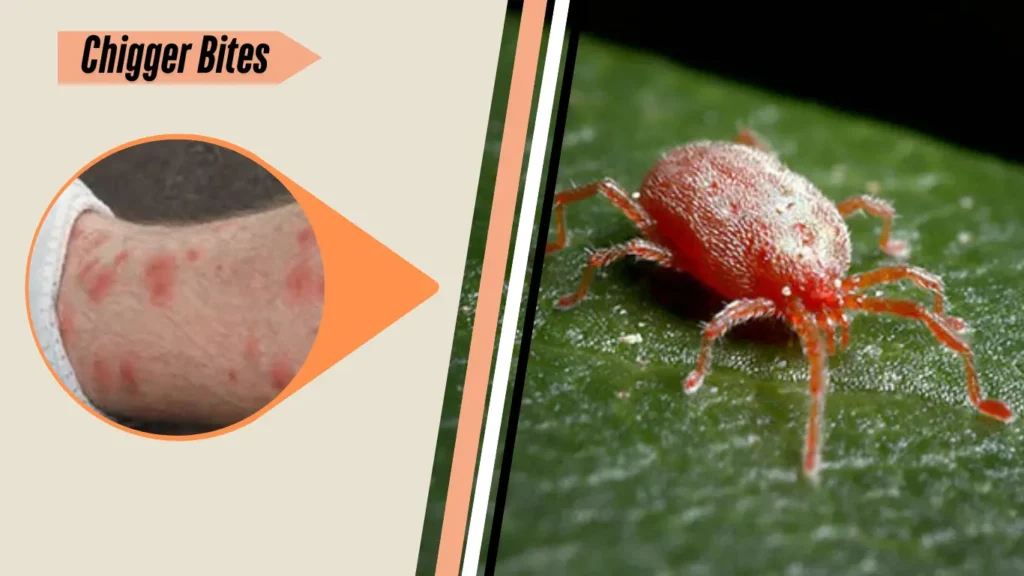
Chigger bites appear as clusters of small, red, itchy bumps, often mistaken for a rash. They commonly occur on warm, moist areas like the waist, ankles, armpits, and behind the knees. Unlike other insect bites, chigger bites do not have a puncture mark in the center.
Symptoms
- Intense Itching – The bites cause extreme itching, which can last for several days.
- Red Bumps or Blisters – Small, raised, red welts may develop, sometimes forming blisters.
- Swelling and Inflammation – The bite area may become irritated and inflamed due to scratching.
- Delayed Reaction – Symptoms may take hours to appear after exposure.
7. Black Fly Bites: Identification and Symptoms

Black fly bites are small, swollen red bumps that may develop into painful welts. They are often found on exposed areas like the neck, face, and arms. Unlike mosquito bites, black fly bites may bleed due to the fly’s cutting mouthparts.
Symptoms
- Pain and Swelling – The bite site may become swollen, red, and tender.
- Itchiness and Irritation – Mild to severe itching can occur.
- Bruising or Bleeding – Some bites may have minor bleeding or a darkened spot.
- Allergic Reactions – In sensitive individuals, bites can cause headaches, nausea, or swollen lymph nodes.
8. Sand Fly Bites: Identification and Symptoms
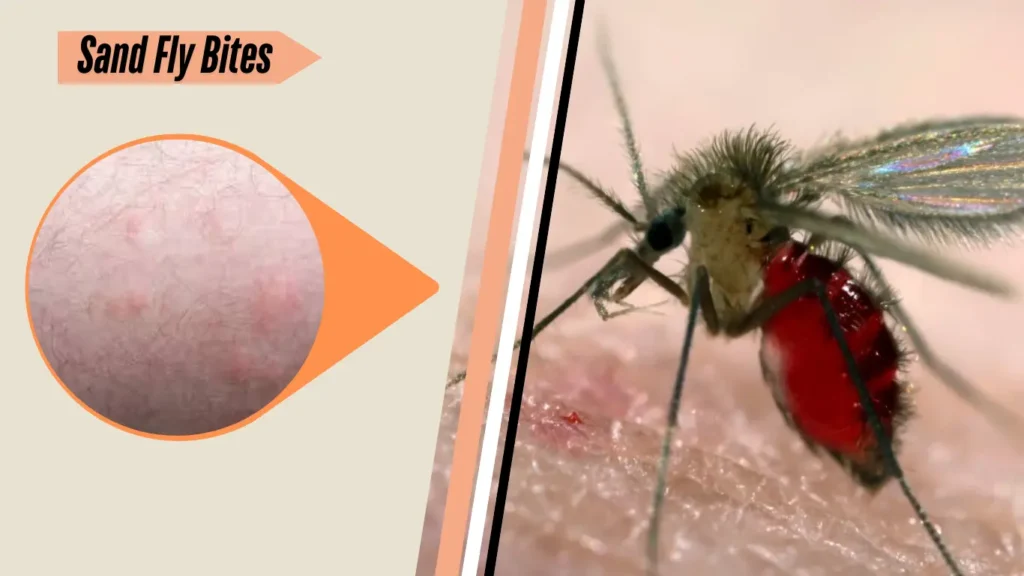
Sand fly bites appear as small, red, itchy welts, often in clusters. These bites are common on exposed skin such as the legs, arms, and face. Unlike mosquito bites, they tend to be more painful and can develop into larger, inflamed bumps.
Symptoms
- Severe Itching – The bites cause intense itching, which can lead to excessive scratching.
- Red Bumps or Welts – Raised, inflamed spots may appear in groups or scattered across the skin.
- Swelling and Irritation – Some people may experience swelling or blistering around the bite site.
- Risk of Infection – Scratching can lead to open wounds, increasing the chance of infection.
9. Horsefly Bites: Identification and Symptoms

Horsefly bites are large, painful, and swollen red welts. These bites are often found on exposed skin, such as the arms, legs, and neck. Unlike mosquito bites, horseflies use cutting mouthparts, causing a deep, noticeable wound.
Symptoms
- Sharp Pain – The bite is painful and can cause immediate discomfort.
- Swelling and Redness – A large, raised, red welt may form around the bite.
- Itching and Irritation – The bite site may become itchy and inflamed.
- Bleeding or Bruising – Due to the deep cut, the bite may bleed or bruise.
10. Deer Fly Bites: Identification and Symptoms
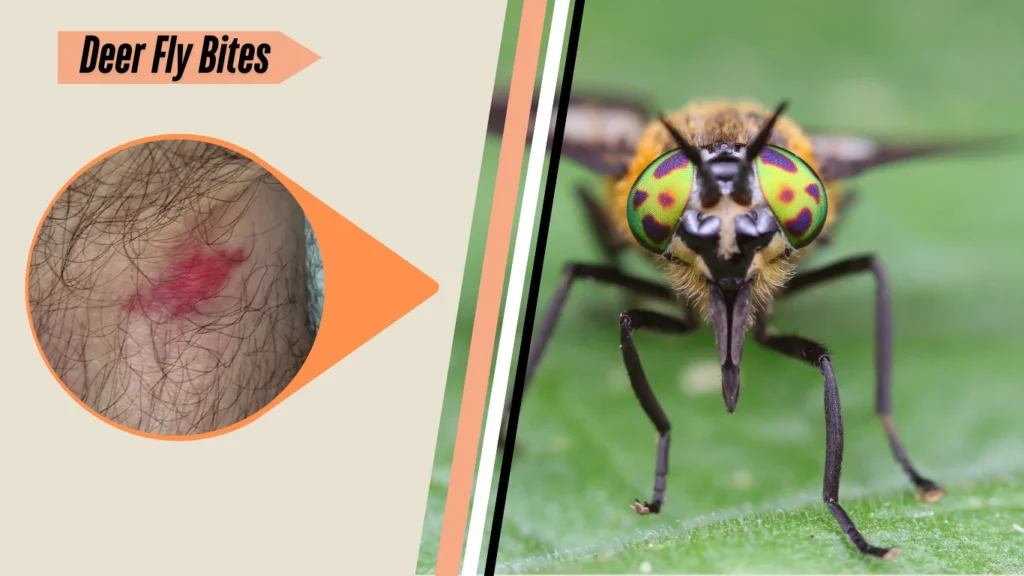
Deer fly bites are painful and appear as large, red, swollen welts. These bites are commonly found on exposed skin, such as the neck, arms, and legs. Deer flies use sharp mouthparts to cut into the skin, leaving a noticeable wound.
Symptoms
- Severe Pain – The bite causes an immediate stinging sensation.
- Swelling and Redness – A raised, inflamed welt develops around the bite area.
- Itching and Irritation – The bite site may become itchy and irritated.
- Bleeding or Infection Risk – Due to deep cuts, the bite may bleed and be prone to infection.
11. Stable Fly Bites: Identification and Symptoms
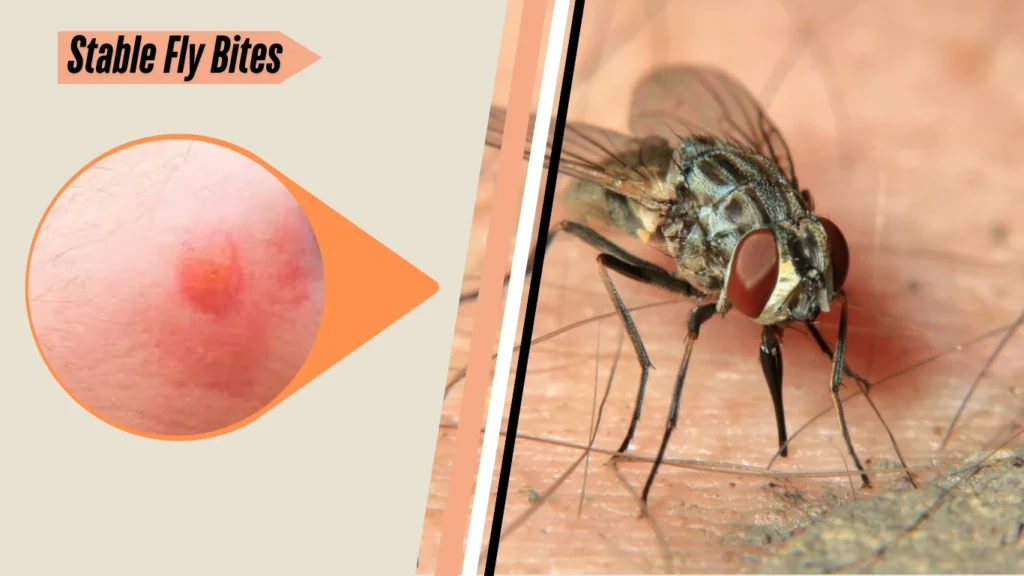
Stable fly bites are painful and appear as small, red, swollen bumps. They are often found on the legs, ankles, and arms, as these flies target exposed skin. Unlike mosquito bites, stable fly bites can be more painful and irritating due to their piercing mouthparts.
Symptoms
- Sharp Pain – The bite causes an immediate, sharp stinging sensation.
- Swelling and Redness – A raised, inflamed bump forms at the bite site.
- Persistent Itching – The area may become itchy and irritated.
- Bleeding or Scabbing – Bites may cause minor bleeding or scab formation due to scratching.
12. Kissing Bug Bites: Identification and Symptoms

Kissing bug bites appear as red, swollen bumps, often on the face, neck, or arms. These nocturnal insects bite exposed skin while sleeping, usually around the lips or eyes. The bites may not be immediately painful but can lead to allergic reactions or disease transmission.
Symptoms
- Mild to Severe Itching – The bite area can become itchy and irritated.
- Swelling and Redness – A raised, inflamed bump forms at the bite site.
- Allergic Reactions – Some individuals may experience hives, swelling, or difficulty breathing.
- Risk of Chagas Disease – In some regions, kissing bugs can transmit Trypanosoma cruzi, causing long-term health issues.
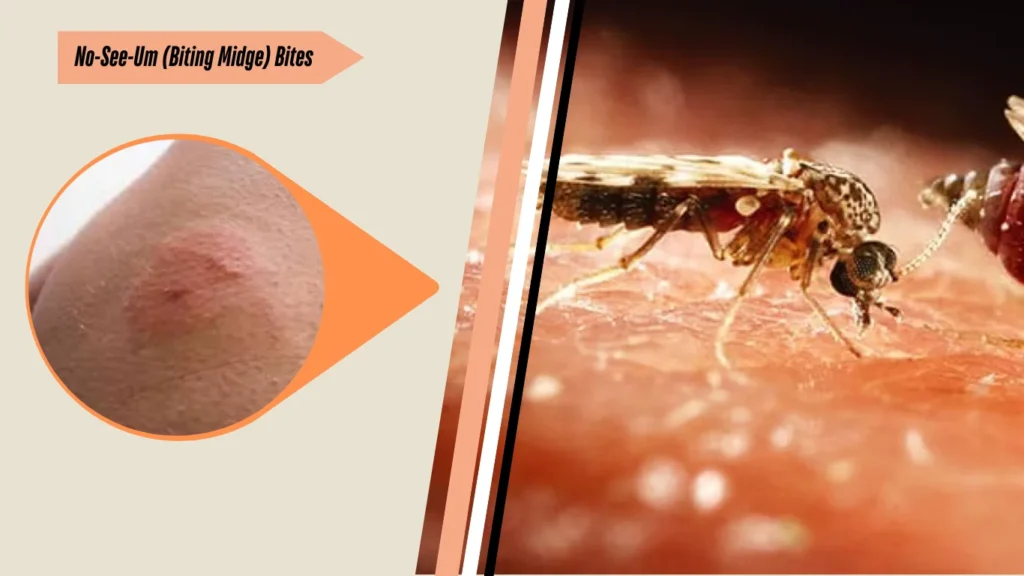
13. No-See-Um (Biting Midge) Bites: Identification and Symptoms

No-see-um bites are tiny, red, itchy bumps that often appear in clusters. These bites are commonly found on exposed skin, such as the arms, legs, and face. Due to their small size, no-see-ums are difficult to detect, and their bites may go unnoticed until irritation sets in.
Symptoms
- Intense Itching – The bites cause severe itching, often worse than mosquito bites.
- Red Bumps or Welts – Small, raised bumps may form, sometimes developing into blisters.
- Swelling and Irritation – The bite area can become inflamed due to scratching.
- Delayed Reaction – Symptoms may take several hours to appear.
14. No-See-Um (Biting Midge) Bites: Identification and Symptoms
Fire ant bites appear as red, swollen bumps that develop into pus-filled blisters within a few hours. They usually occur in clusters, as fire ants attack in groups. Bites are commonly found on the feet, legs, and hands after disturbing an ant mound.
Symptoms
- Burning Pain – The bite causes a sharp, burning sensation.
- Redness and Swelling – The affected area becomes inflamed and irritated.
- Blisters Formation – White, pus-filled blisters develop after a few hours.
- Severe Allergic Reactions – In rare cases, fire ant bites can cause dizziness, swelling, or anaphylaxis.
15. Spider Bites: Identification and Symptoms

Spider bites vary in appearance depending on the species. Most bites cause mild red bumps, similar to other insect bites. However, venomous spiders like the Black Widow or Brown Recluse can cause more serious reactions, such as ulcers or necrotic tissue. Bites often appear on exposed skin, such as hands, arms, and legs.
Symptoms
- Redness and Swelling – The bite area becomes inflamed and may develop a raised bump.
- Pain or Itching – Mild to severe pain, depending on the spider species.
- Blisters or Ulcers – Some bites, like those from the Brown Recluse, can form open sores.
- Systemic Reactions – In rare cases, fever, chills, or muscle pain may occur.
Primary Treatment for Insect Bites
Most insect bites cause mild irritation, itching, and swelling. Immediate treatment can help relieve discomfort and prevent complications.
- Wash the Area – Clean the bite with soap and water to prevent infection.
- Apply Cold Compress – Use an ice pack or a cold cloth to reduce swelling and pain.
- Use Anti-Itch Creams – Hydrocortisone cream or calamine lotion can help soothe itching.
- Take Antihistamines – Over-the-counter antihistamines like diphenhydramine (Benadryl) help with allergic reactions.
- Avoid Scratching – Scratching can cause infections or worsen irritation.
- Monitor for Allergic Reactions – Seek medical help if you experience difficulty breathing, swelling, or severe pain.
