
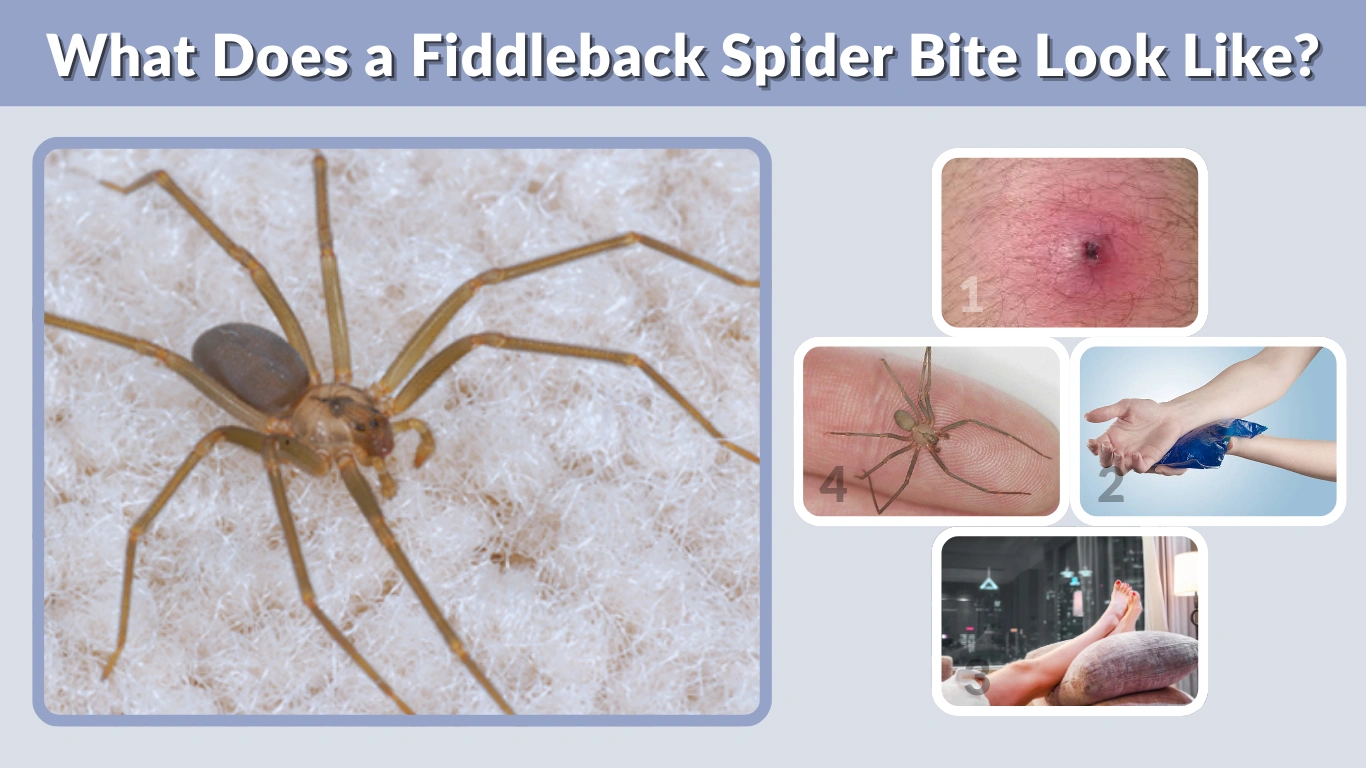
A fiddleback spider bite—commonly associated with the brown recluse—is often misidentified, leading to unnecessary panic or, in some cases, delayed treatment. While many skin irritations resemble spider bites, true fiddleback bites have specific visual patterns and stages. Understanding how the bite looks in its early phase and how it develops over time can help you distinguish it from harmless insect bites and take the right steps for care and safety.
What Is a Fiddleback Spider?
The term “fiddleback spider” refers to the brown recluse spider (Loxosceles reclusa), named for the violin-shaped marking on its back. These spiders are typically found in dark, undisturbed areas like closets, basements, woodpiles, and storage boxes. They are not aggressive and usually bite only when trapped against the skin.
Although their bites are rare, they are medically significant because their venom can cause skin tissue damage (necrosis) in some cases. However, not every bite becomes severe—many remain mild and heal without complications.
What Does a Fiddleback Spider Bite Look Like Initially?
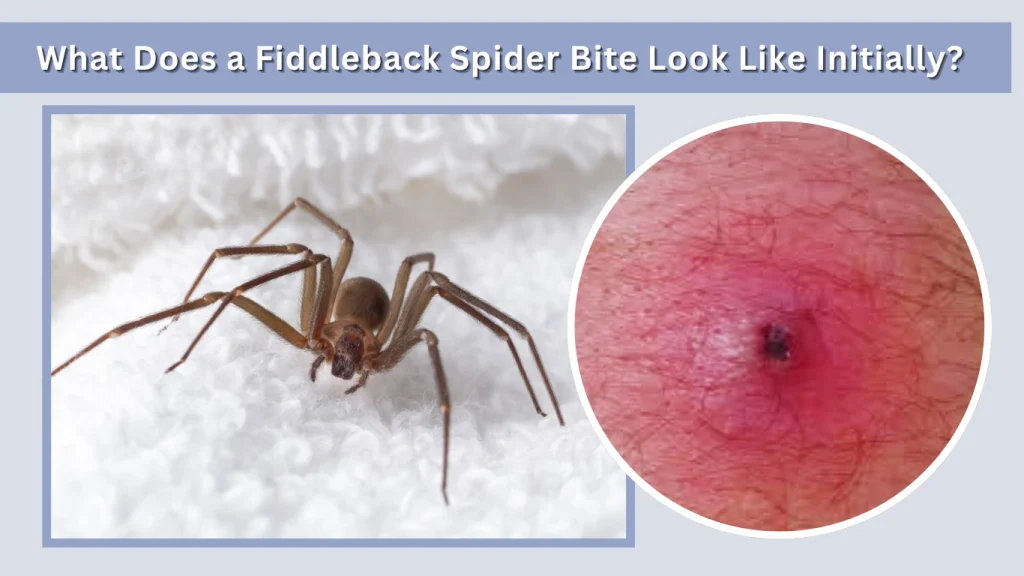
Early Appearance (First 0–6 Hours)
In the earliest stage, a fiddleback spider bite can be surprisingly subtle. Many people don’t even realize they’ve been bitten right away.
- A small, slightly raised red bump may appear
- The area might feel like a mild pinprick or go completely unnoticed
- Little to no swelling at first
- Minimal or no itching (unlike mosquito bites)
This early stage is one reason why bites are often misdiagnosed or ignored.
Within 6–24 Hours
As time passes, the bite begins to show more distinctive features:
- The redness may expand outward
- A pale or whitish center can develop
- A “bullseye” or target-like pattern may form
- Mild burning or stinging sensation may begin
At this stage, the bite may start to feel more uncomfortable, but it’s still not always severe. The appearance is often the first clear clue that something unusual is happening.
Stages of a Fiddleback Spider Bite
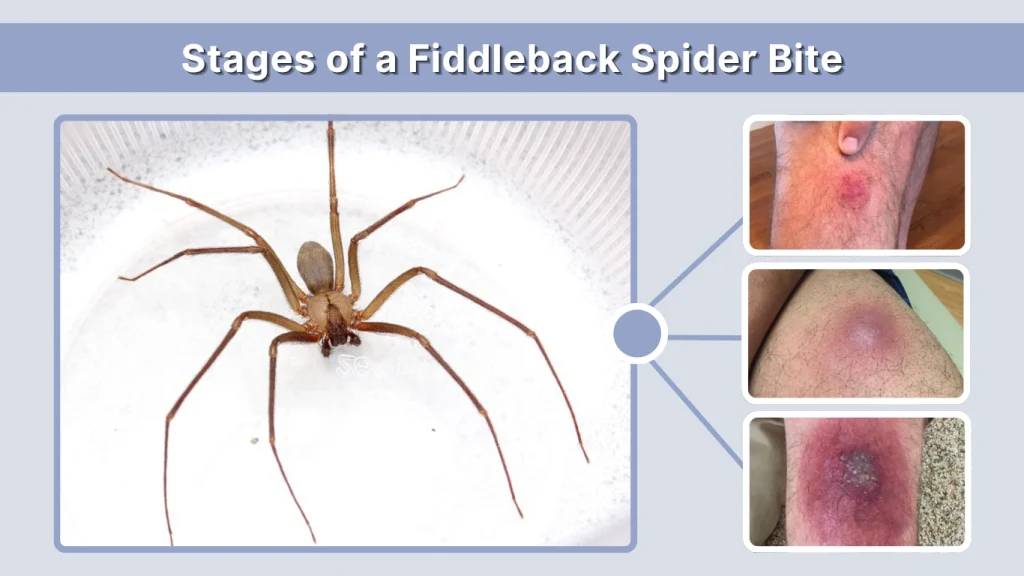
Understanding the progression is key to identifying whether a bite is serious.
Stage 1: Mild Reaction
In many cases, the bite remains mild:
- Slight redness and swelling
- Tenderness around the area
- No major skin damage
Some bites stop here and heal within a few days without medical intervention.
Stage 2: Blister Formation
If the reaction progresses, the bite may worsen:
- A fluid-filled blister forms at the center
- Surrounding skin may turn red, blue, or purple
- Pain becomes more noticeable
- The area may feel warm or firm to the touch
This stage can be uncomfortable and may last several days.
Stage 3: Necrosis (Severe Cases)
In more serious cases, the venom begins to damage surrounding tissue:
- The center turns dark brown, purple, or black
- The skin may break down into an open sore or ulcer
- The wound may appear sunken or crusted
- Pain can intensify significantly
This stage is what gives the brown recluse its reputation. However, it’s important to note that necrosis occurs in only a minority of bites.
Common Symptoms of a Fiddleback Spider Bite
Along with visible changes, some people experience physical symptoms:
- Burning or stinging sensation
- Increasing pain over time
- Fever or chills (in rare cases)
- Nausea or fatigue
- Muscle aches
Systemic symptoms are uncommon but can indicate a more serious reaction requiring medical attention.
Fiddleback Spider Bite vs Other Bites
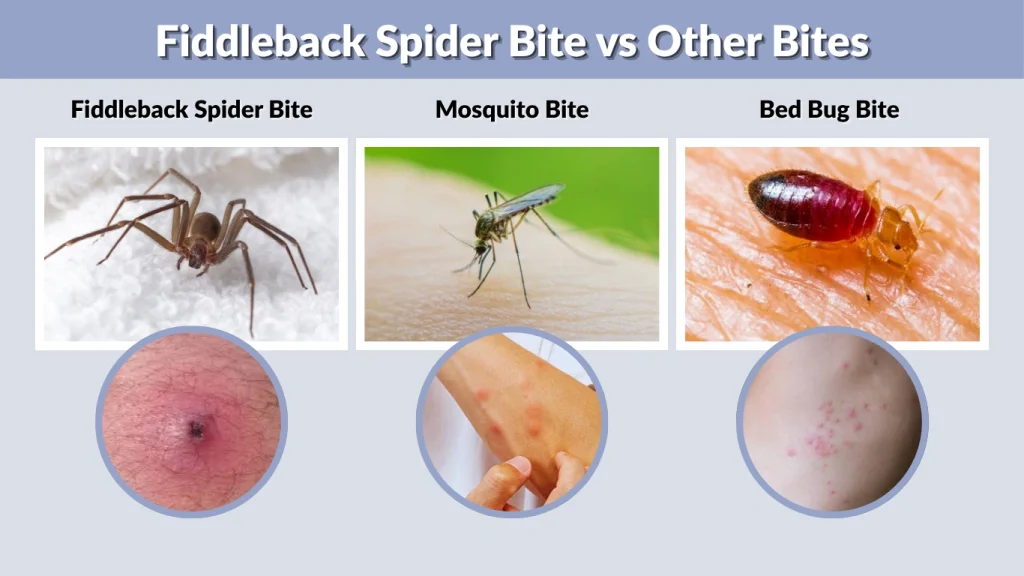
Because many bites look similar at first, comparison helps avoid confusion.
Mosquito Bite
- Small, itchy bump
- No spreading redness or tissue damage
- Usually disappears quickly
Bed Bug Bite
- Appears in clusters or lines
- Red and itchy
- No blistering or necrosis
Other Spider Bites
- Typically harmless
- Mild swelling and redness
- Heal without complications
In contrast, a fiddleback spider bite is more likely to:
- Develop a central pale or dark area
- Progress through stages
- Cause localized tissue damage in severe cases
Warning Signs of a Dangerous Bite
While many bites remain mild, certain symptoms should not be ignored:
- Rapidly expanding redness or wound
- Severe pain developing after 24 hours
- Darkening or blackening of the skin
- Formation of an open ulcer
- Fever, vomiting, or general illness
If these signs appear, medical evaluation becomes important to prevent complications.
What to Do If You Suspect a Fiddleback Spider Bite
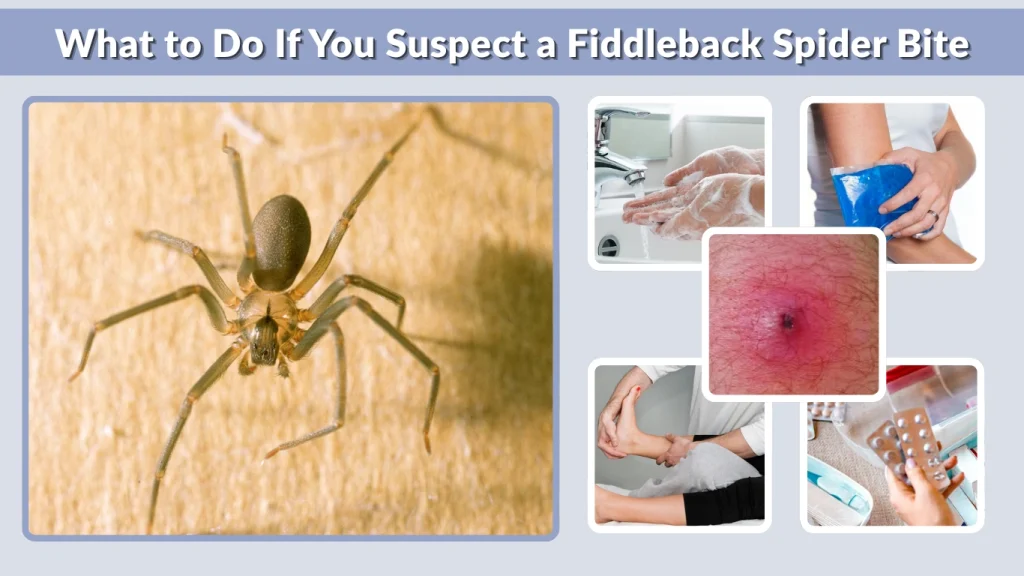
If you think you’ve been bitten by a fiddleback spider, acting early can help reduce complications and support healing.
Immediate First Aid Steps
Start with simple care at home:
- Clean the area with mild soap and water to prevent infection
- Apply a cold compress (10–15 minutes at a time) to reduce swelling and pain
- Elevate the affected area if possible to limit inflammation
- Avoid scratching or squeezing the bite, as this can worsen tissue damage
These steps are often enough for mild cases and can help slow the progression of symptoms.
Medical Treatment Options
If the bite worsens or shows signs of complications, medical care may be needed:
- Pain management (over-the-counter or prescribed medications)
- Antibiotics if a secondary infection develops
- Wound care for open sores or necrotic tissue
- In rare severe cases, advanced treatments such as surgical cleaning may be required
There is no widely used specific antivenom in many regions, so treatment focuses on managing symptoms and preventing infection.
When to See a Doctor
Not every bite requires medical attention, but certain signs should prompt a visit to a healthcare professional:
- The bite continues to worsen after 24–48 hours
- A blister turns into a dark or open wound
- You experience fever, chills, nausea, or body aches
- The affected area becomes very large or extremely painful
- Signs of infection appear (pus, warmth, red streaks)
Children, older adults, and people with weakened immune systems should seek care sooner, even for moderate symptoms.
How Long Does a Fiddleback Spider Bite Take to Heal?
Healing time varies depending on the severity of the bite:
- Mild bites: heal within a few days to a week
- Moderate bites (with blister): may take 2–3 weeks
- Severe bites with necrosis: can take several weeks to months, especially if tissue damage is significant
Proper care and early intervention can significantly shorten recovery time and reduce scarring.
Possible Complications
Although uncommon, complications can occur if the bite becomes severe or infected:
- Skin infection (cellulitis)
- Open ulcers that take time to heal
- Scarring or skin discoloration
- Rarely, systemic reactions affecting the whole body
Monitoring the bite closely during the first few days is crucial for catching any complications early.
How to Prevent Fiddleback Spider Bites
Prevention is the best way to avoid the risks associated with these spiders.
At Home
- Keep storage areas clean and clutter-free
- Seal cracks and gaps in walls or floors
- Use caution in basements, attics, and garages
Personal Habits
- Shake out clothes, shoes, and bedding before use
- Wear gloves when handling boxes, wood, or debris
- Avoid leaving clothing on the floor
Outdoor Awareness
- Be cautious around woodpiles, sheds, and dark corners
- Reduce hiding spots by keeping areas tidy
Since fiddleback spiders prefer undisturbed spaces, reducing these environments lowers your risk significantly.
FAQs
Can a fiddleback spider bite heal on its own?
Yes, many bites are mild and heal without medical treatment. However, monitoring for worsening symptoms is important.
How can I tell if my bite is serious?
A bite that becomes painful, forms a blister, or develops a dark center may indicate a more serious reaction.
Are all brown recluse bites dangerous?
No. Most bites remain mild, and only a small percentage develop severe tissue damage.
Can you die from a fiddleback spider bite?
Deaths are extremely rare. Severe complications are uncommon and usually treatable with proper care.
Should I try to identify the spider?
If it can be done safely, identification may help—but never risk another bite trying to capture it.
Final Thoughts
A fiddleback spider bite can range from barely noticeable to medically significant, depending on how the body reacts to the venom. The key to managing it effectively lies in early recognition, proper care, and knowing when to seek help. While the more severe cases often receive the most attention, it’s important to remember that most bites heal without serious complications when handled correctly.