
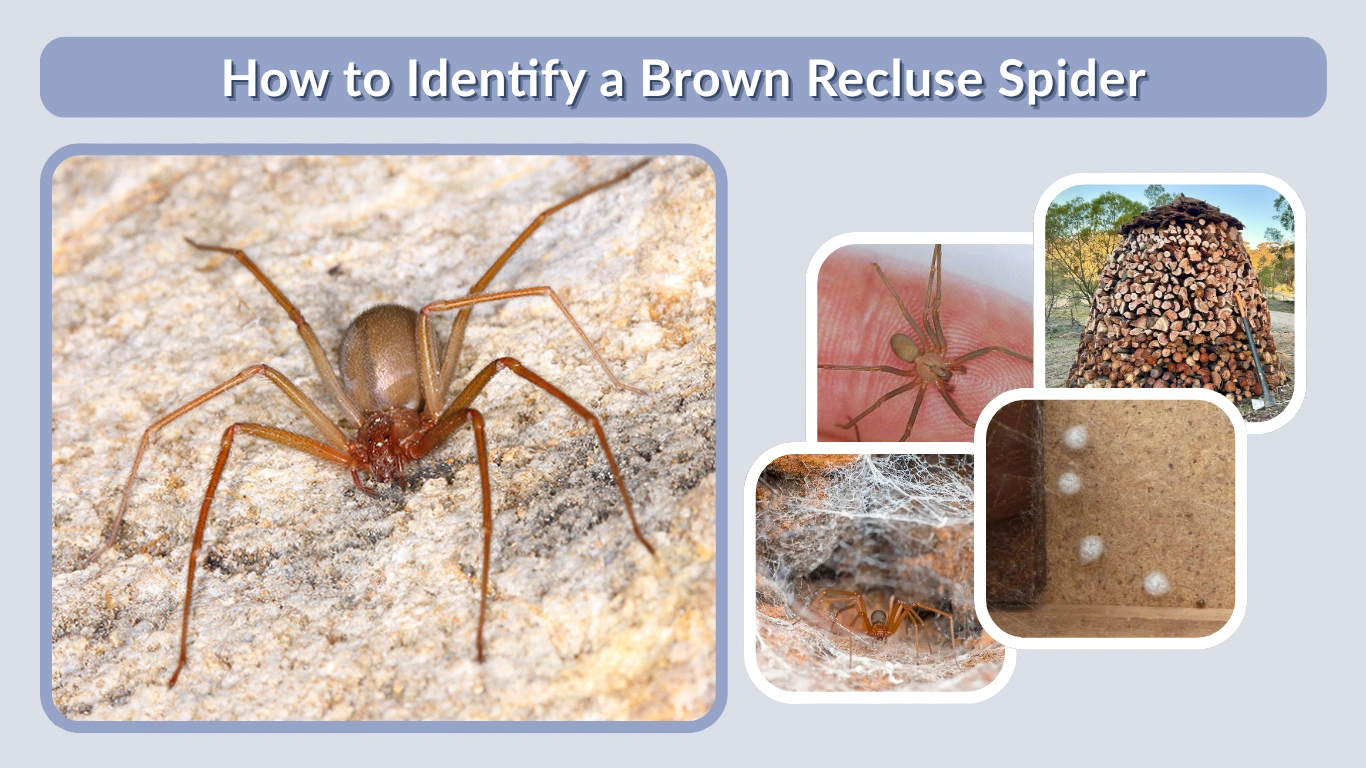
Identifying a brown recluse spider can be tricky, especially since many harmless spiders look similar at first glance. Misidentification often leads to unnecessary fear or even improper treatment of bites. In this guide, you’ll learn how to accurately recognize a brown recluse using key physical traits, behavior patterns, and habitat clues. By understanding these details, you can confidently distinguish this spider from other common household species.
What Is a Brown Recluse Spider?
The brown recluse spider (Loxosceles reclusa) is a venomous species primarily found in certain regions of the United States. It is known for its distinctive markings and potentially harmful bite. However, despite its reputation, the brown recluse is not aggressive and typically avoids human contact.
Correct identification is important because many spiders are mistakenly labeled as brown recluses. Knowing the real characteristics helps prevent confusion and unnecessary concern.
Key Characteristics of a Brown Recluse Spider
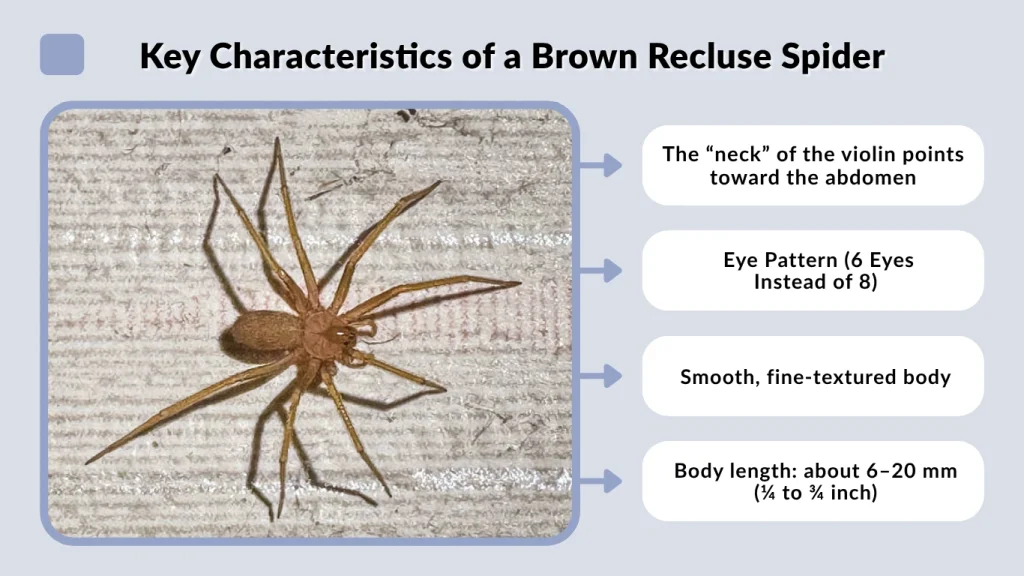
Understanding the physical traits of this spider is the most reliable way to identify it. Here are the defining features:
1. The Violin-Shaped Marking
One of the most well-known signs is the violin-shaped marking on the spider’s back (cephalothorax).
- The “neck” of the violin points toward the abdomen
- It is usually darker than the rest of the body
However, this marking can sometimes be faint or misinterpreted, so it should not be the only identifying factor.
2. Eye Pattern (6 Eyes Instead of 8)
Unlike most spiders, which have eight eyes, the brown recluse has six eyes arranged in three pairs.
- One pair in the center
- Two pairs on each side
This is one of the most reliable identification features, though it may require close inspection or magnification.
3. Body Color and Texture
Brown recluse spiders have a uniform light to medium brown color.
- No stripes, bands, or bright patterns
- Smooth, fine-textured body
- Slightly darker legs but not heavily marked
If a spider has bold patterns or multiple colors, it is likely not a brown recluse.
4. Size and Shape
- Body length: about 6–20 mm (¼ to ¾ inch)
- Leg span: can appear larger due to long, thin legs
- Abdomen: oval-shaped and smooth
Their legs are slender and do not have noticeable spines, which helps distinguish them from other spiders like wolf spiders.
Where Brown Recluse Spiders Are Commonly Found
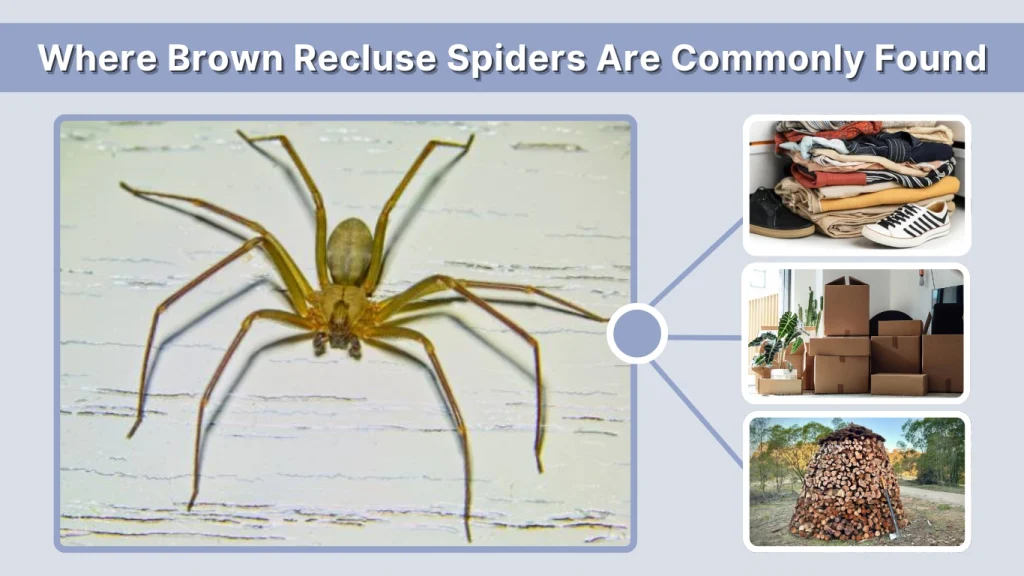
Location is another important clue when identifying a brown recluse.
Geographic Distribution
They are mostly found in:
- Central and southern United States
- Areas like Missouri, Kansas, Arkansas, and surrounding regions
They are rare outside these areas, which means many reported sightings in other regions are often misidentifications.
Indoor Hiding Spots
Brown recluse spiders prefer quiet, undisturbed areas such as:
- Closets
- Shoes and clothing
- Cardboard boxes
- Basements and attics
They are called “recluse” because they tend to hide and avoid light.
Outdoor Environments
Outside, they may live in:
- Woodpiles
- Sheds
- Under rocks or debris
They prefer dry, sheltered spaces rather than open environments.
Brown Recluse vs Other Spiders (Comparison Guide)
Many spiders are mistaken for brown recluses. Knowing the differences can help avoid confusion.
Brown Recluse vs Wolf Spider
- Wolf spiders are larger and hairier
- They have eight eyes and visible patterns
- More robust body compared to the slender recluse
Brown Recluse vs House Spider
- House spiders often have patterned abdomens
- Their webs are more visible and structured
- They lack the violin marking
Common Misidentifications
Spiders often confused with brown recluse include:
- Cellar spiders
- Funnel weavers
- Nursery web spiders
In most cases, these are harmless and do not pose the same risk.
Signs You May Have a Brown Recluse Infestation
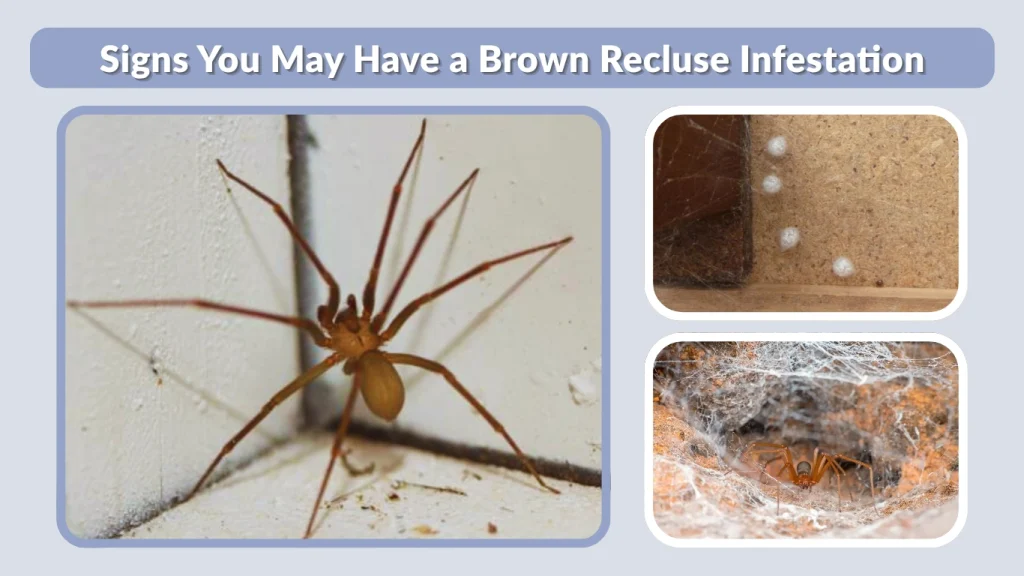
Spotting one spider doesn’t always mean an infestation, but certain signs may indicate their presence:
- Frequent sightings in dark, undisturbed areas
- Egg sacs in hidden corners
- Irregular, loose webs (not symmetrical like typical spider webs)
They do not build classic “web traps” like orb-weaving spiders, which can help differentiate them.
How to Identify a Brown Recluse Bite
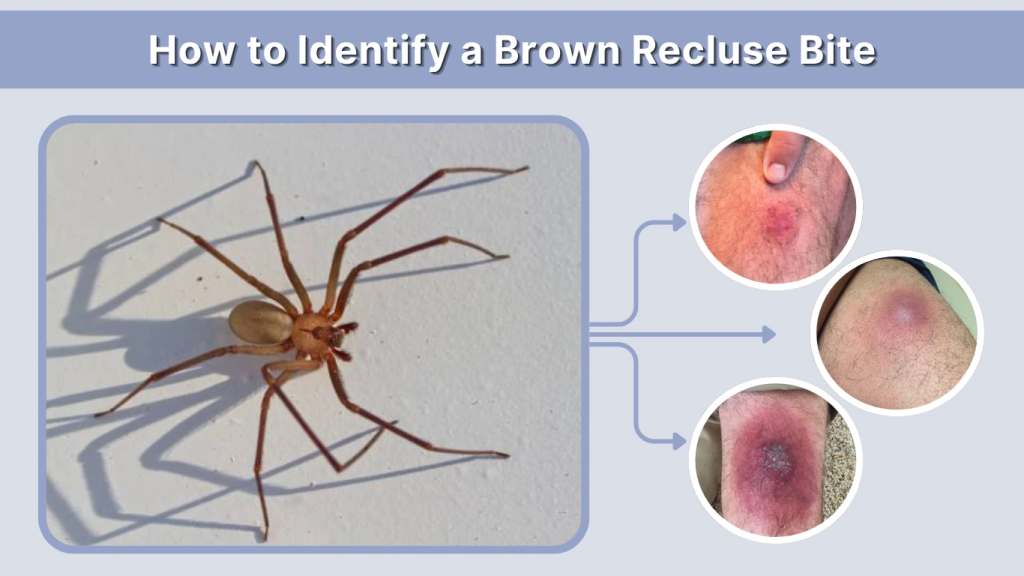
While identifying the spider itself is the most reliable method, bites are often what raise concern. However, many skin conditions are mistakenly blamed on brown recluse bites, so caution is important.
Early Symptoms
- Mild stinging or burning sensation
- Redness at the bite site
- Slight swelling
In many cases, the bite may initially go unnoticed.
Progressive Symptoms
Over time, some bites may develop:
- A blister that may turn bluish or purple
- Increasing pain around the area
- In rare cases, tissue damage (necrosis)
Not all bites become severe—many remain mild and heal without complications.
When to Seek Medical Help
You should seek medical attention if:
- The wound worsens over time
- You experience fever, chills, or nausea
- The bite area becomes dark or ulcerated
Prompt care helps prevent complications and ensures proper treatment.
Common Myths About Brown Recluse Spiders
There are many misconceptions that lead to fear and misidentification.
“All Brown Spiders Are Recluses”
This is one of the most common myths. Many spiders are brown, but very few are actually brown recluses. Proper identification requires specific features like the eye pattern and body structure.
“They Are Aggressive”
Brown recluse spiders are not aggressive.
- They bite only when threatened
- Most bites occur when they are accidentally pressed against skin (e.g., inside clothing or shoes)
“They Are Found Everywhere”
Despite popular belief, brown recluse spiders are limited to specific regions. Reports outside their natural range are often incorrect.
Safety Tips for Identification
If you suspect you’ve found a brown recluse, take precautions:
- Do not handle it directly
- Use a jar or container to safely capture it
- Take a clear photo for identification
- Avoid crushing it with bare hands
If you’re unsure, contacting a pest control professional or local expert can help confirm identification.
FAQs
How can I be 100% sure it’s a brown recluse?
The most accurate way is by examining multiple features together—especially the six-eye pattern, uniform color, and body shape. When in doubt, consult an expert.
Are brown recluse spiders dangerous?
They are venomous, but serious reactions are rare. Most bites heal with proper care.
What attracts brown recluse spiders?
They are drawn to:
- Dark, undisturbed spaces
- Cluttered storage areas
- Warm, dry environments
Keeping spaces clean and organized can reduce their presence.
Can they live in all climates?
No. They prefer specific regions and conditions. They are not commonly found worldwide.
Final Thoughts
Accurately identifying a brown recluse spider requires attention to detail and an understanding of its unique characteristics. From the violin-shaped marking to the distinct six-eye pattern, each feature plays an important role in proper identification. Just as importantly, knowing where they live and how they behave can help you avoid unnecessary fear.
Rather than relying on assumptions, use a combination of physical traits and environmental clues to make a confident identification. When in doubt, it’s always best to seek expert advice instead of taking risks.