

Garden spiders are a vital part of a healthy backyard ecosystem. They help control pests naturally by feeding on insects like flies, aphids, and moths. While some may look intimidating, most are harmless to humans and beneficial to your plants.
This guide introduces 15 common garden spiders you’re likely to spot in flowerbeds, shrubs, and grassy areas. Each plays a unique role in keeping your garden balanced and thriving, from web-building orb-weavers to active hunters like wolf spiders.
1. Black and Yellow Garden Spider

The Black and Yellow Garden Spider (Argiope aurantia) is a striking orb-weaver often seen in home gardens, meadows, and near shrubs. Recognized by its vivid coloring and large web structures, this spider is both a skilled predator and a fascinating garden inhabitant. Although its appearance can be intimidating, it poses no real threat to humans and helps control pests naturally.
Identification

- Bright yellow and black patterned abdomen
- Silvery-white cephalothorax
- Long legs with black and orange bands
- Females are larger (up to 1.1 inches body length)
- Males are smaller and duller in color
Web Structure and Behavior
The Black and Yellow Garden Spider spins a large, circular orb web—often with a zigzag pattern called a stabilimentum in the center. It builds its web in open, sunny spots and sits head-down in the center waiting for prey. These spiders rebuild parts of their web daily and are most active during late summer and fall.
Habitat and Range
They are commonly found in North and Central America, especially in gardens, fields, and around human dwellings. They prefer sunny areas with tall grass, flowers, or shrubs where they can anchor their webs securely.
Diet and Hunting
This spider feeds on flying insects such as flies, mosquitoes, grasshoppers, and wasps. Once an insect hits the web, the spider quickly rushes to immobilize it with silk before delivering a venomous bite to subdue it.
Reproduction and Life Cycle
Mating typically occurs in late summer. Afterward, the female lays hundreds of eggs in a brown, papery sac and attaches it to vegetation. She guards it until she dies in the fall. The spiderlings hatch in spring and disperse by ballooning—riding the wind on silk strands to find new homes.
2. Orb-Weaver Spider
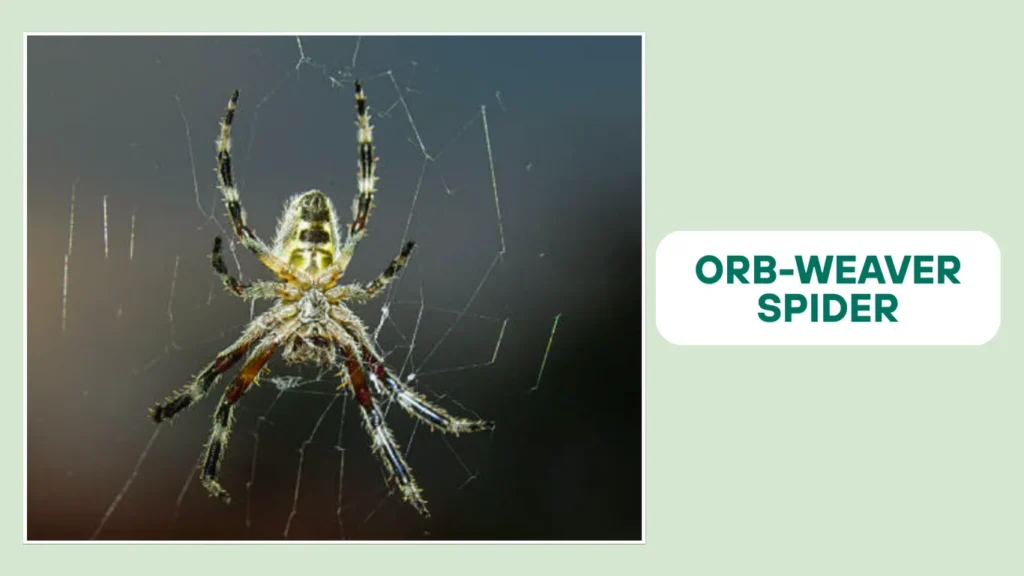
Orb-weaver spiders belong to the family Araneidae and are known for crafting the iconic spiral wheel-shaped webs commonly seen in gardens and forests. These spiders come in various colors and sizes, but all share similar web-building habits. While they may look fearsome, orb-weavers are harmless to humans and play a vital role in insect control.
Identification
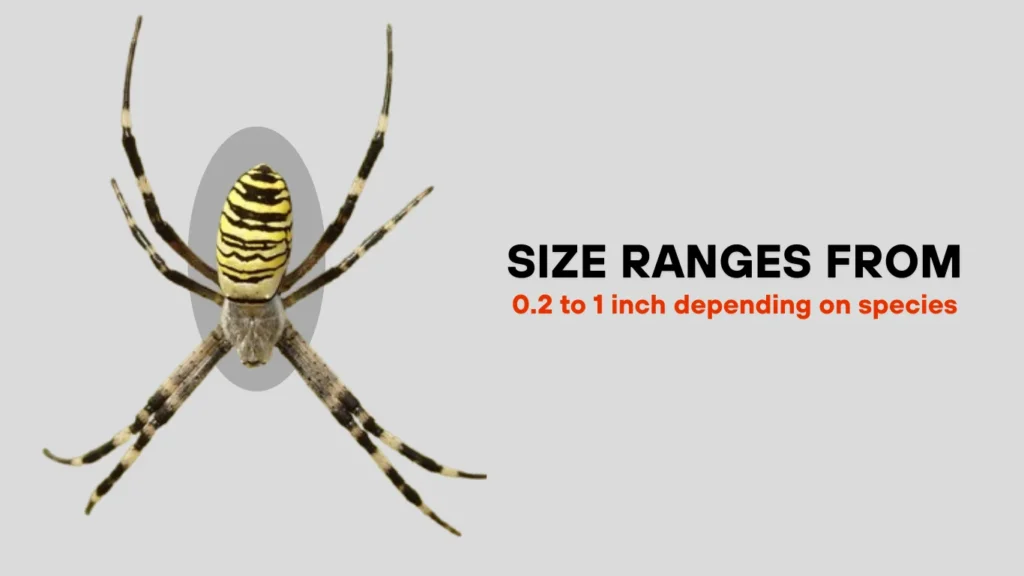
- Rounded or oval-shaped abdomen
- Varied colors: brown, reddish, orange, gray, or yellow
- Long, spindly legs with noticeable hairs
- Size ranges from 0.2 to 1 inch depending on species
- Webs are large, circular, and symmetrical
Web Structure and Behavior
Orb-weavers build their webs during the evening and often consume and rebuild them daily. The web is used to trap flying insects, and the spider typically hides nearby, monitoring the web via a signal thread. Some species remain visible in the center, while others rest in leaf retreats.
Habitat and Range
Found globally, these spiders thrive in gardens, forests, grasslands, and even urban areas. They prefer open spaces where their webs can stretch between plants, fences, or structures.
Diet and Hunting
Their diet includes moths, beetles, flies, and other airborne insects. Once prey is captured, the orb-weaver injects venom and wraps it in silk for later consumption. They rarely leave their web unless disturbed.
Reproduction and Life Cycle
Mating occurs in late summer. The female lays eggs in a silk sac, which is usually attached to protected areas like under leaves or eaves. After hatching, spiderlings remain near the sac briefly before dispersing. Most orb-weavers live for one season.
3. Cross Orbweaver (European Garden Spider)

The Cross Orbweaver, also known as the European Garden Spider (Araneus diadematus), is easily recognized by the white cross-like markings on its back. Native to Europe, it has also become common in North America. These spiders are often found in home gardens, spinning classic orb-shaped webs that sparkle with dew in the morning.
Identification

- Brown to orange body with white cross markings on the abdomen
- Short, hairy legs with alternating light and dark bands
- Body length ranges from 0.2 to 0.8 inches
- Females are noticeably larger than males
- Distinct orb web often built between shrubs or garden structures
Web Structure and Behavior
The Cross Orbweaver constructs a large, symmetrical orb web and typically rebuilds it daily, especially during the evening. It often rests in the center of the web, head down, or hides nearby in a curled leaf or crevice. The web’s strong, sticky silk is effective in catching flying insects.
Habitat and Range
This spider is widespread across Europe and North America. It thrives in gardens, hedges, forest edges, and around homes—especially in spots with minimal disturbance and ample anchor points for its web.
Diet and Hunting
It captures flies, mosquitoes, small moths, and other flying bugs. When prey lands in the web, the spider rushes over, bites it, and quickly wraps it in silk for later feeding. It uses vibrations in the silk to detect movement.
Reproduction and Life Cycle
Mating usually occurs in late summer. The female produces one or more egg sacs containing hundreds of eggs. These sacs are often placed in sheltered areas and guarded briefly before the female dies. Spiderlings hatch in spring, forming small communal webs before dispersing.
4. Banded Garden Spider

The Banded Garden Spider (Argiope trifasciata) is a large, visually striking spider known for its horizontal banded markings and orb-style web. It’s closely related to the Black and Yellow Garden Spider and is frequently spotted in sunny gardens, meadows, and tall grasses during late summer and early fall.
Identification

- Silver or white cephalothorax with long, banded legs
- Abdomen has horizontal white, yellow, and dark brown or black bands
- Females grow up to 1 inch long; males are much smaller
- Legs are long and positioned in an X shape when resting in the web
- Web features a vertical zigzag stabilimentum
Web Structure and Behavior
This spider builds large, circular webs oriented vertically. The stabilimentum, a zigzag silk strip, runs through the web’s center and may help attract prey or deter predators. The spider typically sits at the web’s center during the day and retreats to nearby foliage when disturbed.
Habitat and Range
Common in North and South America, especially in warmer regions. Found in gardens, prairies, tall grass fields, and along fence lines. Prefers open, sunny areas where it can spin large, visible webs.
Diet and Hunting
Feeds on flying insects like bees, grasshoppers, flies, and wasps. Once prey hits the web, the spider quickly subdues it with venom and wraps it in silk. The web is usually rebuilt or repaired daily.
Reproduction and Life Cycle
Mating occurs in late summer. Afterward, the female lays eggs in a papery sac suspended in foliage or attached to structures. The sac can hold hundreds of eggs. Spiderlings emerge in spring and disperse shortly after hatching. Adults typically do not survive winter.
5. Spiny Orb-Weaver
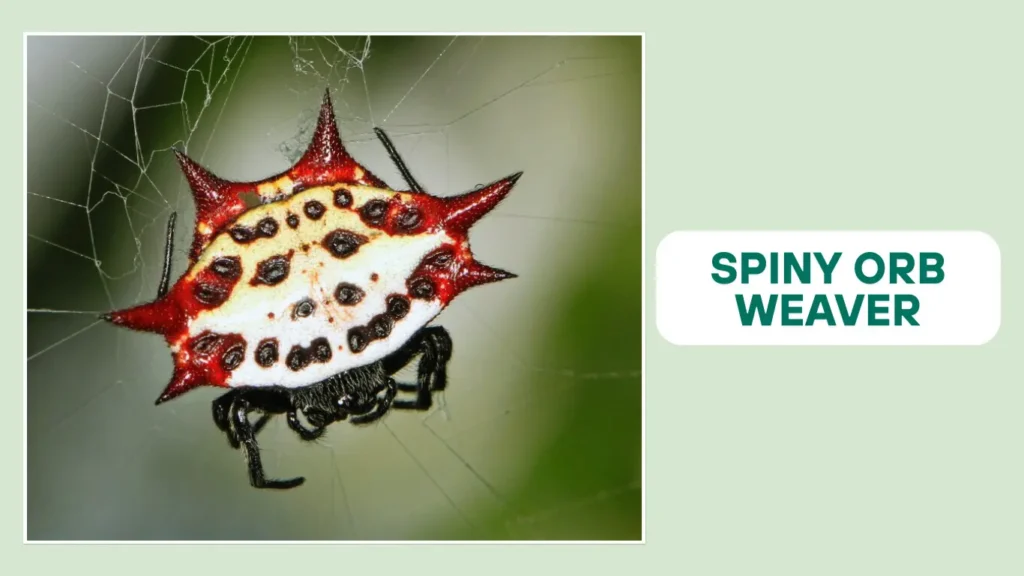
The Spiny Orb-Weaver (genus Gasteracantha) is one of the most unique-looking garden spiders. With its brightly colored, spiked abdomen, it resembles a tiny crab more than a typical spider. Despite its odd appearance, it’s completely harmless and a welcome guest in gardens due to its insect-catching web.
Identification
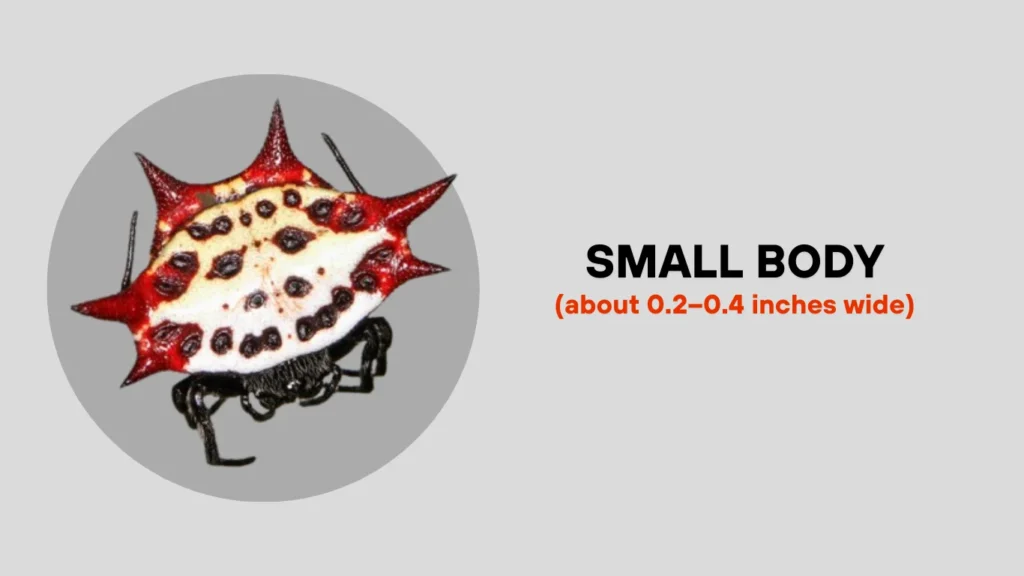
- Small body (about 0.2–0.4 inches wide)
- Brightly colored abdomen—often white, red, or yellow with black markings
- Six prominent spines protruding from the sides and rear of the abdomen
- Short legs compared to body size
- Flat, wide abdomen that gives it a crab-like appearance
Web Structure and Behavior
Spiny Orb-Weavers build traditional orb-shaped webs, often in shrubs, trees, or near flowers. Unlike some larger spiders, they don’t hide; they stay in the center of the web during the day. Their webs are small to medium in size but very effective at trapping tiny flying insects.
Habitat and Range
These spiders are widespread in warm climates across the Americas, Asia, and Australia. They are common in gardens, forests, and areas with abundant vegetation. They tend to build webs between branches or over walkways.
Diet and Hunting
They prey on small flying insects like gnats, mosquitoes, and fruit flies. When prey is caught, the spider bites it and wraps it tightly in silk. Though small, Spiny Orb-Weavers are efficient hunters thanks to their web placement.
Reproduction and Life Cycle
Females produce one or more egg sacs, which they attach to leaves or bark. Each sac contains dozens of eggs. Spiderlings hatch and remain near the web for a short time before dispersing. These spiders live for a single season and are most visible in late summer and fall.
6. Golden Orb-Weaver
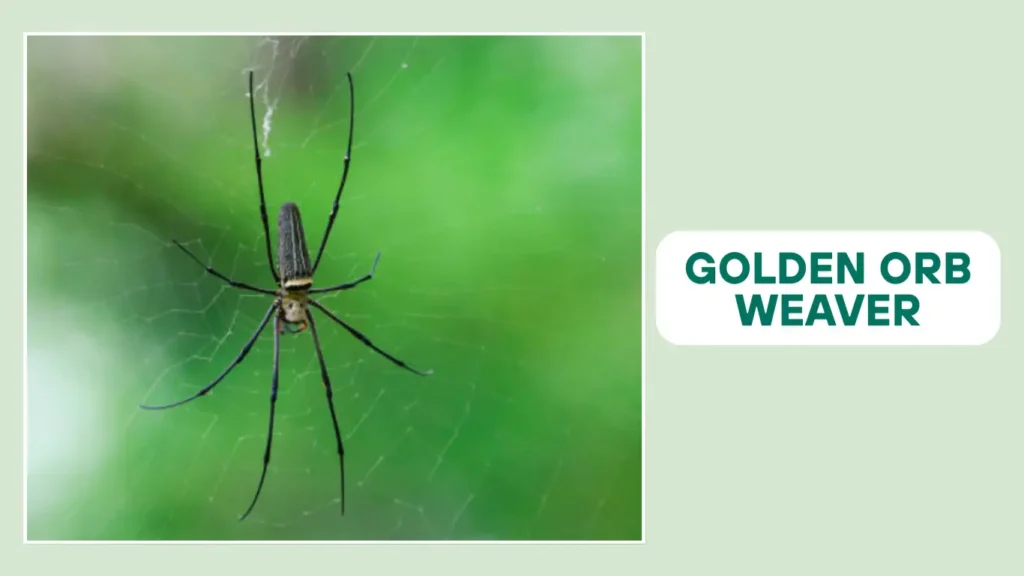
The Golden Orb-Weaver (genus Nephila) is famous for its impressive size and the golden-colored silk it uses to build its webs. These large spiders are commonly seen in tropical and subtropical gardens, often suspended between trees or tall shrubs. Their silk is not only visually striking but also extremely strong and durable.
Identification
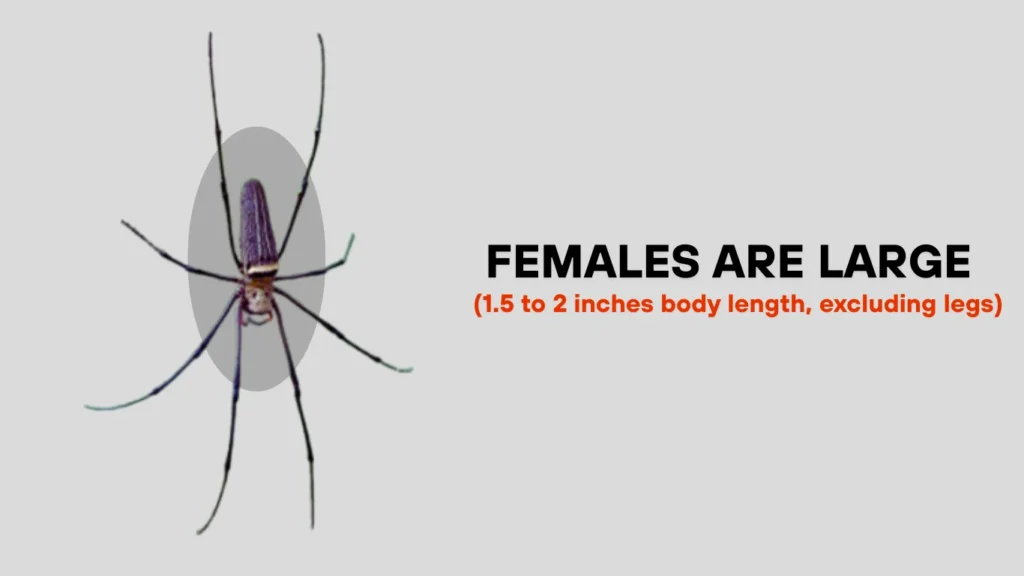
- Females are large (1.5 to 2 inches body length, excluding legs)
- Long, slender legs with noticeable tufts or bands
- Abdomen is elongated and ranges in color from golden-yellow to reddish-brown
- Males are much smaller and less colorful
- Golden silk gives their web a distinct shimmer in sunlight
Web Structure and Behavior
Golden Orb-Weavers spin huge, vertical orb webs that can span several feet. Their silk has a golden hue and is among the strongest natural fibers. The spider typically rests in the center, head down, and remains visible all day. These webs can remain in place for weeks, with repairs made as needed.
Habitat and Range
Common in warm, humid climates including parts of the Americas, Africa, Asia, and Australia. They favor gardens, forests, and areas with open space between trees or shrubs where large webs can be anchored.
Diet and Hunting
Feeds on a wide variety of insects, including beetles, moths, flies, and even small butterflies. Prey that hits the web is quickly wrapped in silk and stored for feeding. Occasionally, these spiders may consume small vertebrates like frogs or lizards if caught.
Reproduction and Life Cycle
Mating usually occurs in the web, with the smaller male approaching cautiously. The female produces egg sacs wrapped in thick silk and hidden in foliage. Spiderlings hatch and disperse by ballooning. Females may live for several months, while males typically have a shorter lifespan.
7. Green Lynx Spider
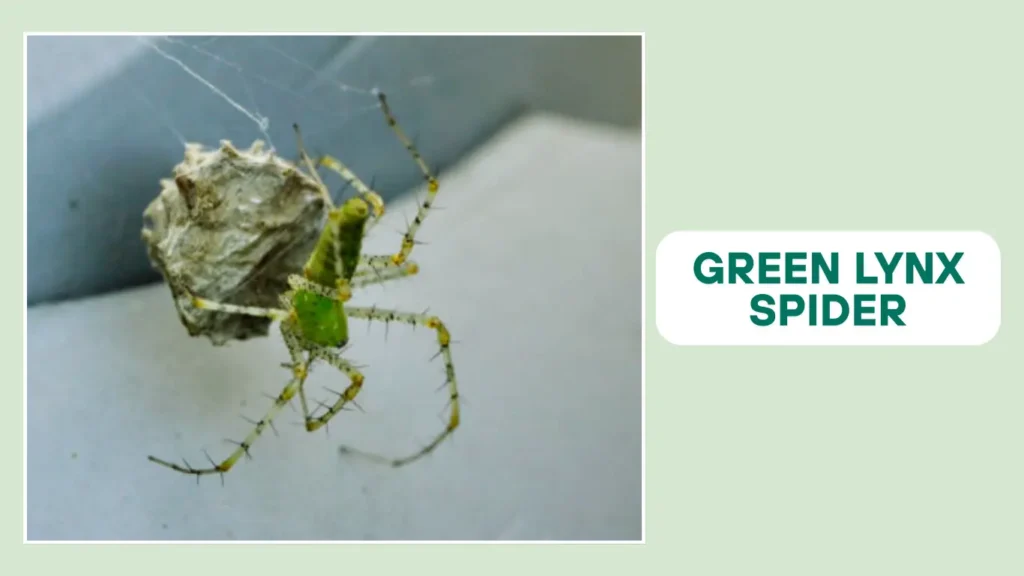
The Green Lynx Spider (Peucetia viridans) is a bright, leaf-colored spider often spotted in garden plants and shrubs. Although it doesn’t spin traditional webs to catch prey, it is a skilled ambush predator, actively hunting insects among flowers and foliage. Its vivid green body provides excellent camouflage, making it both a beautiful and beneficial garden resident.
Identification
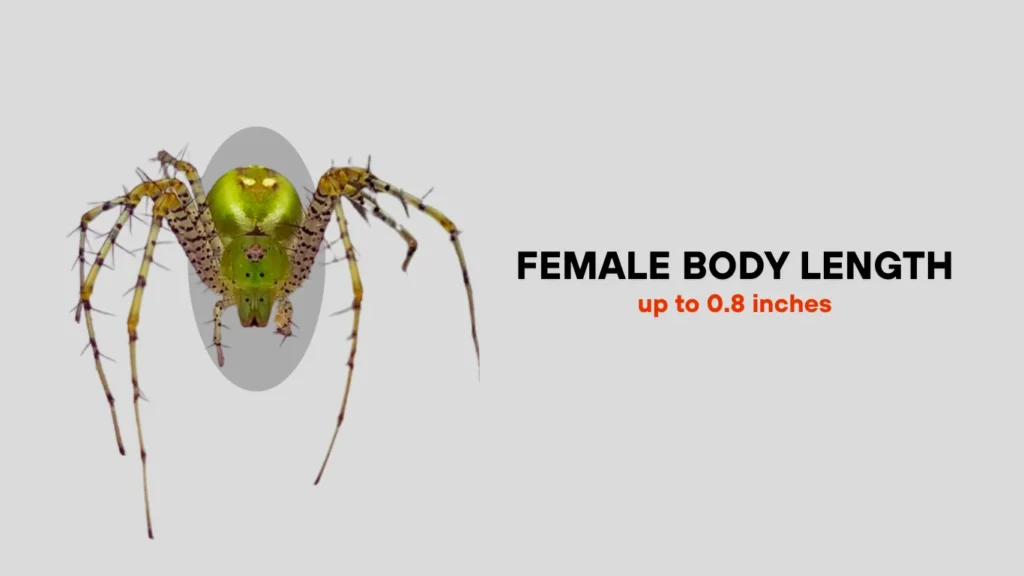
- Bright green body with a slightly translucent appearance
- Long, spiny legs with red or black spots
- Female body length up to 0.8 inches; males are smaller
- Chevron-like markings on the abdomen
- Eyes arranged in two horizontal rows
Web Structure and Behavior
Unlike orb-weavers, the Green Lynx Spider doesn’t build a prey-catching web. Instead, it relies on speed and camouflage to stalk and pounce on insects. It may produce silk draglines for movement and constructs small silk platforms for resting or guarding eggs.
Habitat and Range
Native to the southern United States, Central America, and the Caribbean, it thrives in gardens, shrubs, flowering plants, and hedgerows. It prefers sunlit areas with dense vegetation where it can hide among leaves and stems.
Diet and Hunting
This spider hunts pollinators and pests like grasshoppers, flies, moths, and beetles. It’s an active predator, using excellent vision to spot prey before lunging with precision. Though it feeds on some beneficial insects, it also helps reduce pest populations in gardens.
Reproduction and Life Cycle
Females lay a single egg sac, attaching it to the underside of leaves. They aggressively guard the sac until spiderlings emerge. The young disperse shortly after hatching. Adults are most active during late summer and fall and typically live for one growing season.
8. Funnel-Web Grass Spider
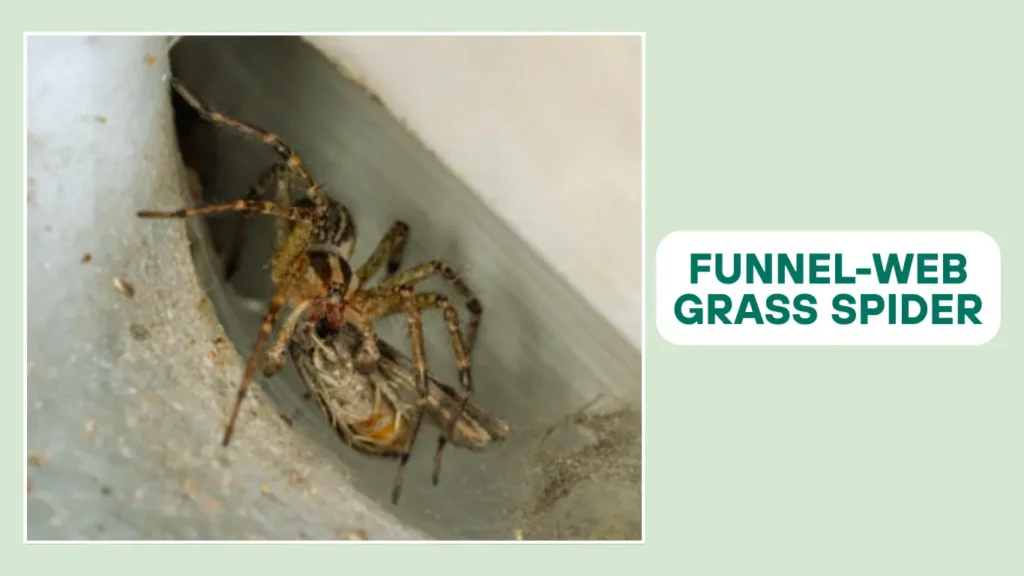
The Funnel-Web Grass Spider (Agelenopsis species) is a common garden spider known for its sheet-like web with a funnel-shaped retreat. Often found in lawns, flower beds, and shrubs, this spider waits patiently in its funnel for vibrations from insects that wander onto the web’s surface. Despite its speed and size, it’s completely harmless to humans.
Identification
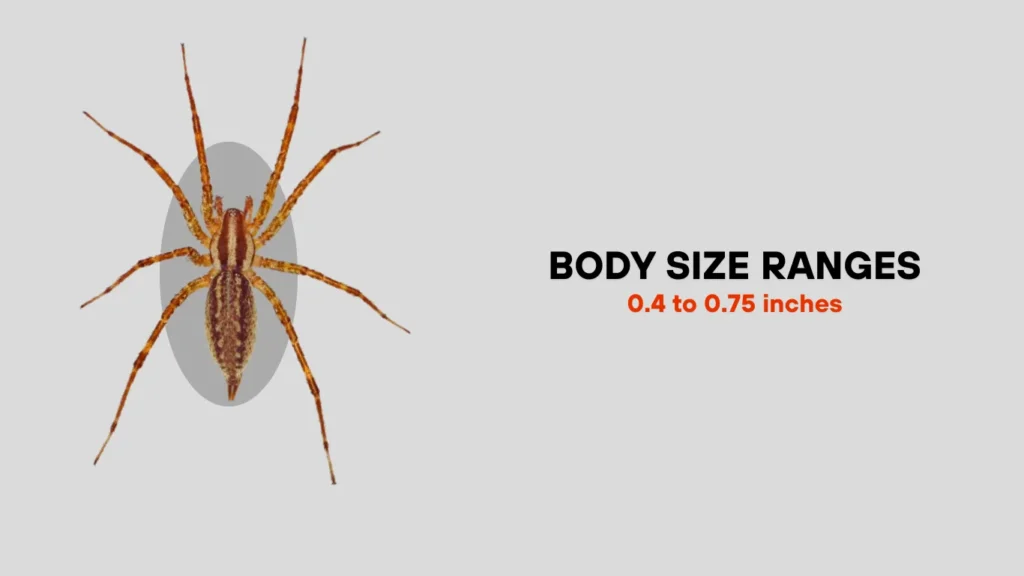
- Brown or gray body with two dark stripes running lengthwise on the cephalothorax
- Long, hairy legs designed for speed
- Body size ranges from 0.4 to 0.75 inches
- Abdomen may have chevron or mottled markings
- Eight eyes arranged in three rows
Web Structure and Behavior
Funnel-web grass spiders build dense, flat, horizontal webs across grass, garden mulch, shrubs, and low plants. One end of the web leads into a funnel retreat where the spider hides. When prey touches the web, the spider dashes out, grabs it, and pulls it into the funnel.
Habitat and Range
Widespread throughout North America, these spiders thrive in gardens, grassy patches, and plant beds. They prefer low vegetation and moist conditions where their webs can stay anchored and hidden.
Diet and Hunting
Their diet includes ants, flies, beetles, and other small crawling insects. The web isn’t sticky, but its dense threads slow down prey long enough for the spider to strike. It quickly immobilizes its catch with venom and drags it into its funnel retreat.
Reproduction and Life Cycle
Mating occurs in summer, and females produce one or more egg sacs hidden in the funnel. She often guards the sac until the young hatch. Spiderlings disperse within a few days. These spiders live for one season, becoming most active during late summer and early fall.
9. Crab Spider
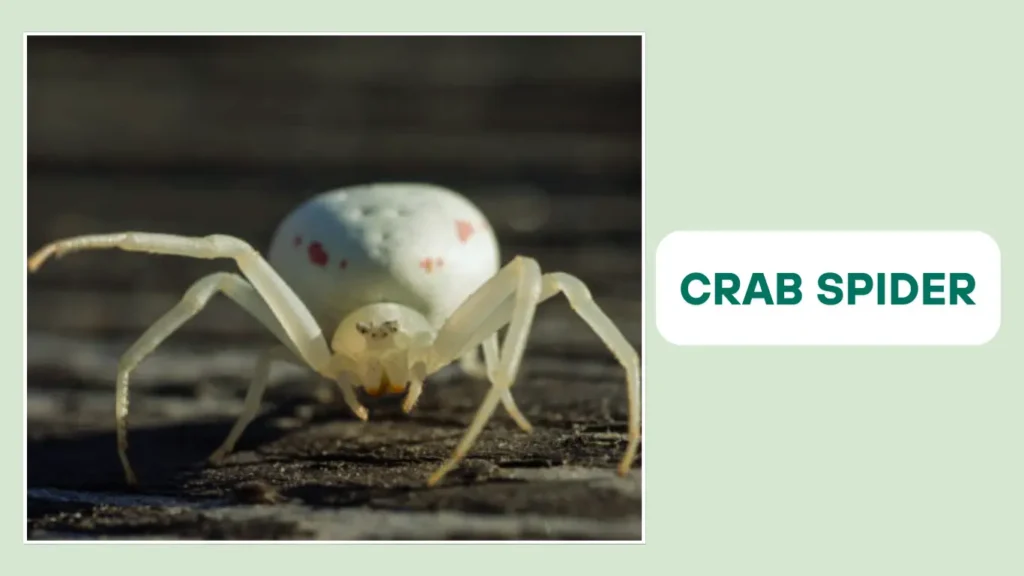
The Crab Spider (family Thomisidae) is a small yet efficient ambush predator often found on garden flowers. Named for its crab-like shape and sideways movement, this spider doesn’t build a web to trap prey. Instead, it blends into blooms and waits patiently for insects to come within reach. Their ability to camouflage makes them nearly invisible in floral settings.
Identification
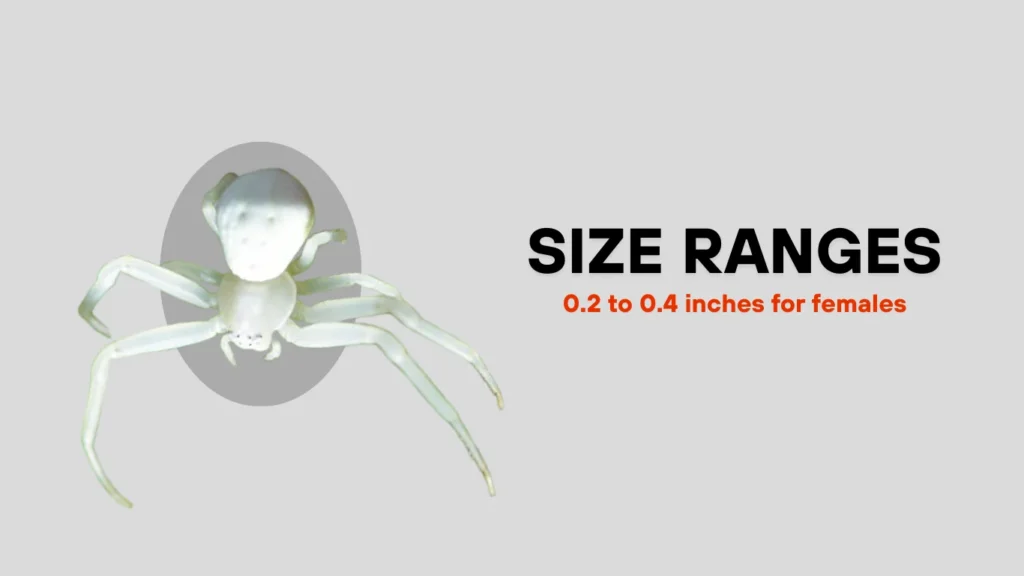
- Flat, wide body with long front legs
- Varies in color: white, yellow, pink, or green depending on flower host
- Size ranges from 0.2 to 0.4 inches for females; males are smaller
- Crab-like movement—can walk sideways or backward
- Some species can slightly change color to match their background
Web Structure and Behavior
Crab spiders do not spin webs for hunting. Instead, they rely on stealth and camouflage, sitting motionless on petals or leaves. They use silk only to anchor themselves or build shelters for resting or egg-laying. Their attack is fast and precise, often targeting pollinators that land on flowers.
Habitat and Range
Common worldwide, including in North America, crab spiders thrive in gardens, meadows, and flower beds. They favor areas rich in blooming plants like daisies, marigolds, or roses, where pollinators frequently visit.
Diet and Hunting
Their prey includes bees, flies, butterflies, and other pollinators. They ambush prey by staying hidden on a flower and striking when an insect lands nearby. Their strong front legs grab and hold the insect while venom is delivered through a quick bite.
Reproduction and Life Cycle
After mating, the female produces a silk egg sac and hides it under leaves or petals. She may guard it until the spiderlings hatch. Most species have a one-season life span, with spiderlings dispersing shortly after emerging. They’re most visible in gardens during the blooming season from late spring through fall.
10. Wolf Spider
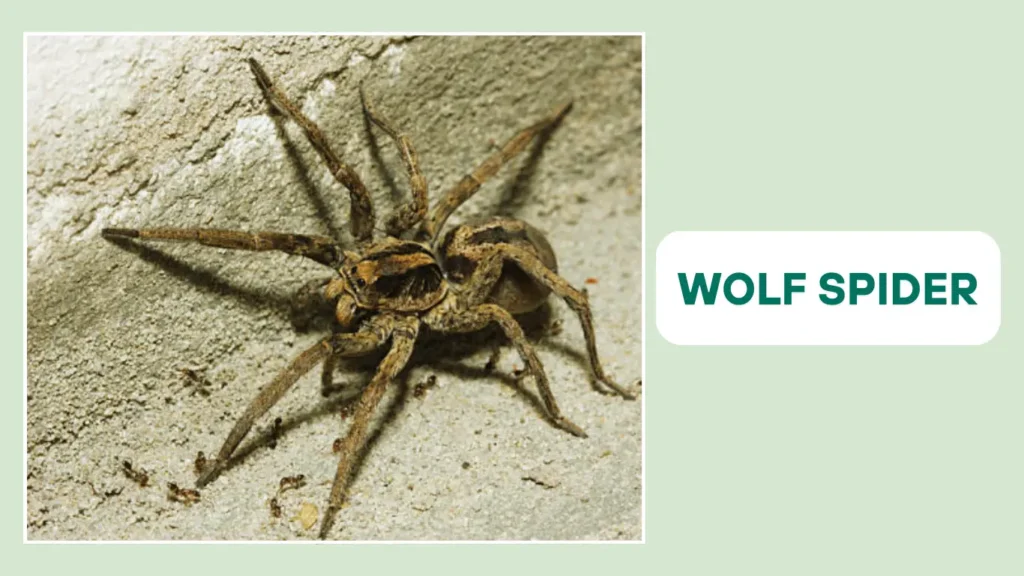
The Wolf Spider (family Lycosidae) is a fast, ground-dwelling predator often spotted scurrying across garden soil, mulch, or leaf litter. Unlike web-builders, wolf spiders hunt by sight and speed, pouncing on their prey like a miniature wildcat. Their excellent camouflage allows them to blend into garden environments easily.
Identification
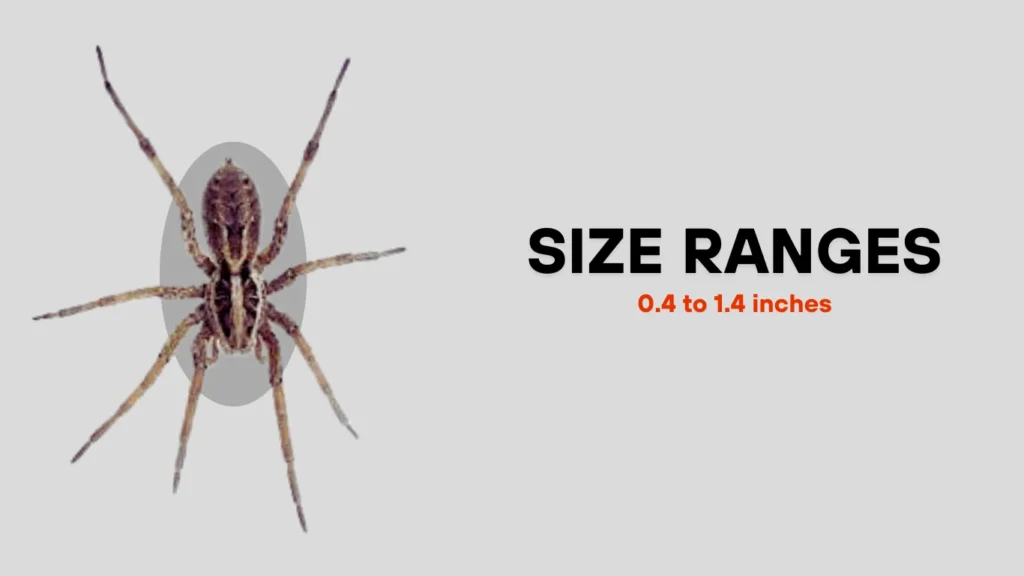
- Brown, gray, or tan body with subtle patterns or stripes
- Stout, hairy legs and robust build
- Size ranges from 0.4 to 1.4 inches
- Prominent eye arrangement: two large middle eyes on top row
- Females carry egg sacs attached to their spinnerets
Web Structure and Behavior
Wolf spiders do not construct prey-catching webs. Instead, they dig small burrows or hide under garden debris. Some line their retreats with silk for protection. They are mostly nocturnal and rely on ambush or short chases to capture prey.
Habitat and Range
Found throughout the world, including across North America, they prefer gardens, lawns, stone borders, and ground-level flower beds. They shelter in natural cavities, under rocks, or within dense vegetation.
Diet and Hunting
Wolf spiders feed on ground-dwelling insects such as ants, beetles, earwigs, and caterpillars. They use sharp eyesight to detect movement and quickly pounce on prey, injecting venom to subdue it before feeding.
Reproduction and Life Cycle
Females carry their egg sac on their spinnerets and, once hatched, the spiderlings climb onto her back for several days. After dispersing, young spiders grow through several molts. Adults typically live for one to two years, with increased activity in warm seasons.
11. Jumping Spider

The Jumping Spider (family Salticidae) is a small, curious garden spider known for its excellent vision and quick, leaping movements. Often seen exploring leaves and flowerbeds, it doesn’t spin webs to trap prey—instead, it stalks and jumps onto its targets. Despite their boldness, they’re completely harmless and often even endearing.
Identification
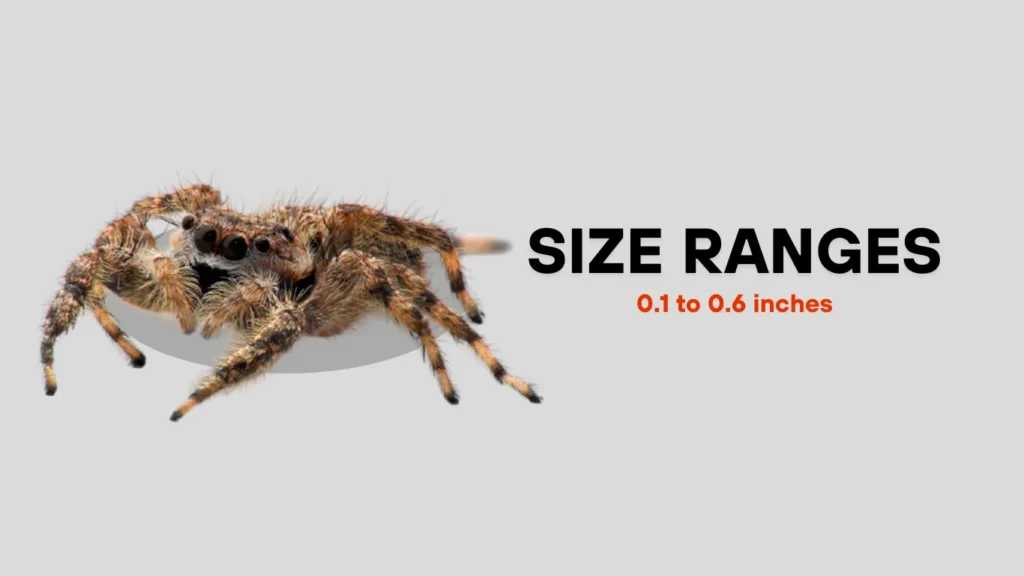
- Compact body, often hairy and colorful (black, brown, orange, or metallic)
- Large front-facing eyes that provide excellent vision
- Size ranges from 0.1 to 0.6 inches
- Squat legs and jerky, agile movements
- Distinct eye pattern: four big eyes on the face, four smaller ones on top
Web Structure and Behavior
Jumping spiders use silk for draglines and shelters but not for hunting. They build small silk retreats under leaves or in crevices. When stalking prey, they anchor themselves with silk before leaping to capture it.
Habitat and Range
Found across the globe, jumping spiders are common in gardens, walls, windowsills, potted plants, and flowers. They favor sunny, dry environments and are active during the daytime.
Diet and Hunting
These spiders actively hunt flies, gnats, small moths, and aphids. They creep close to their prey using excellent vision and make precise jumps to catch and immobilize it. Their hunting style is both fascinating and efficient in controlling pests.
Reproduction and Life Cycle
Males perform elaborate dances to court females. After mating, females lay eggs inside a silk sac, often hidden under leaves. She may guard the sac until the spiderlings hatch. These spiders live about one year and are most active during spring and summer.
12. Long-Jawed Orb Weaver

The Long-Jawed Orb Weaver (family Tetragnathidae) is a slender-bodied spider often found near water features or damp garden areas. Known for its extremely long legs and narrow profile, it builds delicate orb-shaped webs, usually low to the ground or among garden plants. Its body shape helps it blend into twigs and grass stems, making it hard to spot.
Identification
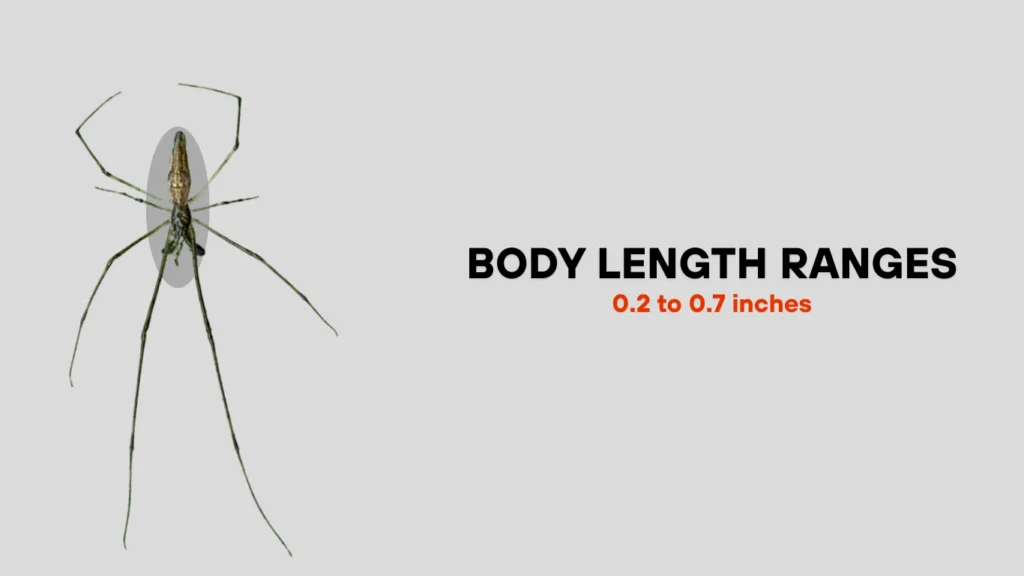
- Elongated, shiny body (silver, brown, or greenish)
- Very long, thin legs—especially the front pair
- Body length ranges from 0.2 to 0.7 inches
- Fangs (chelicerae) are prominent in males
- Abdomen is tube-shaped and often has faint markings
Web Structure and Behavior
Their webs are typically horizontal or tilted and placed close to water, flowerbeds, or leafy shrubs. These orb webs are less dense than typical orb-weavers’. The spider rests off to the side, head-down, often stretched out along a stem or blade of grass to stay hidden.
Habitat and Range
Found worldwide, including in North America, long-jawed orb weavers prefer moist, shaded garden areas—especially near ponds, birdbaths, or irrigation zones. They thrive in tall grasses, bushes, and other low-growing vegetation.
Diet and Hunting
They prey on small flying insects such as mosquitoes, midges, and gnats. When prey hits the web, the spider rushes in to bite and wrap it. They feed mostly at night and may rebuild their web frequently to improve its structure.
Reproduction and Life Cycle
Mating usually takes place on or near the web. The female lays eggs in a silk sac hidden in vegetation. Spiderlings hatch in spring and disperse shortly after. Adults are most active in late spring through early fall.
13. Nursery Web Spider
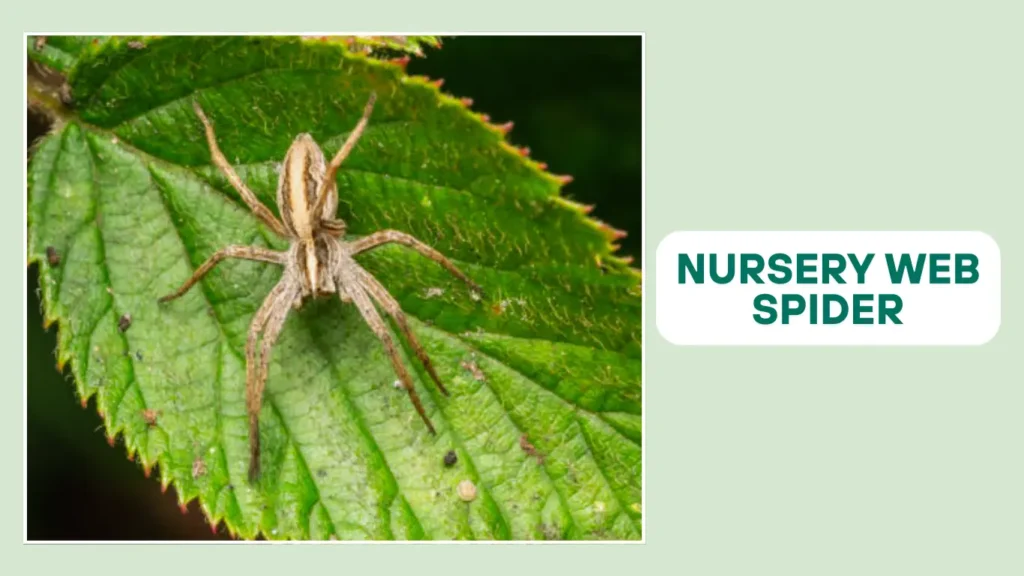
The Nursery Web Spider (Pisaurina mira) resembles a wolf spider in appearance and behavior but has distinct nesting habits. It’s often seen in gardens, grassy borders, or shrubs, where it hunts without using a web. Females are known for building silk shelters to protect their young—hence the name “nursery web.”
Identification
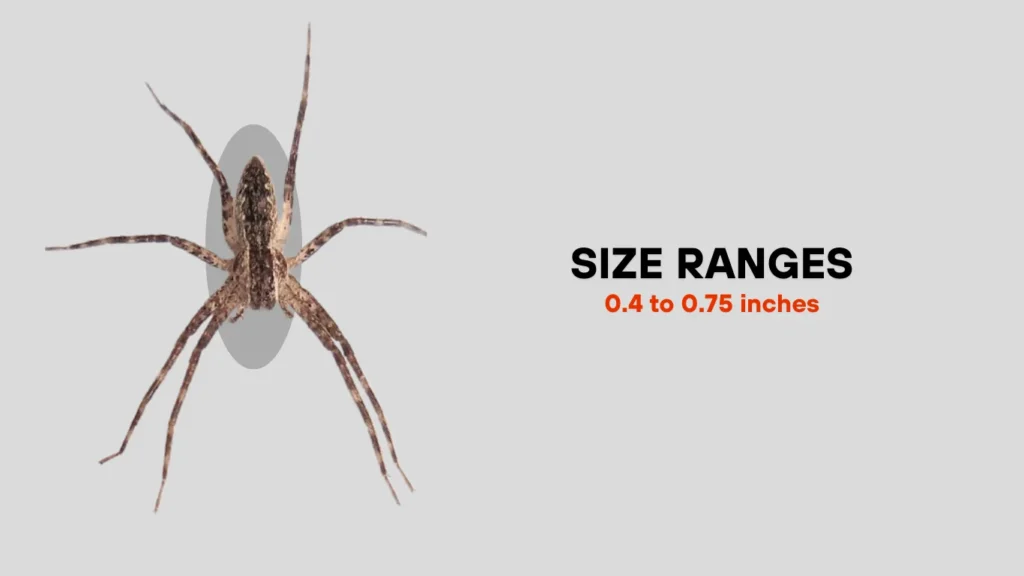
- Tan or brown body with a dark central stripe on the cephalothorax and abdomen
- Slender body with long legs; slightly glossy appearance
- Size ranges from 0.4 to 0.75 inches
- Eyes arranged in two horizontal rows
- Often mistaken for wolf spiders
Web Structure and Behavior
Nursery web spiders don’t spin webs for capturing prey. However, females create a silk nursery tent by folding leaves and binding them with silk to guard their egg sacs. Adults actively hunt in gardens and rarely remain in one place for long.
Habitat and Range
Common in eastern North America, especially in gardens, tall grasses, shrubs, and woodland edges. They prefer semi-shaded areas with dense plant cover.
Diet and Hunting
These spiders actively chase and ambush insects like beetles, flies, moths, and caterpillars. They rely on speed and stealth rather than webs and are often seen roaming plant surfaces.
Reproduction and Life Cycle
After mating, the female carries the egg sac in her mouthparts until she finds a safe spot to build the nursery. She stays close to the sac until the spiderlings hatch and leave. Most nursery web spiders live for a single season, with reproduction peaking in late summer.
14. Sheet Web Spider

The Sheet Web Spider (family Linyphiidae) is a tiny garden spider known for its horizontal, sheet-like web. Often overlooked due to its small size and low web placement, this spider helps control populations of aphids, gnats, and other small garden pests. It’s especially common in garden beds, mulch, and grassy borders.
Identification
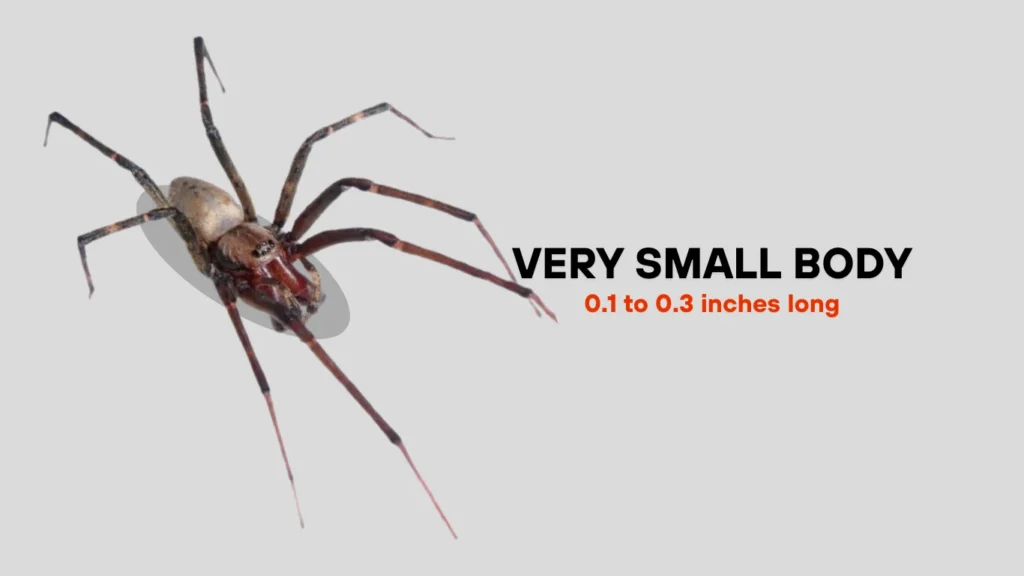
- Very small body, often only 0.1 to 0.3 inches long
- Color varies: brown, black, or pale yellow
- Rounded abdomen and short legs
- Fine body hairs give a slightly fuzzy appearance
- Difficult to spot without the web
Web Structure and Behavior
This spider spins a horizontal sheet of silk, usually close to the ground, with a chaotic tangle of threads above it. The web catches small insects that fall onto the sheet or get stuck in the upper threads. The spider waits below the sheet and quickly bites prey through the silk.
Habitat and Range
Sheet web spiders are found worldwide and are extremely common in moist gardens, lawns, and grassy edges. They prefer undisturbed areas with plenty of ground cover or leaf litter where their delicate webs can remain intact.
Diet and Hunting
They feed on tiny flying and crawling insects such as aphids, mites, and springtails. The tangled web structure is very effective at slowing or trapping prey. Once caught, the spider pulls the insect downward through the sheet and feeds on it.
Reproduction and Life Cycle
Egg sacs are usually placed under leaves, stones, or hidden in the web. Females may guard the sac, depending on species. Spiderlings hatch and stay near the web for a brief time before dispersing. Multiple generations may occur in a single year in warm climates.
15. Comb-Footed Spider (Theridiidae Family)

The Comb-Footed Spider, also known as a cobweb or tangle-web spider, belongs to the Theridiidae family. These spiders are common in both natural and man-made gardens, hiding in corners, pots, and under leaves. They’re named for the comb-like setae (bristles) on their hind legs used to fling silk over prey.
Identification

- Small, rounded abdomen and thin legs
- Body color ranges from pale brown to black, often with patterns or spots
- Size ranges from 0.1 to 0.4 inches
- Females are generally larger than males
- Some species resemble black widows but are not dangerous
Web Structure and Behavior
They spin messy, irregular webs in hidden or sheltered spots like under garden furniture, in flowerpots, or between leaves. The web is sticky and strong, ideal for trapping crawling insects. They often hang upside down in the web, waiting for vibrations.
Habitat and Range
Found globally, especially in gardens, greenhouses, under stones, or in corners of fences and walls. They prefer dry, sheltered spots and are frequently seen in garden sheds or under decks.
Diet and Hunting
These spiders feed on ants, beetles, flies, and other insects that crawl into their web. Using their combed back legs, they toss silk quickly to immobilize prey before biting. They rarely leave their web once settled.
Reproduction and Life Cycle
Females produce multiple egg sacs, often suspended in the web. Some species guard the sacs while others leave them. The spiderlings hatch and remain close for a short time before dispersing. Adults are active year-round in mild climates or during warmer months elsewhere.
FAQs:
1. Are garden spiders dangerous to humans?
No, most garden spiders are harmless. While they can bite if provoked, their venom is not dangerous to humans and bites are rare.
2. Do garden spiders help with pest control?
Yes, they feed on common garden pests like flies, aphids, beetles, and mosquitoes, making them natural pest controllers.
3. Why do garden spiders build large webs?
Large webs help trap flying insects. Some species rebuild their webs daily to keep them strong and sticky.
4. What should I do if I find a garden spider?
Leave it undisturbed. Garden spiders are beneficial and usually move on after a season.
5. How long do garden spiders live?
Most live for one season—spring to fall—but some overwinter as eggs or young spiders and emerge the following year.