




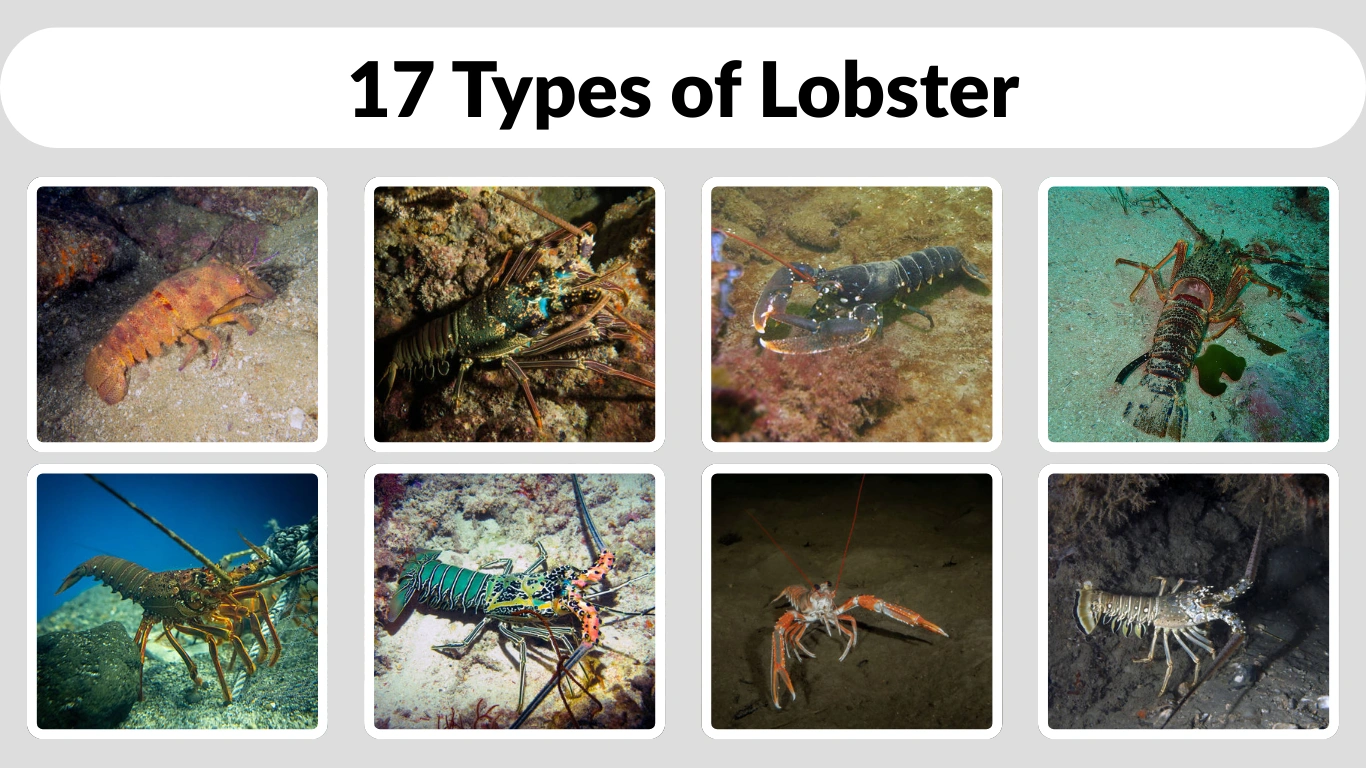
Lobsters are fascinating marine crustaceans found in oceans around the world, ranging from cold Atlantic waters to warm tropical reefs. They vary widely in size, color, habitat, and physical features, with some having large claws while others rely on spiny shells for protection. This guide covers 17 different types of lobsters, presenting each species with clear identification traits, habitat details, behavior, and commercial importance to help readers understand their diversity and value.
1. American Lobster
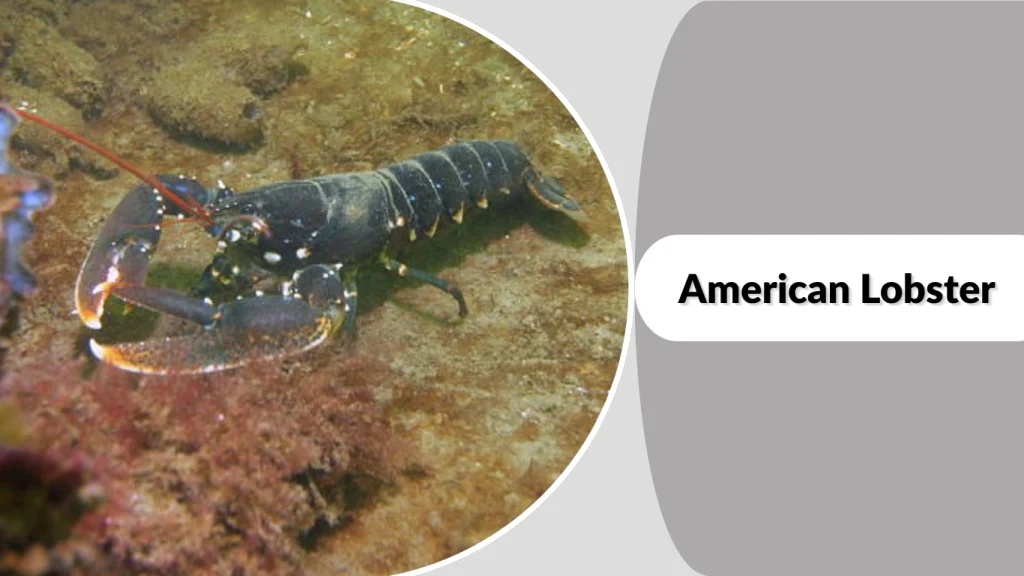
The American lobster is one of the most well-known and commercially valuable lobsters in the world. Found mainly in the cold waters of the North Atlantic, it is famous for its large claws, hard shell, and sweet, tender meat. This species is widely harvested and is a staple of seafood cuisine, especially in North America.
Identification
- Large body with a hard, dark bluish-green shell
- Two uneven front claws (crusher claw and pincher claw)
- Long antennae and segmented tail
- Can grow over 60 cm (24 inches) in length
Habitat and Range
The American lobster lives along the Atlantic coast of North America, from Labrador in Canada down to North Carolina in the United States. It prefers cold, salty water and is commonly found on rocky or sandy ocean bottoms, where it hides in crevices and burrows.
Behavior and Diet
This lobster is mostly nocturnal and spends daylight hours sheltering in rocks. It is an omnivore, feeding on fish, mollusks, crabs, sea urchins, and plant matter. American lobsters are solitary and can be territorial, especially when competing for shelter.
Commercial and Culinary Importance
The American lobster is one of the most economically important lobster species. It is harvested extensively for food and is popular boiled, steamed, or grilled. Its meat is prized for its firm texture and rich flavor, making it a key ingredient in dishes like lobster rolls and bisque.
2. European Lobster
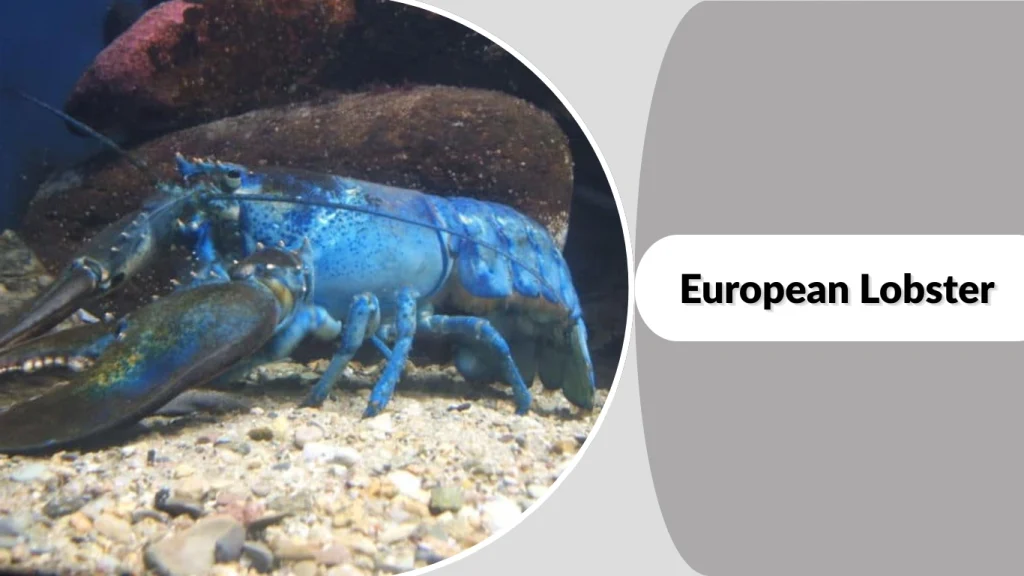
The European lobster is a highly prized clawed lobster native to the northeastern Atlantic Ocean. It closely resembles the American lobster but is usually darker in color and slightly smaller. This species is valued for its delicate flavor and is considered a luxury seafood item in many European countries.
Identification
- Dark blue to black shell, sometimes with lighter spots
- Two large front claws of unequal size
- Smooth, hard carapace compared to spiny lobsters
- Strong tail used for rapid backward movement
Habitat and Range
European lobsters are found along the coasts of Europe, from Norway to the Mediterranean Sea. They prefer rocky seabeds and coastal waters, where they hide in crevices at depths ranging from shallow waters to about 150 meters.
Behavior and Diet
This species is mainly nocturnal and solitary. It feeds on worms, crustaceans, mollusks, and small fish. European lobsters are territorial and will defend their shelters aggressively from intruders.
Commercial and Culinary Importance
European lobster is considered a premium seafood delicacy. It is commonly boiled or grilled and served whole. Due to overfishing concerns, strict regulations are in place in many regions to protect wild populations.
3. Cape Lobster
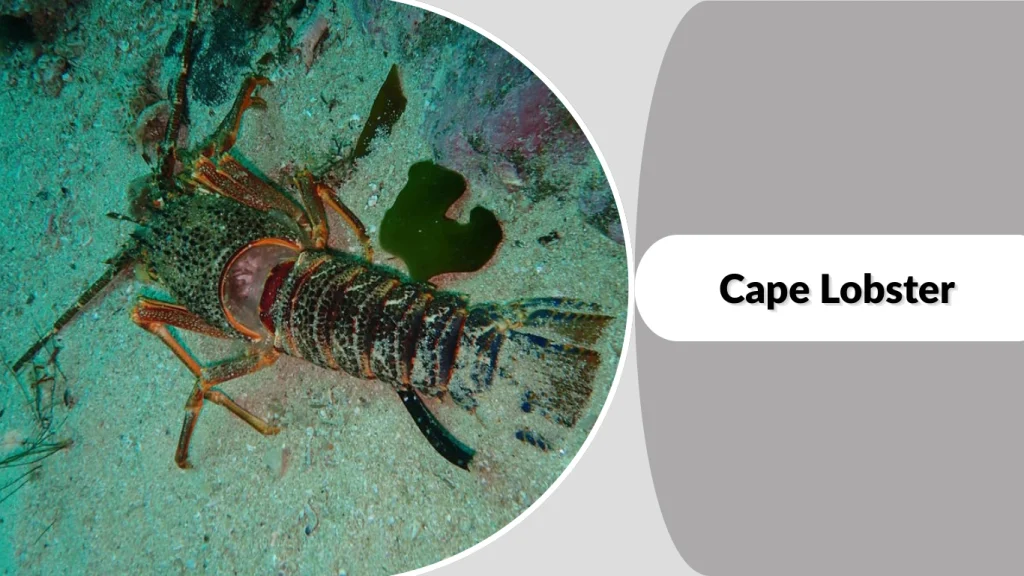
The Cape lobster is a spiny lobster species native to the southern African coastline. Unlike clawed lobsters, it lacks large pincers and instead relies on its tough shell and long antennae for defense. It plays an important role in local fisheries.
Identification
- No large claws; elongated spiny body
- Reddish-brown to orange shell coloration
- Very long, thick antennae
- Strong, muscular tail
Habitat and Range
Cape lobsters are found along the coast of South Africa and Namibia. They inhabit rocky reefs and kelp forests, usually at shallow to moderate depths, where they shelter in groups among rocks.
Behavior and Diet
This species is mostly nocturnal and scavenges for food at night. Its diet includes mussels, sea snails, sea urchins, and dead marine animals. Cape lobsters often migrate in groups, especially when environmental conditions change.
Commercial and Culinary Importance
Cape lobster is an important regional seafood species and is commonly exported. Its tail meat is firm and flavorful, making it popular in grilled and steamed dishes. Fishing is regulated to prevent population decline.
4. Norway Lobster

The Norway lobster, also known as langoustine or Dublin Bay prawn, is a small clawed lobster valued for its sweet and delicate meat. Although smaller than true lobsters, it is extremely popular in European seafood markets and fine dining.
Identification
- Slender body with a pale orange to pink shell
- Long, narrow claws compared to body size
- Black eyes on stalks
- Softer shell than large clawed lobsters
Habitat and Range
Norway lobsters are found in the northeastern Atlantic Ocean and parts of the Mediterranean Sea. They live in muddy or sandy seabeds, where they dig burrows at depths ranging from 20 to 800 meters.
Behavior and Diet
This species spends much of its time inside burrows and is most active at night. It feeds on small fish, worms, crustaceans, and organic debris. Norway lobsters are generally solitary but may live close to others in suitable habitats.
Commercial and Culinary Importance
Norway lobster is highly prized for its tender, sweet meat, especially the tail. It is commonly grilled, sautéed, or served whole and is an important species in European fisheries.
5. Caribbean Spiny Lobster

The Caribbean spiny lobster is one of the most commercially important spiny lobsters in the world. Unlike clawed lobsters, it has no large pincers and is known for its long antennae and spiny shell.
Identification
- No large claws
- Brownish-red shell with white or yellow spots
- Very long, spiny antennae
- Thick, muscular tail
Habitat and Range
This lobster is widely distributed in the Caribbean Sea, Gulf of Mexico, and western Atlantic Ocean. It inhabits coral reefs, seagrass beds, and rocky areas, usually in warm, shallow waters.
Behavior and Diet
Caribbean spiny lobsters are nocturnal and often live in groups. They feed on mollusks, small crustaceans, sea urchins, and plant material. During migration, they are known to move in long, single-file lines.
Commercial and Culinary Importance
This species supports major fisheries across the Caribbean. Its tail meat is firm and flavorful and is commonly grilled, broiled, or used in seafood dishes worldwide.
6. California Spiny Lobster

The California spiny lobster is a popular spiny lobster species found along the Pacific coast of North America. It is well known for its sweet tail meat and is commonly harvested for commercial and recreational fishing.
Identification
- No large claws
- Reddish-brown shell with small white spots
- Very long, spiny antennae
- Strong, fan-shaped tail
Habitat and Range
This species lives along the Pacific coast from central California to Baja California, Mexico. It prefers rocky reefs and kelp forests in shallow coastal waters.
Behavior and Diet
California spiny lobsters are nocturnal and social, often sheltering together in crevices during the day. They feed on sea urchins, snails, clams, and other small marine animals.
Commercial and Culinary Importance
The California spiny lobster is highly valued for its firm, sweet tail meat. It is commonly grilled or steamed and is an important seasonal catch with strict fishing regulations.
7. Florida Spiny Lobster
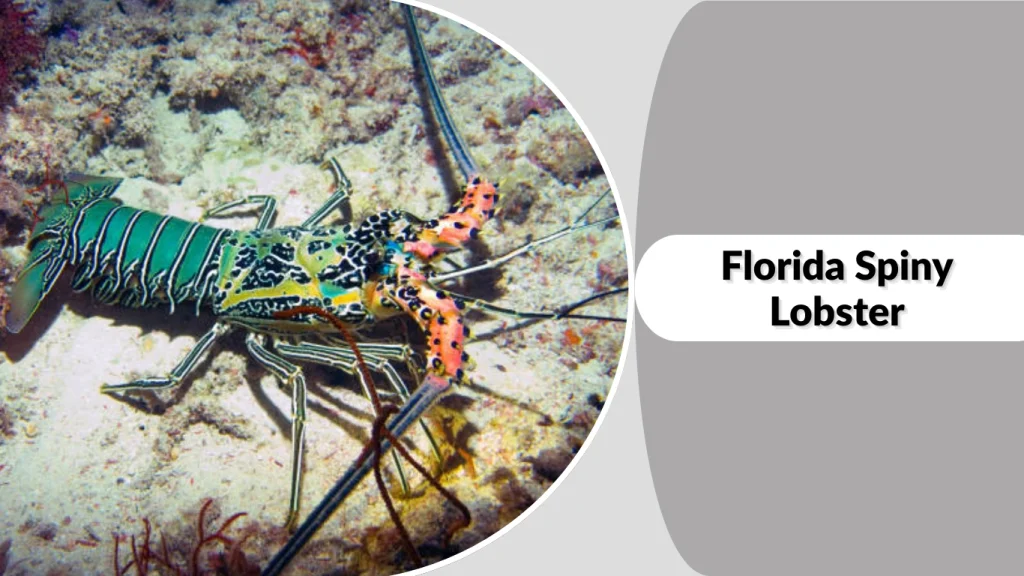
The Florida spiny lobster is one of the most harvested lobster species in the United States. It is closely related to the Caribbean spiny lobster and shares many similar traits.
Identification
- No front claws
- Brown to tan shell with yellowish spots
- Long, thick antennae with spines
- Broad, muscular tail
Habitat and Range
Florida spiny lobsters are found in the western Atlantic Ocean, particularly around Florida, the Bahamas, and the Gulf of Mexico. They live in coral reefs, rocky bottoms, and seagrass areas.
Behavior and Diet
This species is nocturnal and often lives in groups for protection. It feeds on crabs, mollusks, sea urchins, and organic matter found on the seafloor.
Commercial and Culinary Importance
Florida spiny lobster supports a major fishery in Florida. Its tail meat is widely used in grilled, broiled, and baked seafood dishes and is popular in both local and international markets.
8. Rock Lobster
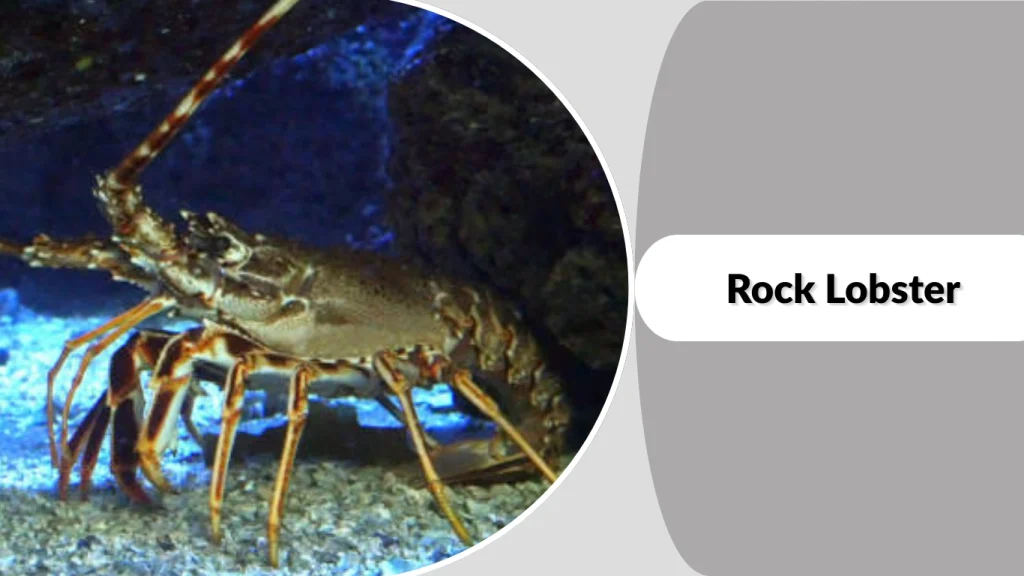
The rock lobster is a common name used for several spiny lobster species found mainly in the Southern Hemisphere. These lobsters are known for their hard, spiny shells and lack of large claws, relying instead on strong tails and antennae for defense.
Identification
- No large claws
- Hard, spiny shell
- Long, thick antennae
- Robust tail with strong swimming muscles
Habitat and Range
Rock lobsters are widely distributed in coastal waters of Australia, New Zealand, South Africa, and parts of South America. They inhabit rocky reefs and crevices in shallow to moderate depths.
Behavior and Diet
They are mostly nocturnal and hide in rock shelters during the day. Their diet includes mollusks, crustaceans, sea urchins, and dead marine animals found on the seabed.
Commercial and Culinary Importance
Rock lobsters are highly valuable in international seafood markets. Their tail meat is firm and flavorful and is commonly exported, especially to Asian markets.
9. Western Rock Lobster
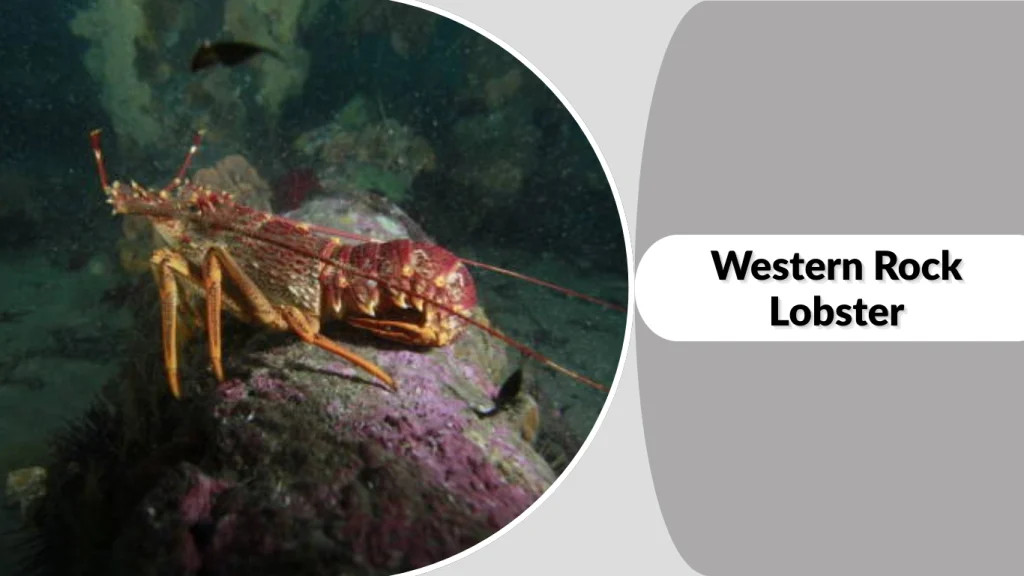
The Western rock lobster is one of the most valuable single-species lobster fisheries in the world. Native to Australia, it is known for its high-quality meat and sustainable fishery management.
Identification
- No claws; spiny body
- Reddish to pale pink shell
- Long antennae with sharp spines
- Broad, powerful tail
Habitat and Range
This species is found along the western coast of Australia, from shallow coastal waters to depths of about 200 meters. It prefers rocky reefs and sandy areas near reefs.
Behavior and Diet
Western rock lobsters are nocturnal and migrate seasonally in response to environmental changes. They feed on mussels, snails, small crustaceans, and plant material.
Commercial and Culinary Importance
The Western rock lobster is a premium export species, especially popular in live seafood markets. It is usually sold whole and is prized for its sweet, firm tail meat.
10. Eastern Rock Lobster
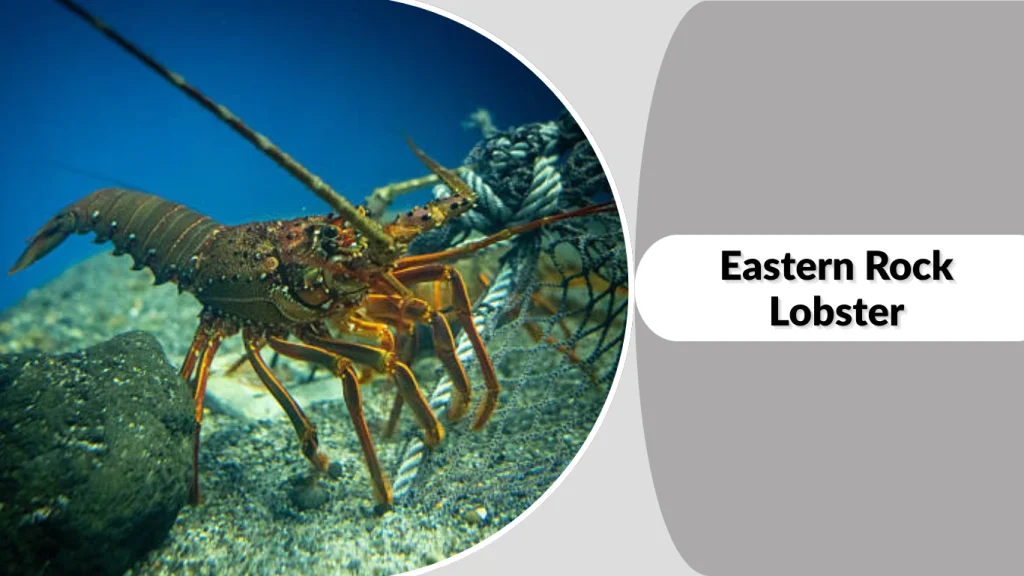
The Eastern rock lobster is a large spiny lobster species native to the waters of southeastern Australia. It is known for its strong flavor, large size, and importance to local fisheries.
Identification
- No front claws
- Dark red to brown spiny shell
- Very long, thick antennae
- Heavy, muscular tail
Habitat and Range
Eastern rock lobsters are found along the eastern and southern coasts of Australia. They live on rocky reefs from shallow waters down to depths of around 200 meters.
Behavior and Diet
This species is mainly nocturnal and shelters in reef crevices during the day. It feeds on sea urchins, mollusks, small crustaceans, and organic debris.
Commercial and Culinary Importance
Eastern rock lobster is a valuable seafood species in Australia. Its meat is firm and rich in flavor and is commonly grilled, steamed, or exported live.
11. Southern Rock Lobster
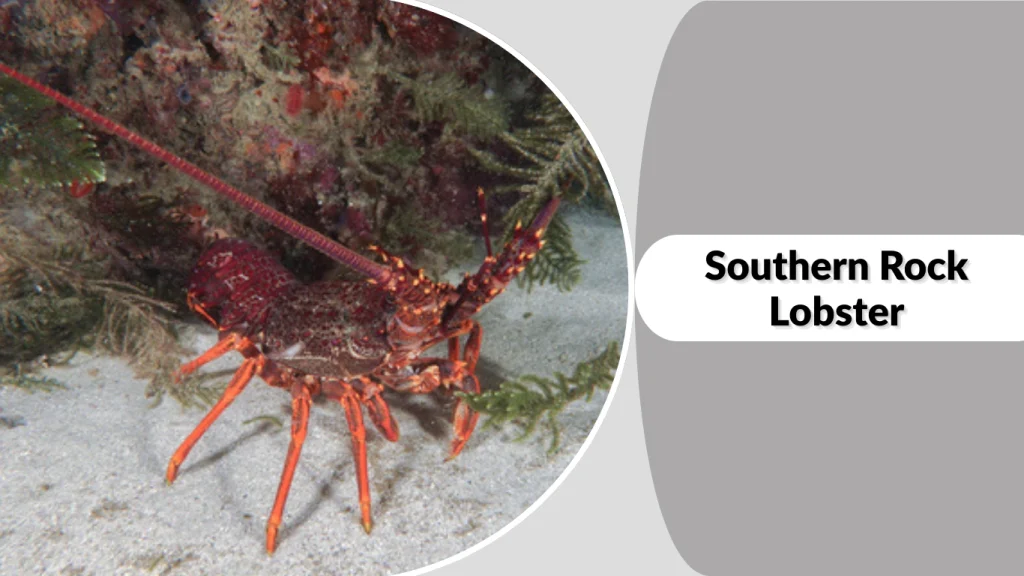
The Southern rock lobster is considered one of the finest-tasting spiny lobsters in the world. It is found in cooler southern waters and is highly sought after in premium seafood markets.
Identification
- Spiny shell without claws
- Deep red coloration with lighter markings
- Long, spiny antennae
- Strong, broad tail
Habitat and Range
Southern rock lobsters inhabit the coastal waters of southern Australia and New Zealand. They prefer rocky reefs and ledges in cold, clean waters.
Behavior and Diet
They are nocturnal and feed on sea urchins, shellfish, and other bottom-dwelling animals. This species is slow-growing and long-lived.
Commercial and Culinary Importance
Southern rock lobster is a high-value export species. Its sweet, delicate meat is especially prized in live seafood markets and fine dining.
12. New Zealand Rock Lobster
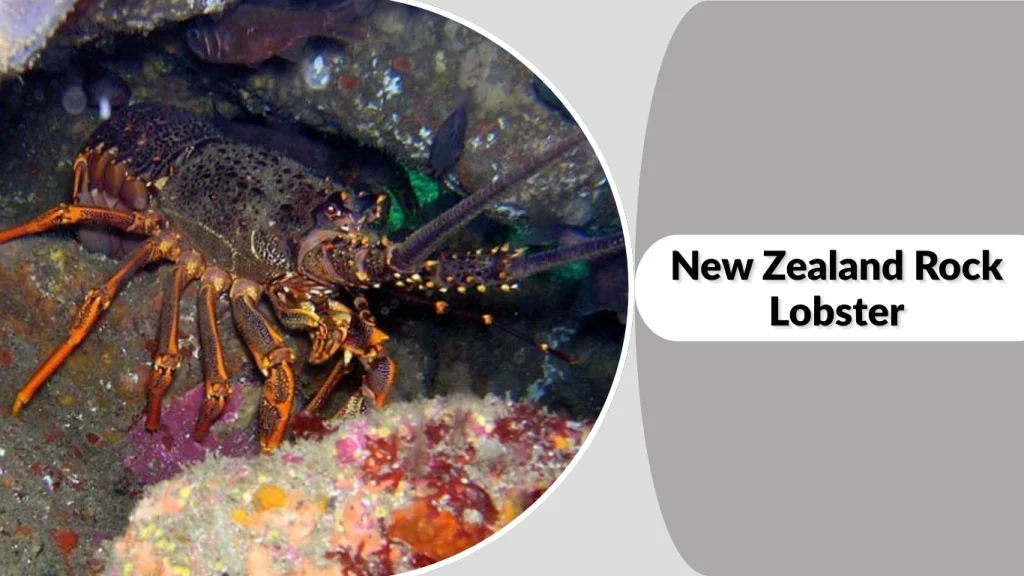
The New Zealand rock lobster, also known as crayfish or kōura, is a premium spiny lobster species famous for its rich flavor and high market value. It is an important part of New Zealand’s commercial and cultural fisheries.
Identification
- No claws; hard, spiny shell
- Reddish-brown to orange coloration
- Long, strong antennae
- Thick, powerful tail
Habitat and Range
This lobster is found around the coastal waters of New Zealand. It lives on rocky reefs and seabeds, from shallow coastal areas to deeper offshore waters.
Behavior and Diet
New Zealand rock lobsters are nocturnal and hide in crevices during the day. They feed on shellfish, sea urchins, crabs, and organic matter on the seafloor.
Commercial and Culinary Importance
This species is highly valued and often exported live. Its meat is sweet and firm, making it popular in both traditional dishes and fine dining.
13. Japanese Spiny Lobster
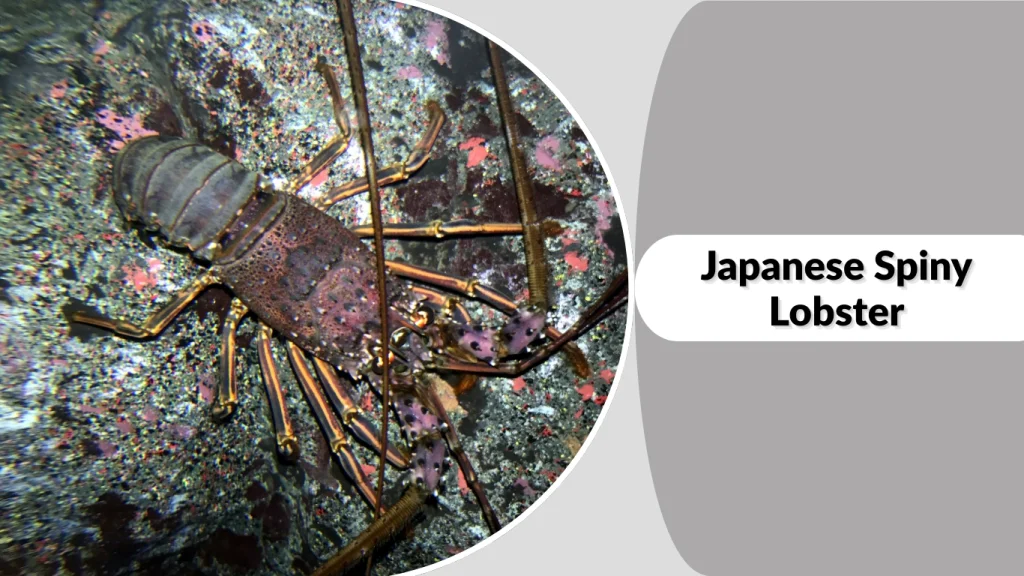
The Japanese spiny lobster is a striking and culturally significant lobster species in Japan. Known for its bright coloration, it is often associated with celebrations and luxury cuisine.
Identification
- No front claws
- Dark reddish shell with white spots
- Extremely long, spiny antennae
- Strong, well-developed tail
Habitat and Range
Japanese spiny lobsters are found along the coasts of Japan and nearby regions of the western Pacific Ocean. They inhabit rocky reefs and coastal waters, usually in warm to temperate zones.
Behavior and Diet
This species is nocturnal and shelters in reef crevices during the day. It feeds on mollusks, small crustaceans, sea urchins, and algae.
Commercial and Culinary Importance
Japanese spiny lobster is a luxury seafood item in Japan. It is often served raw as sashimi or grilled and is prized for its sweet, delicate flavor.
14. Ornate Spiny Lobster
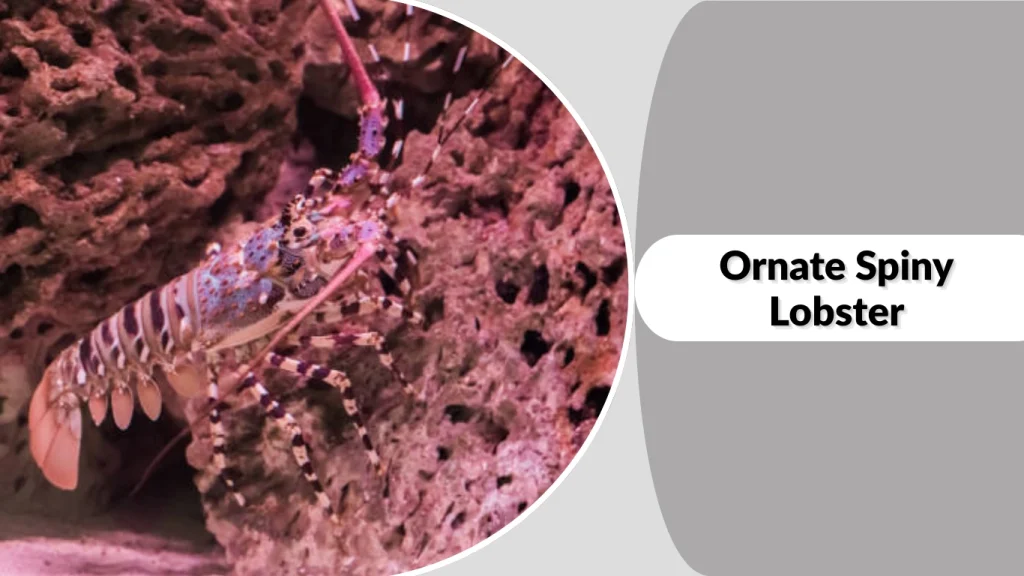
The ornate spiny lobster is one of the most colorful and visually striking lobster species in the world. It is widely found in tropical Indo-Pacific waters and is valued both for its appearance and its meat.
Identification
- No claws; very spiny body
- Bright blue-green shell with yellow and white patterns
- Long, thick antennae with strong spines
- Large, muscular tail
Habitat and Range
Ornate spiny lobsters live in coral reefs and rocky areas across the Indo-Pacific region, including the Red Sea, East Africa, and Southeast Asia. They are usually found in shallow to moderate depths.
Behavior and Diet
They are nocturnal and often rest in reef shelters during the day. Their diet includes mollusks, sea urchins, small crustaceans, and plant material.
Commercial and Culinary Importance
This species supports important fisheries in many tropical countries. Its tail meat is firm and flavorful and is commonly grilled or steamed.
15. Painted Spiny Lobster

The painted spiny lobster is known for its bold colors and strong spines. It is a common spiny lobster species in tropical oceans and is easily recognized by its patterned shell.
Identification
- No front claws
- Dark shell with white and yellow spots
- Long, spiny antennae
- Thick, powerful tail
Habitat and Range
Painted spiny lobsters are found in the Indo-Pacific region, especially around coral reefs and rocky coastal areas. They prefer warm, shallow waters.
Behavior and Diet
This species is nocturnal and shelters in reef crevices during the day. It feeds on shellfish, sea urchins, small crustaceans, and algae.
Commercial and Culinary Importance
Painted spiny lobster is harvested for food in many regions. Its meat is tasty and firm, making it suitable for grilling, boiling, and other seafood preparations.
16. Scalloped Spiny Lobster

The scalloped spiny lobster is a tropical lobster species recognized by the scalloped edges on its abdominal segments. It is commonly found in warm Indo-Pacific waters and is important to regional fisheries.
Identification
- No claws; spiny carapace
- Scalloped edges along the tail segments
- Brownish to green shell with lighter markings
- Long, spiny antennae
Habitat and Range
This species inhabits coral reefs, rocky bottoms, and lagoons throughout the Indo-Pacific region. It is usually found in shallow coastal waters but can occur at moderate depths.
Behavior and Diet
Scalloped spiny lobsters are nocturnal and hide in reef crevices during the day. They feed on mollusks, crustaceans, sea urchins, and organic debris.
Commercial and Culinary Importance
The scalloped spiny lobster is locally harvested and sold in seafood markets. Its tail meat is firm and flavorful and is commonly grilled or steamed.
17. Slipper Lobster
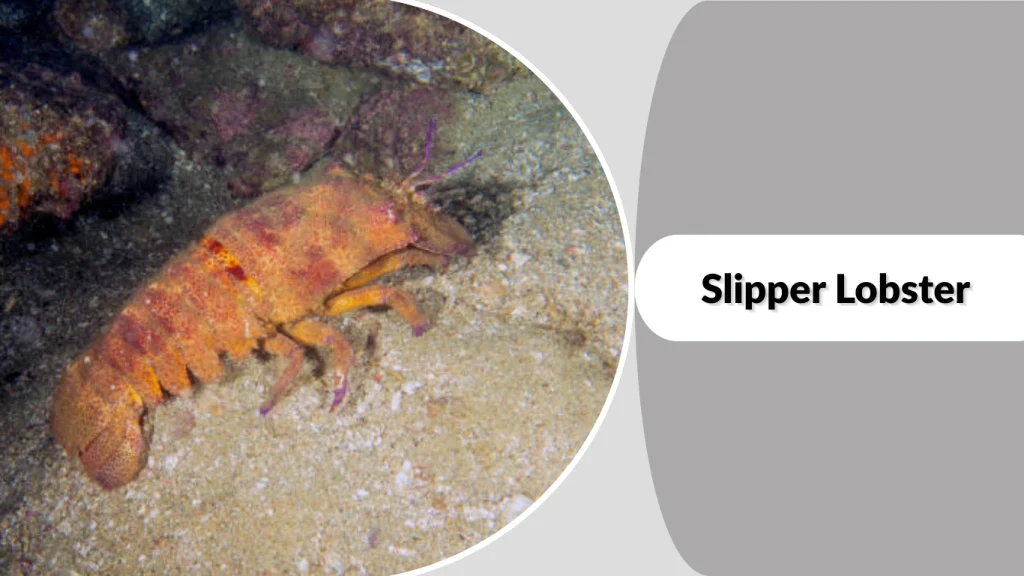
The slipper lobster is a distinct type of lobster with a flattened body and shovel-like antennae. Unlike spiny and clawed lobsters, it has a smooth appearance and spends most of its life on the ocean floor.
Identification
- Flat, broad body
- No claws and no long antennae
- Shovel-shaped antennae plates
- Smooth, sand-colored shell
Habitat and Range
Slipper lobsters are found in tropical and subtropical oceans worldwide. They live on sandy or muddy seabeds, often partially buried during the day.
Behavior and Diet
They are nocturnal and slow-moving, feeding on small invertebrates, worms, and organic matter in the sediment.
Commercial and Culinary Importance
Slipper lobsters are harvested in some regions but are less commercially valuable than spiny lobsters. Their meat is edible and usually sold as tails.