




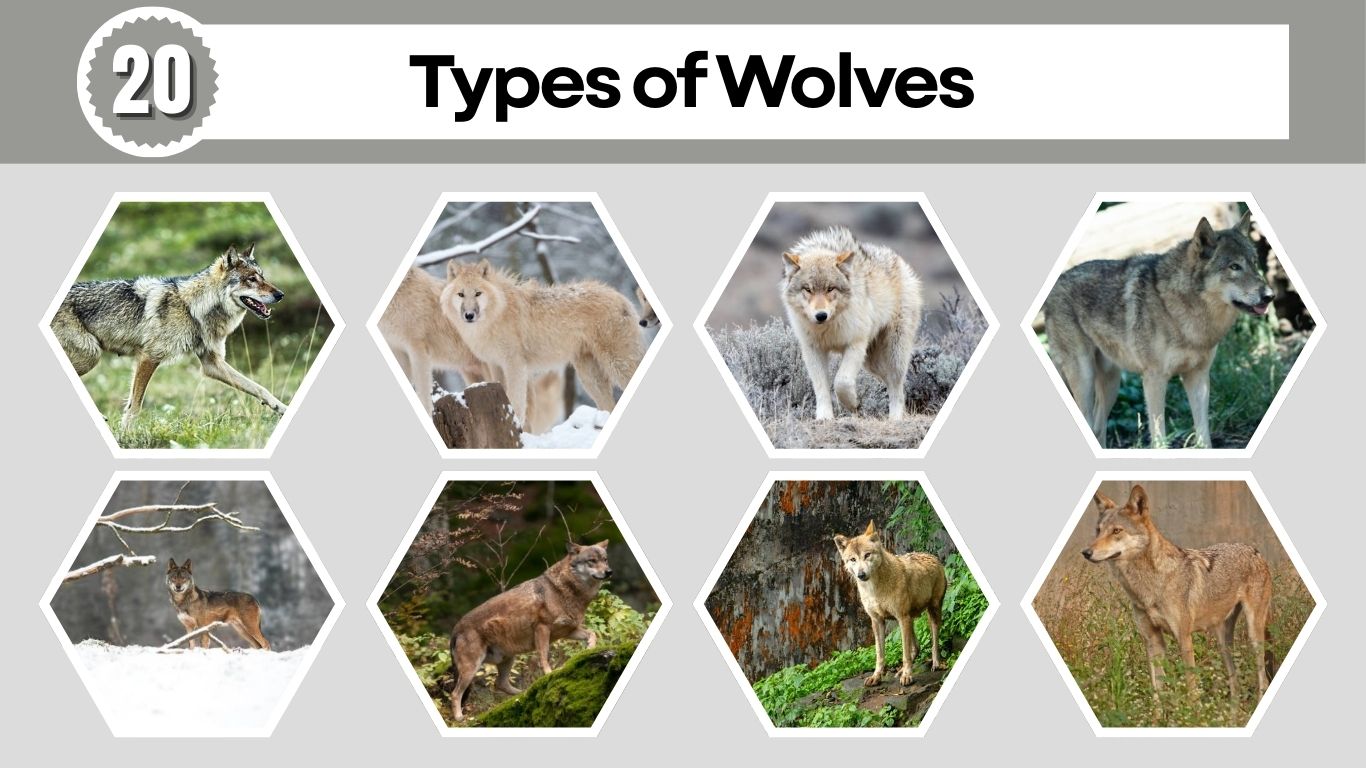
Wolves are powerful, intelligent mammals that belong to the dog family and play a crucial role as top predators in many ecosystems. They are known for their strong pack bonds, haunting howls, and remarkable adaptability to different environments. From frozen Arctic tundra to hot deserts and dense forests, wolves have evolved into many regional types with unique traits. Understanding the diversity of wolves helps highlight their ecological importance and the need for continued conservation efforts worldwide.
1. Gray Wolf
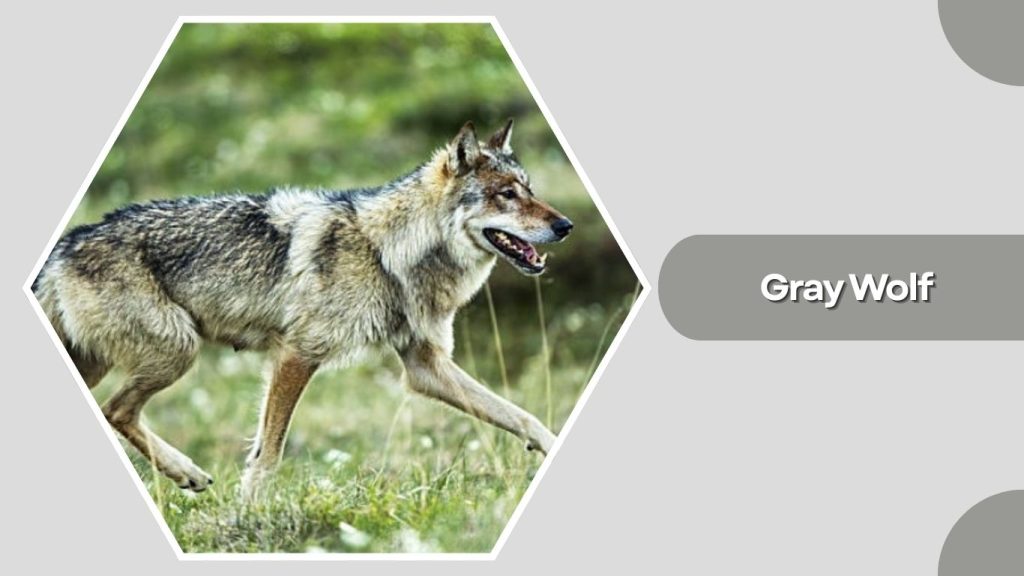
The gray wolf is the largest and most widespread member of the dog family. It is known for its intelligence, strong social structure, and important role as a top predator. Gray wolves live in packs and are found across parts of North America, Europe, and Asia, where they help maintain balanced ecosystems.
Identification
- Large canine with a long muzzle and erect, pointed ears
- Thick fur that can be gray, white, black, or brown
- Bushy tail usually carried straight or slightly downward
- Long legs and narrow chest built for endurance running
- Adults typically measure 4.5–6.5 feet in length including the tail
Habitat
Gray wolves inhabit a wide range of environments including forests, tundra, grasslands, mountains, and Arctic regions. They prefer large territories with abundant prey and limited human disturbance, though some populations survive near rural areas.
Behaviors
Gray wolves are highly social animals that live in organized packs led by a breeding pair. They communicate through howls, body language, and scent marking. Wolves cooperate in hunting, raising pups, and defending territory.
Diet and Lifespan
Gray wolves are carnivores that mainly hunt large hoofed animals such as deer, elk, moose, and caribou. They also eat smaller mammals when necessary. In the wild, gray wolves usually live about 6 to 8 years, though some may survive over 10 years.
2. Arctic Wolf
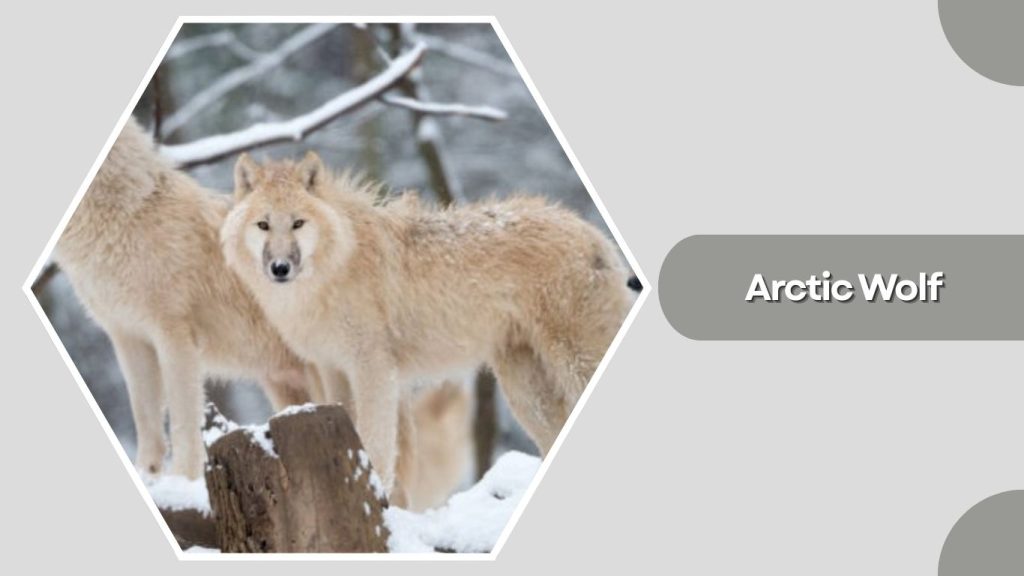
The Arctic wolf is a subspecies of the gray wolf specially adapted to survive in some of the coldest environments on Earth. It is best known for its thick white coat, which provides excellent insulation and camouflage in snowy landscapes. This wolf lives in remote Arctic regions where few other large predators can survive.
Identification
- Medium to large wolf with compact body shape
- Thick, white to creamy-white fur year-round
- Shorter ears, muzzle, and legs to reduce heat loss
- Bushy tail often curled around the body while resting
- Adults usually measure about 4–6 feet in length
Habitat
Arctic wolves inhabit the High Arctic tundra of northern Canada and Greenland. They live in frozen deserts, coastal plains, and ice-covered regions where temperatures are extremely low and vegetation is scarce.
Behaviors
Arctic wolves live in small packs or family groups. They are highly resilient and can travel long distances across ice and snow in search of prey. Because of the extreme environment, they often encounter humans less frequently than other wolves.
Diet and Lifespan
Their diet mainly consists of Arctic prey such as musk oxen, Arctic hares, lemmings, and caribou. Arctic wolves typically live around 6 to 8 years in the wild, though individuals in protected areas may live longer.
3. Timber Wolf
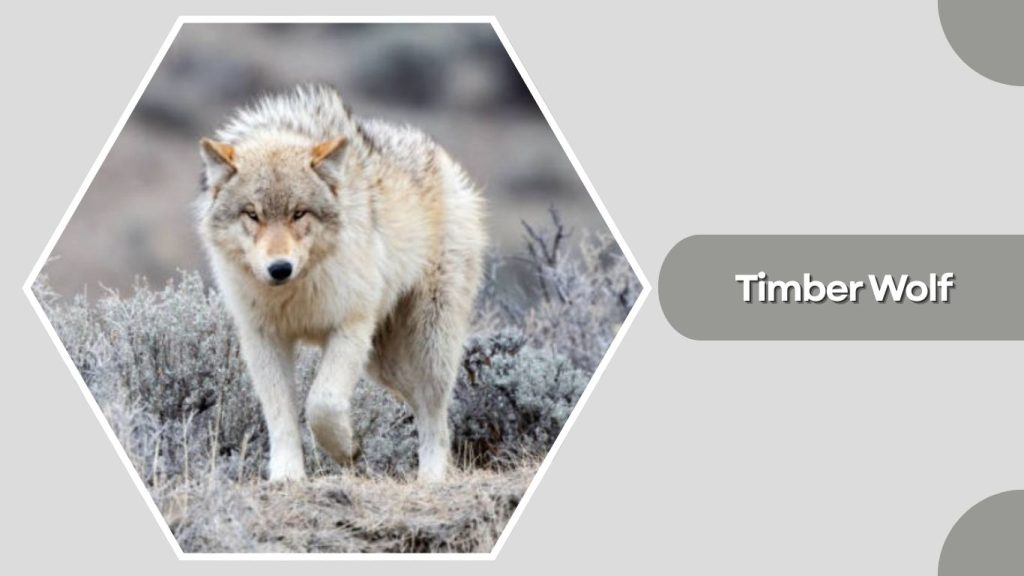
The timber wolf is a common name often used for large gray wolf populations that live in forested regions. It is especially associated with North America, where it inhabits dense woodlands and mountainous forests. Timber wolves are powerful predators and play a major role in maintaining healthy forest ecosystems.
Identification
- Large, muscular body with long legs
- Thick fur ranging from gray and brown to black or white
- Broad head with strong jaws and erect ears
- Bushy tail usually carried low
- Adults often measure 5–6.5 feet long including the tail
Habitat
Timber wolves mainly live in boreal forests, temperate forests, and mountainous woodland regions. They prefer large forested territories with access to water and plentiful prey such as deer and elk.
Behaviors
Timber wolves live in structured packs and are highly cooperative hunters. They communicate through howling, facial expressions, posture, and scent marking. Packs defend large territories from rival wolves.
Diet and Lifespan
Their diet consists mostly of large herbivores including deer, elk, moose, and caribou. They also hunt smaller mammals when needed. In the wild, timber wolves generally live between 6 and 9 years, though some may reach over 10 years.
4. Plains Wolf
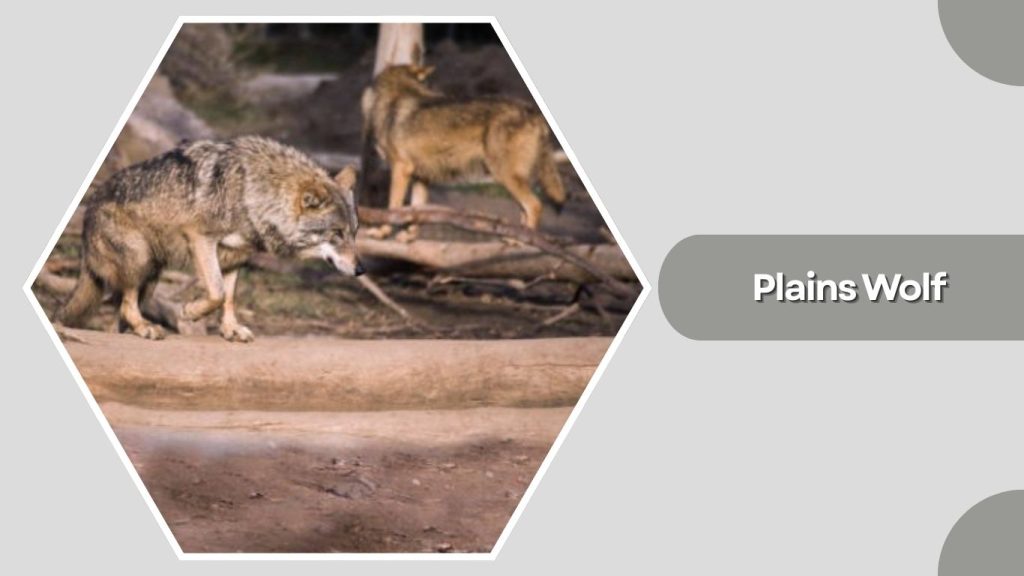
The plains wolf is a term commonly used to describe wolf populations that inhabit open grasslands and prairie regions. These wolves are adapted for long-distance travel across flat, open terrain and often hunt large grazing animals. They are typically strong runners and rely on teamwork to bring down fast-moving prey.
Identification
- Medium to large-sized wolf with a lean, athletic build
- Long legs adapted for endurance running
- Fur usually gray, tan, or light brown
- Narrow chest and long muzzle
- Adults generally measure around 4.5–6 feet including the tail
Habitat
Plains wolves live in grasslands, prairies, open steppes, and semi-arid plains. They favor wide, open territories where herds of grazing animals are common and visibility is high.
Behaviors
They live in packs and depend heavily on coordinated group hunting. Plains wolves are highly territorial and use howling and scent marking to communicate across long distances in open landscapes.
Diet and Lifespan
Their diet mainly includes bison, antelope, deer, and other grazing mammals, along with smaller animals when large prey is scarce. In the wild, plains wolves usually live about 6 to 8 years.
5. Mexican Wolf

The Mexican wolf is the smallest and rarest subspecies of the gray wolf in North America. Once widespread across the southwestern United States and Mexico, it is now mainly found in protected areas due to conservation efforts. This wolf is known for its smaller size, rich fur coloring, and strong family bonds.
Identification
- Smaller and more slender than other gray wolves
- Fur is a mix of gray, brown, black, and cream
- Narrow muzzle with alert, pointed ears
- Long legs and bushy tail
- Adults usually measure about 4–5.5 feet in length
Habitat
Mexican wolves live in mountainous forests, woodlands, and grassland edges. They prefer remote areas with cover, water sources, and sufficient prey such as deer and elk.
Behaviors
Mexican wolves live in close-knit family packs. They communicate using howls, scent marking, and body language. Pack cooperation is essential for hunting, pup care, and territory defense.
Diet and Lifespan
Their diet consists mainly of deer, elk, and small mammals. They also feed on rabbits and rodents when large prey is limited. In the wild, Mexican wolves generally live around 6 to 8 years, though protected individuals may live longer.
6. Eastern Wolf

The eastern wolf is a medium-sized wolf found mainly in eastern Canada and parts of the Great Lakes region. It shows traits of both gray wolves and coyotes and is well adapted to forested landscapes. This wolf plays an important ecological role in controlling deer populations.
Identification
- Medium-sized, slimmer build than many gray wolves
- Fur usually grayish-brown with reddish or tawny tones
- Narrower muzzle and lighter frame
- Long legs and bushy tail
- Adults typically measure about 4–5.5 feet in length
Habitat
Eastern wolves mainly inhabit mixed and boreal forests, wetlands, and forested parklands. They prefer areas with dense cover and abundant prey such as deer and beaver.
Behaviors
They live in family-based packs and are known for being more secretive and shy than western wolves. Eastern wolves communicate through howling, scent marking, and body postures to maintain pack structure.
Diet and Lifespan
Their diet mainly includes white-tailed deer, beavers, snowshoe hares, and other small to medium mammals. In the wild, eastern wolves usually live between 6 and 8 years.
7. Red Wolf

The red wolf is one of the rarest wolf species in the world and is native to the southeastern United States. It is smaller than the gray wolf and is named for the reddish tint in its fur, especially around the ears, head, and legs. Today, it survives mainly through conservation programs.
Identification
- Medium-sized, slender wolf
- Fur is brownish-gray with noticeable reddish tones
- Long legs, narrow chest, and pointed ears
- Bushy tail often darker toward the tip
- Adults usually measure about 4–5.3 feet in length
Habitat
Red wolves historically lived in forests, swamps, and coastal prairies. Modern populations are mainly found in protected forested and wetland areas.
Behaviors
Red wolves live in small family packs and are generally shy and elusive. They communicate through howls, scent marking, and body language. Strong pair bonds are common within packs.
Diet and Lifespan
Their diet includes deer, raccoons, rabbits, rodents, and other small mammals. In the wild, red wolves typically live around 6 to 8 years, though protected individuals may live longer.
8. Iberian Wolf
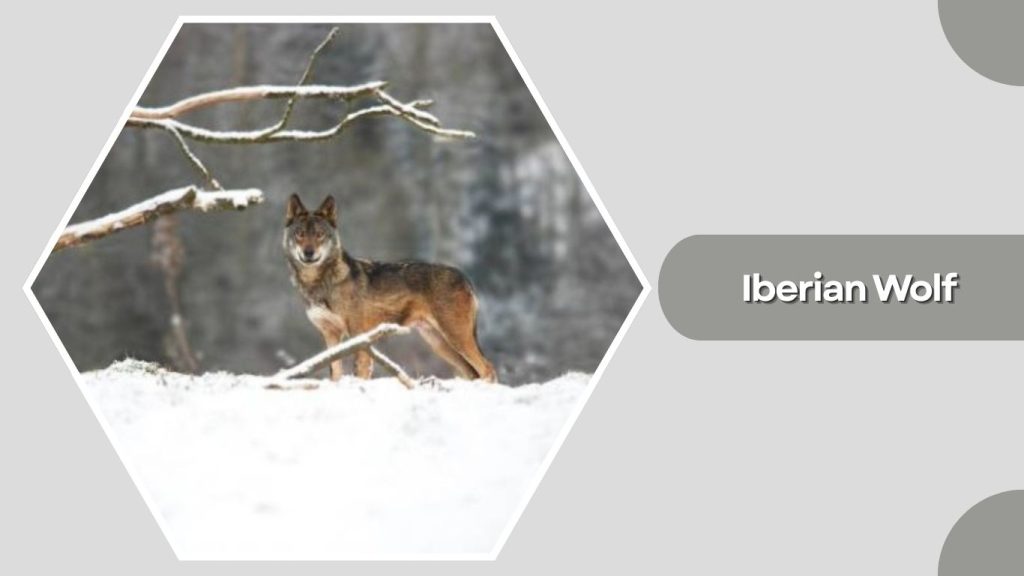
The Iberian wolf is a distinct subspecies of the gray wolf found mainly in Spain and northern Portugal. It is known for its darker markings and strong survival in human-influenced landscapes. This wolf has adapted well to mountainous and forested regions of the Iberian Peninsula.
Identification
- Medium-sized wolf with a sturdy build
- Gray-brown fur with black markings on the tail and legs
- Dark saddle pattern along the back
- Strong jaws and erect ears
- Adults usually measure around 4.5–6 feet including the tail
Habitat
Iberian wolves inhabit mountains, forests, scrublands, and rural landscapes. They often live in remote highlands but can also survive in areas with moderate human activity.
Behaviors
They live in organized packs and are territorial. Iberian wolves are known for their intelligence and adaptability, often changing hunting strategies based on prey and terrain.
Diet and Lifespan
Their diet mainly consists of wild boar, deer, rabbits, and livestock in some regions. In the wild, Iberian wolves usually live about 6 to 8 years.
9. Italian Wolf
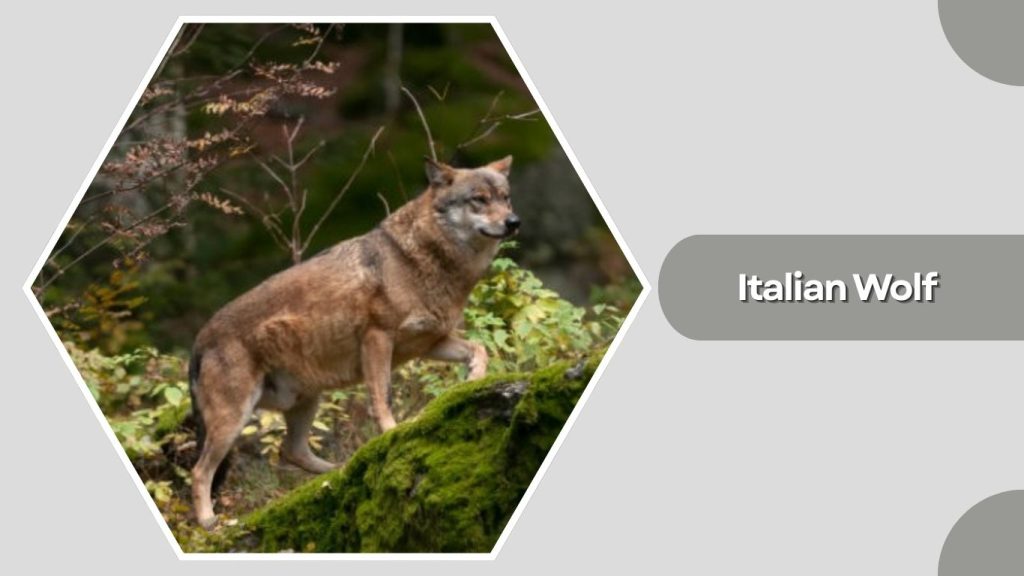
The Italian wolf, also known as the Apennine wolf, is a subspecies of the gray wolf native to the Apennine Mountains of Italy. It is smaller and more slender than many northern wolves and is well adapted to mountainous and forested environments.
Identification
- Medium-sized wolf with a slim, agile build
- Gray to tawny fur with darker markings along the back
- Long legs and narrow chest
- Dark tail tip and erect ears
- Adults usually measure about 4–5.5 feet in length
Habitat
Italian wolves inhabit mountain forests, hills, and remote woodlands. They are most common in the Apennine range but have expanded into surrounding regions.
Behaviors
They live in small packs and are highly territorial. Italian wolves are mostly nocturnal and crepuscular, avoiding human contact and relying on stealth when hunting.
Diet and Lifespan
Their diet includes deer, wild boar, hares, rodents, and occasionally livestock. In the wild, Italian wolves typically live around 6 to 9 years.
10. Himalayan Wolf

The Himalayan wolf is a distinct high-altitude wolf lineage found in the Himalayan and Tibetan Plateau regions. It is adapted to cold, oxygen-poor environments and is considered one of the most genetically unique wolf populations in the world.
Identification
- Medium-sized wolf with long, dense fur
- Gray to sandy coat, often lighter on the face and belly
- Long muzzle and thick tail
- Strong chest and sturdy legs
- Adults usually measure about 4.5–6 feet including the tail
Habitat
Himalayan wolves inhabit alpine meadows, cold deserts, and high mountain plateaus at elevations often exceeding 3,000 meters. These harsh environments are characterized by low temperatures and limited vegetation.
Behaviors
They are mainly nocturnal and live in small packs or pairs. Himalayan wolves travel long distances in search of prey and are well adapted to thin air and extreme cold.
Diet and Lifespan
Their diet includes wild yaks, blue sheep, marmots, hares, and livestock. In the wild, Himalayan wolves generally live about 6 to 8 years.
11. Indian Wolf

The Indian wolf is a distinct subspecies or ancient lineage of gray wolf found across parts of the Indian subcontinent. It is adapted to hot, dry climates and open landscapes, making it quite different in appearance and behavior from northern forest wolves.
Identification
- Slim, long-legged body built for heat tolerance
- Shorter, thinner fur than northern wolves
- Gray-brown coat with little underfur
- Narrow head and long muzzle
- Adults usually measure around 4–5.5 feet including the tail
Habitat
Indian wolves inhabit grasslands, scrublands, semi-deserts, and open plains. They often live in areas with extreme temperatures and limited tree cover.
Behaviors
They live in small packs and are highly mobile, often traveling long distances. Indian wolves are mainly nocturnal to avoid heat and are known for being shy and elusive.
Diet and Lifespan
Their diet includes antelope, hares, rodents, birds, and livestock. In the wild, Indian wolves typically live around 6 to 8 years.
12. Eurasian Wolf

The Eurasian wolf is the most widespread wolf subspecies, ranging across Europe, Russia, Central Asia, and parts of the Middle East. It shows great variation in size and color depending on region, reflecting its adaptability to many environments.
Identification
- Medium to very large wolf depending on location
- Thick fur that can be gray, brown, black, or cream
- Strong chest, long legs, and broad head
- Bushy tail with darker tip
- Adults typically measure 4.5–6.8 feet including the tail
Habitat
Eurasian wolves inhabit forests, tundra, steppes, mountains, and semi-deserts. They can survive in both remote wilderness and lightly populated rural regions.
Behaviors
They live in structured packs and defend large territories. Eurasian wolves are intelligent, adaptable, and use complex vocalizations and scent marking to communicate.
Diet and Lifespan
Their diet includes deer, wild boar, moose, saiga, small mammals, and sometimes livestock. In the wild, Eurasian wolves generally live about 6 to 8 years.
13. Arabian Wolf

The Arabian wolf is one of the smallest subspecies of the gray wolf and is specially adapted to desert life. It lives in the Arabian Peninsula and surrounding regions, where extreme heat, low rainfall, and scarce prey shape its behavior and appearance.
Identification
- Small, slender body compared to most wolves
- Short, thin fur adapted to hot climates
- Gray to sandy-brown coat
- Large ears and narrow muzzle
- Adults usually measure about 4–5 feet including the tail
Habitat
Arabian wolves inhabit deserts, rocky hills, dry steppes, and semi-arid scrublands. They often shelter in caves, rock crevices, and shallow burrows.
Behaviors
They are mostly nocturnal to avoid daytime heat. Arabian wolves are often seen alone or in small family groups rather than large packs and are highly cautious around humans.
Diet and Lifespan
Their diet includes rodents, hares, birds, insects, carrion, and sometimes livestock. In the wild, Arabian wolves typically live around 6 to 8 years.
14. Steppe Wolf
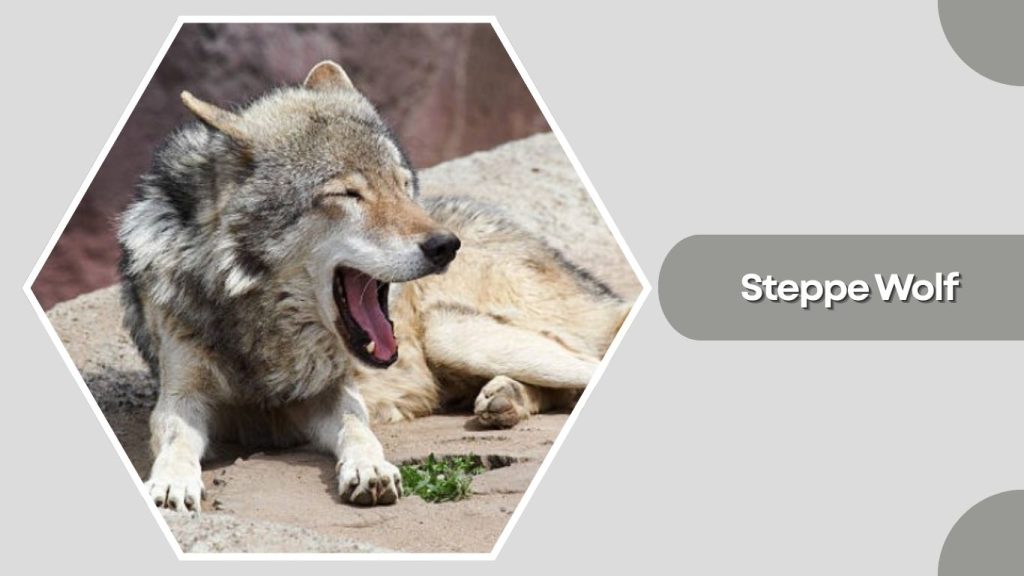
The steppe wolf refers to wolf populations adapted to the vast open steppes of Eastern Europe and Central Asia. These wolves are strong endurance runners and rely on open visibility and cooperative hunting to survive in grassland-dominated environments.
Identification
- Medium to large wolf with a lean, athletic build
- Gray, yellowish, or light brown fur
- Long legs and narrow chest
- Long muzzle and bushy tail
- Adults generally measure about 4.5–6.5 feet including the tail
Habitat
Steppe wolves live in open grasslands, semi-deserts, and rolling plains. They prefer wide territories with grazing animals and few natural barriers.
Behaviors
They live in packs and depend on teamwork to hunt fast-moving prey. Steppe wolves travel long distances and are highly territorial, using howls and scent marking to communicate.
Diet and Lifespan
Their diet includes saiga antelope, deer, wild boar, hares, rodents, and livestock. In the wild, steppe wolves usually live around 6 to 8 years.
15. Tundra Wolf
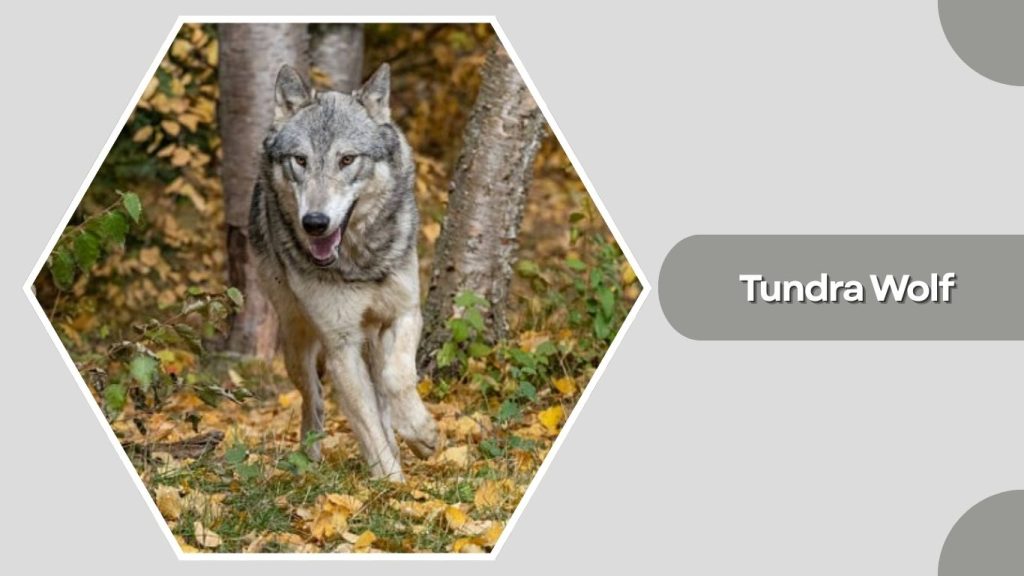
The tundra wolf is one of the largest gray wolf subspecies and is native to the Arctic tundra and northern boreal regions of Eurasia. It is built for extreme cold, long-distance travel, and hunting large prey across open, frozen landscapes.
Identification
- Very large, powerful body with thick fur
- Light gray, white, or pale-colored coat
- Broad head and strong jaws
- Long legs and very bushy tail
- Adults often measure 5–6.8 feet including the tail
Habitat
Tundra wolves inhabit Arctic tundra, coastal plains, and northern boreal forests. These regions are characterized by extreme cold, permafrost, and seasonal prey migrations.
Behaviors
They live in organized packs and often follow migrating herds over long distances. Tundra wolves are highly resilient and capable of traveling dozens of miles in harsh conditions.
Diet and Lifespan
Their diet mainly consists of reindeer, musk oxen, elk, and Arctic hares. In the wild, tundra wolves typically live about 6 to 8 years.
16. Mongolian Wolf
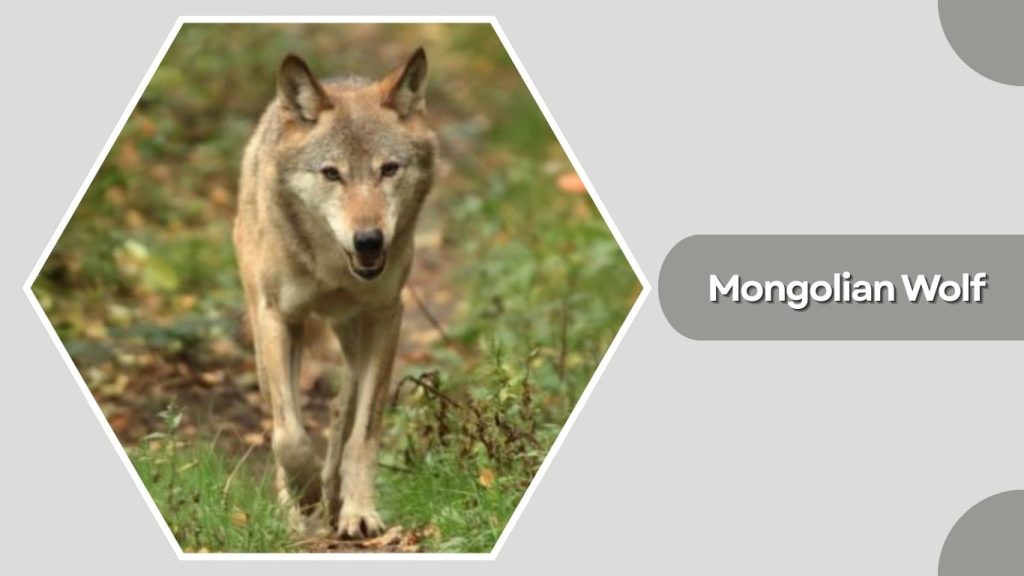
The Mongolian wolf is a hardy wolf population found across Mongolia and parts of northern China and southern Siberia. It is well adapted to cold steppes, deserts, and mountainous regions, making it one of the most resilient wolves in Asia.
Identification
- Medium to large wolf with a strong, lean build
- Thick fur that is gray, sandy, or pale brown
- Broad head with strong jaws
- Long legs suited for long-distance travel
- Adults usually measure about 4.5–6.5 feet including the tail
Habitat
Mongolian wolves inhabit open steppes, semi-deserts, grasslands, and mountain regions. They can survive in both cold winters and hot summers.
Behaviors
They live in packs or small family groups and are highly adaptable hunters. Mongolian wolves often travel long distances and adjust their hunting strategies based on prey and season.
Diet and Lifespan
Their diet includes gazelles, wild sheep, marmots, hares, rodents, and livestock. In the wild, Mongolian wolves generally live around 6 to 8 years.
17. Alaskan Interior Wolf

The Alaskan interior wolf is a large and powerful subspecies of the gray wolf found in the interior regions of Alaska. It is one of the biggest wolves in the world and is known for its strength, endurance, and important ecological role.
Identification
- Very large, muscular body
- Thick fur that can be gray, black, white, or mixed
- Broad head with strong jaws
- Long legs and large paws adapted for snow
- Adults often measure 5–6.8 feet including the tail
Habitat
These wolves inhabit boreal forests, river valleys, and tundra edges of interior Alaska. They require vast territories with abundant large prey.
Behaviors
They live in well-organized packs and are cooperative hunters. Alaskan interior wolves are capable of traveling long distances and are highly territorial.
Diet and Lifespan
Their diet mainly consists of moose, caribou, deer, and Dall sheep. In the wild, Alaskan interior wolves usually live about 6 to 9 years.
18. Mackenzie Valley Wolf
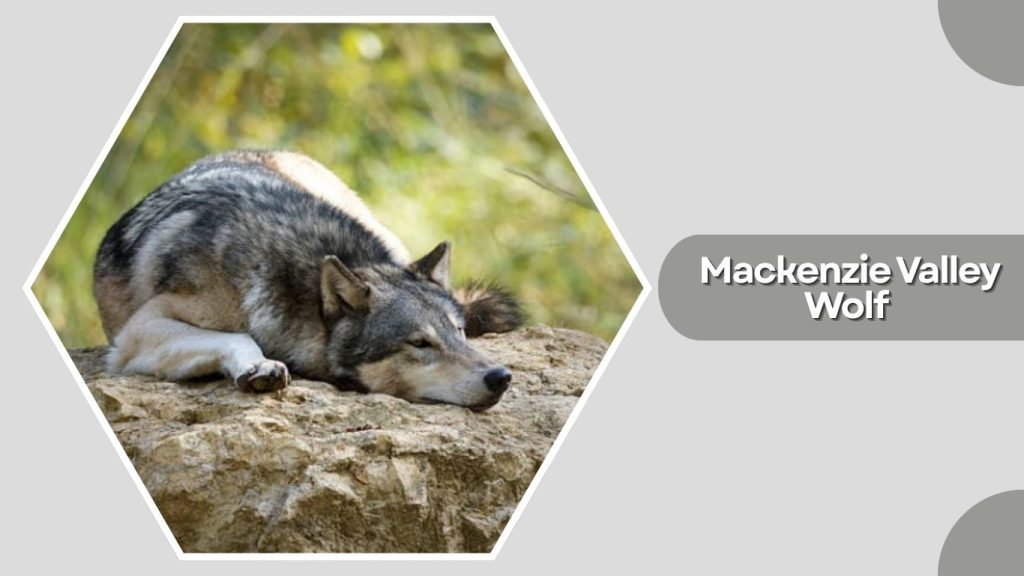
The Mackenzie Valley wolf is one of the largest known wolf subspecies and is native to northwestern Canada and parts of Alaska. It is famous for its massive size, thick coat, and ability to survive in extreme northern climates.
Identification
- Very large, heavy-bodied wolf
- Thick, long fur ranging from white to black
- Broad head and powerful jaws
- Long legs and large, wide paws
- Adults can measure up to 6.5–7 feet including the tail
Habitat
Mackenzie Valley wolves inhabit boreal forests, tundra, and subarctic regions. They favor remote wilderness areas with large prey populations.
Behaviors
They live in strong pack structures and cooperate closely when hunting large animals. These wolves are highly territorial and use howling to communicate over long distances.
Diet and Lifespan
Their diet includes bison, moose, caribou, musk oxen, and deer. In the wild, Mackenzie Valley wolves generally live around 6 to 8 years.
19. Vancouver Coastal Wolf
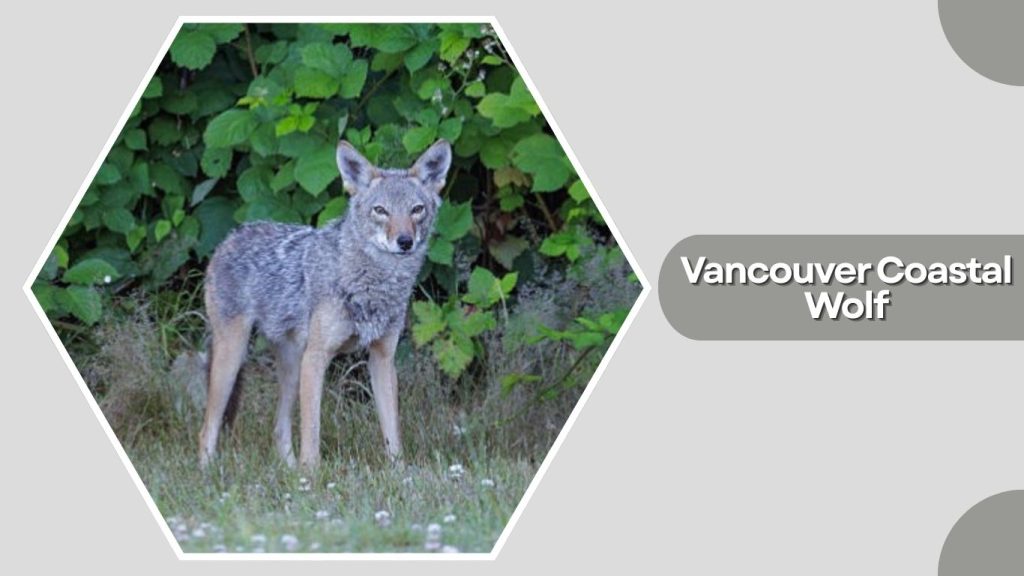
The Vancouver coastal wolf, often called the coastal gray wolf, lives along the Pacific coast of British Columbia and nearby islands, including Vancouver Island. It is unique for its coastal lifestyle and diet, which includes a significant amount of marine food.
Identification
- Medium to large wolf with a lean but strong build
- Fur color varies widely: gray, black, white, or mixed
- Long legs and narrow chest
- Thick fur adapted to wet, cool climates
- Adults usually measure about 4.5–6.5 feet including the tail
Habitat
These wolves inhabit coastal rainforests, beaches, islands, and estuaries. They are often found near shorelines where marine resources are available.
Behaviors
Vancouver coastal wolves are excellent swimmers and are known to travel between islands. They often hunt alone or in small groups and show unique behaviors such as feeding on fish and scavenging along beaches.
Diet and Lifespan
Their diet includes salmon, fish, seals, deer, small mammals, and beach carrion. In the wild, coastal wolves typically live around 6 to 8 years.
20. Greenland Wolf

The Greenland wolf is a northern form of the Arctic wolf found in Greenland’s remote and frozen landscapes. It is one of the most isolated wolf populations in the world and is extremely well adapted to life in harsh Arctic conditions.
Identification
- Medium to large wolf with compact body shape
- Thick, white to pale-gray fur
- Short ears and muzzle to conserve heat
- Bushy tail and dense undercoat
- Adults usually measure about 4.5–6 feet including the tail
Habitat
Greenland wolves inhabit Arctic tundra, coastal plains, and icy highlands. These regions experience extreme cold, long winters, and limited prey availability.
Behaviors
They live in small packs or family groups and travel great distances in search of prey. Greenland wolves are highly resilient and rarely encounter humans due to the remoteness of their habitat.
Diet and Lifespan
Their diet includes musk oxen, Arctic hares, lemmings, seals, and carrion. In the wild, Greenland wolves generally live around 6 to 8 years.
FAQs
What is the main difference between wolves and dogs?
Wolves are wild canids adapted for survival in natural ecosystems, while dogs are domesticated descendants of ancient wolves. Wolves have stronger survival instincts, more complex pack structures, and specialized hunting behaviors. They are generally larger, more cautious, and far less tolerant of humans than most dog breeds.
Where are wolves found today?
Wolves are found across parts of North America, Europe, Asia, and the Middle East. They live in a wide range of habitats, including tundra, forests, grasslands, deserts, and mountains. Their distribution depends largely on prey availability, climate, and levels of human disturbance.
What do wolves usually eat?
Wolves are carnivores and primarily hunt large hoofed animals such as deer, elk, moose, and caribou. They also eat smaller mammals, birds, and carrion. In some regions, wolves adapt their diet to include fish or livestock when wild prey is scarce.
How do wolves communicate with each other?
Wolves communicate using howls, growls, whines, body posture, facial expressions, and scent marking. Howling helps packs locate each other, defend territory, and strengthen social bonds. These complex signals allow wolves to coordinate hunting and maintain pack order.
How long do wolves live in the wild?
In the wild, most wolves live between 6 and 8 years. Some individuals may reach 10 years or more in protected environments. Lifespan depends on factors such as food availability, disease, competition, climate, and human-related threats.