



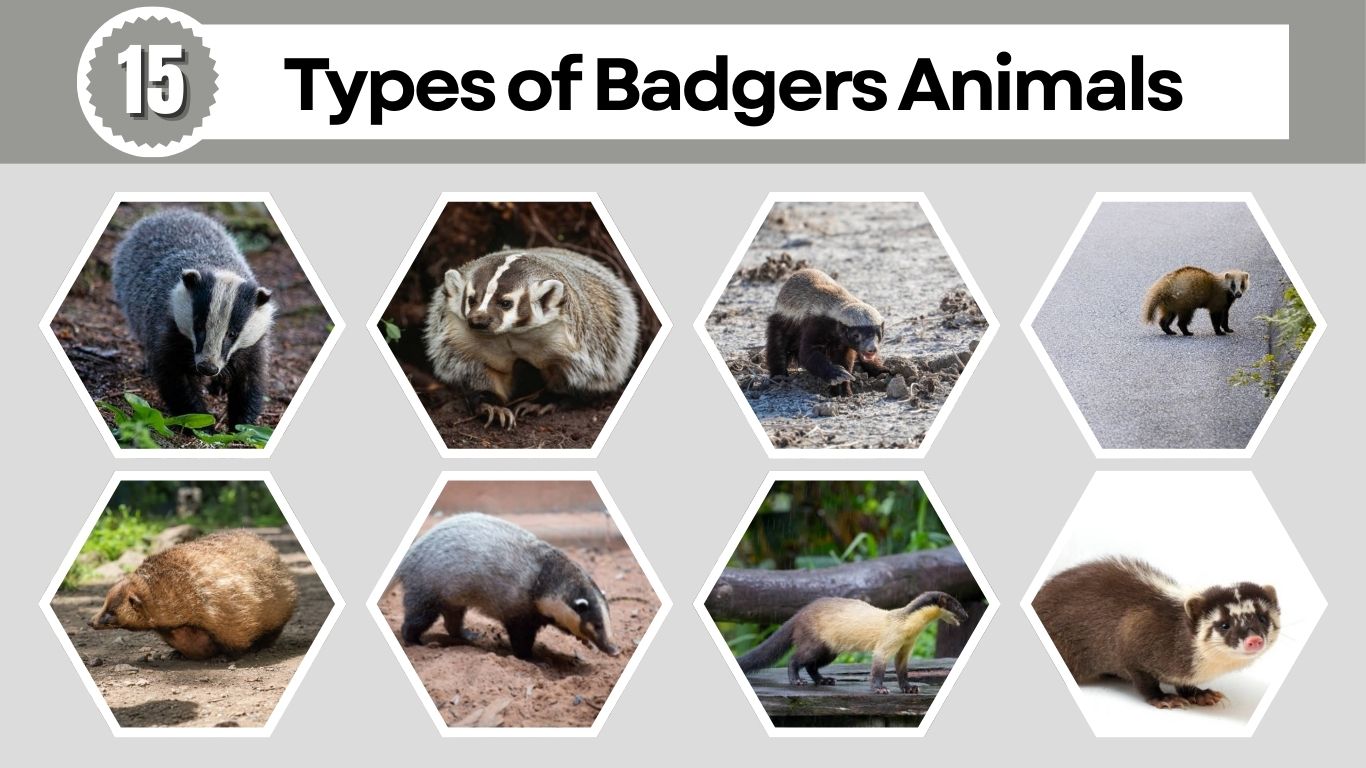
Badgers are short-legged, powerful mammals known for their digging skills, strong claws, and bold personalities. They belong to the weasel family and are found across Europe, Asia, Africa, and North America. From the familiar European badger to the fearless honey badger and the rare ferret-badgers of Southeast Asia, these animals show remarkable diversity. Badgers play an important ecological role by controlling insects and small animals while constantly reshaping the soil through their burrowing activities.
1. European Badger

The European badger is a strong, ground-dwelling mammal well known for its black-and-white striped face and powerful digging ability. It is widely distributed across Europe and parts of western Asia, where it lives in complex underground tunnel systems called setts. European badgers are social animals and often share these burrows with several family members.
Identification
- Stocky body with short, powerful legs
- Gray body fur with a black underside
- Distinct white face with bold black stripes from nose to ears
- Strong claws adapted for digging
- Adults usually measure 24–35 inches in length
Habitat
European badgers inhabit woodlands, mixed forests, hedgerows, farmland, and grasslands. They prefer areas with soft soil for digging and nearby open spaces for foraging. Their setts can be very large and used by generations of badgers.
Behaviors
They are mainly nocturnal and spend daylight hours resting underground. European badgers are social compared to many other badger species, often living in family groups. They communicate through scent marking, vocal sounds, and body language.
Diet and Lifespan
European badgers are omnivores. Their diet includes earthworms, insects, small mammals, fruits, roots, and cereals. In the wild, they typically live around 4 to 6 years, though some individuals can survive over 10 years in protected conditions.
2. American Badger

The American badger is a powerful, solitary mammal known for its exceptional digging skills and fierce defensive behavior. It is native to North America and is commonly found in open habitats such as prairies, grasslands, and deserts. This badger plays an important ecological role by controlling rodent populations.
Identification
- Short, wide body with a flattened appearance
- Grayish fur with black patches on the face
- Distinct white stripe running from nose to shoulders
- Extremely strong forelimbs with long digging claws
- Adults usually measure 20–30 inches in length
Habitat
American badgers inhabit grasslands, prairies, open plains, deserts, and agricultural fields. They prefer dry, open areas with loose soil that support abundant burrowing prey such as ground squirrels and prairie dogs.
Behaviors
They are mostly nocturnal or crepuscular and live alone except during breeding season. American badgers are aggressive when threatened and are famous for rapidly digging into the ground to escape danger or capture prey.
Diet and Lifespan
Their diet mainly consists of rodents, ground squirrels, mice, rabbits, insects, reptiles, and eggs. In the wild, American badgers usually live around 4 to 6 years, though some individuals may live longer in safe habitats.
3. Honey Badger
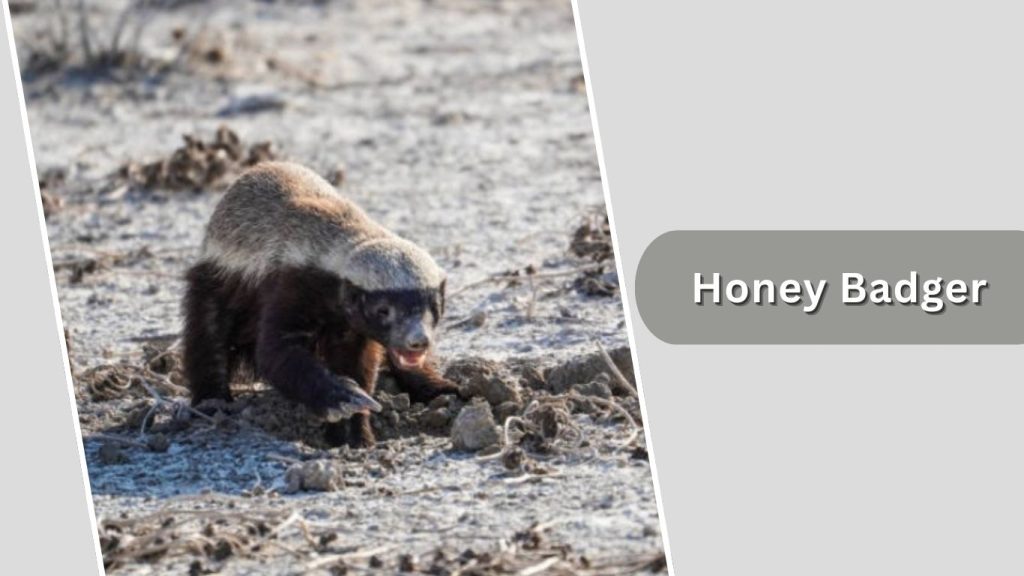
The honey badger, also known as the ratel, is one of the toughest and most fearless members of the weasel family. It is native to Africa, the Middle East, and the Indian subcontinent. Famous for its thick skin and bold behavior, the honey badger can defend itself against much larger predators.
Identification
- Low, broad body with very thick skin
- Black underside with a wide gray or white band across the back
- Short legs with extremely strong claws
- Small eyes and short ears
- Adults usually measure about 23–30 inches in length
Habitat
Honey badgers live in savannas, grasslands, forests, and semi-deserts. They are highly adaptable and can survive in both dry and moderately forested environments.
Behaviors
They are mostly solitary and active at night, though some may be seen during the day. Honey badgers are known for their boldness, intelligence, and problem-solving abilities. They can climb, dig, and even break into beehives.
Diet and Lifespan
Honey badgers are omnivores with a strong preference for meat. They eat rodents, birds, reptiles, insects, honey, fruits, and roots. In the wild, they usually live around 7 to 10 years.
4. Asian Badger
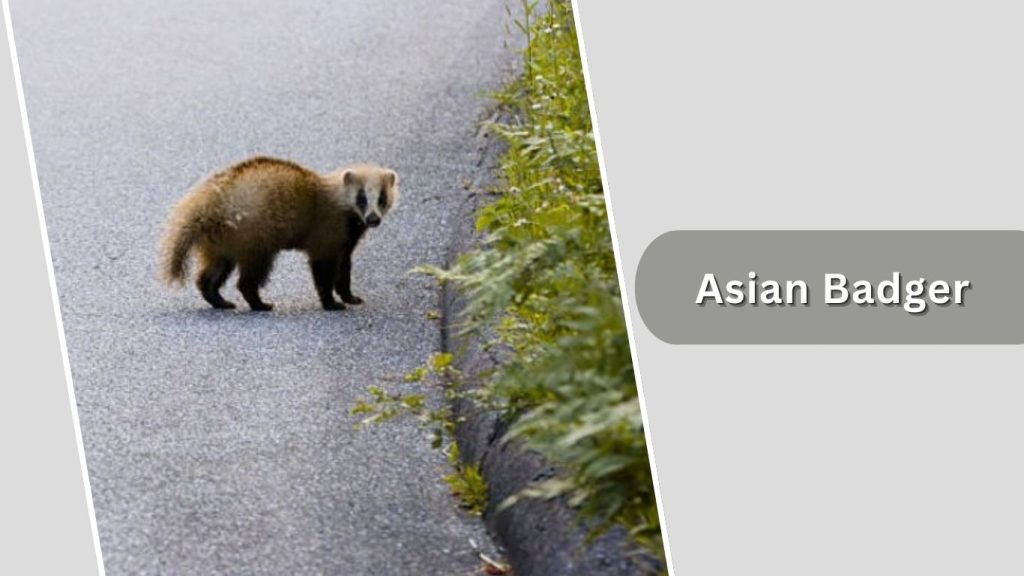
The Asian badger is a medium-sized badger species found across parts of Central and East Asia. It closely resembles the European badger but is generally lighter in color and more solitary in nature. This badger is well adapted to cold regions and spends much of its life digging and foraging at night.
Identification
- Stocky body with short, strong legs
- Grayish to yellow-brown fur
- White face with black facial stripes
- Powerful forelimbs with curved digging claws
- Adults usually measure about 22–34 inches in length
Habitat
Asian badgers inhabit forests, steppes, farmland edges, and mountainous regions. They prefer areas with soft soil for burrowing and nearby open ground for feeding.
Behaviors
They are mainly nocturnal and less social than European badgers. Asian badgers are strong diggers and often create multiple burrows within their territory.
Diet and Lifespan
Their diet includes insects, earthworms, rodents, frogs, fruits, and roots. In the wild, Asian badgers typically live around 5 to 8 years.
5. Japanese Badger
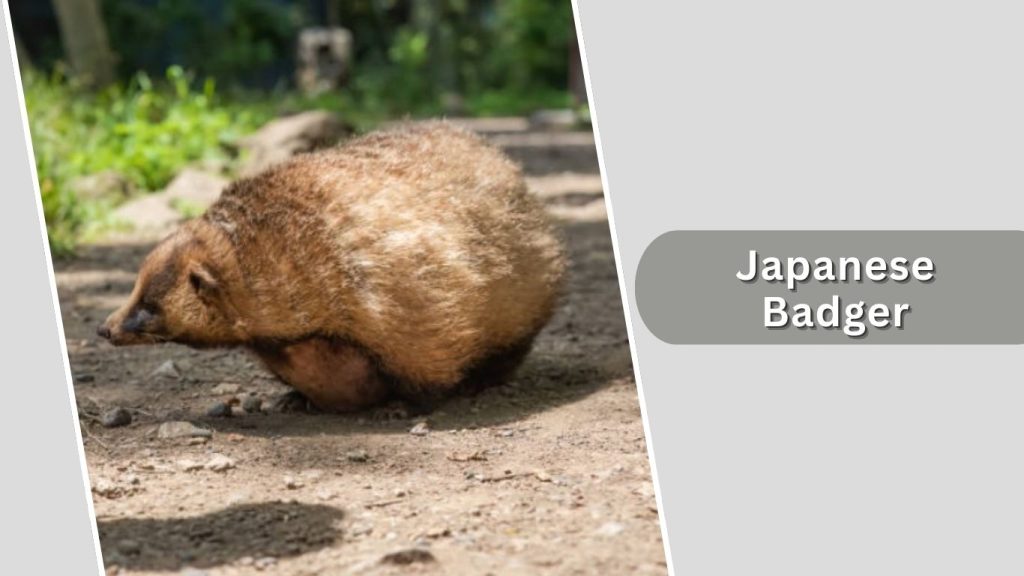
The Japanese badger is a smaller badger species endemic to Japan. It is sometimes considered a subspecies of the Asian badger but is often treated as its own species. This badger is well adapted to forested and rural landscapes and is mostly active at night.
Identification
- Smaller body compared to European and Asian badgers
- Brownish-gray fur with a lighter underside
- Face markings less bold than European badgers
- Strong forelimbs with sharp claws
- Adults usually measure about 18–26 inches in length
Habitat
Japanese badgers live in forests, woodland edges, farmland, and hilly regions. They dig burrows on slopes and in soft soil, often near forest margins.
Behaviors
They are solitary and nocturnal, spending most daylight hours underground. Japanese badgers are shy and secretive, relying on digging and dense cover to avoid threats.
Diet and Lifespan
Their diet includes earthworms, insects, small mammals, fruits, seeds, and roots. In the wild, Japanese badgers usually live around 5 to 7 years.
6. Chinese Badger
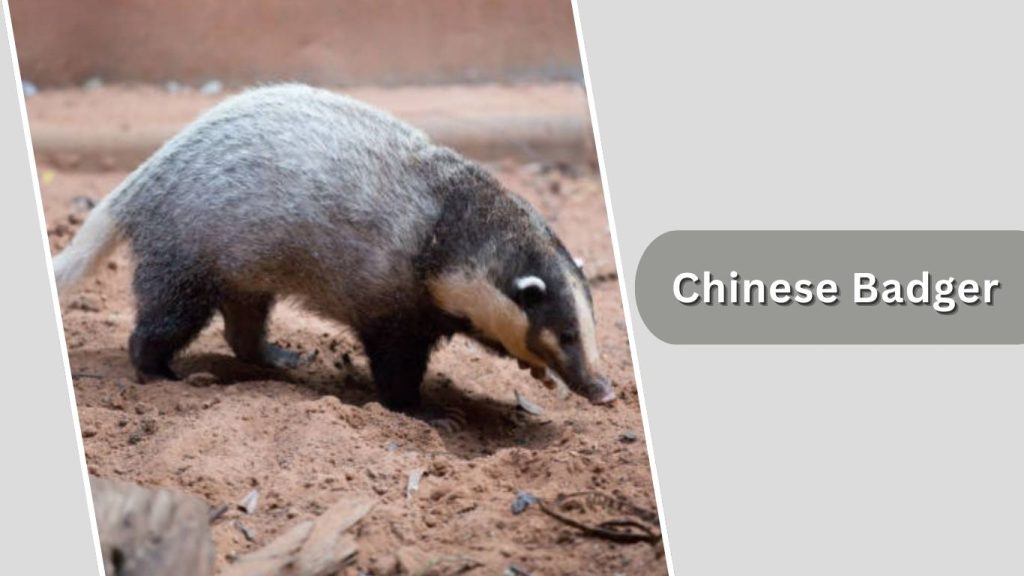
The Chinese badger is a little-known badger species native to parts of China and neighboring regions. It is similar in appearance to the Asian badger but is adapted to warmer and more varied environments. This species is mostly nocturnal and spends much of its time digging and foraging.
Identification
- Medium-sized, stocky body
- Grayish-brown fur with darker legs
- White face with distinct black stripes
- Strong shoulders and powerful digging claws
- Adults generally measure about 22–32 inches in length
Habitat
Chinese badgers inhabit forests, shrublands, grasslands, and agricultural edges. They prefer areas with soft ground for burrowing and nearby cover for safety.
Behaviors
They are solitary and mainly active at night. Chinese badgers maintain territories and often use several burrows for resting and escape.
Diet and Lifespan
Their diet consists of insects, earthworms, frogs, rodents, fruits, and roots. In the wild, Chinese badgers typically live around 5 to 8 years.
7. Hog Badger
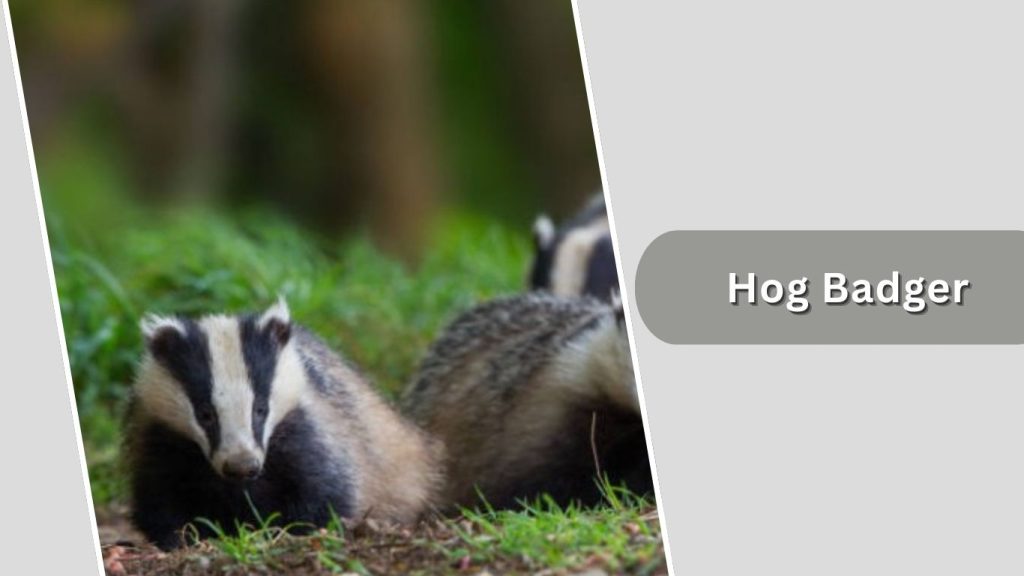
The hog badger is a Southeast Asian badger species named for its pig-like snout, which it uses to root in the soil for food. It is less stocky than the European badger and is well adapted to warm, tropical environments.
Identification
- Long, flexible snout with a broad nose
- Slimmer body compared to most other badgers
- Gray-brown fur with lighter face markings
- Strong forelimbs with curved claws
- Adults usually measure about 22–30 inches in length
Habitat
Hog badgers inhabit tropical forests, grasslands, farmland edges, and foothills. They often dig burrows in soft soil or use natural shelters.
Behaviors
They are mostly nocturnal and solitary. Hog badgers are good diggers and often forage by rooting through soil and leaf litter.
Diet and Lifespan
Their diet includes earthworms, insects, snails, frogs, small mammals, fruits, and roots. In the wild, hog badgers generally live around 5 to 8 years.
8. Greater Hog Badger
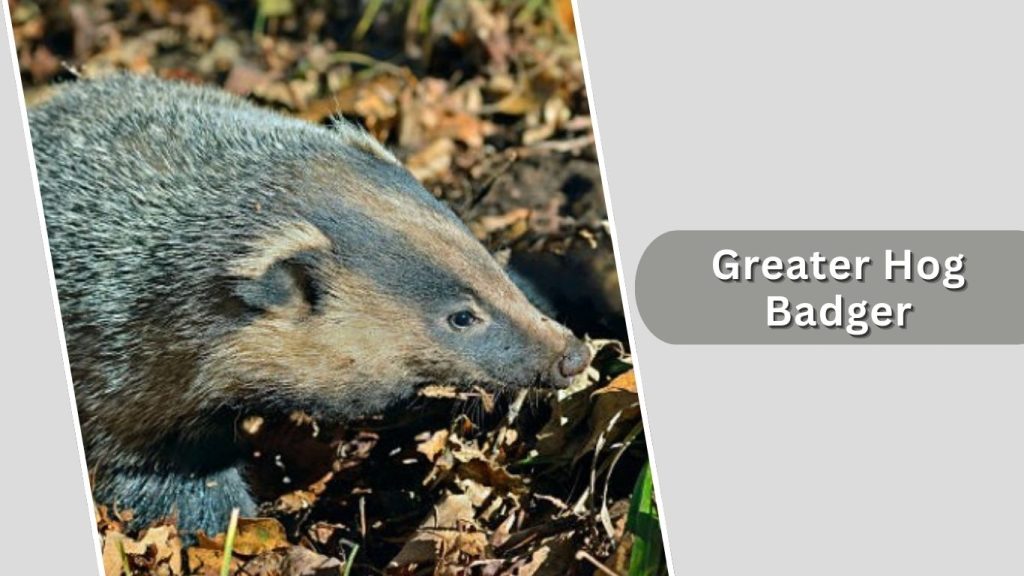
The greater hog badger is the largest member of the hog badger group and is found in parts of Southeast Asia. It is more heavily built than the common hog badger and is adapted to forested and hilly regions where it spends much of its time foraging on the ground.
Identification
- Larger, heavier body than other hog badgers
- Long, pig-like snout
- Coarse gray to brown fur
- Strong shoulders and thick claws for digging
- Adults usually measure about 26–34 inches in length
Habitat
Greater hog badgers inhabit tropical forests, foothills, and mountainous regions. They prefer moist environments with soft soil and dense ground cover.
Behaviors
They are mostly nocturnal and solitary. Greater hog badgers are slow-moving but persistent foragers and rely heavily on smell to locate food underground.
Diet and Lifespan
Their diet includes earthworms, insects, small mammals, amphibians, fruits, and roots. In the wild, they typically live around 5 to 8 years.
9. Sunda Badger
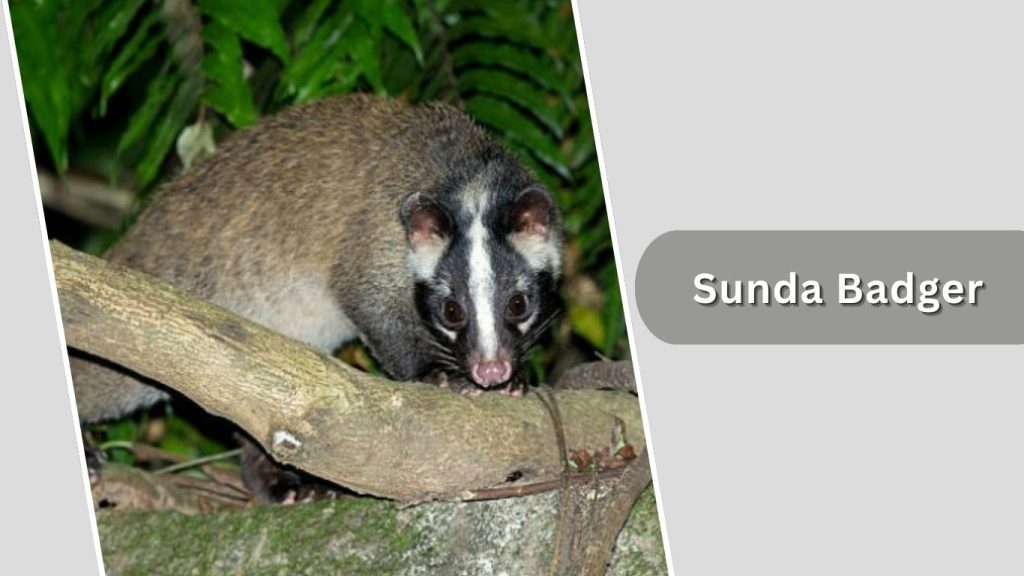
The Sunda badger is a small badger species native to Southeast Asia, particularly in Indonesia and surrounding regions. It is more slender than European badgers and is well adapted to forest life, where it forages quietly along the forest floor.
Identification
- Small to medium-sized, slim body
- Dark brown to blackish fur
- Short legs with sharp digging claws
- Subtle facial markings
- Adults usually measure about 16–24 inches in length
Habitat
Sunda badgers inhabit tropical rainforests, secondary forests, and forest edges. They often shelter in burrows, hollow logs, and dense vegetation.
Behaviors
They are nocturnal and very secretive. Sunda badgers spend much of their time alone, moving quietly while searching for food.
Diet and Lifespan
Their diet consists mainly of insects, earthworms, snails, small vertebrates, and fruits. In the wild, Sunda badgers usually live around 4 to 7 years.
10. Javan Ferret-badger
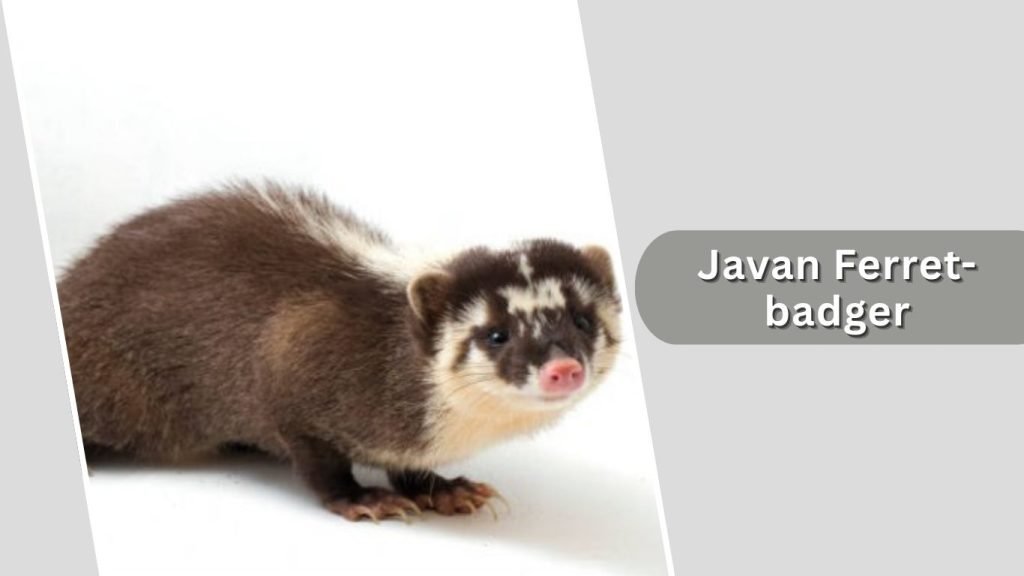
The Javan ferret-badger is a small, slender member of the badger family found mainly on the Indonesian island of Java. It looks more like a ferret than a typical badger and is well adapted to forested and mountainous environments.
Identification
- Small, elongated body with short legs
- Dark brown to black fur with lighter face markings
- Narrow head with a pointed snout
- Long tail compared to true badgers
- Adults usually measure about 12–18 inches in body length
Habitat
Javan ferret-badgers live in tropical forests, plantations, and hilly regions. They often shelter in burrows, hollow logs, or dense undergrowth.
Behaviors
They are mostly nocturnal and solitary. Javan ferret-badgers are agile climbers and are more active and flexible than heavier badger species.
Diet and Lifespan
Their diet includes insects, worms, small mammals, birds, eggs, fruits, and roots. In the wild, they generally live around 5 to 7 years.
11. Burmese Ferret-badger
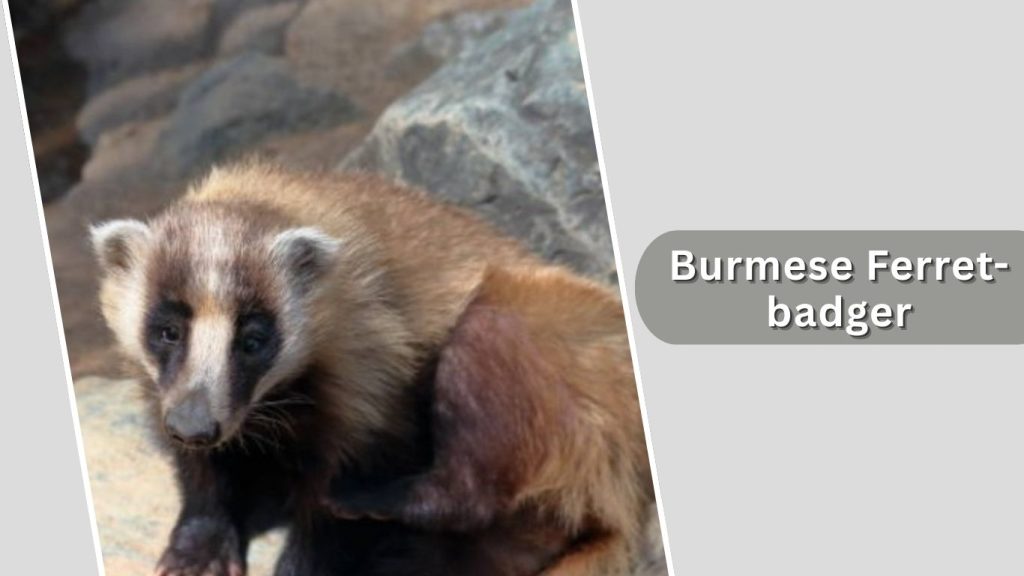
The Burmese ferret-badger is a small, secretive badger species native to Myanmar and nearby parts of Southeast Asia. It has a slender, elongated body and behaves more like a ferret than a typical heavy badger. This species is rarely seen in the wild.
Identification
- Small, slim body with short legs
- Dark brown to black fur with pale facial markings
- Narrow head and pointed snout
- Long tail compared to true badgers
- Adults usually measure about 12–20 inches in body length
Habitat
Burmese ferret-badgers inhabit tropical and subtropical forests, hill forests, and forest edges. They prefer dense vegetation and moist environments.
Behaviors
They are nocturnal and solitary. Burmese ferret-badgers are agile climbers and spend much of their time foraging quietly along the forest floor.
Diet and Lifespan
Their diet includes insects, earthworms, frogs, small mammals, birds, eggs, and fruits. In the wild, they are believed to live around 5 to 7 years.
12. Chinese Ferret-badger
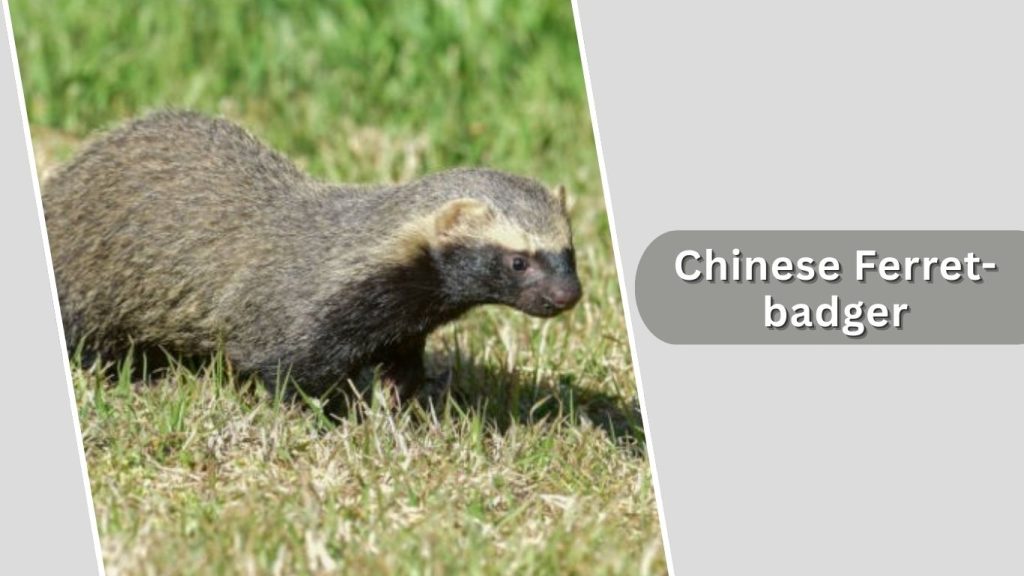
The Chinese ferret-badger is a small, slender badger species found mainly in southern China and nearby regions. It resembles a ferret more than a typical badger and is well adapted to forested and hilly environments where it forages quietly at night.
Identification
- Small, elongated body with short legs
- Dark brown to black fur with pale face markings
- Narrow head and pointed snout
- Long tail compared to true badgers
- Adults usually measure about 12–20 inches in body length
Habitat
Chinese ferret-badgers inhabit subtropical forests, shrublands, plantations, and forest edges. They often shelter in burrows, hollow logs, and rock crevices.
Behaviors
They are nocturnal and solitary. Chinese ferret-badgers are agile climbers and move quickly through undergrowth while searching for food.
Diet and Lifespan
Their diet includes insects, earthworms, frogs, small mammals, birds, eggs, and fruits. In the wild, they typically live around 5 to 7 years.
13. Bornean Ferret-badger
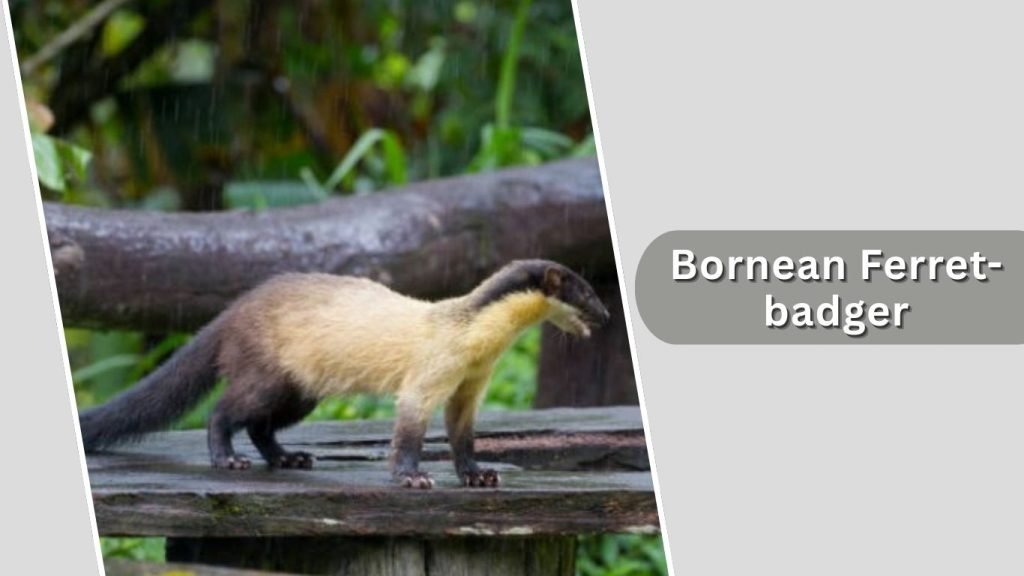
The Bornean ferret-badger is a rare and little-known badger species native to the island of Borneo. It is one of the smallest members of the badger family and is adapted to humid tropical forests, where it lives a very secretive lifestyle.
Identification
- Very small, slender body
- Dark brown to black fur
- Pale markings on the face and throat
- Narrow head with a pointed snout
- Adults usually measure about 12–16 inches in body length
Habitat
Bornean ferret-badgers inhabit lowland and montane rainforests. They prefer dense vegetation and moist environments with abundant cover.
Behaviors
They are nocturnal and extremely elusive. Very little is known about their behavior, but they are believed to be solitary and ground-dwelling, occasionally climbing.
Diet and Lifespan
Their diet likely includes insects, earthworms, small vertebrates, and fruits. Due to limited studies, their exact lifespan is unknown, but it is estimated to be similar to other ferret-badgers, around 5 to 7 years.
14. Sumatran Ferret-badger
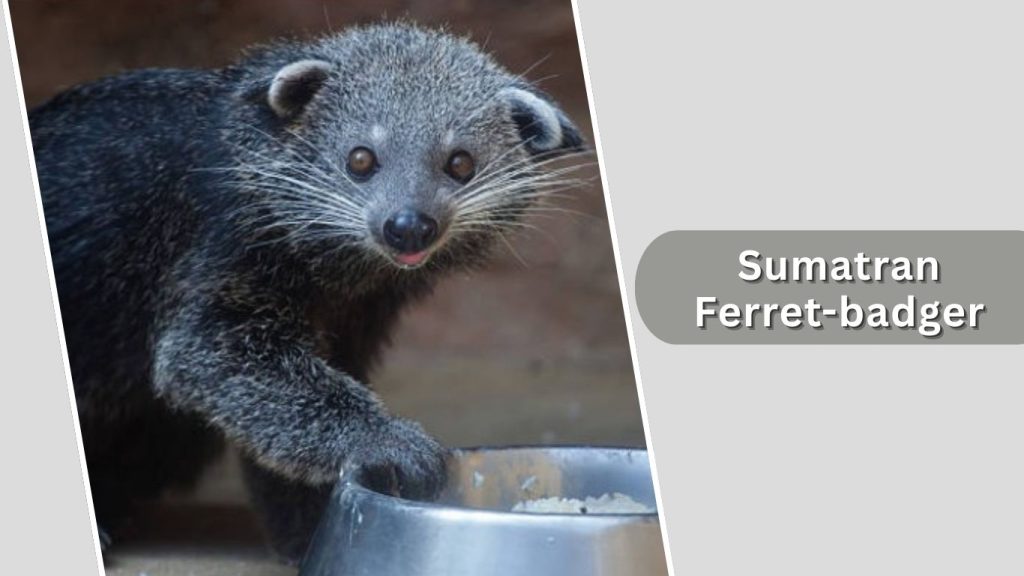
The Sumatran ferret-badger is a rare badger species native to the Indonesian island of Sumatra. It is small, slender, and secretive, spending most of its life hidden in dense tropical forests. Because it is rarely seen, much of its behavior is still not well documented.
Identification
- Small, elongated body with short legs
- Dark brown to black fur
- Pale markings on the face and throat
- Narrow head with pointed snout
- Adults usually measure about 12–18 inches in body length
Habitat
Sumatran ferret-badgers inhabit tropical rainforests and forested hills. They prefer moist environments with thick undergrowth and plenty of natural shelter.
Behaviors
They are nocturnal and solitary. Sumatran ferret-badgers move quietly through forest floors while foraging and may use burrows, hollow logs, or rock crevices for resting.
Diet and Lifespan
Their diet likely includes insects, worms, small mammals, amphibians, and fruits. Their exact lifespan is unknown, but it is thought to be around 5 to 7 years, similar to related species.
15. Palawan Badger

The Palawan badger is a small, island-dwelling badger species native to Palawan in the Philippines. It is sometimes grouped with ferret-badgers and is adapted to forest and woodland habitats where it forages mainly at night.
Identification
- Small, slender body with short legs
- Dark brown to black fur
- Light facial markings
- Pointed snout and relatively long tail
- Adults usually measure about 14–20 inches in body length
Habitat
Palawan badgers inhabit tropical forests, secondary growth, and forest edges. They rely on dense vegetation and soft soil for shelter and feeding.
Behaviors
They are nocturnal and solitary. Palawan badgers are shy, ground-dwelling animals that avoid human activity and spend much of the day hidden.
Diet and Lifespan
Their diet includes insects, worms, small vertebrates, eggs, and fruits. In the wild, their lifespan is not well documented but is believed to be around 5 to 7 years.
FAQs
What are badgers best known for?
Badgers are best known for their strong digging abilities, stocky bodies, and powerful claws. Most species create complex burrow systems where they sleep, raise young, and escape predators. They are also recognized for their bold behavior and ability to defend themselves when threatened.
Where do badgers live?
Badgers are found across Europe, Asia, Africa, and North America. They inhabit a wide range of environments, including forests, grasslands, mountains, deserts, and tropical rainforests. Different species have adapted to local climates and food availability.
What do badgers eat?
Badgers are generally omnivores. Their diet includes insects, earthworms, rodents, reptiles, birds, eggs, roots, fruits, and small mammals. Some species, like the honey badger, eat more meat, while others rely heavily on invertebrates.
Are badgers social animals?
Social behavior varies by species. European badgers often live in family groups, while American and honey badgers are mostly solitary. Ferret-badgers and hog badgers are also usually solitary and active mainly at night.
How long do badgers live?
In the wild, most badgers live between 4 and 8 years. Some individuals may live longer in protected environments. Lifespan depends on species, habitat quality, food availability, and threats such as predators and human activity.