

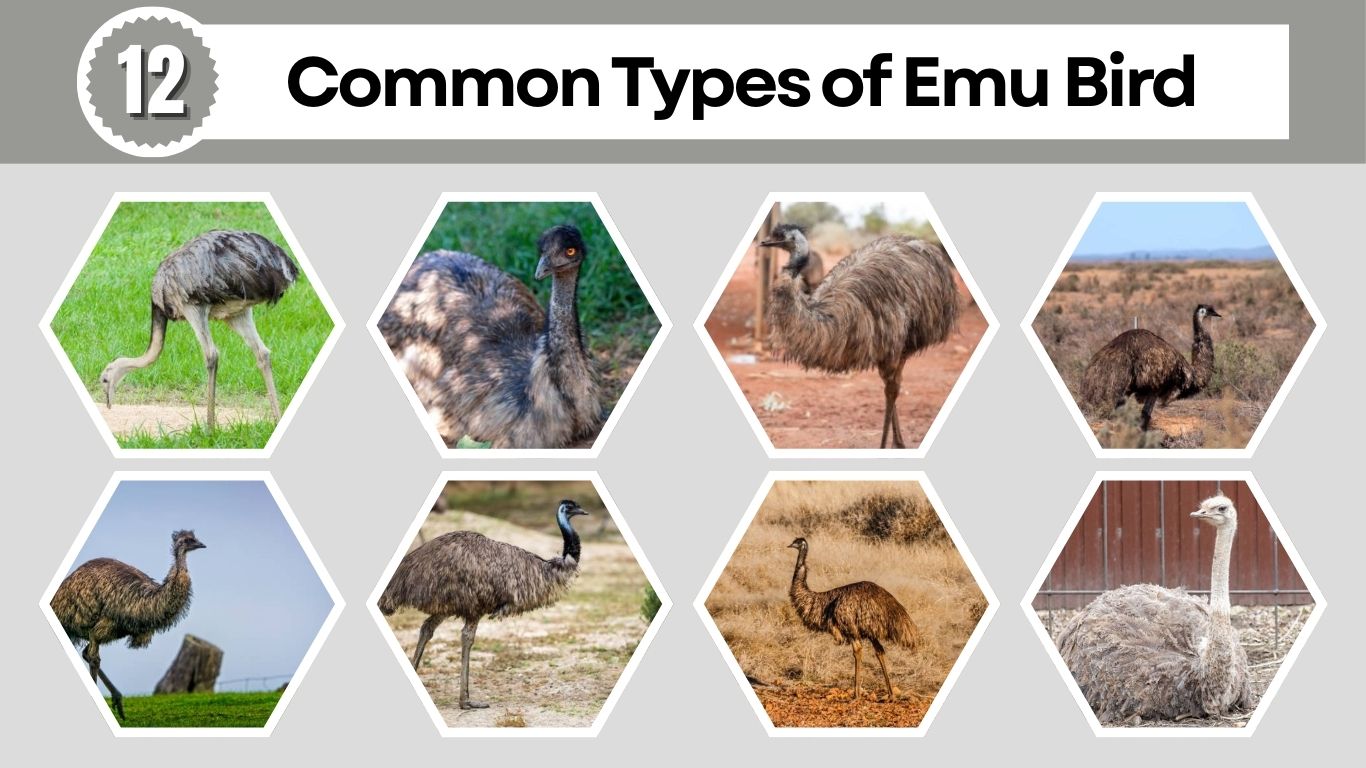
Emus are large, flightless birds native to Australia and are the second-largest birds in the world after ostriches. They are well known for their long legs, soft shaggy feathers, strong running ability, and wide-ranging, nomadic lifestyle. Although many people think there is only one kind of emu, several regional forms and extinct island types have been identified. This guide explores 12 common types of emu birds, highlighting the diversity of these remarkable birds across different Australian landscapes.
1. Common Emu (Dromaius novaehollandiae)

The common emu is the second-largest living bird in the world after the ostrich. Native to Australia, it is a powerful, flightless bird known for its long legs, soft brown feathers, and impressive ability to travel long distances across open landscapes.
Identification
- Tall, flightless bird reaching up to 6.5 feet (2 m)
- Long neck and small head
- Soft, shaggy brown to gray feathers
- Strong legs with three toes
- Small, hidden wings
- Large dark eyes
Habitat
Common emus live across most of Australia, including open grasslands, savannas, woodlands, semi-deserts, and coastal plains. They avoid dense forests and extreme deserts, preferring wide open areas where they can roam freely in search of food.
Diet
Emus are omnivorous. They eat grasses, seeds, fruits, flowers, leaves, and a wide variety of insects. Occasionally, they consume small vertebrates. Emus swallow small stones to help grind food in their gizzard.
Behaviors and Lifecycle
Emus are mostly nomadic and travel in loose groups. During breeding season, females lay dark green eggs, and males incubate them for about 56 days. After hatching, the male cares for the chicks, teaching them to forage and protecting them for several months.
2. Eastern Emu (Dromaius novaehollandiae novaehollandiae)

The eastern emu is the most widespread form of emu, found across eastern Australia. It is well adapted to grasslands and open woodlands and is known for its long-distance movements in search of seasonal food and water.
Identification
- Tall, flightless bird with shaggy brown feathers
- Long bluish-gray neck and small head
- Strong legs with three toes
- Males and females look similar
- Short, hidden wings
- Large dark eyes
Habitat
Eastern emus inhabit open forests, grasslands, savannas, farmland edges, and semi-arid plains. They avoid dense rainforests and very dry deserts, preferring mixed open environments.
Diet
They eat grasses, seeds, fruits, leaves, flowers, and insects such as beetles and caterpillars. Small stones are swallowed to aid digestion.
Behaviors and Lifecycle
Eastern emus often travel in small groups and migrate seasonally. Females lay several dark green eggs, and the male incubates them for nearly eight weeks. After hatching, the male raises the chicks alone.
3. Western Emu (Dromaius novaehollandiae woodwardi)

The western emu refers to emu populations found across western Australia. These birds are adapted to drier climates and are excellent walkers, capable of traveling long distances between feeding areas.
Identification
- Slightly paler brown feathers
- Long legs built for endurance
- Narrow head and long neck
- Small vestigial wings
- Thick body with soft plumage
- Three-toed feet
Habitat
Western emus live in open shrublands, grasslands, semi-deserts, and coastal plains. They favor wide, open regions with scattered vegetation.
Diet
Their diet includes grasses, seeds, fruits, flowers, leaves, and insects. During dry periods, they rely heavily on hardy plants and moisture-rich foods.
Behaviors and Lifecycle
Western emus are nomadic and form loose groups. Breeding occurs in cooler months. Males incubate the eggs for about 56 days and care for the striped chicks after hatching.
4. Kangaroo Island Emu (Dromaius novaehollandiae baudinianus) — Extinct

The Kangaroo Island emu was a dwarf form of the common emu that once lived only on Kangaroo Island, off the coast of South Australia. It was significantly smaller than today’s emus and became extinct in the early 1800s after human settlement and hunting.
Identification
- Much smaller than the modern emu
- Shorter legs and neck
- Dark brown, coarse feathers
- Compact, stocky body
- Small head and short beak
- Reduced overall height and weight
Habitat
Kangaroo Island emus lived in coastal scrublands, open woodlands, and grasslands. They relied on island vegetation, shrubs, and seasonal plants. Their isolated habitat made them especially vulnerable to human activity.
Diet
They fed on native grasses, leaves, seeds, fruits, and insects. Like other emus, they swallowed small stones to grind food in their gizzard.
Behaviors and Lifecycle
Very little was recorded about their behavior, but they were likely nomadic and solitary or lived in small groups. Breeding probably followed the same pattern as modern emus, with males incubating the eggs and caring for chicks.
5. King Island Emu (Dromaius novaehollandiae minor) — Extinct

The King Island emu was the smallest known emu type and lived on King Island between mainland Australia and Tasmania. It went extinct by around 1805, making it one of the earliest bird extinctions caused by European colonization.
Identification
- Shortest and lightest emu type
- Very compact body structure
- Dark brown plumage
- Short legs compared to mainland emus
- Small head and short neck
- Thick, shaggy feathers
Habitat
King Island emus inhabited grasslands, coastal scrub, and low open forests. The limited size of the island restricted their range and food supply, contributing to their vulnerability.
Diet
Their diet likely included grasses, seeds, leaves, berries, and insects. They depended heavily on seasonal plant growth.
Behaviors and Lifecycle
They were probably shy, ground-dwelling birds. Breeding behavior was likely similar to other emus, with males incubating eggs and raising the young alone.
6. Tasmanian Emu (Dromaius novaehollandiae diemenensis) — Extinct

The Tasmanian emu once lived across the island of Tasmania and was slightly smaller and darker than mainland emus. It became extinct in the mid-1800s due to hunting and habitat loss after European settlement.
Identification
- Smaller and more compact than mainland emus
- Darker brown to almost black feathers
- Shorter legs and neck
- Thick, shaggy plumage
- Small head with a narrow beak
- Strong three-toed feet
Habitat
Tasmanian emus lived in open forests, coastal scrub, grasslands, and lightly wooded areas. They preferred mixed habitats where they could find both plant food and insects.
Diet
Their diet likely consisted of grasses, seeds, fruits, leaves, flowers, and insects. Seasonal plants and berries probably played an important role.
Behaviors and Lifecycle
They were probably nomadic and traveled in small groups. Like modern emus, males likely incubated the eggs and cared for the chicks after hatching.
7. Northern Emu (Dromaius novaehollandiae woodwardi)

The northern emu is a regional form found in northern Australia. It is well adapted to tropical savannas and hot climates, showing strong endurance and heat tolerance.
Identification
- Slightly lighter plumage
- Long legs built for long-distance walking
- Shaggy brown feathers
- Long neck and upright posture
- Small hidden wings
- Three strong toes
Habitat
Northern emus inhabit tropical savannas, open woodlands, floodplains, and semi-arid regions of northern Australia. They often move seasonally following rainfall and plant growth.
Diet
They eat grasses, seeds, fruits, flowers, leaves, and insects. During wet seasons, insects and fresh shoots become important food sources.
Behaviors and Lifecycle
Northern emus are nomadic and may travel hundreds of kilometers. Breeding usually occurs during cooler months. Females lay large green eggs, and males incubate them for about 56 days and care for the chicks afterward.
8. Southern Emu (Dromaius novaehollandiae novaehollandiae)

The southern emu refers to emu populations found mainly in southern Australia. These birds are strong, adaptable, and commonly seen in open country, farmland edges, and grasslands.
Identification
- Tall, heavy-bodied bird
- Shaggy brown to gray feathers
- Long neck with bluish skin
- Powerful legs built for speed and endurance
- Small hidden wings
- Three-toed feet
Habitat
Southern emus inhabit open grasslands, savannas, open woodlands, and semi-arid plains. They often move between inland and coastal areas depending on food availability.
Diet
Their diet includes grasses, seeds, fruits, leaves, flowers, and insects. They also eat beetles, caterpillars, and other invertebrates.
Behaviors and Lifecycle
Southern emus are nomadic and usually live in small groups. Breeding takes place in cooler months. Males incubate the eggs and raise the chicks alone for several months.
9. Coastal Emu (Dromaius novaehollandiae)
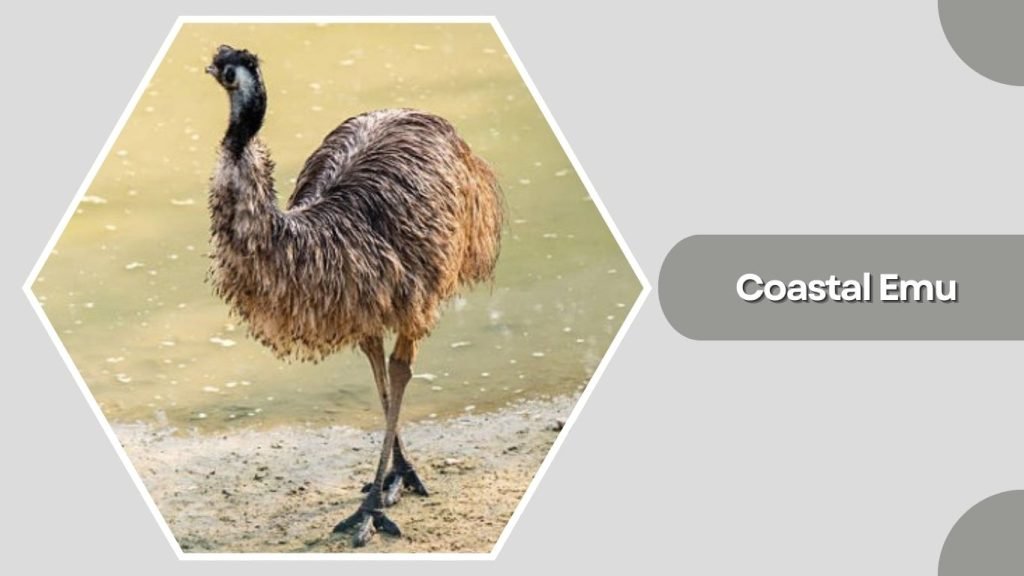
The coastal emu refers to emu populations adapted to coastal plains and lowland environments. These emus often live near dunes, grasslands, and coastal shrublands.
Identification
- Medium to large body size
- Soft, shaggy brown feathers
- Slightly darker plumage in coastal forms
- Long legs and upright posture
- Large dark eyes
- Short hidden wings
Habitat
Coastal emus inhabit coastal grasslands, scrublands, sand plains, and open low forests. They often roam near beaches and estuaries where plant food is abundant.
Diet
They feed on grasses, coastal plants, seeds, fruits, berries, and insects. They may also consume small shells and stones to aid digestion.
Behaviors and Lifecycle
They are generally shy and wide-ranging. Breeding behavior is similar to other emus, with males incubating the eggs and caring for striped chicks after hatching.
10. Desert Emu (Dromaius novaehollandiae)
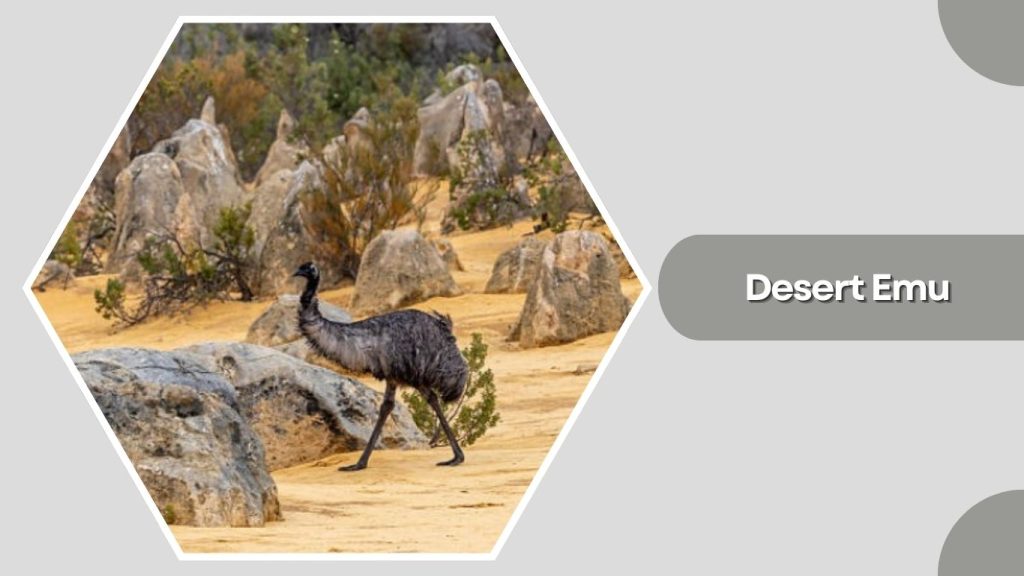
The desert emu refers to emu populations adapted to Australia’s arid and semi-arid interior. These emus are highly mobile and capable of surviving long dry periods by traveling great distances to find food and water.
Identification
- Tall, long-legged body built for endurance
- Pale to sandy-brown feathers
- Long neck with sparse feathering
- Strong three-toed feet
- Small, hidden wings
- Large eyes with thick lashes
Habitat
Desert emus inhabit semi-deserts, dry grasslands, shrublands, and open inland plains. They follow rainfall patterns and often appear in large numbers when desert plants bloom.
Diet
They feed on drought-resistant grasses, seeds, shrubs, fruits, and insects. They can survive long periods without water by gaining moisture from plants.
Behaviors and Lifecycle
Desert emus are highly nomadic and may travel hundreds of kilometers. Breeding usually occurs after good rains. Males incubate eggs for about 56 days and protect chicks aggressively.
11. Queensland Emu (Dromaius novaehollandiae)
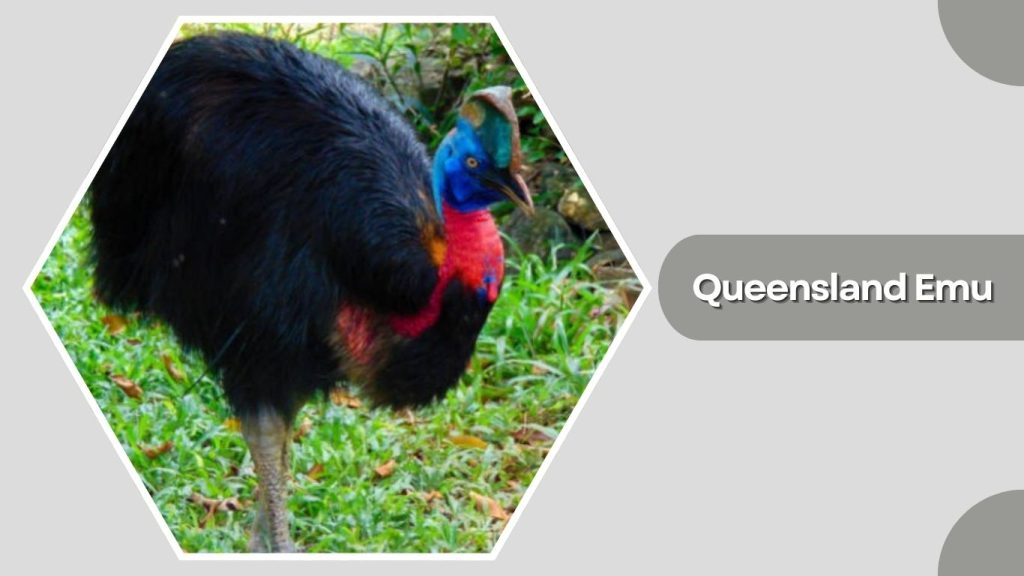
The Queensland emu refers to emu populations living across Queensland. These birds are well adapted to tropical and subtropical climates.
Identification
- Large, tall frame
- Shaggy brown feathers
- Long bluish-gray neck
- Strong muscular legs
- Small wings hidden in feathers
- Three-toed feet
Habitat
Queensland emus live in grasslands, savannas, open forests, and agricultural edges. They often move seasonally between inland and coastal zones.
Diet
They eat grasses, seeds, fruits, flowers, leaves, and many insects, especially during wet seasons.
Behaviors and Lifecycle
They are nomadic and often form small groups. During breeding season, females lay eggs, and males incubate them and care for chicks until they are independent.
12. Victorian Emu (Dromaius novaehollandiae)

The Victorian emu refers to emu populations native to the state of Victoria in southeastern Australia. These emus are well adapted to cooler climates and mixed landscapes of grassland and woodland.
Identification
- Tall, heavy-bodied bird
- Shaggy brown to dark gray feathers
- Long neck with bluish skin
- Strong legs built for long-distance travel
- Small hidden wings
- Three strong toes
Habitat
Victorian emus inhabit open grasslands, savannas, woodlands, and farmland edges. They are often seen in national parks, reserves, and open rural areas.
Diet
They feed on grasses, seeds, fruits, leaves, flowers, and insects. Beetles, caterpillars, and other invertebrates are especially important seasonally.
Behaviors and Lifecycle
Victorian emus are nomadic and usually live in small groups. Breeding occurs during cooler months. Males incubate the eggs for about 56 days and raise the striped chicks, protecting them for several months.