




The gray whale is one of the most unique and well-studied marine mammals, known for its incredible migration and coastal lifestyle. Unlike many deep-sea whales, gray whales prefer shallow waters and are often seen close to shore. They are famous for having one of the longest migration routes of any mammal. With their distinctive appearance and unusual feeding habits, gray whales play an important role in ocean ecosystems and continue to fascinate scientists and wildlife enthusiasts alike.
What Is a Gray Whale?
Scientific Classification
The gray whale, scientifically known as Eschrichtius robustus, is a baleen whale species. It is the only living member of its family, making it unique among whales. Like other baleen whales, gray whales feed by filtering small organisms from the water rather than using teeth.
Gray Whale Size
Gray whales are medium to large in size, typically measuring between 40 and 50 feet in length and weighing around 30 to 40 tons. Despite being smaller than blue or fin whales, they are still massive animals. Their bodies are strong and robust, designed for long-distance travel and survival in varying ocean conditions.
Unique Physical Features
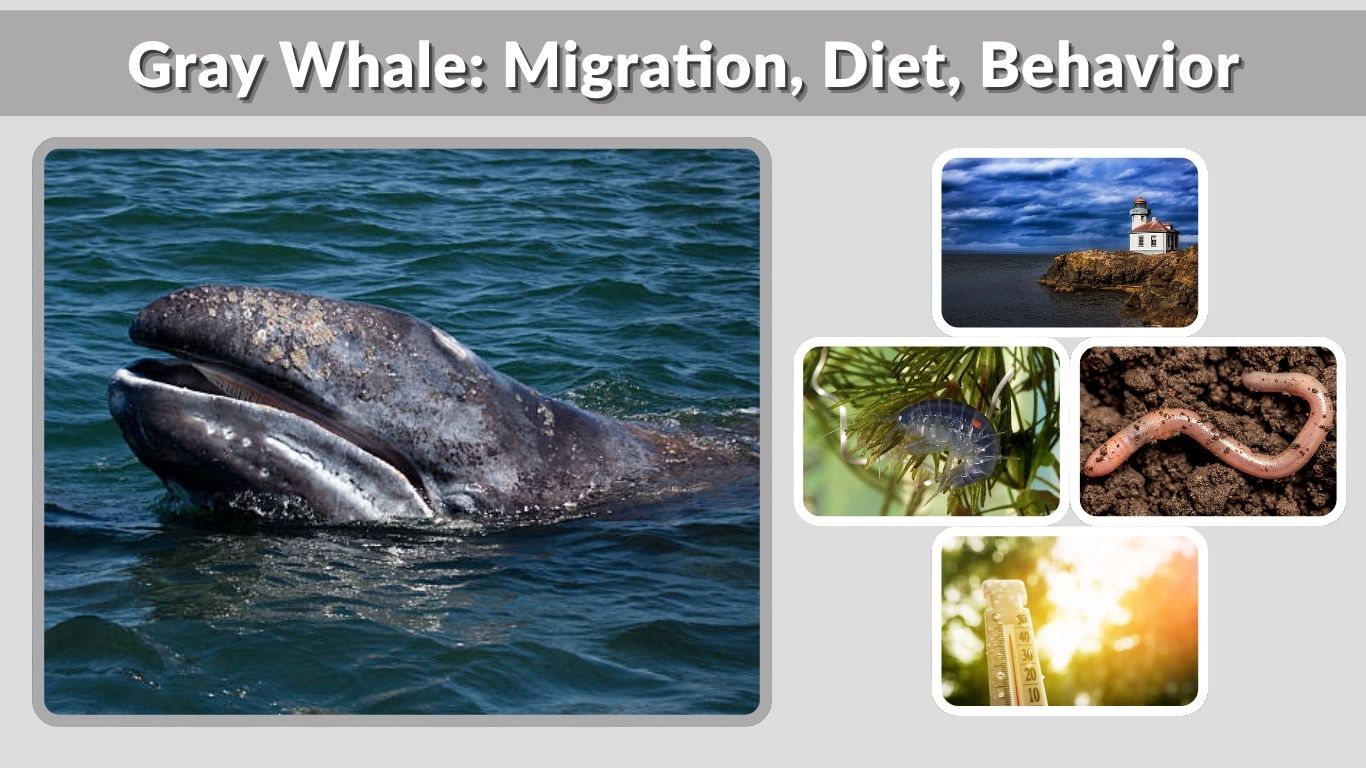
Gray whales have a mottled gray appearance with patches of white, often covered with barnacles and parasites. These give them a rough, textured look compared to smoother-skinned whales. Unlike many whale species, gray whales do not have a dorsal fin. Instead, they have a series of small bumps or ridges along their back.
Gray Whale Habitat

Global Distribution
Gray whales are primarily found in the North Pacific Ocean. There are two main populations: the eastern North Pacific population, which migrates along the coast of North America, and the western North Pacific population, which is smaller and more endangered.
Coastal Preference
Unlike many whales that prefer deep ocean waters, gray whales are commonly found in shallow coastal areas. They often stay close to shore, especially during migration, making them one of the easiest whale species to observe from land. They are also known to visit lagoons and bays, particularly during breeding and calving seasons.
Seasonal Movement
Gray whales move between different habitats depending on the time of year. They feed in cold northern waters during the summer and migrate to warmer southern waters during the winter to breed and give birth.
Gray Whale Migration
Migration Route
Gray whales are famous for their long migration between feeding and breeding grounds. The eastern population travels from the Arctic regions near Alaska to the warm lagoons of Mexico, such as Baja California.
Distance Traveled
This journey can cover between 16,000 and 20,000 kilometers round trip, making it one of the longest migrations of any mammal on Earth. Gray whales follow the coastline during their journey, which helps them navigate and avoid deep ocean predators.
Reasons for Migration
The primary reasons for migration are feeding and reproduction. The Arctic waters provide rich feeding grounds full of small organisms, while the warm waters of Mexico offer a safe environment for calves to be born and grow during their early months.
Gray Whale Diet
What Do Gray Whales Eat?
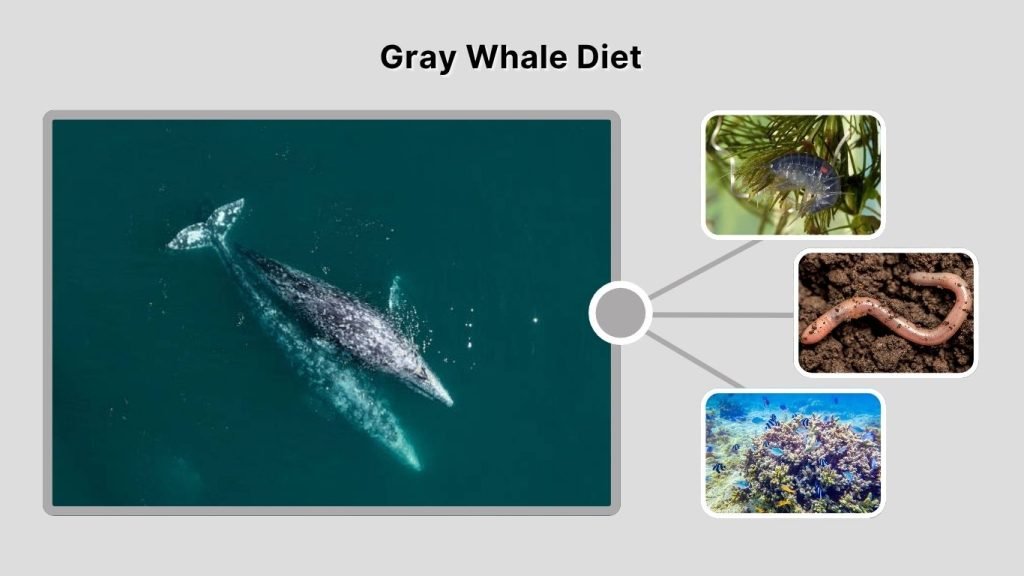
Gray whales feed mainly on benthic organisms, which live on or near the ocean floor. Their diet includes small crustaceans like amphipods, worms, and other tiny marine creatures.
Feeding Technique
Gray whales have a unique feeding method known as bottom feeding. They dive to the seafloor, roll onto their side, and scoop up sediment along with their prey. Using their baleen plates, they filter out the mud and sand, trapping the food inside their mouths.
Role in Ecosystem
This feeding behavior plays an important role in the marine ecosystem. By disturbing the seafloor, gray whales help recycle nutrients and make them available to other marine organisms. Because of this, they are sometimes called “ecosystem engineers.”
Gray Whale Behavior
Social Behavior
Gray whales are generally more solitary than some other whale species. However, they may form small groups, especially during migration or in feeding areas.
Surface Behavior
They are often seen at the surface, where they display behaviors such as spyhopping—raising their heads above the water to look around. While they can breach, it is less common compared to humpback whales.
Communication
Gray whales communicate using low-frequency sounds that can travel long distances underwater. These vocalizations are used for maintaining contact during migration and between mothers and calves. While not as complex as humpback whale songs, their communication is still essential for survival and coordination.
Gray Whale Life Cycle
Birth and Early Life
Gray whale calves are born in warm, shallow lagoons along the coast of Mexico during the winter months. These calm and protected waters provide a safe environment for newborns. At birth, calves are typically around 13 to 15 feet long and weigh about one ton. They are strong swimmers from the beginning and must keep up with their mothers shortly after birth.
Growth Stages
The life cycle of a gray whale includes three main stages: calf, juvenile, and adult. Calves grow rapidly by feeding on their mother’s milk, which is rich in fat. As they develop into juveniles, they begin learning essential survival skills such as feeding techniques and migration routes. Eventually, they reach adulthood and become fully independent.
Reproduction
Female gray whales usually give birth every two to three years after a gestation period of about 13 months. Mating occurs during the migration or in breeding areas. Mothers play a crucial role in raising calves, guiding them during their first long migration and protecting them from potential threats.
Gray Whale Lifespan

Average Lifespan
Gray whales typically live between 50 and 70 years, although some individuals may live longer under favorable conditions.
Aging and Survival
As gray whales age, they continue to migrate and feed, though older individuals may become less active. Survival depends on access to food, environmental conditions, and avoiding human-related dangers.
Natural Predators
The main natural predators of gray whales are orcas (killer whales), which primarily target calves. Adult gray whales are large and strong, making them less vulnerable to predation.
Interesting Gray Whale Facts
- Gray whales undertake one of the longest migrations of any mammal
- They are known as “friendly whales” because they sometimes approach boats
- Their bodies are often covered with barnacles and parasites
- They are one of the few whales that feed on the ocean floor
- They follow coastlines, making them easier to observe than many other whales
Threats and Conservation
Historical Whaling
Gray whales were heavily hunted in the past, especially during the 19th century, which nearly led to their extinction. Their coastal habits made them easy targets for whalers.
Current Threats
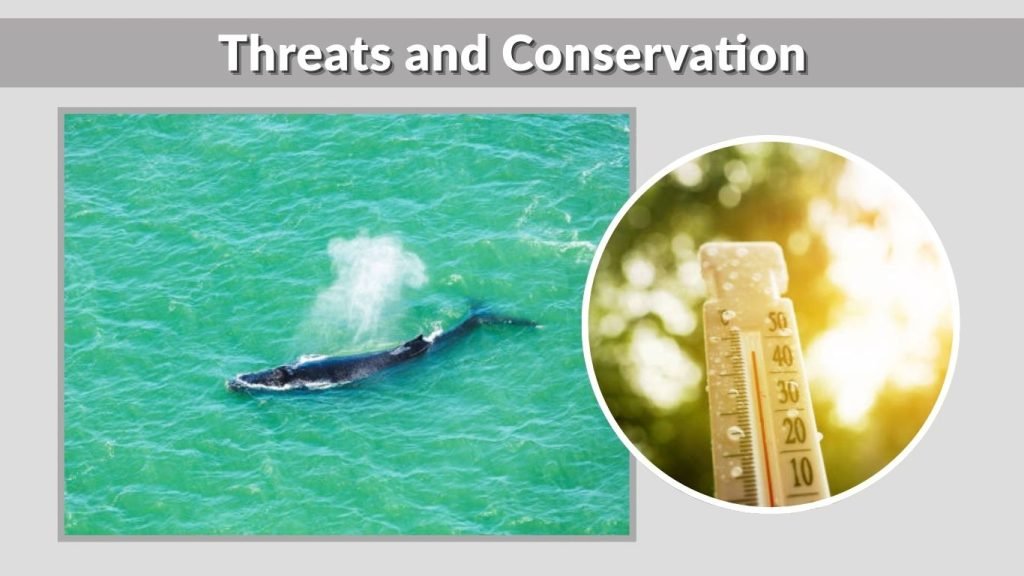
Today, gray whales face challenges such as climate change, which affects their feeding grounds in the Arctic. Ship strikes and habitat disturbance also pose risks, particularly along busy coastlines. Pollution and changes in ocean conditions can further impact their survival.
Conservation Status
The eastern North Pacific population of gray whales has made a strong recovery due to conservation efforts and is considered a success story. However, the western population remains critically endangered and requires continued protection and monitoring.
Conclusion
The gray whale is an extraordinary marine animal, known for its long migrations, unique feeding behavior, and strong connection to coastal environments. From its life cycle to its role in maintaining ocean ecosystems, this species demonstrates the complexity and beauty of marine life. While conservation efforts have helped some populations recover, ongoing protection is essential to ensure their future. By understanding gray whales, we can better appreciate the importance of preserving our oceans.
FAQs
What do gray whales eat?
Gray whales mainly eat small bottom-dwelling organisms like amphipods, worms, and crustaceans.
How far do gray whales migrate?
They travel up to 16,000–20,000 kilometers annually, making it one of the longest migrations of any mammal.
How big are gray whales?
Gray whales typically grow between 40 and 50 feet in length and weigh 30 to 40 tons.
How long do gray whales live?
They usually live between 50 and 70 years.