




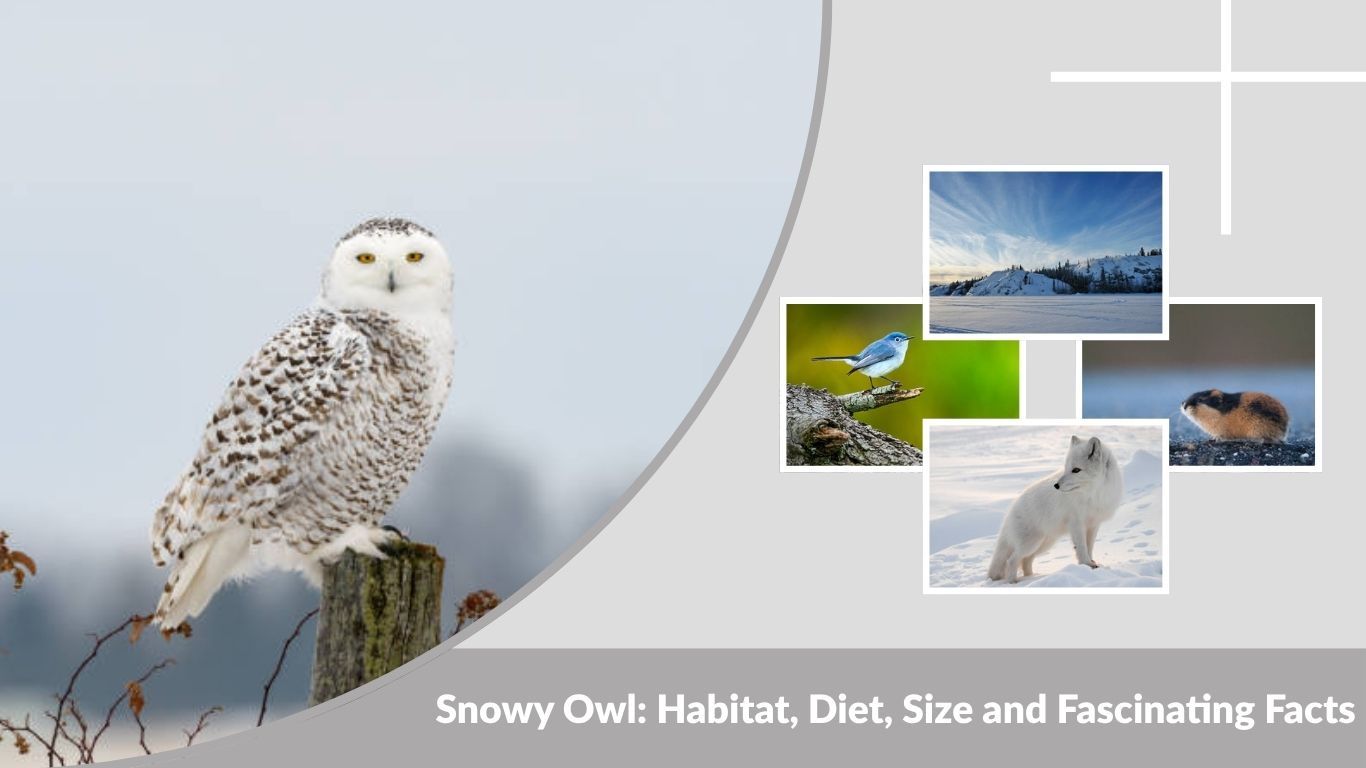
The snowy owl is one of the most striking and recognizable birds in the world, known for its pure white feathers and powerful presence. Native to the Arctic, this majestic bird stands out not only for its beauty but also for its unique behavior compared to other owls. From its hunting habits to its cold-weather adaptations, the snowy owl is truly remarkable. In this guide, you’ll learn about its habitat, diet, size, and key facts that make it special.
What Is a Snowy Owl? (Overview)
The snowy owl (Bubo scandiacus) is a large, white owl species that lives mainly in the Arctic regions. Unlike many owls that are active at night, snowy owls are often seen hunting during the day.
Key Characteristics
- Scientific name: Bubo scandiacus
- Color: Mostly white with black or brown markings
- Habitat: Arctic tundra
- Activity: Diurnal (active during the day)
Snowy owls are well adapted to survive in extremely cold environments, making them one of the toughest bird species on Earth.
Snowy Owl Habitat and Range
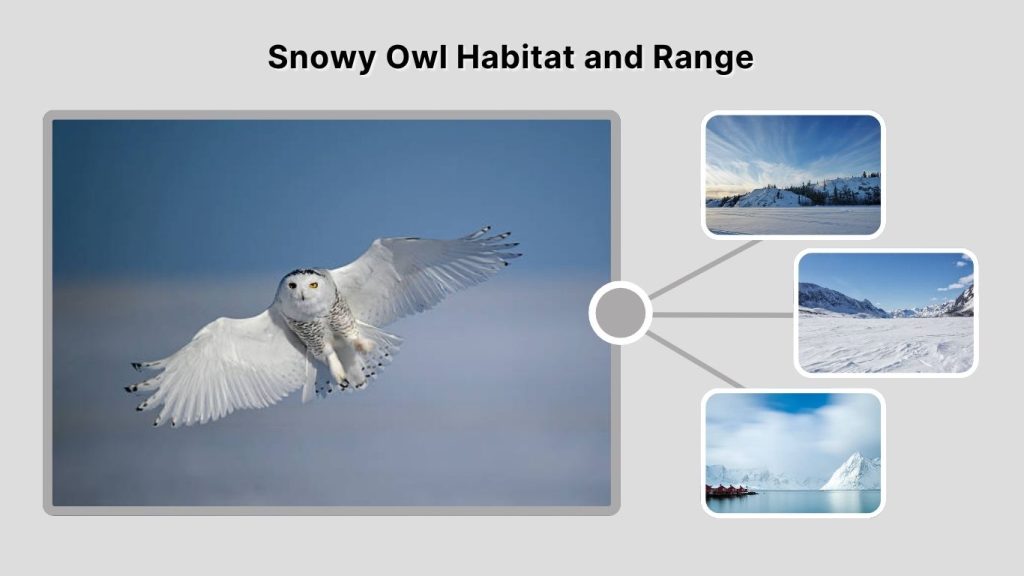
Snowy owls primarily live in the Arctic tundra, a cold and treeless region found in the northern parts of the world.
Where Do Snowy Owls Live?
They are commonly found in:
- Northern Canada
- Alaska
- Greenland
- Scandinavia
- Russia
During winter, some snowy owls migrate south in search of food. This movement is called an irruption, and it depends on food availability.
Habitat Features
Snowy owls prefer:
- Open land with few trees
- Snow-covered ground
- Areas with plenty of prey
These conditions help them hunt easily and stay hidden from predators.
Snowy Owl Diet – What Do Snowy Owls Eat?
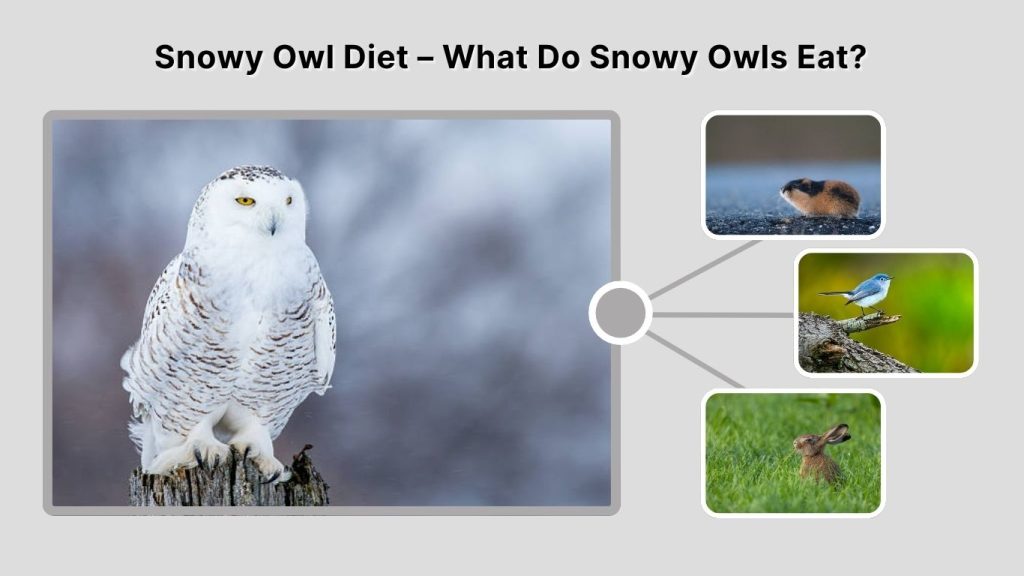
Snowy owls are carnivores, meaning they eat other animals to survive. Their diet mainly depends on what is available in their environment.
Main Foods
- Lemmings (primary food source)
- Small birds
- Fish
- Rabbits and rodents
Hunting Behavior
Unlike most owls, snowy owls hunt during both day and night. They rely on:
- Sharp eyesight
- Silent flight
- Quick attacks
They usually sit and wait before swooping down on their prey.
How Much Do They Eat?
A snowy owl can eat 3–5 lemmings per day. During the breeding season, they may catch even more to feed their young.
Snowy Owl Size and Physical Characteristics
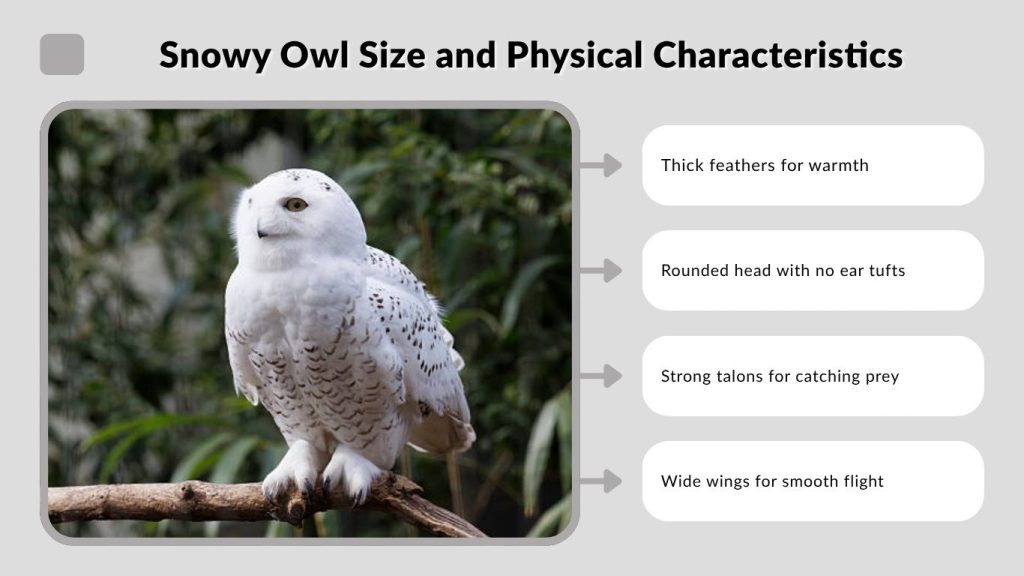
Snowy owls are among the largest owl species in the world. Their size helps them survive harsh climates and hunt effectively.
Size Details
| Feature | Measurement |
| Length | 52–71 cm |
| Wingspan | 125–150 cm |
| Weight | 1.5–3 kg |
Physical Features
- Thick feathers for warmth
- Rounded head with no ear tufts
- Strong talons for catching prey
- Wide wings for smooth flight
Their feathers cover even their legs and feet, helping them stay warm in freezing temperatures.
Male vs Female Snowy Owl
Male and female snowy owls look similar but have some noticeable differences.
Key Differences
| Feature | Male Snowy Owl | Female Snowy Owl |
| Color | Mostly pure white | More dark markings |
| Size | Smaller | Larger and heavier |
| Appearance | Cleaner look | Spotted pattern |
Why These Differences Matter
- Females need larger bodies to protect eggs
- Males use their bright white color for display
These differences help them survive and reproduce effectively.
Snowy Owl Adaptations for Survival
Snowy owls have several unique adaptations that allow them to live in extreme Arctic conditions.
Top Adaptations
- Camouflage: White feathers blend with snow
- Insulation: Thick plumage keeps them warm
- Sharp Vision: Can spot prey from far distances
- Silent Flight: Special feathers reduce noise
Cold Weather Survival
Their bodies are designed to handle freezing temperatures. Even their feet are covered in feathers, acting like natural boots.
Snowy Owl Behavior and Sounds
Snowy owls behave differently compared to many other owl species.
Behavior Traits
- Active during the day (diurnal)
- Often seen sitting on the ground or low posts
- Highly territorial
Snowy Owl Sounds
Snowy owls use different sounds to communicate:
- Deep hooting calls
- Hissing when threatened
- Barking-like sounds in some cases
These sounds are mainly used during mating season or to defend territory.
Snowy Owl Nesting and Reproduction
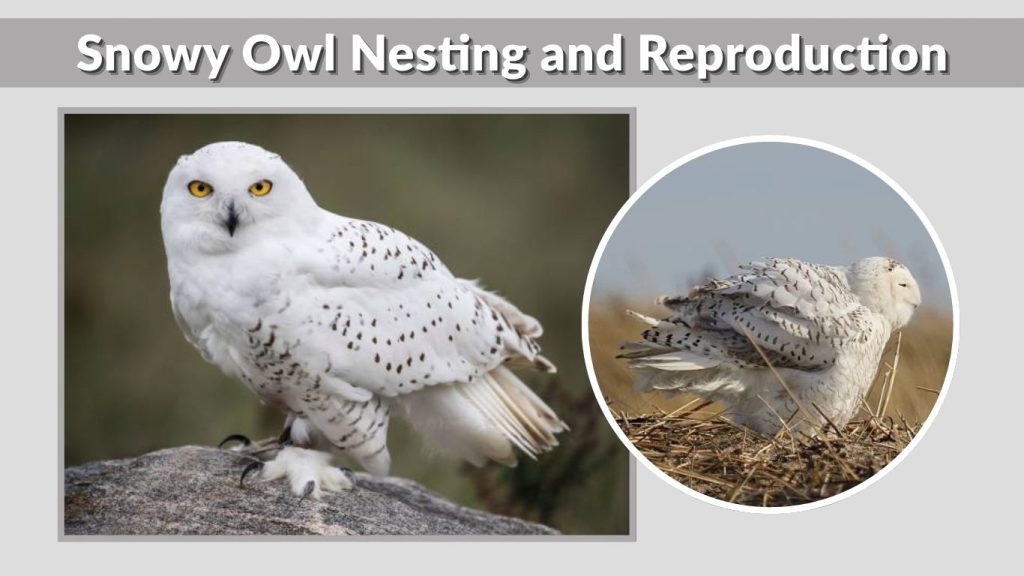
Snowy owls have a simple but effective approach to nesting. Unlike many birds that build complex nests in trees, these owls choose open ground in the Arctic tundra.
They usually create a shallow scrape in the ground, often on a slightly raised area where they can watch for danger. This location helps protect eggs from flooding and gives a clear view of approaching predators.
Breeding and Eggs
The breeding season begins in late spring when food is abundant. Female snowy owls lay around 3 to 11 eggs, depending on how much food is available. If lemmings are plentiful, they tend to lay more eggs.
The female incubates the eggs while the male hunts and brings food. Once the chicks hatch, both parents take part in feeding and protecting them.
Snowy Owl Lifespan
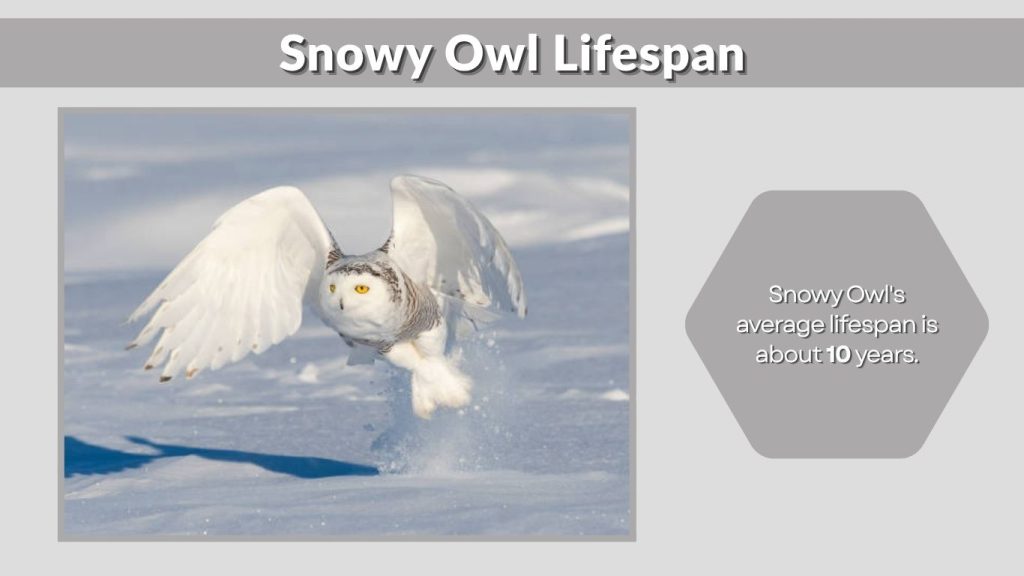
Snowy owls can live for many years, especially if they survive the challenges of their early life.
In the wild, their average lifespan is about 10 years, although some individuals may live longer. In captivity, where there are fewer threats and a steady food supply, they can live up to 20–25 years.
Factors Affecting Lifespan
- Availability of food
- Harsh weather conditions
- Predators and human activity
Young owls face the greatest risk, as many do not survive their first year.
Snowy Owl Predators and Threats
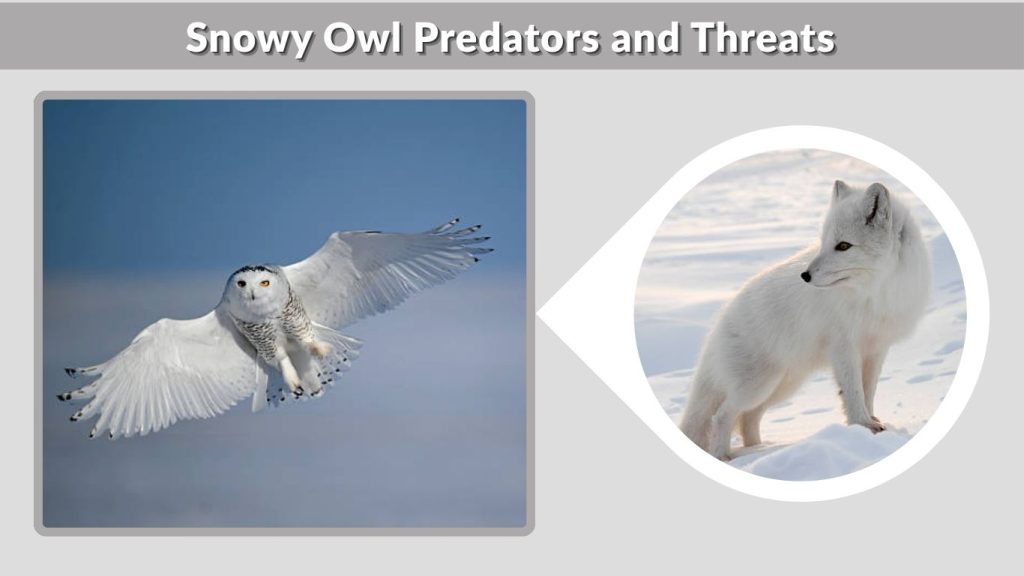
Although snowy owls are strong birds, they still face several threats in the wild.
Adult snowy owls have few natural predators, but eggs and young chicks are more vulnerable. Animals like Arctic foxes and wolves may attack nests if given the chance.
Human-related threats are also increasing. Climate change is one of the biggest concerns because it affects the availability of prey and the owl’s natural habitat.
Main Threats
- Loss of habitat due to warming climates
- Decline in prey populations like lemmings
- Collisions with vehicles and power lines
These challenges can reduce their survival rate over time.
Are Snowy Owls Endangered?
Snowy owls are currently listed as vulnerable in many regions. This means their population is decreasing, and they may become endangered if conditions do not improve.
The biggest reason for this decline is climate change, which disrupts the Arctic ecosystem. When lemming populations drop, snowy owls struggle to find enough food.
Conservation efforts are underway to monitor their numbers and protect their habitats. Scientists are also studying their migration patterns to better understand how to help them survive.
Interesting Snowy Owl Facts
Snowy owls are full of fascinating traits that make them stand out among birds.
- They are one of the heaviest owl species in North America
- They can fly long distances during winter migration
- Their population size often depends on lemming numbers
- They are one of the few owls active during daylight
- Their feathers provide excellent insulation against cold
These facts highlight how unique and adaptable snowy owls are.
Conclusion
The snowy owl is a remarkable bird perfectly adapted to life in one of the harshest environments on Earth. From its Arctic habitat and powerful hunting skills to its unique daytime activity and thick insulating feathers, every aspect of this bird is designed for survival. Understanding their diet, behavior, and challenges helps us appreciate their role in nature. Protecting snowy owls and their environment is essential to ensure that future generations can continue to admire this beautiful species.
FAQs
What do snowy owls eat?
Snowy owls mainly eat lemmings, which are small Arctic rodents. They also hunt birds, fish, and other small mammals when needed.
Where do snowy owls live?
They primarily live in the Arctic tundra across regions like Canada, Alaska, and Russia. In winter, some migrate to southern areas.
How big is a snowy owl?
Snowy owls are large birds with a wingspan of about 125–150 cm and a weight ranging from 1.5 to 3 kg.
How long do snowy owls live?
In the wild, snowy owls usually live around 10 years, but in captivity, they can live up to 20–25 years.
Are snowy owls endangered?
Snowy owls are considered vulnerable due to climate change and declining prey populations, which affect their survival.