

Some spiders may look small and harmless, but a few carry venom potent enough to cause serious harm—or even death. This article covers 7 of the most dangerous spiders on Earth, focusing only on their bite, symptoms, treatment, and how to identify both the spider and the bite.
1. Sydney Funnel-Web Spider
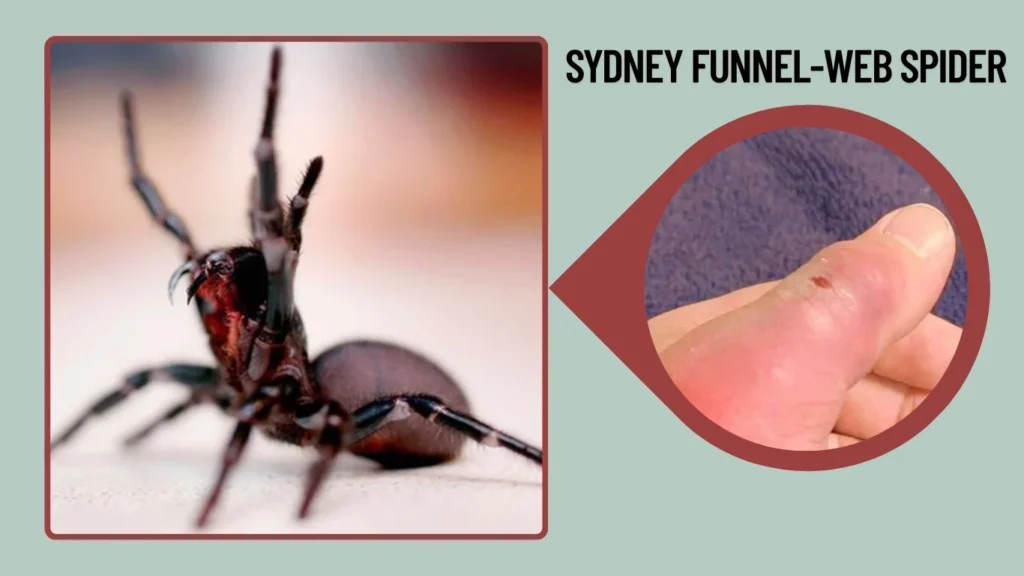
The Sydney Funnel-Web Spider is one of the most feared spiders in Australia due to its aggressive behavior and highly toxic venom. It often hides in gardens, under rocks, or in damp areas around homes in New South Wales.
How Dangerous Is This Spider?
The male Sydney Funnel-Web Spider is especially deadly. Its venom can kill a human within 15 to 30 minutes if untreated. Before antivenom was introduced in 1981, multiple deaths occurred. It is considered the most dangerous spider to humans globally.
Bite Identification
- Two visible fang puncture marks
- Sudden, severe pain at the bite site
- Rapid swelling and redness
- Commonly occurs on hands or feet
Symptoms After Bite
Within minutes of the bite, victims may begin to feel tingling around the lips and tongue, followed by heavy sweating. As the venom spreads, symptoms progress to include muscle spasms, difficulty breathing, nausea, and confusion. Without quick treatment, the condition can escalate to coma or death.
Treatment
Immediate medical attention is critical. Apply a pressure immobilization bandage to the limb and keep the victim calm and as still as possible. Do not attempt to cut or suck the wound. Antivenom is highly effective and is available in hospitals across Australia, which has significantly reduced fatality rates.
Spider Identification
- Shiny black or dark brown body
- Glossy cephalothorax (head region)
- Body length: 1.5 to 5 cm
- Long, downward-pointing fangs
- Males are smaller but far more venomous
- Builds funnel-shaped silk webs in moist, sheltered areas
2. Brazilian Wandering Spider

The Brazilian Wandering Spider is one of the deadliest arachnids on Earth. Also known as the “banana spider” because it’s often found in banana shipments, this spider is aggressive, fast-moving, and has venom strong enough to kill humans, especially children.
How Dangerous Is This Spider?
This spider holds a Guinness World Record for being the most venomous spider. Its venom contains a potent neurotoxin that can cause paralysis and death. Though bites are rare and fatalities are uncommon due to medical advancements, untreated bites—especially in children—can be fatal.
Bite Identification
- Two deep puncture marks from large fangs
- Sudden, intense pain at the site
- Swelling and redness
- Commonly occurs when spider is accidentally provoked in shoes, clothes, or bags
Symptoms After Bite
Symptoms begin quickly and include burning pain, sweating, and increased heart rate. Severe cases can lead to difficulty breathing, high blood pressure, and muscle paralysis. In men, the venom may also cause priapism—a prolonged, painful erection. Without treatment, symptoms can become life-threatening within hours.
Treatment
Seek emergency medical help immediately. Keep the bitten area still and lower than the heart. A pressure bandage may be used, but antivenom is the most effective treatment and should be administered in a medical facility. Supportive care may also be needed to manage severe symptoms.
Spider Identification
- Large, hairy body with long, thick legs
- Brown to reddish-brown coloration
- Body length up to 5 cm; leg span up to 15 cm
- Active at night and hides during the day in dark, warm places
- Native to Brazil and other parts of South and Central America
3. Six-Eyed Sand Spider

The Six-Eyed Sand Spider is a reclusive and highly venomous spider found in deserts of southern Africa. Though bites to humans are extremely rare due to its shy nature, its venom is among the most dangerous of all spiders.
How Dangerous Is This Spider?
Its venom contains powerful necrotic and hemolytic toxins that can destroy tissue and cause massive internal bleeding. There are no confirmed deaths, mainly because bites are rare, but lab tests show it can kill small animals in hours. No antivenom exists, making it especially dangerous if envenomation occurs.
Bite Identification
- Deep puncture marks, though rarely seen due to few reported bites
- Bite area may show no pain at first
- Swelling and skin discoloration develop slowly
Symptoms After Bite
Symptoms may take hours or days to appear. They often begin with mild pain and skin discoloration, later progressing to tissue destruction (necrosis) around the wound. In severe cases, bleeding disorders and kidney failure may occur. Fatalities are theoretically possible in humans without proper medical care.
Treatment
There is no specific antivenom for this spider. Treatment is supportive and may include wound care, antibiotics to prevent infection, and in severe cases, surgical removal of necrotic tissue. Early hospital treatment improves outcomes significantly.
Spider Identification
- Flat, crab-like body covered in sand-colored hairs
- Body size around 1.5 to 2 cm, with a leg span up to 5 cm
- Six eyes arranged in three pairs
- Excellent at camouflage, often buried in sand
- Found in arid deserts of southern Africa
4. Black Widow Spider
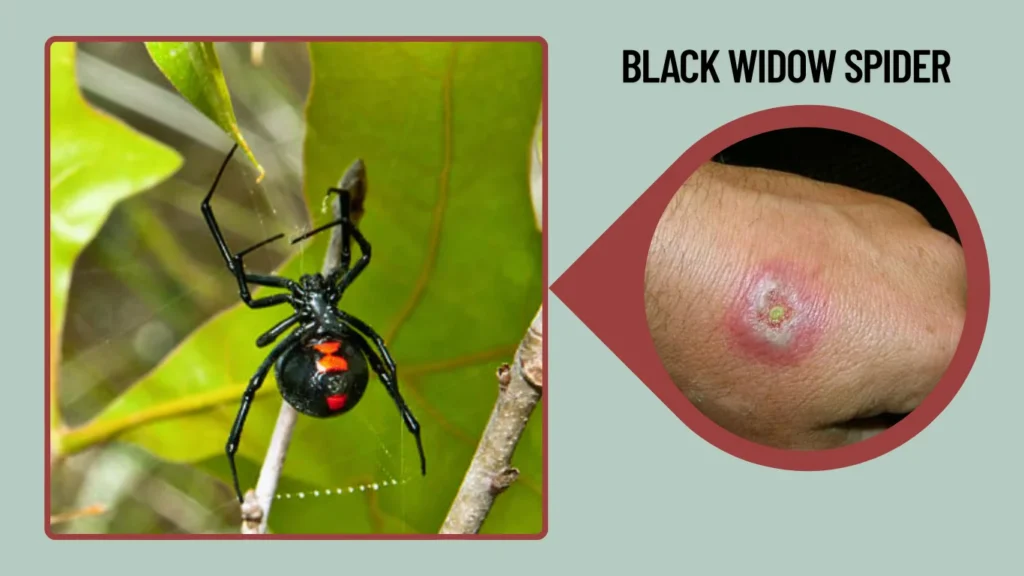
The Black Widow Spider is one of the most recognizable and feared spiders in the world. Found in many parts of the globe, including North America, its venom is highly toxic, especially to children and the elderly.
How Dangerous Is This Spider?
While rarely fatal, the venom of a Black Widow is 15 times more toxic than a rattlesnake’s, making it extremely dangerous. Deaths are uncommon thanks to modern treatments, but bites can cause intense pain and severe systemic reactions if not treated promptly.
Bite Identification
- Small red or pale spot at the bite site
- Two faint fang puncture marks
- Initial pain may be mild but intensifies over time
- Often occurs when a person accidentally disturbs the spider in shoes, gloves, or dark corners
Symptoms After Bite
Pain usually begins at the bite site and spreads to the chest, back, or abdomen. Muscle cramps, chills, nausea, and profuse sweating are common. Some people experience difficulty breathing and high blood pressure. Symptoms typically last 1 to 3 days but can be longer in severe cases.
Treatment
Most bites are treated with painkillers and muscle relaxants. In more serious cases, antivenom may be given, though it’s used sparingly due to the risk of allergic reaction. Hospital observation is often recommended, especially for children, elderly individuals, or those with severe symptoms.
Spider Identification
- Glossy black body with a distinctive red hourglass shape on the underside of the abdomen
- Females are larger (1.5 cm body length) and more dangerous than males
- Found in woodpiles, garages, basements, and outdoor shelters
- Builds irregular, messy webs close to the ground
5. Brown Recluse Spider
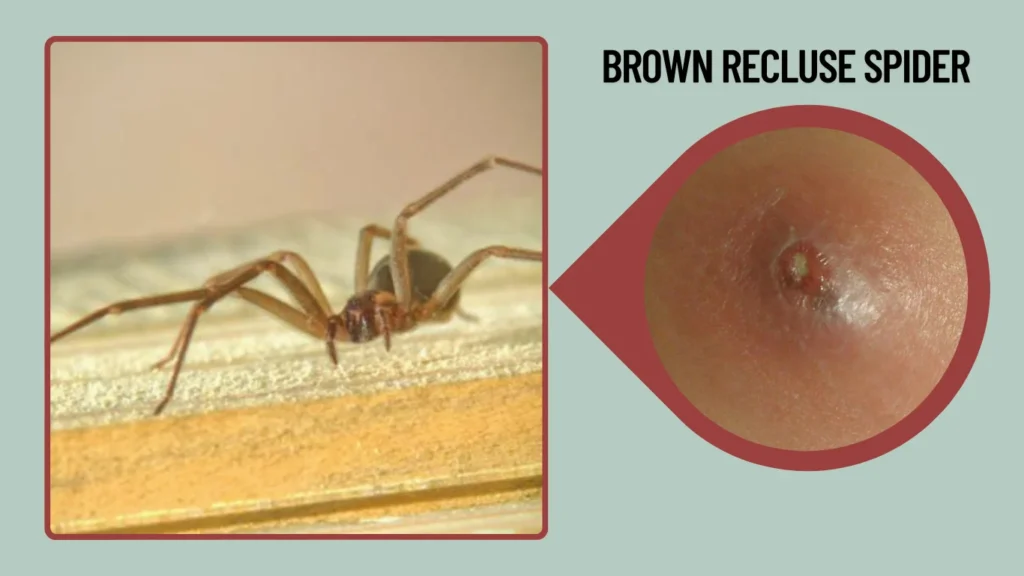
The Brown Recluse Spider is often feared in the United States for its necrotic venom. Though not aggressive, it bites when pressed against the skin—often during sleep or when putting on clothes.
How Dangerous Is This Spider?
Its venom contains enzymes that destroy blood vessels and tissues, potentially leading to large skin ulcers. While most bites are not fatal, severe reactions—especially in children or those with weakened immune systems—can result in significant tissue damage and slow healing.
Bite Identification
- Mild stinging or burning at first
- Red or purple blister may form, surrounded by a pale area and a red outer ring (bullseye pattern)
- Tissue may become hard or sunken over time
- Bite usually occurs on arms, legs, or torso
Symptoms After Bite
Within hours to days, the bite area may become painful and swollen. In serious cases, the skin breaks down and a deep ulcer forms. Other symptoms can include fever, chills, nausea, joint pain, and a general sense of illness. Necrosis can worsen over days or weeks if untreated.
Treatment
Clean the wound with soap and water, apply a cool compress, and keep the area elevated. Medical attention is crucial for deep or spreading wounds. Doctors may prescribe antibiotics, pain relief, or perform surgical removal of necrotic tissue. Early care helps reduce permanent skin damage.
Spider Identification
- Light to dark brown body
- Violin-shaped marking on its back with the “neck” pointing toward the rear
- Six eyes arranged in pairs (unusual for spiders)
- Body size around 1 cm
- Found indoors in closets, basements, and shoes in the U.S. Midwest and South
6. Redback Spider
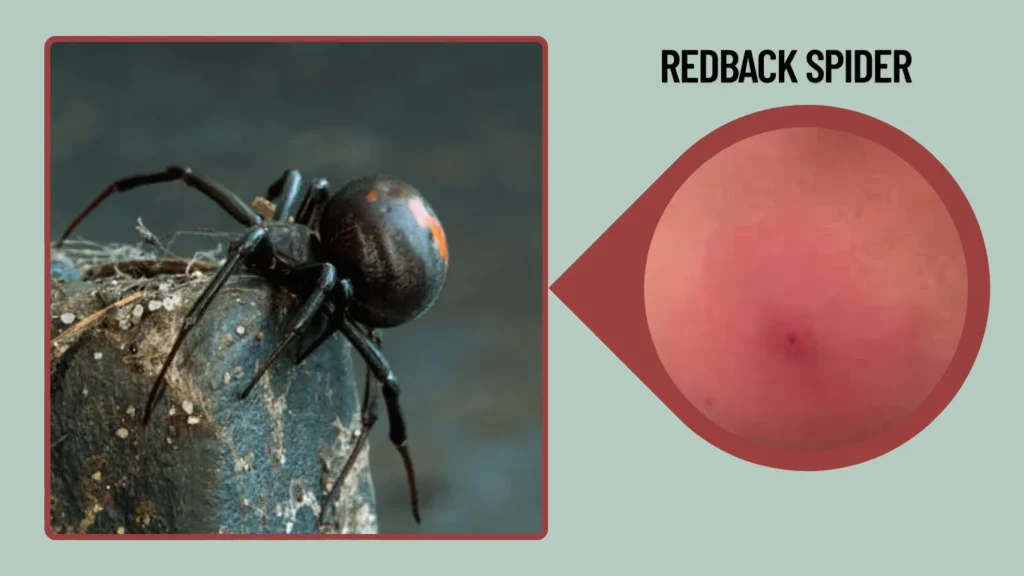
The Redback Spider, a close relative of the Black Widow, is one of Australia’s most venomous spiders. It is well known for the bright red stripe on its back and its presence around human dwellings.
How Dangerous Is This Spider?
Redback venom contains neurotoxins that affect the nervous system. Although rarely fatal thanks to available antivenom, bites can cause severe pain and illness lasting for days. Children and the elderly are more at risk of serious complications.
Bite Identification
- Sharp, immediate sting at the bite site
- Small puncture wound, often hard to spot
- Local redness and swelling
- Common bite sites: hands, arms, or legs when in sheds, shoes, or under seats
Symptoms After Bite
Pain typically intensifies within an hour, often radiating from the bite site to other parts of the body. Additional symptoms may include sweating (especially at the bite site), nausea, muscle weakness, and restlessness. Severe cases can cause headaches, abdominal pain, and fever.
Treatment
Apply a cold compress and keep the affected area elevated. Do not use a pressure bandage. Medical treatment includes pain management and antivenom, which is highly effective. Most patients recover fully within a few days after treatment.
Spider Identification
- Black body with a distinct red or orange stripe on the upper abdomen
- Females are about 1 cm long and more dangerous than males
- Males are much smaller and not considered dangerous
- Commonly found in dry, sheltered areas like mailboxes, sheds, and outdoor furniture across Australia
7. Chinese Bird Spider

The Chinese Bird Spider is a large, aggressive tarantula species found in southern China and parts of Southeast Asia. While bites are rare due to its isolated habitat, this spider’s venom is considered highly toxic and medically significant.
How Dangerous Is This Spider?
Its venom contains neurotoxins that can severely affect the nervous system. Although human deaths are not well-documented, lab tests show that its venom can kill small mammals rapidly. The danger is increased by its large size and strong fangs, which can deliver a deep and painful bite.
Bite Identification
- Large puncture wounds due to strong fangs
- Immediate sharp pain, swelling at the site
- Bite area may bleed or bruise quickly
- Most bites occur when the spider is stepped on or disturbed in its burrow
Symptoms After Bite
Pain begins instantly and may be accompanied by muscle cramps, difficulty breathing, sweating, and numbness. In some cases, victims experience severe headache, dizziness, or even loss of consciousness. Children and those with allergies may be more seriously affected.
Treatment
There is no known antivenom for the Chinese Bird Spider. Treatment is supportive and includes managing symptoms such as pain, inflammation, and allergic reactions. Hospital care is recommended for moderate to severe bites, especially if breathing issues occur.
Spider Identification
- Large, hairy body with thick legs; body length can exceed 6 cm
- Brown to dark gray in color, sometimes with a reddish hue
- Prominent fangs that point downward
- Native to forests and burrows in southern China, often found under logs or rocks
- Also known as the Chinese Earth Tiger
Summary
While most spiders are harmless to humans, the few that are dangerous demand serious attention. From the aggressive Sydney Funnel-Web to the venomous Brazilian Wandering Spider, knowing how to identify their bites and symptoms can be life-saving. Quick treatment—especially antivenom where available—often makes the difference between a painful scare and a deadly situation.