
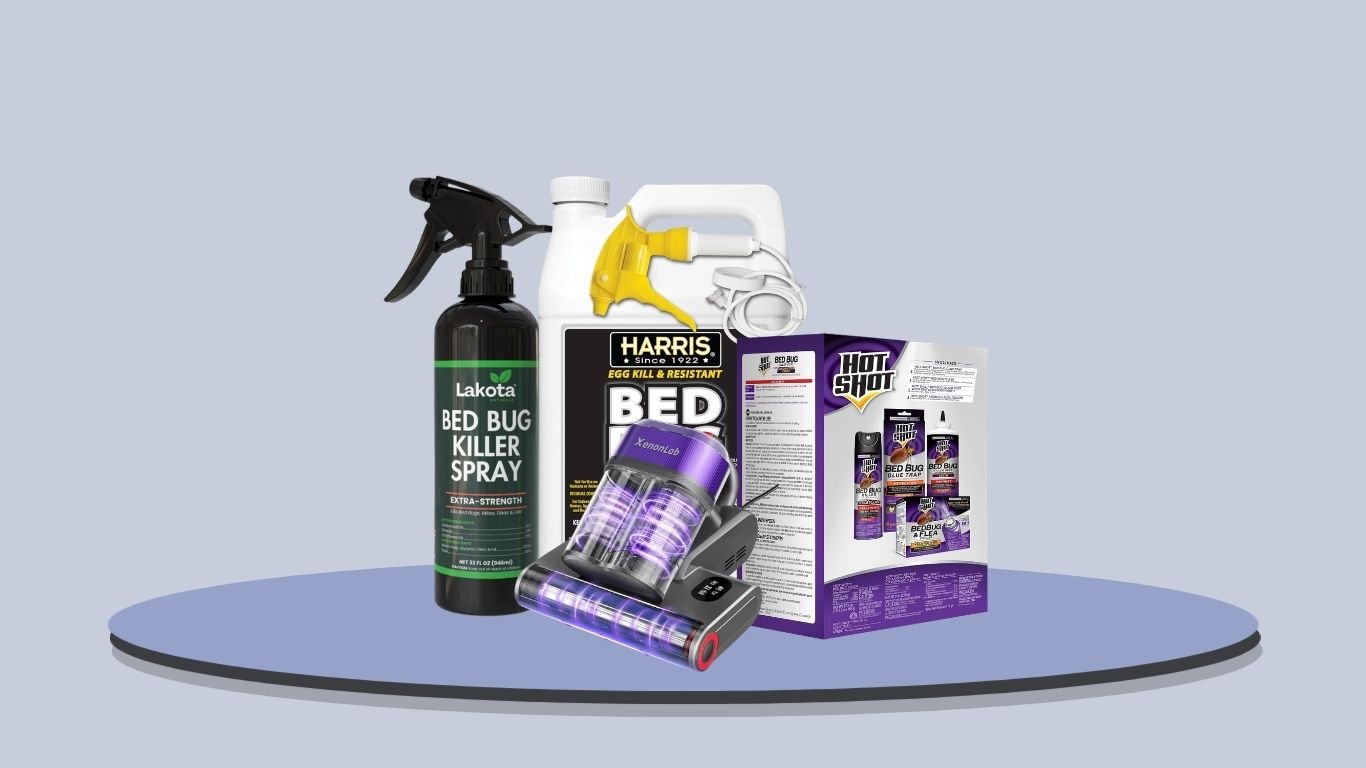
Bed bugs can spread quickly and hide in mattresses, furniture, cracks, and other hard-to-reach areas, making the right treatment tools especially important. The best bed bug exterminators can include sprays, powders, traps, steam cleaners, heat-treatment systems, and monitoring devices that target different stages of an infestation. In this guide, we review the 8 best bed bug exterminators for home use, focusing on effectiveness, ease of application, coverage, and practical treatment value. These options can help support a more complete and organized bed bug control strategy.
1. Harris Toughest Bed Bug Killer
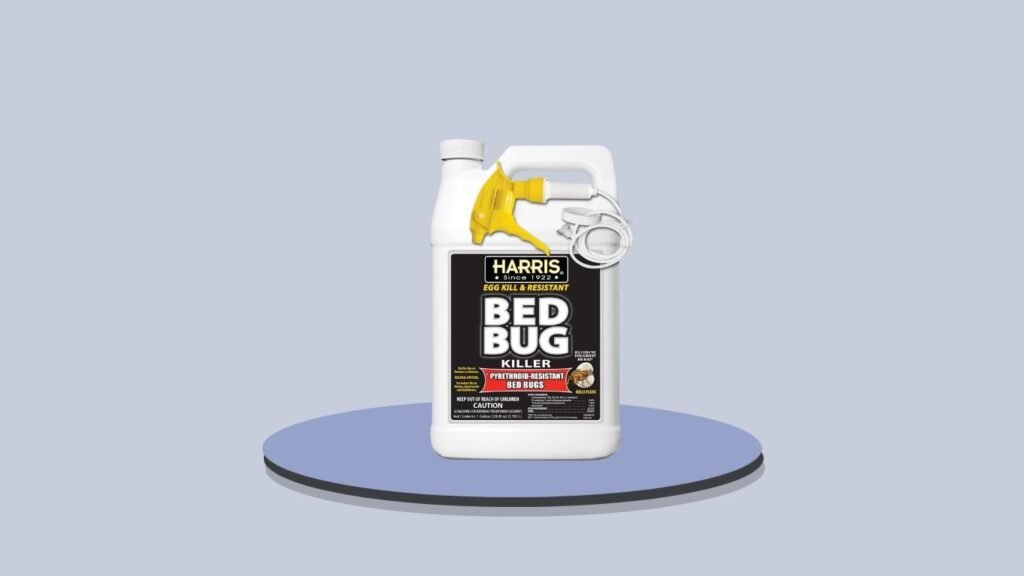
Harris Toughest Bed Bug Killer is a ready-to-use liquid treatment designed for serious indoor bed bug problems. The manufacturer states that the formula targets bed bugs, their eggs, and pyrethroid-resistant populations while providing residual activity for up to 16 weeks on appropriate treated surfaces. Its large-volume format makes it particularly practical when several rooms, furniture pieces, baseboards, and other hiding areas require treatment.
Key Features
- Ready-to-use liquid formula
- Targets bed bugs and eggs
- Designed for pyrethroid-resistant bed bugs
- Up to 16 weeks of residual activity
- Odorless formula
- Non-staining when properly applied
- EPA-registered bed bug pesticide
- Suitable for multiple labeled indoor surfaces
- Large-volume treatment option
Why It’s Best for Large Treatment Areas
A major advantage of Harris Toughest is coverage. Bed bugs rarely remain in one visible location; they hide around bed frames, furniture joints, baseboards, cracks, and other sheltered spaces. A gallon-size treatment can therefore be more convenient than repeatedly purchasing small aerosol cans.
The residual component is another strong point because properly treated areas can continue affecting bed bugs that emerge after the initial application. That can be useful because eliminating an infestation usually requires repeated inspection and follow-up rather than one treatment. EPA recommends using pesticides only as one component of a broader integrated bed bug management strategy.
Treatment Performance & Practical Use
Harris markets this formula for difficult and pesticide-resistant bed bug populations. The spray can provide both direct-treatment and residual value when used exactly according to the product label.
Application technique matters. Concentrating on labeled cracks, crevices, furniture, bed structures, and known travel areas is generally more useful than indiscriminately soaking a room. Any pesticide used against bed bugs should specifically list bed bugs on its label and be applied only where the label permits.
Overall Verdict
Harris Toughest Bed Bug Killer is one of the strongest choices in this lineup when broad chemical treatment and residual protection are priorities. The combination of large coverage, resistance-focused formulation, and extended residual activity makes it suitable for more extensive home treatment programs. It works best when paired with laundering, vacuuming, interceptors, encasements, and continued monitoring rather than treated as a one-step solution.
2. Hot Shot Bed Bug Killer Dust With Diatomaceous Earth
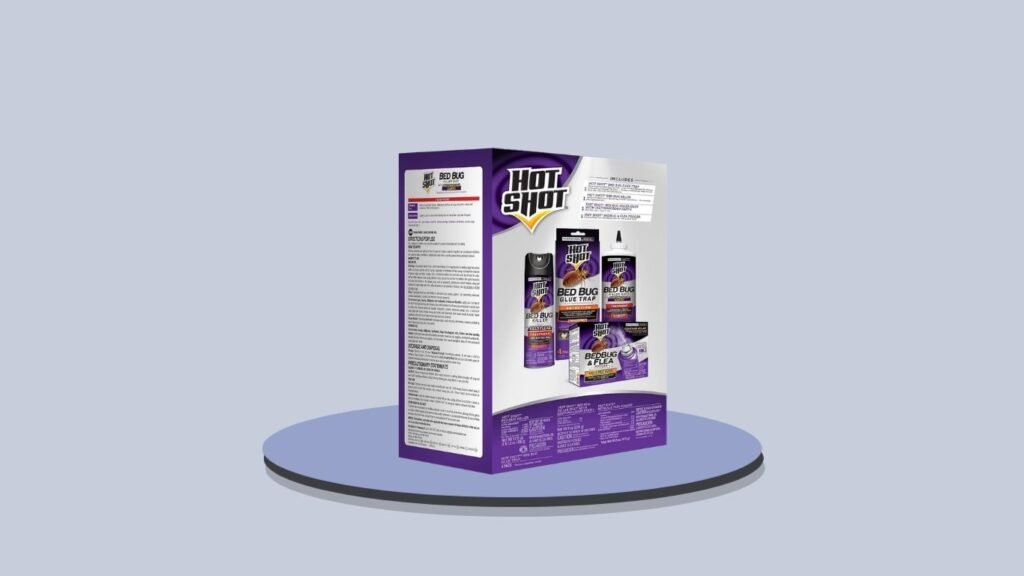
Hot Shot Bed Bug Killer Dust offers a different approach from liquid sprays. This 8-ounce desiccant-based treatment uses diatomaceous earth and is intended for cracks, crevices, bed structures, and other areas where bed bugs travel or hide. The product is advertised as providing control for up to five months when it remains properly placed and undisturbed.
Key Features
- Diatomaceous-earth-based dust
- 8-ounce container
- Dry treatment rather than liquid spray
- Designed for bed bugs and other listed pests
- Useful in cracks and crevices
- Long-lasting when kept dry and undisturbed
- Non-staining powder format
- Suitable for targeted applications
- Complements sprays and heat treatments
Why It’s Best for Cracks and Hidden Areas
One reason bed bugs are difficult to eliminate is their ability to squeeze into narrow spaces where conventional sprays may not provide lasting coverage. A properly labeled desiccant dust can remain in protected cracks and other approved locations, exposing bugs as they crawl through treated areas.
Desiccants are also useful because they kill through a physical drying mechanism rather than the same neurological pathways targeted by many conventional insecticides. EPA notes that desiccants can be valuable in bed bug control because resistance is less of an issue with this mechanism.
Long-Term Performance & Application
Hot Shot lists extended control when the dust remains undisturbed, which can make it useful around structural hiding locations. However, more powder is not necessarily better. Dust products work best when applied according to the label rather than left in thick, exposed piles.
It is especially important to use only pesticide products labeled for bed bug control. EPA warns against substituting pool-grade or food-grade diatomaceous earth, since inhalation can be hazardous and those products are not equivalent to registered pesticide formulations.
Overall Verdict
Hot Shot Bed Bug Killer Dust is a valuable supplementary treatment for locations where a dry residual product makes more sense than repeated spraying. It is particularly suited to cracks, protected voids, and other labeled hiding areas. For a comprehensive treatment plan, pairing an appropriate dust with vacuuming, heat, interceptors, and targeted liquid treatment can provide broader coverage than relying on one method alone.
3. EcoPest Labs Bed Bug Blocker XL Interceptors
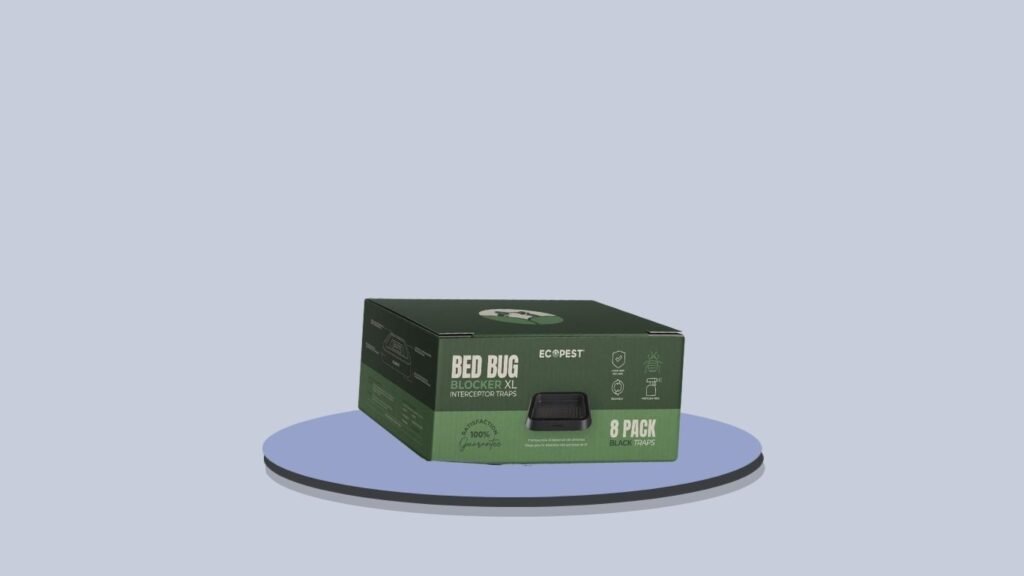
EcoPest Labs Bed Bug Blocker XL Interceptors do not rely on insecticide or heat. Instead, these devices sit beneath bed or furniture legs and trap bed bugs attempting to climb toward or away from the furniture. The textured exterior allows bugs to enter, while the smoother trapping area makes escape difficult. The XL design is intended to accommodate larger furniture legs and heavier beds.
Key Features
- Eight interceptor traps
- Fits beneath bed and furniture legs
- Extra-large furniture-leg area
- Textured exterior climbing surface
- Slippery trapping reservoir
- No insecticide application required
- Useful for 24/7 monitoring
- Reusable construction
- Suitable for homes, hotels, and dormitories
Why It’s Best for Detection and Monitoring
One of the most difficult aspects of bed bug treatment is determining whether bugs are still present after the obvious signs disappear. Interceptors address that problem by continuously monitoring one of the routes bed bugs frequently use to access occupied furniture.
EPA specifically recommends interceptor devices beneath bed legs as part of bed bug control and post-treatment monitoring. They become particularly effective when the bed is moved away from walls and bedding is kept from touching the floor, forcing bugs to approach through the furniture legs.
Performance & Everyday Convenience
There is no spraying, electrical setup, or chemical residue involved. Once the traps are positioned correctly, they can remain under the furniture and be inspected regularly.
However, these interceptors should be understood as monitoring and trapping tools rather than complete extermination systems. Bugs hidden elsewhere in the room are not automatically eliminated. Their main value is reducing access to isolated furniture and providing visible evidence of continuing activity.
The broad center area also makes this XL model particularly useful for beds with substantial posts or heavier furniture.
Overall Verdict
EcoPest Labs Bed Bug Blocker XL is one of the best products in this list for identifying whether a treatment strategy is actually working. It is simple, reusable, and chemical-free, and it provides continuous monitoring without much effort. For households following an integrated treatment plan, interceptors add valuable information while helping isolate beds and other furniture.
4. ThermalStrike Ranger Bed Bug Heat Treatment System
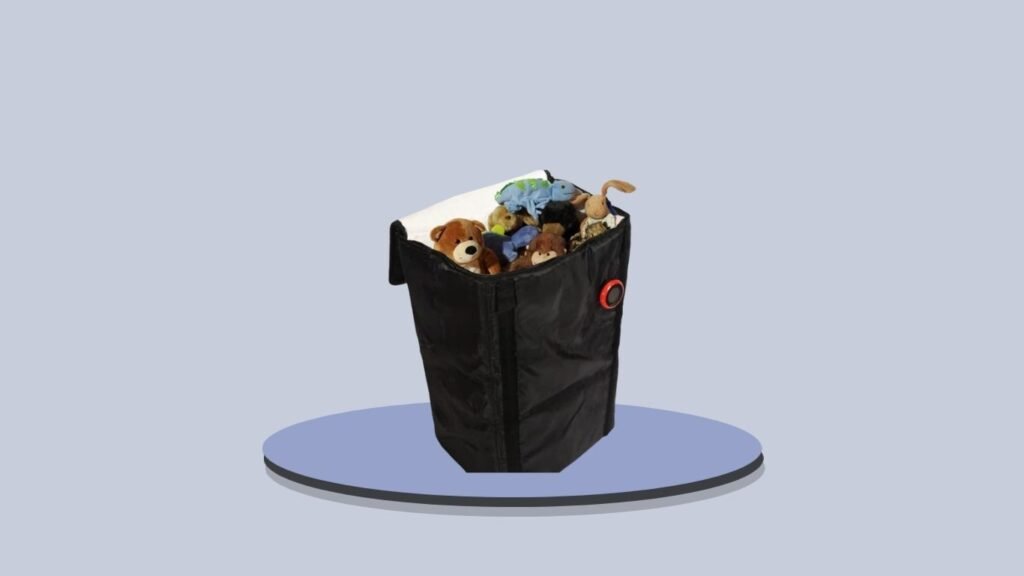
The ThermalStrike Ranger is a portable heat chamber designed to treat belongings rather than spraying them with pesticides. Items are placed inside the insulated enclosure, where heat surrounds them from multiple directions. The manufacturer’s instructions call for the core of treated items to reach approximately 120°F for at least 30 minutes, helping ensure lethal temperatures penetrate throughout the load.
Key Features
- Portable enclosed heat chamber
- Six-sided heating design
- Intended for bed bugs and their life stages
- Wired thermometer included
- Support frame and insulated enclosure
- No pesticide application required
- Suitable for many heat-tolerant belongings
- Foldable design for storage
- Useful for luggage, clothing, bedding, and selected household items
Why It’s Best for Treating Personal Belongings
Heat is one of the most useful nonchemical approaches for bed bugs because temperature can penetrate locations sprays may not reach. The Ranger is particularly useful for objects that cannot conveniently go into a clothes dryer but can safely tolerate elevated temperatures.
EPA recognizes portable heat chambers as an effective option for treating infested belongings when they are used properly. The key is ensuring the entire item—not merely the surrounding air—reaches the necessary temperature for sufficient time.
Heat Performance & Practical Use
ThermalStrike’s manual states that the Ranger regulates wall temperatures around 155°F and recommends confirming that the core of treated items has remained around 120°F for 30 minutes.
The included thermometer is therefore an important component rather than simply an accessory. Overpacking can reduce heat circulation and prevent interior sections from reaching lethal temperatures.
Users should also separate heat-sensitive items such as certain electronics, aerosols, medications, and materials that could be damaged by elevated temperatures.
Overall Verdict
The ThermalStrike Ranger is one of the most specialized and technically useful products in this roundup. It can treat belongings without leaving chemical residues and addresses eggs as well as mobile bed bugs when lethal temperatures reach the entire item. Its higher initial cost makes the most sense for recurring treatment needs, frequent travelers, landlords, or households managing a significant infestation.
5. Portable High-Temperature Steam Cleaner
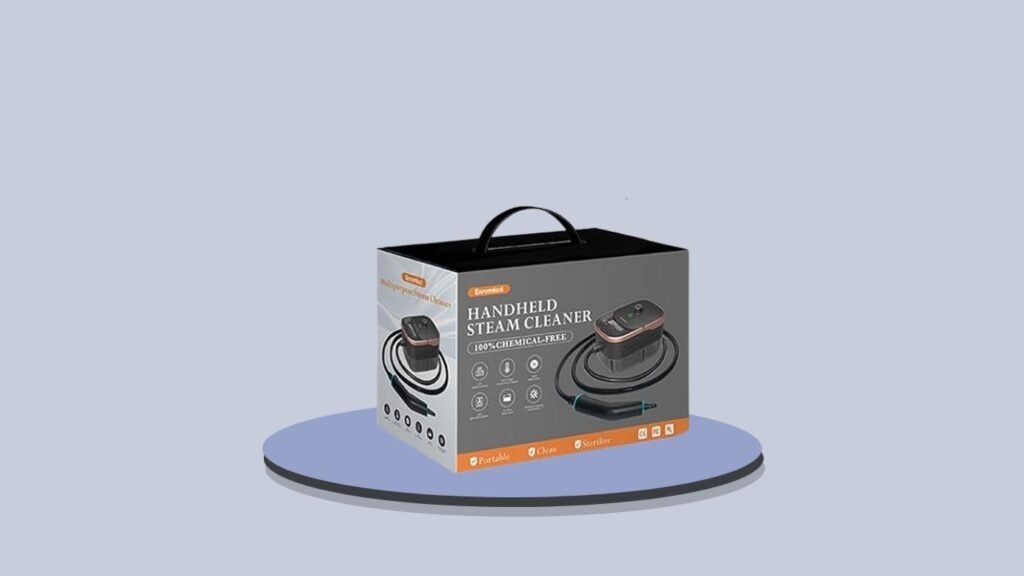
This portable steam cleaner provides another nonchemical tool for treating areas where bed bugs can hide. The listed model uses a 1500-watt heating system, heats in roughly 15 seconds, offers up to approximately 221°F steam temperature, and includes multiple cleaning attachments. Its 1.25-liter tank gives it enough capacity for methodical work across bed frames, baseboards, upholstered furniture, and similar surfaces.
Key Features
- 1500-watt heating system
- Approximately 15-second heat-up
- Maximum listed steam temperature around 221°F
- 1.25-liter water tank
- Multiple steam-output settings
- 16-piece accessory set
- Portable handheld design
- Chemical-free heat application
- Useful on compatible fabrics and hard surfaces
Why It’s Best for Furniture and Crevices
Steam has a major advantage over many surface treatments because heat can reach seams, cracks, fabric folds, and furniture joints where bed bugs commonly hide.
EPA states that steam cleaners can be used on carpets, bed frames, baseboards, and furniture when steam is at least 130°F at the treatment area. The airflow should not be excessively forceful because high pressure can scatter bed bugs rather than treating them.
Steam Performance & Treatment Technique
Although this cleaner’s listed maximum temperature is comfortably above the minimum cited by EPA, the key measurement is the temperature actually reaching the treated surface. Moving the steam head too quickly may not provide sufficient exposure.
Cornell recommends a steamer capable of bringing surfaces into roughly the 160–180°F range and emphasizes slow, methodical treatment. Steam also provides no residual protection, so bugs that avoid treatment are not affected later.
Care should also be taken around electrical outlets, delicate finishes, and moisture-sensitive materials.
Overall Verdict
For physical removal and localized heat treatment, this portable steam cleaner is one of the more versatile options in the list. It can reach areas where sprays may be undesirable and has uses beyond pest treatment. Its effectiveness depends strongly on technique, so it is best combined with inspection, vacuuming, interceptors, laundering, and other bed bug-control measures.
6. XenonLab 18,000Pa Mattress Vacuum Cleaner
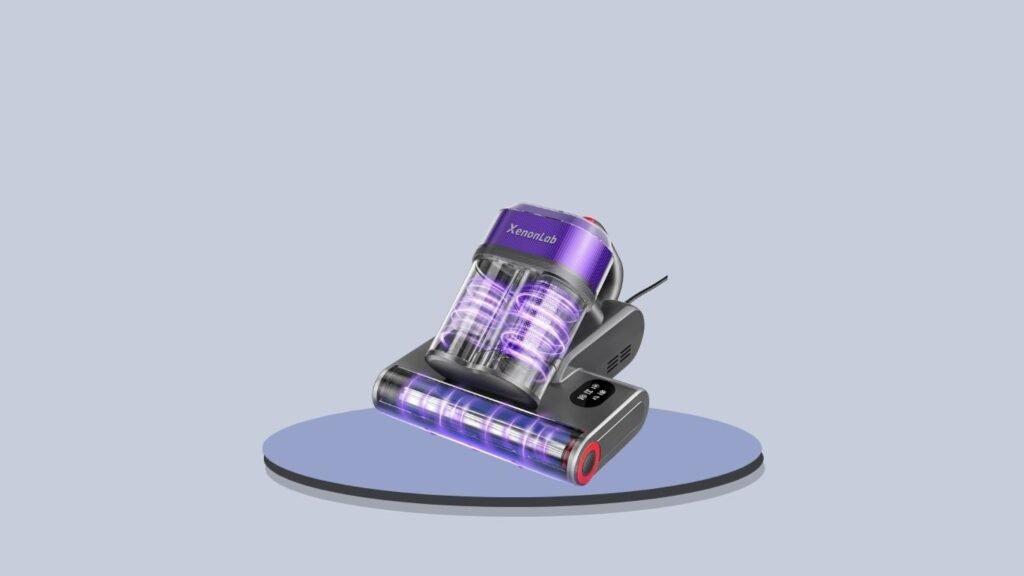
The XenonLab is more accurately described as a specialized mattress vacuum than a stand-alone bed bug exterminator. The listing combines approximately 18,000Pa suction with high-speed tapping, a HEPA filtration system, 275nm UV-C light, ultrasonic operation, and heated airflow around 140°F. These features make it useful for deep-cleaning mattresses, sofas, and upholstered surfaces where debris and visible pests may accumulate.
Key Features
- Approximately 18,000Pa suction
- Mattress-focused vacuum design
- High-speed tapping action
- HEPA filtration
- 275nm UV-C light
- Ultrasonic feature
- Heated airflow around 140°F
- Corded operation
- Suitable for mattresses and sofas
- Designed for deep surface cleaning
Why It’s Best for Mattress Cleaning
Vacuuming plays a useful role in reducing bed bug numbers because it physically removes visible insects, shed skins, debris, and some bugs hiding along seams.
A dedicated mattress vacuum can be easier to maneuver across bedding and upholstered surfaces than a full-size floor vacuum. The tapping action may also loosen material embedded near the surface before suction removes it.
However, it is important not to confuse cleaning assistance with complete extermination.
Cleaning Performance & Bed Bug Limitations
Cornell and Penn State both note that vacuuming can reduce bed bug populations but cannot reliably eliminate an infestation because many insects remain hidden and eggs can be firmly attached to surfaces.
The XenonLab’s heat, UV-C, and ultrasonic features may add cleaning functions, but they should not replace proven bed bug controls such as properly applied steam, controlled heat, interceptors, encasements, labeled pesticides, or professional treatment.
After vacuuming a confirmed infestation, collected material should be securely contained and disposed of so live bugs cannot escape.
Overall Verdict
The XenonLab mattress vacuum is a useful supporting tool for regular mattress and furniture cleaning, especially when suction and convenient surface treatment are priorities. It should not be selected as the sole solution for an established bed bug infestation. Used alongside a comprehensive treatment plan, however, its focused mattress design can make repeated cleaning more manageable.
7. Micnaron Indoor Flea Light Trap
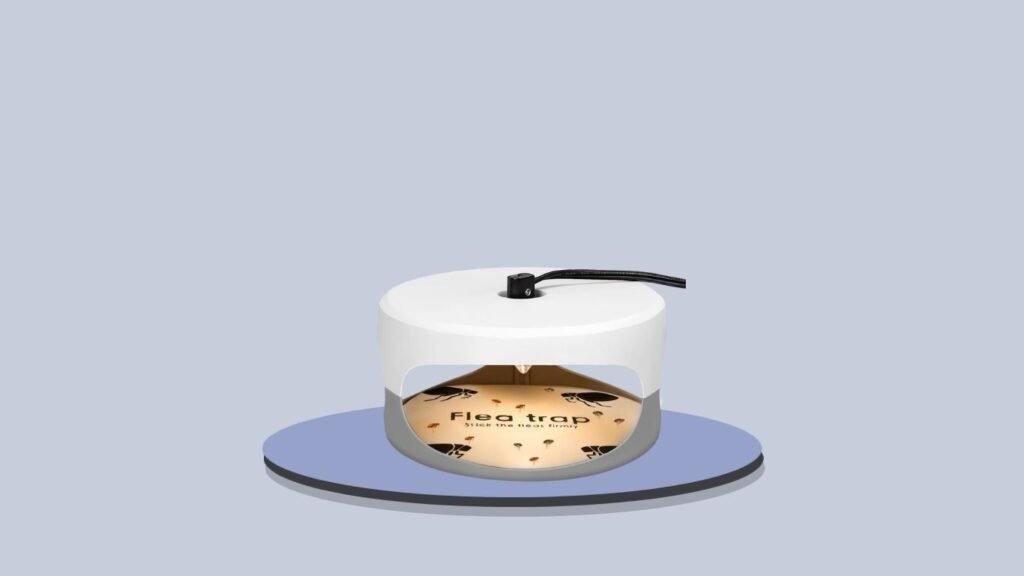
This product requires an important clarification: ASIN B0C5CFPGRD is marketed primarily as an indoor flea light trap, not as a dedicated bed bug exterminator. The product uses a light-based trap with replaceable sticky pads to capture pests attracted toward the device. While that can be useful for flea monitoring, its design does not make it one of the stronger choices for eliminating bed bugs.
Key Features
- Indoor light-based pest trap
- Replaceable adhesive pads
- Two-unit configuration listed
- Designed primarily for fleas
- Passive nighttime operation
- Reusable housing
- Replaceable trapping surfaces
- No pesticide spray required
Why It’s More Suitable for Fleas Than Bed Bugs
Fleas and bed bugs behave differently. Flea light traps exploit flea attraction to environmental cues around a lighted trapping area, while bed bugs generally locate hosts using factors such as carbon dioxide, body heat, and other cues.
For bed bugs, furniture-leg interceptors have much stronger practical support as monitoring devices.
EPA explicitly notes that ordinary sticky traps are not designed for bed bugs and instead recommends purpose-built bed bug interceptors beneath furniture legs.
Performance & Important Limitations
For homes experiencing flea problems, this style of trap may provide useful monitoring and capture around infested areas. Replaceable sticky pads make maintenance straightforward, and passive operation means the device can run without spraying pesticide around the room.
For a confirmed bed bug infestation, however, placing this trap near the bed should not be expected to eliminate bugs hidden in mattresses, frames, wall gaps, or furniture.
A proper bed bug program requires targeted detection and treatment methods.
Overall Verdict
Although this product appeared in the original bed bug exterminator list, it is not one of the options I would prioritize specifically for bed bugs. Its design is better matched to indoor flea control. Readers dealing with bed bugs would generally receive greater value from a true interceptor, steam treatment, controlled heat system, labeled pesticide, or professional integrated pest-management approach.
8. Lakota Naturals Extra Strength Bed Bug Killer Spray
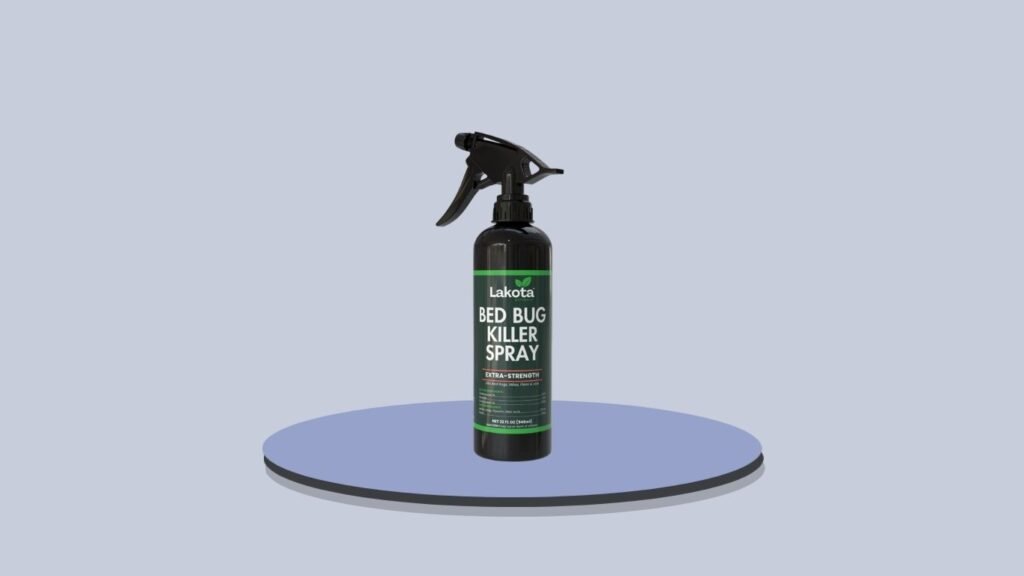
Lakota Naturals offers a 32-ounce plant-based spray marketed specifically for bed bugs. The current listing describes it as a contact treatment intended for mattresses, bedding, furniture, carpets, and cracks or crevices. Its relatively large bottle and ready-to-spray design make it convenient for people who prefer a plant-based formulation over a conventional residual insecticide.
Key Features
- 32-ounce spray bottle
- Plant-based formula
- Designed specifically for bed bugs
- Ready-to-use application
- Intended for mattress treatment
- Suitable for furniture and carpets
- Crack-and-crevice application
- Made in the USA
- Contact-style treatment format
Why It’s Best for Plant-Based Treatment Preferences
Some households prefer to minimize conventional pesticide use, particularly around sleeping areas. Lakota Naturals is positioned for this type of user, with a plant-based formula and instructions emphasizing direct treatment of common bed bug hiding locations.
The larger 32-ounce bottle also gives it more practical coverage than small travel sprays when several furniture surfaces require attention.
The spray nozzle allows treatment around mattress seams, furniture joints, and other reachable areas where bed bugs may shelter.
Treatment Performance & Label Considerations
The Amazon listing states that the product kills bed bugs on contact and can be applied to mattresses. However, plant-based does not automatically mean that a pest-control product should be applied without precautions.
EPA advises consumers to verify that pesticide products are registered where required, specifically labeled for bed bugs, and used only according to their directions. Products lacking an EPA registration number have not gone through EPA’s pesticide registration review.
Because contact sprays only affect bugs reached during treatment, careful inspection and follow-up remain important.
Overall Verdict
Lakota Naturals is an interesting option for readers specifically looking for a ready-to-use, plant-based bed bug spray with mattress-focused application. Its 32-ounce size makes repeated targeted treatment convenient. For a significant infestation, however, it is best viewed as one component of a wider strategy involving heat, laundering, vacuuming, interceptors, encasements, and continued monitoring.
FAQs
1. What Is the Most Effective Way to Get Rid of Bed Bugs?
The strongest approach is usually integrated pest management, combining inspection, high-temperature drying, vacuuming, steam or heat, mattress encasements, interceptors, and appropriately labeled pesticides when necessary. EPA notes that relying on only one control method is less dependable than combining compatible techniques.
2. Does Steam Kill Bed Bugs and Their Eggs?
Yes, when sufficient temperature reaches the insects. EPA recommends steam temperatures of at least 130°F and advises against excessively forceful airflow that could scatter bed bugs. Slow, thorough treatment of seams, frames, carpets, baseboards, and compatible furniture is important.
3. Does Diatomaceous Earth Work Against Bed Bugs?
Properly registered desiccant products containing diatomaceous earth can help control bed bugs by damaging their protective outer layer and causing dehydration. Use only pesticide-grade products registered and labeled for the intended application; EPA specifically warns against substituting pool-grade or food-grade diatomaceous earth.
4. Can a Vacuum Cleaner Completely Remove Bed Bugs?
No. Vacuuming can substantially reduce visible bed bugs and is useful during cleanup, but it rarely removes every hidden bug or attached egg. Vacuum contents should be sealed and disposed of immediately after treating an infested area.
5. When Should I Call a Professional Bed Bug Exterminator?
Professional treatment becomes especially valuable when bed bugs are found in multiple rooms, infestations return after repeated DIY treatment, neighboring units may be involved, or you cannot locate all hiding areas. UC IPM notes that confirmed infestations are difficult to manage and recommends combining multiple control methods, with trained professionals particularly useful for serious cases.
