
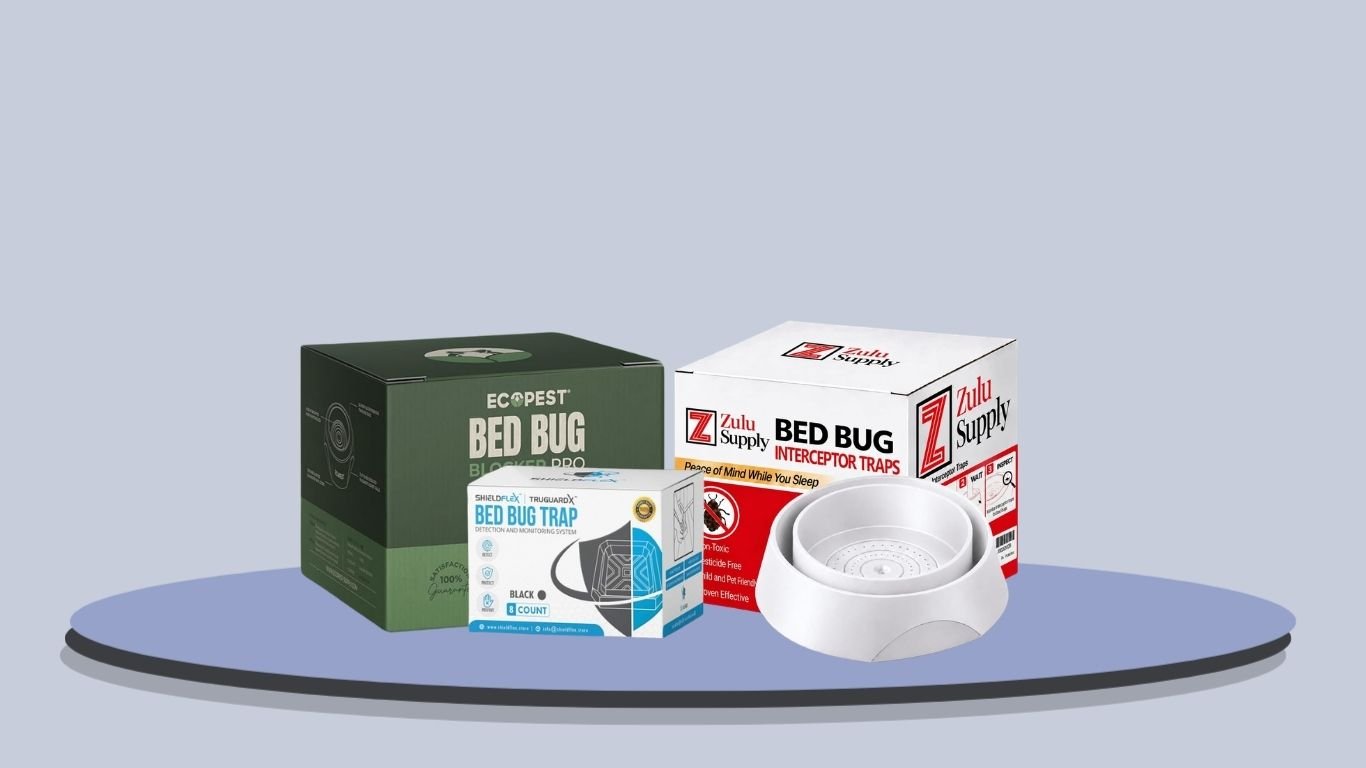
Bed bug interceptor traps are a simple way to monitor crawling bed bugs around beds, sofas, and other furniture without relying on sprays or complicated equipment. These traps are placed beneath furniture legs, where their smooth or specially designed surfaces help capture bugs moving to and from the bed. The best bed bug interceptor traps are sturdy, easy to inspect, and large enough to fit common furniture legs. Below, we review nine practical options for monitoring activity and adding another layer to a broader bed bug control plan.
1. Bed Bug Interceptor Traps – Pesticide-Free Furniture Protection
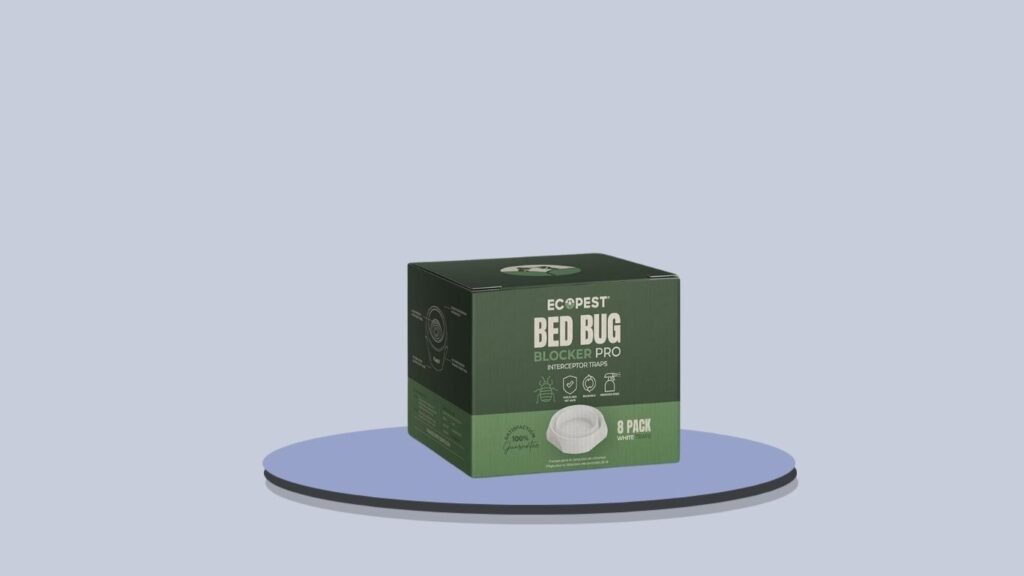
These bed bug interceptor traps offer a simple, chemical-free way to monitor pest movement around beds and furniture. Designed to sit beneath furniture legs, they create a trapping zone that helps catch bed bugs attempting to climb up or down. Their straightforward design makes them useful for bedrooms, apartments, hotels, and other spaces where early detection and ongoing monitoring are important.
Key Features
- Pesticide-free monitoring design
- Fits beneath bed and furniture legs
- Helps capture crawling bed bugs
- Reusable construction
- Easy to inspect during routine checks
- Suitable for beds, sofas, and other furniture
- Can support a broader bed bug management plan
Why It Works Well for Bed Bug Monitoring
The main advantage of this interceptor is that it continuously monitors activity without requiring sprays, powders, or electricity. Once placed beneath the legs of a bed or other furniture, it remains in position and can reveal whether bed bugs are moving through the area.
This can be particularly valuable when you suspect an infestation but have not yet confirmed where activity is occurring. Regularly checking the traps can provide visible evidence of movement and help identify whether the problem is improving or continuing.
Practical Design for Everyday Use
Interceptor traps are most effective when they are simple enough to leave installed for extended periods. This model requires little daily attention other than occasional inspection and cleaning.
Because the trap works mechanically, there is no need to replace chemical bait or maintain powered components. It can also be used alongside mattress encasements, vacuuming, professional treatment, and other control methods.
For best results, furniture should be positioned so bed bugs cannot easily bypass the interceptors by climbing from nearby walls, curtains, or other objects.
Overall Value
This interceptor is a practical choice for anyone who wants an uncomplicated monitoring tool that can remain under furniture continuously. Its pesticide-free design also makes it appealing for households that prefer to minimize chemical products around sleeping areas.
While an interceptor alone will not eliminate an established infestation, it can provide useful information and create an additional barrier around bed legs. For ongoing monitoring before, during, or after treatment, it offers a straightforward and low-maintenance solution.
2. Bed Bug Trap Interceptors for Bed and Furniture Legs
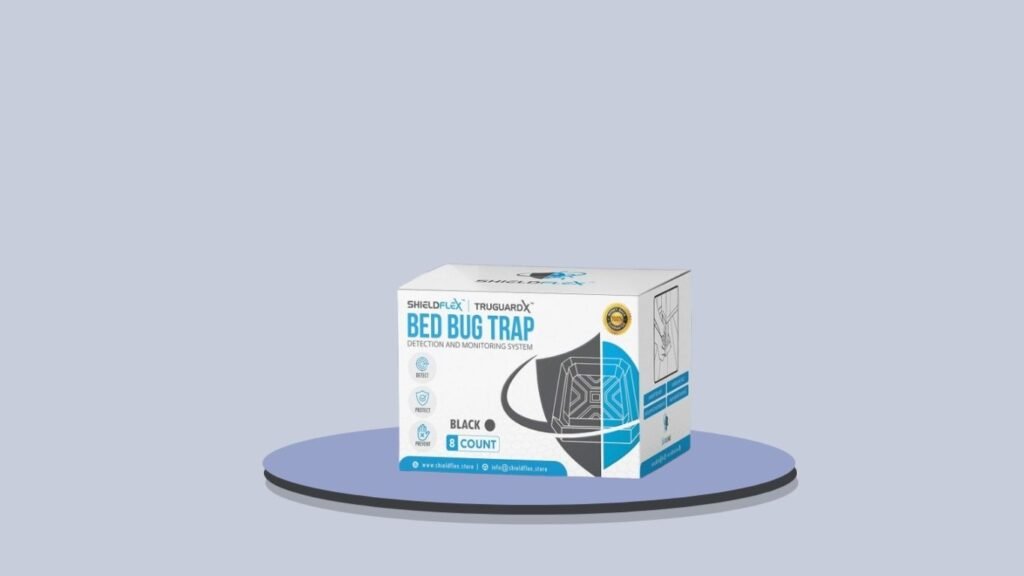
These bed bug trap interceptors are designed to provide continuous monitoring beneath beds, sofas, and other furniture. Their placement around furniture legs helps capture bed bugs moving toward or away from sleeping areas. The passive trapping design requires no electrical power or chemical attractants, making the interceptors easy to integrate into an existing pest-control routine.
Key Features
- Designed for furniture and bed legs
- Passive trapping system
- No electricity required
- Pesticide-free operation
- Reusable for continued monitoring
- Easy-to-check trap area
- Suitable for bedrooms and living spaces
Best for Continuous Monitoring Around Furniture
One of the strongest reasons to use interceptor traps is that bed bugs often travel between hiding areas and sleeping locations. Positioning a trap beneath each furniture leg creates a monitoring point along one of these common travel routes.
This can help homeowners determine whether bed bugs are reaching the bed or leaving it to hide elsewhere in the room. The traps are also useful after treatment because continued monitoring may reveal whether any activity remains.
Unlike a spray treatment, there is no application process to repeat. Once the traps are properly positioned, they can continue working passively.
Simple Setup and Maintenance
Installation is straightforward: lift the furniture leg, position the interceptor beneath it, and ensure the leg is centered securely.
The traps should then be checked regularly for captured insects, dust, or debris. Keeping the trapping surfaces clean is important because excessive debris may make it easier for insects to move across areas that are intended to be difficult to climb.
The surrounding bed should also remain isolated from walls and nearby furniture when possible, helping encourage crawling bed bugs to encounter the interceptors.
Overall Value
These interceptor traps are particularly useful for people who want a simple monitoring system without introducing additional chemicals into the bedroom.
They can support early detection, help track an active treatment program, and provide reassurance during follow-up monitoring. Their reusable design also makes them practical for longer-term use.
For homes dealing with suspected or confirmed bed bug activity, these traps can become a useful part of a more comprehensive strategy that includes inspection, mattress encasements, cleaning, and appropriate treatment.
3. Bed Bug Interceptor Traps with Non-Climbable Surface
These bed bug interceptor traps focus on one of the most important elements of an effective interception system: making escape difficult once insects enter the trap. Their specially designed surfaces help prevent bed bugs from easily climbing back out while the central area accommodates furniture legs. This makes them a practical tool for both monitoring and adding a passive barrier around beds.
Key Features
- Non-climbable trapping surfaces
- Designed for beds and furniture legs
- Chemical-free pest monitoring
- Reusable construction
- Helps detect crawling bed bugs
- Easy visual inspection
- Suitable for long-term placement
Why the Non-Climbable Design Matters
Bed bugs are skilled crawlers and can move across many rough household surfaces. An interceptor therefore needs smooth trapping areas that make continued movement difficult once the insect enters.
This design helps retain captured bed bugs so that they are easier to notice during inspection. That can improve the usefulness of the trap as a monitoring device, especially when only a small number of insects are present.
The separate trapping zones can also help indicate whether bugs may be moving toward or away from a piece of furniture.
Useful During Treatment and Follow-Up
These traps can be helpful at multiple stages of bed bug management. Before treatment, they may help confirm activity. During treatment, they can show whether bugs are still traveling around the sleeping area.
After treatment, leaving the interceptors installed provides a simple way to continue monitoring without repeatedly applying products.
Because they do not depend on pesticides or powered components, the traps can remain in place for extended periods with minimal maintenance.
Overall Value
The non-climbable design gives these interceptors a clear functional advantage for users who prioritize effective capture and easy inspection.
They are particularly suitable for beds with individual legs that fit comfortably inside the center section. Once positioned properly, the traps require little attention beyond routine checks and occasional cleaning.
They should not be viewed as a complete bed bug treatment by themselves, but they can strengthen a broader control strategy by helping isolate furniture and providing visible evidence of pest movement.
4. Aspectek Bed Bug Trap Insect Interceptors
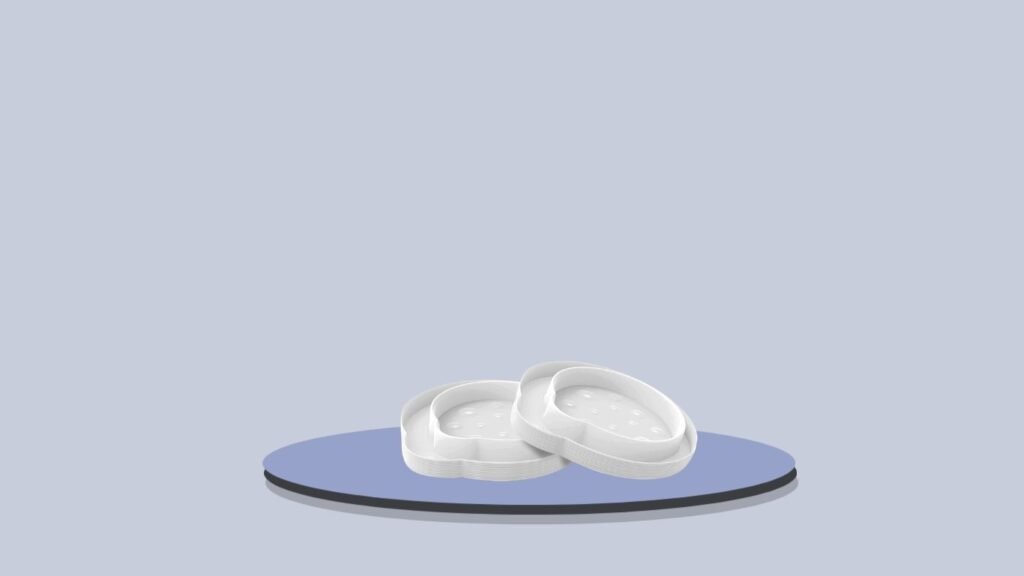
Aspectek Bed Bug Interceptors provide a straightforward method for monitoring bed bug movement around beds and other furniture. Designed to sit beneath furniture legs, these traps create a physical interception point without requiring pesticides or powered devices. Their reusable format makes them useful for people who want a simple monitoring tool that can remain in place for extended periods.
Key Features
- Fits beneath bed and furniture legs
- Passive trapping design
- No pesticides required
- Reusable for ongoing monitoring
- Easy to inspect visually
- Suitable for bedrooms and living areas
- Helps support furniture isolation
Best for Simple, Hands-Off Monitoring
The Aspectek interceptors are particularly appealing for users who want a monitoring system that does not require daily operation.
Once installed beneath the appropriate furniture legs, the traps can remain there and continue intercepting crawling insects. This passive approach makes them suitable for busy households, rental properties, or rooms that need continued observation after treatment.
The traps can also help make an isolated bed more difficult for bed bugs to access from the floor when the surrounding setup is arranged correctly.
Easy Inspection and Long-Term Use
One of the major advantages of an interceptor is how easy it is to check. Rather than searching mattress seams or dismantling furniture every day, users can inspect the trap wells for captured insects.
Regular inspections can help reveal activity patterns and indicate whether additional treatment may be needed.
Because the traps are reusable, they can continue serving as monitoring tools even after visible signs of an infestation disappear. Keeping them clean and free of excessive dust supports their performance.
Overall Value
Aspectek interceptors are a useful option for homeowners who want an uncomplicated physical monitoring tool.
Their chemical-free approach allows them to work alongside other strategies without introducing another pesticide treatment into the room. They can be combined with mattress encasements, careful cleaning, professional pest control, and other recommended measures.
For long-term monitoring, the reusable design provides practical value, particularly in homes or rental units where early detection of renewed activity is important.
5. Bed Bug Interceptor Traps – 4 Pack Black
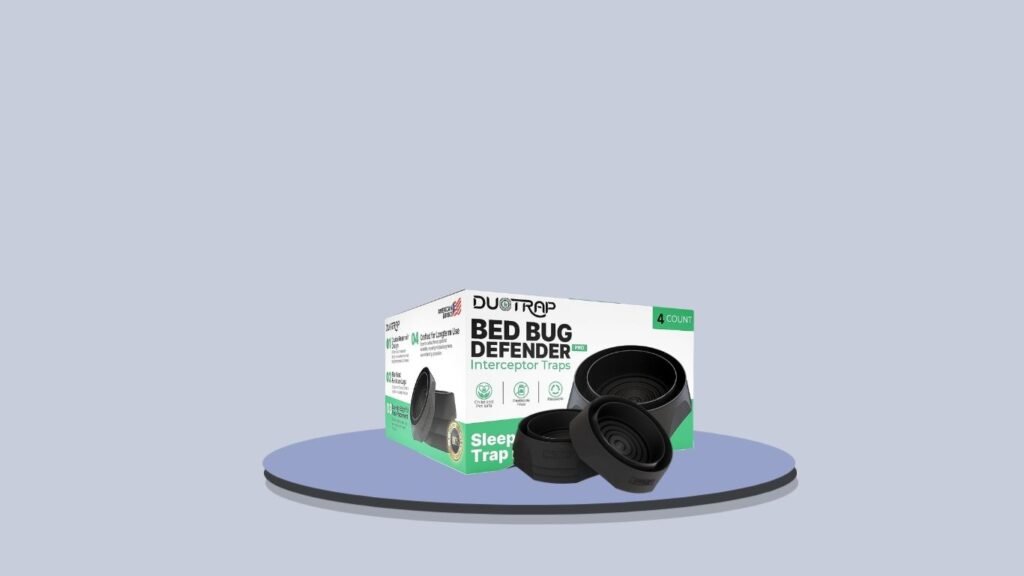
This 4-pack of black bed bug interceptor traps is designed for placement beneath the legs of a bed or other furniture. The dark appearance offers a more discreet look than many light-colored interceptors, while the trapping structure provides a passive way to monitor crawling bed bugs. A four-piece pack can be particularly convenient for beds or furniture with four separate legs.
Key Features
- Four interceptor traps included
- Black, low-profile appearance
- Designed for furniture legs
- Passive and pesticide-free trapping
- Reusable construction
- Easy visual monitoring
- Suitable for beds, sofas, and other furniture
Best for Four-Legged Beds and Furniture
The four-piece configuration makes this set convenient for standard bed frames with one leg at each corner. Instead of purchasing individual traps separately, the package provides enough units to create a complete monitoring setup around one piece of furniture.
This is important because using interceptors on only some legs can leave alternate pathways available to crawling bed bugs.
The black finish may also blend more naturally with dark bed frames or furniture, which can be appealing when the traps need to remain installed for extended periods.
Discreet Design and Routine Monitoring
A bed bug interceptor works best when it can stay in position continuously. The relatively unobtrusive appearance of these traps can make that easier in bedrooms where visual presentation matters.
Routine checks are still important. Users should inspect each interceptor periodically and remove captured insects, dust, hair, or other debris.
The bed should also be kept slightly away from walls, and bedding should not touch the floor, since these contact points may provide alternative routes around the traps.
Overall Value
This four-pack offers a practical combination of complete furniture-leg coverage and discreet design. It is particularly suitable for someone who wants to establish a basic interceptor setup around one standard bed or piece of furniture.
The reusable, pesticide-free format supports extended monitoring and can complement other bed bug management methods.
While these traps are not a stand-alone solution for a serious infestation, they can help reveal activity, reduce unnoticed movement around furniture legs, and provide another useful layer of monitoring during a broader control program.
6. Zulu Supply Bed Bug Interceptors
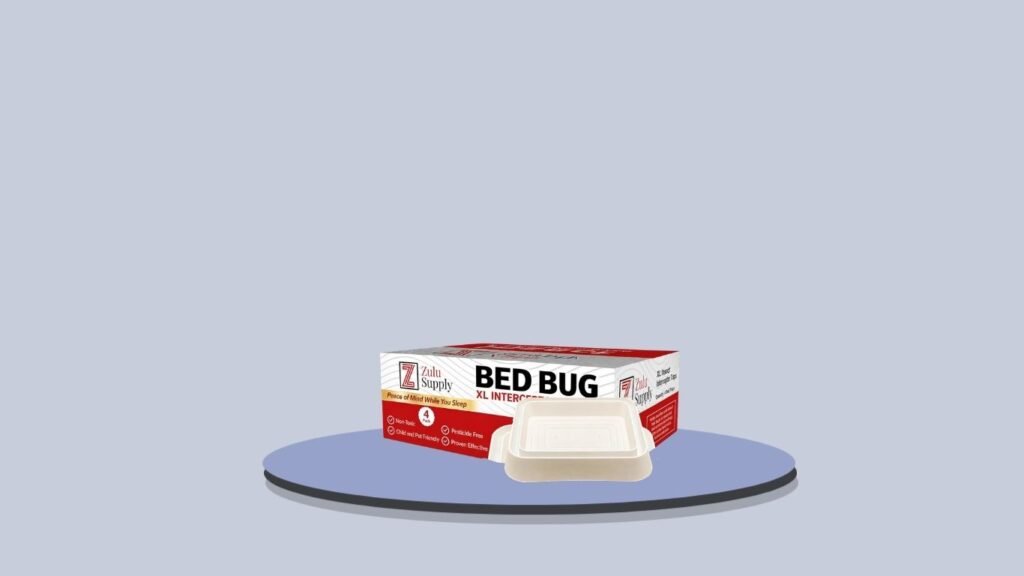
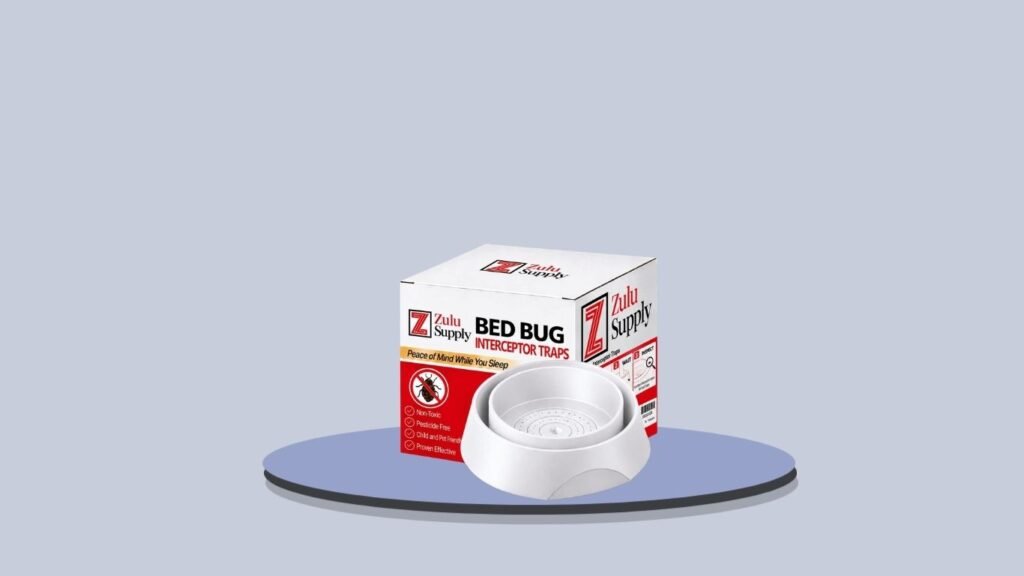
Zulu Supply Bed Bug Interceptors are designed to provide a simple, pesticide-free way to monitor bed bug movement around beds and other furniture. By positioning the traps beneath furniture legs, users can create an interception point that helps capture crawling insects before they reach or leave the sleeping area. Their reusable design makes them especially practical for ongoing monitoring during and after a bed bug treatment program.
Key Features
- Designed for bed and furniture legs
- Pesticide-free trapping method
- Reusable construction
- Helps monitor bed bug activity
- No electricity or bait required
- Suitable for long-term placement
- Works with beds, sofas, and other furniture
Why It Is Useful for Ongoing Monitoring
The Zulu Supply interceptors are particularly useful for homeowners who want a passive monitoring method that requires very little daily attention. Once correctly positioned, the traps remain beneath the furniture legs and can help reveal whether bed bugs are still moving through the area.
This makes them valuable both during an active infestation and after treatment. Continued monitoring can help identify renewed activity before it becomes more difficult to manage.
Because they do not rely on chemicals or electrical components, the interceptors can remain installed for extended periods without ongoing operating costs.
Simple Setup and Routine Maintenance
Using these interceptors is straightforward. Each furniture leg should be positioned securely in the center of the trap so crawling bed bugs are encouraged to cross the interceptor area.
Periodic inspection is important. Dust, hair, or other debris should be removed so the interior surfaces remain effective.
For better isolation, bedding should not touch the floor, and the bed frame should be kept away from nearby walls or furniture. These small adjustments can reduce alternative routes that allow bed bugs to bypass the traps.
Overall Value
Zulu Supply Bed Bug Interceptors provide a straightforward solution for households that want long-term monitoring without adding more pesticide products to the room.
Their reusable construction makes them economical for continued observation, while the simple design works well with a variety of furniture styles. They can also complement mattress encasements, professional treatment, vacuuming, and other bed bug control measures.
For users who want a low-maintenance monitoring tool that can remain in place continuously, this set offers practical everyday value.
7. Bed Bug Interceptors for Furniture Protection
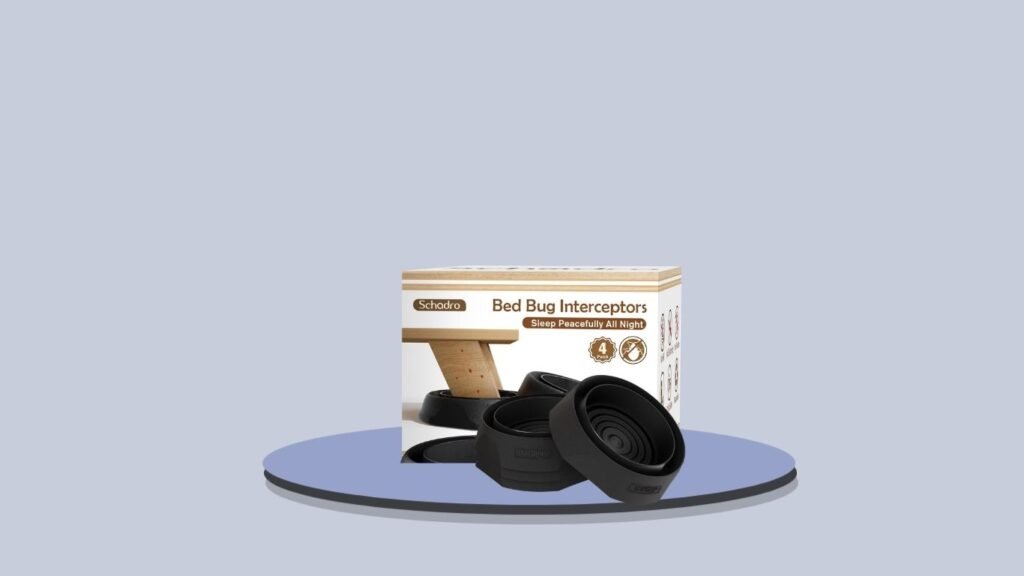
These Bed Bug Interceptors for Furniture Protection are designed to help monitor crawling bed bugs beneath beds, sofas, chairs, and other furnishings. Their physical trapping system does not depend on sprays, electricity, or disposable bait. Instead, the interceptors use a structured design that helps capture insects moving between the floor and furniture, making them useful for both detection and long-term monitoring.
Key Features
- Fits beneath furniture legs
- Chemical-free interception system
- Helps capture crawling bed bugs
- Reusable for ongoing monitoring
- Suitable for beds and sofas
- Easy visual inspection
- Designed for continuous placement
Best for Protecting Multiple Furniture Types
One of the advantages of this interceptor design is versatility. It can be used under more than just bed frames. Sofas, chairs, nightstands, and other furniture with suitable legs may also be monitored.
This flexibility can be especially useful when bed bug activity is not limited to one sleeping area. Since the traps work passively, users can position them around different pieces of furniture and inspect them periodically for signs of movement.
Using several interceptors throughout a room can provide a clearer picture of where bed bugs are active.
Monitoring Without Chemical Treatments
These interceptors provide a non-chemical way to supplement a broader bed bug control program. They do not release pesticides, fumes, or fragrances and do not require daily applications.
The traps can remain in place during professional treatments or while other methods are being used. This makes it easier to determine whether crawling activity is decreasing over time.
Keeping the trap surfaces clean is important because accumulated dust may reduce their effectiveness. Regular visual checks also help ensure that captured insects are identified and removed.
Overall Value
These furniture-protection interceptors are a practical option for people who want to monitor more than one type of furniture without depending on disposable products.
Their reusable construction supports long-term use, making them suitable for apartments, bedrooms, hotels, and rental properties where recurring monitoring may be helpful.
While they cannot eliminate bed bugs hiding in walls, mattresses, or furniture interiors, they provide an additional monitoring layer that can help identify movement and support a more organized pest-management strategy.
8. Bed Bug Interceptor Traps for Beds and Furniture
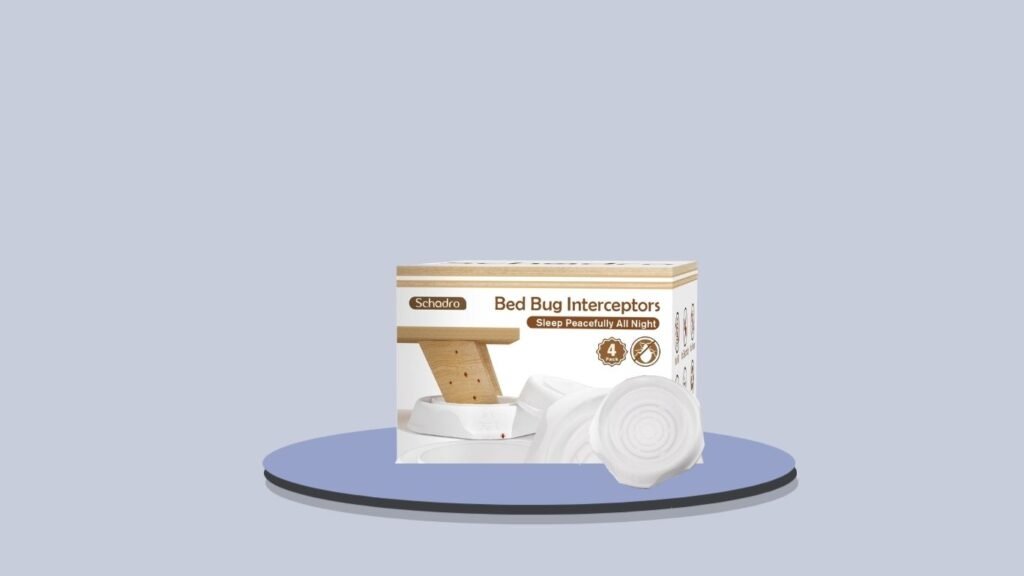
These Bed Bug Interceptor Traps are designed to create a physical monitoring barrier beneath bed and furniture legs. Their passive design helps capture crawling bed bugs without relying on pesticides or powered devices. The traps can be left in position for extended periods, making them suitable for households that want continuous monitoring while using mattress encasements, cleaning routines, or professional treatment.
Key Features
- Designed for beds and furniture
- Passive bed bug interception
- No pesticides required
- Reusable design
- Helps identify crawling activity
- Easy to check and maintain
- Suitable for long-term monitoring
Why It Works Well as an Early Detection Tool
Bed bug infestations can be easier to address when activity is detected early. Interceptor traps help by creating a location where crawling insects may become visible before other signs become obvious.
Positioning traps beneath furniture legs can help users determine whether bed bugs are approaching the bed from elsewhere in the room or traveling away from the sleeping area.
This information can be helpful when deciding where additional inspection or treatment may be necessary.
Easy Integration With Other Control Methods
These traps require little modification to an existing bedroom setup. Once placed beneath the furniture legs, they can remain there while other bed bug control methods are used.
Mattress encasements, laundering, vacuuming, steam treatment, and professional pest control can all be used alongside interceptors.
To improve performance, furniture should be isolated from walls whenever possible, and sheets or blankets should not hang down to the floor. This encourages crawling bed bugs to encounter the interceptor instead of finding another route.
Overall Value
These interceptor traps are well suited to people who want a simple monitoring method that does not require constant replacement or chemical application.
Their reusable design provides good value for extended monitoring, particularly after an infestation has been treated and homeowners want continued reassurance.
They are also useful in guest rooms or rental properties where early detection can be especially important. As part of a broader strategy, these traps provide a convenient way to monitor bed bug movement with minimal effort.
9. ClimbUp Bed Bug Interceptor Trap
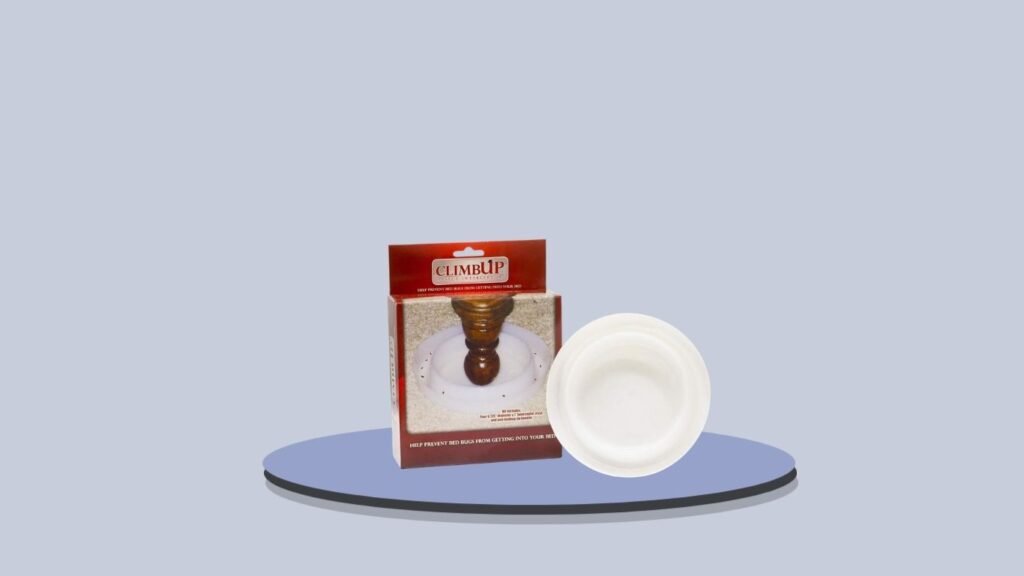
The ClimbUp Bed Bug Interceptor Trap is one of the more recognizable designs in this category and is intended for placement beneath beds and furniture legs. Its specially shaped trapping wells are designed to intercept bed bugs traveling between the floor and furniture. The pesticide-free construction makes it suitable for continuous monitoring and for use alongside professional or do-it-yourself bed bug management methods.
Key Features
- Specialized interceptor design
- Fits under bed and furniture legs
- Pesticide-free operation
- Reusable construction
- Helps monitor movement in both directions
- Easy visual inspection
- Suitable for long-term bed bug monitoring
Best for Structured Bed Bug Monitoring
The ClimbUp design is especially useful for people who want to distinguish between bed bug movement toward and away from furniture. Its multi-well structure provides separate areas where crawling bugs may become trapped depending on their direction of travel.
This can provide useful information when evaluating whether bed bugs are primarily coming from elsewhere in the room or are already associated with the bed or furniture.
The design is passive, so there are no batteries, sprays, or replacement cartridges to maintain.
Reliable for Long-Term Use
Because ClimbUp interceptors are reusable, they can remain part of the bedroom setup even after visible bed bug activity has stopped.
Regular checks can help provide early warning if bugs return. The traps should be kept clean and positioned securely beneath each furniture leg so they remain effective.
As with other interceptors, the bed should ideally be pulled slightly away from the wall, and bedding should not touch the floor. These steps help prevent bugs from bypassing the trap.
Overall Value
ClimbUp is a strong option for users who want a purpose-built monitoring trap with a well-established interceptor-style design.
Its reusable format and pesticide-free operation make it practical for extended use, while the structured wells provide useful information about pest movement.
It is particularly suitable for homeowners who want to continue monitoring after professional treatment or who are trying to confirm suspected activity. Combined with mattress encasements and appropriate treatment, it can become an effective part of a comprehensive bed bug management plan.
FAQs
1. Do Bed Bug Interceptor Traps Really Work?
Bed bug interceptor traps can be effective for detecting and monitoring crawling bed bugs when they are positioned correctly beneath furniture legs. They are particularly useful for identifying movement around beds. However, they are monitoring and interception tools rather than complete infestation treatments.
2. Where Should Bed Bug Interceptor Traps Be Placed?
Interceptors should generally be placed beneath every leg of the bed or furniture being monitored. The furniture leg should sit securely in the center of the trap. For better results, keep the bed away from walls and make sure blankets, sheets, and other bedding do not touch the floor.
3. How Often Should Bed Bug Interceptors Be Checked?
Checking the traps at least once every few days during suspected activity can help identify changes quickly. During long-term monitoring, weekly inspections may be sufficient. Remove dust, hair, and captured insects during inspections so the trap surfaces remain clean.
4. Can Bed Bug Interceptors Eliminate an Infestation?
No. Interceptors can capture some bed bugs and help reduce access to isolated furniture, but they cannot reach insects hiding in mattresses, furniture joints, baseboards, wall cracks, or other locations. Active infestations usually require a broader treatment approach.
5. Can Bed Bug Interceptors Be Used With Mattress Encasements?
Yes. Mattress encasements and interceptor traps can complement each other. The encasement protects and isolates the mattress, while interceptors monitor crawling bugs around furniture legs. Combining these tools with cleaning, inspection, and appropriate treatment can provide a more comprehensive bed bug management strategy.
