
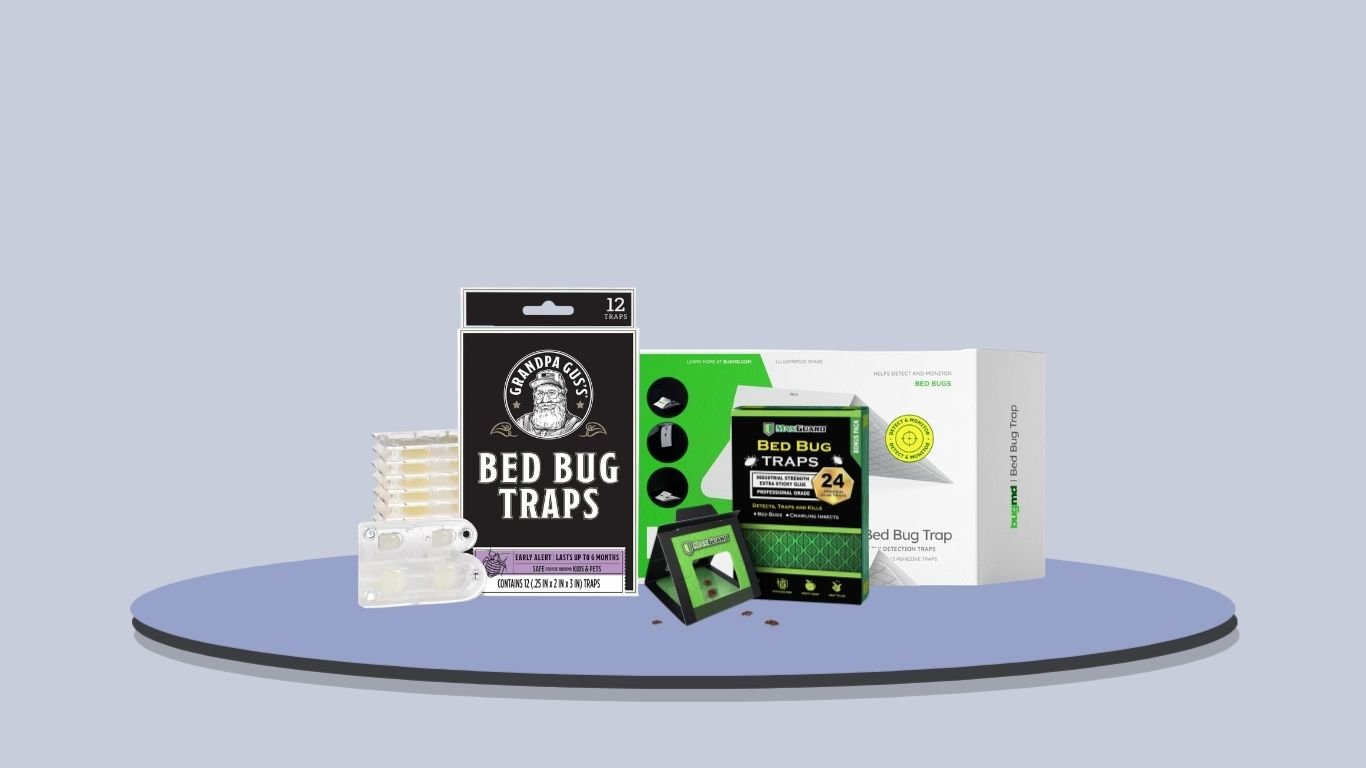
Bed bug catchers can help detect activity early, monitor problem areas, and capture bugs moving around beds, sofas, and other furniture. The best options include sticky traps, interceptor cups, and discreet monitors that work without complicated setup. While these products are not a complete solution for a serious infestation, they can be very useful for tracking bed bug movement and supporting a broader control plan. In this guide, we review 7 of the best bed bug catchers based on design, placement, ease of use, and monitoring performance.
1. BugMD Bed Bug Traps

BugMD Bed Bug Traps provide a flexible adhesive-monitoring option for bedrooms, living rooms, and other areas where bed bug activity is suspected. The package contains 12 paper traps designed for indoor use. Their foldable structure allows them to be positioned around furniture, mattress areas, and likely crawling routes without requiring electricity or pesticide application. They are best considered monitoring tools rather than a complete treatment for an established infestation.
Key Features
- 12 traps per package
- Ultra-sticky adhesive trapping surface
- Paper construction
- No electricity required
- Designed specifically for bed bug monitoring
- Suitable for indoor placement
- Disposable after use
- Can provide continuous passive monitoring
Why It’s Best for Flexible Monitoring
BugMD’s main advantage is its adaptable trap format. Unlike large interceptor cups that must sit under furniture legs, adhesive monitors can be placed in several locations where bed bugs may travel.
This flexibility is useful around bed frames, baseboards, furniture edges, and other suspected pathways. It also means several traps can be distributed throughout one room instead of relying on a single monitoring point.
Detection Performance and Placement
The adhesive surface captures insects that physically cross it, so careful positioning is important. Placing monitors randomly in the middle of an open room may provide less useful information than positioning them close to beds and furniture where bed bugs commonly travel.
Sticky monitors should not be expected to capture every bed bug. EPA guidance gives stronger support to interceptor-style traps placed beneath furniture legs as part of bed bug monitoring, while broader integrated control remains necessary for an infestation.
Overall Verdict
BugMD Bed Bug Traps are most appealing for people who want compact, disposable monitors that can fit into locations where traditional interceptor cups cannot.
The 12-pack provides plenty of placement flexibility, while the adhesive design requires almost no maintenance. They are especially useful for supplementing visual inspections or monitoring after treatment, but they should form only one part of a comprehensive bed bug management strategy.
2. ECOPEST Bed Bug Blocker Pro Interceptors
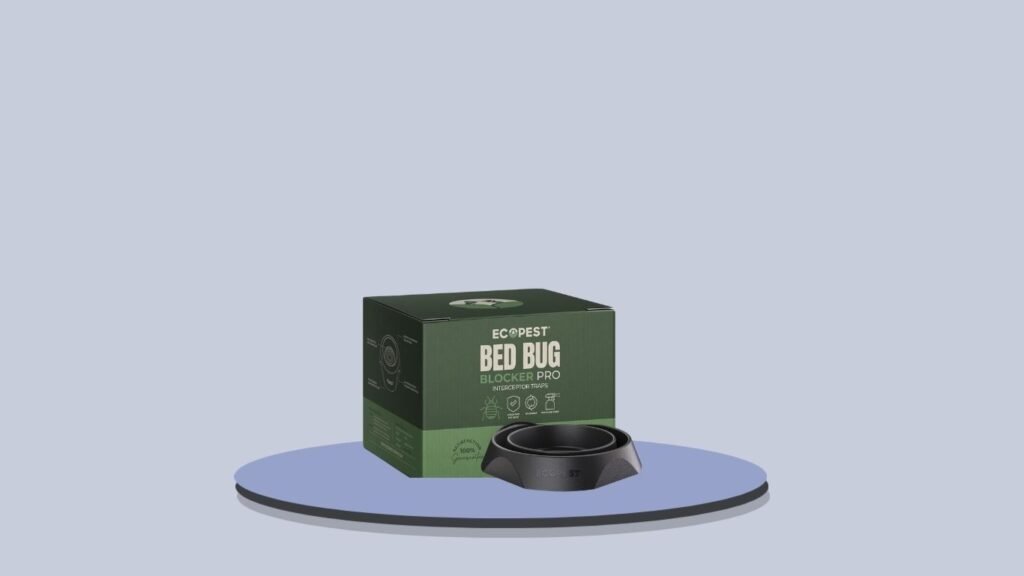
The ECOPEST Bed Bug Blocker Pro uses the established furniture-leg interceptor approach rather than adhesive. This eight-pack is designed to sit underneath bed or furniture legs, creating a pitfall barrier that monitors bugs traveling between the floor and furniture. The plastic, pesticide-free design makes the traps reusable and suitable for long-term monitoring when the bed is properly isolated from alternative climbing routes.
Key Features
- Eight interceptors per package
- Heavy-duty plastic construction
- Designed for furniture legs
- Pesticide-free operation
- No adhesive replacement required
- Reusable design
- Continuous passive monitoring
- Suitable for beds, sofas, and similar furniture
Why It’s Best for Bed-Leg Protection
Interceptor traps have a major advantage because they use predictable bed bug behavior. Bugs attempting to reach a sleeping person from the floor must climb the furniture legs when other routes are eliminated.
Placing one interceptor beneath every leg therefore creates a series of monitoring points around the entire bed. Rutgers identifies pitfall-style interceptors as among the most cost-effective tools for detecting bed bugs.
Interceptor Performance and Correct Setup
Installation matters just as much as the trap itself. EPA recommends moving the bed at least six inches away from walls, keeping bedding from touching the floor, and placing interceptors under every bed leg.
Interceptors should also be inspected and cleaned regularly. Rutgers recommends checking them approximately every one to two weeks and keeping their inner surfaces smooth.
Overall Verdict
The ECOPEST Bed Bug Blocker Pro is one of the more technically useful choices for ongoing monitoring.
Its eight-piece package, reusable plastic construction, chemical-free operation, and furniture-leg design make it particularly suitable for beds and sofas. When furniture is properly isolated, this type of interceptor provides a practical way to detect movement and monitor whether bed bug activity is continuing after treatment.
3. MaxGuard Bed Bug Detection Traps
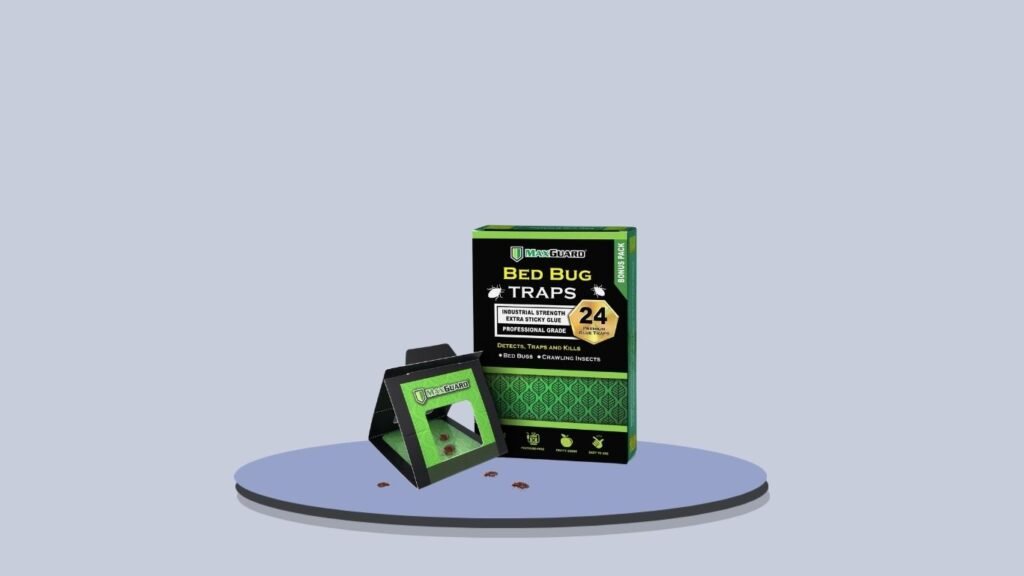
MaxGuard Bed Bug Detection Traps offer a large 24-count package for monitoring several areas at once. These paper adhesive traps are marketed for bed bugs as well as other crawling pests, including cockroaches, ants, crickets, and spiders. Their simple manual design requires no electricity or complicated installation, making them convenient for homeowners who want multiple monitoring points around bedrooms, furniture, and baseboards.
Key Features
- 24 traps per package
- Adhesive trapping surface
- Paper construction
- No electricity required
- Suitable for several crawling insects
- Disposable design
- Easy to distribute around multiple rooms
- Designed for detection and monitoring
Why It’s Best for High-Quantity Monitoring
The 24-count package is the strongest reason to consider MaxGuard. Bed bugs can move through different parts of a bedroom, and one small monitor may miss activity happening elsewhere.
Having numerous traps allows users to monitor several locations simultaneously. Some can be placed around a bed while others monitor sofas, walls, storage areas, or another bedroom.
This makes the package particularly convenient when the exact location of suspected activity is uncertain.
Adhesive Performance and Limitations
The sticky surface works only when an insect crosses it, so placement determines much of its practical value. It should therefore be treated as a monitoring aid rather than proof that a room is bed bug-free if nothing is caught.
EPA specifically notes that interceptor traps are useful under furniture legs and recommends a multi-part strategy for bed bugs instead of relying solely on a trap.
Overall Verdict
MaxGuard is a useful option for anyone who wants a large number of inexpensive monitoring points.
Its 24-trap package, simple adhesive format, and multi-insect capability make it convenient for widespread surveillance around the home. It is particularly suitable for early monitoring and for supplementing other detection methods, although an established infestation will require more comprehensive control measures.
4. Harris Early Detection Bed Bug Traps – 20 Pack
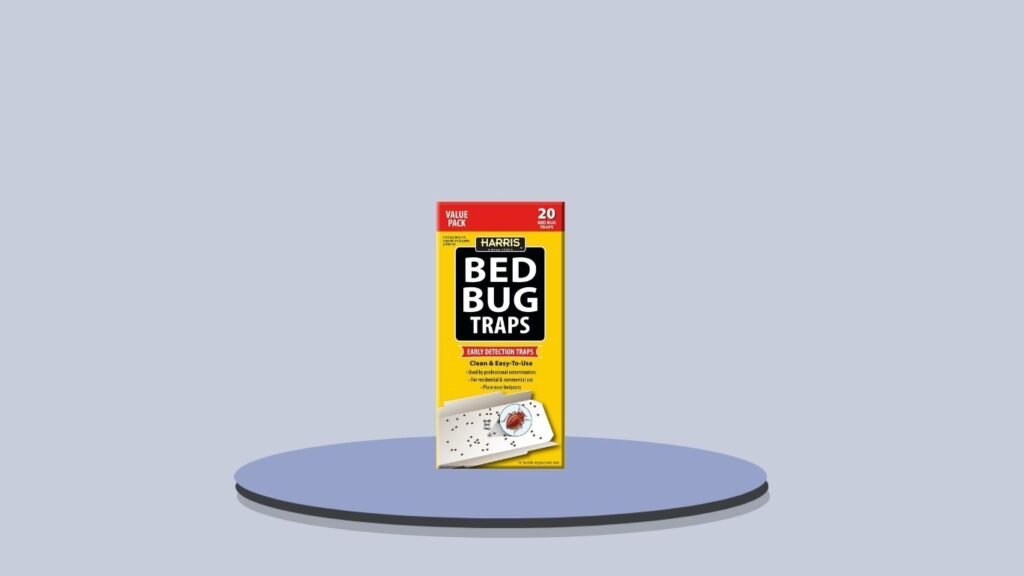
Harris Early Detection Bed Bug Traps are designed for straightforward monitoring without electrical components or complicated equipment. The 20-pack uses paper trap construction and is marketed specifically for early detection and ongoing bed bug monitoring. Because so many traps are included, the set can cover bedrooms, sofas, furniture edges, and other suspected locations while leaving additional traps available for replacement.
Key Features
- 20 traps per package
- Designed for bed bug monitoring
- Pesticide-free trap format
- Paper construction
- No electricity required
- Made in the USA
- Clean and simple setup
- Useful for multiple monitoring locations
Why It’s Best for Early Detection
Bed bugs become substantially more difficult to manage once populations grow and spread to additional hiding areas. A large package of passive monitors makes it easier to watch several likely locations before activity becomes obvious.
Harris is therefore most useful as an early-warning product rather than something expected to eliminate an infestation by itself.
Its 20-count format is also practical after treatment because several monitors can remain in place to watch for continuing activity.
Placement and Monitoring Performance
Monitors are most informative when they are positioned close to areas where bed bugs are likely to travel, such as beds and upholstered furniture.
Visual inspection should continue alongside trapping. Rutgers recommends examining beds and sofas as well as using interceptors, while EPA advises continued monitoring after treatment because surviving bugs or newly hatched eggs can lead to renewed activity.
Overall Verdict
Harris Early Detection Traps are a practical choice for homeowners who want plenty of simple monitoring devices without investing in complicated equipment.
The 20-pack offers broad coverage and convenient replacement options. They work particularly well for watching several rooms or keeping monitors in place after treatment. Their greatest value is information—helping users spot possible activity so a larger response can begin sooner.
5. Bed Bug Detector & Detection Monitor
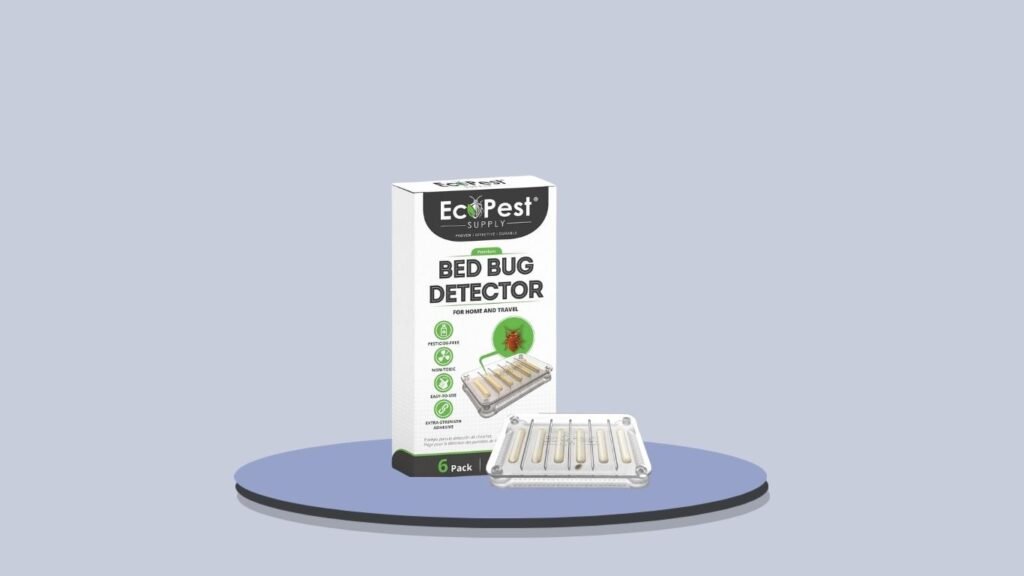
This Bed Bug Detector & Detection Monitor is intended for users who want a compact way to watch sleeping and furniture areas for possible bed bug activity. Its monitoring-focused design makes it most useful for bedrooms, apartments, guest rooms, or travel situations where early detection matters. Instead of treating surrounding surfaces, a detector provides a defined location that can be inspected regularly for captured bugs or other evidence of activity.
Key Features
- Designed for bed bug detection
- Passive monitoring approach
- Compact format
- No complicated electronic setup
- Suitable for placement around beds and furniture
- Useful for home or travel monitoring
- Easy to inspect periodically
- Can supplement visual bed bug inspections
Why It’s Best for Simple Routine Monitoring
A detector is especially useful when someone suspects bed bugs but has not yet confirmed their presence. Rather than immediately applying multiple treatments without knowing whether bed bugs are actually present, monitoring can help establish evidence.
The compact format can also be useful in guest rooms or apartments where a discreet device is preferable to a bulky interceptor.
Monitoring is valuable after treatment as well because finding another bed bug may indicate that additional control is needed.
Detection Strategy and Best Placement
A monitor should be positioned near likely bed bug travel routes rather than simply somewhere convenient. Bed bugs tend to remain close to sleeping and regularly occupied furniture, making these areas logical monitoring locations.
No monitor guarantees detection. Rutgers notes that low bed bug populations can be difficult to locate and that monitoring tools may need several days before activity is detected.
Overall Verdict
This Bed Bug Detector is best suited to users seeking a straightforward early-warning tool.
Its compact design can fit easily around sleeping areas without requiring extensive setup. It should be most valuable when combined with regular mattress and furniture inspection, rather than being treated as definitive proof that bed bugs are absent when the monitor remains empty.
For homeowners prioritizing simple surveillance, it provides another useful layer of monitoring.
6. Grandpa Gus’s Bed Bug Glue Traps
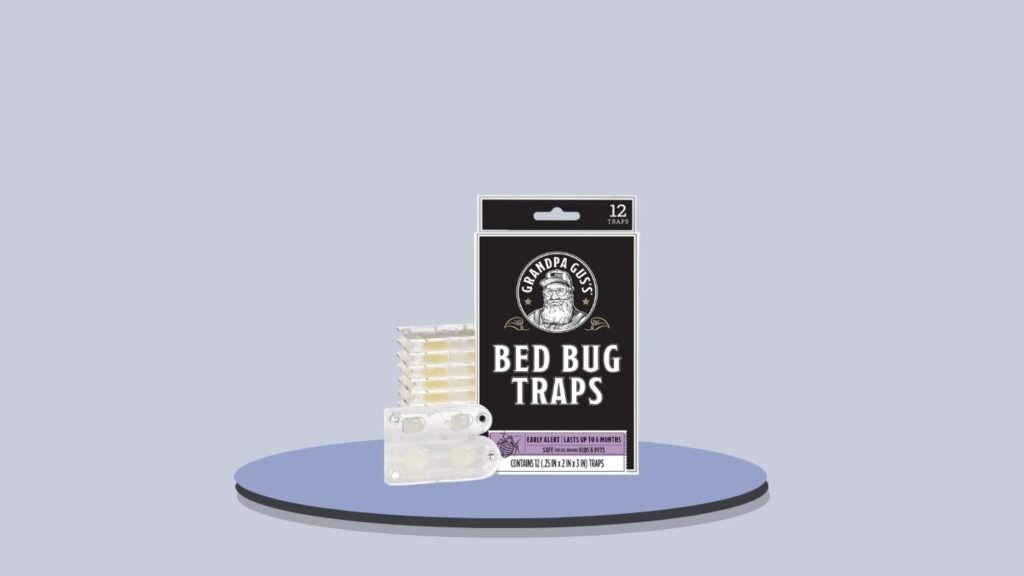
Grandpa Gus’s Bed Bug Traps are specifically designed for early detection rather than infestation control. They use sticky glue inside a hard, crush-resistant shell that can be positioned beneath mattresses, under sofa or chair cushions, near beds, or inside luggage. According to the manufacturer, each opened trap can remain active for up to six months, giving this product noticeably longer claimed monitoring life than many disposable paper traps.
Key Features
- Sticky-glue bed bug monitor
- Crush-resistant outer shell
- Clear viewing area
- Up to six months of claimed monitoring
- No pesticide active ingredient
- Suitable under mattresses and cushions
- Can be used inside luggage
- Designed for home and travel detection
Why It’s Best for Discreet Long-Term Monitoring
The rigid housing differentiates Grandpa Gus’s trap from flat glue boards. A conventional paper monitor can become compressed if placed beneath a mattress, while this trap is specifically constructed to maintain its shape in those locations.
The clear viewing area also makes inspection easier without immediately opening or touching the trap.
Travelers may find the format useful because traps can also be positioned around hotel sleeping areas or luggage for additional monitoring.
Glue Performance and Practical Use
The manufacturer recommends positioning traps under mattress corners, between the mattress and box spring, or around upholstered furniture and checking them regularly. If a bed bug is captured, the trap can be sealed inside a bag for disposal.
Importantly, Grandpa Gus explicitly describes these traps as detectors rather than products intended to prevent or control an infestation.
Overall Verdict
Grandpa Gus’s Bed Bug Traps stand out for their durable enclosure and unusually long claimed monitoring period.
The crush-resistant shell, clear inspection window, sticky interior, and travel-friendly dimensions make them especially convenient for users who want discreet monitoring rather than exposed glue boards. For mattress areas, sofas, luggage, and hotel stays, their specialized housing provides a practical advantage.
7. EcoVenger Bed Bug Monitor & Interceptor
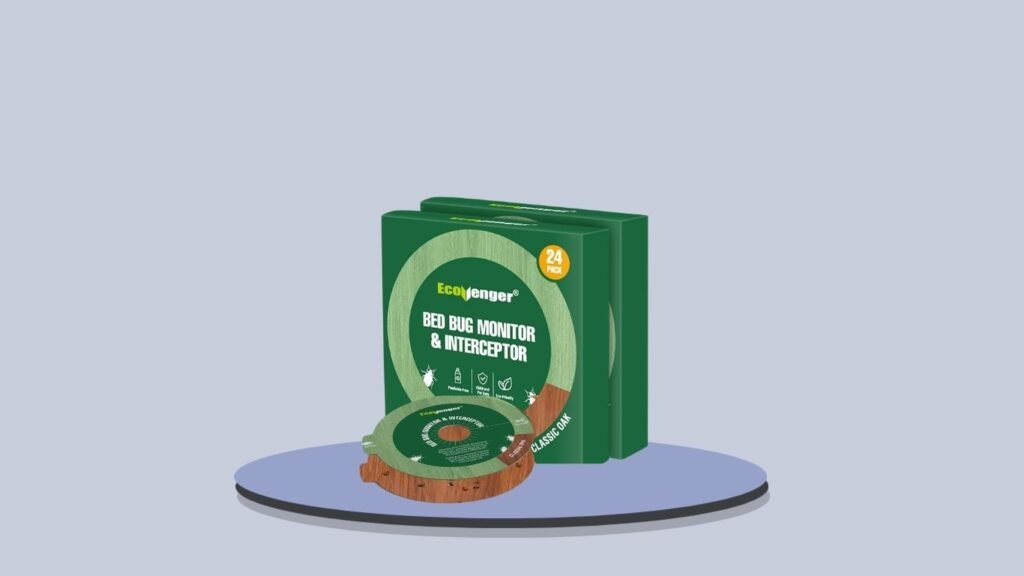
The EcoVenger Bed Bug Monitor & Interceptor uses a flat, discreet design intended to monitor bed bugs around furniture without the bulky appearance of traditional interceptor cups. The listed 48-count package provides enough units for extensive coverage around beds, couches, futons, and other furniture. Its manual, non-electric construction keeps operation simple while the adhesive design creates monitored zones around furniture legs.
Key Features
- 48 traps per package
- Designed for bed bug monitoring
- Flat interceptor-style format
- No electrical power required
- Suitable around furniture legs
- Large package for broad coverage
- Discreet appearance
- Disposable monitoring design
Why It’s Best for Discreet Furniture Monitoring
Traditional pitfall interceptors can be visually noticeable beneath a bed. EcoVenger takes a flatter approach, which may appeal to users who want their monitoring setup to blend more naturally with a bedroom or living room.
The large 48-count package is another major advantage. It allows monitoring around several pieces of furniture rather than focusing entirely on one bed.
That can be useful in apartments or households where several upholstered resting areas need attention.
Monitoring Coverage and Correct Setup
Furniture-based monitors perform best when bed bugs are given limited alternative routes. EPA recommends pulling beds away from walls and making sure bedding does not touch the floor when interceptors are used.
EcoVenger’s adhesive design is different from a conventional deep pitfall cup, so users should follow the manufacturer’s installation instructions for the specific model.
Regular checks are still important because captured insects provide the information needed to evaluate whether activity is continuing.
Overall Verdict
EcoVenger Bed Bug Monitor & Interceptor is particularly attractive for users who need numerous discreet monitoring points.
Its 48-count quantity, low-profile configuration, furniture-focused design, and simple passive operation make it convenient for beds, couches, and other resting areas. For larger homes or ongoing post-treatment monitoring, the generous quantity provides enough coverage to maintain a broad detection network.
FAQs
1. Do Bed Bug Catchers Really Work?
Bed bug monitoring devices can help detect bed bugs, but performance varies by design and placement. Rutgers reports that pitfall-style interceptors placed beneath furniture legs are among the most cost-effective monitoring tools and can detect bugs moving between furniture and the floor. Adhesive monitors may also catch individual insects, but an empty trap does not prove that a room is bed bug-free.
2. Where Should I Place a Bed Bug Catcher?
For pitfall interceptors, place one beneath every leg of the bed, couch, or chair being monitored. Pull the furniture away from walls and prevent sheets or blankets from touching the floor. Sticky monitors should be positioned according to their instructions near beds, furniture, and other likely travel routes.
3. How Often Should Bed Bug Traps Be Checked?
EPA recommends continued inspection at least every seven days during control efforts, while Rutgers recommends checking furniture-leg interceptors approximately every one to two weeks during routine monitoring. During a suspected active infestation, more frequent checks can make it easier to track changes.
4. Can Bed Bug Catchers Eliminate an Infestation?
Traps and monitors usually cannot eliminate an established infestation by themselves. EPA recommends integrated pest management that can include inspection, vacuuming, encasements, heat or other nonchemical methods, monitoring devices, and appropriately labeled pesticides when needed. Professional pest-management help may be appropriate for persistent infestations.
5. Which Is Better: Glue Traps or Bed Bug Interceptors?
They have different advantages. Glue monitors are compact and can fit in locations where furniture-leg cups cannot, making them useful for supplemental detection. Pitfall interceptors have stronger research support for monitoring beds and upholstered furniture because they capture bugs traveling along furniture legs. Rutgers specifically identifies pitfall-style traps as highly useful for detecting low-level infestations.
