

A sudden sharp pain, followed by redness and swelling—being stung by a bee can be an unpleasant surprise during an otherwise peaceful day outdoors. While most bee stings are not life-threatening, they can cause discomfort, inflammation, and itching that lasts for hours or even days. Thankfully, nature and your kitchen cupboard offer simple, effective solutions to ease the pain and speed up healing. In this guide, we’ll explore nine proven home remedies for bee stings, how to apply them safely, and when to seek medical attention for more serious reactions.
What Happens When a Bee Stings You
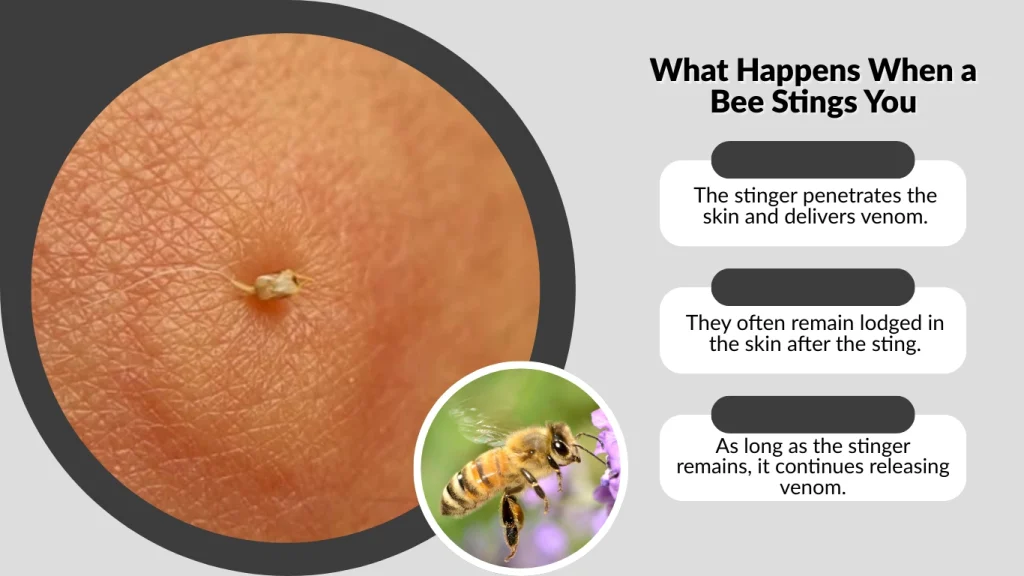
When a bee stings, it injects venom through its stinger into your skin. This venom contains proteins that affect skin cells and the immune system, causing pain, swelling, and redness. The reaction is your body’s natural defense against the venom, but its intensity can vary depending on your sensitivity.
How the Sting Works
- The stinger penetrates the skin and delivers venom.
- Bee stingers are barbed, which means they often remain lodged in the skin after the sting.
- As long as the stinger remains, it continues releasing venom.
Common Reactions
Most people experience mild symptoms, such as:
- Sharp, immediate pain at the sting site
- Redness and swelling within minutes
- Itching or warmth in the affected area
In sensitive individuals, the reaction can be more severe, requiring immediate medical attention.
When to Seek Medical Help Before Trying Home Remedies
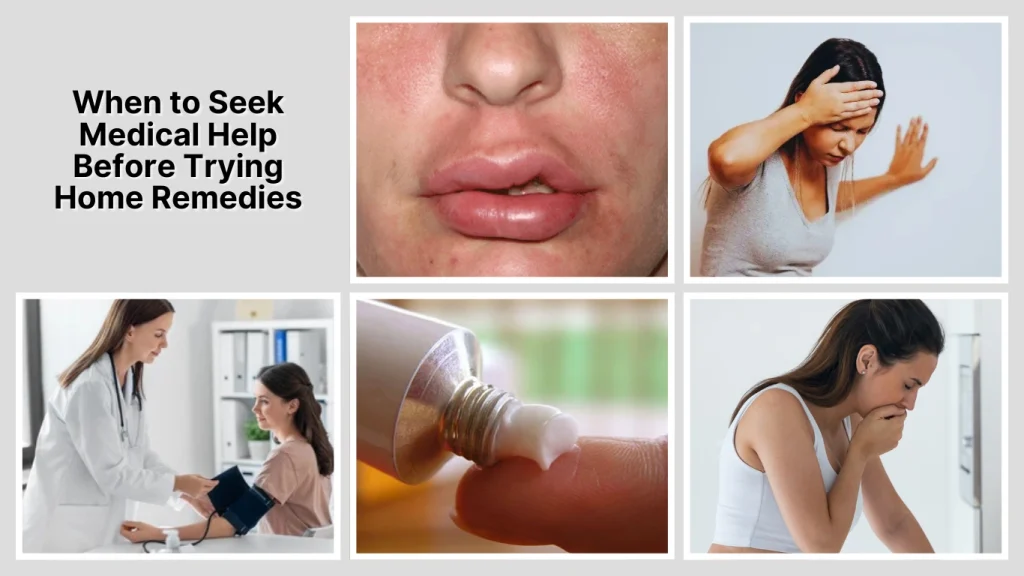
While most bee stings can be treated at home, certain situations require urgent professional care. Knowing the warning signs can prevent serious complications.
Signs of Severe Allergic Reaction (Anaphylaxis)
Seek immediate medical attention if you notice:
- Difficulty breathing or shortness of breath
- Swelling of the lips, tongue, or throat
- Rapid heartbeat or dizziness
- A sudden drop in blood pressure
- Nausea, vomiting, or diarrhea following the sting
These symptoms can appear within minutes of the sting and may be life-threatening.
People with Known Bee Allergies
If you have a history of allergic reactions to bee stings:
- Always carry an epinephrine auto-injector (EpiPen)
- Use it immediately if symptoms of anaphylaxis occur
- Call emergency services without delay
Multiple Stings or Stings in Sensitive Areas
Even without an allergy, you should seek medical advice if:
- You’ve been stung multiple times (higher venom dose)
- The sting is on the face, near the eyes, or inside the mouth/throat
- There’s excessive swelling that spreads far from the sting site
General First Aid Steps Before Applying Remedies

Before using any home remedy, it’s important to take quick first aid measures to reduce the spread of venom and minimize discomfort. These steps should be done immediately after the sting.
1. Remove the Stinger Promptly
- Use a blunt object like a credit card or fingernail to scrape the stinger out.
- Avoid using tweezers if possible, as squeezing the stinger may inject more venom.
2. Clean the Sting Area
- Wash gently with mild soap and cool water.
- Cleaning removes dirt and reduces the risk of infection.
3. Apply a Cold Compress
- Place an ice pack or cold cloth over the sting for 10–15 minutes.
- This helps reduce swelling and numbs the area for pain relief.
4. Elevate the Affected Area
- If the sting is on an arm or leg, raise it above heart level.
- This reduces blood flow to the area, minimizing swelling.
9 Home Remedies for Bee Stings
1. Ice Pack or Cold Compress

Cold therapy is one of the quickest and most effective ways to ease pain and swelling from a bee sting. The cold temperature constricts blood vessels, slows the spread of venom, and numbs nerve endings to reduce discomfort.
How to Use:
- Wrap ice cubes in a clean cloth or use a cold gel pack.
- Apply to the sting site for 10–15 minutes.
- Remove for 5 minutes before reapplying to avoid skin damage.
- Repeat several times during the first hour after the sting.
Precautions:
- Never place ice directly on bare skin as it can cause frostbite.
- Avoid prolonged application beyond 15 minutes per session.
2. Baking Soda Paste
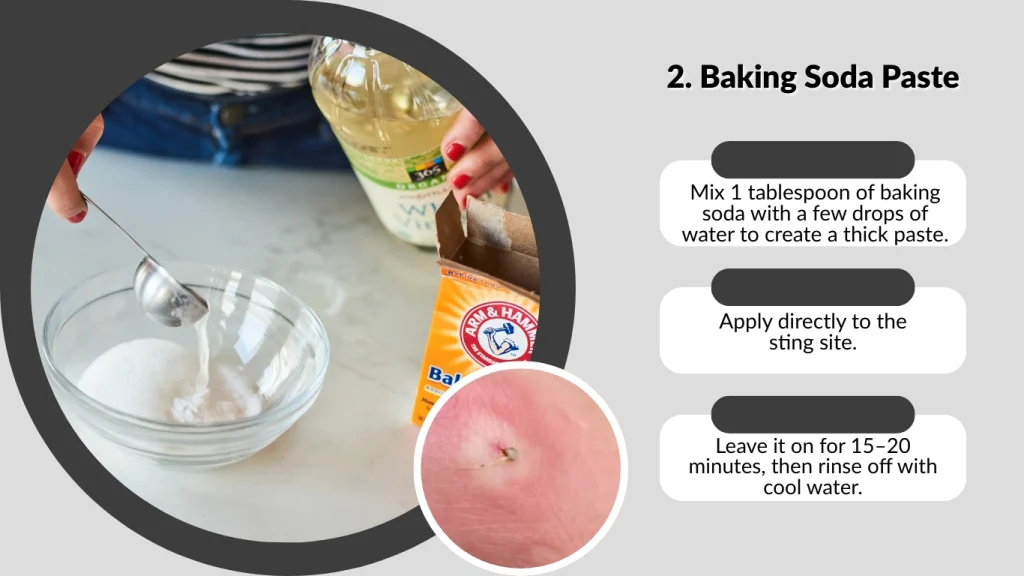
Baking soda helps neutralize the acidity of bee venom, reducing pain and inflammation. It’s a simple remedy that can be made with just two ingredients.
How to Use:
- Mix 1 tablespoon of baking soda with a few drops of water to create a thick paste.
- Apply directly to the sting site.
- Leave it on for 15–20 minutes, then rinse off with cool water.
- Repeat 2–3 times a day if swelling persists.
Precautions:
- Avoid using on broken skin or open wounds.
- People with sensitive skin should test a small area first to check for irritation.
3. Honey

Honey has natural anti-inflammatory and antibacterial properties. It soothes pain, reduces swelling, and helps prevent infection at the sting site.
How to Use:
- Dab a small amount of pure honey on the affected area.
- Cover lightly with a clean bandage to prevent mess.
- Leave it for up to 30 minutes before rinsing.
- Use 1–2 times a day until symptoms improve.
Precautions:
- Do not use on people allergic to honey or bee products.
- Avoid on deep puncture wounds as it may trap bacteria.
4. Apple Cider Vinegar
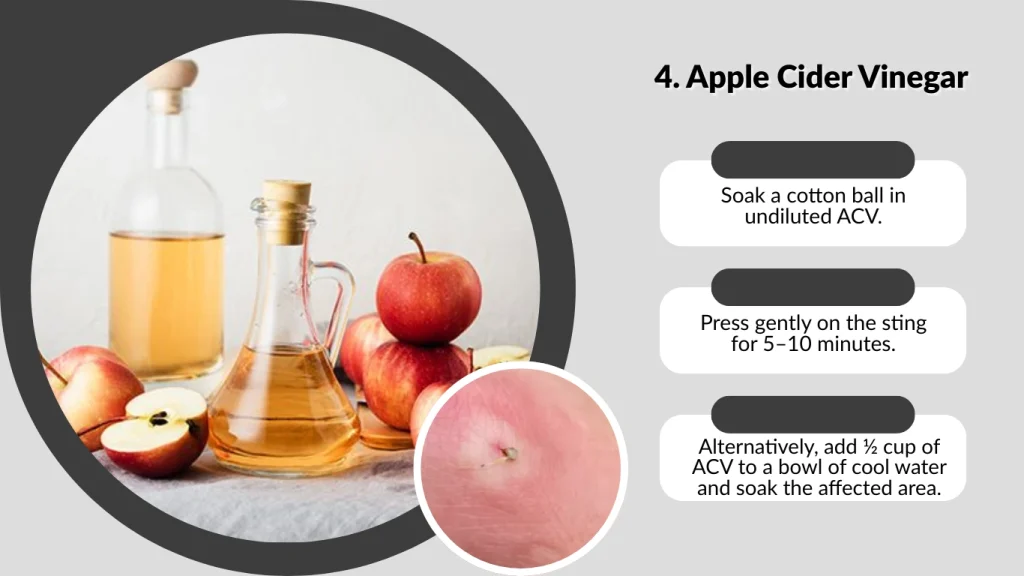
Apple cider vinegar (ACV) may help neutralize bee venom and relieve itching. Its acidic nature can also help cleanse the sting site.
How to Use:
- Soak a cotton ball in undiluted ACV.
- Press gently on the sting for 5–10 minutes.
- Alternatively, add ½ cup of ACV to a bowl of cool water and soak the affected area.
Precautions:
- ACV may sting on sensitive skin or broken skin.
- Always rinse after application to prevent skin dryness.
5. Aloe Vera Gel
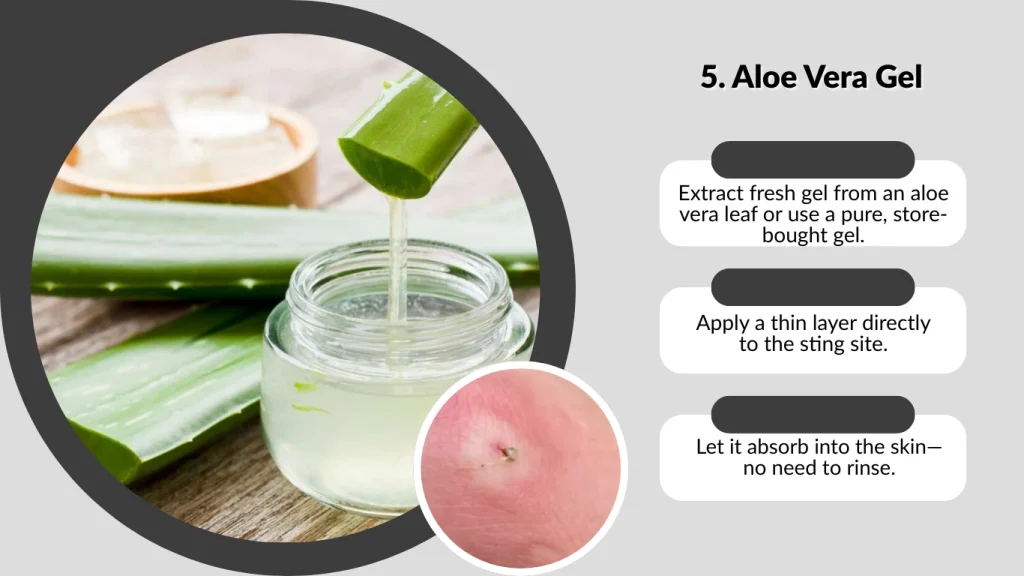
Aloe vera is well-known for its cooling and soothing properties. It helps reduce inflammation, speeds up skin healing, and provides relief from itching.
How to Use:
- Extract fresh gel from an aloe vera leaf or use a pure, store-bought gel.
- Apply a thin layer directly to the sting site.
- Let it absorb into the skin—no need to rinse.
- Reapply 2–3 times daily for best results.
6. Toothpaste
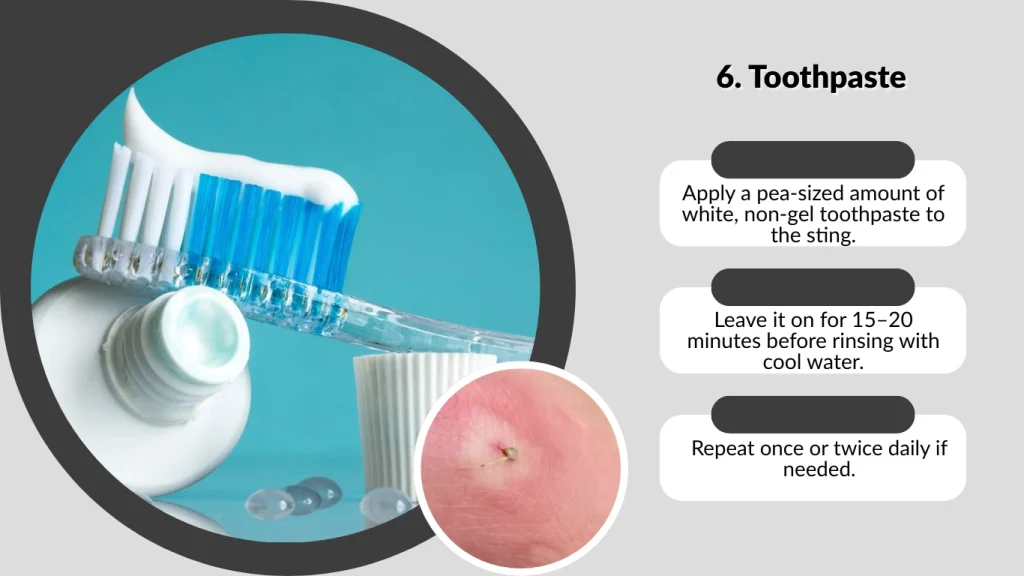
Some toothpastes, especially those with an alkaline base, may help neutralize bee venom and reduce itching. The cooling sensation also brings quick relief.
How to Use:
- Apply a pea-sized amount of white, non-gel toothpaste to the sting.
- Leave it on for 15–20 minutes before rinsing with cool water.
- Repeat once or twice daily if needed.
Precautions:
- Avoid flavored toothpastes with strong chemicals or bleaching agents.
- Not suitable for people with sensitive skin or open wounds.
7. Essential Oils (Lavender or Tea Tree Oil)

Lavender oil helps with pain and inflammation, while tea tree oil has antibacterial properties that reduce infection risk.
How to Use:
- Mix 1–2 drops of essential oil with 1 teaspoon of carrier oil (like coconut or olive oil).
- Gently dab the mixture onto the sting site using a cotton swab.
- Leave on and reapply 2–3 times daily.
Precautions:
- Never apply undiluted essential oils directly to the skin.
- Do a patch test first to check for allergic reactions.
8. Meat Tenderizer (Papain Enzyme)

Meat tenderizer contains papain, an enzyme that helps break down the proteins in bee venom, potentially easing pain and swelling.
How to Use:
- Mix 1 tablespoon of meat tenderizer powder with a few drops of water to make a paste.
- Apply to the sting and leave for 15–20 minutes.
- Rinse thoroughly with cool water.
Precautions:
- May cause skin irritation in sensitive individuals—test on a small area first.
- Avoid using on the face or near eyes.
9. Witch Hazel

Witch hazel acts as a natural astringent, reducing swelling, itching, and redness. It can also speed up the skin’s healing process.
How to Use:
- Soak a cotton ball with witch hazel extract.
- Apply directly to the sting area for 5–10 minutes.
- Repeat 2–3 times daily until symptoms subside.
Precautions:
- Choose alcohol-free witch hazel for sensitive skin.
- Avoid prolonged contact if dryness occurs.
Additional Tips for Faster Recovery
Simple aftercare practices can help speed up healing and prevent complications after a bee sting. Following these tips alongside the remedies will ensure better results.
Avoid Scratching the Sting Area
Scratching can break the skin, increasing the risk of infection and prolonging the healing process. If itching is intense, reapply a soothing remedy like aloe vera or a cold compress.
Keep the Area Clean and Covered if Necessary
- If the sting is in a location prone to dirt or friction (like hands or feet), cover it with a clean bandage.
- Change the bandage daily and keep the area dry to promote healing.
Stay Hydrated and Maintain Good Nutrition
- Drinking enough water helps your body flush out toxins and supports faster recovery.
- Eating foods rich in vitamin C and antioxidants may help reduce inflammation.
What NOT to Do After a Bee Sting
Avoiding certain actions after a bee sting can prevent the pain, swelling, or risk of infection from getting worse.
Do Not Pinch the Stinger
- Pinching or squeezing can push more venom into your skin.
- Instead, scrape it out gently with a flat object like a credit card.
Avoid Using Dirty Cloths or Hands
- Applying unclean items to the sting can introduce bacteria and cause infection.
- Always wash your hands before touching the affected area.
Don’t Ignore Worsening Symptoms
- Increasing pain, swelling that spreads, or signs of infection (pus, fever) require medical attention.
- Even if the sting seems mild, watch closely for delayed allergic reactions.
Possible Side Effects of Home Remedies
While home remedies for bee stings are generally safe for most people, some can cause unwanted reactions depending on your skin type, allergies, and sensitivity. It’s important to know the potential risks so you can use each treatment more safely.
Skin Irritation and Redness
Certain remedies like apple cider vinegar, baking soda, or essential oils may cause stinging, redness, or a burning sensation, especially on sensitive skin. If irritation worsens after application, rinse the area thoroughly and stop using the remedy.
Allergic Reactions to Natural Ingredients
Honey, aloe vera, and some essential oils can trigger allergic reactions in certain individuals. Symptoms may include itching, swelling, or a rash around the sting site. In rare cases, a severe allergic reaction may occur, requiring immediate medical help.
Overuse and Dryness
Using acidic or astringent remedies, such as vinegar or witch hazel, too frequently can dry out the skin, leading to peeling or discomfort. Moderation is key to preventing damage while still getting relief.
Preventing Future Bee Stings
While bee stings can’t always be avoided, taking preventive measures can greatly reduce the chances of getting stung. Awareness and small lifestyle adjustments can make outdoor activities safer.
Wear Protective Clothing Outdoors
When gardening, hiking, or spending time near flowers, wear long sleeves, pants, and closed-toe shoes. Light-colored clothing is less attractive to bees compared to dark or bright patterns.
Avoid Strong Scents
Bees are attracted to floral and fruity fragrances, so skip perfumes, scented lotions, or heavily fragranced hair products before heading outdoors.
Stay Calm Around Bees
If a bee approaches, avoid swatting at it or making sudden movements. Move away slowly and steadily to reduce the risk of provoking a sting.
Be Cautious Near Hives and Flowering Plants
Do not disturb bee hives or nests, and be aware that bees are more active during warm, sunny days. Keep a safe distance from areas where bees are feeding or gathering pollen.
FAQs
Can I use these remedies on children?
Yes, most remedies like aloe vera, cold compress, and baking soda paste are safe for children. However, avoid strong essential oils and acidic remedies on young skin. Always monitor for allergic reactions and seek medical help if swelling or breathing issues occur.
Do bee stings always need treatment?
Not always. Minor stings may heal naturally within a day or two without special treatment. However, applying a remedy can speed up recovery, reduce discomfort, and lower the risk of infection. Seek treatment if symptoms worsen or spread.
How long does swelling from a bee sting last?
For most people, swelling subsides within a few hours to two days. Larger local reactions may last up to a week. Using ice packs, anti-inflammatory remedies, and keeping the area elevated can help reduce swelling faster.
Are these remedies safe during pregnancy?
Many remedies like cold compresses and aloe vera are safe during pregnancy, but avoid potent essential oils unless approved by a doctor. If you experience severe symptoms, seek immediate medical attention rather than relying solely on home treatments.
What’s the difference between bee and wasp sting treatment?
Bee and wasp stings both require cleaning, cooling, and swelling reduction. However, bee stingers remain lodged in the skin, so removing them promptly is crucial. Wasp stings usually don’t leave a stinger but may require similar soothing remedies to relieve pain and itching.
