

27 Types of Assassin Bugs: Identification With Pictures
Assassin Bugs are a diverse group of predatory insects belonging to the Reduviidae family. Known for their stealth and powerful piercing mouthparts, they play an … Read More
Assassin Bugs are a diverse group of predatory insects belonging to the Reduviidae family. Known for their stealth and powerful piercing mouthparts, they play an … Read More

Water striders are fascinating insects that can glide effortlessly across the surface of ponds, lakes, and streams. Using their long legs and water-repellent bodies, they … Read More

Planthoppers are small sap-sucking insects belonging to the order Hemiptera. Found worldwide, they thrive in gardens, farms, and forests, with some species becoming serious agricultural … Read More
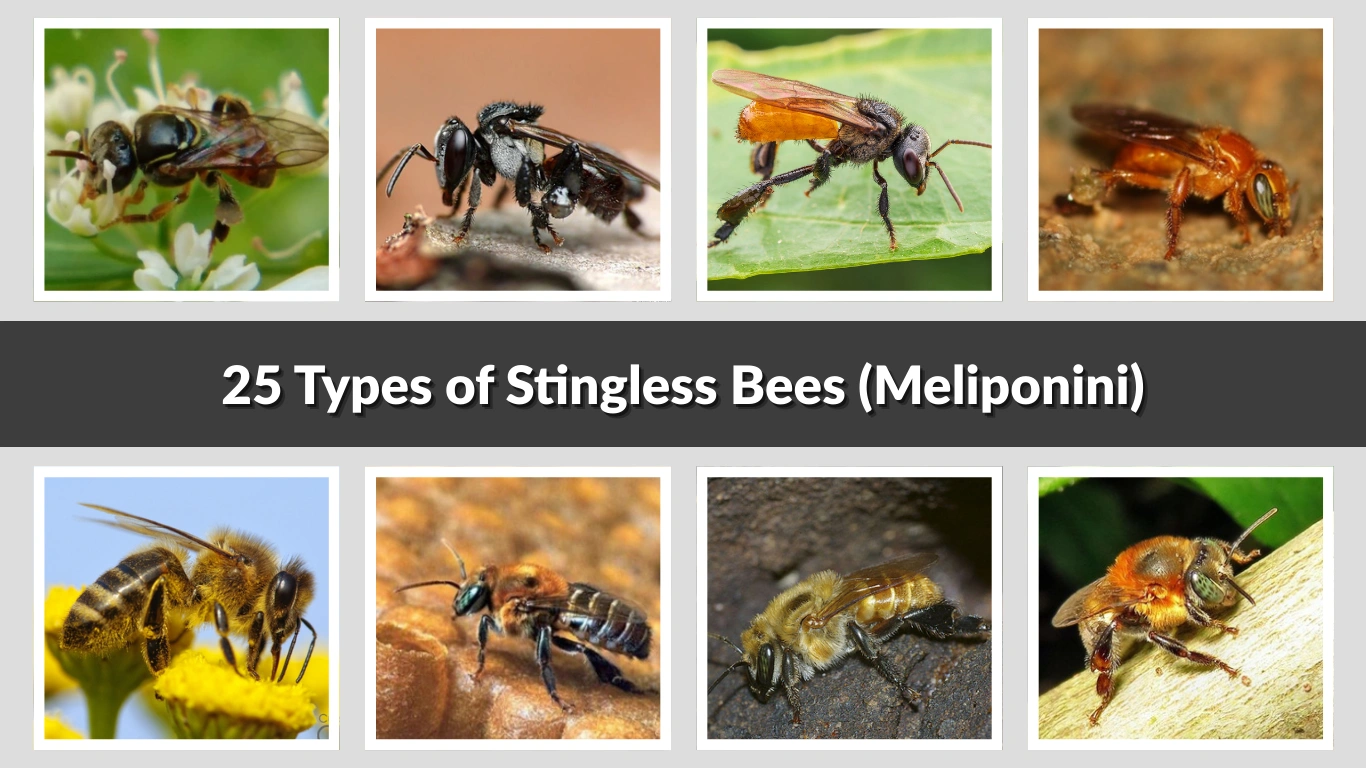
Stingless bees, belonging to the tribe Meliponini, are fascinating social insects found in tropical and subtropical regions worldwide. Unlike honeybees, they cannot sting, but they … Read More
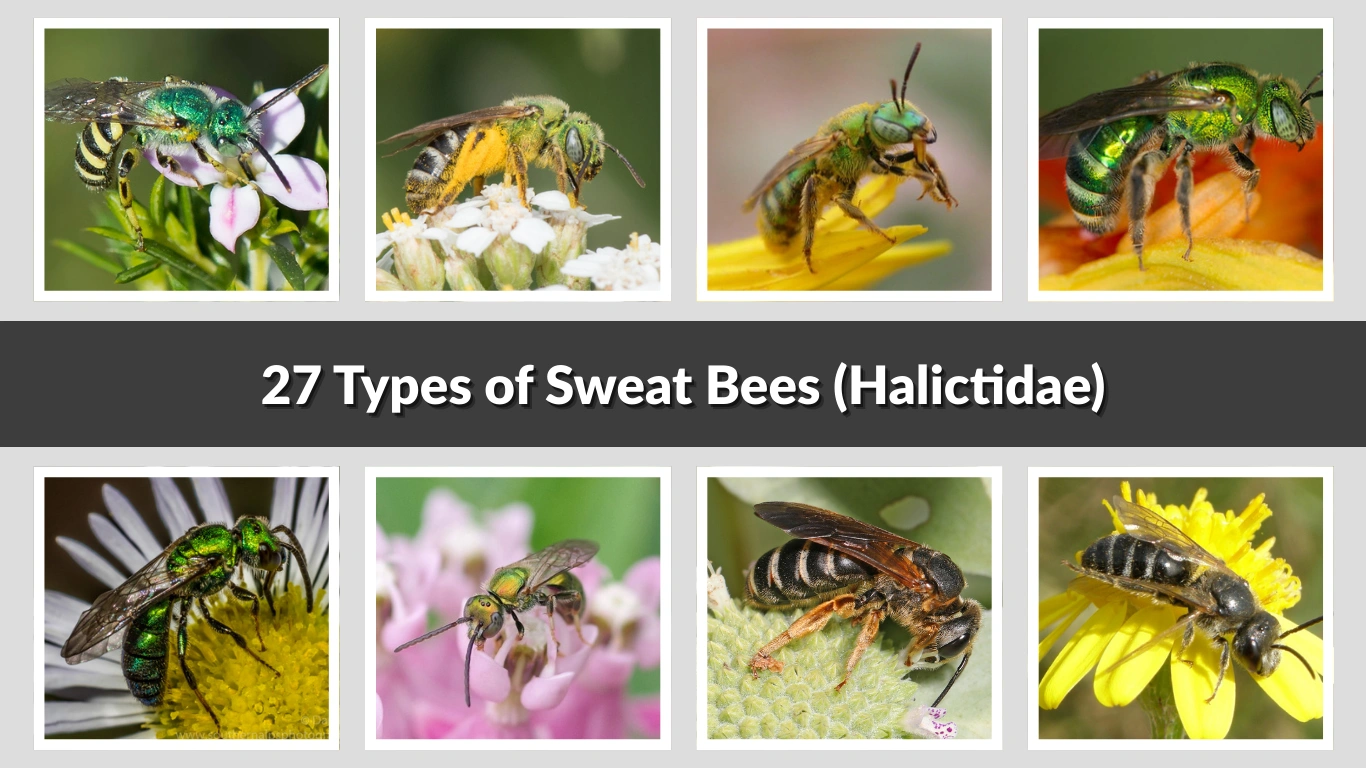
Sweat bees (Halictidae) are among the most diverse and widespread bees in the world, with species ranging from metallic green gems to small, modest ground-nesters. … Read More
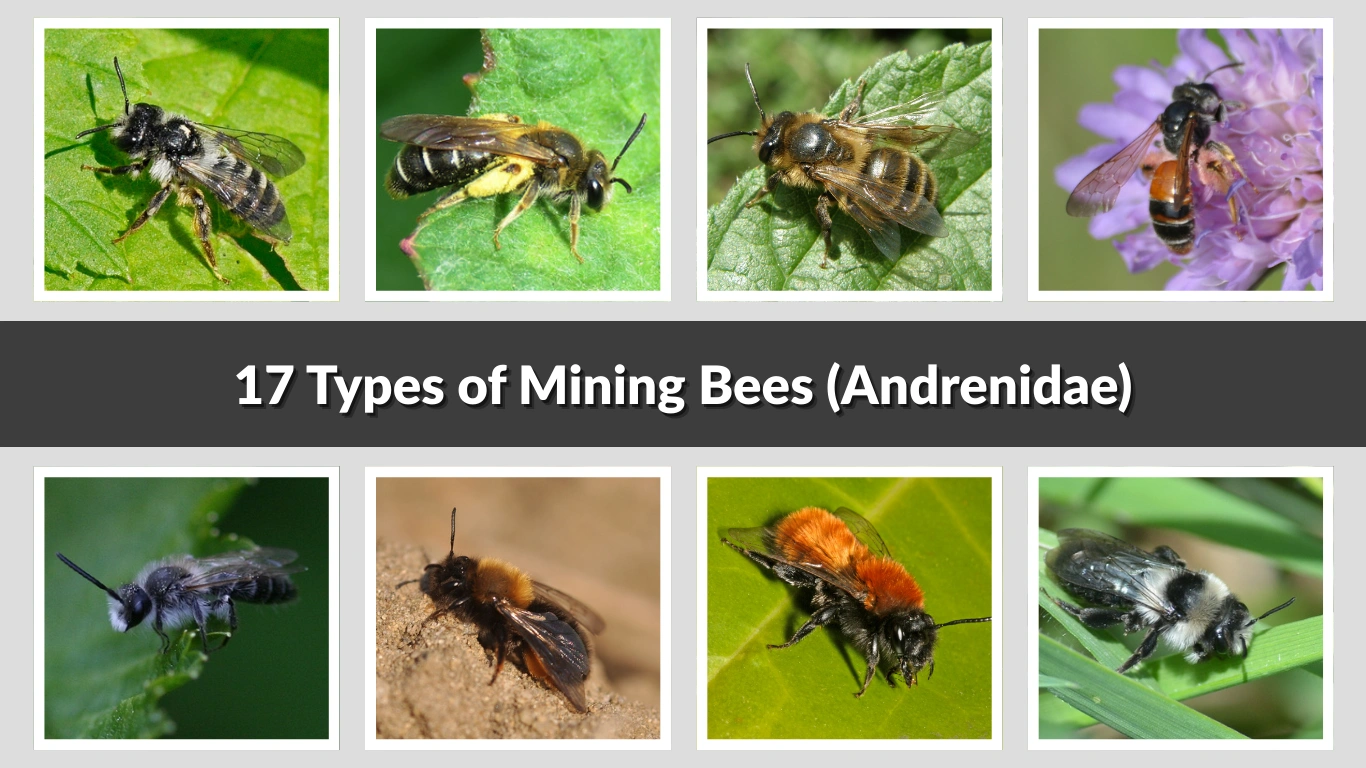
Mining bees (Andrena species) are solitary ground-nesting bees that play an essential role in pollination across Europe and other regions. Unlike honeybees, they do not … Read More
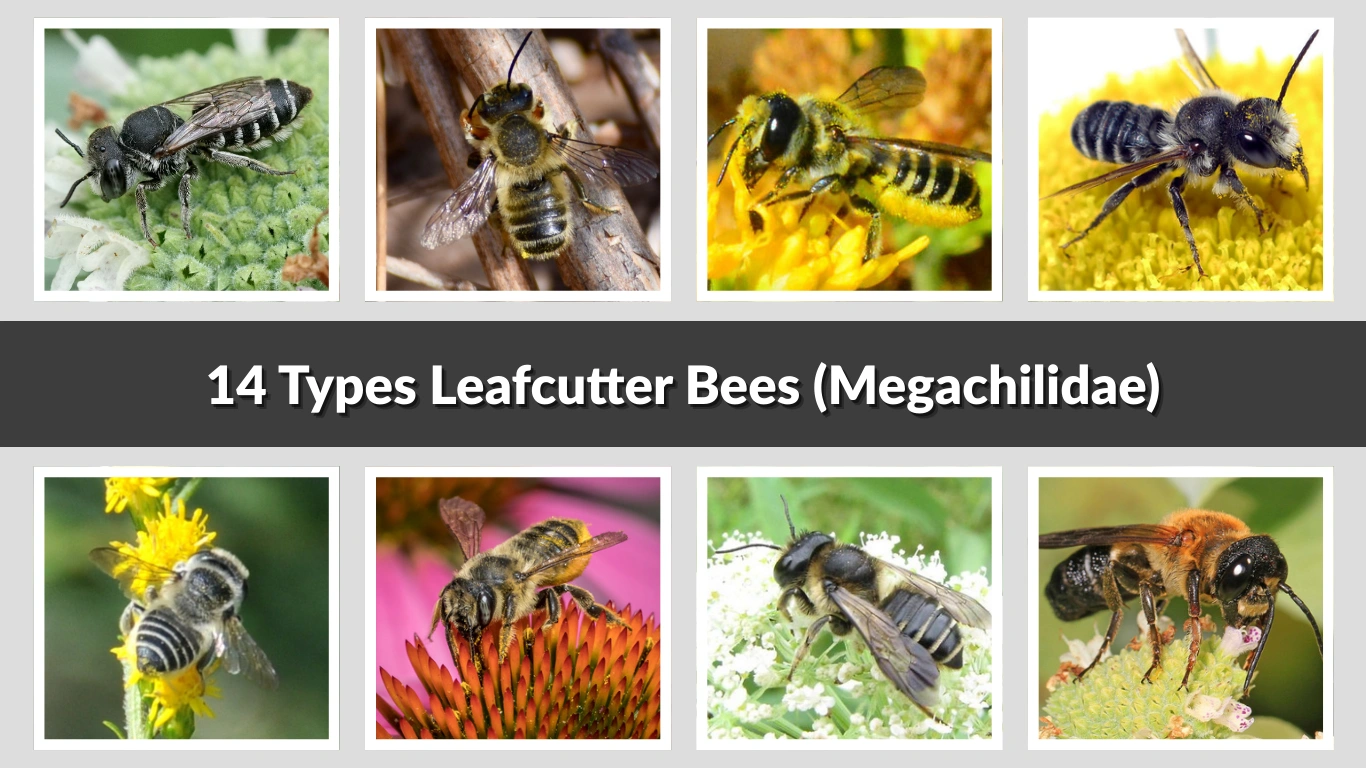
Leafcutter bees (Megachile species) are fascinating solitary pollinators known for their unique habit of cutting leaves and petals to build protective nest cells. Unlike honeybees, … Read More
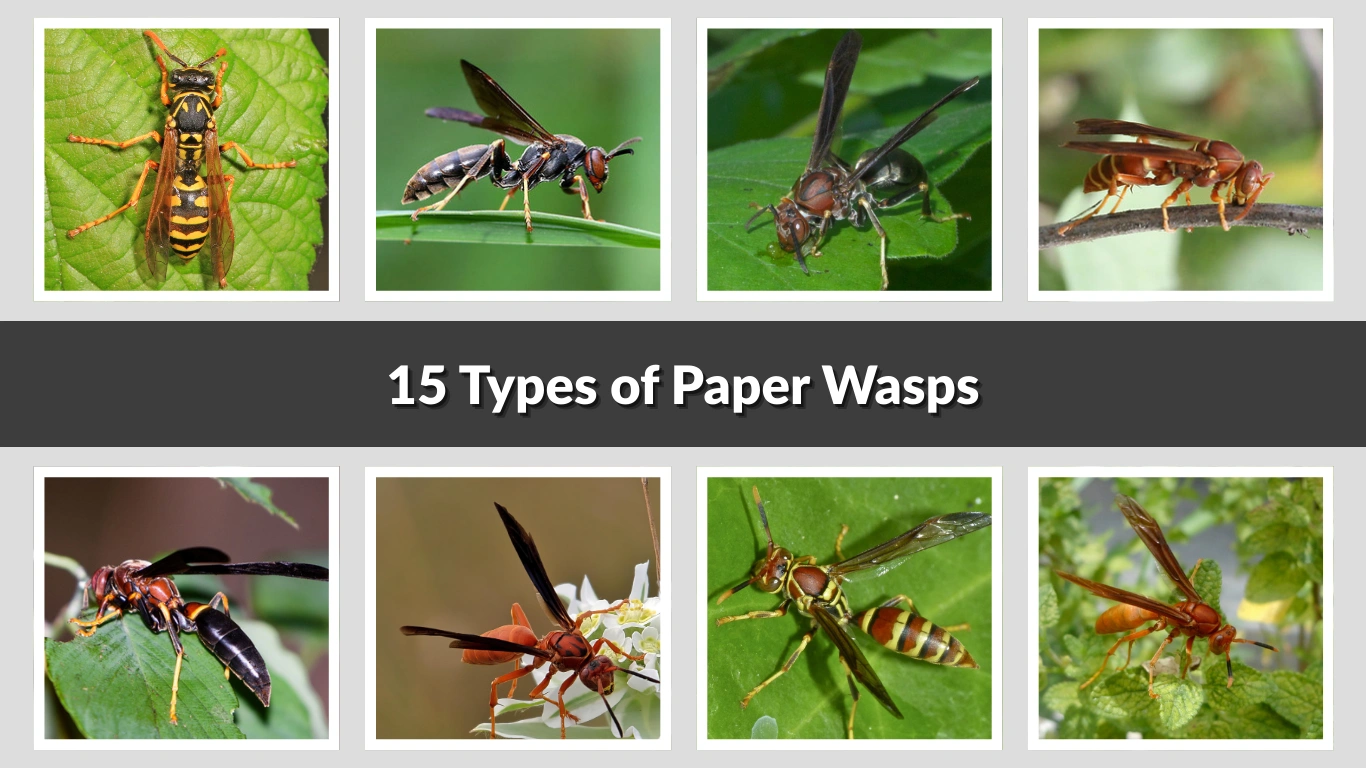
Paper wasps are a diverse group of insects belonging to the genus Polistes and related genera, known for their distinctive umbrella-shaped nests and important role … Read More
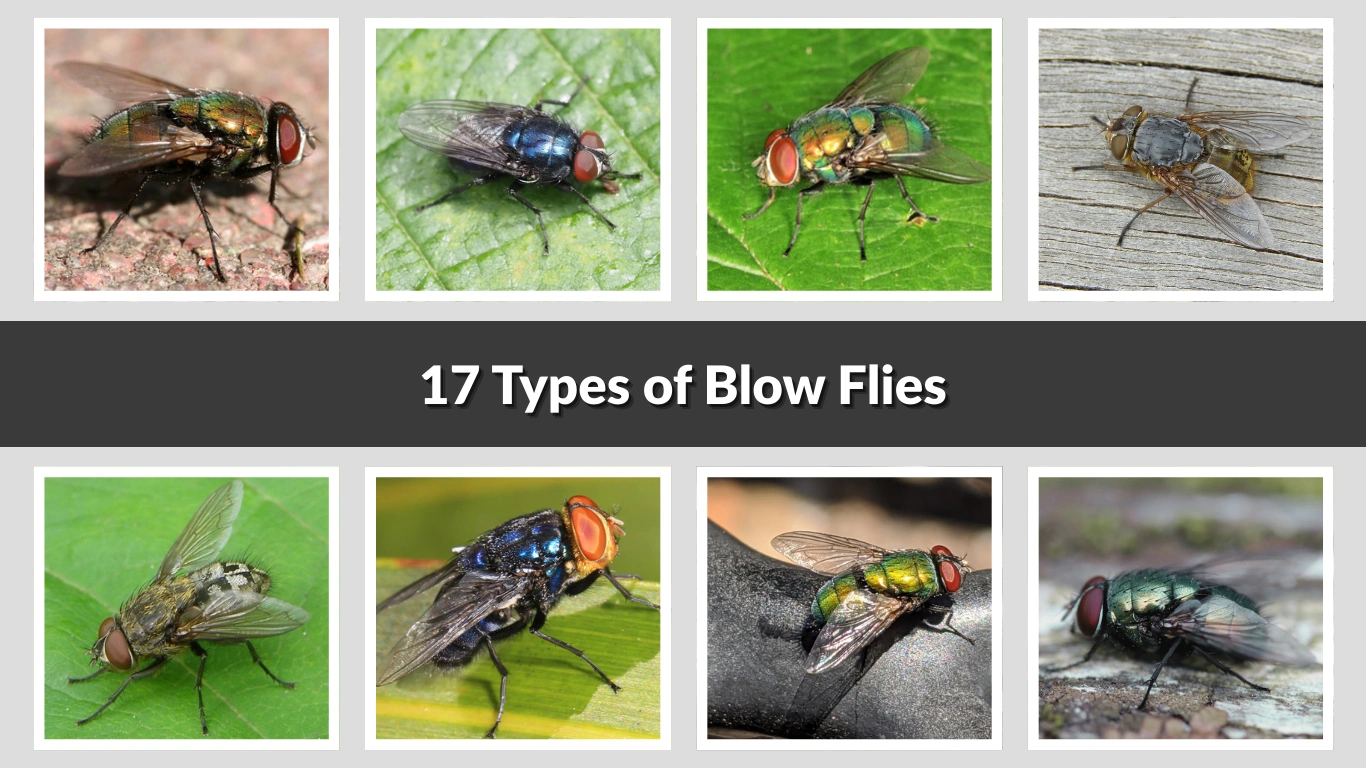
Blow flies (Calliphoridae) are a diverse family of metallic-colored flies commonly found around carrion, garbage, and decaying matter. While often viewed as pests, they play … Read More

Crane flies, often mistaken for giant mosquitoes, are harmless insects belonging to the family Tipulidae. With their long legs, slender bodies, and delicate wings, they … Read More