

Ground mantises are fascinating, small predatory insects that spend most of their time close to the soil. Known for their camouflage, agility, and stealthy hunting techniques, these mantises thrive in dry and open habitats such as deserts, grasslands, and scrublands. In this article, we explore 10 distinct types of ground mantises, detailing their identification features, natural habitats, diet, and unique behaviors to help you recognize and understand these remarkable insects.
1. Ground Mantis (Litaneutria minor)
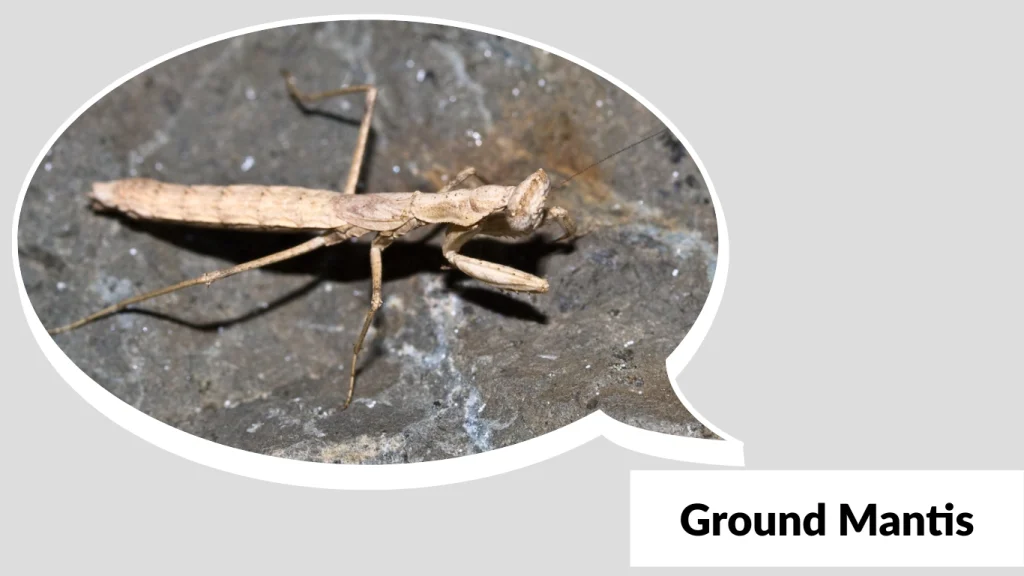
The Ground Mantis (Litaneutria minor) is a small, fast-moving mantis species that primarily inhabits dry, open areas such as grasslands, deserts, and scrublands. Unlike tree-dwelling mantises, this species is adapted to life on the ground, making it an efficient predator of insects at low vegetation levels. Its camouflage allows it to blend seamlessly with soil and leaf litter.
Identification
- Small size, typically 2–4 cm in length
- Brown or sandy coloration for camouflage
- Slender body with elongated legs
- Triangular head with prominent compound eyes
- Forelegs adapted for grasping prey
Habitat
Ground Mantises are commonly found in dry, open habitats, including grasslands, deserts, and scrublands across North America. They favor areas with sparse vegetation where they can hunt effectively and avoid predators.
Diet
Their diet consists mainly of small insects such as flies, crickets, grasshoppers, and ants. They rely on stealth and sudden strikes with their raptorial forelegs to capture prey.
Behavior
Ground Mantises are solitary and highly territorial. They exhibit ambush predation, lying in wait for passing insects. They are agile runners and can leap short distances to capture prey or escape threats. Breeding occurs during warmer months, and females lay egg cases (oothecae) on soil, rocks, or low vegetation.
2. Ground Mantis (Litaneutria pacifica)

The Pacific Ground Mantis (Litaneutria pacifica) is a small, agile mantis species native to western North America. It is well-adapted to arid and semi-arid environments, often found in sandy soils, open fields, and low shrubs. This mantis is an effective predator that relies on speed and camouflage to catch prey close to the ground.
Identification
- Small body, usually 2–3.5 cm long
- Light brown or tan coloration to blend with sandy or dry terrain
- Slender, elongated legs for quick movement
- Triangular head with large, forward-facing eyes
- Forelegs with spines to secure prey
Habitat
Litaneutria pacifica prefers dry, open habitats including deserts, coastal dunes, and grasslands. It typically stays close to the ground, hiding among leaf litter, rocks, and low vegetation to avoid predators.
Diet
This mantis feeds on a variety of small insects, such as ants, grasshoppers, beetles, and flies. It relies on its camouflage to ambush prey rather than pursuing it over long distances.
Behavior
Pacific Ground Mantises are solitary and primarily active during the day. They use sudden lunges and precise strikes with their forelegs to capture prey. Females lay eggs in protective oothecae attached to soil, rocks, or vegetation, ensuring the next generation survives in harsh environments.
3. Texas Ground Mantis (Litaneutria ocularis)

The Texas Ground Mantis (Litaneutria ocularis) is a small, nimble mantis native to the southern United States. It is specially adapted to the dry, open habitats of Texas and surrounding regions. Its ground-dwelling nature makes it a skilled predator of insects that dwell near soil and low vegetation.
Identification
- Small size, around 2–4 cm in length
- Brown or sandy-colored body for camouflage in soil and leaf litter
- Slender, elongated legs suitable for running and ambushing prey
- Distinctive triangular head with large compound eyes
- Raptorial forelegs equipped with spines for grasping prey
Habitat
This mantis is commonly found in arid grasslands, scrublands, and open fields in Texas and nearby areas. It prefers sparse vegetation that allows easy movement and hunting near the ground.
Diet
The Texas Ground Mantis primarily feeds on small insects such as ants, beetles, crickets, and grasshoppers. It relies on its excellent camouflage to wait for prey to pass close by.
Behavior
These mantises are solitary and highly territorial. They are ambush predators, using quick strikes to capture prey. During breeding season, females lay oothecae on the soil or low vegetation, providing protection to the eggs in harsh environments.
4. Desert Ground Mantis (Litaneutria skinneri)

The Desert Ground Mantis (Litaneutria skinneri) is a mantis species adapted to the harsh conditions of desert and semi-desert environments. It thrives in sandy soils and rocky areas, relying on its camouflage and agility to hunt small insects and avoid predators in open, arid landscapes.
Identification
- Small body, typically 2–3.5 cm long
- Sandy brown coloration for blending into desert terrain
- Slender, elongated legs for fast movement
- Triangular head with prominent compound eyes
- Forelegs equipped with spines for catching prey
Habitat
This mantis inhabits deserts, arid grasslands, and rocky areas in western North America. It prefers open, dry habitats with minimal vegetation, where it can move quickly and remain concealed from predators.
Diet
Desert Ground Mantises feed on small insects like ants, beetles, grasshoppers, and flies. They use stealth and ambush tactics, striking prey with their raptorial forelegs.
Behavior
These mantises are solitary and highly territorial. They remain close to the ground, using their speed and camouflage to hunt and evade predators. Females lay oothecae in protected spots on soil or under rocks, ensuring eggs survive the extreme desert conditions.
5. Arizona Ground Mantis (Litaneutria obscura)

The Arizona Ground Mantis (Litaneutria obscura) is a small, agile mantis found primarily in the deserts and semi-arid regions of Arizona and neighboring states. Its cryptic coloration and ground-dwelling habits make it a stealthy predator, well-suited to the dry, open landscapes it inhabits.
Identification
- Small size, approximately 2–3.5 cm long
- Brown or grayish coloration to blend with desert soil
- Slender, elongated legs for running and quick lunges
- Triangular head with large compound eyes
- Forelegs with spines for grasping prey
Habitat
This species prefers arid deserts, scrublands, and open fields in Arizona and parts of the southwestern United States. It is commonly found among rocks, leaf litter, and low vegetation, which provide cover for hunting.
Diet
Arizona Ground Mantises feed on small insects including ants, grasshoppers, beetles, and flies. They rely on ambush tactics, striking quickly when prey comes within reach.
Behavior
These mantises are solitary and territorial. They use their camouflage and speed to hunt efficiently while avoiding predators. Females lay oothecae on soil, rocks, or low plants, ensuring eggs remain protected in the hot, dry environment.
6. Northern Ground Mantis (Litaneutria minor)

The Northern Ground Mantis (Litaneutria minor) is a small mantis species commonly found in northern and central parts of North America. It favors dry, open areas with sparse vegetation, where it can easily hunt insects close to the ground and avoid predators using its natural camouflage.
Identification
- Small body, typically 2–4 cm in length
- Brown or tan coloration to blend with soil and leaf litter
- Slender, elongated legs for quick movement
- Triangular head with prominent compound eyes
- Raptorial forelegs with spines for capturing prey
Habitat
Northern Ground Mantises inhabit grasslands, prairies, and open woodlands with minimal ground cover. They prefer areas with dry soil and scattered vegetation, which provide both hunting grounds and protection from predators.
Diet
Their diet consists mainly of small insects such as ants, flies, beetles, and grasshoppers. They rely on ambush hunting tactics, waiting patiently for prey to pass by before striking.
Behavior
These mantises are solitary and territorial. They are active during the day and use their speed and camouflage to hunt and avoid predators. Females lay egg cases (oothecae) on soil, rocks, or low vegetation to protect the next generation from environmental stress.
7. Southwestern Ground Mantis (Litaneutria dorothea)

The Southwestern Ground Mantis (Litaneutria dorothea) is a small, fast-moving mantis native to the southwestern United States. It is specially adapted to arid and semi-arid habitats, where it hunts insects on the ground and uses its camouflaged body to remain hidden from predators.
Identification
- Small size, around 2–3.5 cm long
- Light brown or sandy coloration to blend with dry soil
- Slender, elongated legs for rapid movement
- Triangular head with large, forward-facing eyes
- Spiny forelegs for catching and holding prey
Habitat
This mantis prefers deserts, dry grasslands, and open scrublands. It is often found near rocks, leaf litter, and sparse vegetation, which provide cover and hunting opportunities.
Diet
Southwestern Ground Mantises feed on small insects such as ants, flies, grasshoppers, and beetles. They rely on ambush tactics, remaining motionless until prey comes within striking distance.
Behavior
These mantises are solitary and highly territorial. They use their speed and camouflage to hunt efficiently and avoid predators. Females lay oothecae on the soil or under rocks, offering protection to eggs from the harsh sun and predators.
8. Utah Ground Mantis (Litaneutria pacifica)

The Utah Ground Mantis (Litaneutria pacifica) is a small mantis species found in arid and semi-arid regions of Utah and neighboring states. Its ground-dwelling habits and camouflaged appearance allow it to effectively hunt insects while avoiding predators in open, dry landscapes.
Identification
- Small body, typically 2–4 cm long
- Brown or grayish coloration for blending with soil and rocks
- Slender, elongated legs suited for quick movement
- Triangular head with large compound eyes
- Spiny forelegs for grasping prey
Habitat
Utah Ground Mantises are commonly found in deserts, dry grasslands, and rocky open areas. They prefer habitats with sparse vegetation where they can move freely and remain concealed from predators.
Diet
Their diet consists of small insects like ants, beetles, flies, and grasshoppers. They use ambush hunting techniques, waiting patiently until prey comes within striking distance.
Behavior
These mantises are solitary and territorial. They rely on camouflage and speed to hunt efficiently and evade predators. Females lay oothecae on soil, rocks, or low vegetation, ensuring the eggs are protected in the arid environment.
9. California Ground Mantis (Litaneutria ocularis)

The California Ground Mantis (Litaneutria ocularis) is a small, ground-dwelling mantis native to California and surrounding regions. It thrives in dry, open habitats and uses its camouflage and agility to hunt insects close to the soil surface.
Identification
- Small size, about 2–3.5 cm long
- Light brown or tan coloration to blend with dry soil and sand
- Slender, elongated legs for fast movement
- Triangular head with prominent compound eyes
- Forelegs with spines for grasping prey
Habitat
This species inhabits deserts, dry grasslands, and open scrublands in California. It prefers areas with scattered rocks, leaf litter, and sparse vegetation for hunting and hiding.
Diet
California Ground Mantises feed on small insects such as ants, flies, beetles, and grasshoppers. They rely on stealth and ambush tactics to capture their prey efficiently.
Behavior
They are solitary and territorial, remaining active during the day. Their camouflage helps them avoid predators, while females lay oothecae on soil, rocks, or low plants to protect the next generation from harsh environmental conditions.
10. Texas Ground Mantis (Litaneutria minorata)

The Texas Ground Mantis (Litaneutria minorata) is a small mantis species native to Texas and surrounding areas. It is well-adapted to arid and semi-arid environments, where it hunts insects close to the ground using its camouflage and quick reflexes.
Identification
- Small body, typically 2–3.5 cm long
- Brown or sandy coloration for blending with soil and leaf litter
- Slender, elongated legs for rapid movement
- Triangular head with large compound eyes
- Forelegs equipped with spines for catching prey
Habitat
This mantis is commonly found in deserts, dry grasslands, and open scrublands. It favors areas with sparse vegetation, rocks, or leaf litter, which provide cover for hunting and protection from predators.
Diet
Texas Ground Mantises feed on small insects including ants, flies, beetles, and grasshoppers. They are ambush predators, remaining motionless until prey comes within reach.
Behavior
These mantises are solitary and highly territorial. They rely on camouflage and agility to hunt efficiently and evade predators. Females lay oothecae on soil, rocks, or low vegetation, ensuring eggs survive the hot and dry environment.
