
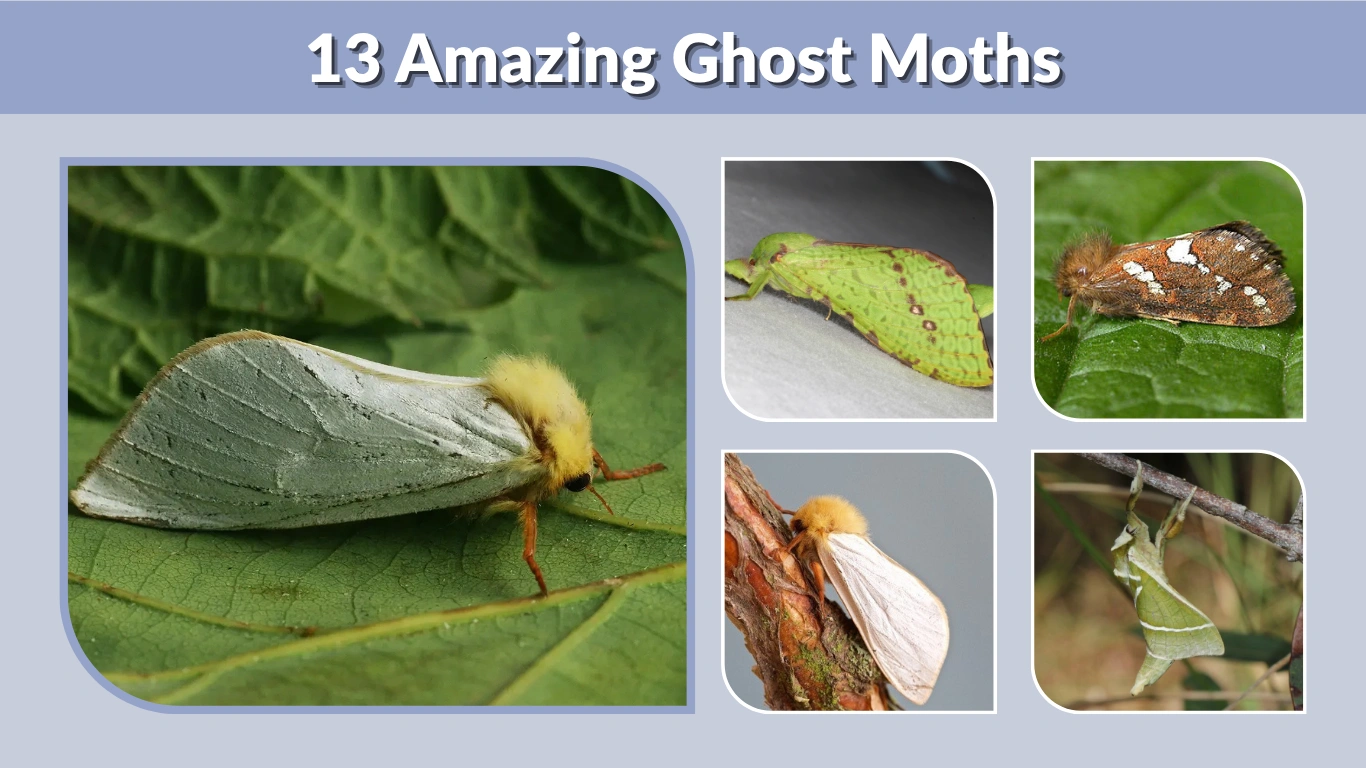
Ghost moths are fascinating nocturnal insects known for their thick bodies, broad wings, and unusual hovering flight during dusk and nighttime. These primitive moths belong to the family Hepialidae and are found in forests, grasslands, meadows, and woodland habitats around the world. Many species have larvae that spend years underground feeding on roots and organic plant material before emerging as adult moths. Some ghost moths are pale and ghost-like in appearance, especially during low light conditions. Their hidden underground lifestyle, rapid flight patterns, and unique behaviors make ghost moths some of the most interesting moth species in nature.
1. Swift Moth
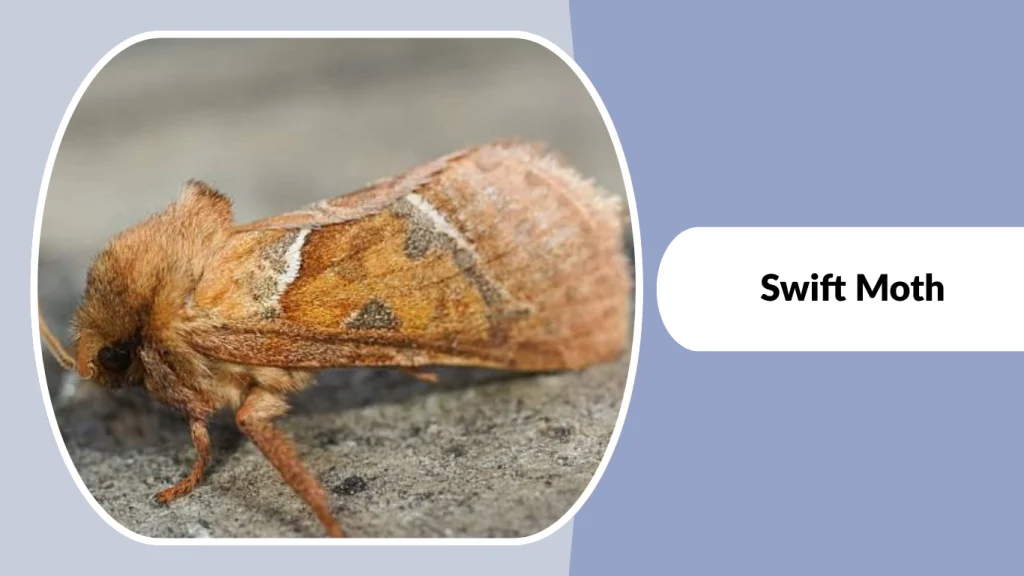
The Swift Moth is a primitive moth species belonging to the ghost moth family and is known for its fast, darting flight patterns during dusk and nighttime. These moths are commonly found in forests, grasslands, and woodland habitats where their larvae develop underground while feeding on roots and plant material. Swift moths are admired for their unusual appearance, hidden lifestyle, and rapid flying behavior, which helps distinguish them from many other moth species found in natural environments.
Identification
- Scientific Name: Hepialus lupulinus
- Common Colors: Brown, tan, cream, and gray
- Average Wingspan: 1 to 2 inches
- Caterpillar Appearance: Pale underground larva with a brown head
- Distinct Feature: Fast and direct flying behavior
- Adult Appearance: Thick-bodied moth with narrow wings
- Flight Behavior: Rapid low flight during dusk and nighttime
- Average Lifespan: Several days to weeks as an adult
Habitat and Distribution
The Swift Moth is commonly found across Europe in grasslands, meadows, forests, gardens, and woodland habitats. It prefers areas with dense vegetation and loose soil where larvae can develop underground while feeding on plant roots and organic material.
Behavior and Diet
Adult swift moths are mostly active during the evening and night, often flying rapidly over grassy areas in search of mates. Many adults feed very little or not at all. The larvae spend most of their lives underground feeding on roots, stems, grasses, and decaying plant material found beneath the soil surface.
Lifecycle
Females scatter eggs over grassy or vegetated areas where larvae later hatch and burrow into the soil. Caterpillars develop underground for long periods while feeding on roots and organic material. After completing development, larvae pupate beneath the ground before adult moths emerge and begin the reproductive cycle during warm seasons.
2. Ghost Swift Moth
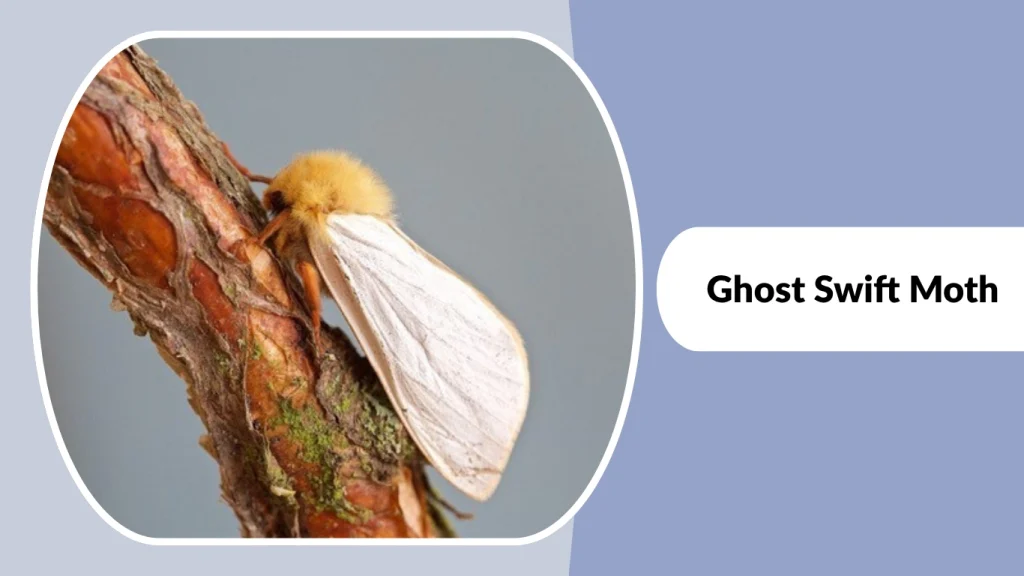
The Ghost Swift Moth is a fascinating member of the ghost moth family known for its pale coloration and unusual hovering flight during dusk. Males are especially recognizable because of their bright white wings, which appear almost glowing in low light conditions. This species is commonly found in grasslands, meadows, and woodland habitats where larvae develop underground while feeding on roots and plant material. Its mysterious appearance and nighttime activity make it one of the most famous ghost moth species in Europe.
Identification
- Scientific Name: Hepialus humuli
- Common Colors: White, cream, brown, and gray
- Average Wingspan: 2 to 3 inches
- Caterpillar Appearance: Pale underground larva with a brown head
- Distinct Feature: White hovering males during dusk
- Adult Appearance: Thick-bodied moth with broad wings
- Flight Behavior: Slow hovering flight at twilight
- Average Lifespan: Several days to weeks as an adult
Habitat and Distribution
The Ghost Swift Moth is widely distributed across Europe and parts of Asia. It commonly inhabits grasslands, meadows, woodland edges, marshes, and open countryside areas with dense vegetation. Larvae prefer loose soil where they can remain underground while feeding on roots and plant material.
Behavior and Diet
Adult moths are mainly active during dusk and nighttime. Males often hover in open spaces to attract females during mating periods. Most adults feed very little or not at all. The larvae spend most of their lives underground feeding on roots, grasses, stems, and decaying organic matter beneath the soil surface.
Lifecycle
Females scatter eggs over vegetation and grassy habitats where larvae later hatch and burrow into the soil. Caterpillars develop underground for long periods while feeding on roots and organic materials. After completing development, larvae pupate beneath the soil before adult moths emerge during warm seasons to reproduce.
3. Gold Swift Moth
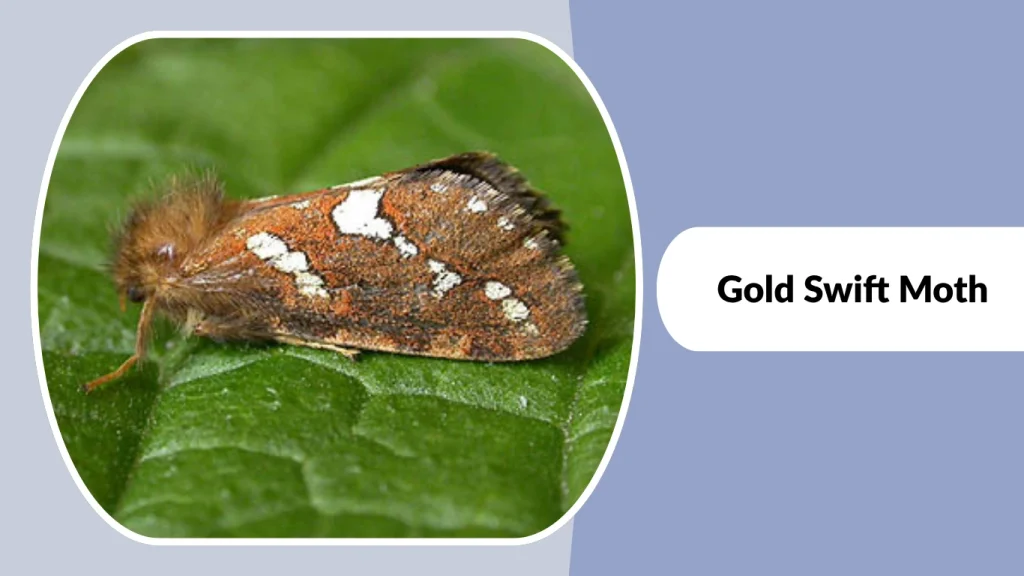
The Gold Swift Moth is a colorful ghost moth species recognized for its warm golden-brown wing patterns and rapid evening flight. It belongs to the primitive ghost moth family and is commonly found in grasslands, woodland edges, and rural habitats. Like many ghost moths, its larvae spend most of their lives underground feeding on roots and organic plant material. Its shimmering golden coloration and swift flying behavior make it one of the more visually striking ghost moth species.
Identification
- Scientific Name: Phymatopus hecta
- Common Colors: Golden brown, orange, tan, and cream
- Average Wingspan: 1 to 2 inches
- Caterpillar Appearance: Pale underground larva with a brown head
- Distinct Feature: Golden wing coloration with pale markings
- Adult Appearance: Thick-bodied moth with patterned wings
- Flight Behavior: Fast evening flight close to vegetation
- Average Lifespan: Several days to weeks as an adult
Habitat and Distribution
The Gold Swift Moth is commonly found across Europe in grasslands, heathlands, forests, meadows, and woodland clearings. It prefers moist habitats with dense vegetation and loose soil where larvae can live underground while feeding on roots and decaying plant material.
Behavior and Diet
Adult moths are mainly active during dusk and nighttime and are often seen flying rapidly above grassy areas. Most adults feed very little or not at all during their short lifespan. The larvae remain underground for long periods while feeding on roots, stems, grasses, and organic plant matter beneath the soil surface.
Lifecycle
Females scatter eggs over grassy or vegetated habitats where larvae later hatch and burrow into the soil. Caterpillars develop underground while feeding on roots and plant material for extended periods. After completing development, larvae pupate beneath the soil before adult moths emerge during warmer seasons to mate and reproduce.
4. Orange Swift Moth
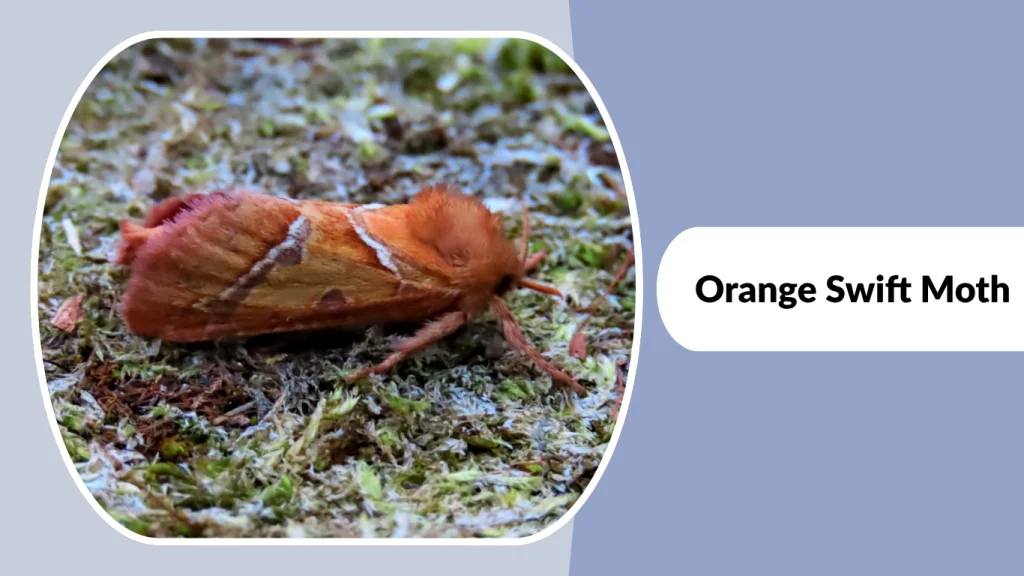
The Orange Swift Moth is a brightly colored ghost moth species known for its orange and brown wing patterns and fast flight during dusk. It belongs to the ghost moth family and is commonly found in forests, heathlands, and grassy habitats. Like other ghost moths, its larvae spend most of their lives underground feeding on roots and plant material. Its vivid coloration and rapid flying behavior make it one of the more distinctive swift moth species found in natural environments.
Identification
- Scientific Name: Triodia sylvina
- Common Colors: Orange, brown, tan, and cream
- Average Wingspan: 1 to 2 inches
- Caterpillar Appearance: Pale underground larva with a brown head
- Distinct Feature: Bright orange-brown patterned wings
- Adult Appearance: Thick-bodied moth with broad wings
- Flight Behavior: Fast low flight during dusk and nighttime
- Average Lifespan: Several days to weeks as an adult
Habitat and Distribution
The Orange Swift Moth is commonly found across Europe in grasslands, woodland edges, heathlands, gardens, and open countryside habitats. It prefers areas with loose soil and dense vegetation where larvae can remain underground while feeding on roots and organic plant material.
Behavior and Diet
Adult moths are mostly active during evening hours and are often seen flying rapidly above grassy areas while searching for mates. Most adults feed very little or not at all. The larvae spend long periods underground feeding on roots, stems, grasses, and decaying plant material beneath the soil surface.
Lifecycle
Females scatter eggs over grassy habitats and low vegetation where larvae later hatch and burrow into the soil. Caterpillars develop underground while feeding on roots and organic material for extended periods. After completing development, larvae pupate beneath the soil before adult moths emerge during warmer months to reproduce.
5. Rain Moth
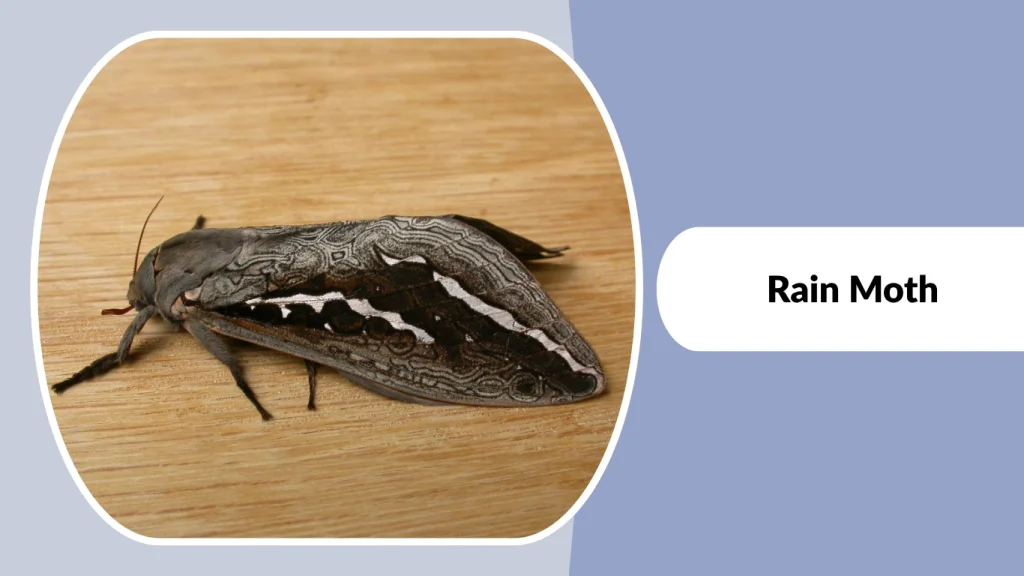
The Rain Moth is a large ghost moth species commonly associated with rainy seasons and moist woodland habitats. It is well known for its heavy-bodied appearance, broad wings, and nighttime activity. This species belongs to the primitive ghost moth family, and its larvae spend most of their lives underground feeding on plant roots. Rain moths are often attracted to lights during wet weather, making them one of the more noticeable ghost moth species in certain regions.
Identification
- Scientific Name: Trictena atripalpis
- Common Colors: Brown, gray, tan, and cream
- Average Wingspan: 3 to 6 inches
- Caterpillar Appearance: Large pale underground larva with a brown head
- Distinct Feature: Large heavy-bodied appearance with broad wings
- Adult Appearance: Thick-bodied moth with mottled wing patterns
- Flight Behavior: Slow nighttime flight often during rainy weather
- Average Lifespan: Several days to weeks as an adult
Habitat and Distribution
The Rain Moth is commonly found in Australia within forests, woodlands, gardens, and rural habitats. It prefers moist environments with loose soil and dense vegetation where larvae can remain underground while feeding on roots and organic plant material.
Behavior and Diet
Adult rain moths are mainly active at night and are frequently seen near lights during humid or rainy weather. Most adults feed very little or not at all during their short lifespan. The larvae spend years underground feeding on roots, stems, and decaying organic material beneath the soil surface.
Lifecycle
Females lay eggs on soil or vegetation in moist habitats where larvae later hatch and burrow underground. Caterpillars develop beneath the soil for long periods while feeding on roots and plant material. After completing development, larvae pupate underground before adult moths emerge during warm and rainy seasons to reproduce.
6. Leopard Ghost Moth
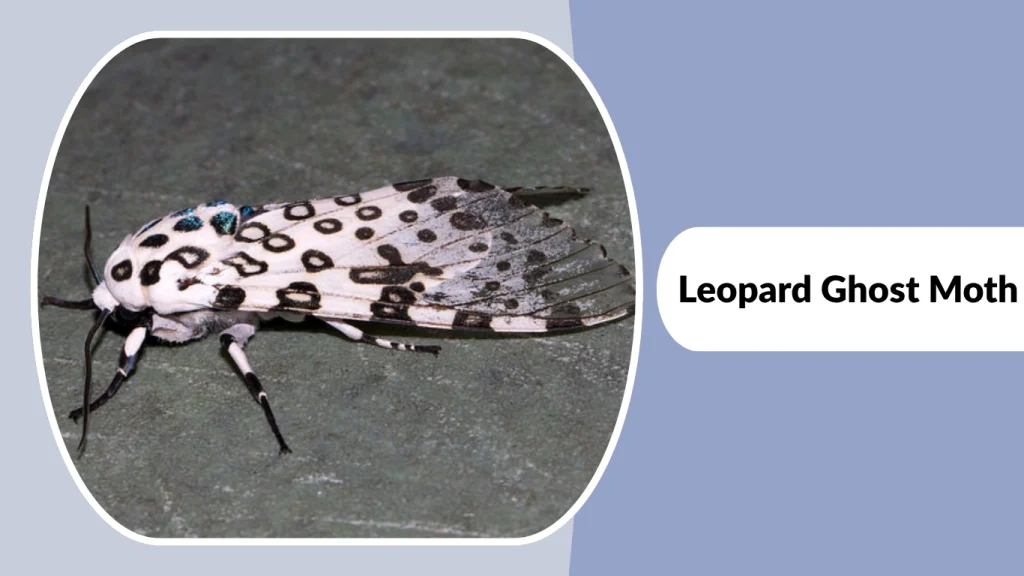
The Leopard Ghost Moth is a striking ghost moth species recognized for its spotted wing patterns that resemble leopard markings. It belongs to the primitive ghost moth family and is commonly found in forests, grasslands, and woodland habitats. Like many ghost moths, its larvae spend most of their lives underground feeding on roots and decaying plant material. Its unusual wing markings, nighttime activity, and hidden underground lifecycle make it one of the more distinctive ghost moth species.
Identification
- Scientific Name: Zelotypia stacyi
- Common Colors: Brown, black, cream, and tan
- Average Wingspan: 2 to 4 inches
- Caterpillar Appearance: Pale underground larva with a dark head
- Distinct Feature: Leopard-like spots and markings on the wings
- Adult Appearance: Thick-bodied moth with patterned broad wings
- Flight Behavior: Slow nighttime flight near vegetation
- Average Lifespan: Several days to weeks as an adult
Habitat and Distribution
The Leopard Ghost Moth is commonly found in Australia within forests, woodland regions, grasslands, and areas with dense vegetation. It prefers moist environments with loose soil where larvae can remain underground while feeding on roots and organic plant material.
Behavior and Diet
Adult moths are mostly active during dusk and nighttime and are often attracted to lights. Most adults feed very little or not at all during their short lifespan. The larvae spend most of their development underground feeding on roots, stems, grasses, and decaying plant material beneath the soil surface.
Lifecycle
Females lay eggs on soil or low vegetation in suitable habitats where larvae later hatch and burrow underground. Caterpillars develop beneath the soil for extended periods while feeding on roots and organic matter. After completing development, larvae pupate underground before adult moths emerge during warm seasons to reproduce.
7. Wood Ghost Moth
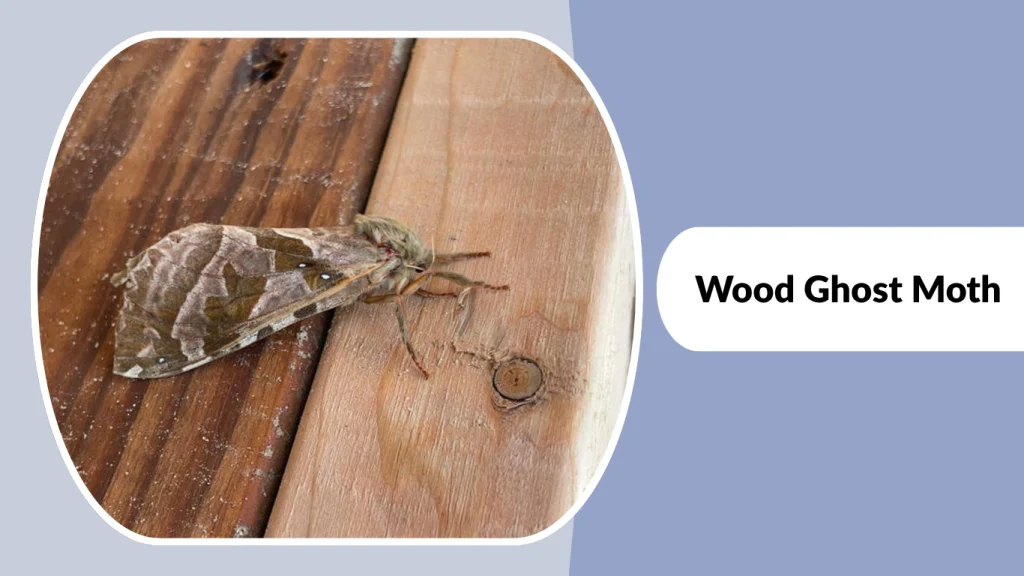
The Wood Ghost Moth is a forest-dwelling ghost moth species known for its earthy wing colors and hidden underground lifestyle. It belongs to the primitive ghost moth family and is commonly found in wooded habitats where larvae feed on roots and decaying plant material beneath the soil. This species is mostly active during dusk and nighttime and is admired for its strong body, rapid flight, and natural camouflage that helps it blend into tree bark and woodland surroundings.
Identification
- Scientific Name: Endoclita signifer
- Common Colors: Brown, gray, tan, and cream
- Average Wingspan: 2 to 4 inches
- Caterpillar Appearance: Pale underground larva with a brown head
- Distinct Feature: Wood-like wing patterns and camouflage coloration
- Adult Appearance: Thick-bodied moth with broad patterned wings
- Flight Behavior: Fast nighttime flight near trees and forests
- Average Lifespan: Several days to weeks as an adult
Habitat and Distribution
The Wood Ghost Moth is commonly found in forested regions of Asia and nearby tropical habitats. It inhabits woodlands, forests, plantations, and dense vegetated areas with loose soil and abundant trees. Larvae remain underground or inside plant roots while developing in moist natural environments.
Behavior and Diet
Adult moths are mostly active during evening and nighttime hours and are sometimes attracted to lights. Most adults feed very little or not at all. The larvae spend long periods underground feeding on roots, stems, decaying wood, and organic plant material beneath the soil surface.
Lifecycle
Females lay eggs near tree roots or vegetation where larvae later hatch and burrow underground. Caterpillars develop slowly while feeding on roots and plant material beneath the soil. After completing development, larvae pupate underground or near tree roots before adult moths emerge during warm seasons to reproduce.
8. Common Ghost Moth
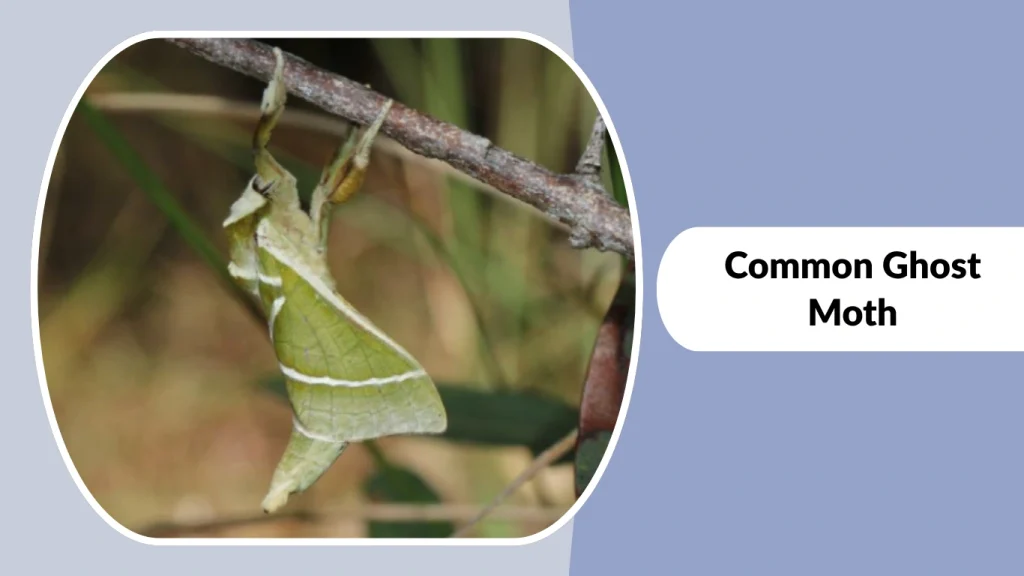
The Common Ghost Moth is a well-known member of the ghost moth family recognized for its pale coloration and hovering flight during dusk. Males are especially noticeable because of their bright whitish wings that appear almost glowing in low light conditions. This species is commonly found in grasslands, woodland edges, and meadows where larvae spend most of their lives underground feeding on roots and plant material. Its mysterious appearance and nighttime behavior make it one of the most recognizable ghost moth species in Europe.
Identification
- Scientific Name: Hepialus humuli
- Common Colors: White, cream, brown, and gray
- Average Wingspan: 2 to 3 inches
- Caterpillar Appearance: Pale underground larva with a brown head
- Distinct Feature: Pale hovering males visible at dusk
- Adult Appearance: Thick-bodied moth with broad wings
- Flight Behavior: Slow hovering flight during twilight hours
- Average Lifespan: Several days to weeks as an adult
Habitat and Distribution
The Common Ghost Moth is widely distributed across Europe and parts of Asia. It commonly inhabits meadows, grasslands, marshes, woodland edges, and open countryside habitats with dense vegetation and loose soil suitable for underground larval development.
Behavior and Diet
Adult moths are mainly active during dusk and nighttime, with males often hovering over grassy areas to attract females. Most adults feed very little or not at all during their short lifespan. The larvae remain underground for long periods while feeding on roots, grasses, stems, and organic plant material.
Lifecycle
Females scatter eggs over grassy vegetation where larvae later hatch and burrow into the soil. Caterpillars develop underground for extended periods while feeding on roots and plant matter. After completing development, larvae pupate beneath the soil before adult moths emerge during warm seasons to mate and reproduce.
9. Black Ghost Moth
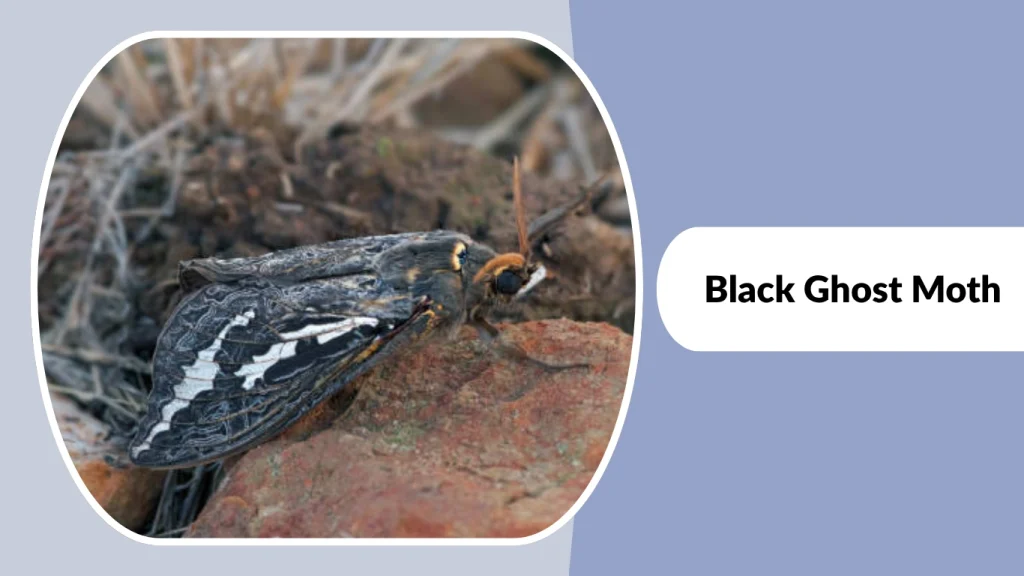
The Black Ghost Moth is a dark-colored member of the ghost moth family known for its strong body, broad wings, and nighttime activity. It is commonly found in forests, grasslands, and woodland habitats where larvae develop underground while feeding on roots and organic plant material. This species is admired for its shadowy appearance and rapid flight during dusk and nighttime hours. Its hidden underground lifecycle and dark wing coloration make it one of the more mysterious ghost moth species.
Identification
- Scientific Name: Fraus simulans
- Common Colors: Black, dark brown, gray, and tan
- Average Wingspan: 2 to 4 inches
- Caterpillar Appearance: Pale underground larva with a dark brown head
- Distinct Feature: Dark smoky wings with minimal markings
- Adult Appearance: Thick-bodied moth with broad dark wings
- Flight Behavior: Fast nighttime flight near vegetation
- Average Lifespan: Several days to weeks as an adult
Habitat and Distribution
The Black Ghost Moth is commonly found in Australia and nearby woodland regions. It inhabits forests, grasslands, shrublands, and rural habitats with dense vegetation and loose soil. Larvae remain underground in moist environments where roots and decaying organic material are abundant.
Behavior and Diet
Adult moths are mostly active during dusk and nighttime and are sometimes attracted to lights. Most adults feed very little or not at all during their short lifespan. The larvae spend most of their development underground feeding on roots, grasses, stems, and decaying plant matter beneath the soil surface.
Lifecycle
Females lay eggs on soil or low vegetation where larvae later hatch and burrow underground. Caterpillars develop beneath the soil for long periods while feeding on roots and plant material. After completing development, larvae pupate underground before adult moths emerge during warmer seasons to reproduce.
10. Feather-horned Ghost Moth
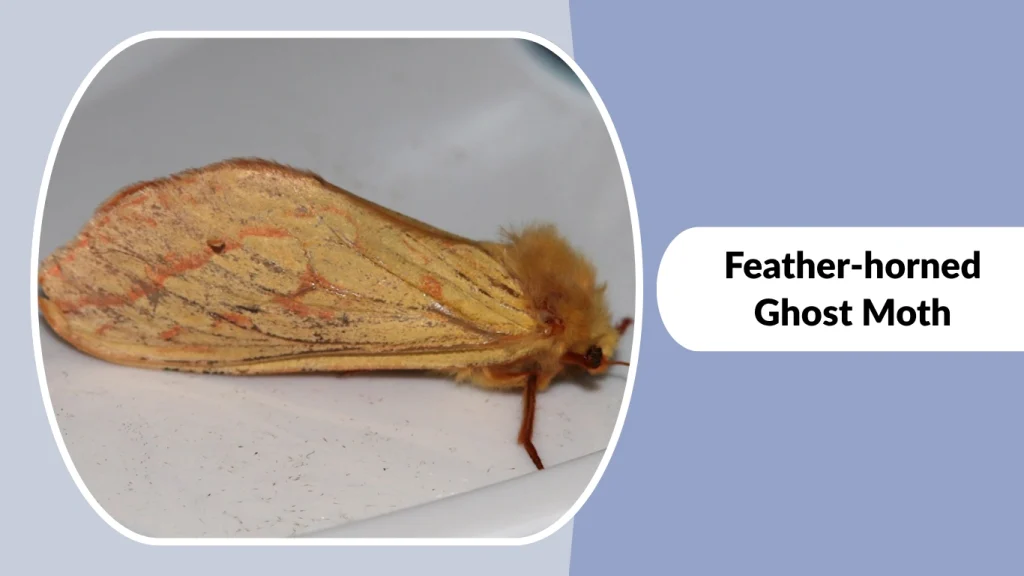
The Feather-horned Ghost Moth is a unique member of the ghost moth family known for the feathery antennae found on adult males. It is commonly found in forested and grassy habitats where larvae spend most of their lives underground feeding on roots and organic plant material. This species is admired for its unusual antennae, thick-bodied appearance, and nighttime activity. Its hidden underground lifecycle and distinctive features make it one of the more unusual ghost moth species found in natural environments.
Identification
- Scientific Name: Sthenopis argenteomaculatus
- Common Colors: Brown, gray, silver, and cream
- Average Wingspan: 2 to 4 inches
- Caterpillar Appearance: Pale underground larva with a brown head
- Distinct Feature: Feather-like antennae on adult males
- Adult Appearance: Thick-bodied moth with broad patterned wings
- Flight Behavior: Slow nighttime flight near forests and grasslands
- Average Lifespan: Several days to weeks as an adult
Habitat and Distribution
The Feather-horned Ghost Moth is commonly found in North America within forests, woodland edges, grasslands, and moist natural habitats. It prefers areas with loose soil and dense vegetation where larvae can remain underground while feeding on roots and decaying plant material.
Behavior and Diet
Adult moths are mainly active during dusk and nighttime and are often attracted to lights. Most adults feed very little or not at all during their short lifespan. The larvae spend most of their development underground feeding on roots, grasses, stems, and organic plant matter beneath the soil surface.
Lifecycle
Females lay eggs near vegetation or grassy habitats where larvae later hatch and burrow underground. Caterpillars develop beneath the soil for extended periods while feeding on roots and plant material. After completing development, larvae pupate underground before adult moths emerge during warmer seasons to reproduce.
11. New Zealand Ghost Moth
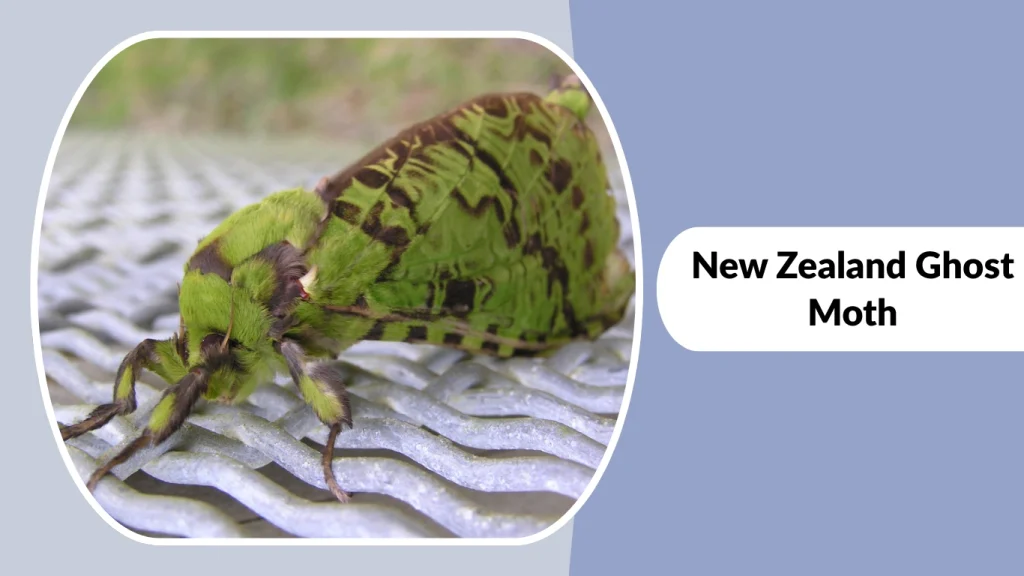
The New Zealand Ghost Moth is a large nocturnal moth species native to New Zealand forests and woodland habitats. It belongs to the primitive ghost moth family and is known for its thick body, broad wings, and underground larval lifestyle. The larvae spend long periods feeding on roots and decaying plant material beneath the soil surface. Its nighttime activity, earthy coloration, and hidden development make it one of the most distinctive ghost moth species found in New Zealand.
Identification
- Scientific Name: Aenetus virescens
- Common Colors: Brown, olive, gray, and cream
- Average Wingspan: 3 to 6 inches
- Caterpillar Appearance: Large pale larva with a brown head
- Distinct Feature: Large size and thick-bodied appearance
- Adult Appearance: Broad-winged moth with mottled patterns
- Flight Behavior: Slow nighttime flight near forests
- Average Lifespan: Several days to weeks as an adult
Habitat and Distribution
The New Zealand Ghost Moth is found throughout New Zealand in forests, woodland habitats, and areas with dense vegetation. It prefers moist environments with loose soil and large trees where larvae can develop underground while feeding on roots and organic plant material.
Behavior and Diet
Adult moths are mainly active during nighttime and are sometimes attracted to lights. Most adults feed very little or not at all during their short lifespan. The larvae spend several years underground feeding on roots, stems, decaying wood, and organic matter beneath the soil surface.
Lifecycle
Females lay eggs near forest vegetation where larvae later hatch and burrow underground. Caterpillars develop beneath the soil for long periods while feeding on roots and plant material. After completing development, larvae pupate underground or near tree roots before adult moths emerge during warmer seasons to reproduce.
12. Forest Ghost Moth
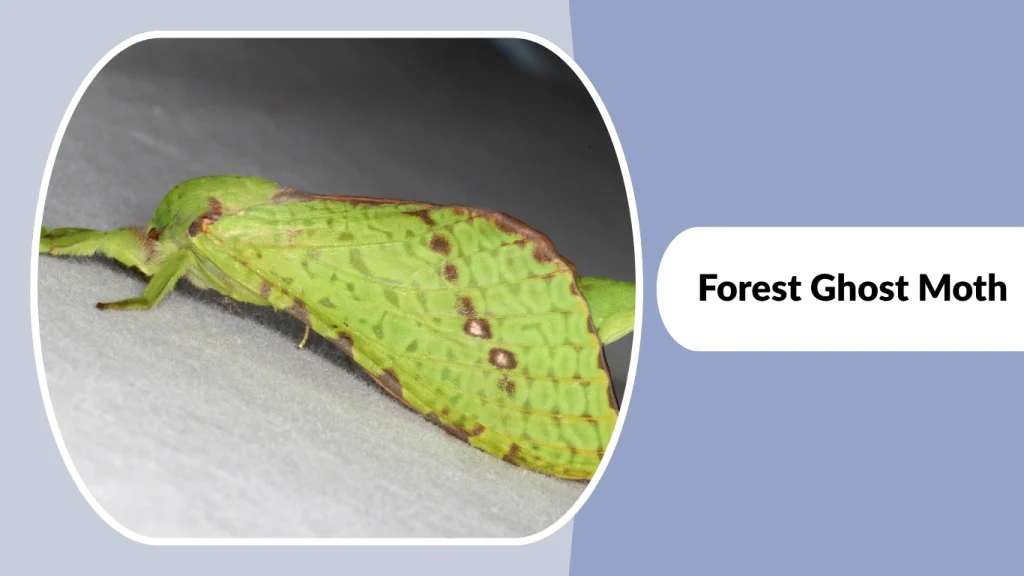
The Forest Ghost Moth is a woodland ghost moth species commonly found in dense forests and heavily vegetated habitats. It is known for its earthy wing colors, thick body, and hidden underground larval stage. Like many ghost moths, its caterpillars spend most of their lives beneath the soil feeding on roots and decaying plant material. Its nocturnal activity, camouflage patterns, and secretive lifestyle make it one of the more mysterious ghost moth species found in forest ecosystems.
Identification
- Scientific Name: Aenetus ligniveren
- Common Colors: Brown, gray, olive, and cream
- Average Wingspan: 3 to 5 inches
- Caterpillar Appearance: Pale underground larva with a dark head
- Distinct Feature: Forest-colored wing patterns for camouflage
- Adult Appearance: Thick-bodied moth with broad mottled wings
- Flight Behavior: Slow nighttime flight near trees and vegetation
- Average Lifespan: Several days to weeks as an adult
Habitat and Distribution
The Forest Ghost Moth is commonly found in forested regions of Australia and nearby woodland habitats. It prefers moist forests, wooded valleys, and areas with dense vegetation and loose soil where larvae can remain underground while feeding on roots and organic material.
Behavior and Diet
Adult moths are mostly active during dusk and nighttime and are sometimes attracted to lights. Most adults feed very little or not at all during their short lifespan. The larvae spend years underground feeding on roots, stems, grasses, and decaying plant matter beneath the forest floor.
Lifecycle
Females lay eggs near vegetation or forest soil where larvae later hatch and burrow underground. Caterpillars develop beneath the soil for extended periods while feeding on roots and plant material. After completing development, larvae pupate underground before adult moths emerge during warm seasons to mate and reproduce.
13. Pale Ghost Moth
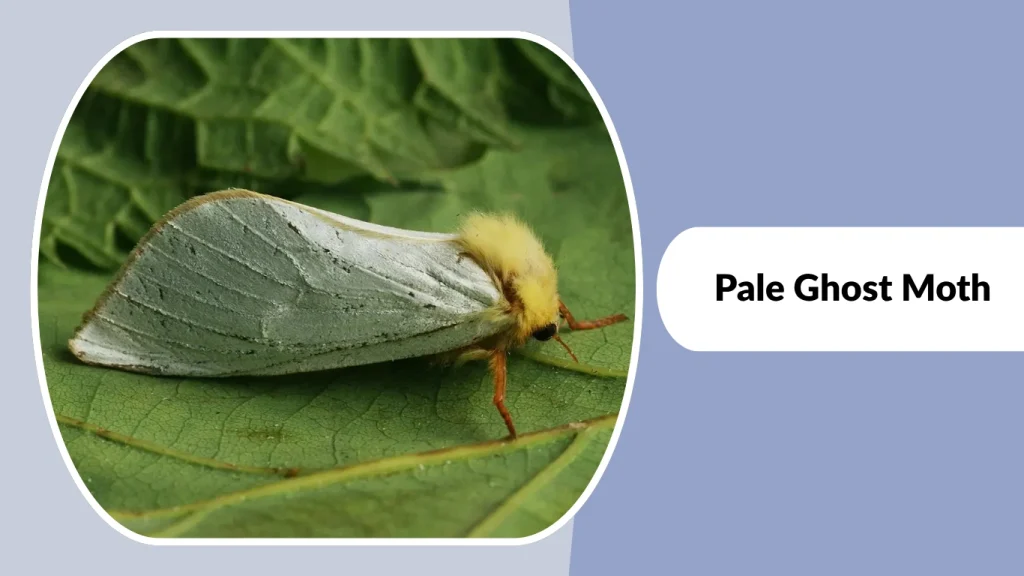
The Pale Ghost Moth is a lightly colored member of the ghost moth family known for its pale wings and quiet nighttime flight. It is commonly found in grasslands, woodland edges, and moist natural habitats where larvae spend most of their lives underground feeding on roots and plant material. This species is admired for its soft coloration and hovering behavior during dusk. Its hidden underground lifecycle and ghost-like appearance make it one of the most distinctive ghost moth species.
Identification
- Scientific Name: Hepialus sylvinus
- Common Colors: Pale cream, tan, light brown, and gray
- Average Wingspan: 1.5 to 3 inches
- Caterpillar Appearance: Pale underground larva with a brown head
- Distinct Feature: Pale-colored wings with soft markings
- Adult Appearance: Thick-bodied moth with broad pale wings
- Flight Behavior: Slow hovering flight during dusk and nighttime
- Average Lifespan: Several days to weeks as an adult
Habitat and Distribution
The Pale Ghost Moth is commonly found across Europe in grasslands, woodland edges, marshes, meadows, and open countryside habitats. It prefers moist environments with loose soil and dense vegetation where larvae can remain underground while feeding on roots and decaying plant material.
Behavior and Diet
Adult moths are mainly active during dusk and nighttime and are often seen hovering above grassy areas while searching for mates. Most adults feed very little or not at all during their short lifespan. The larvae spend long periods underground feeding on roots, grasses, stems, and organic plant matter beneath the soil surface.
Lifecycle
Females scatter eggs over grassy vegetation where larvae later hatch and burrow into the soil. Caterpillars develop underground for extended periods while feeding on roots and organic materials. After completing development, larvae pupate beneath the soil before adult moths emerge during warm seasons to reproduce.
FAQs
What are ghost moths?
Ghost moths are primitive moth species belonging to the family Hepialidae. They are known for their thick bodies, broad wings, and unusual nighttime flight behavior. Many species have larvae that live underground for long periods while feeding on roots and organic plant material beneath the soil surface.
Where are ghost moths found?
Ghost moths are found in many parts of the world, including Europe, Asia, Australia, New Zealand, Africa, and North America. They commonly inhabit forests, grasslands, meadows, woodland edges, marshes, and rural habitats with loose soil and dense vegetation suitable for underground larval development.
What do ghost moth larvae eat?
Ghost moth larvae mainly feed on roots, stems, grasses, decaying wood, and organic plant material beneath the soil surface. Some species may also feed inside roots or underground plant tissues while developing for several months or even years before becoming adult moths.
Are ghost moths harmful to plants?
Some ghost moth larvae can damage crops, grasses, and tree roots when present in large numbers because they feed underground on plant material. However, most species are considered part of natural ecosystems and usually do not cause serious environmental or agricultural problems.
Why are they called ghost moths?
Ghost moths received their name because many species appear pale or whitish and fly silently during dusk or nighttime. Some males hover in open areas during mating displays, creating a ghost-like appearance in low light conditions, especially in grasslands and woodland habitats.
