

Botflies are parasitic insects known for laying eggs that eventually develop into larvae living beneath the skin of humans or animals. Although the thought itself is unsettling, botfly infestations are more common than many people realize, especially in warm or tropical regions. These larvae, often called “warbles,” create a small breathing hole in the skin and can cause pain, swelling, and anxiety for affected individuals and pet owners.
Understanding how botflies infest hosts, the safest removal techniques, and the dangers of improper extraction is essential. This guide breaks down botfly removal for humans, dogs, cats, and wildlife, offering practical insights on when DIY removal is safe and when professional care is absolutely necessary.
Understanding Botflies
What Is a Botfly?
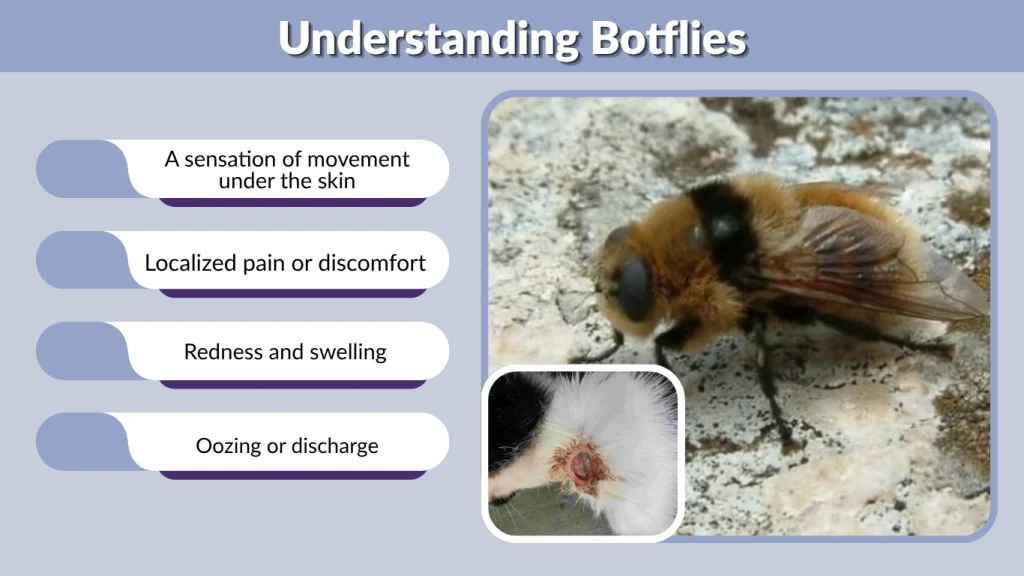
A botfly is a type of parasitic fly whose larvae burrow beneath the skin of warm-blooded hosts. Unlike typical biting insects, the adult botfly rarely infests directly. Instead, it uses mosquitoes or other insects to deposit eggs on the host’s skin. Once the eggs hatch, the larvae penetrate the skin and create a small, raised bump. Inside this bump, the larva develops while feeding on tissue fluids until it’s ready to emerge.
Common Symptoms of Botfly Infestation
Most people or pets notice a swollen bump that resembles a boil or pimple. This bump usually has a tiny central hole, which the larva uses to breathe. Other symptoms include:
- A sensation of movement under the skin
- Localized pain or discomfort
- Redness and swelling
- Oozing or discharge
If the infestation occurs in sensitive areas like the face, scalp, or nose, symptoms can intensify and medical attention becomes urgent.
General Botfly Removal Methods

Traditional Removal Techniques
Traditional removal often involves manually extracting the larva using sterile forceps. This requires precision because squeezing too hard can rupture the larva, increasing the risk of secondary infection. Professionals typically enlarge the breathing hole slightly and remove the larva intact with controlled force. This method is still widely used because it ensures complete removal with minimal trauma.
Suffocation Techniques
Botfly larvae require oxygen, and many removal methods take advantage of this vulnerability. Covering the breathing hole with petroleum jelly, mineral oil, beeswax, or even a strip of bacon can suffocate the larva, causing it to move toward the surface. Once the larva emerges enough, it can be safely extracted. While these methods are sometimes effective, they must be performed cautiously—pulling too early or too aggressively can harm the host.
When NOT to Remove a Botfly at Home
DIY botfly removal is not always safe. You should avoid attempting home extraction if:
- The area is severely swollen or infected
- The larva is located on the face, near the eyes, nose, or lips
- The host is a child, elderly person, or vulnerable pet
- The breathing hole is extremely small or not visible
Improper technique can push the larva deeper, cause severe pain, or lead to dangerous infections that require antibiotics or surgical intervention.
Botfly Removal in Humans
Symptoms & Diagnosis
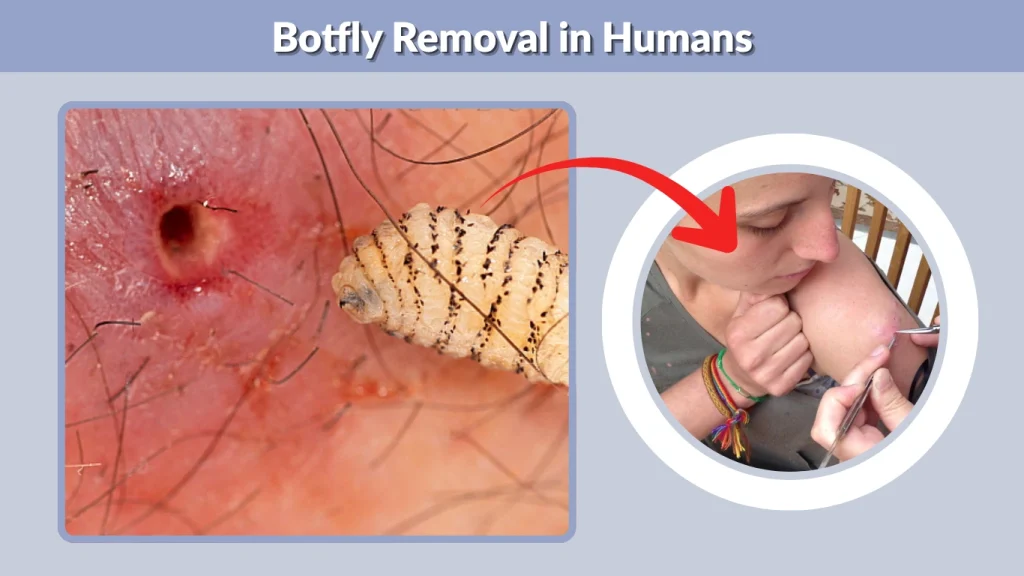
In humans, botfly larvae typically create a painful bump with a central pore. Doctors diagnose this condition based on visual symptoms and, if necessary, imaging such as ultrasound to confirm the presence of the larva. Because human skin varies in thickness, some people feel intense movement while others may only notice discomfort.
Professional Medical Removal
Medical professionals use sterile tools and controlled techniques to ensure the larva is removed without rupturing. Doctors may use local anesthesia, make a small incision, or apply suffocation methods before extraction. Professional removal reduces the chance of scarring and ensures that no part of the larva is left behind.
Home Remedies People Try
Common DIY methods include applying petroleum jelly, using suction devices, or attempting to squeeze the warble like a pimple. These approaches are risky because partial removal or rupturing the larva can worsen the situation. Infections, abscesses, and prolonged healing are frequent complications when non-professionals attempt removal.
Complications if Not Removed
A botfly larva will eventually leave the skin, but waiting for this to occur can be painful and risky. If not removed, the larva may cause:
- Severe inflammation
- Local tissue damage
- Secondary bacterial infection
- Permanent scarring
For these reasons, prompt and proper extraction is always recommended.
Botfly Removal in Dogs
How Dogs Get Botflies
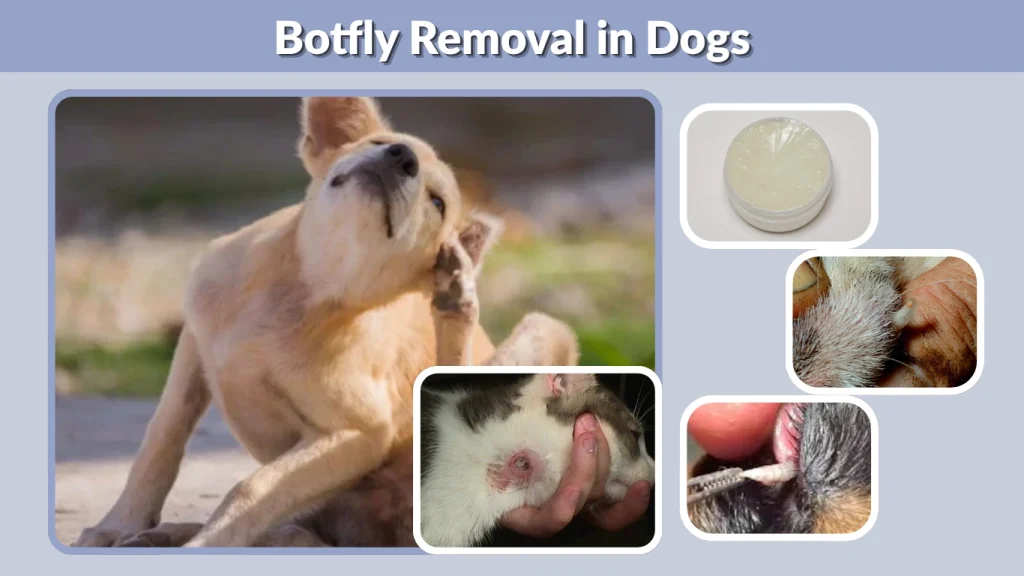
Dogs commonly pick up botflies when exploring outdoor areas, especially during summer. Rabbit and rodent burrows often contain botfly eggs, which easily attach to a dog’s fur or skin. Puppies and hunting breeds are especially vulnerable due to their habits of exploring dense vegetation and animal nests.
Safe Removal Techniques for Dogs
A botfly warble in a dog appears as a swollen lump with a small opening. Attempting to squeeze it is dangerous—pressure can rupture the larva or force it deeper. Veterinarians typically enlarge the breathing hole, extract the larva intact, and clean the wound thoroughly. This minimizes complications and reduces healing time.
Can You Remove a Botfly from a Dog at Home?
In some situations, dog owners attempt DIY removal, especially if a veterinarian is not immediately accessible. Although possible, it must be done with extreme caution. The breathing pore must be visible, and the larva must be near the skin’s surface. Gently applying petroleum jelly may coax it forward, but forceful squeezing should be avoided. After removal, the wound must be cleaned with antiseptic and monitored for redness, swelling, or unusual discharge.
However, if the dog shows signs of pain, infection, or distress—or if the larvae are in sensitive areas like the face or neck—professional veterinary assistance is strongly recommended. Improper removal can lead to complications, including tissue damage or severe infection.
Botfly Removal in Cats

Recognizing Botfly Larvae in Cats
Cats frequently pick up botflies through hunting behavior or outdoor exploration. The larvae often appear near the neck, head, or nasal area. Owners may mistake warbles for abscesses or infected wounds, but the presence of a central breathing hole is the primary sign of botfly infestation. Cats may also scratch excessively, act irritable, or avoid being touched.
Removing a Botfly from a Cat at Home
While cat botfly removal is possible at home, it is riskier than in dogs due to the delicate nature of feline skin and the likelihood of resistance from the animal. If attempting home removal, the area should be restrained safely, and suffocation methods may be used to encourage the larva to emerge. Extraction must be done with sterile tools to avoid tearing the larva. In most cases, visiting a veterinarian is the safest route, especially when infestations occur near the nose, face, or eyes.
Botfly Removal in Kittens
Kittens are particularly vulnerable during a botfly infestation due to their small size and weaker immune systems. Attempting DIY removal on kittens is strongly discouraged. Veterinary professionals typically sedate kittens to reduce stress and ensure safe extraction. Prompt removal is essential because untreated larvae can cause systemic infection in young animals.
Cost of Botfly Removal in Cats
The cost of botfly removal in cats varies by region and severity. Typically, owners can expect to pay between $50 and $200 for professional removal. Factors such as sedation, wound care, antibiotics, or multiple warbles can increase the cost. Though the expense may seem high, proper medical removal prevents complications that could require far more intensive treatment later.
Botfly Removal in Other Animals
Squirrels, Birds, and Wildlife
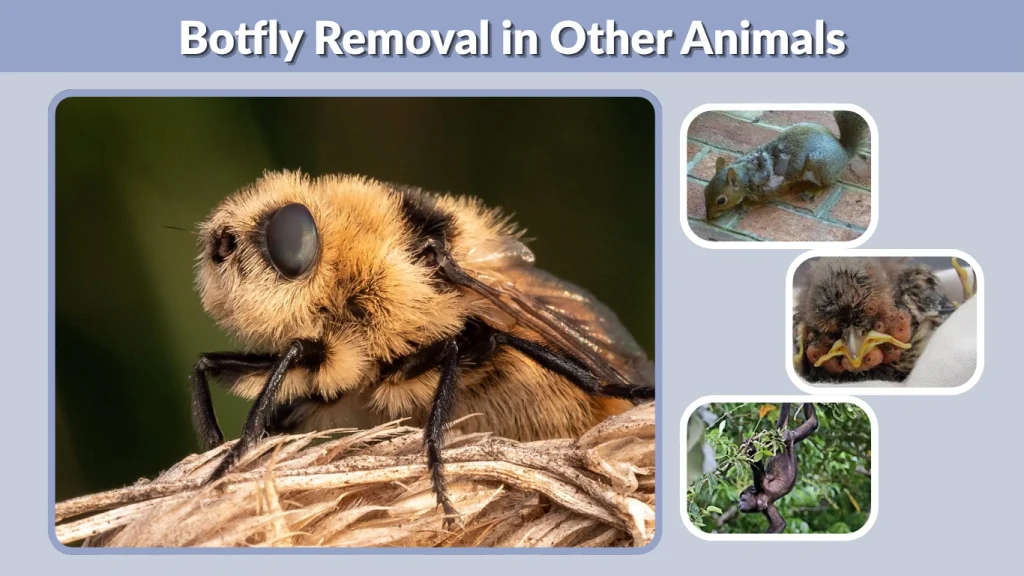
Wild animals such as squirrels, rabbits, and birds are frequent hosts for botflies. In many cases, wildlife rehabilitation centers advise allowing the larva to complete its natural life cycle unless it severely impacts the animal’s mobility or breathing. Attempting to remove a botfly from a wild animal without proper training can cause stress or injury, so contacting a wildlife expert is recommended.
Horses and Livestock
Botfly infestations in horses differ from those in small mammals. Horses often ingest botfly eggs while grooming themselves. These eggs hatch into larvae within the digestive system. Removal in horses typically involves deworming treatments, grooming tools to remove eggs, and stable hygiene. Because of the unique botfly species that target horses, their treatment requires specialized care.
At-Home Botfly Removal: What to Know
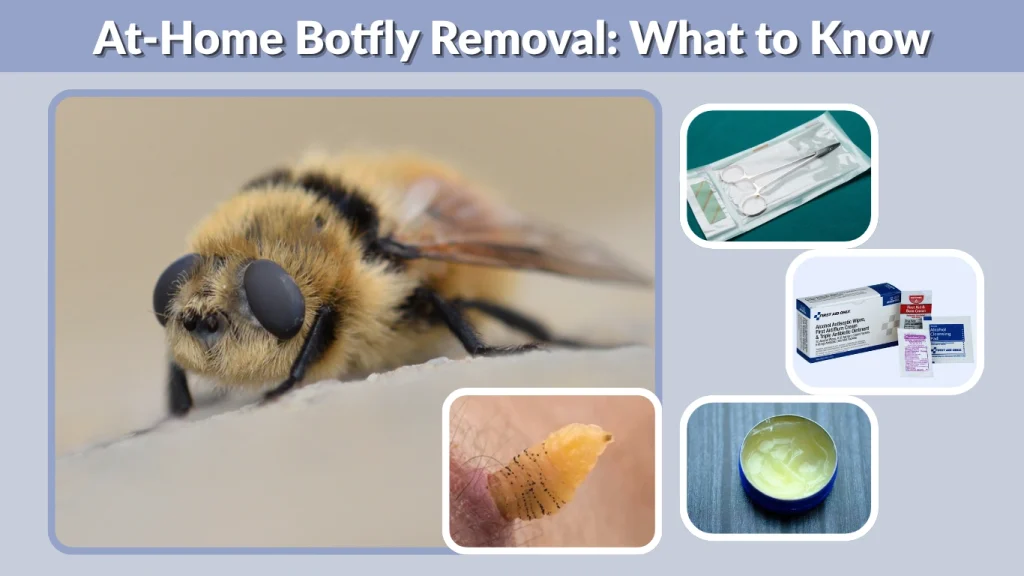
Is It Safe to Remove a Botfly at Home?
Home removal is sometimes possible but should be approached carefully. Safety depends on the location of the warble, the host’s discomfort level, and the experience of the person performing the removal. Sensitive regions like the face, scalp, or areas near vital organs should never be handled at home. When in doubt, seeking professional help is always the safer option.
Botfly Removal Kits
Botfly removal kits are increasingly popular online. These kits typically contain:
- Sterile forceps
- Antiseptic wipes
- Petroleum jelly or suffocation materials
- Instructions for safe removal
While convenient, they do not replace professional medical or veterinary care. Misuse can lead to infection or incomplete removal, which may worsen the infestation.
What Happens If a Botfly Is Not Removed?
Leaving a botfly larva untreated can be painful and dangerous. Over time, the larva grows larger, causing increasing discomfort and swelling. Complications include:
- Secondary bacterial infections
- Tissue damage
- Permanent scarring
- Abscess formation
While the larva eventually exits the skin on its own, waiting for this process is risky and not recommended for humans or pets.
Botfly Removal Media & Online Searches
Why Botfly Removal Videos Are Popular
Botfly removal videos have become viral sensations, partly due to curiosity and partly because they offer educational value. Seeing the removal process helps people understand what to expect and provides insight into how the larva behaves.
The Risks of Following Online Tutorials
While online videos can be helpful, copying these techniques without proper knowledge can be dangerous. Many videos omit safety guidelines or the use of sterile tools, leading viewers to attempt unsafe DIY removal. Infection, damaged tissue, and incomplete extraction are common problems resulting from imitating internet tutorials.
Preventing Botfly Infestation
For Humans
Preventive measures include wearing protective clothing when hiking or traveling in botfly-endemic regions. Using insect repellent and avoiding dense vegetation where egg-laying insects thrive also reduces risk. After outdoor activities, checking for small bites or unusual bumps can help detect infestations early.
For Pets
Pet owners can prevent infestations by keeping animals away from rodent burrows, regularly grooming pets, and inspecting the skin for unusual lumps. Outdoor cats and hunting dogs should be checked more frequently, especially in warm seasons when botfly activity increases.
Aftercare & Healing
Wound Cleaning
After removal, thorough cleaning with antiseptic solutions is essential. Humans should monitor the site for pain or redness, while pets may require a protective collar to prevent licking or scratching.
Signs of Infection After Removal
If the area becomes warm, swollen, or produces foul-smelling discharge, professional medical or veterinary attention is needed. Early intervention prevents serious complications and supports faster healing.
FAQs
How do I know if I have a botfly?
A botfly infestation typically appears as a swollen bump with a tiny central hole. You may feel movement beneath the skin as the larva grows. Pain, redness, and occasional discharge are also common signs. If you suspect an infestation, a medical examination can confirm it.
Can a botfly come out on its own?
Yes, a botfly larva eventually exits the skin after fully developing. However, waiting for this to happen is risky because the larva grows larger, increasing discomfort and infection risk. Professional removal is safer and prevents complications.
Is botfly removal painful?
Removal may cause mild discomfort, especially if done without anesthesia. Medical professionals often use numbing agents to minimize pain. Pets may require sedation to ensure safe and painless extraction.
How long does it take for a botfly to grow under the skin?
A botfly larva typically spends 3–8 weeks under the skin before emerging. During this time, it grows significantly, causing increasing discomfort and visible swelling.
Can I remove a botfly from my pet at home?
It is possible but not recommended unless you are experienced and the infestation is mild. Incorrect removal can rupture the larva or cause infection. For best results, consult a veterinarian—especially for kittens, puppies, or warbles near sensitive areas.
