
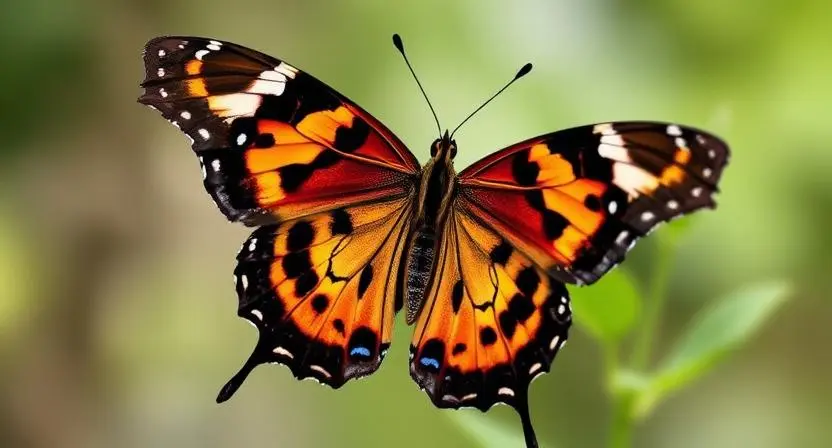
The Painted Lady Butterfly (Vanessa cardui) is one of the most widespread and fascinating butterflies. This guide covers its identification, life cycle, habitat, diet, and migration. Whether you’re a nature lover or raising butterflies, discover key insights and fun facts about this beautiful species!
1. General Information & Identification
Wath is Painted Lady Butterfly?
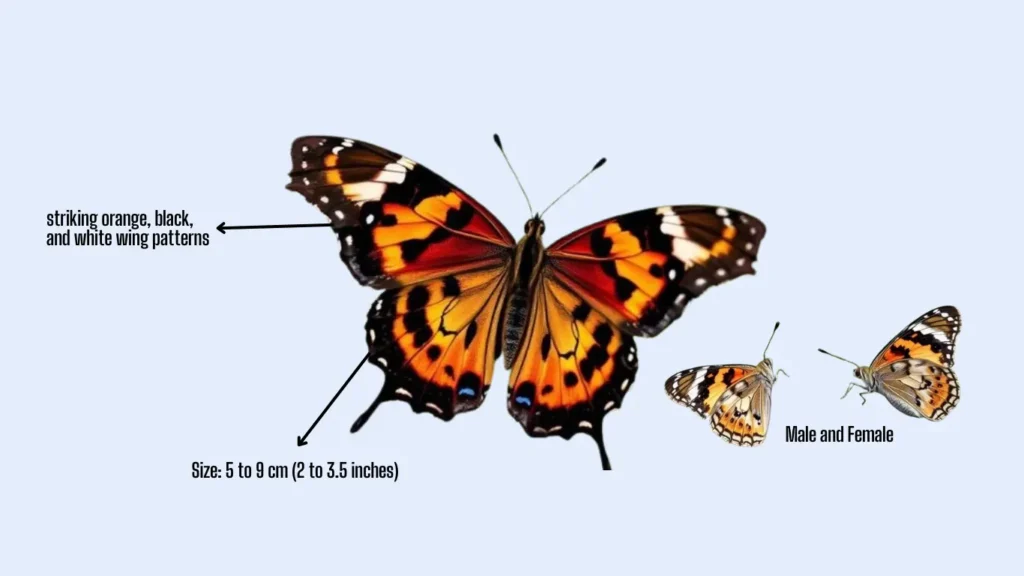
The Painted Lady Butterfly (Vanessa cardui) is one of the most widespread butterfly species in the world. It is commonly found on every continent except Antarctica and South America. Known for its striking orange, black, and white wing patterns, the Painted Lady is often mistaken for other butterfly species but has unique characteristics that set it apart.
Painted Lady Butterfly Size
The Painted Lady is a medium-sized butterfly, with a wingspan ranging from 5 to 9 cm (2 to 3.5 inches). While not as large as Monarch butterflies, they are still easily noticeable due to their vibrant colors and active flying behavior.
Painted Lady Butterfly Male and Female
Male and female Painted Lady butterflies look almost identical, making it difficult to distinguish between them. However, males are often slightly smaller and more active in searching for females. They also establish territories and exhibit mating behaviors such as chasing potential mates in flight.
How to Identify a Painted Lady Butterfly
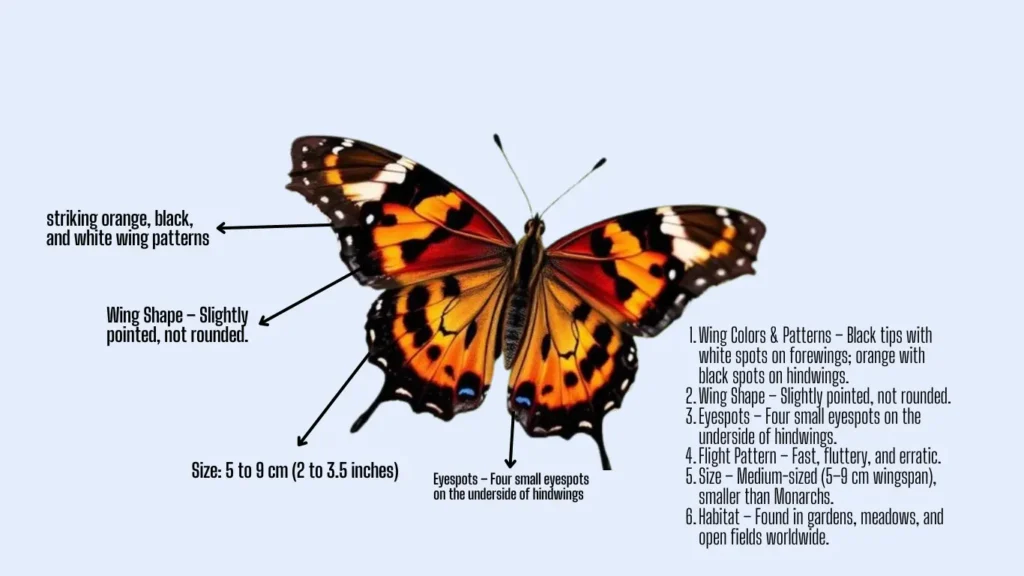
- Wing Colors & Patterns – Black tips with white spots on forewings; orange with black spots on hindwings.
- Wing Shape – Slightly pointed, not rounded.
- Eyespots – Four small eyespots on the underside of hindwings.
- Flight Pattern – Fast, fluttery, and erratic.
- Size – Medium-sized (5–9 cm wingspan), smaller than Monarchs.
- Habitat – Found in gardens, meadows, and open fields worldwide.
These key features make the Painted Lady easy to identify!
2. Life Cycle & Development
Painted Lady Butterfly Life Cycle
The Painted Lady butterfly undergoes a complete metamorphosis, transitioning through four distinct stages: egg, caterpillar (larva), chrysalis (pupa), and adult butterfly. The entire life cycle takes about 3 to 5 weeks, depending on temperature and environmental conditions.
Painted Lady Butterfly Life Cycle Stages

- Egg Stage (3–5 days) – Tiny, green eggs are laid on host plants, usually thistles or mallows.
- Caterpillar Stage (5–10 days) – The larvae hatch and feed on leaves, growing rapidly and shedding their skin several times.
- Chrysalis Stage (7–10 days) – The caterpillar forms a chrysalis, where it undergoes transformation.
- Adult Butterfly (2–4 weeks lifespan) – The butterfly emerges, dries its wings, and begins feeding on nectar before mating and laying eggs.
Painted Lady Butterfly Life Cycle Timeline
- Day 1-5: Eggs hatch into caterpillars.
- Day 6-15: Caterpillars grow, shedding skins multiple times.
- Day 16-25: Chrysalis stage, major transformation occurs.
- Day 26+: Adult butterfly emerges, lives for 2-4 weeks.
Painted Lady Butterfly Timeline
The Painted Lady completes its life cycle quickly, allowing multiple generations per year, especially in warm climates.
3. Habitat, Range & Migration
Painted Lady Butterfly Habitat
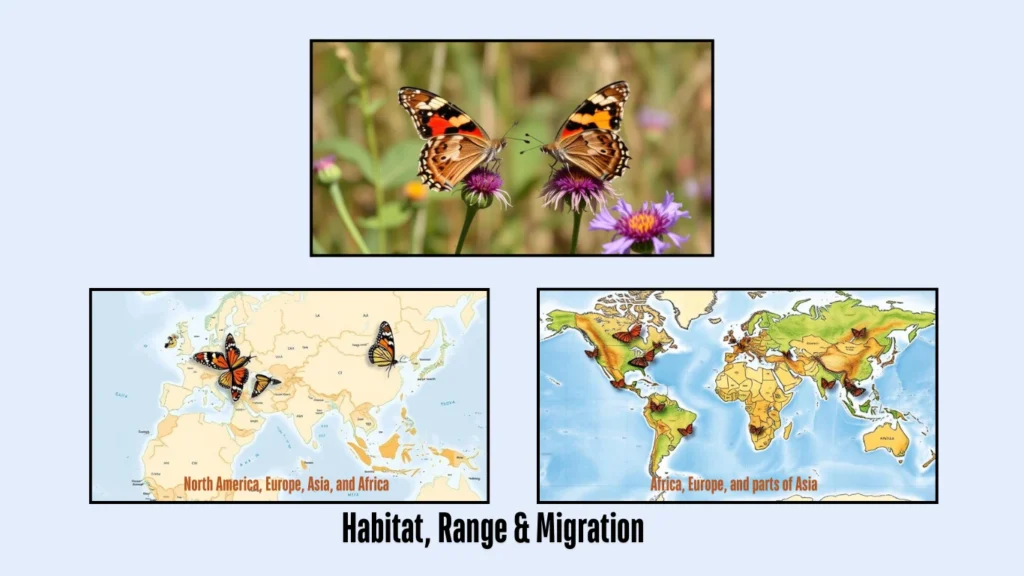
Painted Lady butterflies thrive in open fields, gardens, meadows, and roadsides. They prefer areas with abundant nectar-producing flowers and host plants like thistles, mallows, and sunflowers for caterpillar development. These butterflies are highly adaptable and can survive in deserts, grasslands, and even urban areas.
Painted Lady Butterfly Range
This species is one of the most widespread butterflies in the world, found on every continent except Antarctica and South America. Their range extends across North America, Europe, Asia, and Africa, adapting to various climates and environments.
Painted Lady Butterfly Native Range
Painted Ladies are native to Africa, Europe, and parts of Asia, where they establish breeding populations. However, due to their long-distance migration, they also temporarily inhabit regions where they are not year-round residents.
Painted Lady Butterfly Migration
Painted Ladies are known for their impressive migration, traveling thousands of miles between breeding and feeding grounds. Unlike Monarchs, their migration is irregular, driven by climate conditions and food availability. Large migrations often occur from North Africa to Europe and from Mexico to the U.S. and Canada.
Painted Lady Butterfly California
California is a crucial region for Painted Lady migration, especially during spring. Every few years, massive migrations are observed, with millions of butterflies flying northward from Mexico through California’s valleys and coastal areas. These migrations are spectacular and often attract public interest.
4. Growth Stages: Egg to Butterfly
Painted Lady Butterfly Eggs
The life cycle begins when a female Painted Lady lays tiny, green eggs on the leaves of host plants like thistles, mallows, and hollyhocks. These eggs hatch in about 3 to 5 days, revealing small caterpillars ready to start feeding.
Painted Lady Butterfly Caterpillar
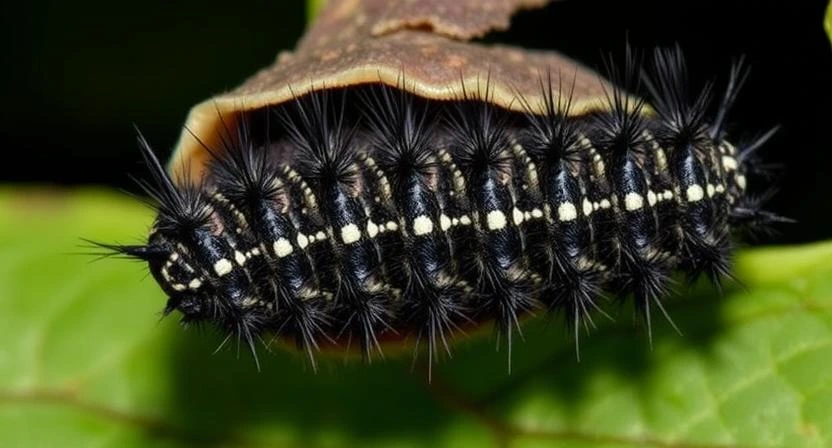
Once hatched, the black, spiky caterpillars grow rapidly, shedding their skin multiple times. They are covered in fine white speckles and feed constantly to gain energy for their next transformation.
Painted Lady Butterfly Caterpillar Diet
Caterpillars primarily eat the leaves of their host plants. Their favorite food sources include:
- Thistles (main host plant)
- Hollyhocks
- Sunflowers
- Mallows
Their constant feeding helps them grow 100 times their original size in just 5-10 days.
Painted Lady Butterfly Chrysalis Stage
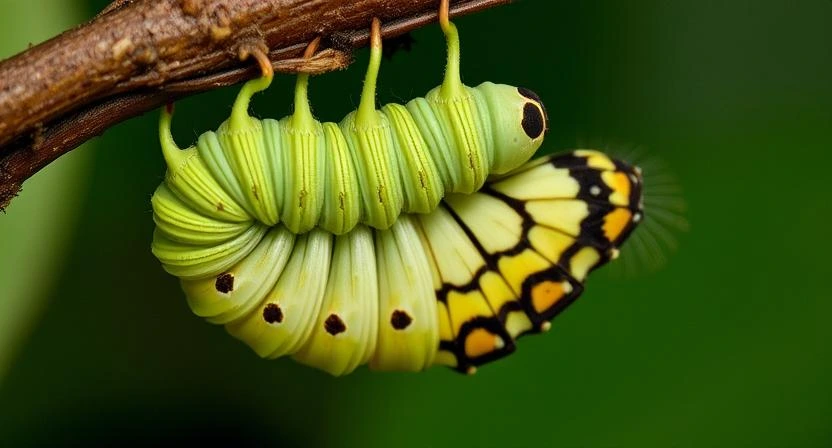
Once fully grown, the caterpillar attaches itself to a safe surface and forms a chrysalis (pupa). Inside, it undergoes a complete transformation, emerging as a butterfly in 7 to 10 days.
Painted Lady Butterfly Chrysalis Dead?
Sometimes, a chrysalis appears dark or motionless, making it seem dead. However, this is often a normal part of development. If it remains unchanged for more than two weeks, it may not have survived.
5. Diet & Lifespan
Painted Lady Butterfly Food
Painted Lady butterflies primarily feed on nectar from flowers, using their long proboscis to drink. Their favorite nectar sources include:
- Thistles
- Milkweed
- Lavender
- Marigolds
They also sip tree sap, fruit juices, and moisture from wet soil to stay hydrated.
Painted Lady Butterfly Life Span

The average lifespan of a Painted Lady butterfly is 2 to 4 weeks in the wild. Factors like predation, climate, and food availability affect their survival. Some migrate and reproduce multiple times, ensuring their species thrives.
6. Comparisons & Fun Facts
Painted Lady Butterfly vs Monarch

Painted Lady and Monarch butterflies are often confused due to their similar orange and black patterns, but they have distinct differences.
| Feature | Painted Lady Butterfly | Monarch Butterfly |
| Size | 5–9 cm wingspan | 8–10 cm wingspan |
| Color Pattern | Orange with black and white spots | Orange with black veins and white spots |
| Migration | Irregular, influenced by food availability | Regular migration from North America to Mexico |
| Host Plants | Thistles, mallows, sunflowers | Milkweed |
| Lifespan | 2–4 weeks | Up to 9 months (migratory generation) |
Red Admiral Butterfly vs Painted Lady

Both butterflies belong to the same family but have distinct features.
| Feature | Painted Lady Butterfly | Red Admiral Butterfly |
| Wing Color | Orange with black and white markings | Black with red-orange bands |
| Size | 5–9 cm wingspan | 6–7 cm wingspan |
| Preferred Habitat | Open fields, gardens | Woodlands, parks |
| Flight Pattern | Erratic and fast | Strong and direct |
Painted Lady Butterfly Kit
A Painted Lady butterfly kit allows people to observe their life cycle at home. These kits include:
- Live caterpillars
- A special habitat for transformation
- Food for caterpillars
- Instructions on care and release
These kits are great for kids and educators, providing a hands-on learning experience about metamorphosis.
Painted Lady Butterfly Facts
- Painted Ladies are found on every continent except Antarctica and South America.
- They can migrate over 9,000 miles, one of the longest butterfly migrations.
- Their caterpillars grow 100 times their original size before pupating.
- Unlike Monarchs, Painted Ladies do not hibernate but continue their life cycle year-round in warm regions.
Painted Lady Butterfly Family
Painted Ladies belong to the Nymphalidae family, also known as the brush-footed butterflies. Their scientific name is Vanessa cardui, and they are related to Red Admirals, Tortoiseshells, and other Vanessa species.
Painted Lady Butterfly for Kids
Painted Lady butterflies are great for children to observe and learn about nature. Fun activities for kids include:
- Raising them in a kit and watching their transformation.
- Drawing and coloring their patterns for learning identification.
- Creating a butterfly garden with flowers like thistles and sunflowers to attract them.
These butterflies are easy to care for and fun to watch, making them perfect for kids interested in nature!
