
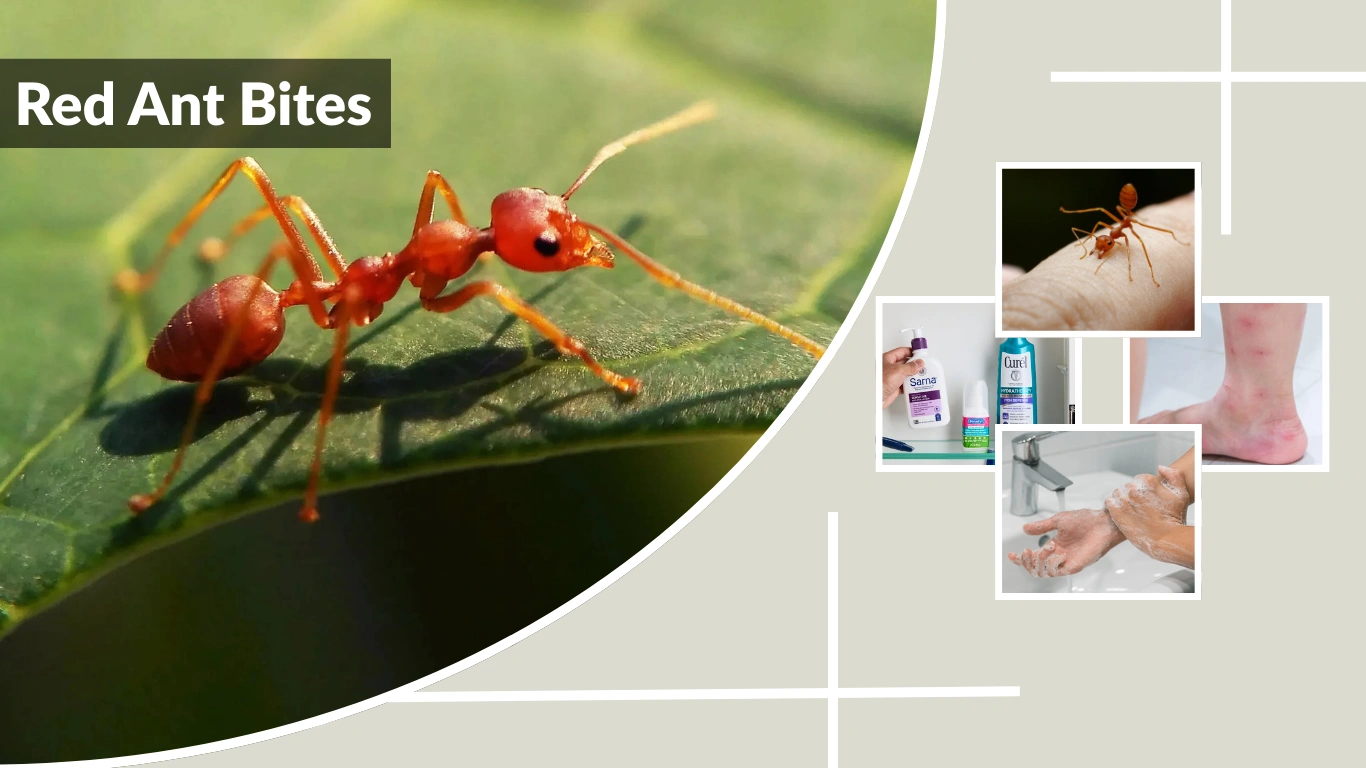
Red ant bites can be painful, itchy, and sometimes dangerous if left untreated. Whether it’s a single bite or multiple stings from fire ants, these bites often cause redness, swelling, and even blisters. While most reactions are mild, some people may develop severe allergic responses that require immediate medical care. Understanding what red ant bites look like, how long they last, and the best treatment methods can help you manage symptoms quickly and prevent complications.
What Are Red Ant Bites?
Red ants, including species like fire ants, harvester ants, and red imported fire ants, are aggressive and known for their painful bites and stings. Unlike some ants that only bite, red ants bite to grip the skin and then inject venom through a stinger. This venom causes burning pain, redness, and swelling, which makes red ant bites easily recognizable. People often mistake these for simple insect bites, but the venomous sting makes them more irritating and sometimes dangerous.
Do Red Ants Bite or Sting?
This is one of the most common questions. Red ants actually do both—they bite first to secure themselves and then sting multiple times, injecting venom. The stinging action is what leads to the formation of pustules and blisters that many people associate with red ant bites.
What Do Red Ant Bites Look Like?

Recognizing red ant bites is important for quick treatment.
Pictures of Red Ant Bites
Typically, red ant bites appear as:
- Small red bumps with a central blister or pustule
- Clusters of bites in a circular pattern, as ants usually attack in groups
- Raised skin with noticeable redness and irritation
Symptoms of Red Ant Bites
The most common symptoms include:
- Sharp burning pain at the site
- Itching that intensifies over hours
- Redness and swelling around the bite
- In some cases, fluid-filled blisters
Red Ant Bites vs Other Insect Bites
Unlike mosquito bites, which are soft and itchy, red ant bites are painful and often result in a white or yellow pustule. Compared to bee stings, they are smaller but can occur in clusters, making them more irritating overall.
Immediate Reactions to Red Ant Bites

Normal Symptoms
For most people, red ant bites cause temporary discomfort. Redness, itching, and swelling usually appear within minutes and may last for several days. The pustule that forms is a result of venom reaction and should not be popped.
Allergic Reaction to Red Ant Bites
Some individuals experience severe allergic reactions, such as:
- Difficulty breathing
- Widespread hives
- Dizziness or fainting
- Swelling of the face, throat, or lips
These signs indicate anaphylaxis, a medical emergency that requires immediate treatment with epinephrine and urgent hospital care.
Swelling and Infection
Swelling is normal, but excessive swelling that spreads beyond the bite area may indicate infection or allergy. Scratching the bite increases the risk of bacteria entering the skin, leading to pus, redness, and warmth around the wound.
Treatment for Red Ant Bites

First Aid Steps
- Wash the bite with mild soap and water to remove venom traces.
- Apply a cold compress or ice pack for 10 minutes to reduce swelling.
- Elevate the affected area if bites are on the feet or legs.
- Avoid scratching, which can worsen irritation and cause infection.
Home Remedies for Red Ant Bites
Many people find relief using natural remedies, such as:
- Aloe vera gel for cooling and healing
- Baking soda paste to neutralize itching
- Vinegar or lemon juice to soothe pain
- Honey as a natural antibacterial agent
Medical Treatment for Red Ant Bites
- Hydrocortisone cream for reducing inflammation
- Antihistamines like diphenhydramine for itching and swelling
- Pain relievers such as ibuprofen or acetaminophen for discomfort
- Severe reactions may require corticosteroid injections or prescription medications.
Should You Pop Red Ant Bites?
No—popping red ant blisters can lead to infection and scarring. The pustule will dry out and heal naturally within a few days.
How to Soothe Red Ant Bite Itching

Itching is often the most bothersome symptom after a red ant bite. Persistent scratching not only worsens irritation but also increases the risk of infection.
Simple Remedies to Reduce Itching
- Cold compresses applied several times a day
- Oatmeal baths for widespread bites
- Calamine lotion to calm irritation
- Over-the-counter antihistamine creams for stronger relief
How to Stop Itching at Night
Many people report that red ant bite itching becomes more intense at night. Wearing light cotton clothing, using a fan for cooling, and applying topical antihistamine before bed can help reduce nighttime discomfort.
Red Ant Bite Complications
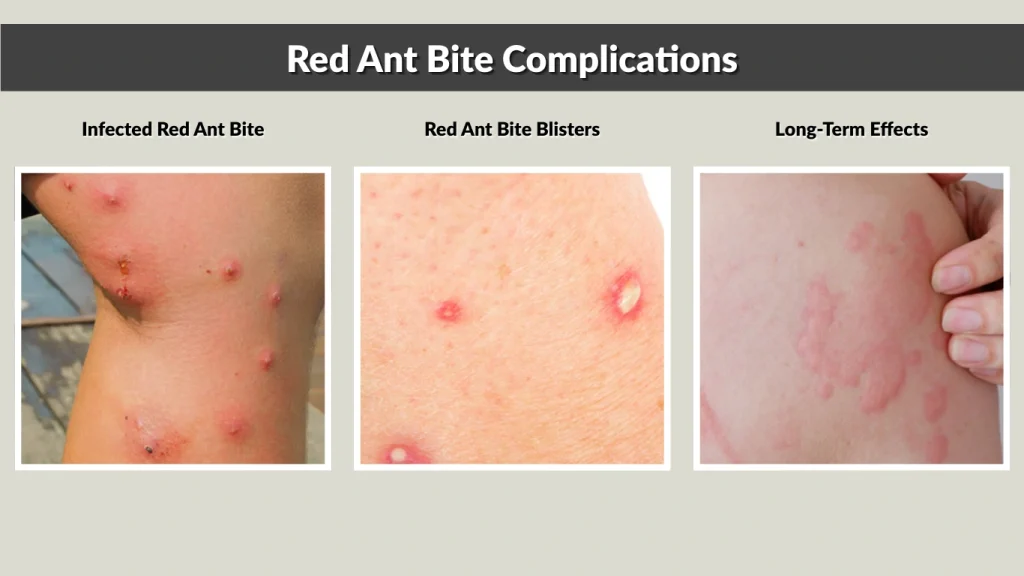
Infected Red Ant Bite
If a bite becomes infected, it may appear redder, more swollen, and painful. Yellow pus, warmth, and fever are clear warning signs. Medical attention is necessary to prevent further spread of infection.
Red Ant Bite Blisters
Blisters filled with fluid are common, especially with fire ant stings. These should not be popped. Instead, keep them clean and covered with a bandage if necessary.
Long-Term Effects
Some people develop scars, dark marks, or recurring allergic reactions after repeated exposure. While most heal within one to two weeks, those with sensitive skin may take longer.
Special Cases
Red Ant Bites on Dogs
Dogs that encounter red ants may develop swollen paws, face irritation, or even allergic reactions. Symptoms include excessive licking, paw chewing, and whining in discomfort. Immediate washing and applying a cold compress helps, but veterinary care is recommended for severe swelling or difficulty breathing.
Children and Red Ant Bites
Children often react more strongly due to sensitive skin. Parents should avoid using strong steroid creams without medical advice. Instead, safe remedies include cold compresses, aloe vera, and age-appropriate antihistamines.
Regional Variations
- Florida Red Ant Bites: Fire ants are particularly common in the southern U.S., including Florida, where infestations are frequent.
- Red Imported Fire Ants: Known for aggressive attacks and painful venom, considered one of the most dangerous red ant species.
- Red Harvester Ants: Deliver a painful bite and sting, but generally less aggressive than fire ants.
- Red Velvet Ant (“Cow Killer”): Despite the name, this is a wasp, not an ant. Its sting is extremely painful and should not be confused with true red ant bites.
Prevention of Red Ant Bites
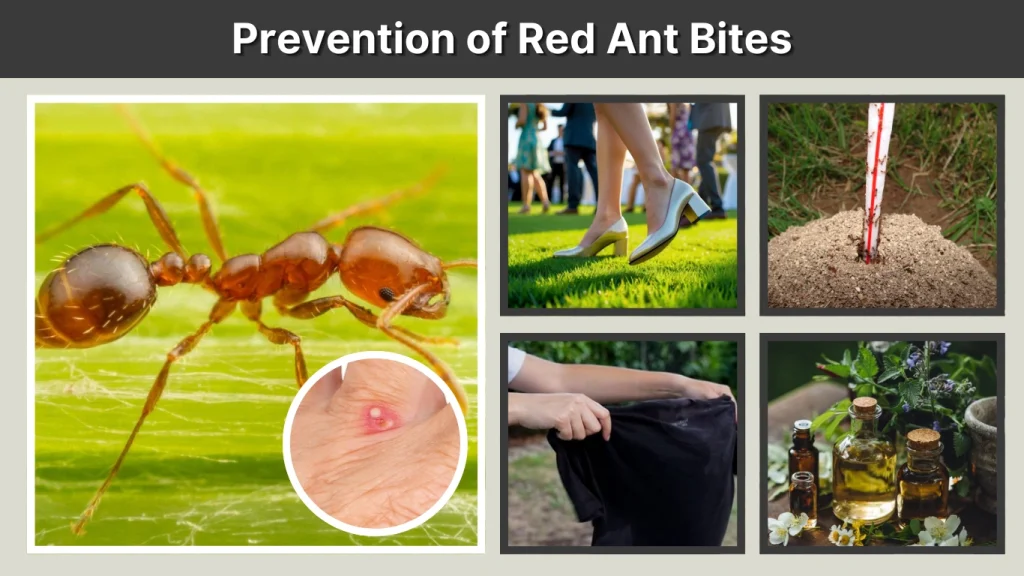
How to Avoid Red Ant Bites
- Wear closed shoes and avoid sandals when walking in grassy areas.
- Do not disturb ant mounds or nests.
- Shake out clothing and shoes before wearing if left outdoors.
Red Ant Control Around the Home
- Use ant repellents such as diatomaceous earth or essential oils (peppermint, tea tree).
- Keep lawns trimmed and remove food scraps to discourage colonies.
- For large infestations, hire professional pest control services.
FAQs About Red Ant Bites
Do red ants bite or sting?
Red ants bite to anchor themselves and then sting multiple times, injecting venom that causes pain and pustules.
How long does a red ant bite last?
Mild bites usually heal within 3–7 days, while blisters or allergic reactions can take up to two weeks.
Can red ant bites kill you?
In rare cases, severe allergic reactions (anaphylaxis) can be life-threatening. Immediate medical care is required if symptoms such as difficulty breathing or swelling of the throat occur.
What should you not do after a red ant bite?
Do not scratch, pop blisters, or apply harsh chemicals like bleach. These actions can worsen irritation and increase infection risk.
Are red ant bites dangerous to pets?
Yes, especially for dogs. Repeated stings can cause swelling, allergic reactions, or even life-threatening complications in small pets.
Conclusion
Red ant bites can range from mildly irritating to dangerously severe depending on the individual’s reaction. While most heal with basic first aid and home remedies, some require medical treatment, especially in cases of infection or allergy. Knowing what red ant bites look like, how to soothe itching, and when to seek help ensures quicker recovery and peace of mind. By taking simple precautions and managing bites effectively, you can reduce discomfort and prevent future problems from these aggressive insects.
