
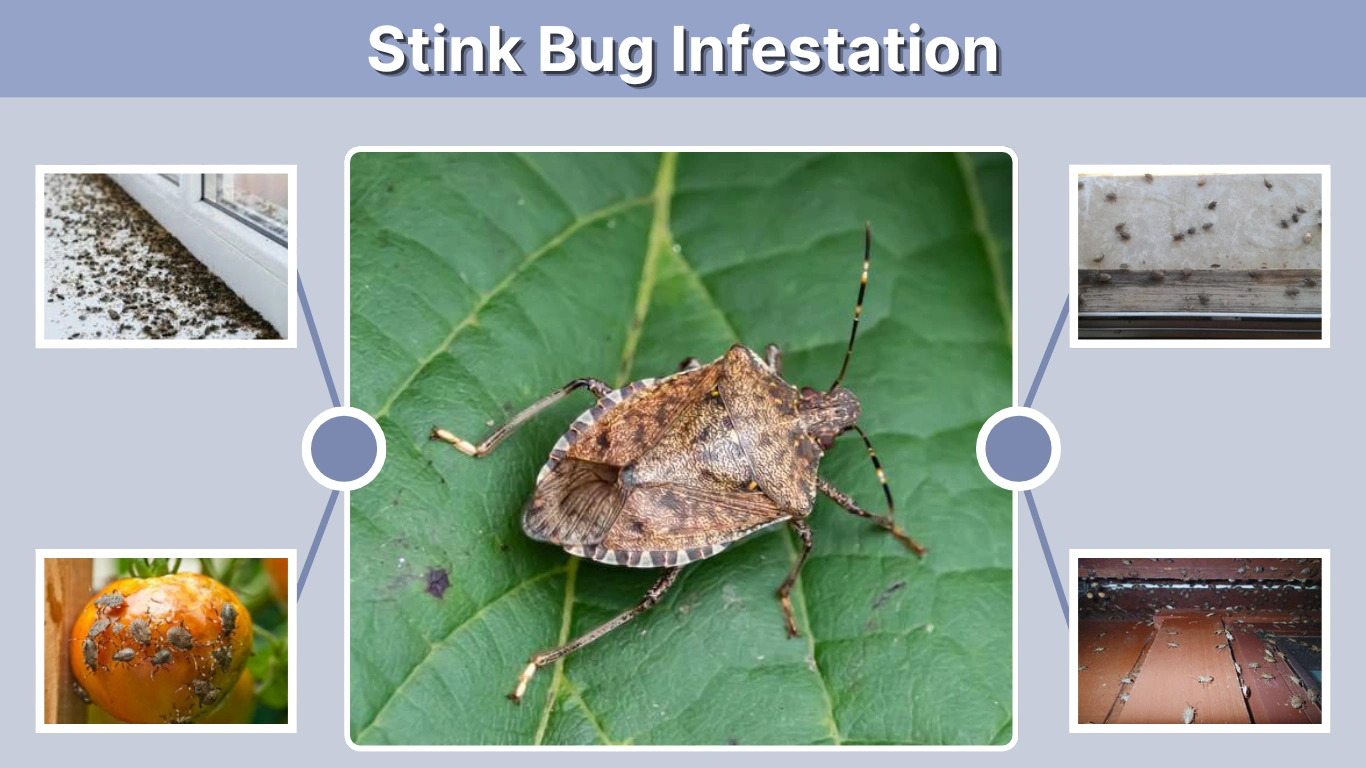
If you’ve noticed several shield-shaped insects crawling along your walls or windows, you might be dealing with a stink bug infestation. These pests release a foul odor when disturbed and can invade homes in large numbers, especially during cooler months. While stink bugs don’t bite or spread disease, they’re incredibly persistent and difficult to remove once they settle inside. Understanding what causes an infestation and how to identify one is the first step toward eliminating them effectively.
What Is a Stink Bug Infestation?

A stink bug infestation occurs when dozens or even hundreds of stink bugs invade a home, attic, or vehicle, usually in late fall. The most common culprit is the brown marmorated stink bug (Halyomorpha halys), an invasive species from Asia that has spread across North America since the 1990s.
Other types, like the green stink bug and brown stink bug, also cause problems in gardens and orchards. These insects don’t reproduce inside your home — instead, they seek shelter to survive the winter, often hiding behind walls, curtains, or insulation.
Even if you only spot a few stink bugs indoors, it can indicate a much larger population nearby, especially if they’re reappearing daily around light fixtures or windows.
What Causes Stink Bug Infestations?

Stink bugs are outdoor insects that become accidental house pests when the weather changes. Several key factors contribute to an infestation:
1. Seasonal Migration
In autumn, as temperatures drop, stink bugs look for warm, dry environments to overwinter. Houses, attics, and garages become ideal hiding places.
2. Easy Entry Points
Small openings around windows, vents, siding, and chimneys allow them to slip inside unnoticed. They can even crawl through gaps as thin as 1/8 inch.
3. Outdoor Attractions
Stink bugs are drawn to gardens, fruit trees, and bright lights near homes. They feed on crops like tomatoes, apples, and peppers before moving indoors for winter.
4. Weather and Climate
Cool nights and shorter days trigger migration. Regions with mild winters or high humidity — such as Georgia, Maryland, and Virginia — experience larger infestations each year.
5. Agricultural Proximity
Homes near farms, vineyards, or orchards are at higher risk since stink bugs thrive in those environments. The Georgia kudzu bug, a close relative, behaves similarly.
In summary, stink bug infestations are a seasonal survival behavior, not a sign of uncleanliness. However, once they establish a presence indoors, they can be difficult to remove completely.
Signs of a Stink Bug Infestation
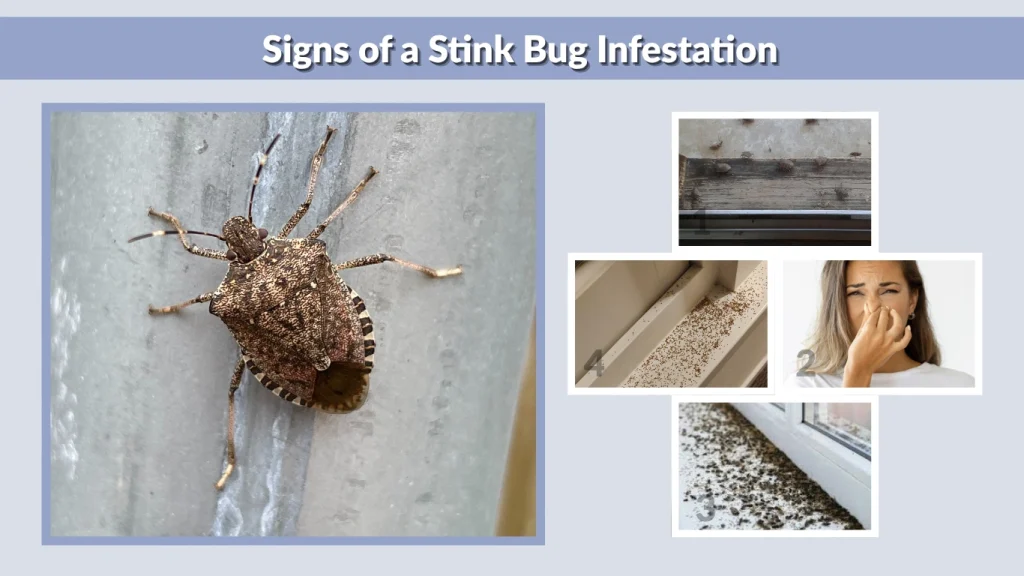
Recognizing an infestation early helps prevent it from spreading. Stink bugs are sneaky and often hide in dark, quiet areas, making them hard to detect until their numbers grow.
Common Warning Signs:
- Frequent sightings near windows, lights, or ceilings, especially on warm, sunny days.
- Foul odor resembling cilantro or burnt rubber when the bugs are squished or frightened.
- Clusters of insects behind curtains, blinds, or attic insulation.
- Buzzing or flapping noises inside vents, light fixtures, or walls.
- Brown specks or droppings near window sills and baseboards.
If you notice these symptoms in fall or winter, you likely have a developing house stink bug infestation. Even a small number indoors can mean hundreds are hiding out of sight.
Where Do Stink Bugs Infest?

Stink bugs can infest nearly any part of a structure or vehicle that provides warmth and protection. Their adaptability explains why homeowners across states like Ohio, Oregon, and Pennsylvania report recurring infestations each year.
1. Inside Homes
They hide behind baseboards, in electrical outlets, and under carpets. Attics, basements, and wall voids are common winter shelters.
2. In Attics
Attics are among the top hiding spots during cold months. Stink bugs gather in insulation or wooden beams and emerge in spring when temperatures rise.
3. In Gardens
During summer, they attack plants, leaving dark spots on fruits and vegetables. Green and brown stink bugs are especially destructive in gardens and farms.
4. In Vehicles and Campers
Stink bugs often crawl into cars, RVs, and campers through vents and door seals. Once inside, they may survive for weeks, causing odor issues.
5. Around the Exterior
They cluster on siding, window screens, and eaves in late summer. Their favorite areas are sun-exposed walls where warmth attracts them during cooler mornings.
An infestation can move from outdoors to indoors quickly — especially if you leave lights on at night or keep windows open without proper screens.
Regional Stink Bug Infestations
Some areas of the U.S. experience stink bug problems more frequently than others due to climate and agriculture.
- Mid-Atlantic States (Maryland, Virginia, Delaware, Pennsylvania): Heavy brown marmorated stink bug infestations, especially in fall.
- Southeast (Georgia, North Carolina): Mix of kudzu bugs and native brown stink bugs invading homes and crops.
- Midwest (Ohio, Indiana, Michigan): Widespread infestations in both rural and suburban homes, often peaking in September and October.
- Pacific Northwest (Oregon, Washington): Increasing sightings of stink bugs in gardens, vehicles, and attics during winter.
- Northeast (New Jersey, Philadelphia): Annual infestations tied to urban heat and agriculture.
Infestations tend to spread rapidly because stink bugs release pheromones that attract others to the same shelter. Once one finds its way inside, others are likely to follow.
How Many Stink Bugs Are Considered an Infestation?
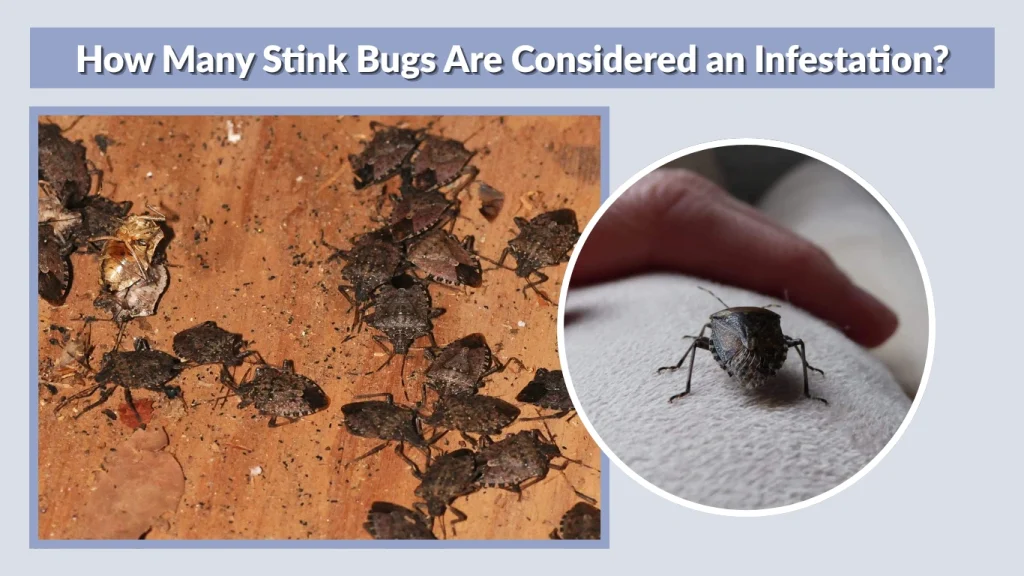
While seeing one or two stink bugs isn’t unusual, a true infestation means multiple insects appearing daily or gathering in clusters.
If you spot more than a few stink bugs inside your home each week — especially around light fixtures or windows — you may have dozens hiding behind walls or in your attic. In attics and basements, finding dozens or hundreds grouped together signals a full infestation.
Because stink bugs communicate using aggregation pheromones, killing one inside may actually attract more to that area. That’s why proper removal techniques are critical.
How to Get Rid of a Stink Bug Infestation (First Steps)

When you notice an infestation forming, act fast. Here are the safest and most effective early steps:
- Seal entry points: Use caulk to close cracks around windows, vents, and doorframes.
- Vacuum them up: A handheld or hose vacuum removes bugs safely; just discard the bag immediately to avoid lingering odor.
- Set soapy water traps: Mix warm water and dish soap in a bowl under a desk lamp — stink bugs are drawn to light and drown easily.
- Turn off outdoor lights: Reduce night lighting to discourage new bugs from gathering around your home.
- Wipe pheromone trails: Clean window sills and walls with vinegar or citrus cleaner to remove scents that attract others.
These methods help control the population before it becomes overwhelming. For heavy infestations, professional pest control may be needed.
Home Remedies for Stink Bug Infestations

If you prefer to handle the problem naturally, several home remedies can help you manage stink bugs safely without harsh chemicals. These options work best for mild to moderate infestations or as preventative measures alongside sealing and cleaning.
1. Soapy Water Spray
Mix dish soap and water in a spray bottle and apply it directly to stink bugs. The soap breaks the insect’s outer layer, causing it to suffocate quickly. It also cleans away pheromone residue, discouraging others from returning.
2. Garlic Spray
Crush several garlic cloves and mix them with water, then spray the solution around windows, vents, and doorways. The strong odor repels stink bugs effectively. You can also plant garlic or marigolds near entry points as natural deterrents.
3. Essential Oils
Scents like peppermint, eucalyptus, or tea tree oil repel stink bugs. Mix 10–15 drops with water and spray on walls, window frames, and garden plants. These oils create a strong, pleasant-smelling barrier that keeps insects away.
4. Diatomaceous Earth
This natural powder is made from fossilized algae and is safe for pets and children. Sprinkle it along baseboards, window sills, and attics. It kills stink bugs by dehydrating them upon contact.
5. Vinegar and Lemon Cleaner
A mix of white vinegar, lemon juice, and water works as both a repellent and a cleaner. It eliminates pheromone trails while disinfecting the surfaces where stink bugs gather.
These home remedies for stink bug infestations are safe, inexpensive, and easy to repeat whenever new bugs appear.
Can Stink Bugs Infest Your Home Permanently?
Unlike termites or roaches, stink bugs don’t breed indoors. They enter homes only to overwinter, meaning they hibernate until spring. However, once they find a good hiding spot, they often return year after year because they leave behind chemical trails that attract others.
You may see them crawling on walls or near windows as temperatures rise, signaling the end of their dormant period. While they won’t cause structural damage, an unchecked infestation can become a recurring seasonal issue unless you seal all entry points and remove pheromone residues thoroughly.
How to Prevent Future Stink Bug Infestations
Prevention is the best long-term solution. Following these steps can drastically reduce future infestations:
- Seal Cracks and Gaps: Use caulk or weather stripping around windows, doors, and pipes. Pay special attention to attics and chimneys.
- Install Screens: Ensure window screens, vents, and attic openings are secure and hole-free.
- Reduce Outdoor Lighting: Stink bugs are drawn to light; switch to yellow “bug lights” that attract fewer insects.
- Store Firewood Away from Walls: Piles of firewood or debris near your home can become nesting spots.
- Maintain Gardens: Harvest fruits and vegetables promptly and clear plant debris to eliminate food sources.
- Inspect Belongings: Before bringing in firewood, decorations, or storage boxes, check for hidden bugs.
Consistent prevention ensures that once you remove an infestation, it doesn’t come back the following year.
Common Myths About Stink Bug Infestations
Several misconceptions make stink bug control harder. Let’s clear up a few:
- Myth 1: “Killing one stink bug attracts others.”
– Partly true. Crushing one releases pheromones that can draw others nearby. Use traps instead. - Myth 2: “Stink bugs bite humans.”
– False. They lack biting mouthparts and feed only on plants. - Myth 3: “They multiply inside homes.”
– False. They overwinter indoors but reproduce only outdoors in warm months. - Myth 4: “Pesticides always work.”
– Overuse of sprays can repel stink bugs temporarily, but they often return once the effect wears off. - Myth 5: “They only infest dirty houses.”
– Completely false. Even spotless homes can be invaded through small gaps during migration.
Knowing the facts helps you focus on the real causes and use smarter prevention strategies.
Why Stink Bug Infestations Keep Returning
If stink bugs return every fall, the main reason is unsealed entryways and leftover pheromones. These chemical signals can remain active for months, leading new bugs to the same hiding spots. Additionally, nearby outdoor populations continue to grow in gardens and fields, replenishing the infestation cycle.
Breaking this cycle involves combining three steps:
- Seal and clean thoroughly.
- Use repellents and traps.
- Maintain a pest-free yard environment.
Consistency is key — a few hours of preparation each fall can save you months of frustration in winter.
