

Mosquito bites are one of the most common skin irritations people experience, especially in warm and humid regions. While the bite itself is usually painless, the itching that follows can be incredibly annoying and sometimes lasts for days. But why does this happen, and why does it sometimes feel worse at night or after scratching?
In this article, we’ll break down the science behind mosquito bite itching and explain why your body reacts the way it does.
What Happens When a Mosquito Bites You?
When a mosquito bites, it isn’t actually trying to hurt you—it’s feeding on your blood. Female mosquitoes need protein from blood to produce eggs. To do this, they use a needle-like mouthpart to pierce your skin.
During this process:
- The mosquito injects saliva into your skin
- This saliva contains proteins that prevent your blood from clotting
- It allows the mosquito to feed more easily
However, your body immediately recognizes this saliva as something foreign. That’s when your immune system kicks in, and this is where the itching begins.
Why Do Mosquito Bites Itch?
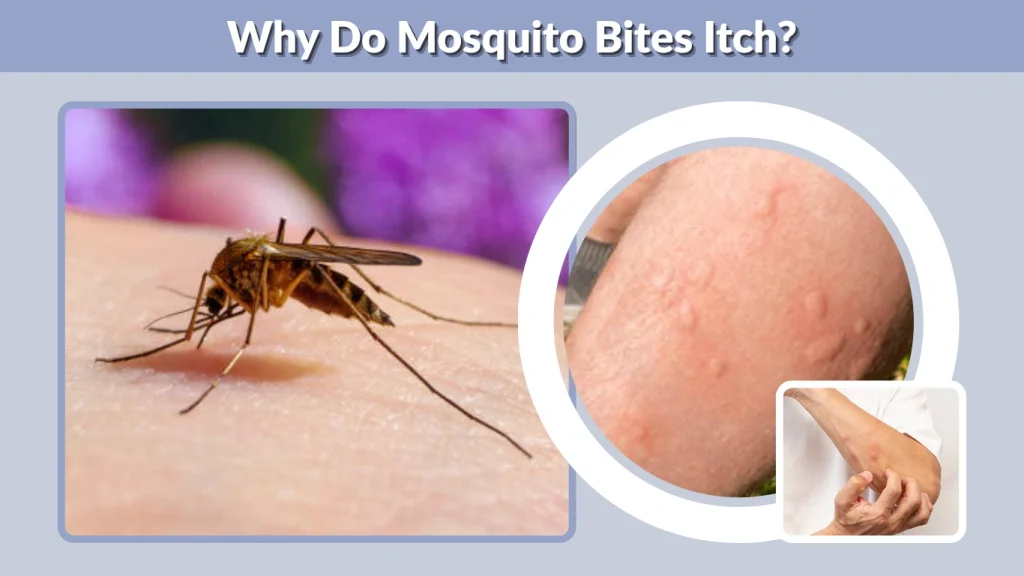
The main reason mosquitoes bite itch is because of your body’s immune response.
When mosquito saliva enters your skin:
- Your immune system detects the foreign proteins
- It releases a chemical called histamine
- Histamine increases blood flow and causes inflammation
This inflammation affects nearby nerve endings, sending signals to your brain that you interpret as itching. In simple terms, the itch is your body’s way of reacting to something it thinks is harmful.
That’s also why mosquito bites usually appear as small, red, raised bumps—they are tiny localized allergic reactions.
Why Do Mosquito Bites Itch So Much?
Not all mosquito bites feel the same. Sometimes the itching is mild, while other times it feels intense and almost unbearable.
Several factors influence how much a bite itches:
- Strength of your immune response: Some people release more histamine, leading to stronger itching
- Skin sensitivity: People with sensitive skin tend to react more
- Number of bites: Multiple bites can amplify the sensation
- Previous exposure: Your body may react more strongly if it has encountered similar mosquito saliva before
In short, the more aggressively your immune system responds, the worse the itching feels.
Why Do Mosquito Bites Itch More at Night?
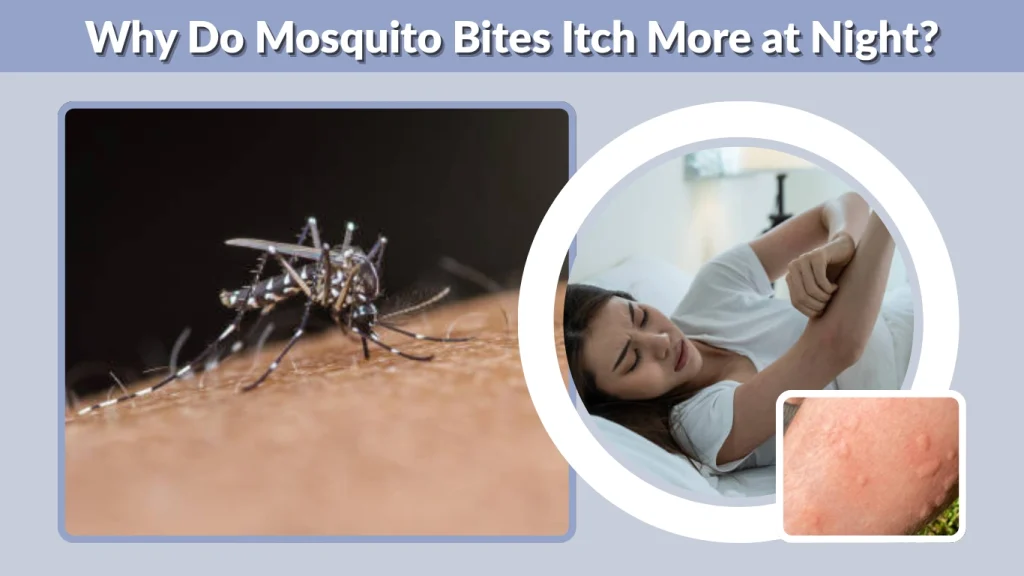
Many people notice that mosquito bites seem to itch more at night. This isn’t just in your head—there are real reasons behind it.
- Body temperature rises slightly at night, which can make itching more noticeable
- Increased blood flow to the skin enhances the sensation
- Fewer distractions mean your brain focuses more on the itch
- Natural body rhythms (circadian cycles) can influence histamine activity
Together, these factors make nighttime itching feel more intense, even if the bite itself hasn’t changed.
Why Do Mosquito Bites Itch More When You Scratch Them?
Scratching a mosquito bite might feel good for a moment, but it actually makes things worse.
Here’s why:
- Scratching damages the skin further
- It increases inflammation in the area
- More histamine is released
- The itch returns stronger after temporary relief
This is known as the itch-scratch cycle. The more you scratch, the more your skin reacts, and the longer the itching lasts.
Why Do Mosquito Bites Itch for Days (or Even Weeks)?
Most mosquito bites stop itching within a couple of days, but sometimes they last much longer. This can be frustrating and even concerning.
Common reasons include:
- Ongoing immune response: Your body continues reacting to the saliva proteins
- Slow healing skin: Some people naturally heal more slowly
- Repeated scratching: This delays recovery and worsens irritation
- Mild allergic reactions: Some individuals are more sensitive to mosquito bites
In rare cases, bites may itch for weeks, especially if the skin becomes irritated repeatedly or slightly infected.
Why Do Mosquito Bites Start Itching Later?
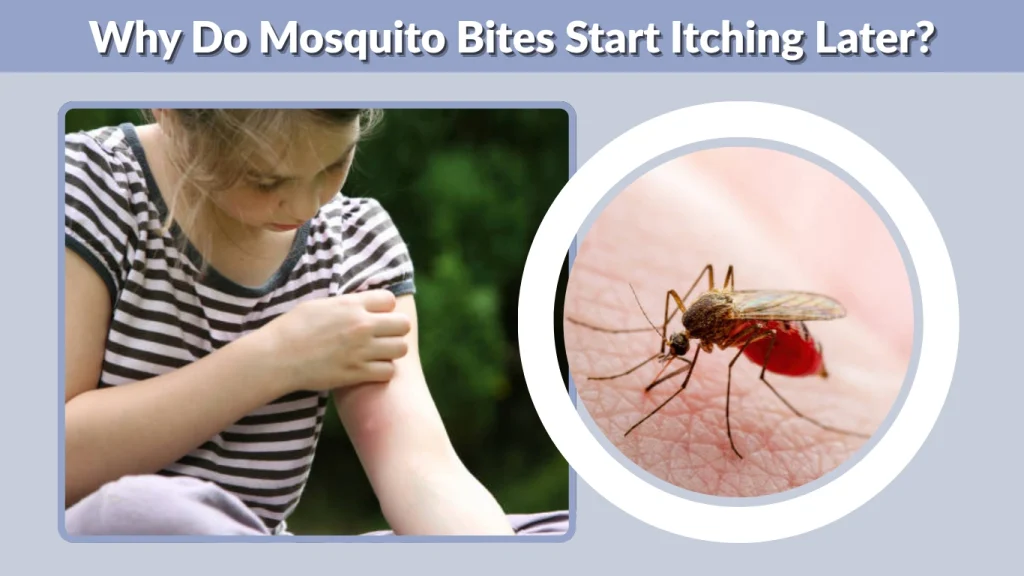
Sometimes, a mosquito bite doesn’t itch right away. You might not even notice it until hours—or even a day—later.
This delayed itching happens because:
- The immune system takes time to respond
- Histamine release isn’t always immediate
- Your body may initially ignore the bite before reacting
This is more common in people who don’t react strongly to mosquito bites or who have developed some level of tolerance over time.
Why Do Some Mosquito Bites Itch More Than Others?
You may have noticed that some bites barely itch while others are extremely irritating. This variation depends on several factors:
- Type of mosquito: Different species produce different saliva proteins
- Location of the bite: Some areas of the body are more sensitive
- Your immune system: Everyone reacts differently
- Depth of the bite: Deeper bites may trigger stronger reactions
For example, bites on thinner or more sensitive skin often feel itchier than those on thicker areas.
Why Do Mosquito Bites Swell and Get Bigger?
In addition to itching, mosquito bites often become swollen and raised. This is a normal part of your body’s immune response.
Here’s what’s happening:
- Histamine increases blood flow to the bite area
- Fluid builds up under the skin, causing swelling
- White blood cells تجمع to fight the foreign proteins
- Scratching worsens inflammation, making the bump appear larger
The swelling is essentially your body trying to isolate and deal with the mosquito’s saliva.
Why Do Mosquito Bites Itch More on Feet and Ankles?
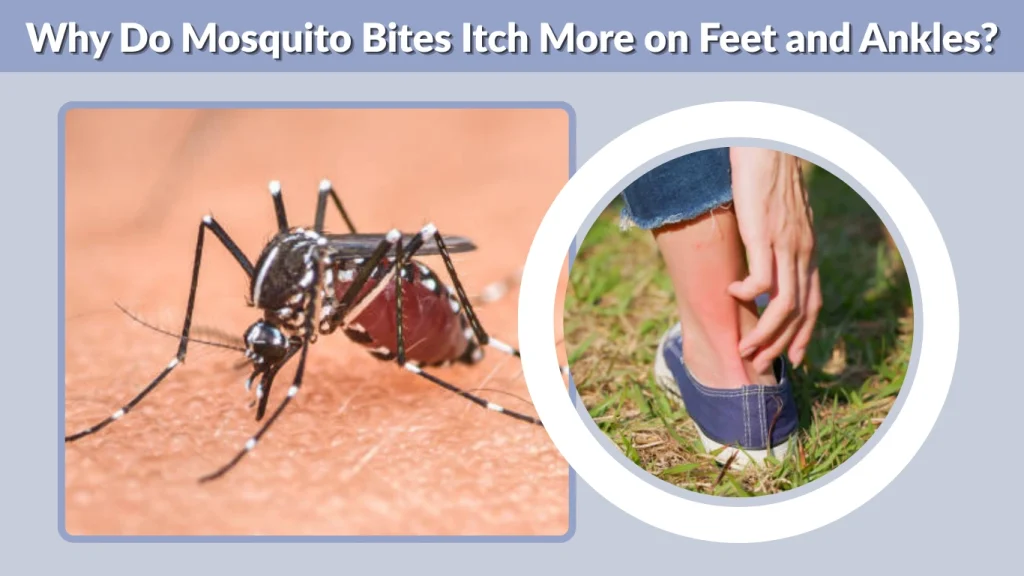
Bites on the feet and ankles often feel itchier than those on other parts of the body. There are a few reasons for this:
- Higher exposure: These areas are often uncovered and closer to the ground where mosquitoes fly
- Sensitive skin: The skin around ankles can be more reactive
- Tight skin structure: Swelling creates more pressure, increasing itchiness
- Friction from shoes or socks: This can irritate the bite further
All of these factors combine to make bites in these areas more uncomfortable.
Why Do Old Mosquito Bites Start Itching Again?
It can be surprising when a bite that seemed healed suddenly starts itching again. This is actually quite common.
Possible reasons include:
- Healing skin remains sensitive for several days
- Minor irritation (like rubbing or heat) can retrigger itching
- Dry skin can make nerve endings more reactive
- Residual inflammation may still be present beneath the surface
Even though the bite looks healed, your skin hasn’t fully returned to normal yet.
Why Do Some People Barely Itch from Mosquito Bites?
Not everyone reacts strongly to mosquito bites. Some people barely notice them at all.
This difference is mainly due to:
- Weaker immune response to mosquito saliva
- Repeated exposure, which can build tolerance over time
- Genetic factors that affect sensitivity
- Skin type and thickness
People who are frequently exposed to mosquitoes often develop milder reactions compared to those who are bitten less often.
Why Do Mosquito Bites Burn and Itch?
Sometimes mosquito bites don’t just itch—they also feel like they burn or sting.
This happens because:
- Inflammatory chemicals stimulate pain receptors
- Nerve endings respond to both itch and pain signals
- Stronger immune reactions intensify sensations
The combination of itching and burning is simply your body reacting more strongly than usual.
How to Stop Mosquito Bites from Itching
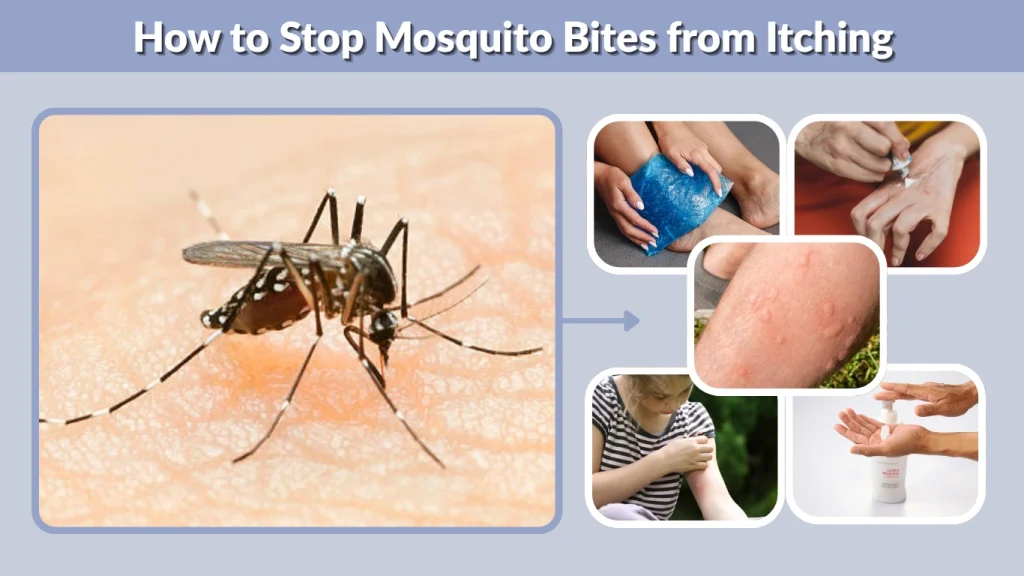
While you can’t always avoid mosquito bites, you can reduce the itching and discomfort.
Here are some effective methods:
- Apply a cold compress to reduce swelling and numb the area
- Use antihistamine creams to block the itch response
- Avoid scratching, even though it’s tempting
- Keep the skin moisturized to prevent irritation
- Use over-the-counter anti-itch treatments when needed
These simple steps can significantly reduce how long and how intensely a bite itches.
When Should You Be Concerned?
Most mosquito bites are harmless, but sometimes they may require attention.
Watch for the following signs:
- Severe swelling or pain beyond normal levels
- Signs of infection, such as pus or increasing redness
- Bites lasting several weeks without improvement
- Allergic reactions, including difficulty breathing (rare but serious)
FAQs
Why do mosquito bites itch more at night?
At night, your body temperature and blood flow increase slightly, which can intensify itching. Also, with fewer distractions, your brain focuses more on the sensation, making it feel worse than during the day.
Why do mosquito bites itch for days?
Mosquito saliva triggers an immune response that can last several days. Histamine continues to be released, especially if the area is scratched, which prolongs inflammation and delays healing.
Why do mosquito bites get bigger when scratched?
Scratching irritates the skin and increases inflammation. This causes more fluid to build up under the skin, making the bite swell and appear larger.
Why do some mosquito bites itch more than others?
The level of itching depends on your immune response, the mosquito species, and the location of the bite. Some people and body areas are naturally more sensitive than others.
Why do mosquito bites start itching later?
In some cases, the immune system takes time to react. Histamine release may occur hours or even a day later, causing delayed itching after the bite.
Conclusion
Mosquito bites itch because your body is reacting to the saliva injected into your skin. This reaction triggers histamine release, leading to inflammation, swelling, and that familiar itchy feeling.
Factors like your immune system, the time of day, and whether you scratch the bite can all affect how intense and long-lasting the itch becomes. While the sensation can be annoying, understanding why it happens makes it easier to manage—and resist the urge to scratch.
