

Brown recluse spider bites are among the most feared in North America due to their venom’s ability to cause tissue destruction and long-lasting health issues. While many people recover without complications, others may experience side effects that linger for weeks, months, or even years. Understanding the effects, both short and long-term, helps victims know what to expect and when to seek medical care.
Understanding Brown Recluse Spider Venom

Venom Components and Action
Brown recluse venom contains an enzyme called sphingomyelinase D, which destroys cell membranes and causes tissue necrosis. It also affects red blood cells, leading to hemolysis in severe cases. Unlike many spiders that cause only localized pain, recluse venom can produce both local damage and systemic effects that spread throughout the body.
Local vs Systemic Effects
- Local effects: necrosis, blistering, and open wounds at the bite site.
- Systemic effects: fever, chills, nausea, joint pain, and in rare cases, organ involvement.
Immediate Effects of a Brown Recluse Spider Bite

Early Symptoms
Within hours, the bite site may become red, swollen, and itchy. A blister often forms, surrounded by a pale area and a darker, bruise-like ring, creating a bullseye pattern. The pain is usually mild at first but worsens as venom spreads into tissues.
Progression of Symptoms
Over the next 24–72 hours, the skin around the bite may turn bluish-purple. In severe cases, tissue necrosis develops, leading to an ulcer that can take weeks or months to heal. Some patients also develop fever, headaches, and muscle pain alongside the wound.
Short-Term Side Effects

Skin and Tissue Reactions
The most common short-term effect is necrotic skin damage. Open ulcers can become infected if not properly treated. Some patients require medical wound care, and in extreme cases, surgical intervention such as skin grafts may be necessary.
General Health Effects
In addition to localized skin damage, victims may experience headaches, chills, body aches, or nausea. Some report muscle cramps near the bite area or in other parts of the body. These symptoms usually resolve within days, but in some cases, they mark the beginning of more severe systemic issues.
Long-Term Effects of Brown Recluse Spider Bite

Chronic Skin Damage
Once the wound heals, scars often remain. These scars may be thick, raised, or discolored, depending on the severity of necrosis. For some, the skin around the bite becomes thinner and more fragile, making it prone to irritation long after the bite has healed.
Muscle and Nerve Issues
Brown recluse venom can affect surrounding muscles and nerves. Some victims report lingering muscle weakness, cramps, or nerve-related pain near the bite site. In rare cases, nerve damage leads to long-term discomfort or reduced mobility in the affected area.
Organ Damage
In severe envenomation, venom can damage internal organs. Hemolysis (the destruction of red blood cells) may stress the liver and kidneys, potentially leading to long-term weakness or anemia. Although rare, these complications require medical monitoring, as untreated systemic effects can linger for months.
Long-Term Systemic Effects
Some victims report persistent fatigue, low energy, or recurring pain long after the wound has closed. In immune-compromised individuals, healing may be slow, with long-lasting inflammation around the affected tissue.
After Effects on Specific Body Systems
Gastrointestinal Tract (GI Effects)
Severe systemic reactions sometimes trigger nausea, vomiting, or stomach cramps. While these effects usually resolve in days, a few patients experience lingering digestive sensitivity if the immune system remains affected.
Liver and Kidney Function
The venom’s hemolytic effects can strain liver and kidney function. In rare cases, lab tests show elevated liver enzymes or reduced kidney performance. Long-term monitoring may be necessary for patients with severe reactions.
Pregnancy Effects
Pregnant women bitten by a brown recluse spider face extra risks. High fever, stress, and systemic illness could affect fetal development. While documented cases are rare, medical experts recommend immediate hospital care for expectant mothers after any suspected bite.
Lasting Effects and Recovery Time

Duration of Symptoms
- Mild bites: typically heal within 3–6 weeks.
- Severe necrosis: may take several months to recover, often leaving scars.
- Systemic involvement: requires longer recovery, with organ monitoring over time.
Lasting Scars and Psychological Effects
Scarring is the most common long-term outcome, often leaving a permanent reminder of the bite. For some, the experience creates anxiety or phobias about spiders, leading to long-term psychological effects.
Brown Recluse Spider Bite Effects in Pets
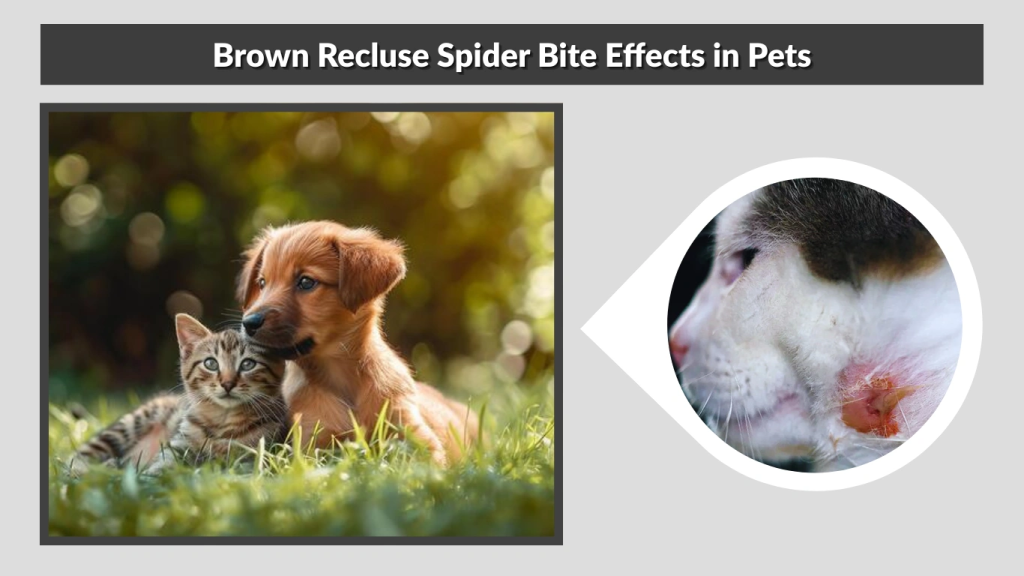
Dogs
Dogs bitten by a brown recluse may show swelling, fever, lethargy, or loss of appetite. Tissue necrosis can occur, and systemic illness may require hospitalization. With treatment, most dogs recover, but long-term scarring can remain.
Cats
Cats are particularly vulnerable. They often experience rapid necrosis, severe pain, and systemic symptoms. Without prompt veterinary treatment, brown recluse bites can be fatal in cats. Even with treatment, recovery may involve lasting skin damage or weakness.
Medical Treatment and Prevention of Lasting Damage

First Aid and Early Response
- Wash the bite area with mild soap and water.
- Apply a cold compress to slow venom spread.
- Avoid cutting or attempting to suck out venom.
Medical Interventions
- Antihistamines and pain relievers for early discomfort.
- Antibiotics if infection develops.
- Surgical care such as wound debridement or grafts for severe necrosis.
- Blood tests to monitor organ function in systemic cases.
Preventing Long-Term Effects
The earlier medical care is sought, the lower the risk of permanent damage. Consistent wound care and follow-up appointments help prevent chronic complications.
Myths vs Facts About Recluse Bite Effects
- Myth: Every brown recluse bite is deadly.
Fact: Many bites heal with minimal issues, though some cause severe necrosis. - Myth: Necrosis spreads through the entire body.
Fact: Necrosis is localized but can expand around the bite if untreated. - Myth: There are no long-term effects.
Fact: Scarring, organ strain, and nerve pain are documented lasting effects.
FAQs
What are the long-term side effects of a brown recluse spider bite?
Long-term side effects may include permanent scarring, skin discoloration, and chronic pain around the bite site. In some cases, nerve or muscle damage lingers, causing weakness or cramps. Severe bites can also stress organs like the liver and kidneys, leading to fatigue and lasting health concerns if not properly treated.
Can a brown recluse bite affect internal organs?
Yes. While uncommon, venom can enter the bloodstream and trigger hemolysis, damaging red blood cells. This process may strain the liver and kidneys, resulting in long-term complications. Patients with weakened immune systems or pre-existing health issues are at greater risk of systemic effects, making immediate medical attention extremely important.
Do brown recluse spider bites always leave scars?
Not every brown recluse bite results in scarring. Small, mild bites often heal completely within weeks. However, when necrosis develops, the wound destroys deeper layers of skin and tissue, leaving permanent scars. These scars can appear raised, sunken, or discolored, depending on the severity of tissue damage during healing.
How long does recovery usually take after a bite?
Recovery time depends on the severity of the bite. Minor bites may heal within three to six weeks, leaving minimal evidence. More severe bites that cause tissue necrosis may take several months to heal and often leave scars. Systemic complications or organ involvement extend the recovery process even further.
Are pets at risk from brown recluse bites?
Yes. Dogs and cats can both suffer serious effects from brown recluse bites. Dogs may experience swelling, fever, and tissue damage, while cats are particularly vulnerable to rapid necrosis and systemic illness. Without immediate veterinary treatment, cats face a higher risk of fatal outcomes, making early care essential for pets.