
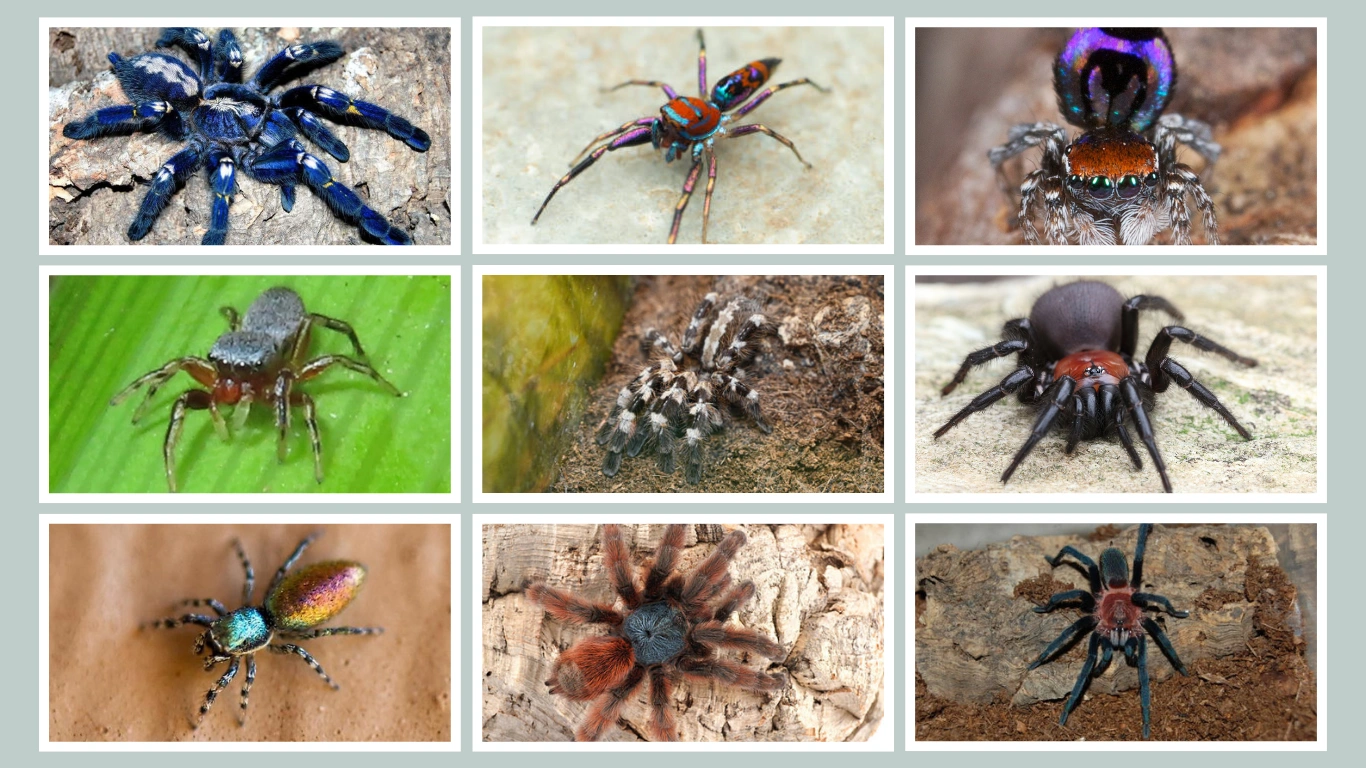
Spiders aren’t always brown or black—some of the most fascinating species in the world come in shades of pink, purple, and even shimmering iridescent hues. From the vibrant Peacock Tarantula to the shimmering Ecuadorian Pinktoe, these colorful spiders are rare but unforgettable. Whether you’re a curious enthusiast or a keeper of exotic pets, this guide will introduce you to 16 pink and purple spiders that show just how beautiful arachnids can be.
1. Peacock Tarantula

The Peacock Tarantula, also known as Poecilotheria metallica, is one of the most vividly colored tarantulas in the world. Native to a small forest region in southeastern India, it is admired for its electric blue coloration with a subtle shimmer that makes it look almost metallic under the light. This arboreal species is elusive, fast, and best appreciated from a distance due to its skittish nature and potent (though not deadly) venom.
Color and Appearance
The Peacock Tarantula is best known for its bright cobalt-blue legs, adorned with lighter markings and yellowish banding underneath. The body often shows violet or purple undertones, especially after a fresh molt. Its name “metallica” refers to the metallic sheen that gives the spider an almost glowing appearance in natural light.
Natural Habitat
This tarantula is found only in a small forested area in Andhra Pradesh, India, making it critically endangered in the wild. It prefers to live in tree holes or crevices, where it spins silk retreats and waits for prey. In captivity, it thrives in tall enclosures with vertical hiding spaces and high humidity.
Behavior and Temperament
While the Peacock Tarantula is not known to be aggressive, it is extremely fast and can be defensive when threatened. It’s not recommended for handling. Instead, keepers admire it as a display tarantula, watching its beauty from a safe distance.
Is It Dangerous?
The venom of the Peacock Tarantula is not lethal to humans but can cause localized pain, muscle cramps, or swelling. Its speed and skittish behavior make handling risky—for both the spider and the owner. Still, with the proper setup and respect for its boundaries, this tarantula is safe to keep for experienced hobbyists.
2. Coastal Peacock Spider (Maratus speciosus)

The Coastal Peacock Spider is a tiny jumping spider species native to Western Australia. Despite its small size—typically under 5 mm—it captivates with vivid colors and an intricate mating dance performed by the males. These spiders belong to the Maratus genus, widely known for their fan-like flaps and energetic displays.
Color and Appearance
Males display an intense mix of blue, red, orange, and black on their abdomen, which they raise and fan out like a peacock’s tail during courtship. Their legs are also brightly colored, often showing iridescent green and blue bands. Females are duller, typically gray or brown.
Natural Habitat
This species is found in coastal heathlands and shrublands in southwestern Australia. They prefer sunny, open spaces where males can perform their elaborate displays on leaves or twigs to attract females.
Behavior and Temperament
Peacock spiders are known for their playful and energetic nature. Males are especially active during mating season, waving their legs and vibrating their abdomens as part of their dance. They’re non-aggressive and harmless to humans.
Is It Dangerous?
Not at all. These spiders are completely harmless to humans. Their fangs are tiny, and their venom is too weak to affect anything larger than the small insects they hunt.
3. Robinson’s Peacock Spider (Maratus robinsoni)

Robinson’s Peacock Spider is another standout from the Maratus genus. Discovered more recently, it continues the family’s reputation for dazzling colors and dynamic displays. This species is relatively rare and draws attention for its striking patterns.
Color and Appearance
The male Robinson’s Peacock Spider features a combination of deep red, vivid blue, and black, with distinct symmetrical patterns on its raised abdominal flap. The colors appear even brighter in sunlight, enhanced by the spider’s reflective scales.
Natural Habitat
This species has been observed in dry woodland areas and low shrubs in parts of Australia. Like its cousins, it needs open surfaces for visual communication and is typically active during the warmer months.
Behavior and Temperament
Males perform a sophisticated courtship dance, involving rhythmic leg waves and rapid abdomen vibrations. While they look fierce in close-up images, they’re incredibly small and shy, preferring to retreat when approached.
Is It Dangerous?
No, Robinson’s Peacock Spiders are non-venomous to humans. They may look flashy and bold, but they pose no threat at all. They’re often sought after by photographers and spider enthusiasts for their beauty and harmless nature.
4. Thick-spined Jumping Spider (Tutelina similis)
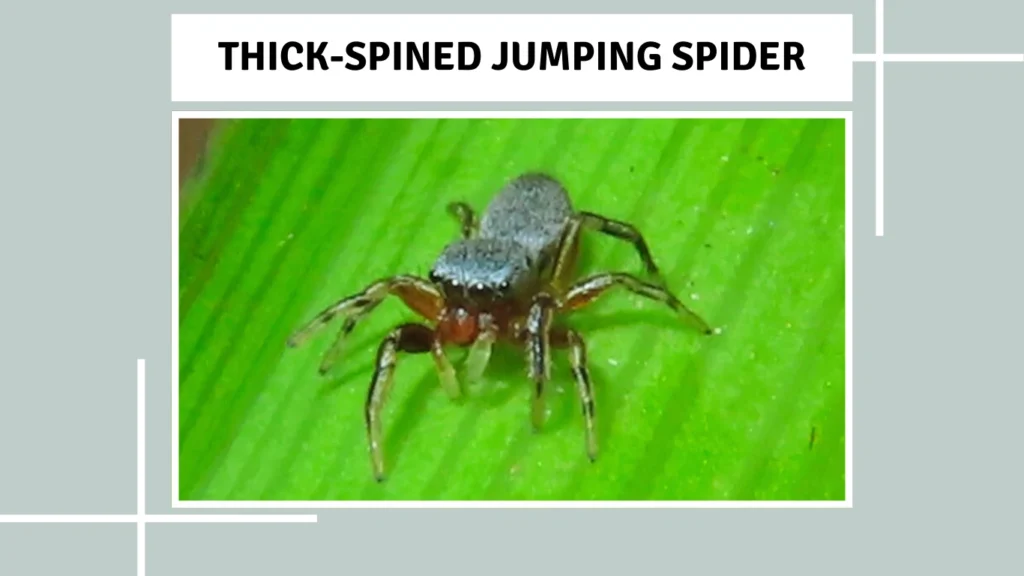
The Thick-spined Jumping Spider is a small and less-known species in North America, admired for its slight shimmer and subtle coloration. Though not as vibrant as the Peacock Spiders, it has a charm of its own, especially under bright natural light.
Color and Appearance
It typically has a dull pinkish-purple or brown body with short hairs that can reflect hints of iridescent green or magenta. The coloration is more noticeable in males and when viewed close-up or under magnification.
Natural Habitat
Found in parts of the United States and southern Canada, this spider prefers grassy areas, shrubs, and garden plants. It uses its excellent vision to track down prey and is frequently spotted during warmer months.
Behavior and Temperament
Like most jumping spiders, it is curious, quick, and non-aggressive. It doesn’t build webs to catch prey, relying instead on stalking and pouncing with precision.
Is It Dangerous?
Not at all. Its bite is extremely rare and harmless to humans. The venom is used only to immobilize small insects.
5. Fringed Ornamental Tarantula (Poecilotheria ornata)
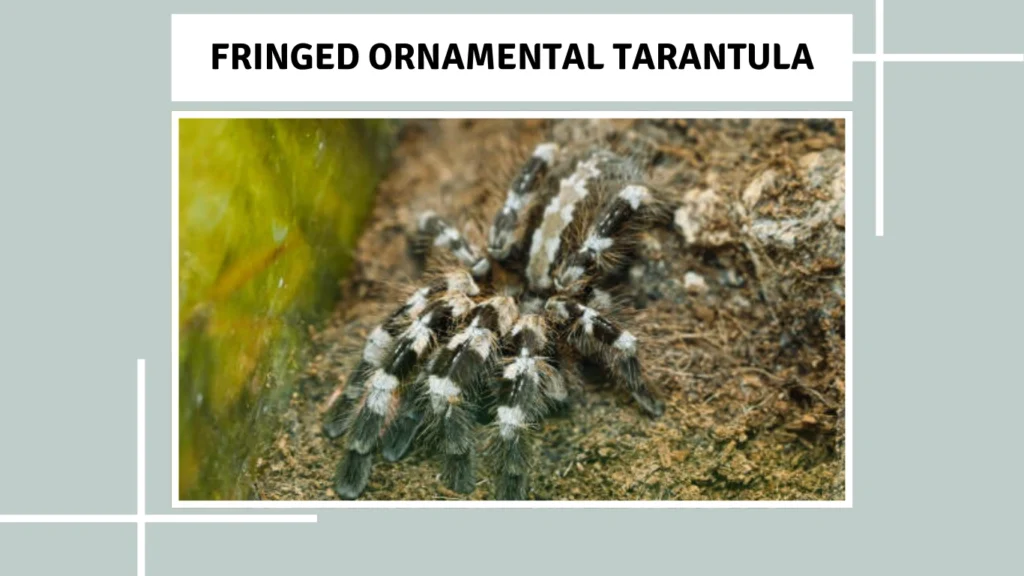
The Fringed Ornamental Tarantula is one of the largest and most striking tarantulas in the world. Native to Sri Lanka, this species is admired for its bold markings and unique coloration, often with a hint of pink or purple on its legs and body.
Color and Appearance
Its body is usually covered in olive-green, silver, and black patterns, accented with lavender or pinkish hues on the underside of its legs. These colors become more visible after molting or under certain lighting.
Natural Habitat
This arboreal spider inhabits the wet zone forests of Sri Lanka, residing in tree trunks, crevices, and abandoned bird nests. It creates large silken retreats and rarely leaves its hide unless hunting.
Behavior and Temperament
It is fast, defensive, and reclusive, making it a species for experienced keepers only. When threatened, it may display a threat pose or retreat quickly to its hide.
Is It Dangerous?
Yes, relatively. Its venom is not deadly but can cause severe pain, swelling, and muscle cramps. Handling is not recommended.
6. Black Tunnelweb Spider (Porrhothele antipodiana)
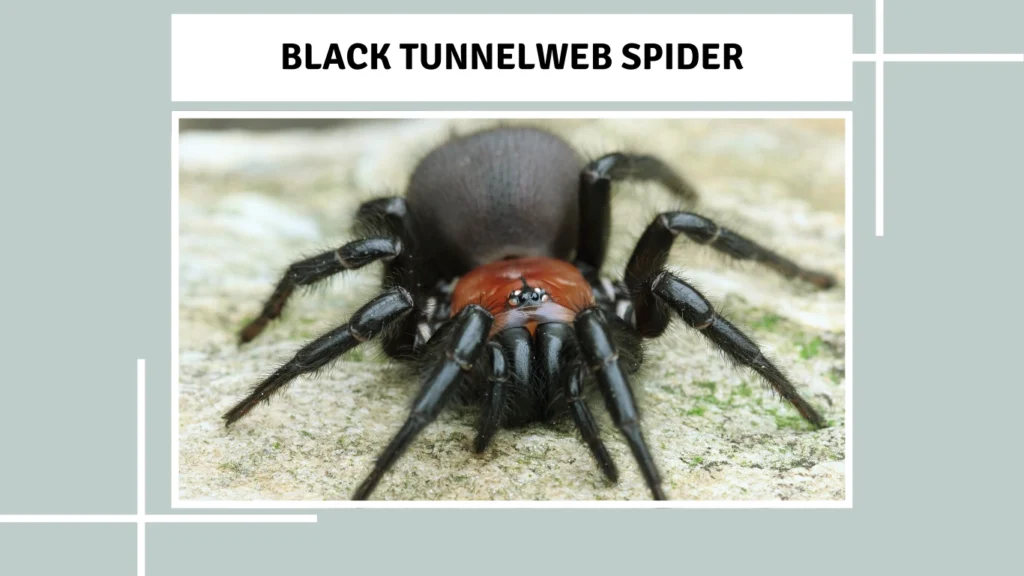
Native to New Zealand, the Black Tunnelweb Spider is a ground-dwelling species known for its large size and glossy appearance. While it is typically dark, its fangs and legs can reflect shades of purple and even deep pink under bright light.
Color and Appearance
Mostly shiny black or deep brown, this spider’s exoskeleton has iridescent blue or violet tones when exposed to sunlight. Its long, glossy legs add to its intimidating look.
Natural Habitat
Commonly found in forested regions and gardens in New Zealand, this spider creates silken tunnels or burrows and waits patiently for prey to pass by.
Behavior and Temperament
Though large and imposing, it is generally non-aggressive and prefers to retreat. It rarely leaves its burrow and is active mostly at night.
Is It Dangerous?
Despite its fearsome look, the Black Tunnelweb Spider is harmless to humans. Its venom isn’t potent enough to cause anything beyond mild local discomfort, and bites are extremely rare.
7. Salticus peckhamae
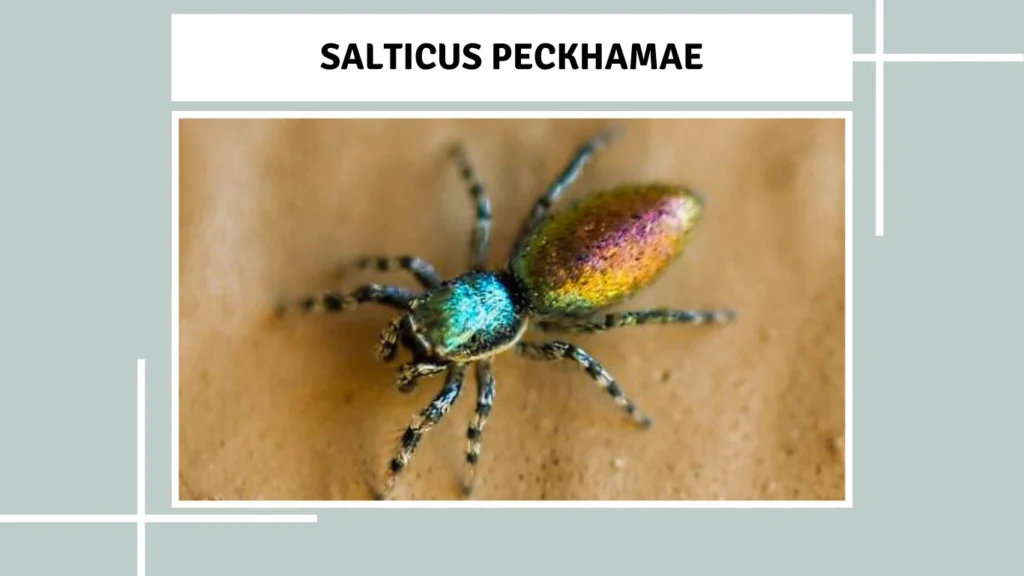
The Salticus peckhamae is a tiny jumping spider species that occasionally shows a delicate pink or reddish hue, especially under certain lighting. Though not as vibrant as other spiders on this list, its coloration and bold movements still draw attention among jumping spider enthusiasts.
Color and Appearance
This spider typically displays a light brown to tan body, sometimes with subtle pink or reddish undertones on its legs and cephalothorax. Its small size and slightly metallic shimmer make it hard to spot without a close look.
Natural Habitat
Found in North America, especially in the southern United States, this spider inhabits gardens, shrubs, and sunlit walls, where it actively hunts small insects.
Behavior and Temperament
Salticus peckhamae is a day-active hunter known for its excellent vision and erratic movements. Like many jumping spiders, it shows interest in its surroundings and will often observe humans curiously before hopping away.
Is It Dangerous?
Not at all. With tiny fangs and mild venom, this species is entirely harmless to humans and plays a helpful role in pest control.
8. Antilles Pinktoe Tarantula (Caribena versicolor)
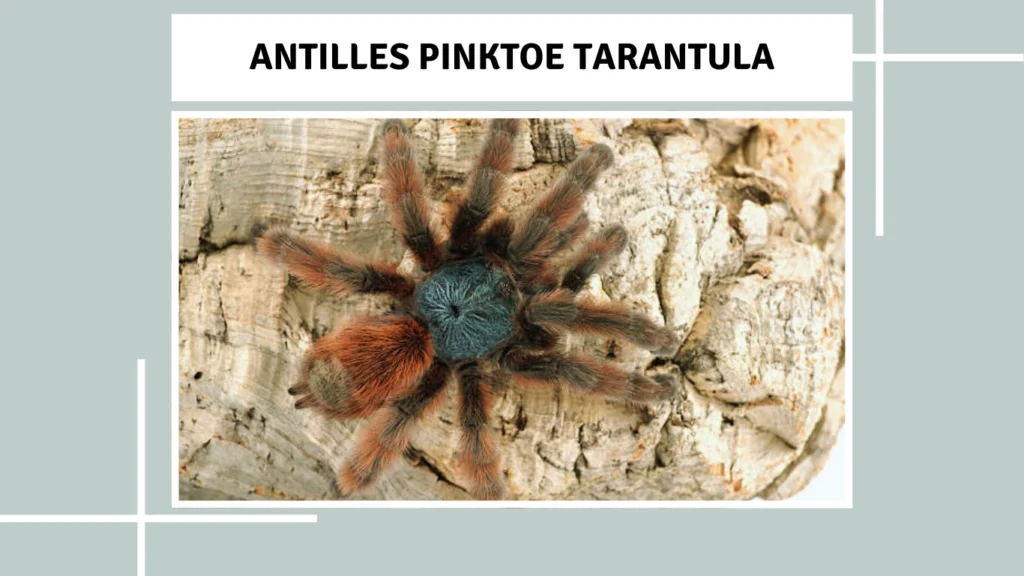
The Antilles Pinktoe Tarantula, one of the most beloved tarantula species in the hobby, is native to the Caribbean and stands out due to its stunning transformation from bright blue spiderling to a richly colored adult.
Color and Appearance
Spiderlings start as a bright electric blue, later developing into adults with a blend of turquoise, green, purple, and pink hues. Their fuzzy legs often have hot pink or red tips, giving them the “pinktoe” name.
Natural Habitat
This species is native to Martinique, where it lives in humid tropical forests, constructing silken retreats high in the trees.
Behavior and Temperament
Antilles Pinktoes are docile and shy, preferring to flee rather than defend when disturbed. They are quick but not aggressive, making them suitable for keepers with some experience.
Is It Dangerous?
While they possess venom, it’s mild and not harmful to humans. Most bites occur only when the spider feels cornered or is mishandled.
9. Goliath Pinktoe Tarantula

The Goliath Pinktoe Tarantula is a larger cousin of other pinktoe species, known for its bold appearance and calm demeanor. It combines beauty with impressive size, making it a standout in any tarantula collection.
Color and Appearance
Adults have a dark, velvety body with a hint of purple or burgundy. The most distinct feature is their bright pink or salmon-colored toe tips, which contrast sharply against the rest of their body. Their size and fuzzy texture make them appear even more striking up close.
Natural Habitat
These tarantulas are native to South American rainforests, particularly in regions of Brazil and surrounding countries. They are arboreal and require warm, humid environments with plenty of vertical climbing space.
Behavior and Temperament
Despite their intimidating size, Goliath Pinktoes are typically docile and slow-moving. They may become defensive if repeatedly disturbed but generally rely on retreat rather than aggression.
Is It Dangerous?
Their bite is not dangerous to humans, causing mild irritation at worst. They rarely bite, preferring to flee or flick urticating hairs as a defense mechanism.
10. Peruvian Pinktoe Tarantula

The Peruvian Pinktoe is another eye-catching member of the Avicularia group. Found in the Amazon basin, this species shares many care traits with other pinktoes but offers a slightly different color palette.
Color and Appearance
This tarantula is covered in dark green to purple setae (hairs) with lighter highlights. Its toe tips are usually a soft pink or orange-pink, giving it that classic pinktoe identity. In the right light, its entire body may appear iridescent.
Natural Habitat
It thrives in the humid rainforests of Peru, where it builds web tubes in trees and among leaves. Like other arboreal tarantulas, it spends most of its time above ground.
Behavior and Temperament
Peruvian Pinktoes are generally calm, curious, and non-aggressive. They may leap when startled but pose little risk if left undisturbed.
Is It Dangerous?
Not at all. Their venom is weak and not medically significant to humans. With proper care and respect for their space, they are very safe to keep.
11. Common Pinktoe Tarantula (Avicularia avicularia)
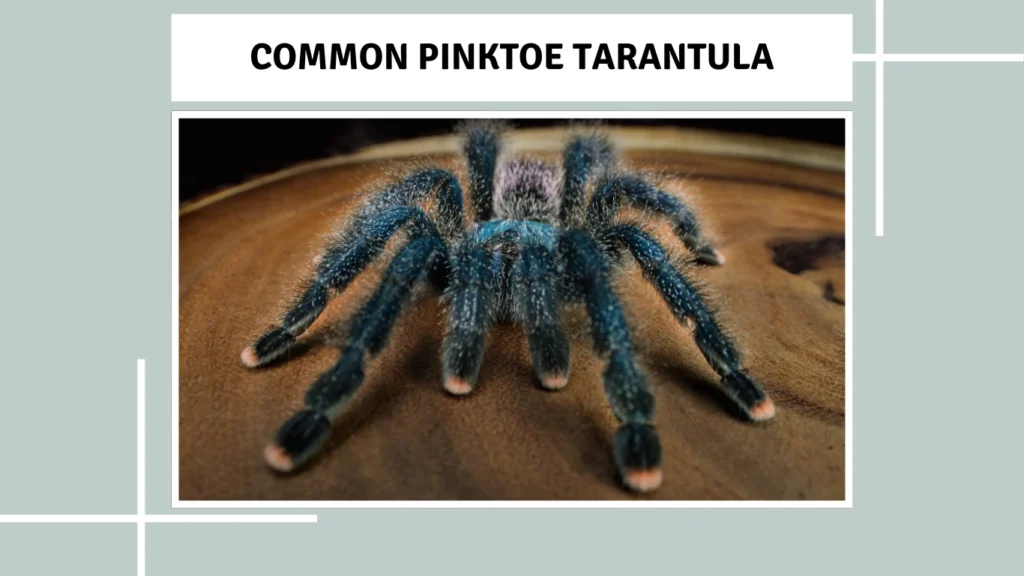
The Common Pinktoe Tarantula is one of the most widely kept pet tarantulas, loved for its calm nature and beautiful pink-tipped toes. It serves as the standard for the pinktoe group and is often a beginner’s first arboreal species.
Color and Appearance
This species features a dark brown to black body with metallic green or blue highlights, especially on the carapace and legs. Its most iconic trait is its rosy pink toes, which stand out vividly against the darker body.
Natural Habitat
It is native to northern South America, particularly Brazil, Trinidad, and surrounding regions. In the wild, it builds silken retreats in trees and vegetation, preferring moist, tropical conditions.
Behavior and Temperament
This tarantula is known for being gentle, agile, and often curious. While it might jump when startled, it typically avoids confrontation and is relatively easy to manage with gentle handling.
Is It Dangerous?
No. The Common Pinktoe’s venom is not harmful to humans, and bites are rare. It’s more likely to run away or flick hairs than to bite.
12. Yellow-banded Pinktoe Tarantula (Avicularia juruensis)
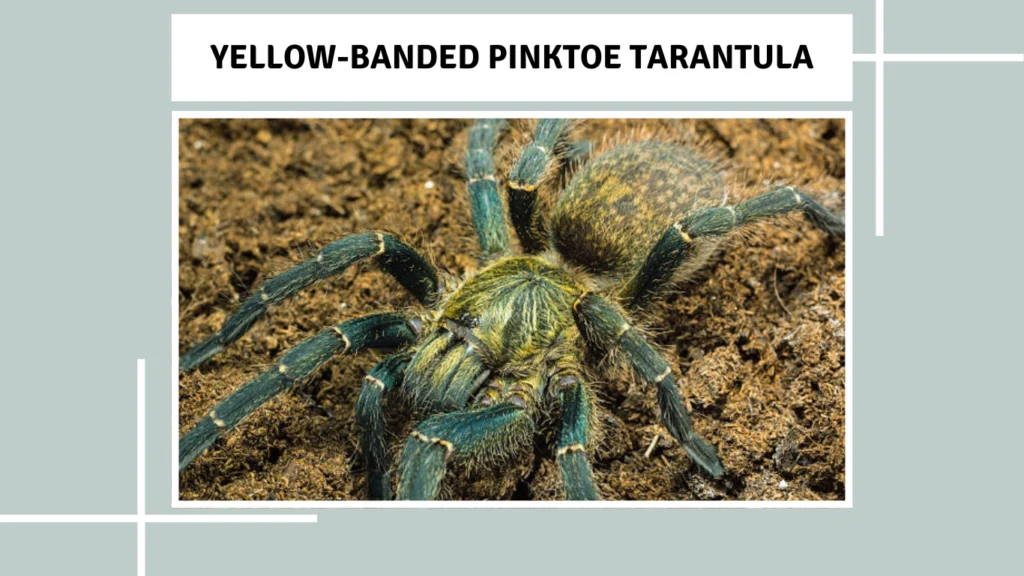
The Yellow-banded Pinktoe is a less common species in the pinktoe group but one of the most visually striking. It combines soft pink toes with yellow leg bands, creating a vibrant contrast.
Color and Appearance
Its body is generally dark with subtle purple or blue tones, and its legs are banded with bright yellow stripes. The feet are adorned with light pink or peach-colored tips, similar to other pinktoe species.
Natural Habitat
Native to the Amazon rainforest, this tarantula lives in arboreal environments, hiding in tree hollows or dense foliage where it builds webs.
Behavior and Temperament
Yellow-banded Pinktoes are shy and rarely show aggression. Like their relatives, they are better observed than handled due to their speed and agility.
Is It Dangerous?
Not to humans. While it possesses venom like all tarantulas, its effects are minimal and not medically significant. It’s considered safe for keepers with basic experience.