

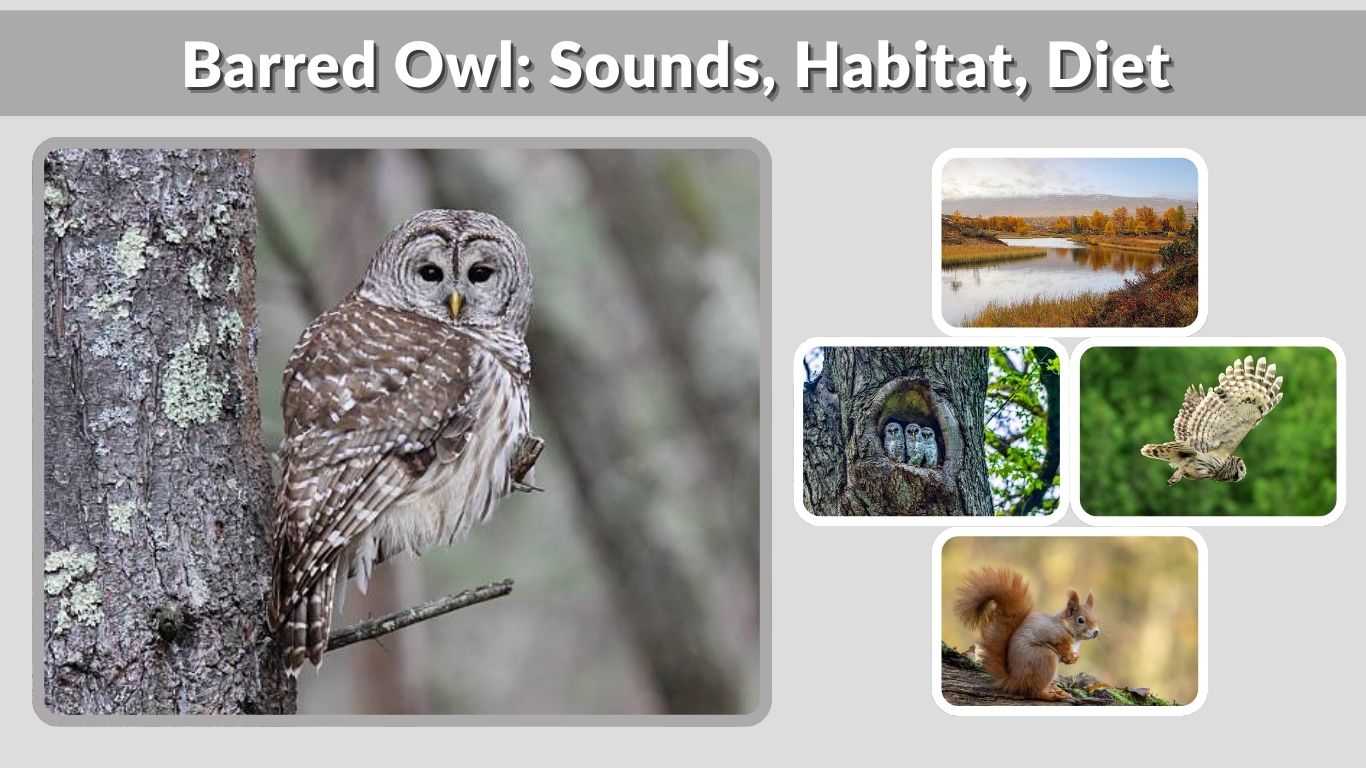
The barred owl (Strix varia) is one of the most recognizable owl species in North America, known for its haunting call that sounds like “Who cooks for you?” Found in dense forests and wetlands, this medium-to-large owl plays a vital role in maintaining ecological balance. With its striking barred feathers and soulful dark eyes, the barred owl fascinates bird watchers and nature lovers alike, making it one of the most studied and admired owls in the wild.
What is a Barred Owl?
The barred owl is a large, nocturnal bird of prey belonging to the family Strigidae. Its scientific name, Strix varia, reflects its varied and patterned plumage. Often referred to as the northern barred owl, this species is widely distributed across North America.
Unlike some other owls, barred owls lack ear tufts and have a rounded head, giving them a softer appearance. They are highly vocal and are more frequently heard than seen, especially at night. Their adaptability has allowed them to expand their range over time, even into areas where they compete with other owl species like the spotted owl.
Barred Owl Identification
Physical Appearance
Barred owls are easily identified by their brown and white striped (barred) feathers across the chest and belly. Their upper body features a mottled pattern, helping them blend into tree bark. They have large, dark brown eyes—unlike many owls that have yellow eyes—which gives them a distinctive look.
Their round face lacks ear tufts, and their facial disc helps funnel sound toward their ears, aiding in hunting. Their beak is short and hooked, perfect for tearing prey.
Size & Comparison
Barred owls are medium-to-large in size, typically measuring about 16 to 25 inches in length, with a wingspan of around 38 to 49 inches.
- Compared to the barn owl, barred owls are bulkier and have darker plumage.
- Compared to the great horned owl, they are slightly smaller and less aggressive but still powerful hunters.
Male vs Female
Male and female barred owls look very similar, but females are usually slightly larger and heavier. Their calls may also differ subtly, especially during mating season, when pairs engage in vocal duets.
Juvenile Barred Owl
Juvenile barred owls appear fluffier and lighter in color than adults. As they mature, their feathers develop the characteristic barred pattern. Young owls rely heavily on their parents for food and protection during their early stages.
Barred Owl Habitat & Range
Natural Habitat
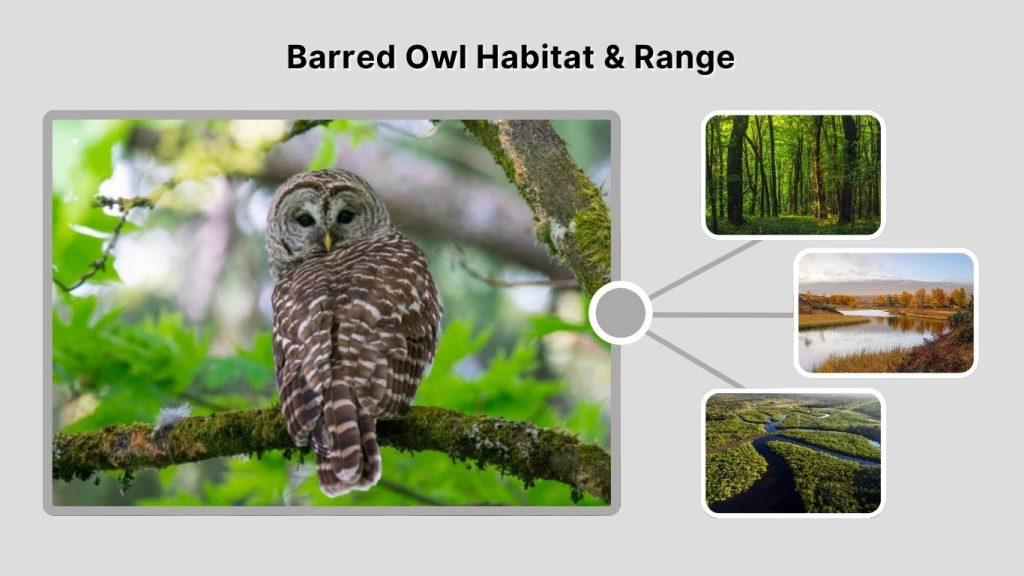
Barred owls prefer dense forests, especially those near water sources like swamps, rivers, and wetlands. They are commonly found in mature woodlands where large trees provide natural cavities for nesting.
These owls do not build their own nests. Instead, they rely on tree hollows, abandoned nests of other birds, or even nest boxes provided by humans.
Geographic Range
Barred owls are native to North America and are widely distributed across the eastern United States and parts of Canada. Over time, they have expanded their range westward, now inhabiting regions like the Pacific Northwest.
They are commonly spotted in areas such as Florida, Georgia, and even around Columbia, where suitable forest habitats exist.
Adaptability
One of the reasons for the barred owl’s success is its adaptability. While they prefer deep forests, they can also live in suburban areas with enough tree cover. This adaptability has helped them thrive but has also led to competition with other owl species, especially the spotted owl.
Barred Owl Nesting & Reproduction
Nesting Habits
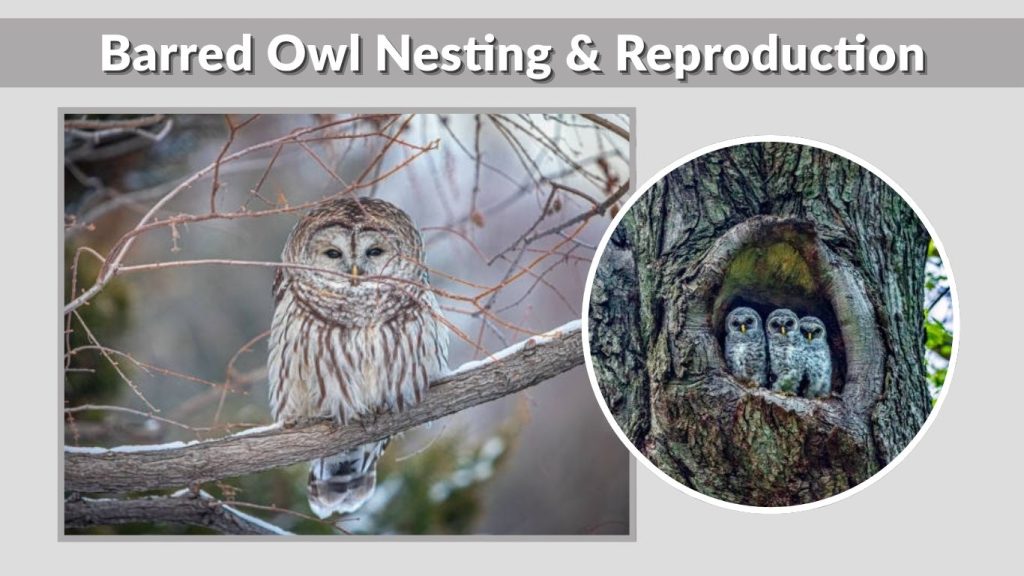
Barred owls typically nest in natural tree cavities, often in large, old trees. They may also use abandoned nests of hawks or squirrels. In some areas, people install barred owl nest boxes (birdhouses), which the owls readily accept.
Breeding Season
The breeding season usually begins in late winter to early spring. During this time, males and females call to each other frequently, strengthening their bond. The female lays 2 to 4 eggs, which she incubates for about a month while the male provides food.
Raising Young
Once the eggs hatch, both parents take part in feeding and protecting the chicks. Juvenile barred owls grow quickly and begin exploring outside the nest within a few weeks. However, they remain dependent on their parents for several months before becoming fully independent.
Barred Owl Sounds & Calls
Famous Hoot Call
The barred owl is best known for its distinctive hoot, often described as sounding like:
“Who cooks for you? Who cooks for you all?”
This call echoes through forests, especially at night, making it one of the most recognizable owl sounds.
Types of Sounds
Barred owls produce a wide variety of vocalizations, including:
- Deep hoots
- Loud screeches
- Mating calls
- Nocturnal calls used for communication
These sounds can vary in tone and intensity depending on the situation.
What Do Their Sounds Mean?
Barred owl calls serve several purposes. They use vocalizations to mark territory, attract mates, and communicate with their partners. During breeding season, pairs often perform coordinated duets, strengthening their bond and warning other owls to stay away.
Barred Owl Diet & Hunting Behavior
What Do Barred Owls Eat?
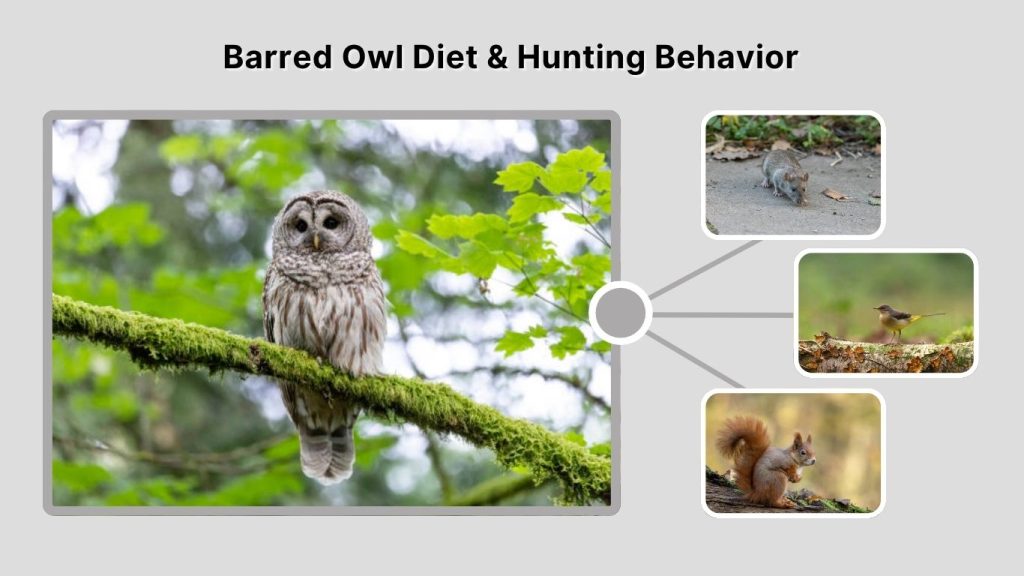
Barred owls are opportunistic predators with a diverse diet. They primarily feed on:
- Small mammals like mice, rats, and squirrels
- Birds, including smaller owl species
- Amphibians such as frogs and salamanders
- Reptiles and insects
Their flexible diet allows them to survive in different environments, from deep forests to suburban areas.
Hunting Style
Barred owls are nocturnal hunters, meaning they are most active at night. They rely on their exceptional hearing and vision to locate prey, even in complete darkness. Their facial disc helps direct sound to their ears, allowing them to pinpoint movement accurately.
One of their greatest advantages is their silent flight, made possible by specialized feathers. This allows them to approach prey without being detected.
Role in the Ecosystem
Barred owls play an important ecological role by controlling populations of rodents and other small animals. This helps maintain balance in their habitat and prevents overpopulation of certain species.
Barred Owl Behavior & Lifestyle
Barred owls are primarily nocturnal, though they may sometimes be active during the day, especially in quiet areas. They are territorial birds and often remain in the same area year-round.
They are known for being curious and sometimes surprisingly tolerant of humans. In some cases, they may even watch people quietly from nearby trees. However, they can become defensive during nesting season if they feel threatened.
Barred owls are strong fliers, moving smoothly through dense forests. Their flight is steady and silent, making them efficient hunters. They often perch and wait for prey rather than chasing it over long distances.
Barred Owl Feathers & Flight
Feather Structure
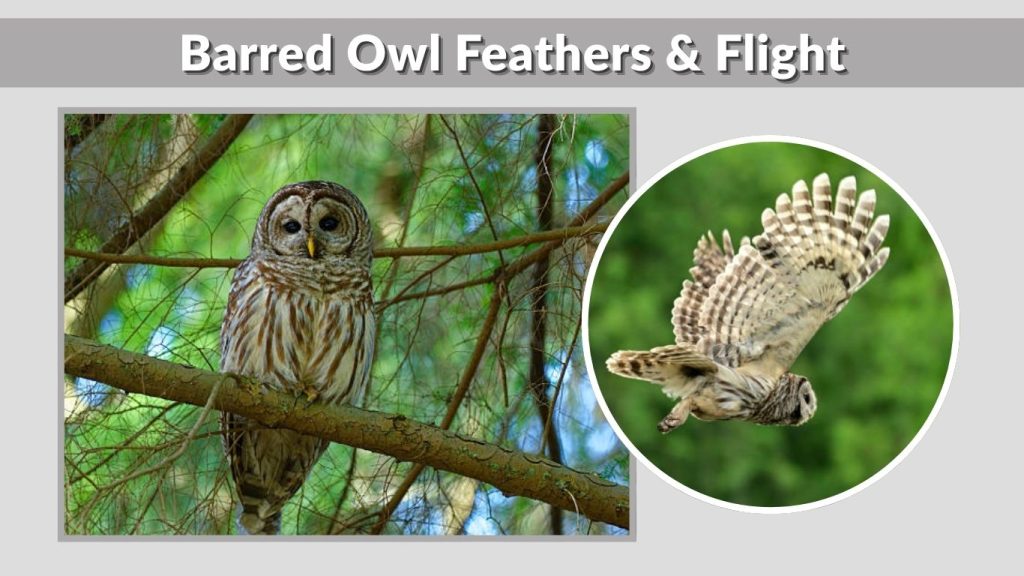
Barred owl feathers are specially adapted for stealth. The edges of their feathers are soft and fringed, which reduces noise during flight. This silent movement is essential for catching prey.
Their barred feather pattern also provides excellent camouflage, helping them blend into tree trunks and branches.
Flight Characteristics
In flight, barred owls appear broad-winged with a rounded tail. Their flight is smooth, quiet, and controlled. Observers often describe their movement as ghost-like due to how silently they glide through the forest.
Barred Owl vs Other Owls
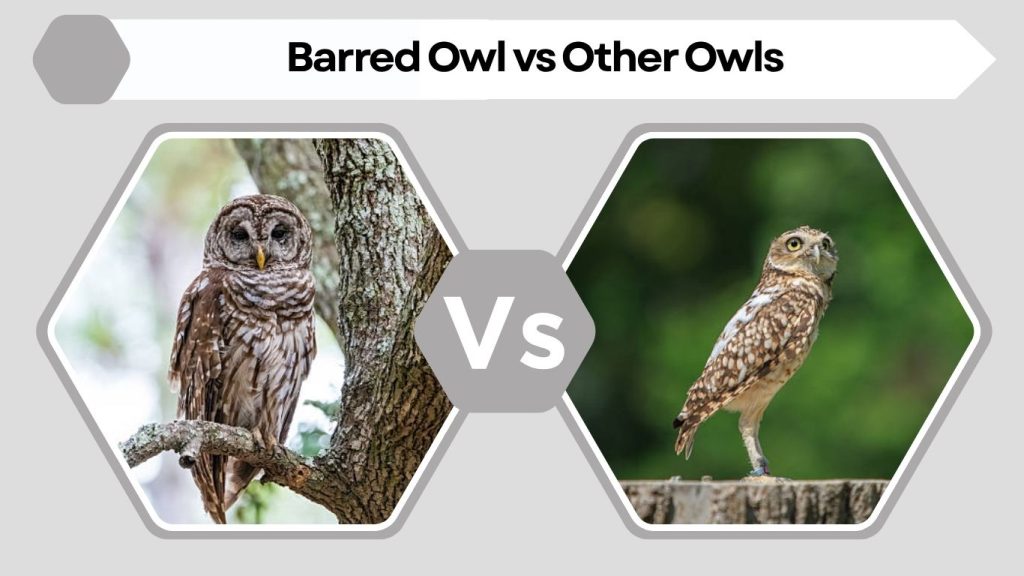
Barred Owl vs Spotted Owl
Barred owls and spotted owls are closely related and often share overlapping habitats. However, barred owls are more aggressive and adaptable, which has led to competition between the two species.
Barred owls tend to outcompete spotted owls for food and territory, contributing to the decline of spotted owl populations in some areas.
Barred Owl vs Barn Owl
The barn owl has a heart-shaped face and lighter coloration, while the barred owl has a round face and darker, striped feathers. Barn owls prefer open fields, whereas barred owls thrive in forests.
Barred Owl vs Great Horned Owl
Great horned owls are larger and more aggressive than barred owls. They have distinctive ear tufts and are known to prey on a wider range of animals. Barred owls, in contrast, are less aggressive but still effective hunters.
Conservation & Controversy
Barred Owl Population
Barred owls are currently considered a stable and widespread species. Their ability to adapt to different environments has helped their population grow.
Impact on Spotted Owls
One of the biggest conservation concerns involving barred owls is their impact on spotted owls. As barred owls expand their range, they compete directly with spotted owls for food and habitat.
Barred Owl Cull (USFWS)
To protect the threatened spotted owl, wildlife authorities like the U.S. Fish and Wildlife Service (USFWS) have proposed or implemented barred owl culling programs in certain regions. This has sparked debate among conservationists, as it raises ethical questions about managing one species to save another.
Cultural Meaning & Symbolism
Barred owls have cultural significance in various traditions, especially among Native American tribes. In some cultures, owls are seen as symbols of wisdom, while in others, they may represent mystery or omens.
Among groups such as the Seneca and Cayuga, owls can carry spiritual meanings connected to the night and the unseen world. Interpretations vary widely depending on the cultural context.
Interesting Facts About Barred Owls
- Barred owls are one of the few owl species that frequently call during the daytime.
- Their call is often used in movies to represent nighttime जंगल scenes.
- They can live over 10 years in the wild.
- Barred owls may bathe in water, unlike many other birds of prey.
- They are highly vocal and often communicate in pairs.
Conclusion
The barred owl is a fascinating and adaptable bird that plays a crucial role in its ecosystem. From its iconic hoot to its silent flight and diverse diet, this owl species continues to captivate bird enthusiasts and researchers alike. While it thrives across many regions, its interaction with other species like the spotted owl highlights the complexity of wildlife conservation. Protecting natural habitats and understanding these birds better will ensure that barred owls remain a vital part of our forests for generations to come.
FAQs
What does a barred owl sound like?
Barred owls are famous for their call that sounds like “Who cooks for you? Who cooks for you all?” This hooting is often heard at night but can also occur during the day.
Where do barred owls live?
Barred owls live in dense forests, wetlands, and wooded areas across North America. They prefer habitats near water, such as swamps and rivers.
What do barred owls eat?
Their diet includes small mammals, birds, amphibians, reptiles, and insects. They are opportunistic hunters and adapt their diet based on available prey.
How can you identify a barred owl?
You can identify a barred owl by its round head (no ear tufts), dark eyes, and brown-and-white barred feathers across its chest and body.
Are barred owls dangerous to humans?
Barred owls are generally not dangerous. However, they may become defensive if humans get too close to their nests, especially during breeding season.