



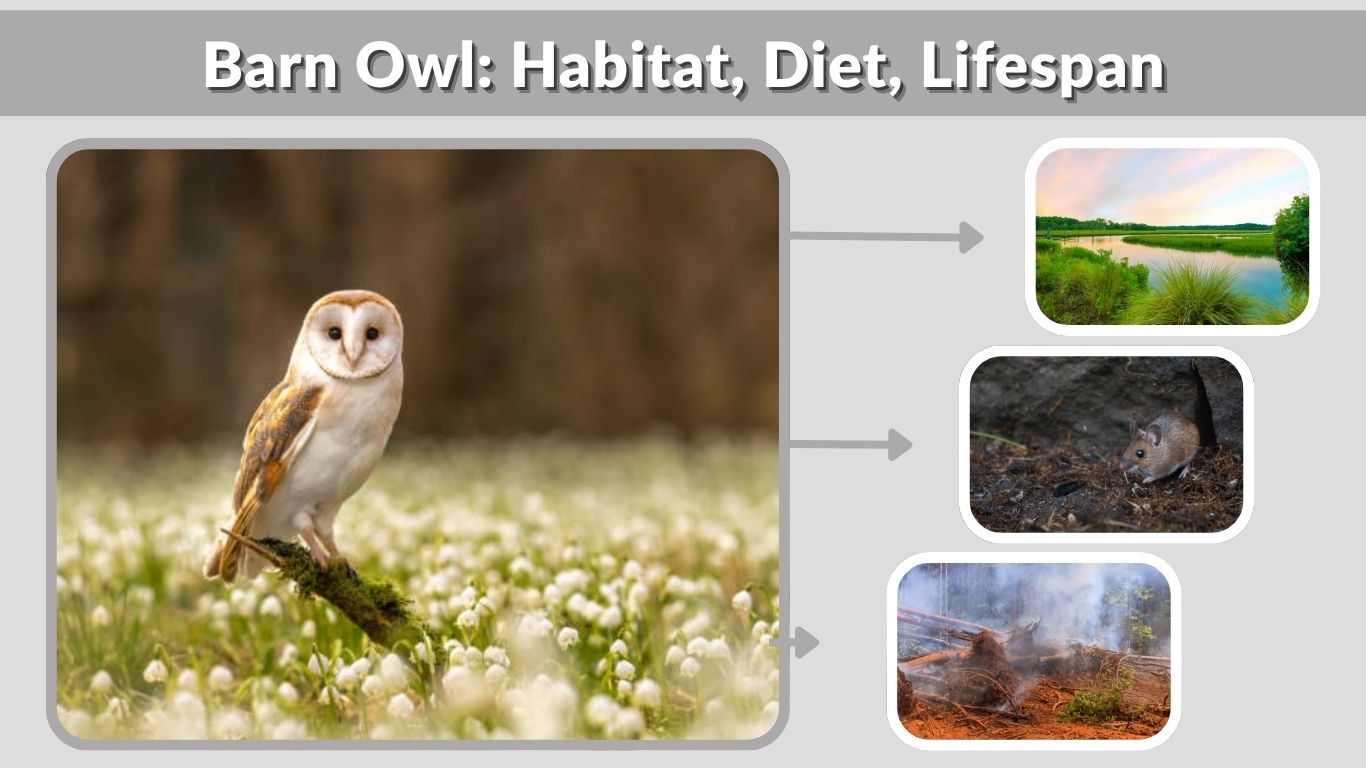
The barn owl is one of the most fascinating and widely recognized birds of prey in the world. Known for its ghostly white face and silent flight, this nocturnal hunter plays a crucial role in controlling rodent populations. Found across many continents, barn owls thrive in open landscapes and rural areas. Their unique appearance, eerie screech, and remarkable hunting abilities make them both mysterious and highly beneficial to ecosystems.
What is a Barn Owl?
The barn owl (scientific name: Tyto alba) is a medium-sized nocturnal bird belonging to the owl family Tytonidae. Unlike many other owls, it has a distinctive heart-shaped facial disc that helps it detect sound with incredible precision. Barn owls are among the most widespread bird species, found on every continent except Antarctica.
They are classified as birds of prey because they hunt and feed on other animals. Their ability to adapt to different environments has made them highly successful in both rural and semi-urban areas.
Barn Owl Physical Characteristics
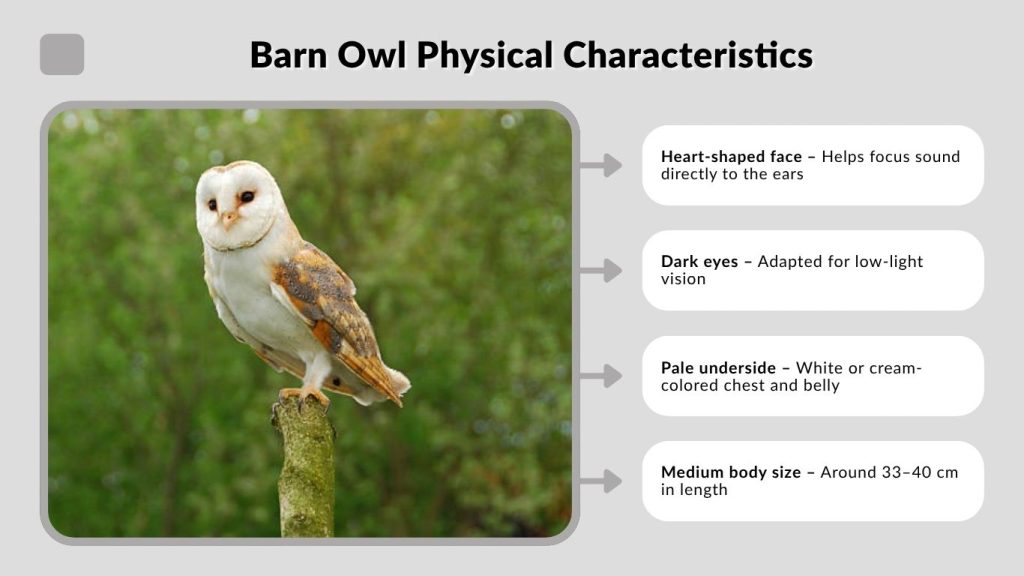
Barn owls have a unique and easily recognizable appearance that sets them apart from other owl species. Their physical features are specially adapted for nocturnal hunting, allowing them to move silently and detect prey with incredible accuracy. From their distinctive face shape to their feather structure, every part of their body plays a role in survival.
Key Features (Quick Overview)
- Heart-shaped face – Helps focus sound directly to the ears
- Dark eyes – Adapted for low-light vision
- Pale underside – White or cream-colored chest and belly
- Golden-brown back – Speckled with gray for camouflage
- Medium body size – Around 33–40 cm in length
- Wide wingspan – Approximately 80–95 cm for smooth gliding
- Silent feathers – Specialized structure reduces flight noise
- Sharp talons – Used for catching and gripping prey
- Strong beak – Curved for tearing food
- Long legs – Help reach and capture prey in grass
This combination of features makes the barn owl one of the most efficient nocturnal hunters in the bird world.
Barn Owl Habitat and Distribution
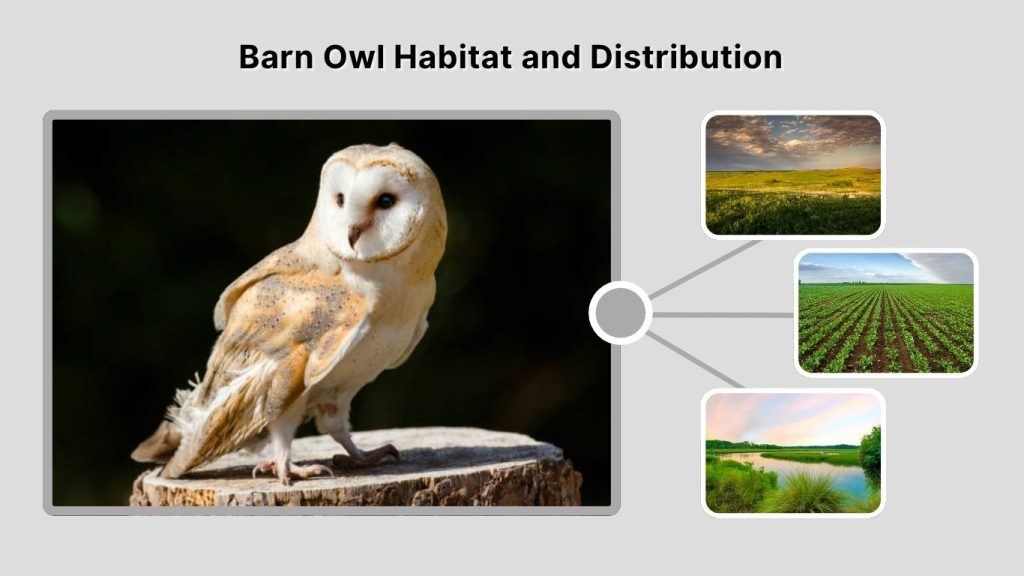
Where Do Barn Owls Live?
Barn owls have an extensive global range and are found in North America, Europe, Africa, Asia, and Australia. Their adaptability allows them to survive in a wide variety of climates.
Preferred Habitats
These owls prefer open environments where hunting is easier. Common habitats include grasslands, farmlands, marshes, and open countryside. They avoid dense forests and mountainous regions where visibility and prey access are limited.
Nesting Locations
Barn owls do not build traditional nests. Instead, they use existing structures such as barns, tree cavities, cliffs, and abandoned buildings. This behavior is what gives them their common name—“barn owl.”
Barn Owl Diet and Hunting Behavior
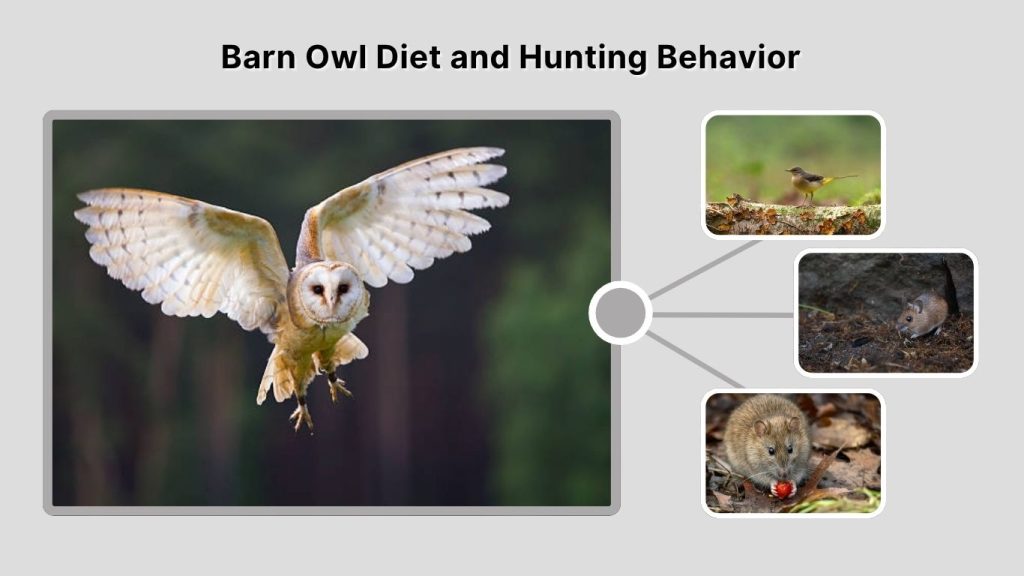
What Do Barn Owls Eat?
Barn owls primarily feed on small mammals, especially rodents like mice and rats. In fact, a single barn owl can consume thousands of rodents in a year, making them extremely valuable for natural pest control. Occasionally, they may also eat small birds, insects, or amphibians.
Hunting Techniques
Barn owls are nocturnal hunters, meaning they are most active at night. They rely heavily on their hearing rather than sight to locate prey. Flying low over fields, they listen for movement below. Once a target is detected, they swoop down silently and capture it with sharp talons.
Their ability to hunt in complete darkness is one of their most impressive traits. Even in total blackness, they can accurately pinpoint prey using sound alone.
Barn Owl Behavior and Lifestyle
Nocturnal Nature
Barn owls are primarily active during the night. During the day, they rest in quiet, hidden locations such as barns or tree hollows. This nocturnal lifestyle helps them avoid predators and compete less with other birds.
Communication
Unlike many owls that hoot, barn owls produce a harsh, eerie screech. This sound is often described as unsettling and is one reason they are associated with mystery in many cultures. They use these calls to communicate with mates and defend their territory.
Territorial Behavior
Barn owls typically maintain a specific hunting area. While they are not extremely aggressive, they will defend their territory if necessary. Their range depends on food availability, with larger areas needed when prey is scarce.
Barn Owl Reproduction and Life Cycle
Breeding Habits
Barn owls are generally monogamous, meaning they form long-term pair bonds. In many regions, they breed once a year, but in areas with abundant food, they may breed more frequently. Courtship involves aerial displays and food offerings from the male to the female.
Nesting and Eggs
Instead of building nests, barn owls lay their eggs in sheltered locations such as barns, tree cavities, or nest boxes. A typical clutch contains 4 to 7 eggs, though this can vary depending on food supply. The female incubates the eggs for about 30 to 34 days while the male provides food.
Lifespan
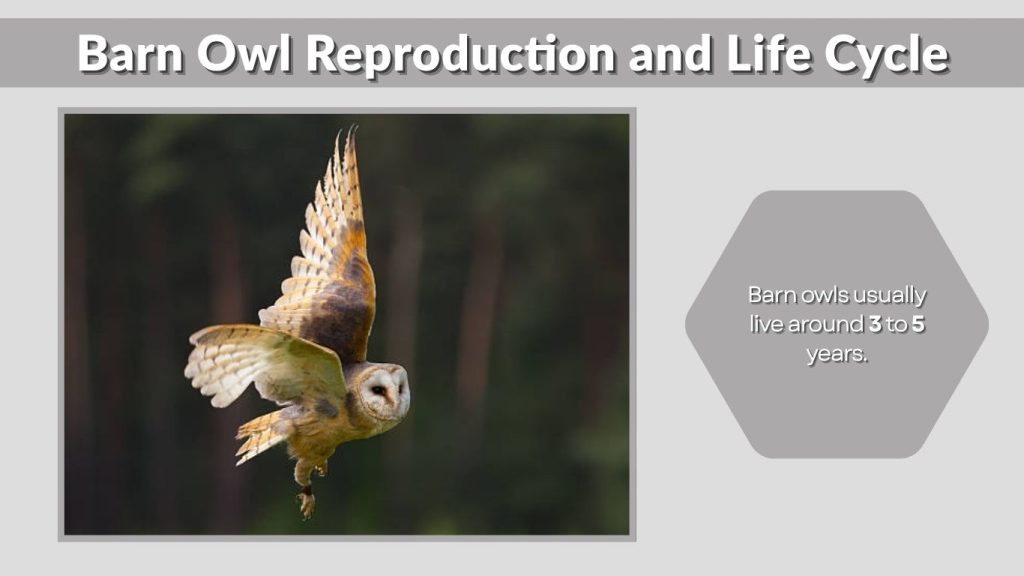
In the wild, barn owls usually live around 3 to 5 years, although some can survive much longer under favorable conditions. In captivity, they may live over 15 years due to the absence of predators and consistent food availability.
Barn Owl Sounds and Calls
Barn owls are known for their distinctive screeching calls rather than the typical hooting associated with other owls. Their call is a long, harsh scream that can sound eerie, especially at night.
These vocalizations serve several purposes, including communication between mates, warning intruders, and defending territory. The unsettling nature of their call has led to many myths and superstitions in different cultures.
Barn Owl vs Other Owls
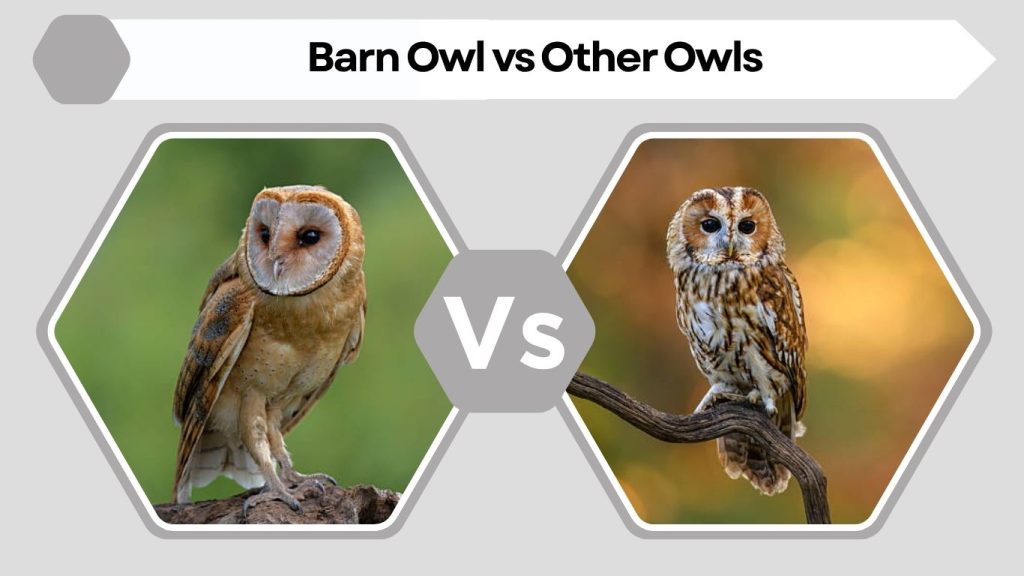
Barn owls differ significantly from other owl species in both appearance and behavior. Unlike most owls, which have round faces, barn owls have a unique heart-shaped facial disc. Their coloration is also lighter compared to many darker forest-dwelling owls.
Behaviorally, barn owls rely more on hearing than sight, while many other owls use a combination of both. Additionally, their screeching call contrasts with the familiar hoots of species like the great horned owl.
Role in Ecosystem
Barn owls play a vital role in maintaining ecological balance. As natural predators of rodents, they help control populations of mice and rats, which can otherwise damage crops and spread disease.
Farmers often consider barn owls beneficial because they reduce the need for chemical pesticides. By keeping rodent populations in check, barn owls contribute to healthier agricultural systems and ecosystems overall.
Symbolism and Cultural Significance
Throughout history, barn owls have been surrounded by myths and symbolism. In some cultures, they are seen as symbols of wisdom and knowledge, while in others, they are associated with death or bad luck due to their ghostly appearance and eerie calls.
Despite these mixed interpretations, barn owls continue to capture human imagination and remain an important part of folklore around the world.
Conservation Status
Threats
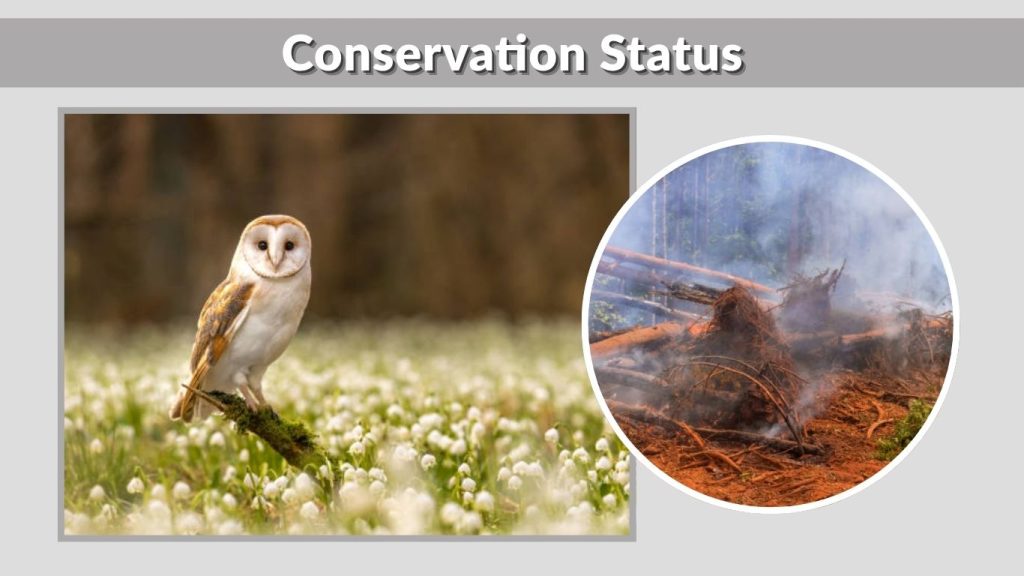
Barn owl populations face several challenges, including habitat loss, pesticide use, and road accidents. The decline of natural nesting sites also affects their ability to reproduce successfully.
Protection Efforts
Conservationists are working to protect barn owls by installing nest boxes, preserving natural habitats, and reducing the use of harmful chemicals. Public awareness has also helped improve attitudes toward these beneficial birds.
How to Attract Barn Owls
If you live in a rural or semi-rural area, you can attract barn owls by providing suitable nesting sites such as owl boxes. Maintaining open land and reducing pesticide use can also encourage them to visit and stay.
Creating a safe environment with minimal disturbance increases the chances of barn owls nesting nearby, which can naturally help control pests.
FAQs
What makes barn owls different from other owls?
Barn owls have a unique heart-shaped face, lighter coloration, and a screeching call instead of the typical hooting sound. They also rely more on hearing than sight when hunting.
How do barn owls hunt at night?
Barn owls use their exceptional hearing and silent flight to locate prey in complete darkness. They can detect even the slightest movement and swoop down quietly to capture it.
Are barn owls beneficial to humans?
Yes, barn owls are highly beneficial because they control rodent populations. Farmers especially value them as natural pest controllers.
Where do barn owls build their nests?
Barn owls do not build nests like other birds. They use existing structures such as barns, tree holes, cliffs, or nest boxes for laying eggs.
Why are barn owls associated with mystery or fear?
Their ghostly appearance, silent flight, and eerie screeching sounds have led to myths and superstitions in many cultures, often linking them to mystery or the supernatural.
Conclusion
The barn owl is a remarkable bird known for its silent flight, unique appearance, and essential role in controlling pests. Despite facing environmental challenges, conservation efforts are helping protect this species. Understanding and supporting barn owls not only preserves biodiversity but also benefits agriculture and ecosystems. By appreciating these mysterious yet helpful birds, we can ensure they continue to thrive for generations to come.