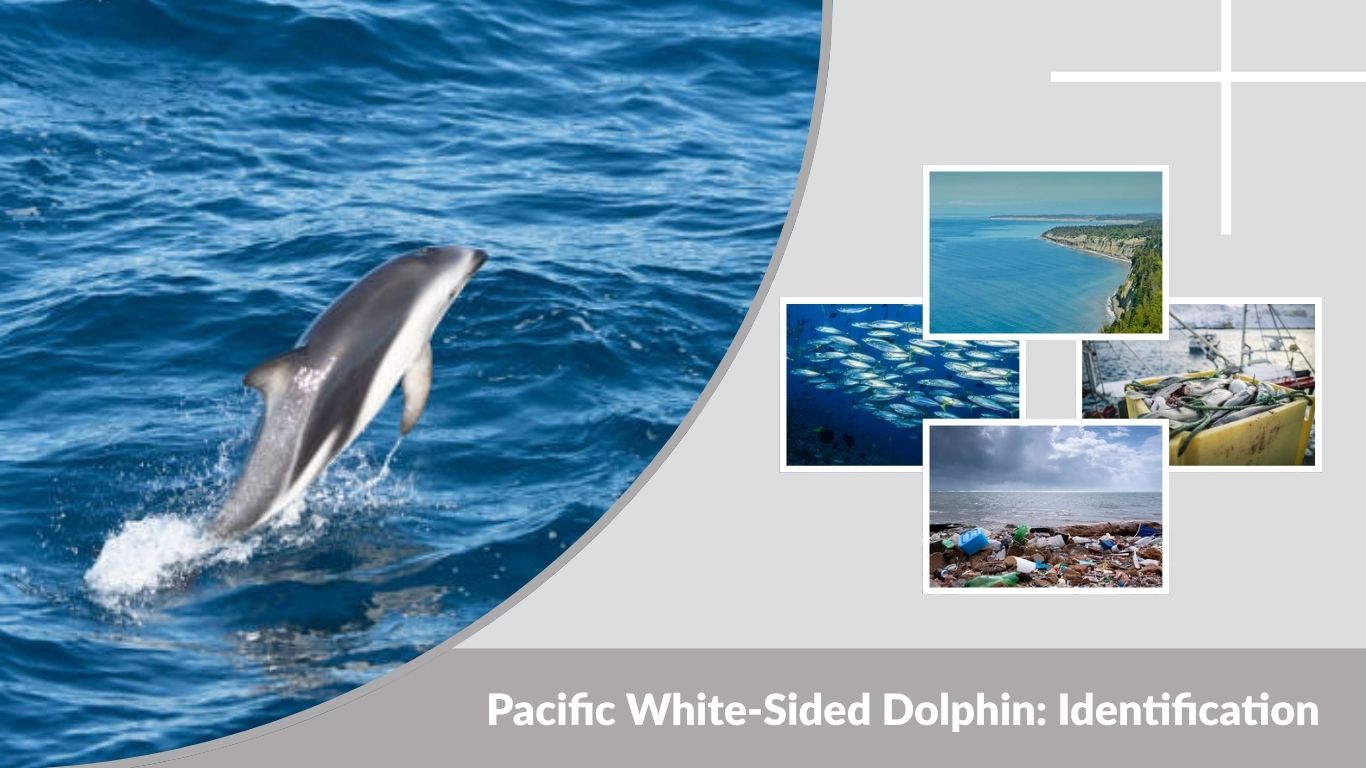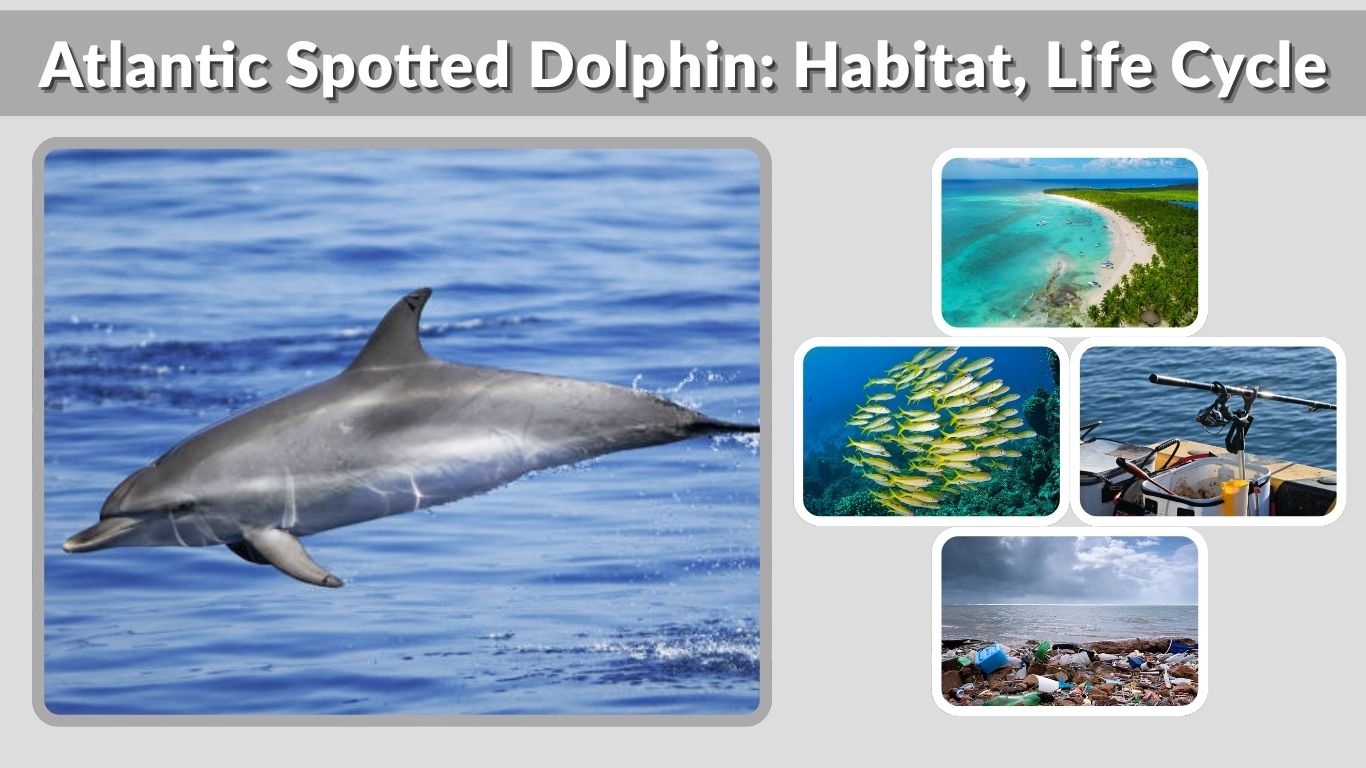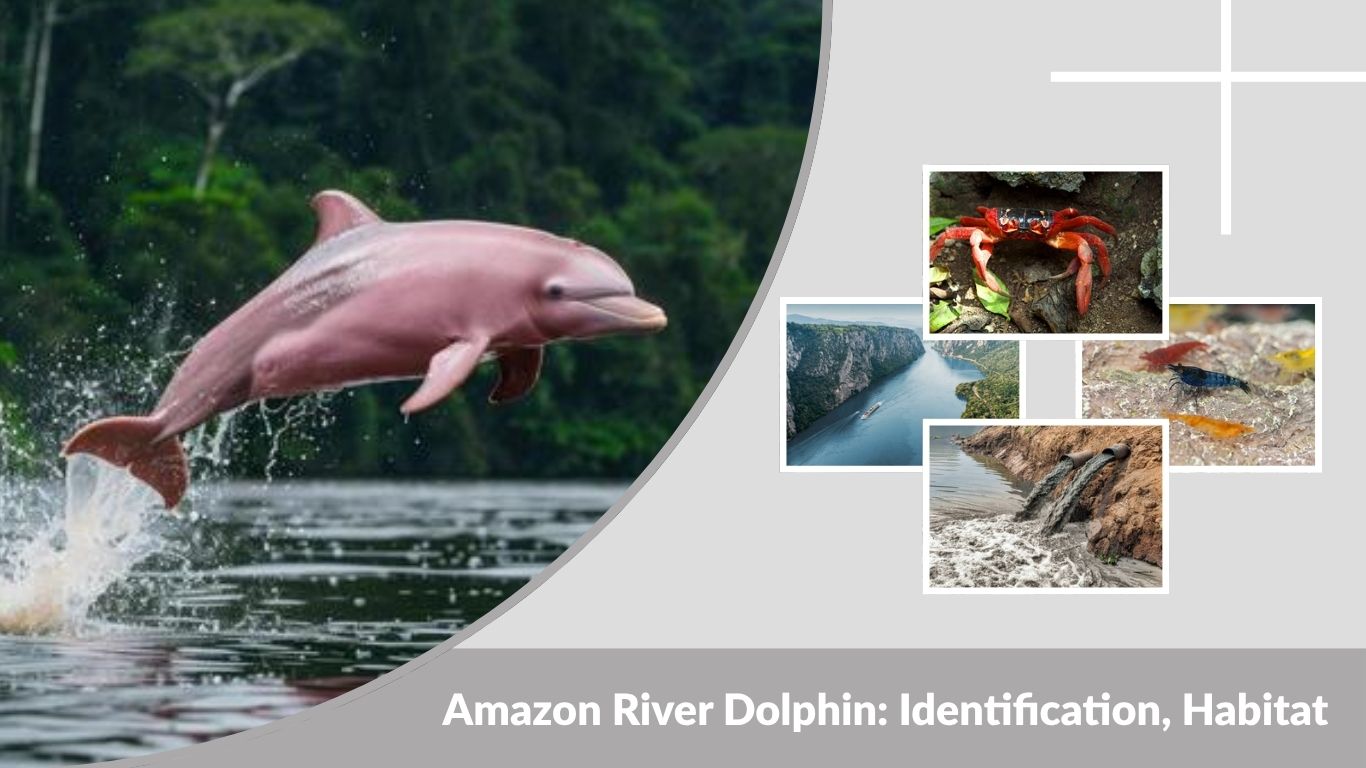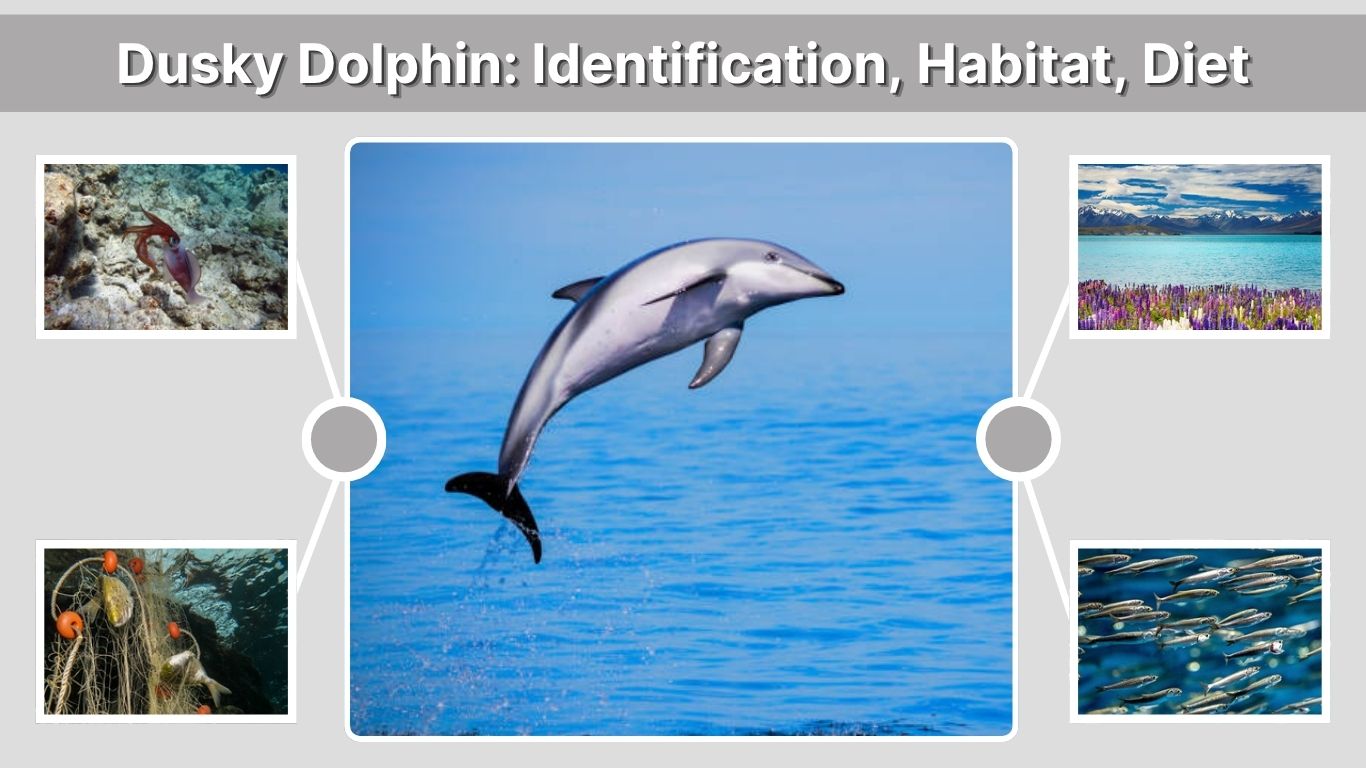





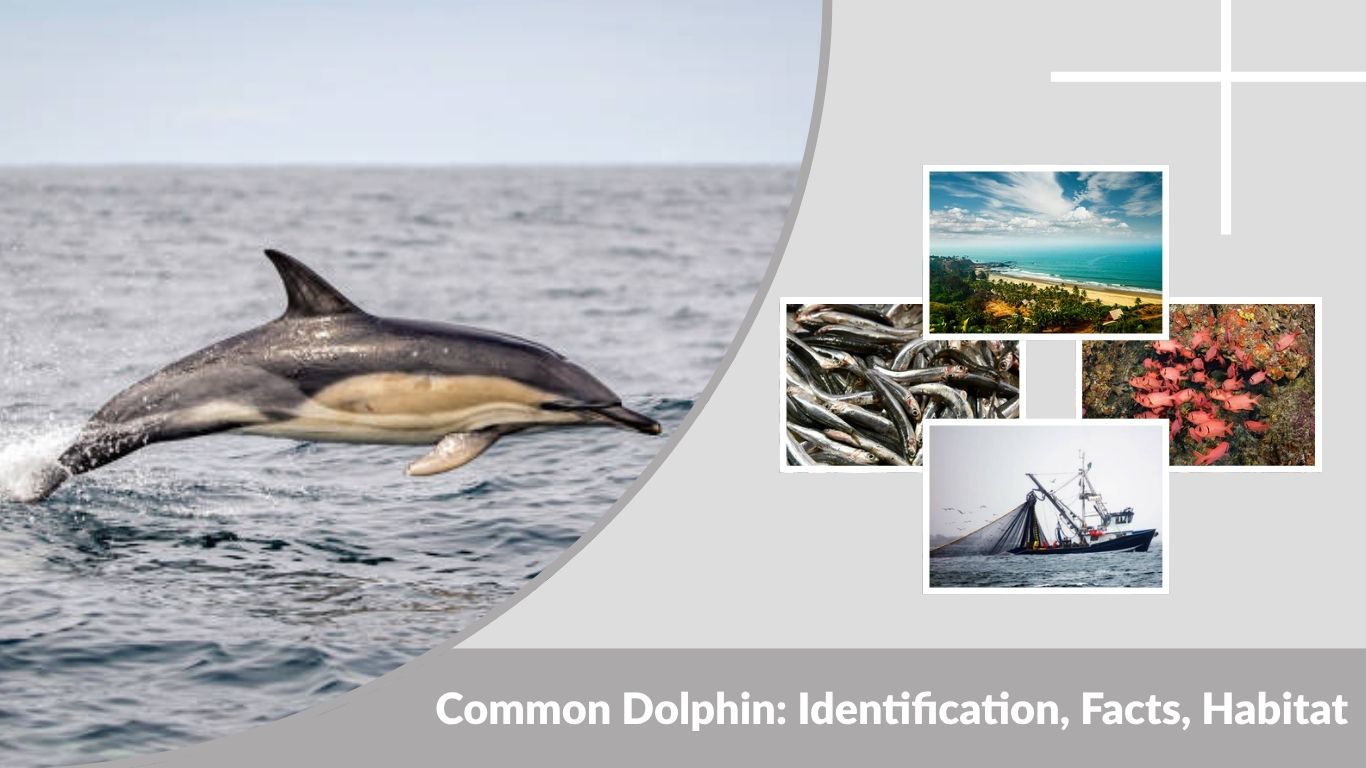
Common dolphins are among the most widespread and energetic marine mammals found in oceans around the world. Known for their incredible speed, playful behavior, and striking color patterns, they are a favorite sight for marine observers. These dolphins are highly social and often travel in large groups. In this article, you will explore common dolphin identification, key facts, habitat, size, diet, and how they compare to bottlenose dolphins.
Common Dolphin Identification
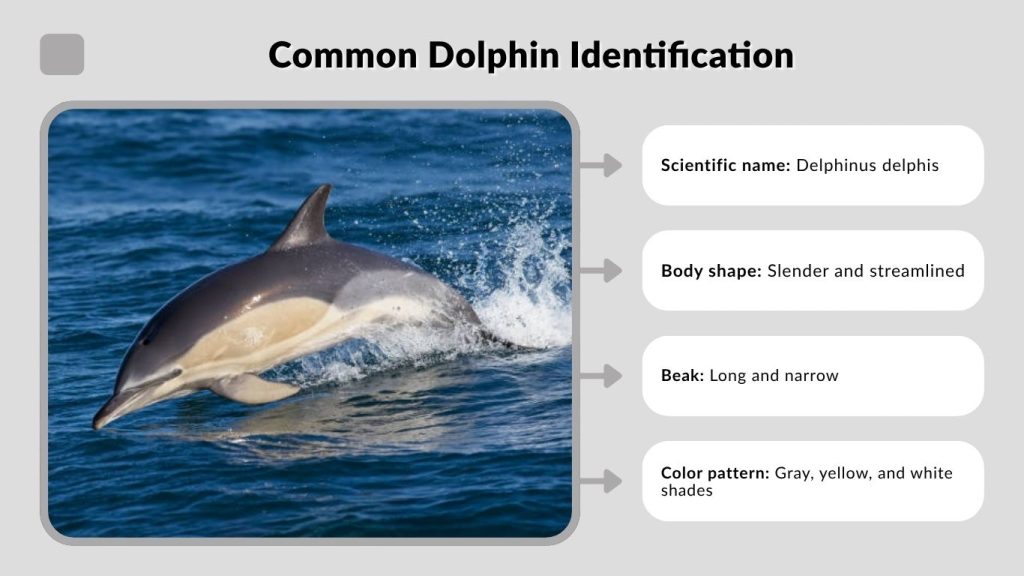
Common dolphins are relatively easy to identify due to their distinctive body shape, color pattern, and energetic behavior. They are known for their slim, streamlined bodies and fast swimming, often seen leaping out of the water in large groups. Unlike some other dolphin species, their unique markings and long beak make them stand out clearly in the wild.
Key Identification Features
- Scientific name: Delphinus delphis
- Body shape: Slender and streamlined
- Beak: Long and narrow (more pointed than bottlenose dolphins)
- Color pattern: Distinctive hourglass pattern with gray, yellow, and white shades
- Size: Medium-sized dolphin (1.9–2.5 meters long)
- Behavior: Fast swimmers, often jumping and bow-riding
- Group size: Usually seen in large, active pods
- Types: Short-beaked and long-beaked common dolphins
These features make common dolphins one of the easiest dolphin species to recognize, especially when observed in open ocean environments.
Common Dolphin Facts
General Overview
Common dolphins are one of the most abundant dolphin species on Earth. They are well known for their agility and speed, making them one of the fastest swimmers in the ocean. Their name comes from their widespread presence across many oceans.
Intelligence and Behavior
Like other dolphins, common dolphins are highly intelligent. They can communicate, cooperate, and solve problems effectively. Their playful nature is often observed as they leap, spin, and interact with one another. This intelligence helps them survive in complex marine environments.
Speed and Movement
Common dolphins are incredibly fast swimmers, capable of reaching speeds of up to 60 kilometers per hour. Their streamlined bodies reduce water resistance, allowing them to glide smoothly through the ocean. Their speed also helps them escape predators and catch prey efficiently.
Social Structure
These dolphins are extremely social animals and live in large groups called pods. A pod can consist of hundreds or even thousands of individuals. Living in large groups provides protection from predators and improves their hunting success through cooperation.
Common Dolphin Habitat
Global Distribution
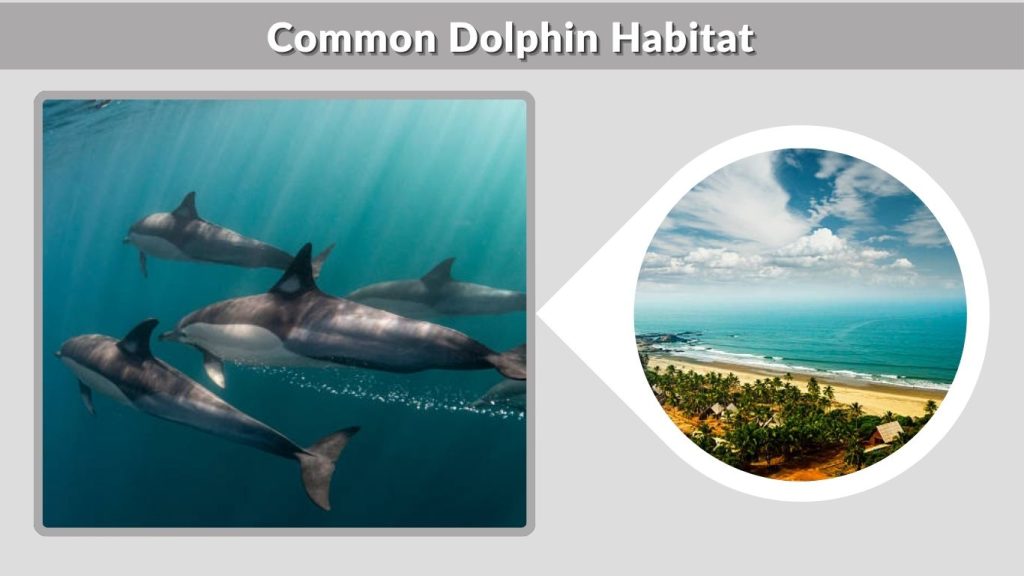
Common dolphins are found in oceans worldwide, including the Atlantic, Pacific, and Indian Oceans. They prefer warm and temperate waters, although they can adapt to a variety of marine environments.
Preferred Environment
Unlike some dolphin species that stay close to shore, common dolphins are often found in offshore waters. They prefer deeper ocean areas where food sources are abundant. However, they may occasionally come closer to coastal regions when chasing prey.
Regional Presence
In regions like South Asia, including the Bay of Bengal, common dolphins can sometimes be observed in offshore waters. Their presence in these areas often depends on the availability of fish and favorable ocean conditions.
Common Dolphin Size
Average Length
Common dolphins typically grow between 1.9 to 2.5 meters (6 to 8 feet) in length. Their long, slender bodies are perfectly adapted for fast swimming and agile movements.
Weight Range
An adult common dolphin usually weighs between 80 to 150 kilograms. Their relatively lighter weight compared to larger dolphin species contributes to their speed and flexibility in the water.
Growth and Development
At birth, common dolphin calves are much smaller and gradually grow as they mature. As they develop, they gain strength and improve their swimming abilities. Physical maturity is usually reached within several years, depending on environmental conditions.
Common Dolphin Diet
What Do They Eat?
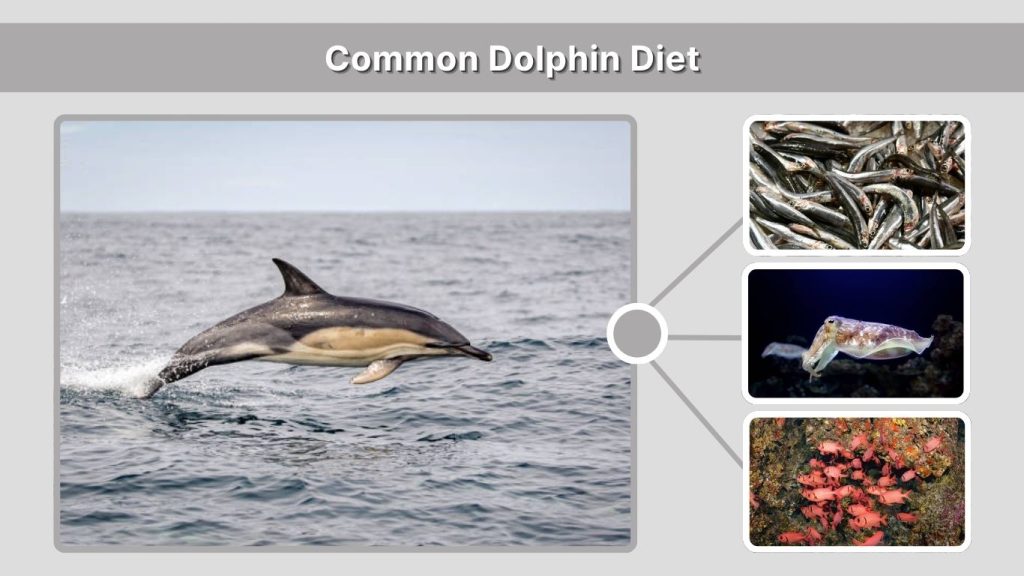
Common dolphins are carnivores and primarily feed on small fish such as sardines and anchovies. They also eat squid and other small marine animals. Their diet depends largely on what is available in their habitat.
Hunting Techniques
One of the most fascinating aspects of common dolphins is their hunting strategy. They often hunt in groups, working together to herd fish into tight schools. This makes it easier for them to catch multiple prey at once. They also use echolocation to detect and track their food.
Feeding Behavior
Common dolphins are cooperative feeders, meaning they rely on teamwork to increase their success rate. They may take turns feeding within a group, ensuring that all members get enough food. Their daily food intake varies depending on their size and activity level.
Common Dolphin vs Bottlenose Dolphin
Physical Differences
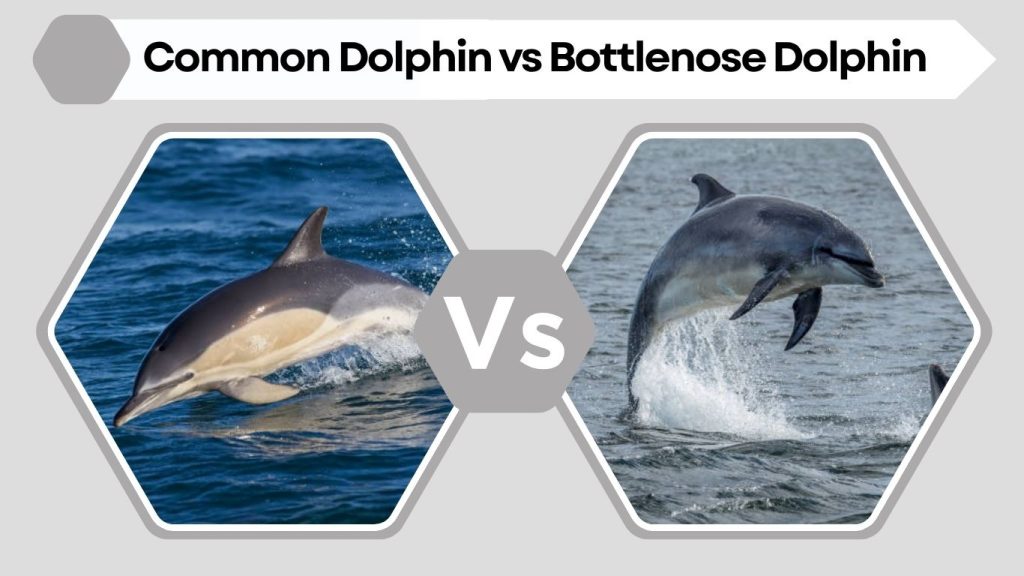
Common dolphins and bottlenose dolphins can be easily distinguished by their appearance. Common dolphins have a slender body and a long, narrow beak, along with a distinctive hourglass color pattern. In contrast, bottlenose dolphins have a more robust body, a shorter beak, and a uniform gray color.
Size Comparison
Bottlenose dolphins are generally larger and heavier than common dolphins. While common dolphins typically reach up to 2.5 meters in length, bottlenose dolphins can grow up to 4 meters. This size difference also affects their weight and overall body structure.
Habitat Differences
Common dolphins prefer offshore, deep ocean waters where they can find large schools of fish. Bottlenose dolphins, however, are more commonly found in coastal areas such as bays, estuaries, and near shorelines. This makes bottlenose dolphins more frequently seen by humans.
Behavior and Intelligence
Both species are highly intelligent and capable of complex communication. However, bottlenose dolphins are better known for their interaction with humans and are often seen in marine parks. Common dolphins, on the other hand, are more energetic and are known for their speed and large group dynamics.
Social Structure
Common dolphins form very large pods, sometimes consisting of hundreds or even thousands of individuals. Bottlenose dolphins usually live in smaller groups. This difference in social structure influences their hunting and communication styles.
Behavior and Communication
Echolocation
Common dolphins use echolocation to navigate and hunt in the ocean. They emit sound waves that bounce off objects and return as echoes, helping them determine the location, size, and distance of prey even in dark or murky waters.
Communication Methods
These dolphins communicate using a variety of sounds, including clicks and whistles. Each dolphin may have its own unique signature whistle, which helps individuals recognize one another within large pods.
Social Interaction
Social bonding is very important for common dolphins. They engage in playful activities such as jumping, spinning, and surfing waves. These behaviors help strengthen relationships within the pod and improve coordination during hunting.
Predators, Threats, and Conservation
Natural Predators
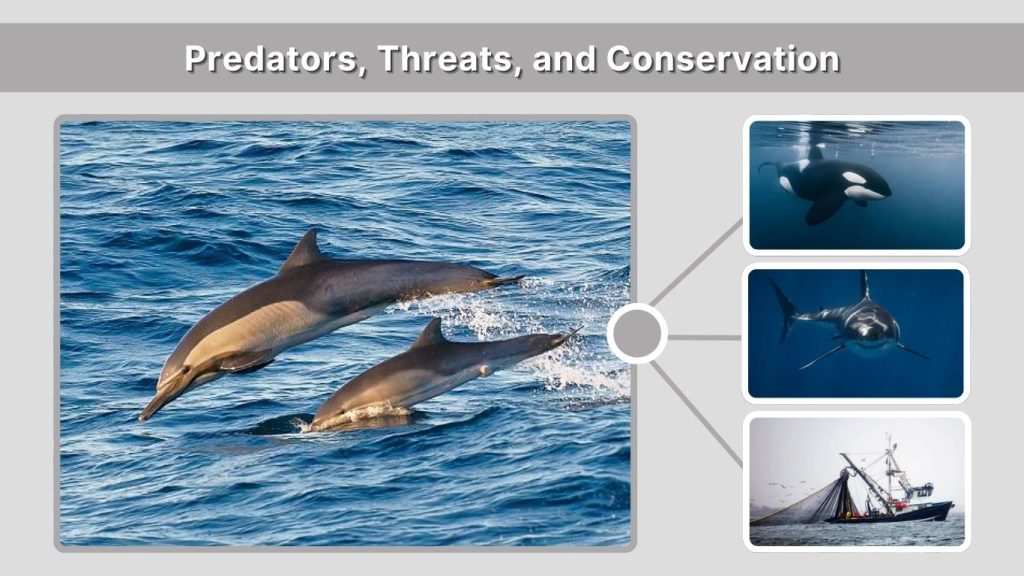
Common dolphins face threats from natural predators such as large sharks and killer whales (orcas). Young calves are especially vulnerable, but adults can sometimes defend themselves by staying in large groups.
Human Threats
Human activities are the biggest threat to common dolphins. Fishing nets often accidentally capture dolphins, leading to injury or death. Pollution, including plastic waste and chemical contaminants, can harm their health. Noise pollution from ships also interferes with their communication and navigation.
Conservation Efforts
Many countries and organizations are working to protect common dolphins. Marine protected areas help preserve their natural habitats, while regulations aim to reduce bycatch in fishing operations. Public awareness campaigns also encourage people to protect marine ecosystems and reduce ocean pollution.
FAQs
What is a common dolphin?
A common dolphin is a widely distributed marine mammal known for its speed, social behavior, and distinctive color pattern.
How can you identify a common dolphin?
You can identify it by its slender body, long beak, and unique hourglass-shaped markings on its sides.
Where do common dolphins live?
They live in oceans worldwide, especially in warm and temperate offshore waters.
How big is a common dolphin?
Common dolphins typically grow between 1.9 to 2.5 meters in length and weigh up to 150 kilograms.
What do common dolphins eat?
They mainly eat small fish like sardines and anchovies, as well as squid and other small marine animals.
What is the difference between common and bottlenose dolphins?
Common dolphins are smaller, faster, and live in larger groups, while bottlenose dolphins are larger, more robust, and often found near coastal areas.
Conclusion
Common dolphins are fascinating marine mammals known for their speed, intelligence, and strong social bonds. Their ability to live in large groups, communicate effectively, and adapt to different ocean environments makes them one of the most successful dolphin species. However, increasing human activities continue to threaten their survival. Protecting their habitats and reducing pollution are essential steps to ensure that these energetic and beautiful creatures continue to thrive in our oceans.