




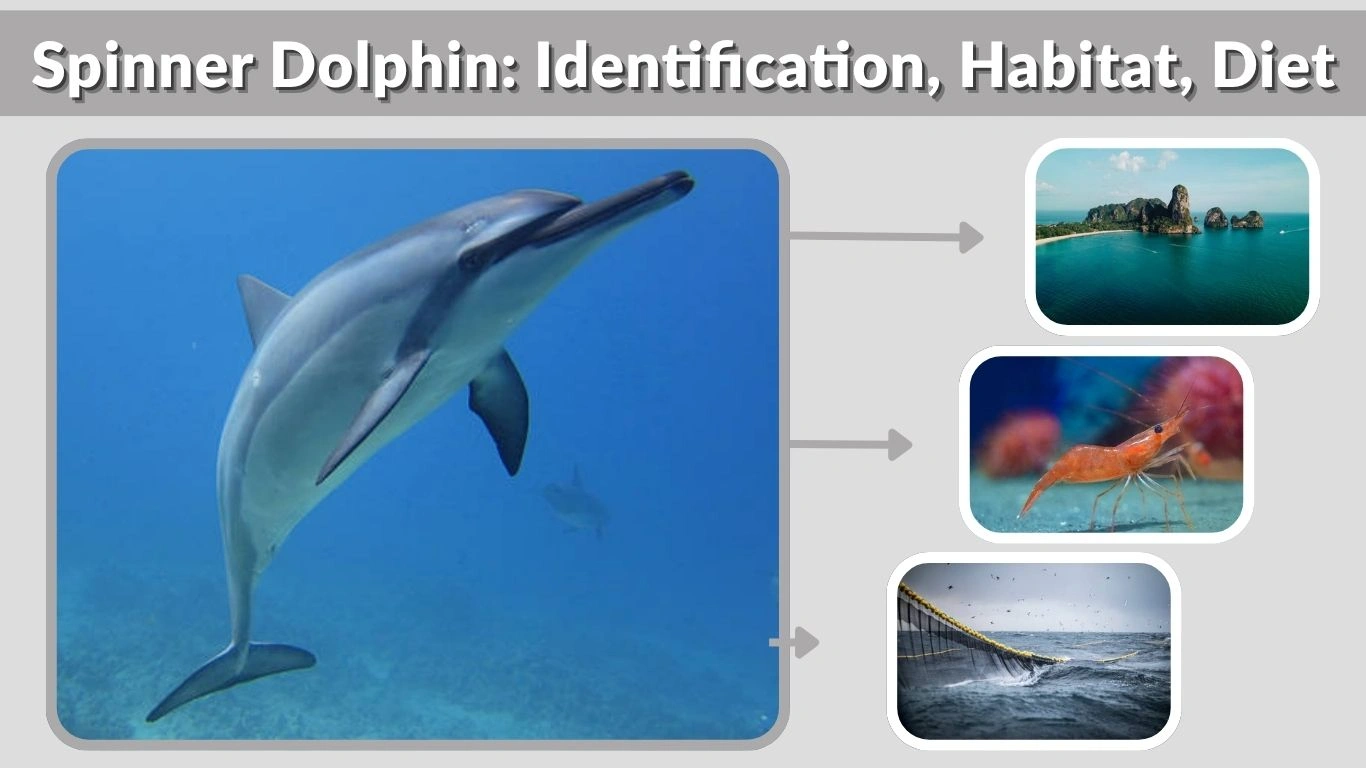
Spinner dolphins (Stenella longirostris) are among the most fascinating marine mammals, best known for their acrobatic spinning leaps above the ocean surface. Found in warm tropical waters, these dolphins are highly social, intelligent, and active creatures. Their unique behaviors and adaptations make them an important part of marine ecosystems. In this article, you’ll explore how to identify spinner dolphins, where they live, what they eat, and some of their most interesting traits.
Spinner Dolphin Identification
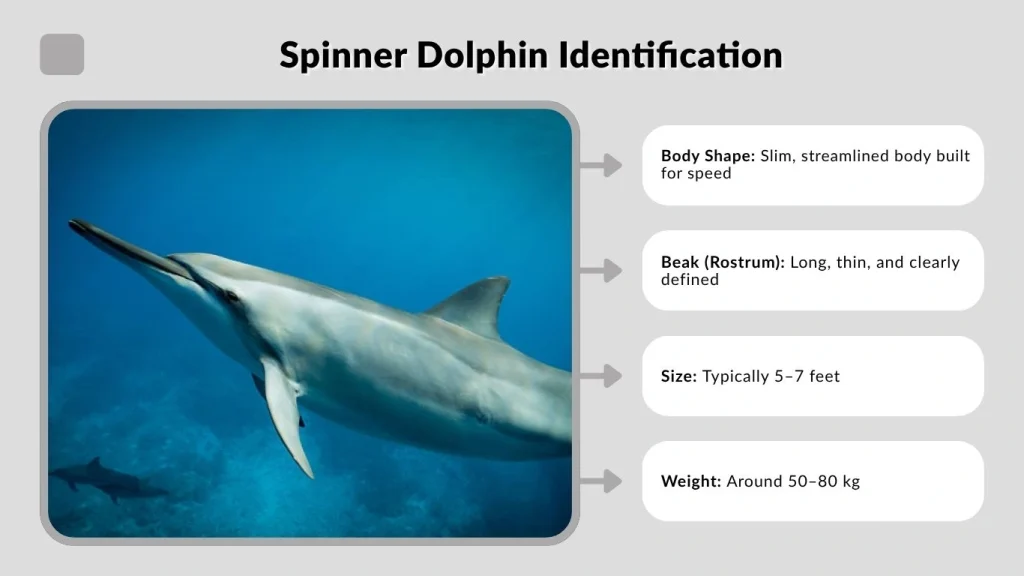
Spinner dolphins can be easily recognized by their slender bodies, long beaks, and energetic behavior. They are one of the most agile dolphin species, known for their signature spinning jumps. Their physical features and coloration help distinguish them from other dolphins, especially in tropical ocean regions.
Key Identification Features:
- Body Shape: Slim, streamlined body built for speed
- Beak (Rostrum): Long, thin, and clearly defined
- Color Pattern: Dark gray back, lighter gray sides, white or pale belly
- Size: Typically 5–7 feet (1.5–2.1 meters) long
- Weight: Around 50–80 kg
- Dorsal Fin: Small, curved, and centrally located
- Behavior: for spinning leaps (multiple rotations in air)
These combined features make spinner dolphins relatively easy to identify, especially when observed in groups performing aerial spins.
Spinner Dolphin Habitat
Geographic Distribution
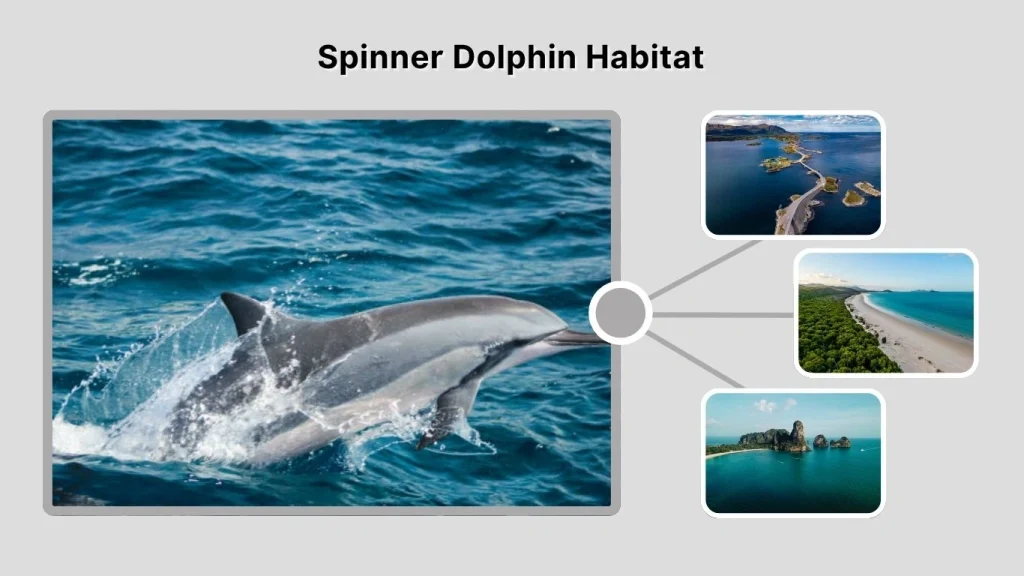
Spinner dolphins are widely distributed across tropical and subtropical oceans around the world. They are commonly found in the Pacific Ocean, Indian Ocean, and parts of the Atlantic Ocean. Regions such as Hawaii, Southeast Asia, and coastal areas of Africa are well-known habitats for these dolphins.
Preferred Environment
These dolphins prefer warm, shallow waters near coastlines, especially during the daytime when they rest. However, some populations are found offshore in deeper waters. Their habitat choice often depends on food availability and protection from predators.
Daily Movement Patterns
Spinner dolphins follow a predictable daily routine. During the day, they gather in sheltered bays and shallow coastal areas to rest and socialize. At night, they travel offshore into deeper waters to hunt for food. This daily movement helps them avoid predators while maximizing feeding opportunities.
Spinner Dolphin Diet
What Do Spinner Dolphins Eat?
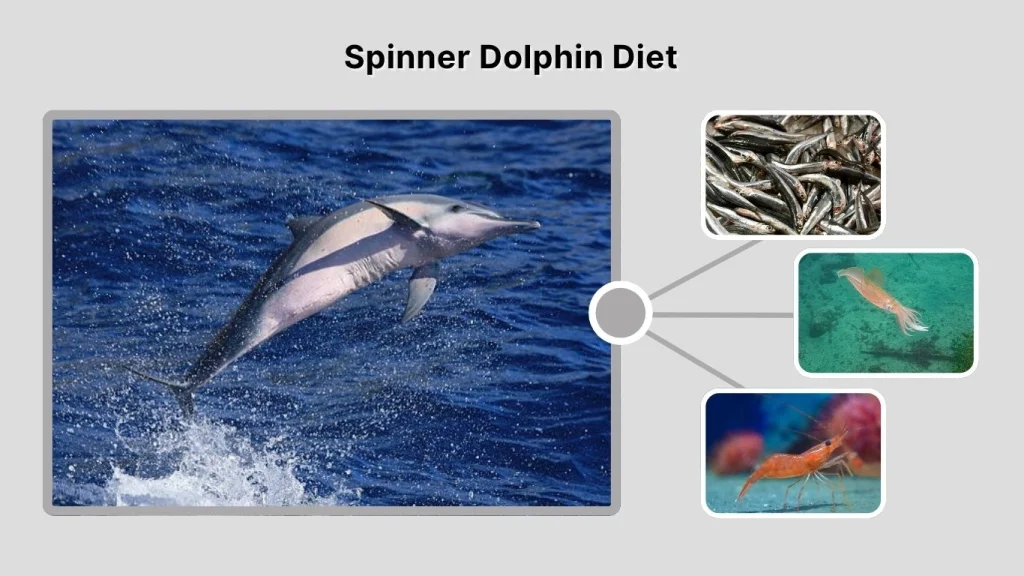
Spinner dolphins primarily feed on small marine organisms. Their diet includes small fish, squid, and crustaceans such as shrimp. These prey species are usually found in deeper ocean layers, which is why spinner dolphins feed mainly at night.
Feeding Behavior
Unlike many other dolphin species, spinner dolphins are nocturnal feeders. They dive deep into the ocean during nighttime hours to hunt for prey that migrates closer to the surface after dark. This behavior allows them to take advantage of the natural movements of their food sources.
Hunting Techniques
Spinner dolphins rely heavily on echolocation to locate prey in dark or deep waters. By emitting sound waves and listening for echoes, they can detect the size, shape, and distance of objects. They often hunt in groups, working together to herd fish into tight clusters, making it easier to catch them efficiently.
Interesting Spinner Dolphin Facts
Spinning Behavior Explained
The spinning leaps of these dolphins are one of their most famous traits. Scientists believe this behavior serves multiple purposes, including communication, play, and possibly removing parasites attached to their skin. The sound created when they hit the water may also help signal other dolphins in the area.
Social Structure
Spinner dolphins are highly social animals that live in groups called pods. These pods can range from a few individuals to several hundred members. Within these groups, dolphins form strong bonds and engage in cooperative behaviors such as hunting and protecting one another.
Intelligence and Communication
Like other dolphins, spinner dolphins are extremely intelligent. They communicate using a variety of clicks, whistles, and body movements. These sounds help them coordinate group activities, warn of danger, and maintain social connections within their pods.
Spinner Dolphin Lifespan
Average Lifespan
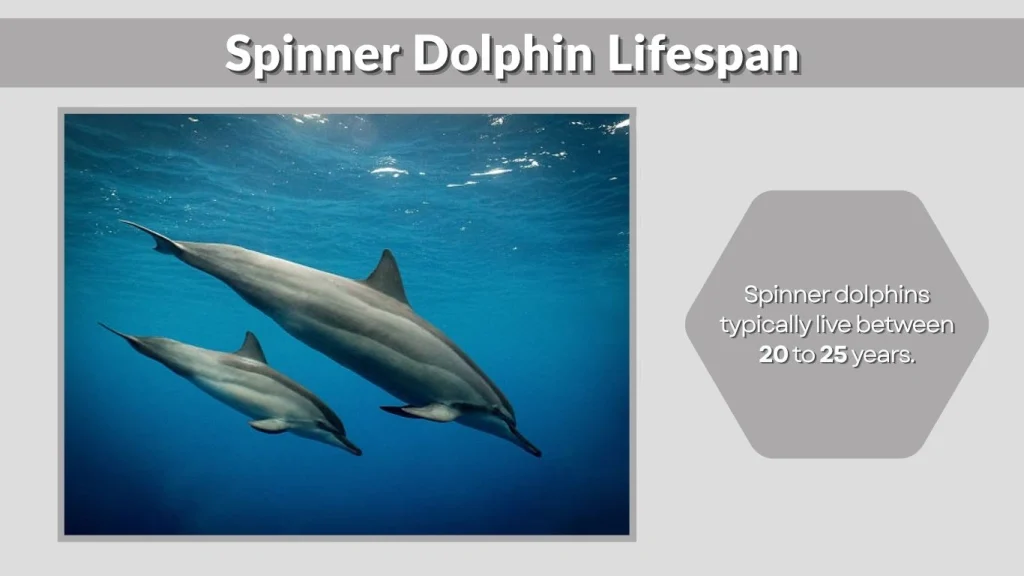
Spinner dolphins typically live between 20 to 25 years in the wild, although some individuals may live longer under favorable conditions. Their lifespan can vary depending on environmental factors and threats they encounter.
Threats to Survival
Despite their adaptability, spinner dolphins face several threats. Natural predators such as sharks and orcas pose a constant risk. However, human activities are a growing concern. Fishing nets can accidentally trap dolphins, pollution can degrade their habitat, and excessive tourism may disturb their natural behaviors.
Spinner Dolphin vs Bottlenose Dolphin
Physical Differences
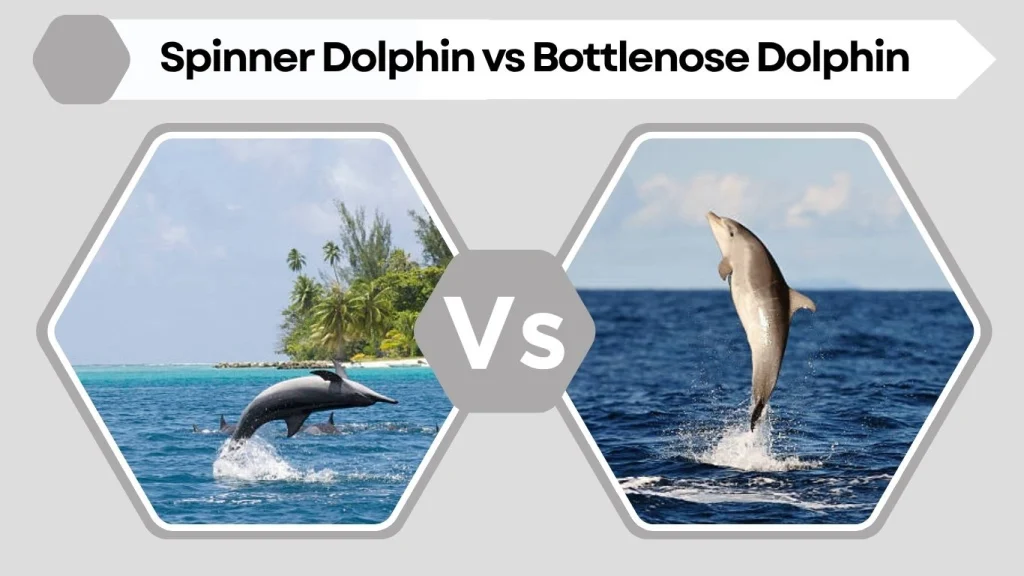
Spinner dolphins and bottlenose dolphins differ noticeably in appearance. Spinner dolphins are slimmer with a long, narrow beak, while bottlenose dolphins have a more robust body and a shorter, thicker snout. Bottlenose dolphins are also generally larger, often reaching up to 10–13 feet in length, compared to the smaller size of spinner dolphins.
Behavioral Differences
One of the biggest differences lies in behavior. Spinner dolphins are famous for their spinning leaps, which are rarely seen in bottlenose dolphins. Bottlenose dolphins, however, are known for their curiosity and frequent interaction with humans. They are often seen riding waves or approaching boats, while spinner dolphins tend to be more reserved during resting periods.
Habitat Comparison
Spinner dolphins are mostly found in tropical and offshore environments, especially in warm waters. In contrast, bottlenose dolphins are highly adaptable and can live in both coastal and open ocean environments across a wider range of climates. This adaptability makes bottlenose dolphins more widespread globally.
Spinner Dolphin Life Cycle
Reproduction
Spinner dolphins reproduce through sexual reproduction, with mating occurring throughout the year in many regions. After mating, the female undergoes a gestation period of about 10 to 11 months. Typically, a single calf is born, although twins are extremely rare.
Birth and Early Life
At birth, a spinner dolphin calf measures about 2 to 3 feet in length. Newborns are highly dependent on their mothers for nourishment and protection. The mother nurses the calf with milk and stays close to it, guiding and teaching it essential survival skills.
Growth and Maturity
As the calf grows, it gradually becomes more independent. Juvenile dolphins begin to learn hunting techniques and social behaviors by observing older members of the pod. Spinner dolphins usually reach sexual maturity between 4 to 7 years of age, depending on environmental conditions and food availability.
Conservation Status
Major Threats
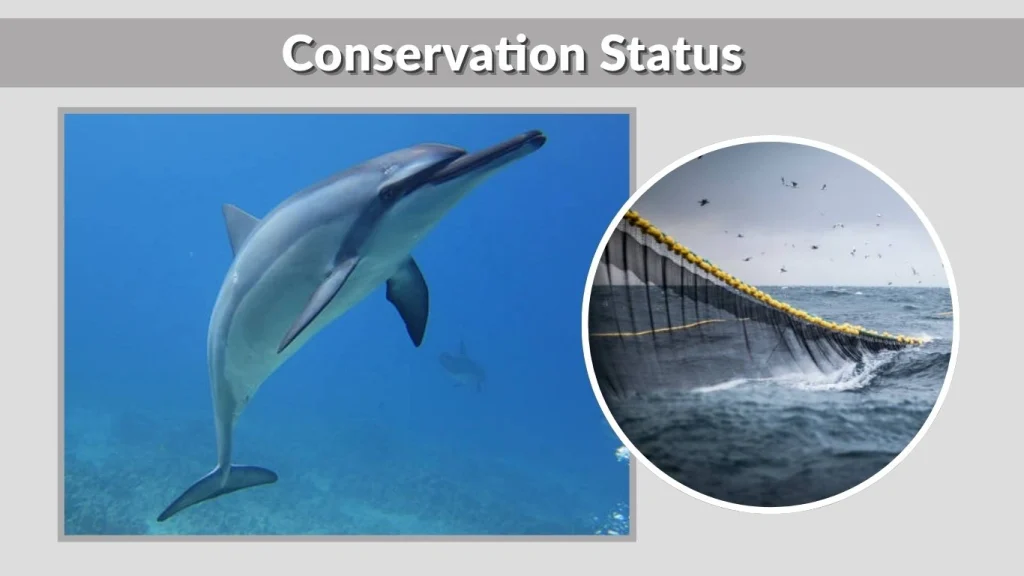
Spinner dolphins face several environmental and human-related threats. One of the most serious issues is bycatch, where dolphins are accidentally caught in fishing nets. Habitat disturbance caused by coastal development and excessive tourism can also disrupt their resting and feeding patterns. Additionally, climate change may affect ocean temperatures and food availability, further impacting their survival.
Conservation Efforts
Efforts to protect spinner dolphins include marine conservation laws, protected coastal areas, and guidelines for responsible wildlife tourism. In some regions, regulations limit human interaction with dolphins to reduce stress and disturbance. Conservation organizations also work to raise awareness about the importance of protecting marine ecosystems.
Conclusion
Spinner dolphins are remarkable marine animals known for their agility, intelligence, and unique spinning behavior. From their distinct physical features to their complex social structures, they play a vital role in ocean ecosystems. However, increasing environmental threats highlight the need for continued conservation efforts. Protecting spinner dolphins not only preserves a fascinating species but also helps maintain the balance of marine life.
FAQs
Why do spinner dolphins spin?
Spinner dolphins spin for several reasons, including communication, play, and possibly removing parasites from their bodies. The spinning behavior may also help them make sounds that signal other dolphins.
Where are spinner dolphins found?
They are found in tropical and subtropical oceans around the world, including the Pacific, Indian, and Atlantic Oceans.
What do spinner dolphins eat?
Their diet mainly consists of small fish, squid, and crustaceans, which they usually hunt at night.
How long do spinner dolphins live?
Spinner dolphins typically live between 20 to 25 years in the wild, depending on environmental conditions and threats.
Are spinner dolphins friendly to humans?
They are generally not aggressive, but they prefer limited interaction. Excessive human contact can disturb their natural behavior, especially during resting periods.