





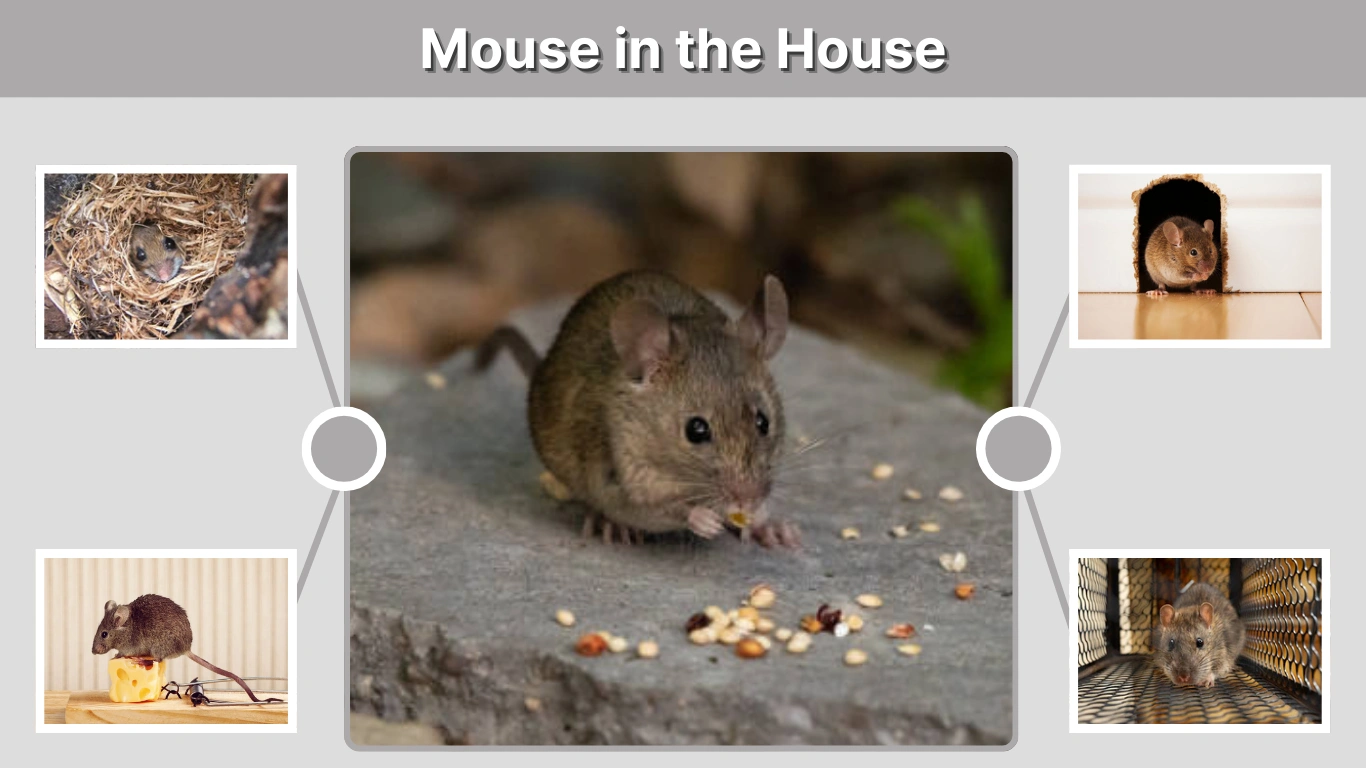
Finding a mouse in the house can be stressful and unpleasant. Mice often enter homes looking for food, warmth, and safe nesting places, especially when outdoor conditions become harsh. Scratching sounds at night, small droppings in cupboards, or chewed food packaging are usually the first warning signs. Acting quickly is important because mice reproduce fast and can contaminate food, damage property, and spread bacteria. This guide explains why mice enter homes, how to identify their presence, and how to start catching a mouse in the house effectively.
Why Mice Enter Houses
Mice do not enter homes by accident. They are driven by basic survival needs and are excellent at exploiting small openings and weak points in buildings.
Food Sources
Even very clean homes provide attractive food opportunities for mice. Crumbs under appliances, open food packaging, pet food bowls, and unsecured garbage are powerful motivators. Mice can smell food from far away and will repeatedly return to locations where they find reliable meals.
Shelter and Warmth
Houses offer protection from predators, rain, and cold temperatures. Wall cavities, ceilings, basements, and stored boxes provide ideal nesting areas. Soft materials such as paper, fabric, and insulation are often chewed and used to build nests.
Seasonal Movement
Mouse activity inside homes often increases during colder or wetter seasons. As outdoor food becomes scarce, mice move indoors where temperatures are stable and food is available year-round. Flooding, farming activity, and construction can also force mice to relocate into nearby buildings.
Signs You Have a Mouse in the House
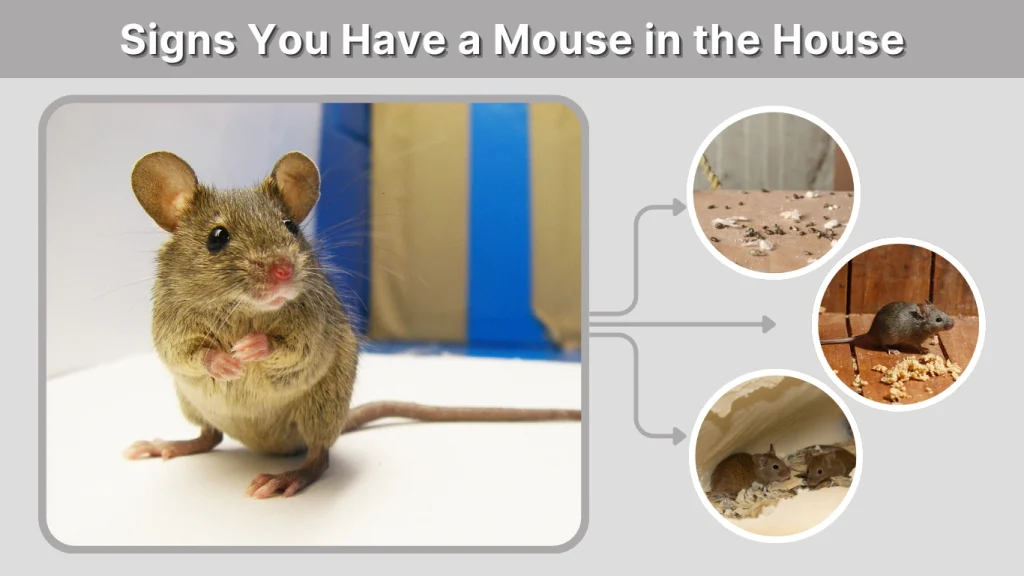
Before trying to catch a mouse, it is important to confirm that one is present and identify the areas it is using.
Physical Evidence
Droppings are the most common sign. They are small, dark, and rice-shaped and are often found in cupboards, drawers, behind appliances, or along walls. Gnaw marks on food packaging, furniture, and baseboards are also strong indicators. Shredded paper or fabric may signal nearby nesting sites.
Sounds and Smells
Mice are most active at night. Scratching, squeaking, or scurrying sounds inside walls and ceilings often mean a mouse is moving through established runways. A strong ammonia-like odor may develop as urine builds up around nesting areas.
Visual Sightings
Seeing a mouse, even briefly, usually means more activity is happening out of sight. Mice tend to follow the same paths repeatedly, leaving greasy rub marks along walls, pipes, and baseboards where their fur touches surfaces.
How to Locate Where the Mouse Is Living

Finding where the mouse travels and nests will greatly increase your trapping success.
- Follow trails of droppings to locate runways
- Check food storage areas and pantries for chew marks
- Inspect wall edges, corners, and behind furniture
- Look under stoves, refrigerators, and sinks
- Examine cupboards, drawers, and storage boxes
- Check basements, attics, and garage spaces
Mice usually stay close to walls and avoid open areas. Concentrating traps along these travel routes is far more effective than placing them in the middle of rooms.
What Type of Mouse Trap Works Best?
Choosing the right trap plays a major role in how quickly you can catch a mouse in the house.
Snap Traps
Snap traps are among the most widely used and effective options. They kill mice instantly when triggered correctly. They are affordable, reusable, and work well when placed along walls with proper bait. When handled with gloves and positioned carefully, they offer fast results.
Live-Catch Traps
Live traps capture mice without killing them. These are often used by people who prefer humane removal. However, trapped mice must be released far from the home, and local regulations may restrict relocation. Improper release can result in the mouse returning or failing to survive.
Glue Traps and Electronic Traps
Glue traps capture mice on a sticky surface, while electronic traps deliver a lethal shock. Both can be effective but raise safety and ethical concerns. Glue traps can cause prolonged suffering, and electronic traps are usually more expensive. Households with pets or children should use extra caution.
Step-by-Step Guide to Catching a Mouse in the House

Catching a mouse requires more than setting a single trap and waiting. A systematic approach improves success.
- Choose the most suitable trap type
- Select a strong-smelling, high-protein bait
- Place traps along walls and hidden runways
- Use several traps at once
- Check traps every day
- Dispose of mice safely or release according to local rules
- Clean contaminated areas thoroughly
Using multiple traps in strategic locations dramatically increases the chances of catching a mouse quickly.
Best Baits to Catch a Mouse
High-Protein Baits
Peanut butter, nuts, and seeds are among the most effective mouse baits. Their strong smell and sticky texture make them difficult for mice to steal without triggering the trap.
High-Smell Foods
Chocolate, bacon bits, and dried meat can also attract mice. These foods spread scent easily and encourage mice to investigate trap locations.
What to Avoid Using
Soft bread, plain rice, or weak-smelling foods are usually poor bait choices. Mice can often remove them without triggering traps, and they do not release enough scent to attract mice from a distance. Avoid using poison baits inside living areas, as poisoned mice may die inside walls and create odor and insect problems.
Common Mistakes That Prevent Catching Mice
Poor Trap Placement
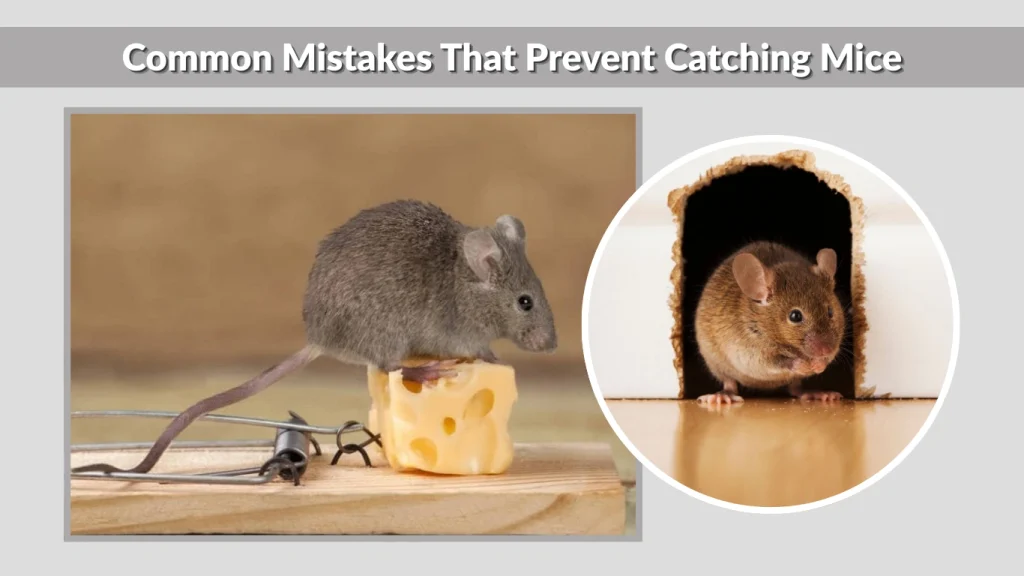
One of the biggest mistakes is placing traps in the middle of open rooms. Mice naturally travel along walls and hidden edges. Using too few traps is another error. Even for one mouse, several traps should be set to cover multiple runways.
Handling Errors
Touching traps with bare hands can leave a human scent that discourages mice. Always wear gloves when setting traps. Using too much bait or placing it incorrectly can also allow mice to feed without activating the trap.
Ignoring Entry Points
Catching one mouse will not solve the problem if entry points remain open. Small gaps around pipes, doors, vents, and foundations must be sealed, or new mice will continue to enter the house.
Safety and Health Precautions
Handling mice and contaminated areas requires care to reduce health risks.
- Wear disposable gloves when touching traps or droppings
- Never handle live or dead mice with bare hands
- Use sealed plastic bags for disposal
- Disinfect surfaces, floors, and cupboards
- Keep traps away from children and pets
Droppings and nesting materials should be sprayed with disinfectant before cleaning to prevent dust from becoming airborne. Wash hands thoroughly after any cleanup.
How to Prevent Mice from Coming Back
Sealing Entry Points
Mice can squeeze through holes as small as a coin. Inspect the exterior of the house and seal cracks with steel wool, metal mesh, or cement. Repair damaged door sweeps, window gaps, and foundation openings.
Food and Waste Control
Store all food in airtight containers, including pet food. Clean crumbs daily, wipe surfaces, and take out garbage regularly. Reducing food access is one of the most effective long-term mouse control strategies.
Long-Term Home Protection
Keep yards trimmed, remove woodpiles near the house, and store items off the ground. Inside, reduce clutter and organize storage areas so nesting spots are limited. Regular inspections help detect early signs before infestations grow.
FAQs
What is the fastest way to catch a mouse in the house?
The fastest way is to use several snap traps baited with peanut butter or chocolate and place them along walls, behind appliances, and near droppings. Multiple traps increase the chance of intercepting the mouse on its usual travel routes.
Can you catch a mouse without killing it?
Yes. Live-catch traps allow you to capture mice without killing them. However, the mouse must be released far from your home, and local wildlife rules should be checked. Release areas should offer shelter and food to improve survival.
How many traps should I use for one mouse?
It is best to use several traps even if only one mouse is seen. Mice move quickly and unpredictably. Placing four to six traps along different walls and suspected runways increases the likelihood of fast results.
Why won’t the mouse go into my trap?
Common reasons include poor placement, weak bait, or human scent on the trap. Moving traps closer to walls, changing to a stronger-smelling bait, and handling traps with gloves often solves this problem.
Should I call pest control for one mouse?
If traps fail, droppings continue to appear, or scratching sounds increase, professional pest control is recommended. Experts can identify hidden nests, entry points, and provide safe, comprehensive treatment.