




Frogs are fascinating amphibians found in a wide range of environments, from tropical rainforests to cold northern forests. Known for their jumping ability, unique calls, and diverse appearances, frogs play an important role in maintaining ecological balance. With thousands of species worldwide, each type has its own habitat, behavior, and survival traits. This guide explores 25 different types of frogs, highlighting their key characteristics and how they adapt to their surroundings.
1. Tree Frog

Tree frogs are small to medium-sized amphibians known for their excellent climbing ability and wide global distribution. They are commonly found in forests, wetlands, gardens, and near water sources, especially in warm and humid regions.
Identification
- Smooth or slightly bumpy skin, often green, brown, or gray
- Sticky toe pads adapted for climbing trees and leaves
- Slender body with long hind legs
- Large, expressive eyes suited for night vision
Habitat and Range
Tree frogs live on every continent except Antarctica. They prefer environments with plenty of vegetation such as rainforests, woodlands, swamps, and even urban gardens. Most species stay close to water during breeding seasons.
Behavior
These frogs are mostly nocturnal and become active at night. They are excellent jumpers and climbers, spending much of their lives off the ground. Many species are known for their loud, distinctive mating calls.
Diet
Tree frogs primarily feed on insects such as flies, mosquitoes, moths, and crickets. Larger species may also eat small spiders or other tiny invertebrates, helping control pest populations naturally.
2. Bullfrog

Bullfrogs are among the largest and most powerful frogs in the world, well known for their deep, booming calls. They are highly adaptable amphibians commonly found near permanent water bodies.
Identification
- Large, heavy-bodied frog with strong hind legs
- Green to olive-brown skin, often with darker markings
- Wide mouth and prominent eyes
- Circular eardrum (tympanum) visible behind each eye
Habitat and Range
Bullfrogs are native to North America but have been introduced to many other regions. They thrive in ponds, lakes, marshes, slow-moving rivers, and wetlands with abundant vegetation.
Behavior
These frogs are mostly active during the evening and night. Bullfrogs are aggressive hunters and strong swimmers, often sitting motionless before lunging at prey. Males are especially vocal during the breeding season.
Diet
Bullfrogs have a broad diet that includes insects, fish, tadpoles, small reptiles, birds, and even other frogs. Their opportunistic feeding habits make them dominant predators in many aquatic ecosystems.
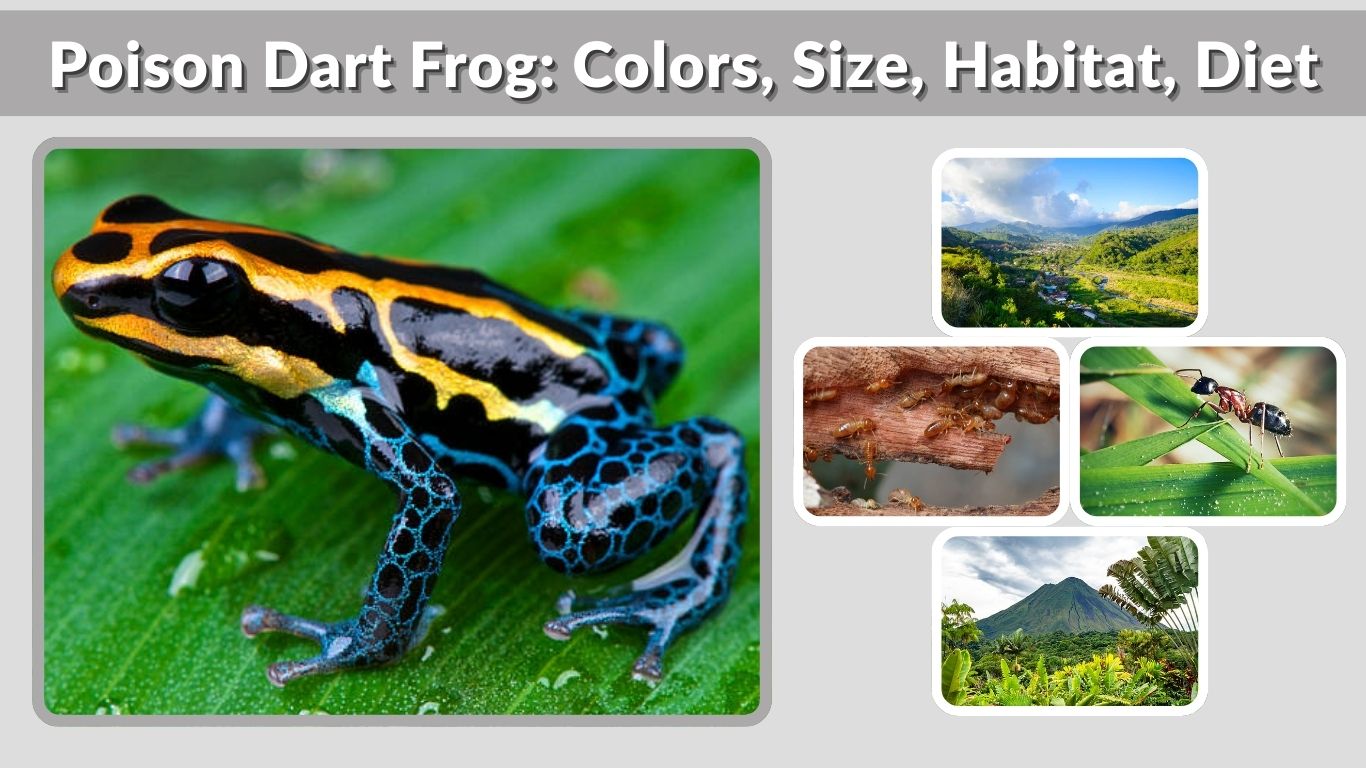
3. Poison Dart Frog
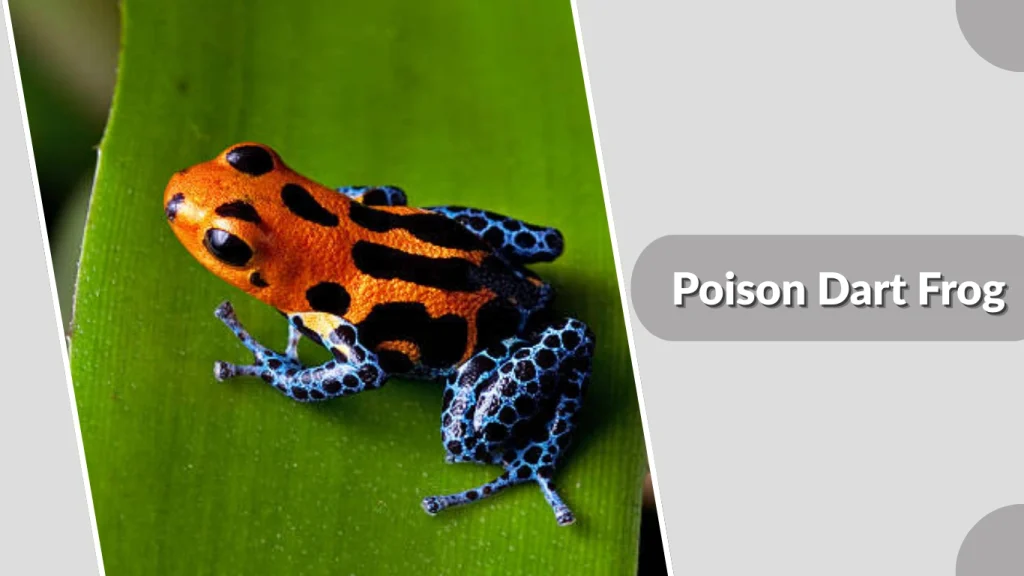
Poison dart frogs are small, brightly colored frogs famous for their toxic skin and striking appearance. Their vivid colors act as a warning to predators and make them one of the most recognizable frog groups in the world.
Identification
- Small body size with smooth, glossy skin
- Bright colors such as blue, yellow, red, green, or orange
- Slender legs and compact body shape
- Color patterns vary greatly by species
Habitat and Range
These frogs are native to Central and South America. They mainly inhabit tropical rainforests, living on the forest floor, leaf litter, and low vegetation where humidity is high.
Behavior
Poison dart frogs are mostly active during the daytime, unlike many other frogs. They are territorial and use visual signals and soft calls to communicate. Some species show parental care, carrying tadpoles to water-filled plants.
Diet
Their diet consists mainly of ants, termites, mites, and small insects. The toxins in their skin come from chemicals found in the insects they eat, especially ants, in their natural habitat.
4. Glass Frog

Glass frogs are small, delicate frogs best known for their translucent skin, which allows internal organs to be seen. They are fascinating amphibians often associated with clean, undisturbed environments.
Identification
- Semi-transparent to translucent underside
- Small, slender body with smooth skin
- Green upper body with tiny yellow or white spots
- Large eyes, often facing forward
Habitat and Range
Glass frogs are found mainly in Central and South America. They live in tropical rainforests near clear streams and rivers, where they rest on leaves and branches overhanging water.
Behavior
These frogs are mostly nocturnal and remain hidden during the day. Males call from leaves above streams to attract females. After mating, eggs are laid on leaves, and tadpoles drop into the water once hatched.
Diet
Glass frogs feed on small insects such as flies, ants, moths, and beetles. Their feeding activity usually takes place at night when insects are most active.
5. Leopard Frog

Leopard frogs are medium-sized frogs named for the dark, leopard-like spots on their bodies. They are strong jumpers and are commonly found near freshwater habitats.
Identification
- Green or brown body covered with dark round or oval spots
- Light-colored ridges running along the back
- Long, powerful hind legs for jumping
- Smooth, moist skin
Habitat and Range
Leopard frogs are native to North America and parts of Central America. They inhabit ponds, lakes, marshes, streams, wet meadows, and grassy areas close to water.
Behavior
These frogs are mostly active during the day and evening. When startled, they make long jumps into the water to escape predators. During colder months, they hibernate at the bottom of ponds or streams.
Diet
Leopard frogs eat a variety of insects, including beetles, flies, grasshoppers, and mosquitoes. Larger individuals may also consume worms and small aquatic invertebrates.
6. Goliath Frog
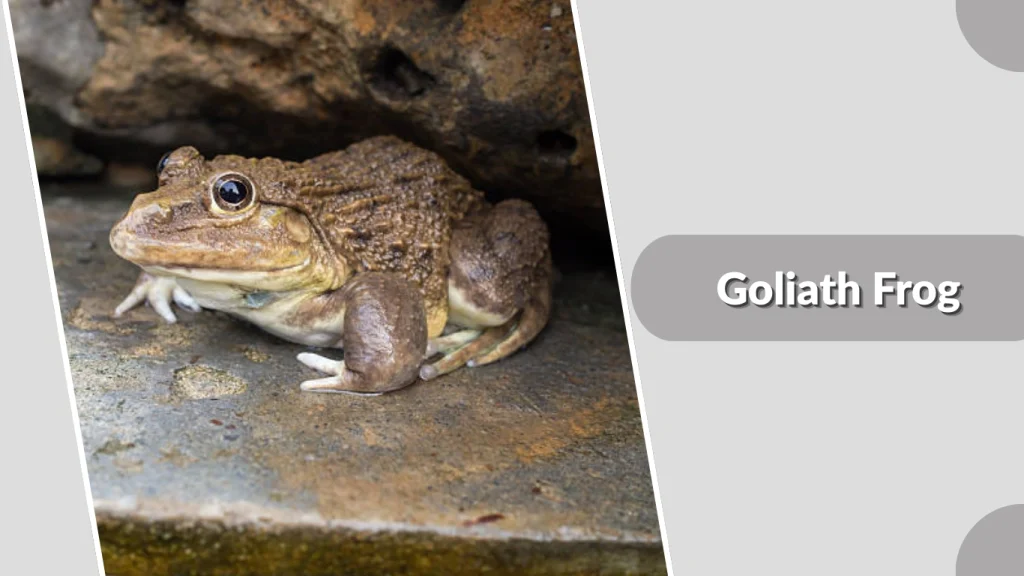
The Goliath frog is the largest frog species in the world, known for its massive size and strength. Despite its intimidating appearance, it is a shy amphibian that lives in very specific habitats.
Identification
- Extremely large body, reaching over 12 inches in length
- Greenish-brown skin with a rough texture
- Broad head with powerful limbs
- Lacks vocal sacs, unlike most frogs
Habitat and Range
Goliath frogs are native to a small region of West Africa, mainly in Cameroon and Equatorial Guinea. They live near fast-flowing rivers and waterfalls surrounded by dense rainforest.
Behavior
These frogs are mostly nocturnal and spend much of their time near water. They are known for building stone structures in streams to protect their eggs, a rare behavior among amphibians.
Diet
Goliath frogs feed on insects, crustaceans, small fish, and other amphibians. Their large size allows them to prey on a wide range of animals found in and around rivers.
7. Wood Frog
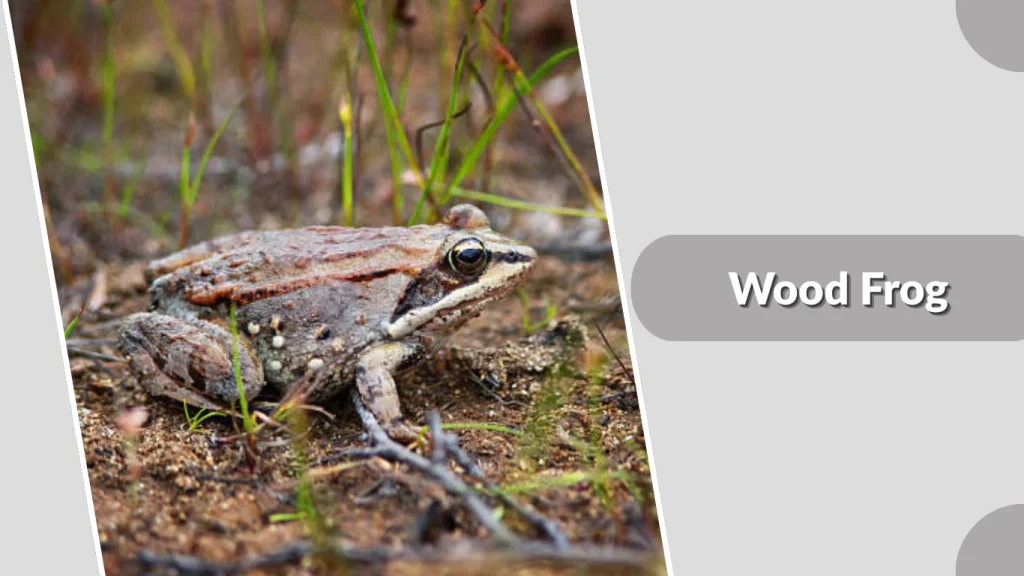
Wood frogs are hardy amphibians famous for their ability to survive freezing temperatures. They are commonly found in forested regions and are closely tied to seasonal wetlands.
Identification
- Brown to reddish-brown body with smooth skin
- Distinct dark mask running through the eyes
- Medium-sized body with long hind legs
- Light-colored underside
Habitat and Range
Wood frogs are native to North America and are found from the southeastern United States to the Arctic Circle. They live in forests, woodlands, and areas near temporary ponds and wetlands.
Behavior
These frogs are active during the breeding season in early spring. Wood frogs can freeze solid during winter and thaw in spring, resuming normal activity—a unique survival adaptation among vertebrates.
Diet
Wood frogs primarily eat insects such as ants, beetles, flies, and caterpillars. They also consume spiders and other small invertebrates found on the forest floor.
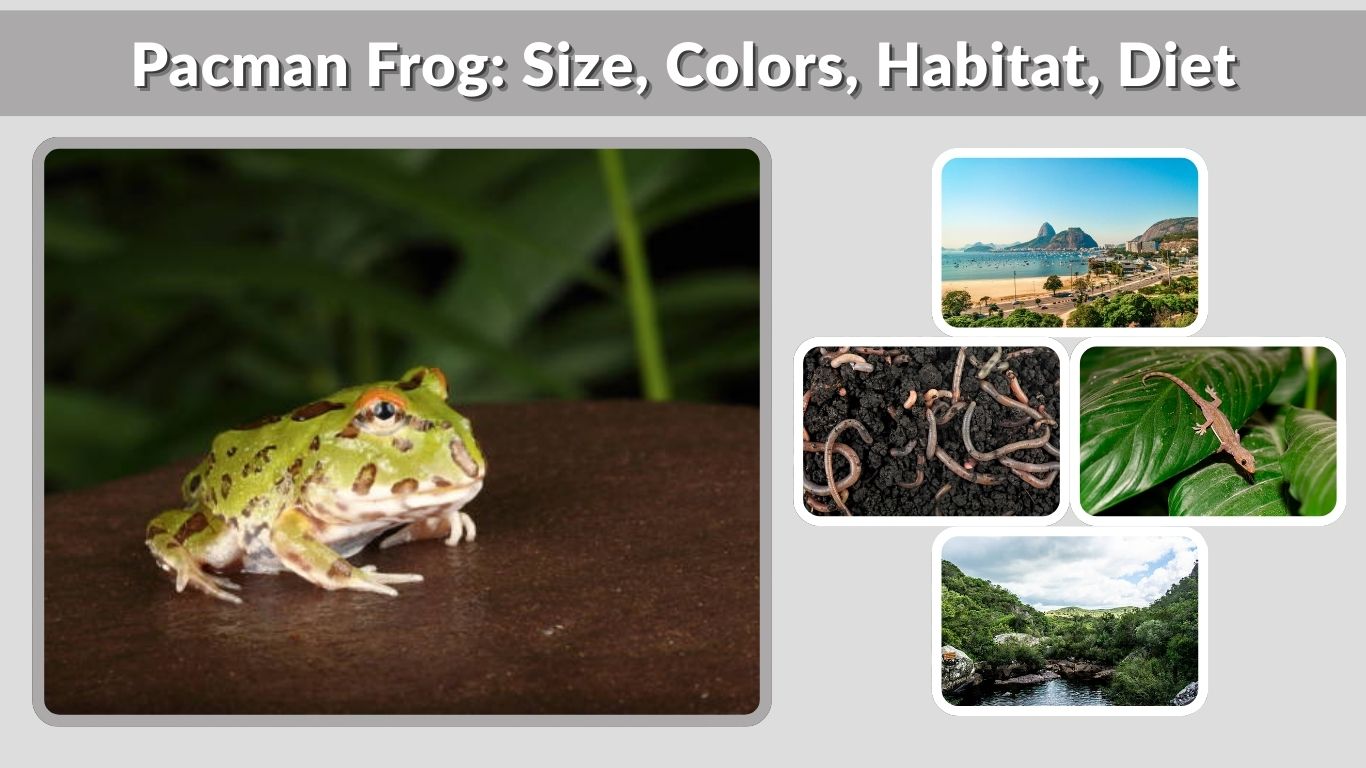
8. Pacman Frog
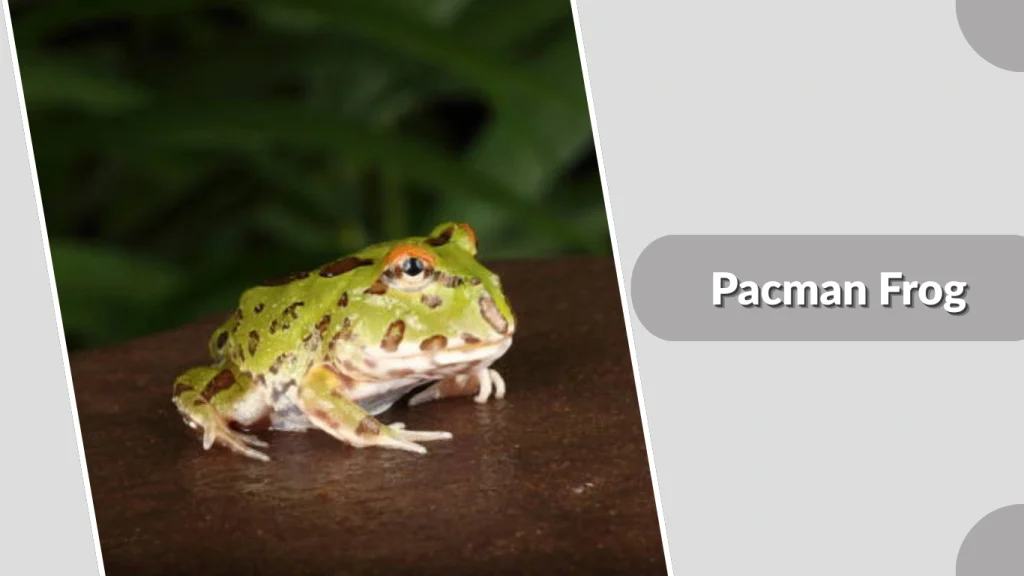
Pacman frogs are round-bodied, ground-dwelling frogs named for their resemblance to the video game character Pac-Man. They are popular in the pet trade due to their unique appearance.
Identification
- Large, round body with a very wide mouth
- Short legs and bulky build
- Green, brown, yellow, or patterned skin
- Small horn-like projections above the eyes
Habitat and Range
Pacman frogs are native to South America, especially Argentina, Uruguay, and Brazil. They inhabit grasslands, forests, and moist areas where they can burrow into soil.
Behavior
These frogs are ambush predators that spend most of their time buried underground with only their eyes exposed. They are mostly nocturnal and remain still until prey comes close.
Diet
Pacman frogs eat insects, worms, small rodents, lizards, and even other frogs. Their powerful jaws allow them to consume prey nearly as large as themselves.
9. Tomato Frog

Tomato frogs are brightly colored, ground-dwelling frogs known for their bold red appearance and defensive behavior. Their striking color serves as a warning to predators and makes them easy to recognize.
Identification
- Bright red to orange-red body, especially in females
- Rounded, plump body with smooth skin
- Yellow or light-colored stripe along the sides
- Females larger and brighter than males
Habitat and Range
Tomato frogs are native to Madagascar. They live in lowland rainforests, swampy areas, marshes, and sometimes near human settlements. These frogs prefer moist soil where they can burrow during dry periods.
Behavior
Tomato frogs are mostly nocturnal and spend the daytime hidden under leaf litter or underground. When threatened, they inflate their bodies to appear larger and may secrete a sticky, irritating substance from their skin to deter predators.
Diet
Their diet consists mainly of insects such as beetles, flies, ants, and crickets. Larger individuals may also eat worms and other small invertebrates found on the forest floor.
10. Green Frog

Green frogs are medium to large frogs commonly seen resting along the edges of ponds and lakes. They are known for their green coloration and loud, banjo-like calls during the breeding season.
Identification
- Green to olive-green body with darker mottling
- Light-colored ridge running along each side of the back
- Smooth, moist skin
- Large hind legs adapted for swimming
Habitat and Range
Green frogs are native to North America and are widespread across the eastern and central regions. They prefer permanent water bodies such as ponds, lakes, marshes, and slow-moving streams with plenty of vegetation.
Behavior
These frogs are mostly active during the day and evening. When disturbed, they quickly jump into the water with a loud splash. Males produce distinctive calls in summer to attract females.
Diet
Green frogs feed on insects, spiders, small fish, tadpoles, and aquatic invertebrates. Their varied diet helps maintain balance in freshwater ecosystems.
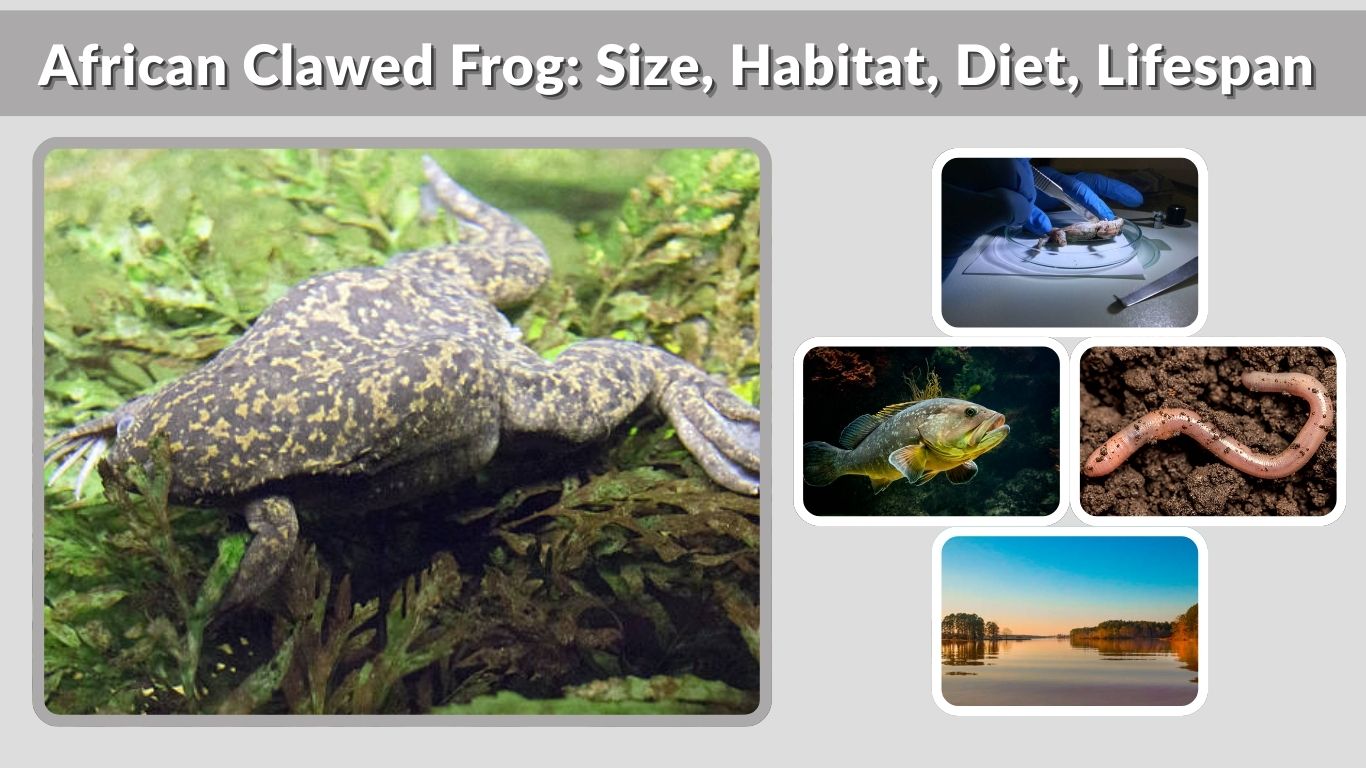
11. African Clawed Frog
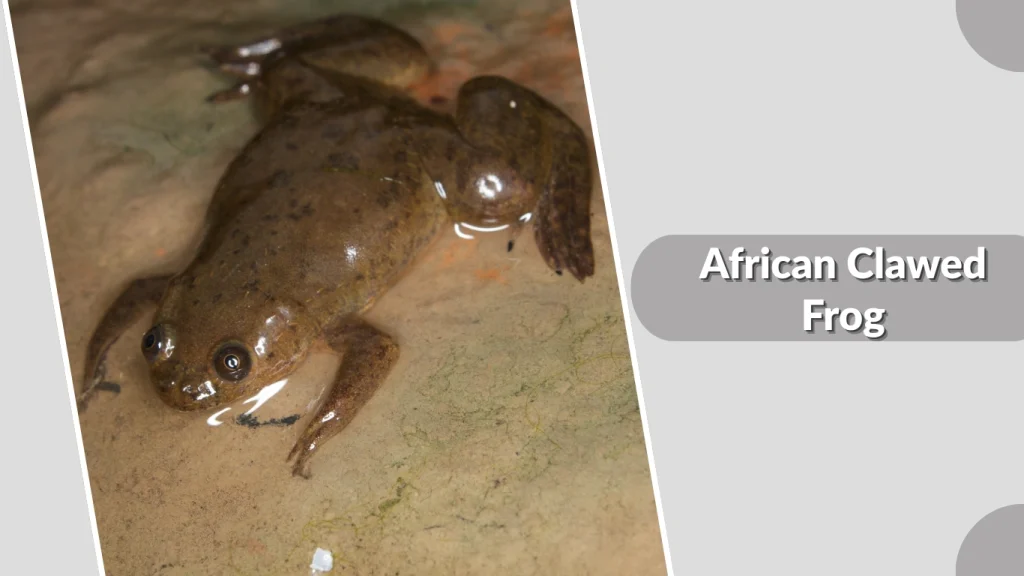
African clawed frogs are fully aquatic frogs well known for their clawed feet and use in scientific research. They spend their entire lives in water and are highly adaptable.
Identification
- Flattened body with smooth, slippery skin
- Olive-gray to brown coloration with mottling
- Strong hind feet with black claws on the toes
- Small eyes positioned on top of the head
Habitat and Range
These frogs are native to sub-Saharan Africa but have been introduced to many other parts of the world. They live in ponds, lakes, slow rivers, and even man-made water bodies.
Behavior
African clawed frogs are mostly nocturnal and rely on touch and smell rather than vision. They are strong swimmers and surface occasionally to breathe air.
Diet
Their diet includes insects, worms, small fish, tadpoles, and organic debris. They are opportunistic feeders and will consume almost any edible material in their aquatic environment.
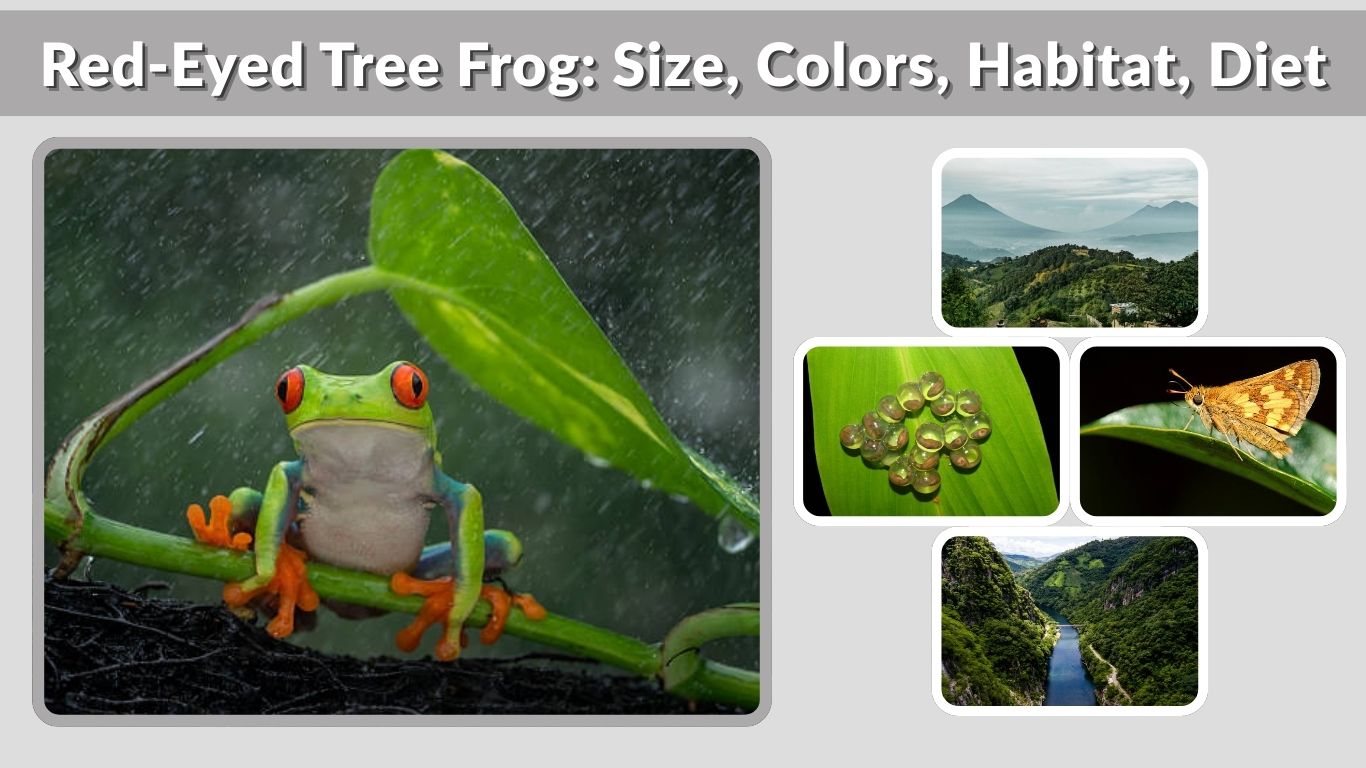
12. Red-Eyed Tree Frog
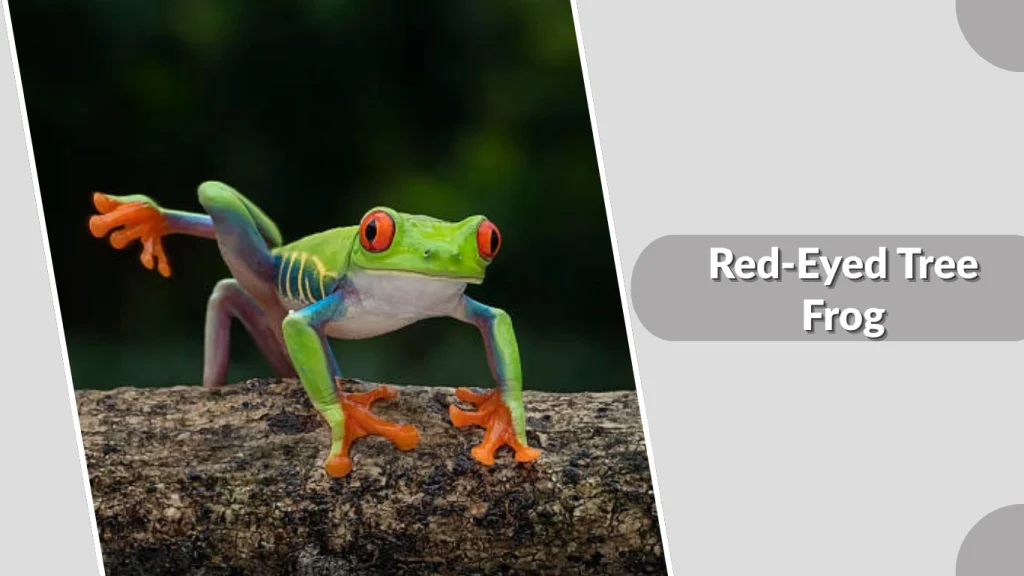
Red-eyed tree frogs are one of the most iconic frog species, famous for their bright red eyes and vivid green bodies. Their striking appearance helps deter predators through a sudden startle effect.
Identification
- Bright green body with smooth skin
- Large, vivid red eyes with vertical pupils
- Blue and yellow stripes along the sides
- Orange or reddish feet with suction pads
Habitat and Range
These frogs are native to Central America, ranging from southern Mexico to Panama. They live in tropical rainforests, especially near ponds, rivers, and wetlands.
Behavior
Red-eyed tree frogs are nocturnal and rest on the undersides of leaves during the day. At night, they become active, climbing vegetation and calling during the breeding season.
Diet
They mainly eat insects such as crickets, moths, flies, and grasshoppers. Occasionally, they may also consume smaller frogs or invertebrates.
13. Grey Tree Frog

Grey tree frogs are small, adaptable frogs known for their excellent camouflage and loud, musical calls. Despite their name, they can change color to blend into their surroundings.
Identification
- Gray, green, or brown body that can change color
- Rough, warty skin texture
- Bright yellow or orange patches on inner thighs
- Sticky toe pads for climbing
Habitat and Range
Grey tree frogs are native to eastern North America. They inhabit forests, woodlands, swamps, gardens, and areas near ponds and wetlands, often living high in trees.
Behavior
These frogs are nocturnal and are most active at night. They are excellent climbers and spend much of their time on tree trunks, branches, and walls. Males produce loud trilling calls during the breeding season.
Diet
Grey tree frogs feed on insects such as moths, flies, beetles, and crickets. They also eat spiders and other small invertebrates they catch while climbing vegetation.
14. Marsh Frog

Marsh frogs are large, loud frogs commonly found in wetlands and grassy areas near water. They are well known for their powerful calls and strong swimming ability.
Identification
- Green to brown body with dark blotches
- Long hind legs built for jumping and swimming
- Smooth, moist skin
- Light-colored stripe often present along the back
Habitat and Range
Marsh frogs are native to Europe, parts of Asia, and the Middle East. They live in marshes, ponds, lakes, slow rivers, and flooded grasslands with dense vegetation.
Behavior
These frogs are active during the day and night, especially in warm weather. Males produce very loud calls during the breeding season, often dominating wetland soundscapes.
Diet
Marsh frogs eat insects, worms, small fish, tadpoles, and other amphibians. Their opportunistic feeding habits make them effective predators in aquatic ecosystems.
15. Cuban Tree Frog
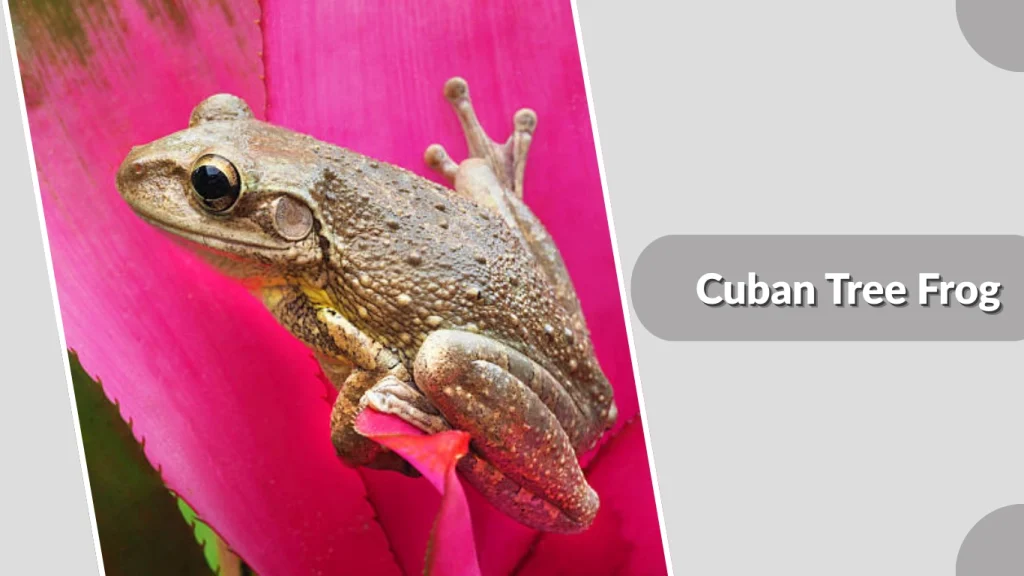
Cuban tree frogs are large, invasive tree frogs known for their adaptability and strong climbing ability. They are often found near human buildings as well as natural habitats.
Identification
- Large tree frog with warty skin
- Color ranges from light gray to brown or green
- Very large toe pads for climbing
- Yellowish wash on the legs and underside
Habitat and Range
Cuban tree frogs are native to Cuba, the Bahamas, and nearby islands but have spread to parts of the southeastern United States. They live in forests, wetlands, gardens, and urban areas.
Behavior
These frogs are nocturnal and frequently gather around lights to hunt insects. They are aggressive competitors and often displace native frog species.
Diet
Their diet includes insects, spiders, small lizards, other frogs, and even small snakes. Their wide-ranging diet contributes to their success as an invasive species.
16. Golden Poison Frog
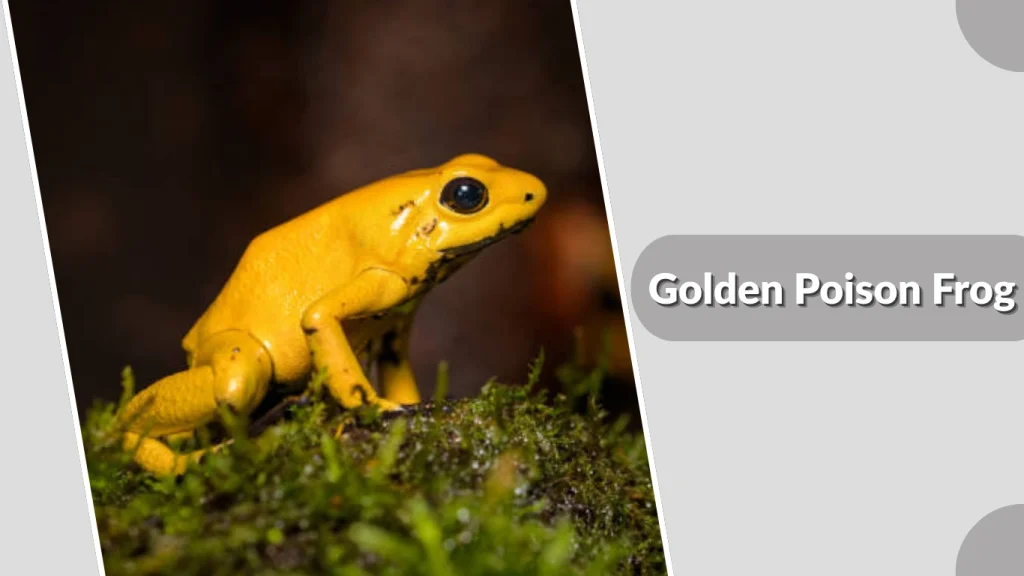
Golden poison frogs are small but extremely toxic frogs, famous for being one of the most poisonous animals on Earth. Their bright coloration serves as a strong warning to predators.
Identification
- Bright yellow, orange, or greenish-gold body
- Smooth, glossy skin
- Small, compact body with short legs
- Color is usually uniform without spots
Habitat and Range
These frogs are native to a small region of Colombia. They live in humid tropical rainforests, staying close to the forest floor among leaf litter and fallen logs.
Behavior
Golden poison frogs are diurnal and active during the day. They are territorial and communicate using soft calls and body movements. Despite their toxicity, they are calm and non-aggressive.
Diet
They mainly eat ants, beetles, termites, and other small insects. The extreme toxicity of their skin comes from chemicals obtained through their natural diet in the wild.
17. Budgett’s Frog
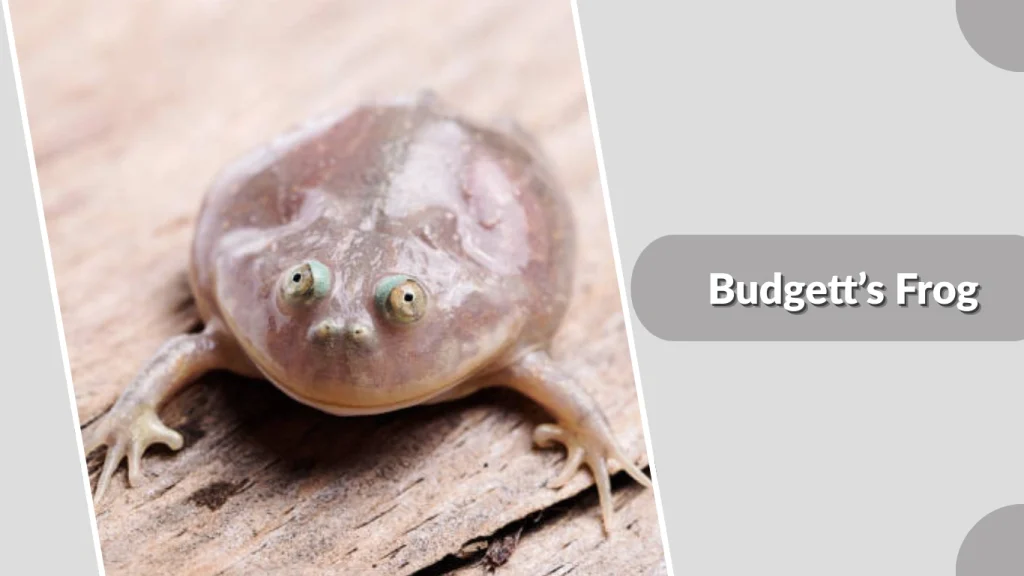
Budgett’s frogs are unusual, aggressive-looking frogs known for their flat bodies and powerful jaws. They are often called “hippo frogs” because of their wide mouths and defensive behavior.
Identification
- Large, flat head with an extremely wide mouth
- Olive to brown body with darker markings
- Short, muscular legs
- Eyes positioned on top of the head
Habitat and Range
Budgett’s frogs are native to South America, mainly Argentina, Paraguay, and Bolivia. They live in temporary ponds, flooded grasslands, and muddy wetlands that form during the rainy season.
Behavior
These frogs are mostly aquatic and highly aggressive when threatened. They rely on ambush tactics and will snap at anything that comes close, including predators or prey.
Diet
Budgett’s frogs feed on insects, fish, tadpoles, other frogs, and small aquatic animals. Their strong jaws allow them to catch and hold struggling prey effectively.
18. Pickerel Frog

Pickerel frogs are medium-sized frogs known for their neat rows of square-shaped spots and preference for clean, cool water. They are also mildly toxic to some predators.
Identification
- Light brown to tan body with two rows of square dark spots
- Bright yellow or orange coloring on the inner thighs
- Smooth skin and slender build
- Light-colored stripe along the upper jaw
Habitat and Range
Pickerel frogs are native to eastern North America. They inhabit cool streams, springs, ponds, and wetlands, often near rocky or forested areas.
Behavior
These frogs are mostly active during the day. When threatened, they quickly leap into water to escape. Pickerel frogs produce skin secretions that can be irritating or toxic to some predators.
Diet
Pickerel frogs eat insects such as beetles, flies, grasshoppers, and aquatic invertebrates. They help control insect populations in freshwater environments.
19. White’s Tree Frog

White’s tree frogs are large, calm tree frogs known for their friendly appearance and tolerance of dry conditions. They are one of the most popular frogs kept as pets worldwide.
Identification
- Large, chunky body with smooth skin
- Color ranges from green to blue-green
- Big eyes and wide mouth
- Large sticky toe pads for climbing
Habitat and Range
These frogs are native to Australia, Indonesia, and Papua New Guinea. They live in forests, woodlands, swamps, and often near human homes, using water tanks and drains for shelter.
Behavior
White’s tree frogs are nocturnal and slow-moving compared to other tree frogs. They are known for their calm nature and tendency to stay in one place for long periods.
Diet
They feed on insects such as crickets, roaches, moths, and beetles. Larger individuals may also eat small mice or other small vertebrates when available.
20. Fire-Bellied Frog

Fire-bellied frogs are small, semi-aquatic frogs known for their bright warning colors on the underside of their bodies. When threatened, they display this coloration to scare predators.
Identification
- Green to brown upper body with rough, bumpy skin
- Bright red, orange, or yellow belly with black markings
- Flattened body shape
- Webbed hind feet for swimming
Habitat and Range
Fire-bellied frogs are native to parts of Europe and Asia. They live in ponds, marshes, rice fields, and slow-moving streams, often staying close to shallow water.
Behavior
These frogs are active during the day and night. When alarmed, they perform a defensive pose called the “unken reflex,” arching their bodies to show their brightly colored bellies.
Diet
Their diet includes insects, worms, small crustaceans, and aquatic invertebrates. They usually feed in or near water, catching prey with quick tongue movements.
21. Horned Frog
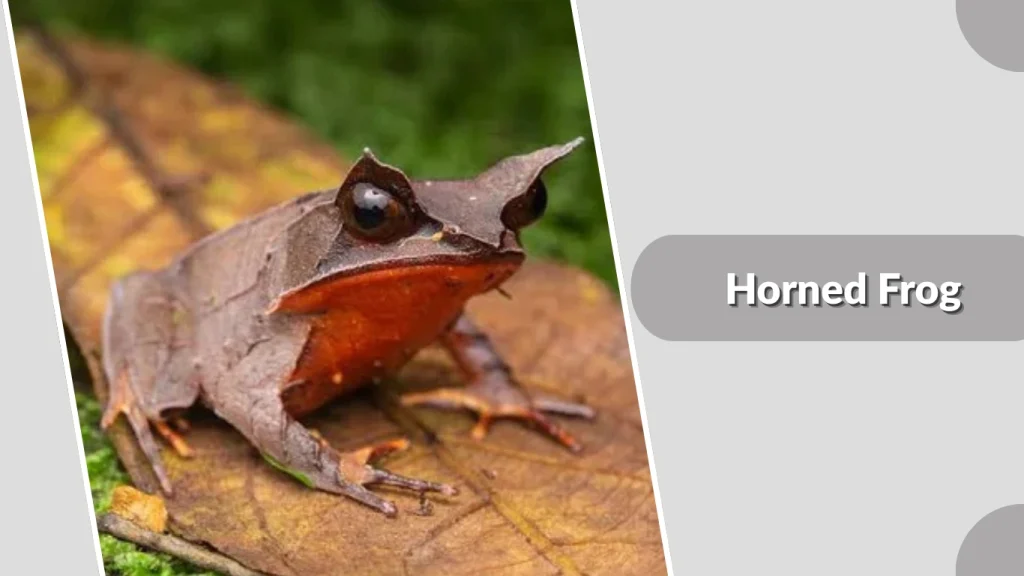
Horned frogs are large, heavy-bodied frogs named for the horn-like projections above their eyes. They are powerful ambush predators and are often referred to as “Pacman frogs” due to their wide mouths.
Identification
- Thick, round body with a massive head
- Horn-like extensions above the eyes
- Green, brown, or patterned skin for camouflage
- Extremely wide mouth with strong jaws
Habitat and Range
Horned frogs are native to South America. They inhabit tropical forests, grasslands, and moist lowland areas where they can burrow into soil or leaf litter.
Behavior
These frogs are mostly inactive and rely on camouflage. They wait buried in the ground and strike suddenly at passing prey. Horned frogs can be aggressive if disturbed.
Diet
Horned frogs eat insects, rodents, lizards, birds, and other frogs. Their ability to consume large prey makes them top predators in their environment.
22. Burrowing Frog
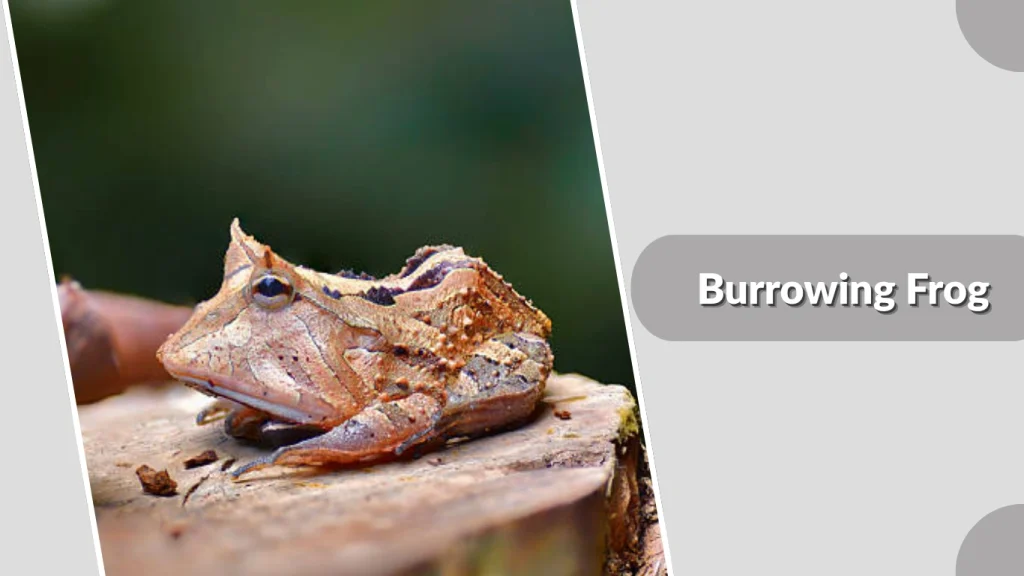
Burrowing frogs are specialized amphibians adapted for life underground. They spend much of their time hidden beneath soil, emerging mainly during rainy seasons to feed and breed.
Identification
- Short, stout body with smooth or slightly rough skin
- Strong forelimbs adapted for digging
- Earth-toned colors such as brown, gray, or olive
- Small head with a rounded snout
Habitat and Range
Burrowing frogs are found in various parts of Africa, Australia, Asia, and the Americas. They live in dry grasslands, savannas, forests, and semi-arid regions with loose soil.
Behavior
These frogs remain underground for long periods to avoid heat and dehydration. They emerge during heavy rains, becoming active at night to feed and reproduce in temporary pools.
Diet
Their diet consists mainly of insects, termites, ants, and worms. By feeding underground and on the surface, they help control soil-dwelling insect populations.
23. Spadefoot Toad
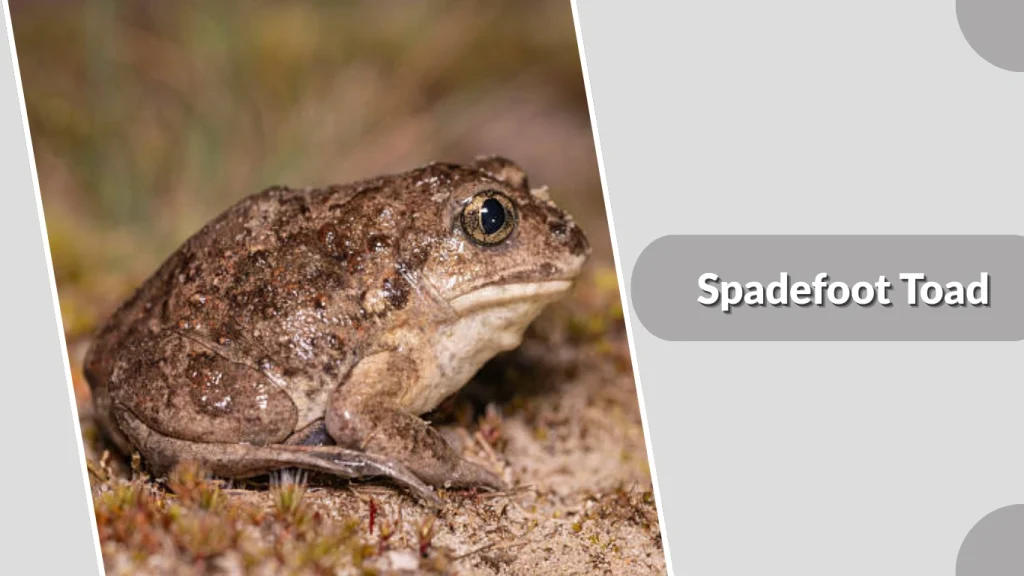
Spadefoot toads are fast-burrowing amphibians named for the spade-like structure on their hind feet. Although called toads, they are closely related to frogs and share many frog-like traits.
Identification
- Smooth skin compared to true toads
- Vertical pupils in the eyes
- Dark, spade-shaped projection on hind feet
- Brown, gray, or greenish body with blotches
Habitat and Range
Spadefoot toads are found in North America, Europe, and parts of Asia. They prefer dry grasslands, deserts, and sandy soils where they can burrow easily.
Behavior
They spend most of their lives underground and emerge after heavy rains. Breeding happens quickly in temporary pools, sometimes lasting only a few days.
Diet
Spadefoot toads eat insects, ants, beetles, termites, and worms. Tadpoles grow rapidly and may even become cannibalistic if food is scarce.
24. Chorus Frog
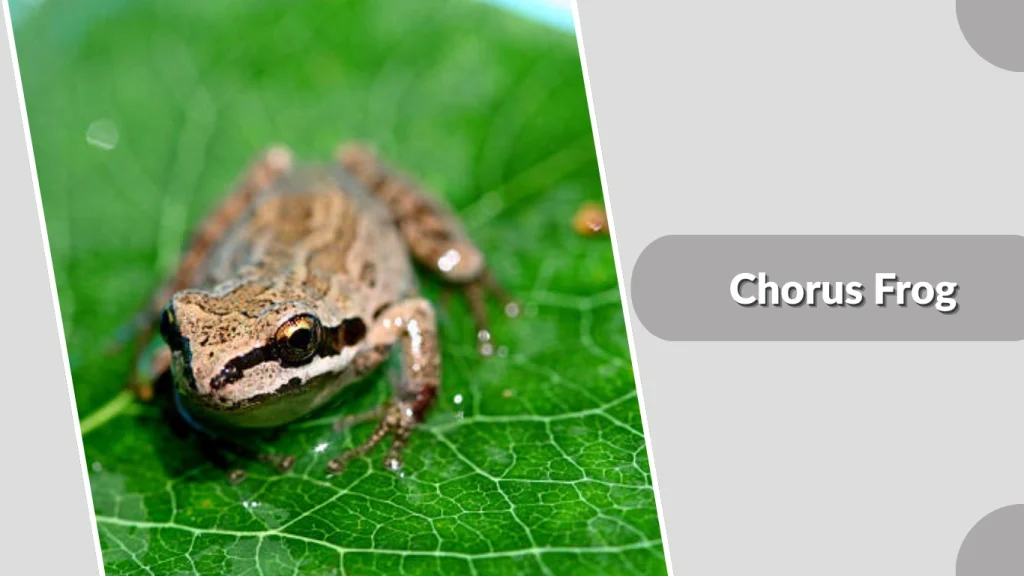
Chorus frogs are small, vocal frogs best known for their loud, repeated calls that sound like running fingers over a comb. These calls are often one of the first signs of spring.
Identification
- Small body with smooth skin
- Brown, gray, or green coloration
- Dark stripes running along the body or through the eyes
- Slender build with long hind legs
Habitat and Range
Chorus frogs are native to North America. They inhabit wetlands, ponds, marshes, grassy fields, and forest edges, especially near temporary pools used for breeding.
Behavior
These frogs are mostly nocturnal and are especially active during early spring. Males gather in large groups and call loudly to attract females, creating a distinctive chorus sound.
Diet
Chorus frogs feed on small insects such as flies, mosquitoes, ants, and beetles. Their small size limits them to tiny prey, which they catch with quick tongue strikes.
25. Cricket Frog
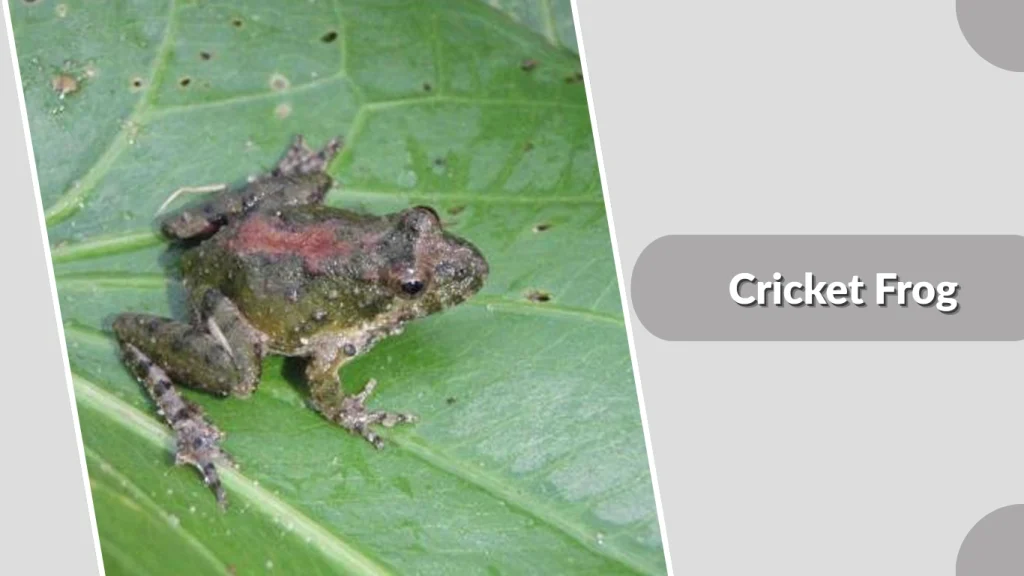
Cricket frogs are small, energetic frogs named for their sharp, cricket-like calls. Despite their tiny size, they are strong jumpers and very active.
Identification
- Small body with warty or rough skin
- Brown, green, or gray coloration with dark markings
- Dark triangular mark between the eyes
- Short legs but powerful jumping ability
Habitat and Range
Cricket frogs are native to North America. They live along the edges of ponds, lakes, streams, and wetlands with muddy or sandy shorelines.
Behavior
These frogs are active during the day and night, especially in warm weather. When startled, they make quick, zigzag jumps into the water or nearby vegetation.
Diet
Cricket frogs feed on small insects such as ants, flies, mosquitoes, and tiny beetles. They play an important role in controlling insect populations near water bodies.
FAQs
What is the largest frog species in the world?
The Goliath frog is the largest frog species in the world. It can grow over 12 inches long and weigh more than 3 kilograms. This giant frog is native to parts of West Africa and lives near fast-flowing rivers.
Are all frogs poisonous?
No, most frogs are not poisonous. Only certain species, such as poison dart frogs and golden poison frogs, have toxic skin. Many frogs rely on camouflage, jumping ability, or habitat hiding rather than toxins for protection.
Where do frogs usually live?
Frogs live in a wide range of habitats including ponds, lakes, forests, wetlands, grasslands, and rainforests. Most species need access to water, especially for breeding, but some can survive in drier environments.
What do frogs eat?
Frogs mainly eat insects like flies, mosquitoes, beetles, and crickets. Larger frog species may also eat worms, small fish, reptiles, birds, or even other frogs depending on their size and habitat.
Are frogs active during the day or night?
It depends on the species. Many frogs are nocturnal and active at night, while others like poison dart frogs are diurnal and active during the day. Activity patterns are influenced by climate, predators, and food availability.