



Porcupines are distinctive rodents known for their sharp quills, which serve as a formidable defense against predators. These primarily nocturnal creatures are found across the Americas, Africa, and parts of Asia, occupying diverse habitats ranging from dense tropical forests to arid savannas and mountainous regions.
This guide explores 25 types of porcupines, highlighting their unique physical characteristics, geographic ranges, diets, and behaviors. From the large and powerful African Crested Porcupine to the small and agile arboreal species of the Americas, porcupines play vital ecological roles such as seed dispersal and vegetation control. Understanding these diverse species helps us appreciate their ecological importance and the conservation challenges they face.
1. North American Porcupine (Erethizon dorsatum)
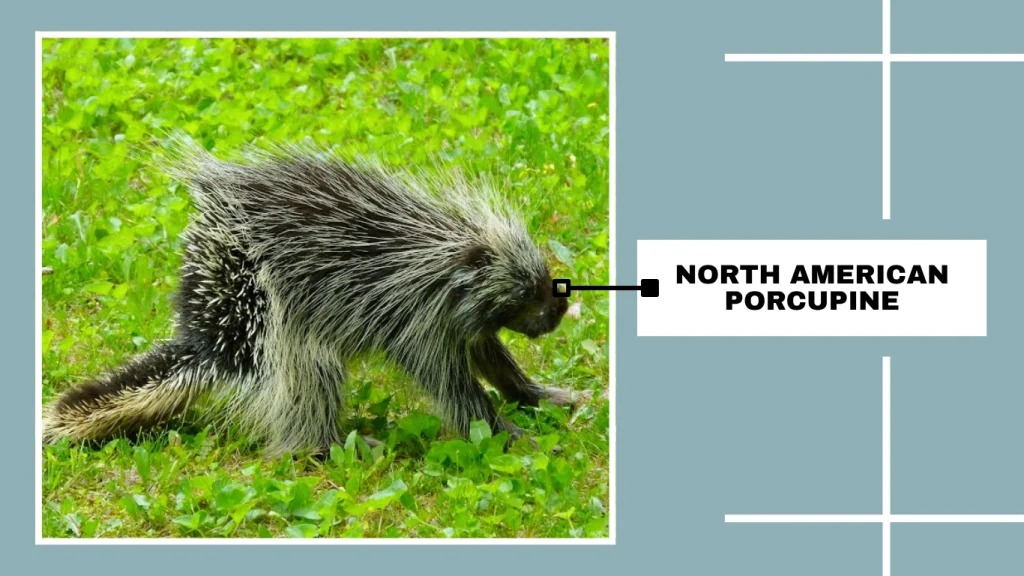
The North American Porcupine is the largest rodent in North America and is well-known for its distinctive quills used for defense.
Identification
- Size: 25–36 inches long (including tail)
- Weight: 12–35 pounds
- Color: Coarse fur mixed with sharp quills that are brownish or black with white tips
- Features: Rounded body, short legs, and a prehensile tail
Habitat and Range
Found across Canada, the United States, and parts of northern Mexico. Prefers forests, shrublands, and rocky outcrops.
Diet and Feeding Habits
Herbivorous—feeds on leaves, twigs, bark, and green plants. During winter, primarily eats tree bark and conifer needles.
Behavior and Traits
Primarily nocturnal and solitary. Uses its quills as a defense mechanism against predators, raising and rattling them when threatened. Excellent climbers, often found in trees. Plays a significant role in forest ecosystems by pruning vegetation.
2. African Crested Porcupine (Hystrix cristata)
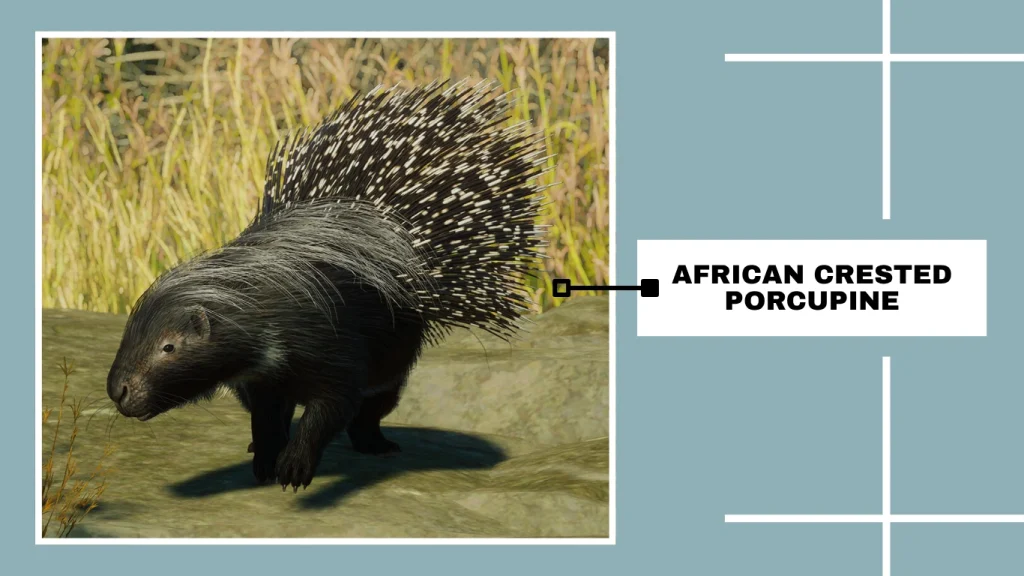
The African Crested Porcupine is one of the largest porcupine species, recognizable by its long, sharp quills and prominent crest along its back.
Identification
- Size: 24–35 inches long (excluding tail)
- Weight: 20–40 pounds
- Color: Black and white quills with a distinct crest of long, erect quills on the head and back
- Features: Stocky body, strong limbs, and a short, thick tail
Habitat and Range
Native to northern and sub-Saharan Africa, and parts of southern Europe. Inhabits forests, savannas, rocky areas, and deserts.
Diet and Feeding Habits
Primarily herbivorous—feeds on roots, bulbs, tubers, bark, and fruits. Occasionally consumes insects and small vertebrates.
Behavior and Traits
Nocturnal and territorial. Defends itself using sharp quills, which it can raise and rattle to deter predators. Capable digger and excellent at climbing rocky terrain. Plays an important role in seed dispersal and soil aeration.
3. Indian Crested Porcupine (Hystrix indica)
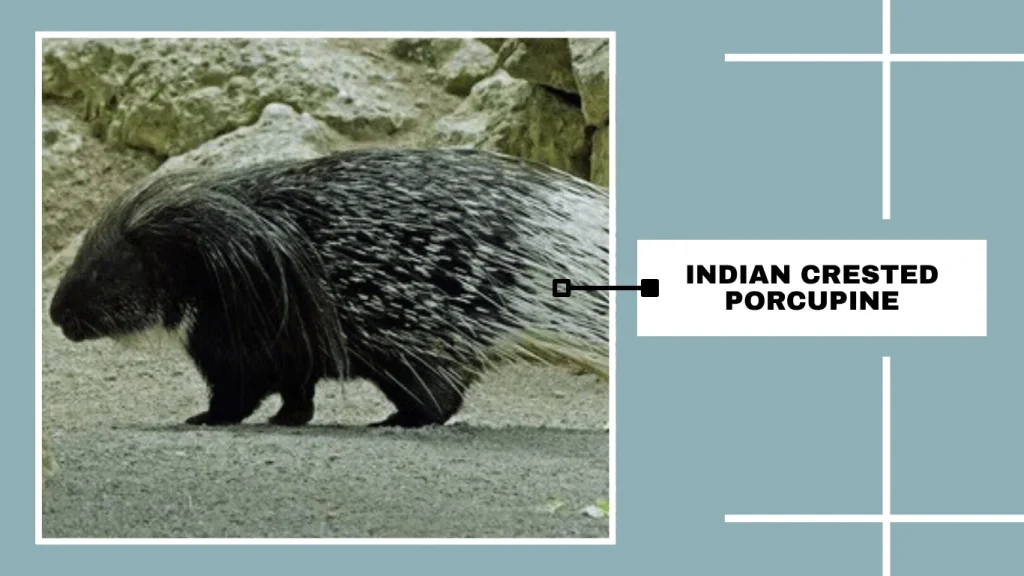
The Indian Crested Porcupine is a large, spiny rodent found across parts of South Asia and the Middle East.
Identification
- Size: 20–30 inches long (excluding tail)
- Weight: 15–27 pounds
- Color: Black and white quills with a prominent crest of long quills along the back
- Features: Stout body, strong claws, and a short tail
Habitat and Range
Distributed throughout India, Pakistan, Iran, and surrounding regions. Prefers rocky hills, scrub forests, and agricultural lands.
Diet and Feeding Habits
Herbivorous—feeds on roots, tubers, bulbs, fruits, and bark. Sometimes forages in agricultural fields, causing minor crop damage.
Behavior and Traits
Primarily nocturnal and solitary. Uses quills for defense, raising and rattling them when threatened. Known for digging extensive burrows. Plays a key role in ecosystem dynamics through seed dispersal and soil turnover.
4. Brazilian Porcupine (Coendou prehensilis)
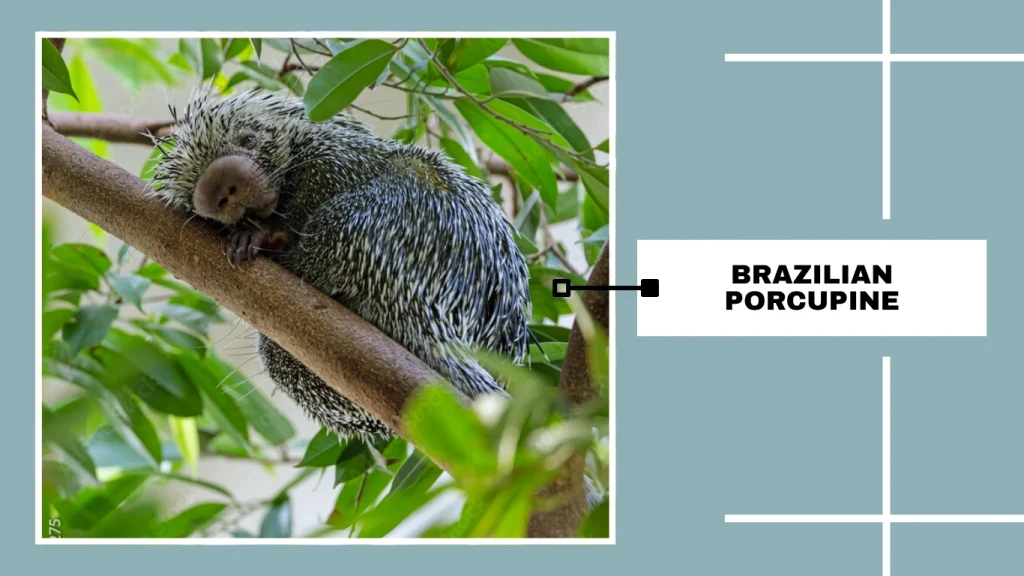
The Brazilian Porcupine is a small, arboreal species known for its prehensile tail and nocturnal habits.
Identification
- Size: 16–22 inches long (including tail)
- Weight: 4–6 pounds
- Color: Brown or reddish-brown fur mixed with short, sharp quills
- Features: Long, prehensile tail used for climbing, rounded ears, and small eyes
Habitat and Range
Found in tropical rainforests across Brazil and other parts of northern South America. Prefers dense forest canopies.
Diet and Feeding Habits
Primarily herbivorous—feeds on leaves, fruits, and buds. Forages mostly at night.
Behavior and Traits
Arboreal and solitary. Uses its tail to grasp branches, allowing agile movement through trees. Plays an important role in forest ecology as a seed disperser.
5. Malayan Porcupine (Hystrix brachyura)
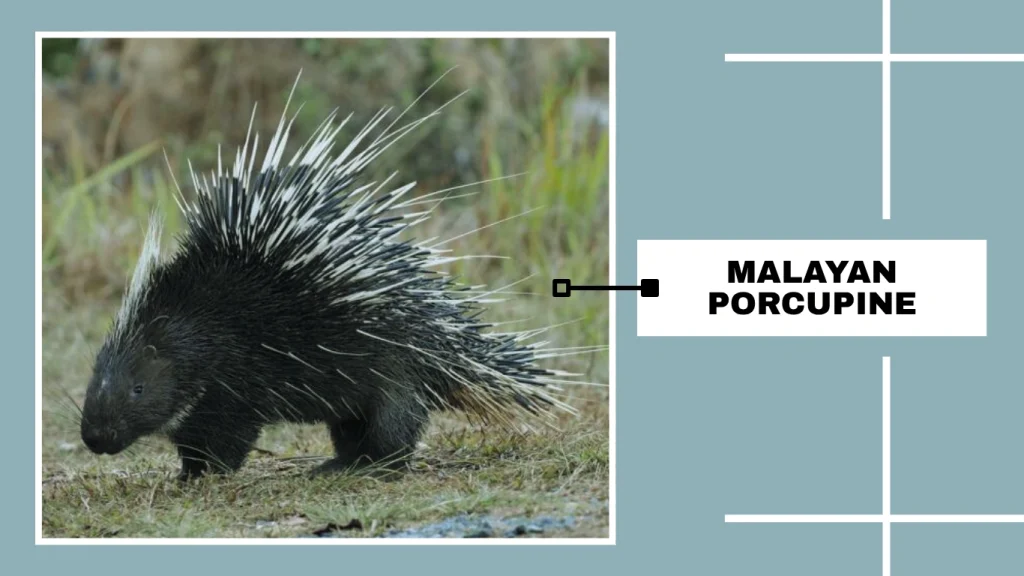
The Malayan Porcupine is a medium-sized porcupine species native to Southeast Asia, recognized for its dense, sharp quills and adaptability.
Identification
- Size: 24–30 inches long (excluding tail)
- Weight: 15–30 pounds
- Color: Dark brown to black fur with long, sharp quills tipped in white
- Features: Stocky body, short tail, and prominent quill crest on the head and back
Habitat and Range
Found in tropical forests, plantations, and scrublands throughout Malaysia, Thailand, Indonesia, and parts of Myanmar.
Diet and Feeding Habits
Omnivorous—feeds on roots, tubers, fruits, bark, and occasionally small animals or insects.
Behavior and Traits
Nocturnal and solitary. Uses quills as defense by raising and rattling them to deter predators. Capable digger, often seen foraging near the forest floor. Important for seed dispersal and ecosystem balance.
6. Sunda Porcupine (Hystrix javanica)

The Sunda Porcupine is native to the islands of Indonesia and is known for its thick quills and robust body.
Identification
- Size: 20–28 inches long (excluding tail)
- Weight: 15–25 pounds
- Color: Dark brown to black fur interspersed with long, sharp white-tipped quills
- Features: Rounded body, short tail, and long quills along the back and sides
Habitat and Range
Found mainly on the islands of Java, Bali, and surrounding smaller islands. Inhabits forests, plantations, and rocky hillsides.
Diet and Feeding Habits
Herbivorous diet consisting of roots, tubers, fruits, and bark. Forages mostly at night.
Behavior and Traits
Nocturnal and shy. Defends itself using its sharp quills. Plays an important role in seed dispersal and maintaining forest health. Often burrows or uses natural shelters during the day.
7. Philippine Porcupine (Hystrix pumila)
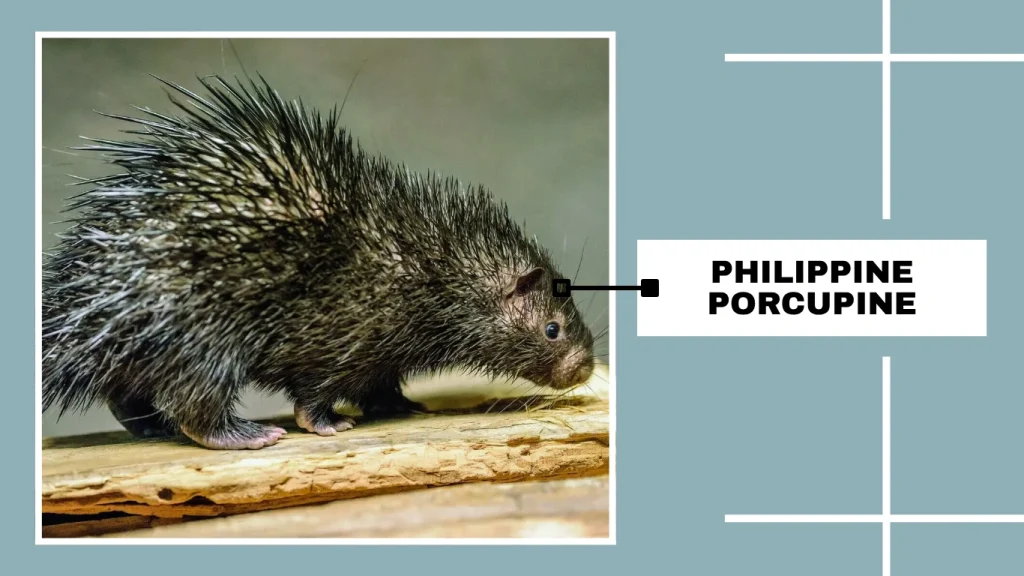
The Philippine Porcupine is a medium-sized porcupine species endemic to the Philippines.
Identification
- Size: 18–24 inches long (excluding tail)
- Weight: 10–20 pounds
- Color: Dark brown to black fur with long, sharp quills
- Features: Rounded body, short tail, and a crest of quills on the head
Habitat and Range
Found in the mountainous and forested regions of Luzon and nearby islands. Prefers dense tropical forests and highland areas.
Diet and Feeding Habits
Herbivorous—feeds on roots, tubers, fruits, and bark. Mostly nocturnal forager.
Behavior and Traits
Solitary and nocturnal. Uses sharp quills for defense and can produce rattling sounds by shaking its quills. Important seed disperser and contributes to forest ecology.
8. Bornean Porcupine (Hystrix brachyura ecaudata)
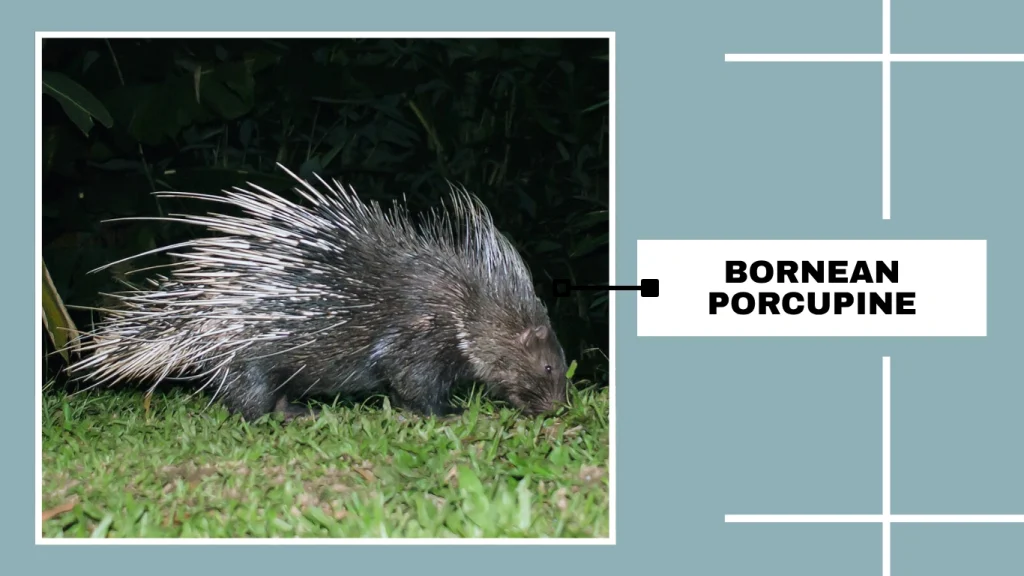
The Bornean Porcupine is a subspecies of the Malayan Porcupine found exclusively on the island of Borneo.
Identification
- Size: 24–30 inches long (excluding tail)
- Weight: 15–30 pounds
- Color: Dark brown to black fur with long, sharp white-tipped quills
- Features: Stocky body, short tail, and prominent crest of quills
Habitat and Range
Inhabits lowland and montane forests of Borneo, including protected national parks and remote wilderness areas.
Diet and Feeding Habits
Feeds mainly on roots, tubers, fruits, and bark. Occasionally consumes insects and small animals.
Behavior and Traits
Nocturnal and solitary. Uses quills as a defense mechanism against predators. Plays an important role in seed dispersal and maintaining forest ecosystem balance.
9. Central American Hairy Dwarf Porcupine (Coendou ichillus)
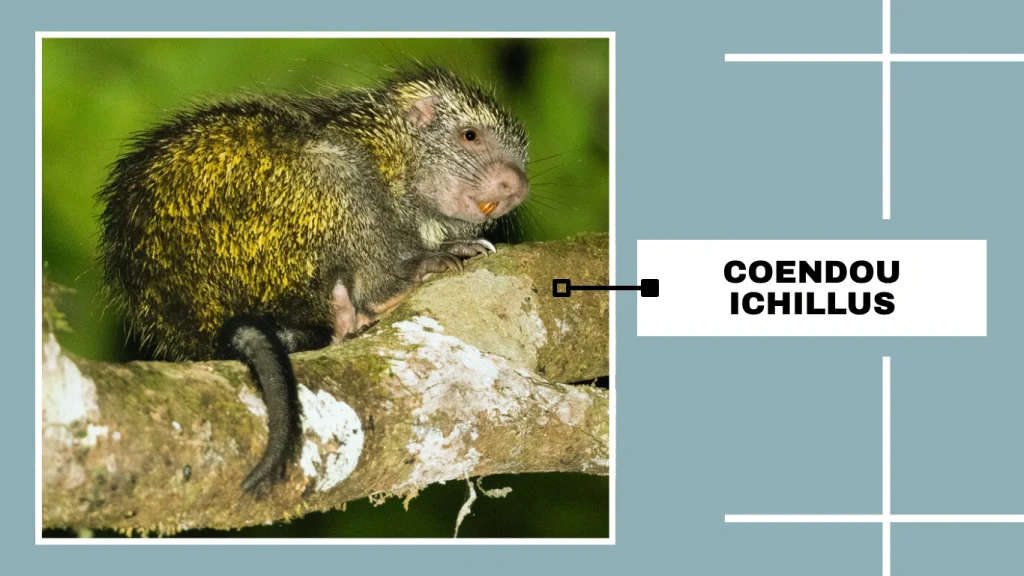
The Central American Hairy Dwarf Porcupine is a small, arboreal porcupine species native to parts of Central America.
Identification
- Size: 12–18 inches long (including tail)
- Weight: 3–5 pounds
- Color: Dark brown to black fur mixed with short spines and longer hair
- Features: Prehensile tail, rounded ears, and soft fur interspersed with quills
Habitat and Range
Found in tropical rainforests of Panama, Costa Rica, and Nicaragua. Prefers dense forest canopy.
Diet and Feeding Habits
Feeds primarily on leaves, fruits, and buds. Nocturnal and arboreal feeder.
Behavior and Traits
Agile climber using its prehensile tail for balance. Solitary and shy. Important for seed dispersal and forest health.
10. Mexican Hairy Dwarf Porcupine (Coendou mexicanus)
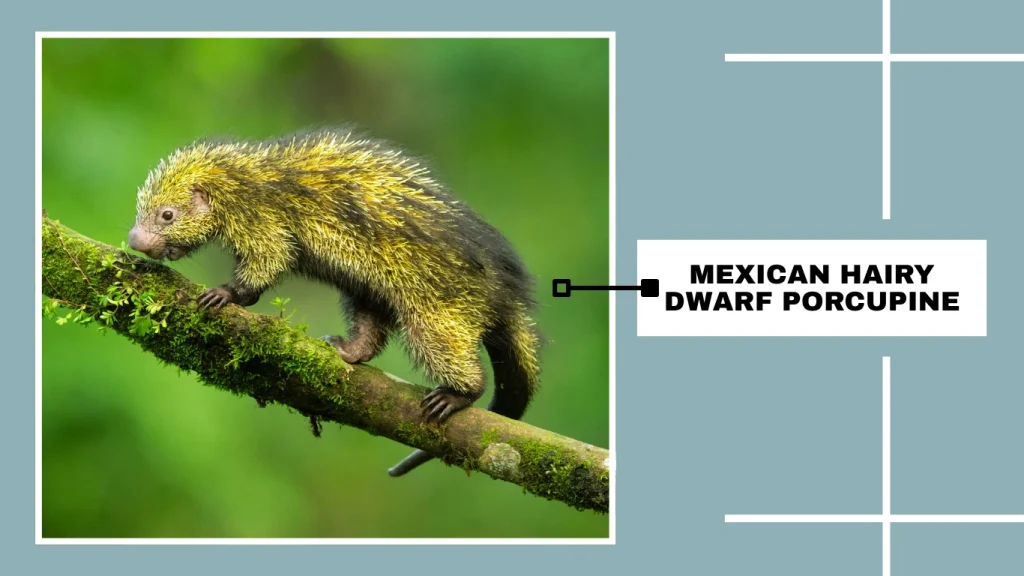
The Mexican Hairy Dwarf Porcupine is a small, arboreal rodent found in southern Mexico and parts of Central America.
Identification
- Size: 12–18 inches long (including tail)
- Weight: 3–5 pounds
- Color: Dark brown to black fur with soft, hair-like quills mixed in
- Features: Prehensile tail, rounded ears, and dense fur
Habitat and Range
Inhabits tropical forests and mountainous regions of Mexico, Guatemala, and Belize.
Diet and Feeding Habits
Feeds on leaves, fruits, flowers, and bark. Nocturnal and spends most of its time in trees.
Behavior and Traits
Solitary and nocturnal. Uses its prehensile tail to navigate the forest canopy. Plays a role in seed dispersal and maintaining forest ecosystems.
11. Rothschild’s Porcupine (Coendou rothschildi)

Rothschild’s Porcupine is a rare, arboreal species native to parts of northern South America.
Identification
- Size: 15–20 inches long (including tail)
- Weight: 4–6 pounds
- Color: Dark brown to black fur with mixed soft quills
- Features: Long prehensile tail, rounded ears, and dense fur
Habitat and Range
Found in the rainforests of Colombia and Venezuela. Prefers dense tropical forest canopy.
Diet and Feeding Habits
Feeds primarily on leaves, fruits, and flowers. Active mainly at night.
Behavior and Traits
Excellent climber using its prehensile tail for support. Solitary and elusive. Important for seed dispersal in rainforest ecosystems.
12. Brush-tailed Porcupine (Atherurus africanus)

The Brush-tailed Porcupine is a small to medium-sized African porcupine species named for its distinctive bushy tail.
Identification
- Size: 18–24 inches long (excluding tail)
- Weight: 6–12 pounds
- Color: Dark brown to black fur with long, sharp quills and a bushy tail covered in coarse hairs
- Features: Rounded body and strong claws for digging
Habitat and Range
Found in the forests and savannas of West and Central Africa, including countries like Ghana, Nigeria, and Cameroon.
Diet and Feeding Habits
Omnivorous—feeds on roots, tubers, fruits, insects, and small animals. Forages mostly at night.
Behavior and Traits
Nocturnal and solitary. Uses its tail for balance when climbing shrubs or trees. Plays a role in seed dispersal and pest control in its habitat.
13. Thin-spined Porcupine (Chaetomys subspinosus)
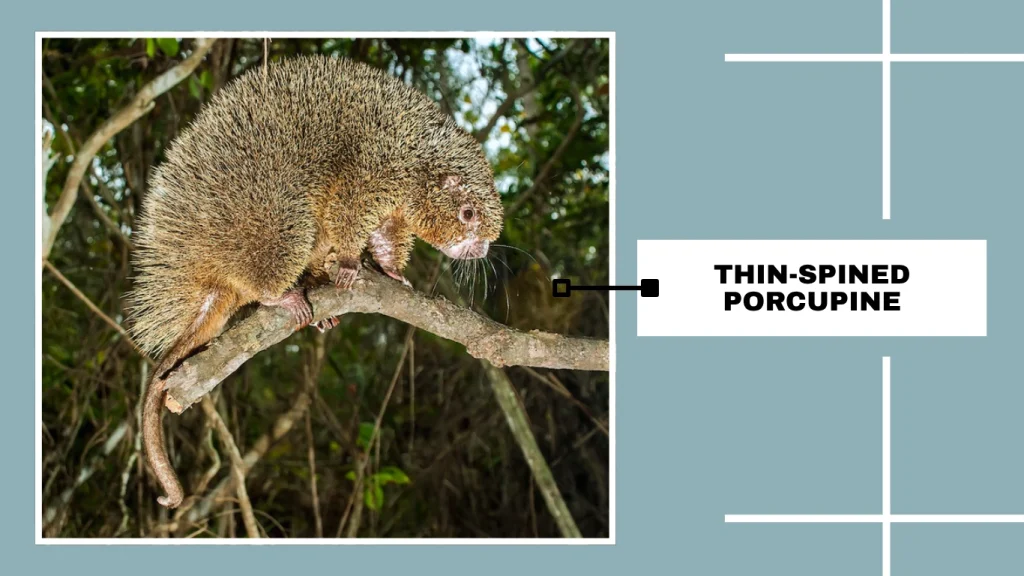
The Thin-spined Porcupine is a rare and unique species native to the Atlantic forests of Brazil, notable for its slender quills.
Identification
- Size: 14–18 inches long (excluding tail)
- Weight: 3–5 pounds
- Color: Brownish fur with thin, hair-like quills
- Features: Prehensile tail, small rounded ears, and soft fur interspersed with fine quills
Habitat and Range
Restricted to the Atlantic Forest biome in eastern Brazil. Prefers dense tropical and subtropical forests.
Diet and Feeding Habits
Primarily herbivorous—feeds on fruits, leaves, and bark.
Behavior and Traits
Nocturnal and arboreal. Solitary and elusive. Plays an important role in seed dispersal and forest regeneration. Classified as vulnerable due to habitat loss.
14. Black Dwarf Porcupine (Coendou nycthemera)

The Black Dwarf Porcupine is a small, nocturnal porcupine species native to the forests of northern South America.
Identification
- Size: 12–16 inches long (including tail)
- Weight: 3–5 pounds
- Color: Black or very dark brown fur mixed with soft quills
- Features: Prehensile tail, rounded ears, and dense fur
Habitat and Range
Found in lowland tropical forests of Venezuela, Colombia, and nearby areas. Prefers dense forest canopy.
Diet and Feeding Habits
Feeds on fruits, leaves, flowers, and buds. Mostly arboreal and nocturnal.
Behavior and Traits
Excellent climber using its tail for balance and grip. Solitary and secretive. Important for seed dispersal and forest ecosystem health.
15. African Brush-tailed Porcupine (Atherurus africanus)

The African Brush-tailed Porcupine is a nocturnal rodent native to the forests and savannas of West and Central Africa.
Identification
- Size: 18–24 inches long (excluding tail)
- Weight: 6–14 pounds
- Color: Dark brown to black fur with long, sharp quills
- Features: Bushy, brush-like tail covered with long hairs
Habitat and Range
Inhabits tropical rainforests, woodlands, and savannas across countries like Nigeria, Cameroon, and Ghana.
Diet and Feeding Habits
Omnivorous—feeds on roots, fruits, insects, and small animals. Forages primarily at night.
Behavior and Traits
Uses its bushy tail for balance when climbing shrubs and trees. Solitary and shy. Plays a role in seed dispersal and natural pest control in its environment.
16. Tree Porcupine (Coendou spp.)
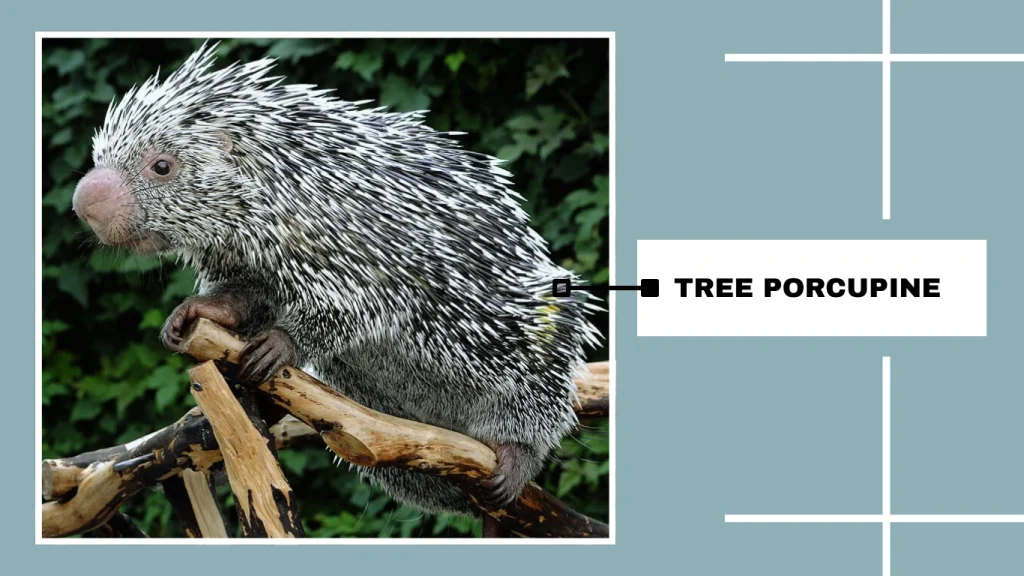
Tree porcupines, belonging to the genus Coendou, are arboreal rodents known for their prehensile tails and spiny coats, adapted to life in forest canopies.
Identification
- Size: Varies by species, generally 15–24 inches long (including tail)
- Weight: 3–7 pounds
- Color: Fur color varies from brown to black, often with mixed quills
- Features: Prehensile tail, sharp quills, and rounded ears
Habitat and Range
Found primarily in the tropical forests of Central and South America. Prefers dense forest canopies and wooded habitats.
Diet and Feeding Habits
Feeds mainly on leaves, fruits, flowers, and buds. Nocturnal and arboreal, using its tail for balance and grip.
Behavior and Traits
Solitary and elusive. Excellent climbers that spend most of their lives in trees. Important seed dispersers and contributors to forest health.
17. Cape Porcupine (Hystrix africaeaustralis)
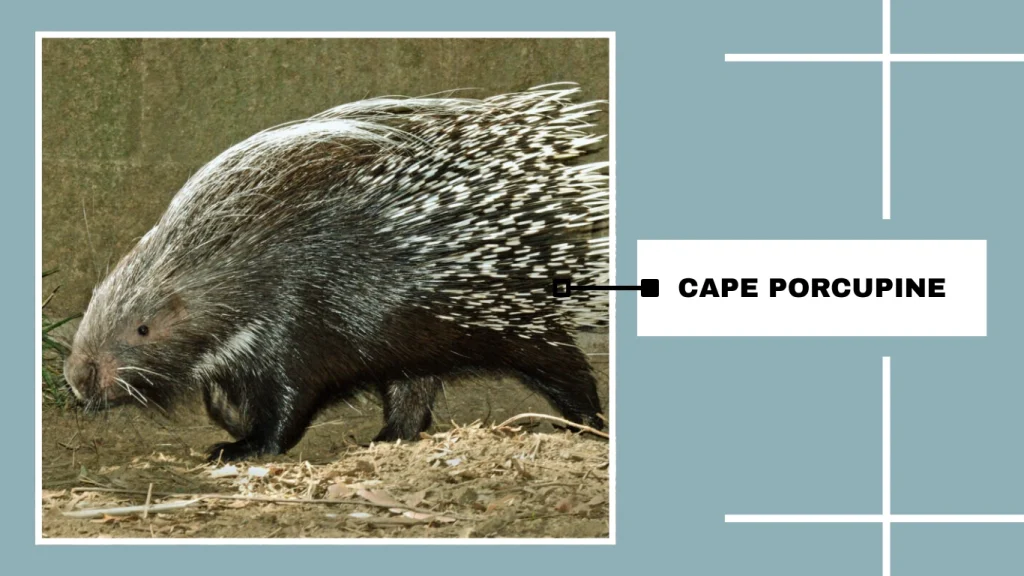
The Cape Porcupine is the largest porcupine species native to southern Africa, known for its impressive size and formidable quills.
Identification
- Size: 24–35 inches long (excluding tail)
- Weight: 20–35 pounds
- Color: Black or dark brown fur with long, sharp quills tipped in white
- Features: Stocky body, strong limbs, and a short, thick tail
Habitat and Range
Found throughout southern Africa in savannas, woodlands, and rocky areas. Often near water sources.
Diet and Feeding Habits
Herbivorous—feeds on roots, tubers, bark, fruits, and occasionally insects.
Behavior and Traits
Nocturnal and solitary. Uses its quills as a primary defense, capable of deterring large predators. Plays an important role in shaping vegetation and soil.
18. Andean Porcupine (Coendou quichua)

The Andean Porcupine is a nocturnal, arboreal species native to the Andean cloud forests.
Identification
- Size: 16–20 inches long (including tail)
- Weight: 5–7 pounds
- Color: Brownish fur with soft, mixed quills
- Features: Long, prehensile tail and rounded ears
Habitat and Range
Inhabits montane forests in Colombia, Ecuador, Peru, and Bolivia at elevations between 1,500 and 3,500 meters.
Diet and Feeding Habits
Feeds primarily on leaves, fruits, and buds. Active at night and spends most of its time in trees.
Behavior and Traits
Solitary and elusive. Plays a vital role in seed dispersal and forest regeneration. Adapted to cooler, high-altitude environments.
19. Brazilian Dwarf Porcupine (Coendou spinosus)
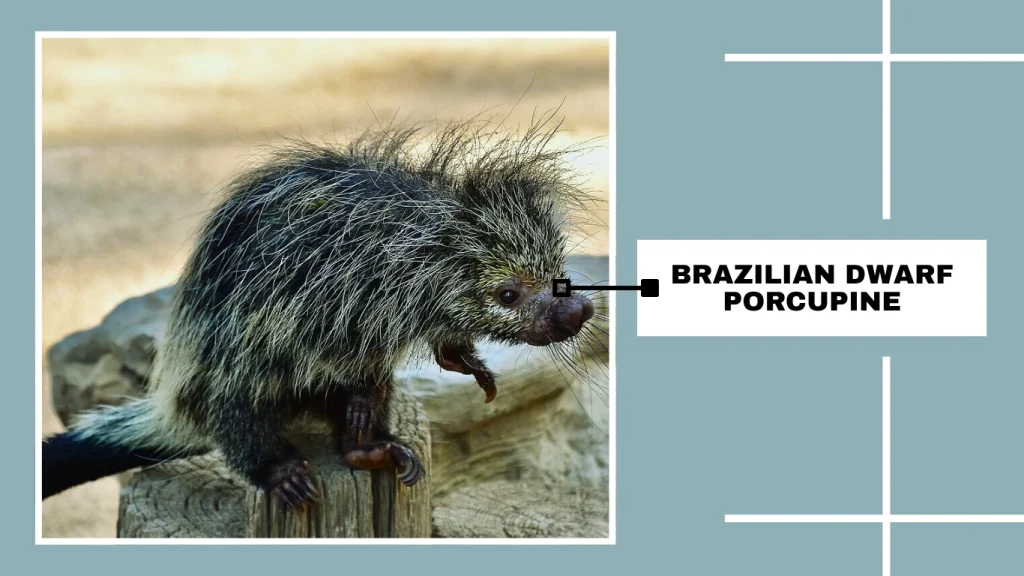
The Brazilian Dwarf Porcupine is a small, arboreal species native to the tropical forests of South America.
Identification
- Size: 12–16 inches long (including tail)
- Weight: 3–5 pounds
- Color: Brown to dark fur with soft, short quills
- Features: Prehensile tail, rounded ears, and dense fur
Habitat and Range
Found in the Amazon rainforest and surrounding tropical forests in Brazil and neighboring countries.
Diet and Feeding Habits
Feeds on leaves, fruits, and flowers. Nocturnal and agile climber.
Behavior and Traits
Solitary and secretive. Important for seed dispersal and maintaining forest biodiversity.
20. Prehensile-tailed Porcupine (Coendou prehensilis)
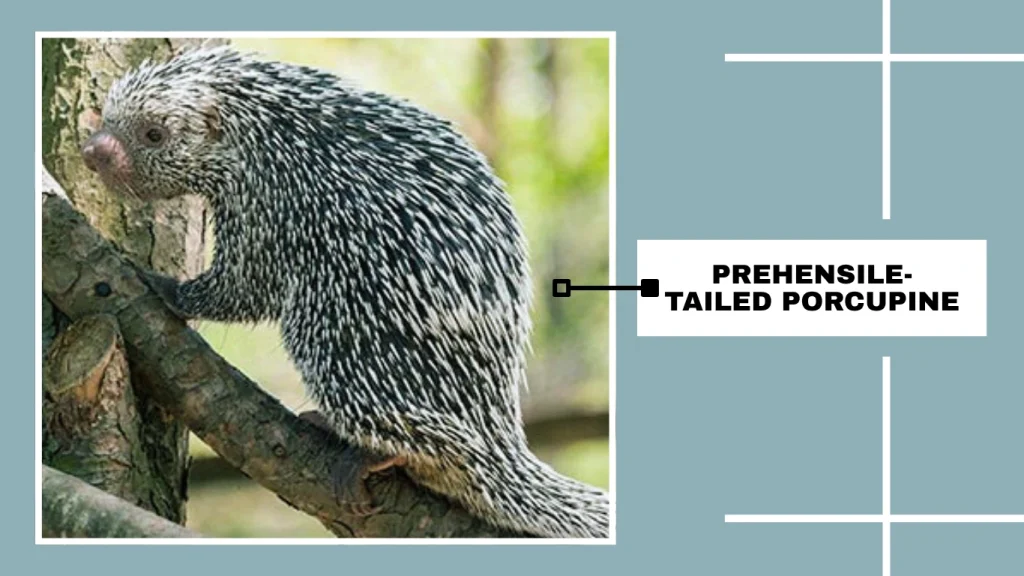
The Prehensile-tailed Porcupine is named for its highly flexible tail, which it uses to grasp branches as it moves through trees.
Identification
- Size: 16–22 inches long (including tail)
- Weight: 4–7 pounds
- Color: Dark brown or black fur with soft quills
- Features: Long prehensile tail, rounded ears, and sharp quills
Habitat and Range
Inhabits forests throughout northern South America, including the Amazon basin.
Diet and Feeding Habits
Feeds on leaves, fruits, and buds. Nocturnal and arboreal.
Behavior and Traits
Excellent climber using its tail for balance. Plays a key role in seed dispersal and forest ecology.
21. Malayan Porcupine (Hystrix brachyura)
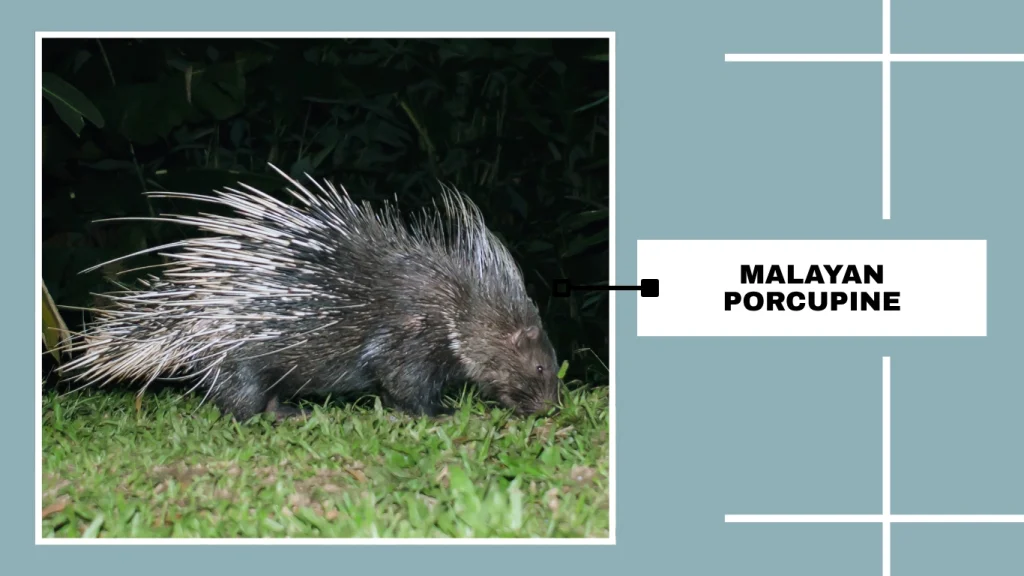
The Malayan Porcupine is a medium-sized porcupine native to Southeast Asia, known for its dense coat of sharp quills.
Identification
- Size: 24–30 inches long (excluding tail)
- Weight: 15–30 pounds
- Color: Dark brown to black fur with long, white-tipped quills
- Features: Stocky body with a crest of quills on the head and back
Habitat and Range
Found in tropical forests, plantations, and scrublands across Malaysia, Thailand, Indonesia, and parts of Myanmar.
Diet and Feeding Habits
Feeds on roots, tubers, fruits, bark, and occasionally small animals.
Behavior and Traits
Nocturnal and solitary. Uses quills for defense by raising and rattling them. Important for seed dispersal and ecosystem balance.
22. Long-tailed Porcupine (Trichys fasciculata)
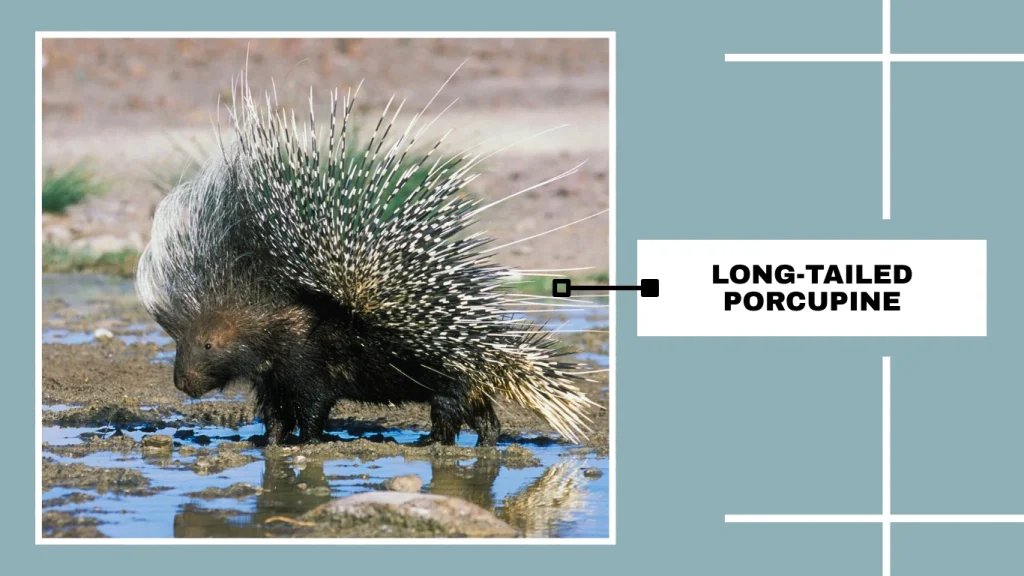
The Long-tailed Porcupine is a small, arboreal porcupine species native to Southeast Asia.
Identification
- Size: 15–20 inches long (excluding tail)
- Weight: 3–6 pounds
- Color: Brownish fur with fine quills
- Features: Exceptionally long, prehensile tail, rounded ears, and soft quills
Habitat and Range
Found in tropical forests of Malaysia, Thailand, and Indonesia.
Diet and Feeding Habits
Feeds on fruits, leaves, bark, and flowers. Mostly nocturnal and arboreal.
Behavior and Traits
Uses its long tail for climbing and balance. Plays an important role in forest seed dispersal and ecosystem health.
23. Pale-throated Porcupine (Coendou melanurus)

The Pale-throated Porcupine is a medium-sized, nocturnal porcupine native to northern South America.
Identification
- Size: 16–22 inches long (including tail)
- Weight: 4–7 pounds
- Color: Dark brown fur with pale coloration on the throat and underside
- Features: Prehensile tail, sharp quills, and rounded ears
Habitat and Range
Inhabits tropical rainforests in countries such as Venezuela, Colombia, and Brazil.
Diet and Feeding Habits
Feeds on fruits, leaves, flowers, and bark. Nocturnal and primarily arboreal.
Behavior and Traits
Solitary and elusive. Plays a key role in seed dispersal and forest ecology.
24. Brown Hairy Dwarf Porcupine (Coendou vestitus)

The Brown Hairy Dwarf Porcupine is a small, arboreal porcupine species native to the montane forests of South America.
Identification
- Size: 12–16 inches long (including tail)
- Weight: 3–5 pounds
- Color: Brown fur mixed with soft quills
- Features: Prehensile tail and rounded ears
Habitat and Range
Found in montane cloud forests in Colombia, Ecuador, and Venezuela.
Diet and Feeding Habits
Feeds on leaves, fruits, and buds. Nocturnal and skilled climber.
Behavior and Traits
Solitary and rarely seen. Important for seed dispersal and forest regeneration in montane ecosystems.
25. Western Tree Porcupine (Coendou baturitensis)
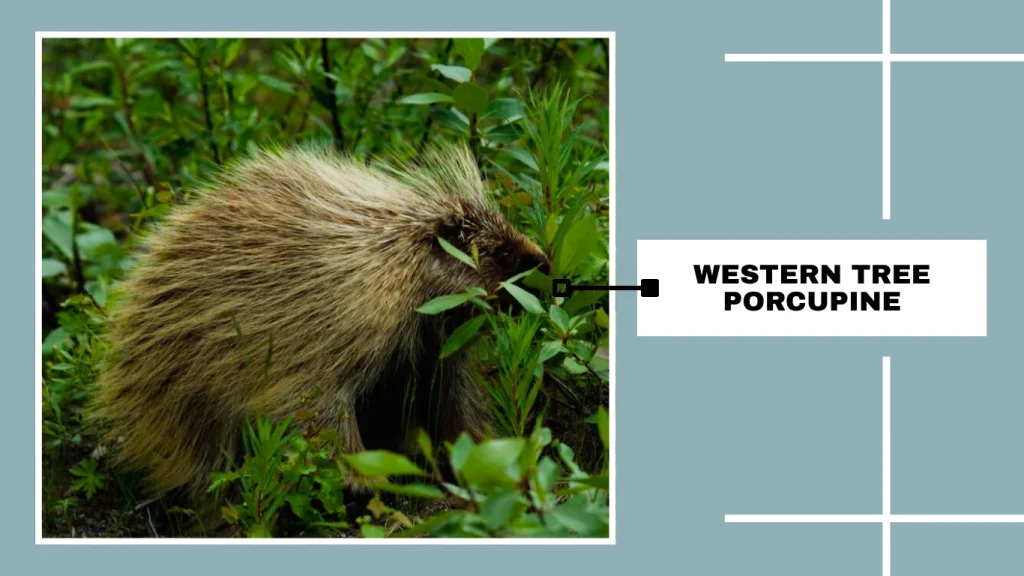
The Western Tree Porcupine is a small, arboreal porcupine species endemic to northeastern Brazil.
Identification
- Size: 14–18 inches long (including tail)
- Weight: 3–5 pounds
- Color: Dark brown to black fur with soft quills
- Features: Prehensile tail, rounded ears, and dense fur
Habitat and Range
Restricted to the Atlantic Forest region of northeastern Brazil. Prefers dense, humid tropical forests.
Diet and Feeding Habits
Feeds on leaves, fruits, flowers, and bark. Mostly nocturnal and arboreal.
Behavior and Traits
Solitary and elusive. Plays a crucial role in seed dispersal and maintaining forest health. Considered vulnerable due to habitat loss and fragmentation.