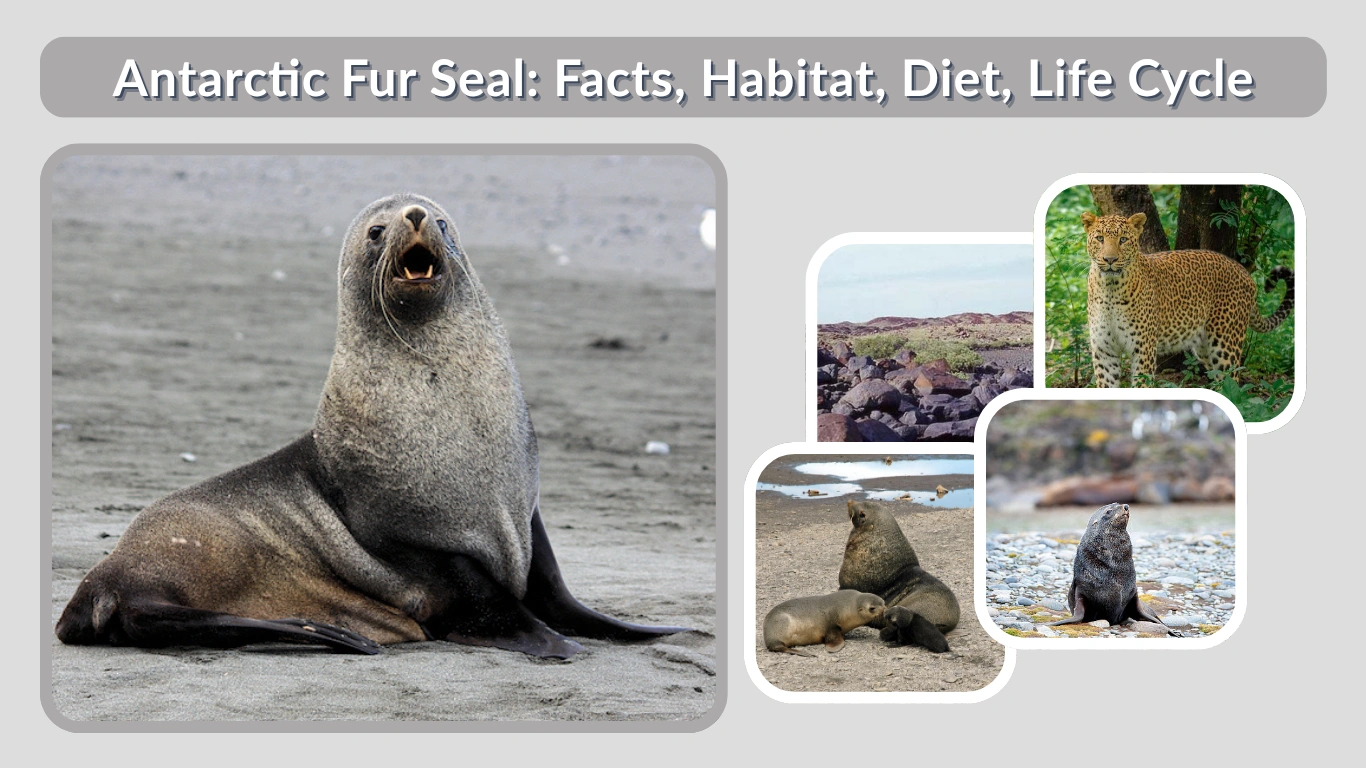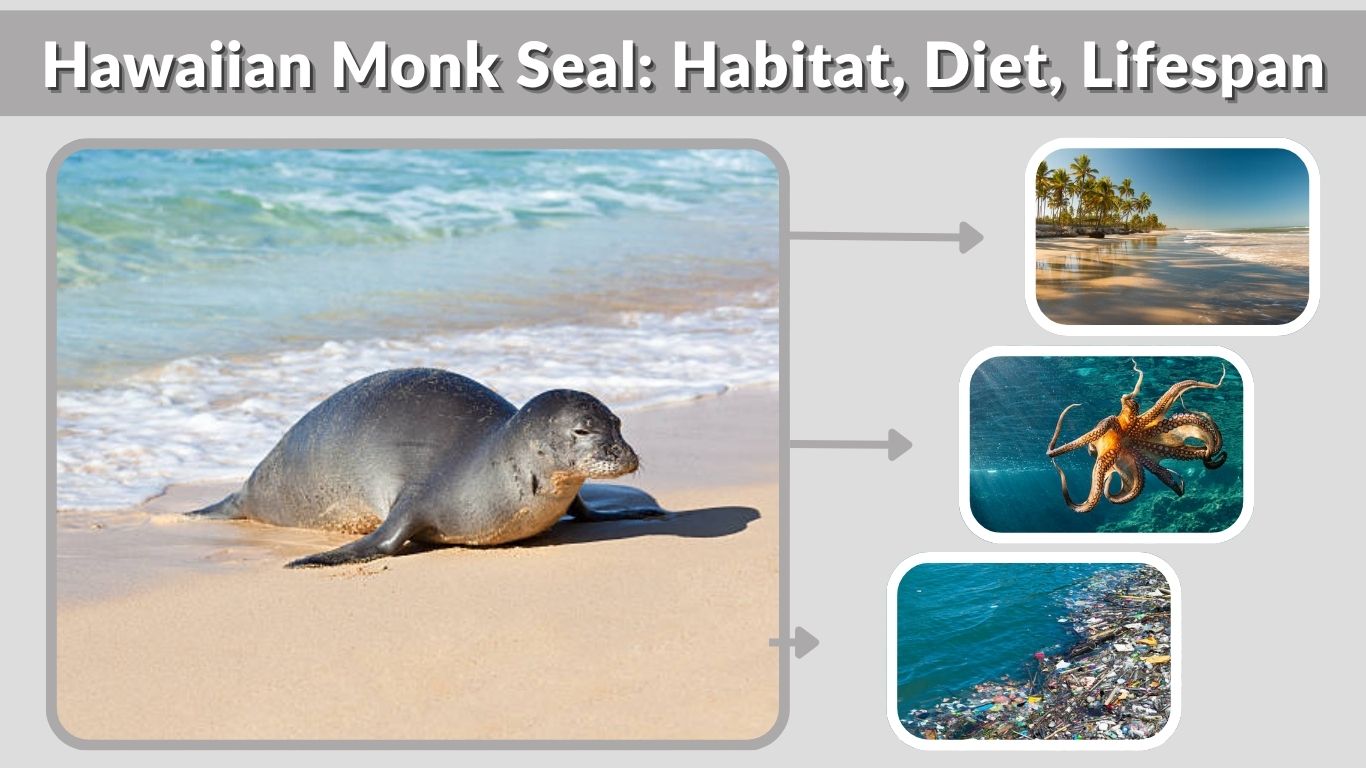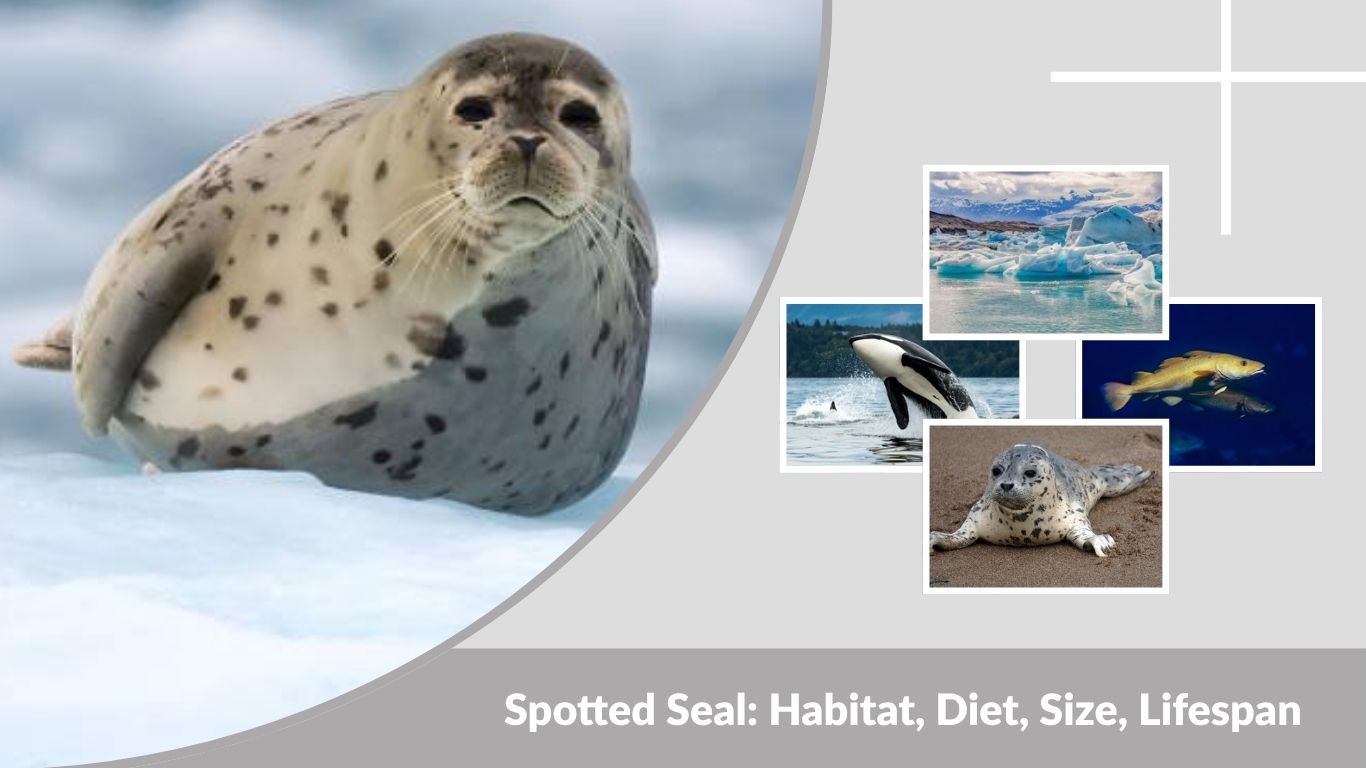





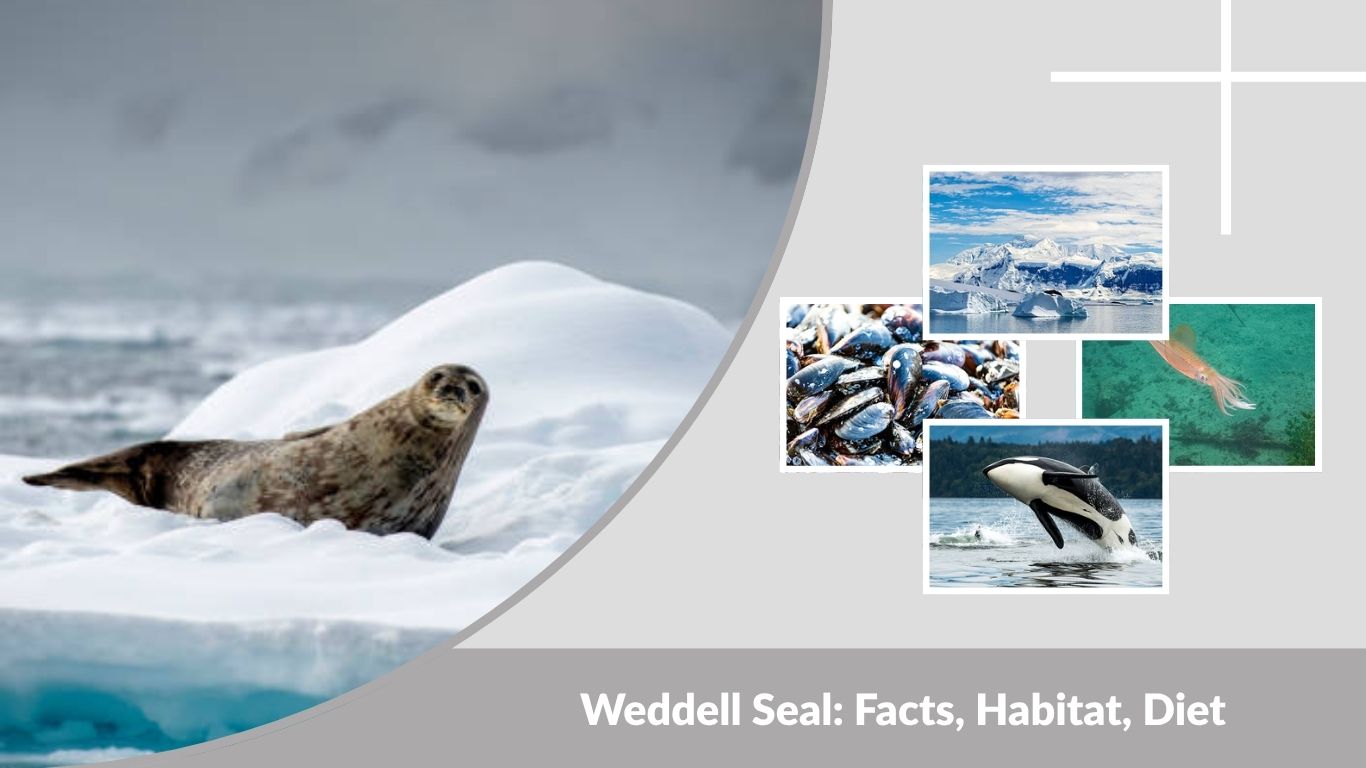
The Weddell seal is one of the most well-adapted marine mammals living in the extreme conditions of Antarctica. Known for its calm nature and incredible diving ability, this seal thrives in icy waters where few animals can survive. Weddell seals are among the southernmost mammals on Earth and play an important role in the Antarctic ecosystem. Their unique adaptations allow them to live beneath thick sea ice, making them a fascinating subject for scientists and wildlife enthusiasts.
What is a Weddell Seal?
The Weddell seal (Leptonychotes weddellii) is a large species of earless seal belonging to the family Phocidae. It is named after British explorer James Weddell, who explored the Antarctic region in the early 19th century. These seals are commonly found along the Antarctic coastline and are known for their ability to survive in one of the harshest environments on the planet.
Weddell seals are less aggressive compared to other seal species and are often observed resting on ice or swimming beneath it. Their ability to live year-round in Antarctica makes them unique among marine mammals.
Weddell Seal Physical Characteristics
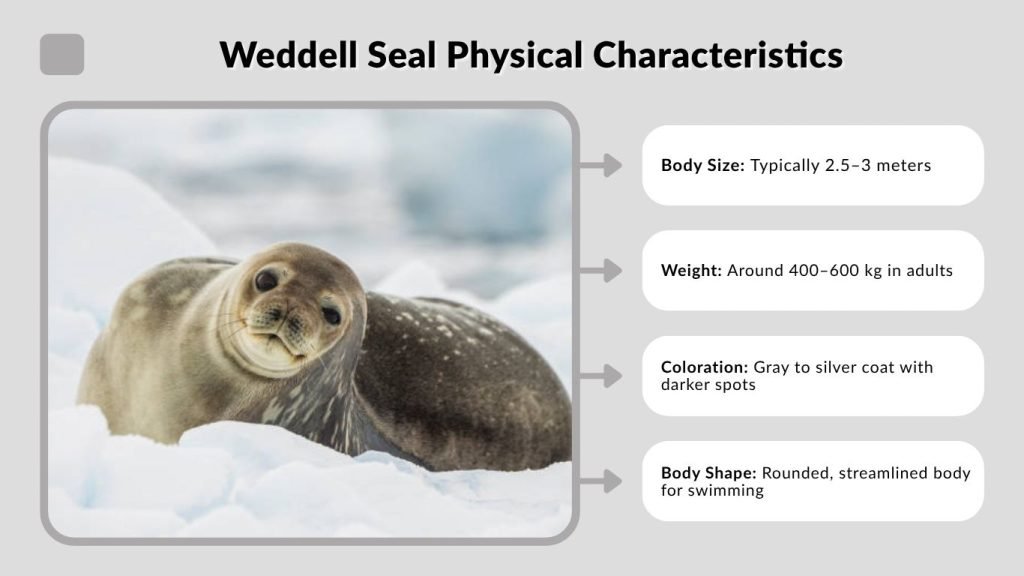
Weddell seals are large, robust marine mammals specially adapted to survive in the freezing conditions of Antarctica. Their bodies are designed for efficient swimming, deep diving, and maintaining body heat in icy waters. With a smooth coat and thick insulation, they are well suited for life beneath and on top of sea ice.
Key Physical Features:
- Body Size: Typically 2.5–3 meters (8–10 feet) long
- Weight: Around 400–600 kg in adults
- Coloration: Gray to silver coat with darker spots
- Body Shape: Rounded, streamlined body for swimming
- Blubber Layer: Thick fat layer for insulation and energy storage
- Head and Snout: Short snout with a broad, rounded head
- Teeth: Strong teeth used to maintain breathing holes in ice
- Flippers: Powerful flippers for movement in water and on ice
Weddell Seal Habitat and Distribution
Geographic Location
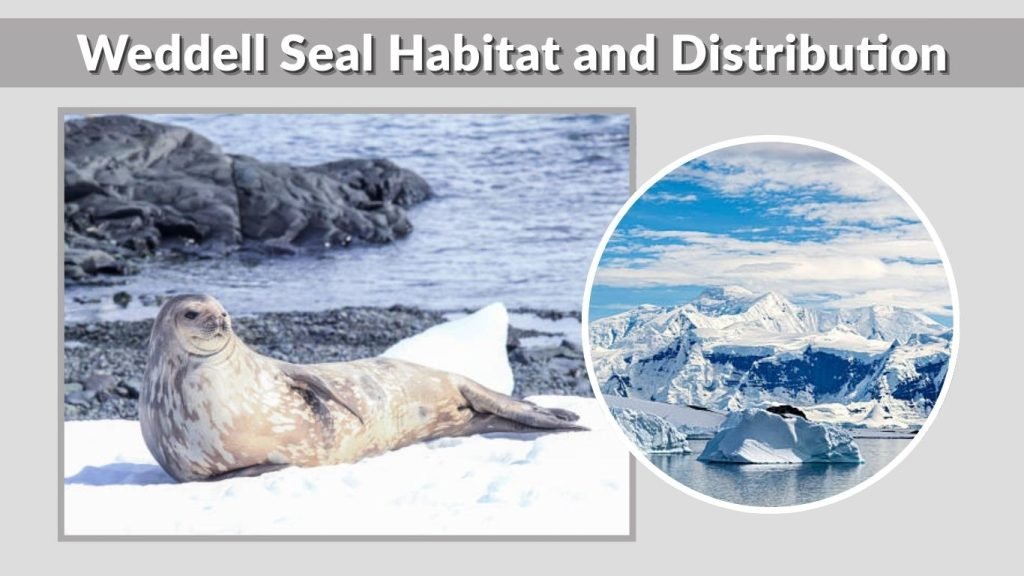
Weddell seals are found primarily along the coast of Antarctica. They inhabit the Southern Ocean and are often seen near stable sea ice areas. Their distribution is closely linked to the presence of ice, which they rely on for survival.
Ice-Dependent Life
These seals are strongly associated with fast ice—thick, stable ice attached to the coastline. They maintain breathing holes in the ice using their teeth, which allows them to stay submerged for long periods while still having access to air.
Environmental Conditions
Weddell seals are highly adapted to extreme cold. They can survive in temperatures far below freezing and are capable of living in remote areas where few predators or competitors exist. Their ability to remain in such harsh conditions year-round makes them one of the most resilient seal species.
Weddell Seal Behavior and Adaptations
Social Behavior
Unlike some solitary seal species, Weddell seals are relatively social and can often be seen in small groups resting on the ice. However, they do not form large colonies like some other marine mammals.
Diving Ability
Weddell seals are exceptional divers. They can dive to depths of over 600 meters and remain underwater for up to an hour. Their bodies are specially adapted to store oxygen efficiently, allowing them to hunt and travel beneath the ice for extended periods.
Ice Survival Skills
One of the most remarkable adaptations of Weddell seals is their ability to maintain breathing holes in thick ice. They use their teeth to scrape and keep these holes open, ensuring they always have access to air even when surrounded by frozen water.
Weddell Seal Diet and Feeding Habits
Main Food Sources
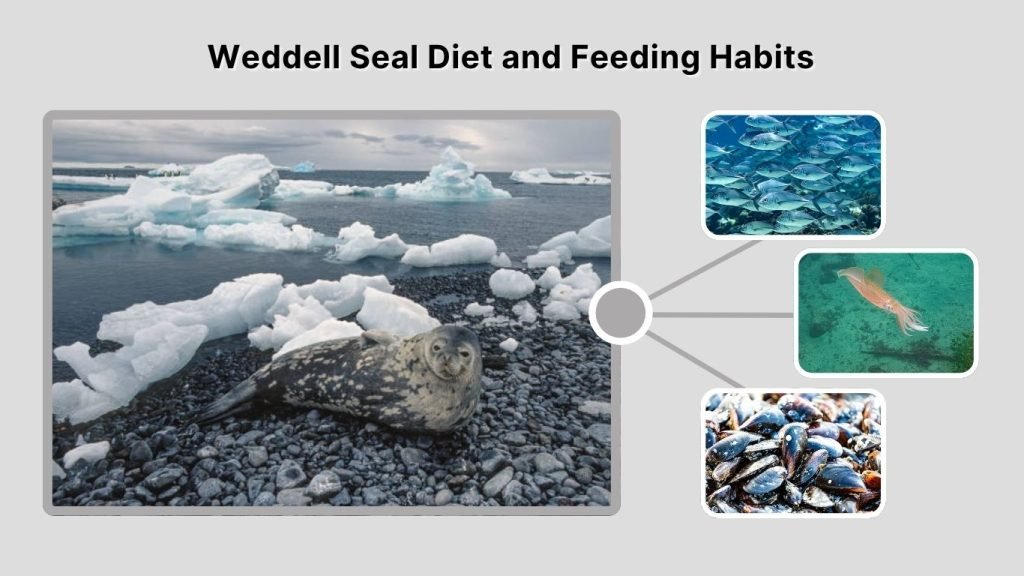
Weddell seals primarily feed on fish, squid, and crustaceans. Antarctic fish make up a large portion of their diet, providing the energy needed to survive in cold environments.
Hunting Techniques
They hunt beneath the ice, using their sensitive whiskers to detect prey in dark waters. Their excellent diving ability allows them to reach depths where many other predators cannot go.
Role in Ecosystem
Weddell seals play an important role as mid-level predators in the Antarctic food web. They help control fish and squid populations and serve as prey for larger predators, maintaining balance in the ecosystem.
Weddell Seal Reproduction and Life Cycle
Breeding Season
Weddell seals breed during the Antarctic spring, typically between September and November. During this period, males establish underwater territories and use vocalizations to attract females. These sounds can travel long distances beneath the ice.
Birth and Pups
Female Weddell seals give birth to a single pup on stable sea ice. Pups are born with a soft, gray coat and rely entirely on their mother for nourishment. The nursing period lasts about 6 to 7 weeks, during which the pup grows rapidly and develops the strength needed to swim and dive.
Lifespan
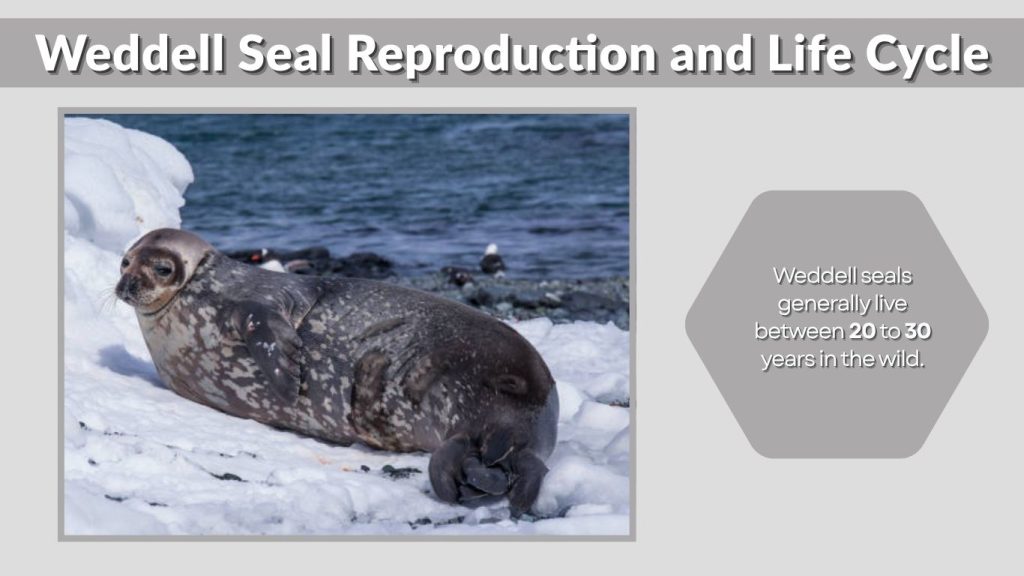
Weddell seals generally live between 20 to 30 years in the wild. Their survival depends on environmental conditions, food availability, and predation risks.
Weddell Seal Predators and Threats
Natural Predators
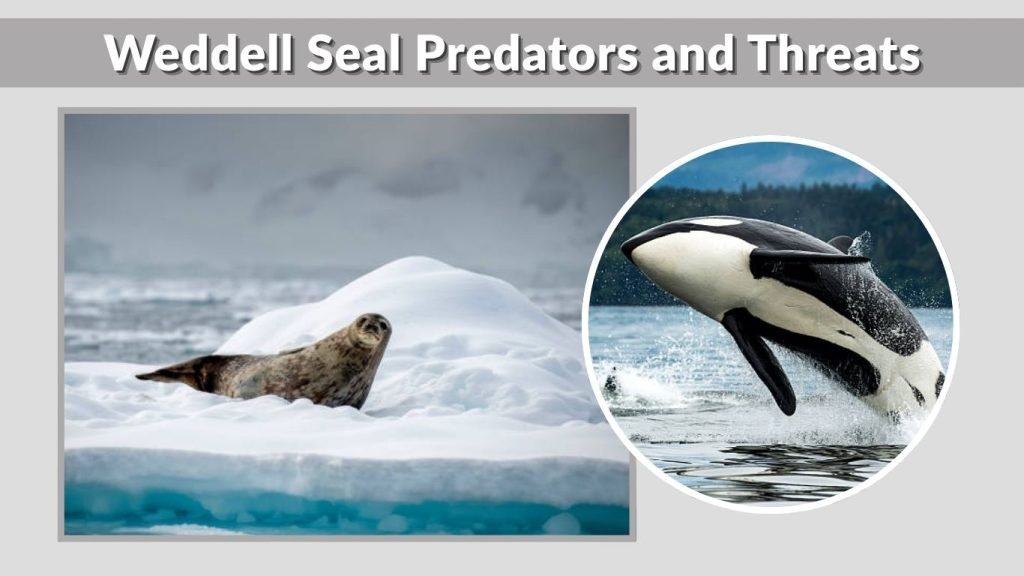
Weddell seals face threats mainly from killer whales (orcas), which hunt them in open water. Leopard seals may also prey on young pups, especially when they are vulnerable near the ice.
Environmental Threats
Climate change is a growing concern for Weddell seals. Changes in sea ice patterns can affect their habitat, breeding areas, and access to food. Stable ice is crucial for their survival.
Human Impact
Although Weddell seals are not heavily hunted, human activities such as climate change, pollution, and increased presence in Antarctic waters may pose future risks to their population.
Conservation Status
Weddell seals are currently classified as “Least Concern” by the IUCN, indicating a stable population. However, ongoing environmental changes, especially those affecting sea ice, are being closely monitored by scientists to ensure their long-term survival.
Interesting Weddell Seal Facts
- Weddell seals are among the best divers of all seals.
- They can remain underwater for up to an hour.
- They live farther south than any other mammal.
- They use their teeth to maintain breathing holes in ice.
- They produce a wide range of underwater vocal sounds.
Weddell Seal vs Other Seals
Weddell Seal vs Leopard Seal
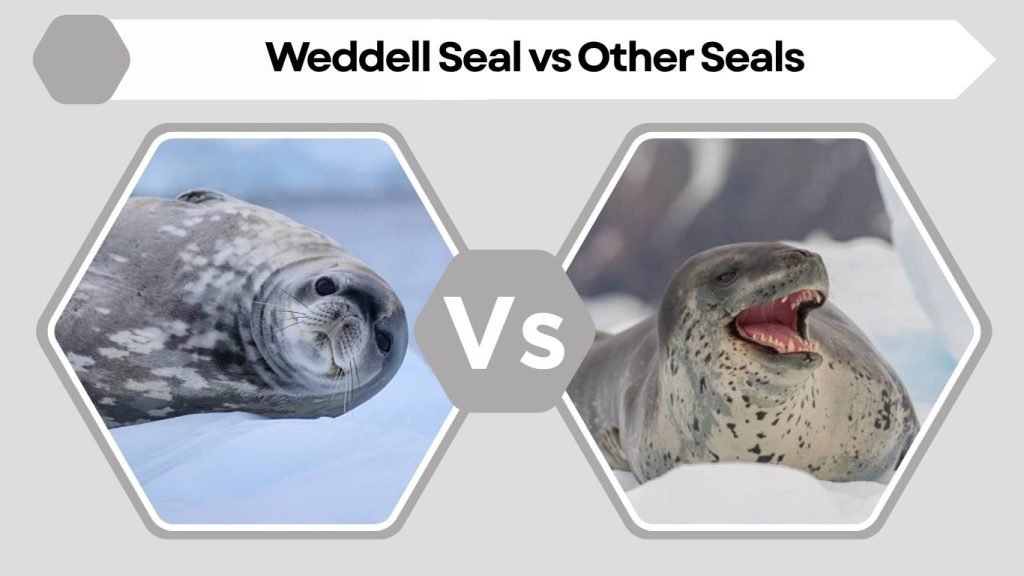
Weddell seals are calm and feed mainly on fish and squid, while leopard seals are aggressive predators that hunt larger prey like penguins and other seals.
Weddell Seal vs Elephant Seal
Elephant seals are much larger and migrate long distances, whereas Weddell seals remain in Antarctic regions year-round and rely heavily on sea ice.
FAQs
What do Weddell seals eat?
They mainly eat fish, squid, and crustaceans found in Antarctic waters.
Where do Weddell seals live?
They live along the Antarctic coastline and in the Southern Ocean, often near stable sea ice.
How long do Weddell seals live?
They typically live between 20 to 30 years in the wild.
Are Weddell seals endangered?
No, they are currently listed as Least Concern, but climate change may impact them in the future.
How do Weddell seals survive under ice?
They maintain breathing holes in the ice using their teeth and have adaptations that allow them to dive and conserve oxygen efficiently.
Conclusion
The Weddell seal is a remarkable marine mammal perfectly adapted to life in Antarctica’s extreme conditions. From its incredible diving ability to its unique method of maintaining breathing holes in ice, it stands out as one of the most resilient seal species. While currently stable in population, the challenges posed by climate change highlight the importance of continued conservation efforts. Protecting Weddell seals ensures the preservation of a vital part of the Antarctic ecosystem.