
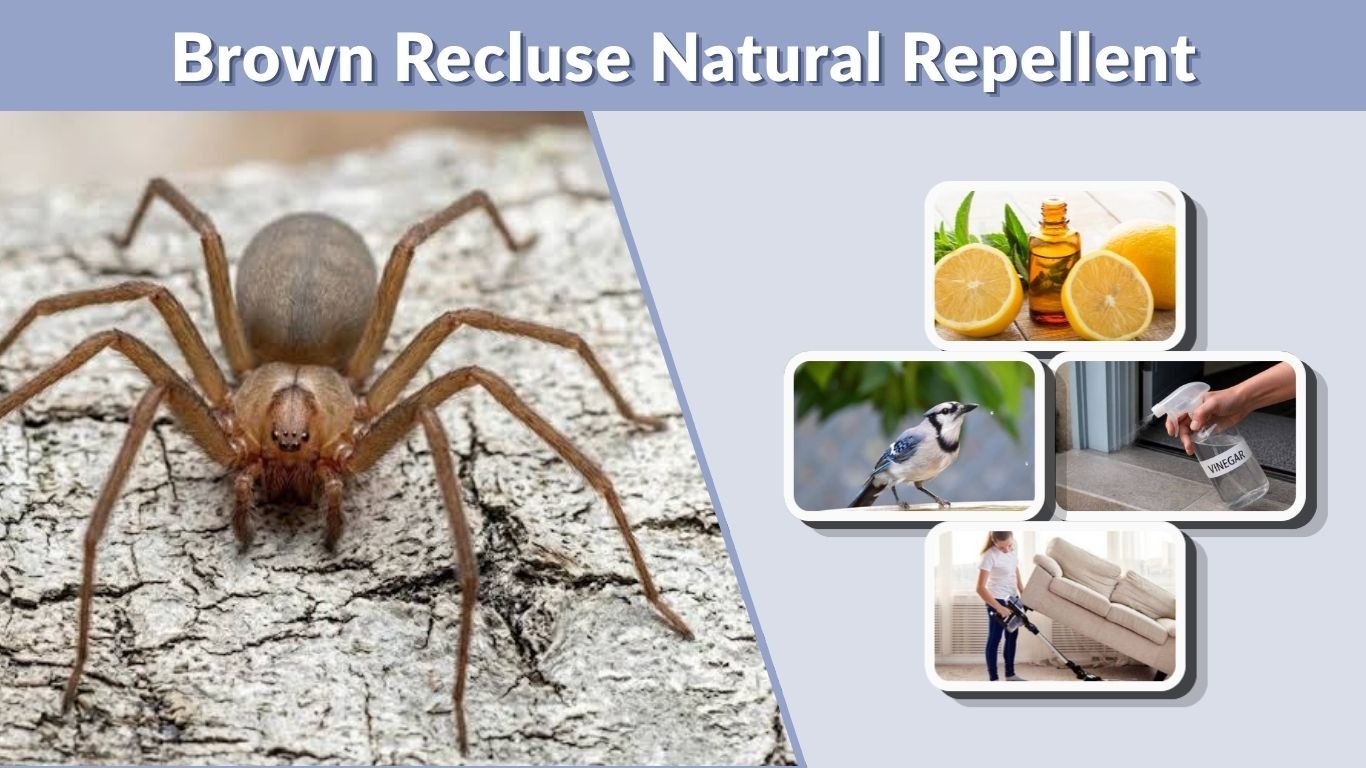
Many people look for a brown recluse natural repellent because they want to keep spiders away without harsh chemicals. Natural prevention can help reduce spider activity, but it is important to understand one thing first: sprays made with peppermint oil, vinegar, citrus, or herbs may repel some spiders for a short time, but they are not enough to control a real brown recluse infestation. The best natural approach is habitat control, clutter reduction, sealing entry points, sticky traps, and reducing the insects that spiders eat.
Do Natural Repellents Work for Brown Recluse Spiders?
Natural repellents may help discourage spiders from certain areas, but they should not be your only control method. Brown recluse spiders are secretive. They hide in dark, dry, quiet places such as boxes, closets, basements, garages, attics, and storage rooms.
Most natural sprays only affect surfaces for a short period. Once the smell fades, spiders may return. Also, brown recluse spiders do not groom themselves like many insects, so contact-based natural sprays are not always reliable.
Best Natural Control Methods
- Reduce clutter
- Use sticky traps
- Seal cracks and gaps
- Vacuum hiding areas
- Store items in plastic bins
- Remove insect prey
- Keep beds and clothing away from spider hiding spots
Extension sources often recommend sticky traps as one of the most useful ways to monitor and reduce brown recluse spiders indoors. Texas A&M notes that sticky cards can trap brown recluse spiders and help track control progress over time.
What Repels Brown Recluse Spiders Naturally?
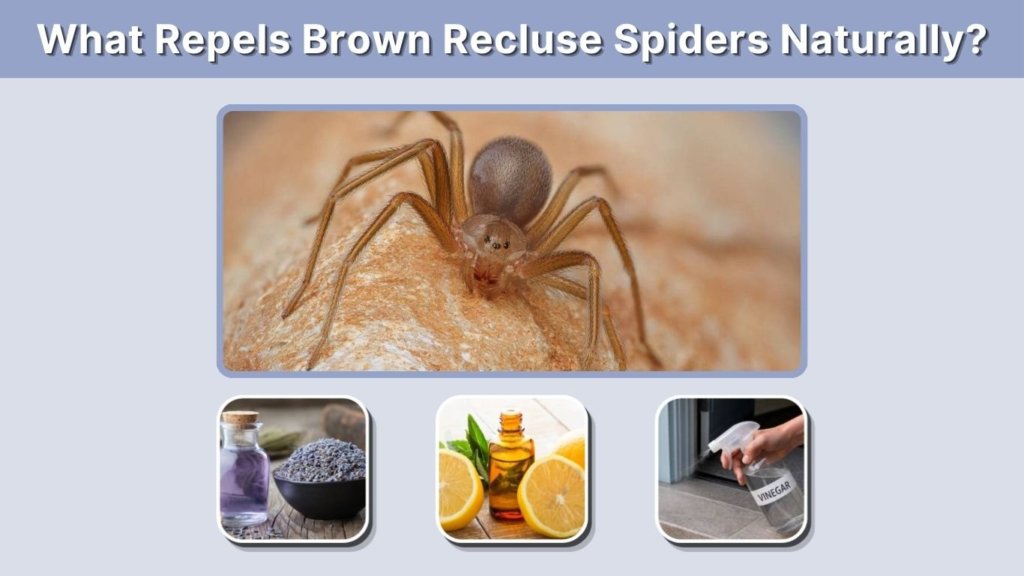
Some smells may discourage spiders temporarily, especially in low-activity areas. These are better described as deterrents, not guaranteed repellents.
| Natural Repellent | How It May Help | Limit |
|---|---|---|
| Peppermint oil | Strong smell may deter spiders briefly | Needs frequent reapplication |
| Vinegar spray | Strong odor may disturb spiders | Not reliable for infestations |
| Citrus oil | May repel some crawling pests | Short-lasting |
| Cedar | May discourage some insects and spiders | Works better in storage than open rooms |
| Lavender oil | Strong scent may deter spiders | Weak evidence for serious control |
| Diatomaceous earth | Can kill some crawling pests by drying them out | Must stay dry and be placed carefully |
Peppermint Oil for Brown Recluse Spiders
Peppermint oil is one of the most popular natural spider repellents. It has a strong smell that may discourage spiders from crossing treated areas. However, it does not solve the source of the problem.
How to Use It
Mix a few drops of peppermint essential oil with water and a small amount of mild dish soap in a spray bottle. Spray around baseboards, window frames, door gaps, closets, and storage areas. Reapply every few days because the smell fades.
Safety Note
Do not spray essential oils directly on pets, bedding, food surfaces, or children’s items. Essential oils can irritate skin, eyes, lungs, and pets. Cats are especially sensitive to many essential oils.
Vinegar as a Brown Recluse Deterrent

Vinegar is sometimes suggested as a natural spider spray. Its strong smell may disturb spiders, but it is not a dependable brown recluse killer or long-term repellent.
Where to Use It
You can use diluted vinegar to wipe hard surfaces, shelves, corners, and window areas. It may help clean up dust and odors while making the area less attractive to pests.
What It Cannot Do
Vinegar will not remove hidden spider populations in wall voids, cluttered storage rooms, cardboard boxes, or garages. It also will not stop spiders if the home has many insects for them to eat.
Cedar, Citrus, and Lavender
Cedar, citrus, and lavender are often used as natural pest deterrents. They may help in closets, drawers, and storage containers, but they are not strong enough to control a heavy brown recluse problem.
Best Uses
- Cedar blocks in closets
- Lavender sachets in storage bins
- Citrus cleaning spray around windows
- Cedar-lined storage for clothing
- Light scent barriers near entry points
These methods work best as part of prevention, not as a full treatment.
Diatomaceous Earth for Brown Recluse Spiders
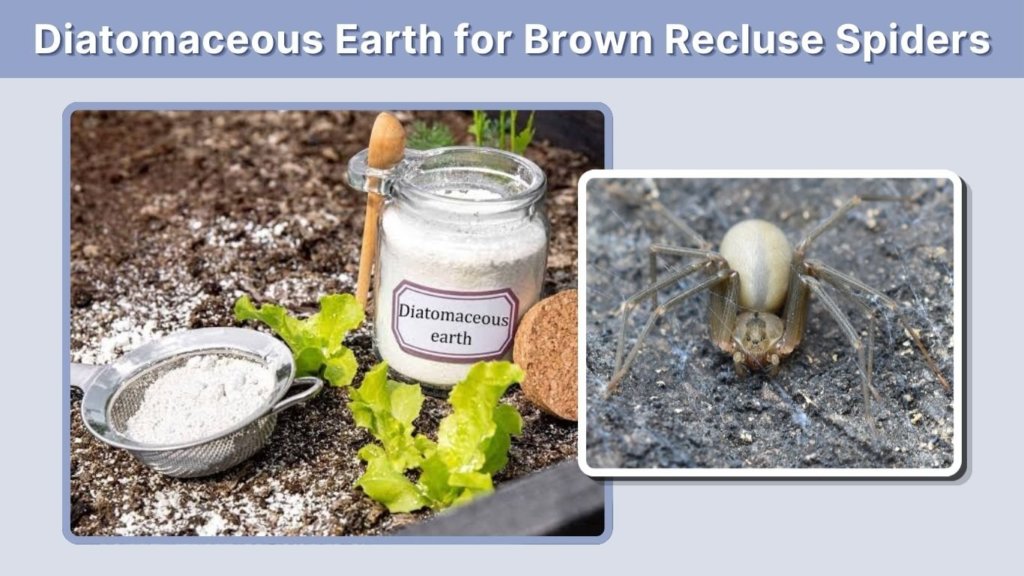
Food-grade diatomaceous earth is a natural powder sometimes used against crawling pests. It can damage the outer layer of insects and some arthropods, causing them to dry out. However, it must stay dry and be placed where pests actually walk.
How to Use It Carefully
Apply a very thin layer in cracks, wall edges, behind appliances, under storage shelves, and along garage edges. Do not make thick piles. Thick piles are easier for pests to avoid and can become messy.
Safety Note
Avoid breathing the dust. Wear a mask during application and keep it away from children, pets, fans, and air vents.
What Kills Brown Recluse Spiders Naturally?
The most effective natural “killer” is usually not a spray. It is a combination of trapping, vacuuming, and removing hiding places.
Natural Ways to Reduce Brown Recluse Spiders
- Vacuum spiders, webs, egg sacs, and shed skins.
- Place sticky traps along walls and behind furniture.
- Remove cardboard boxes from closets and garages.
- Store seasonal items in sealed plastic bins.
- Shake out shoes, gloves, and clothing before use.
- Keep beds away from walls.
- Reduce insects that spiders feed on.
- Seal gaps around doors, pipes, windows, and baseboards.
University of Kentucky guidance recommends placing glue traps in corners, along baseboards, at wall-floor edges, behind furniture, and near clutter because brown recluse spiders tend to travel in these areas.
Natural Brown Recluse Control Indoors
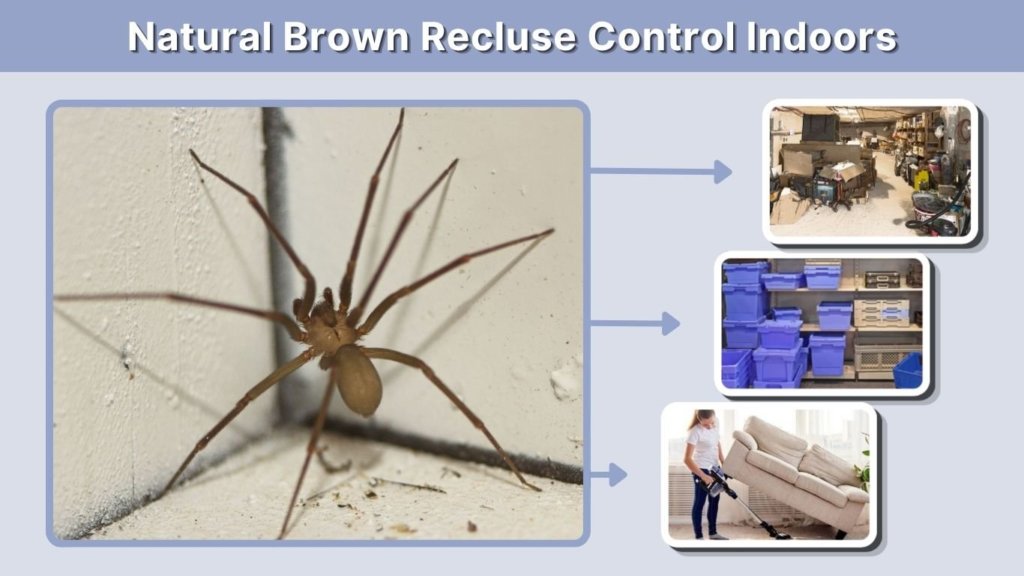
Natural brown recluse control should focus on making the home less suitable for spiders. Brown recluses prefer quiet, undisturbed areas. The more clutter, cardboard, and hiding spaces you have, the harder they are to control.
Step-by-Step Indoor Control
- Remove clutter from closets, basements, garages, and attics.
- Replace cardboard boxes with sealed plastic containers.
- Vacuum corners, baseboards, under beds, and behind furniture.
- Place sticky traps along walls and in quiet areas.
- Seal gaps around doors, windows, vents, and utility lines.
- Keep clothing, towels, and shoes off the floor.
- Inspect stored items before bringing them into living areas.
This approach works better than simply spraying a natural scent around the room.
Natural Brown Recluse Control Outdoors
Outdoor prevention matters because spiders and their prey may live around the home. Even though brown recluses are often indoor pests in their range, reducing outdoor shelter can lower risk.
Outdoor Prevention Tips
- Move firewood away from the house.
- Remove piles of leaves, lumber, and debris.
- Trim vegetation away from the foundation.
- Seal cracks in siding and foundation gaps.
- Keep outdoor lights off when not needed.
- Use yellow or warm outdoor bulbs to attract fewer insects.
- Keep garages and sheds organized.
Reducing insects is important because spiders follow food. If lights attract flies, moths, and other insects, spiders may become more active nearby.
Brown Recluse Natural Predators
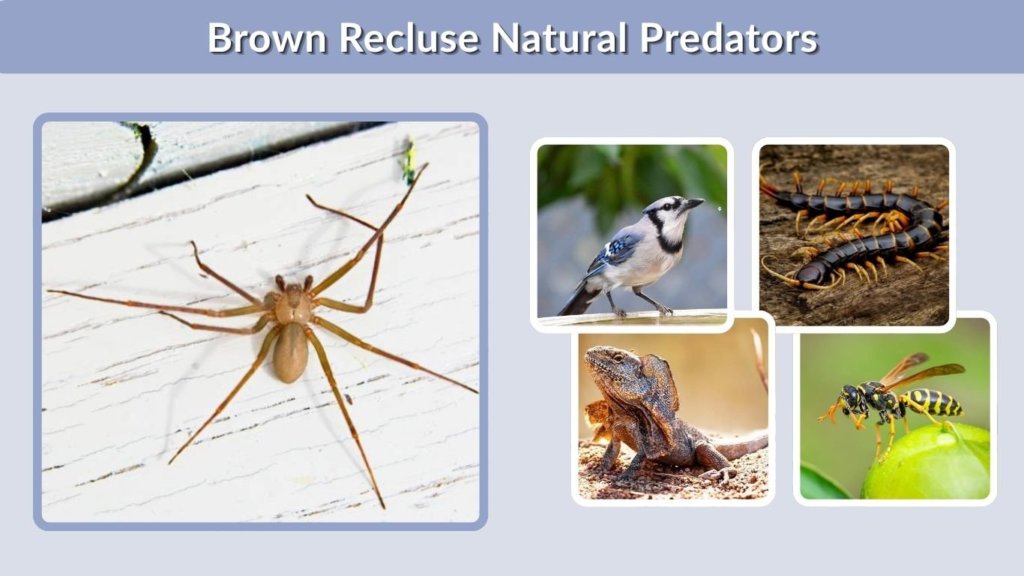
Brown recluse spiders do have natural enemies, but relying on predators is not a practical indoor control method. Other spiders, centipedes, wasps, birds, lizards, and small animals may eat spiders outdoors, but you do not want to introduce predators into your home.
Common Natural Enemies
- Other spiders
- Centipedes
- Birds
- Lizards
- Wasps
- Small mammals
Natural predators can help in outdoor ecosystems, but they will not solve an indoor infestation in a closet, attic, or storage room.
Natural Remedies for Brown Recluse Spider Bite
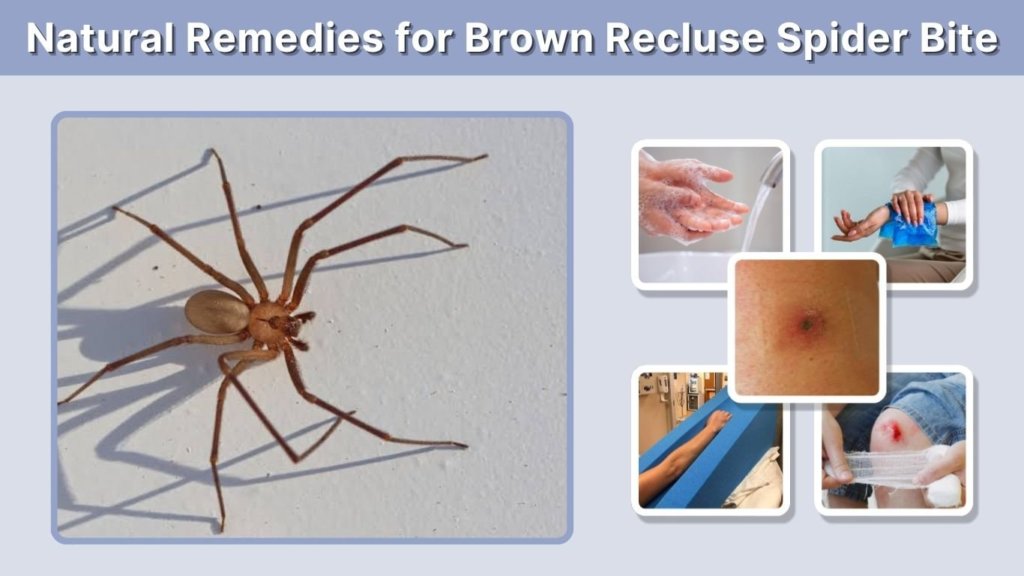
Many people search for natural remedies for brown recluse bites, but this is where you need to be very careful. A suspected brown recluse bite can become serious. Natural care may help with basic first aid, but it should not replace medical attention if symptoms worsen.
CDC first aid guidance for venomous spider bites recommends staying calm, washing the bite with soap and water, applying a cold damp cloth or ice to reduce swelling, elevating the bite area if possible, and not attempting to remove venom.
Safe At-Home First Aid
- Wash the bite with mild soap and water.
- Apply a cool compress.
- Elevate the area if it is on an arm or leg.
- Keep the wound clean and covered.
- Avoid scratching.
- Monitor symptoms closely.
Mayo Clinic also recommends cleaning the wound, using a cool compress, and elevating the affected area when possible.
What Not to Put on a Brown Recluse Bite
Avoid harsh or unproven “natural cures” that can damage skin or delay proper treatment.
Avoid These Remedies
- Cutting the bite
- Trying to suck out venom
- Applying bleach
- Applying gasoline or kerosene
- Burning the wound
- Using strong essential oils directly on broken skin
- Applying unknown herbal pastes
- Delaying medical care for a worsening wound
A brown recluse bite can sometimes cause increasing pain, fever, chills, body aches, or a wound that turns dark and becomes an open sore. Mayo Clinic lists these as possible recluse bite symptoms.
When to See a Doctor for a Suspected Brown Recluse Bite
A mild spider bite may improve with basic wound care, but you should get medical help if symptoms become serious or unusual.
Seek Medical Care If You Notice
- Increasing pain over several hours
- Spreading redness or swelling
- Fever, chills, or body aches
- A blister or dark center
- Open sore or ulcer
- Pus or signs of infection
- Nausea, weakness, or dizziness
- A bite on a child, older adult, or medically vulnerable person
If possible, safely capture or photograph the spider for identification. Many skin wounds are blamed on brown recluse spiders even when no spider was seen.
Are Natural Repellents Enough for an Infestation?
Natural repellents are usually not enough for a real brown recluse infestation. If you are catching many spiders on sticky traps, seeing them regularly, or finding them in bedrooms and closets, stronger integrated pest management may be needed.
Signs You May Need Professional Help
- Multiple brown recluse spiders found indoors
- Spiders appearing in bedrooms or closets
- Repeated captures on sticky traps
- Egg sacs or shed skins in storage areas
- Family members getting frequent unexplained bites
- Heavy clutter that is hard to inspect
Professional pest control may use inspection, monitoring, exclusion, targeted treatments, and long-term prevention. Natural methods can still be part of the plan, but they may not be enough alone.
Best Natural Prevention Plan
The best brown recluse natural repellent plan is simple: make your home harder for spiders to live in.
Weekly Prevention Checklist
- Vacuum baseboards and corners.
- Remove clutter from floors.
- Keep shoes and clothes off the floor.
- Check sticky traps.
- Wipe shelves and storage areas.
- Inspect boxes before moving them.
- Keep outdoor lights reduced.
- Seal new gaps or cracks.
Monthly Prevention Checklist
- Deep clean closets and storage rooms.
- Inspect garage corners and shelves.
- Move unused items into sealed bins.
- Clean behind furniture.
- Check attic and basement storage.
- Remove outdoor debris near the house.
FAQs
What is the best natural repellent for brown recluse spiders?
The best natural approach is not one spray. Use clutter reduction, sticky traps, vacuuming, sealed storage bins, and entry-point sealing. Peppermint oil or cedar may help briefly, but they are not enough for infestations.
What kills brown recluse spiders naturally?
Vacuuming and sticky traps are the most practical natural control methods. Diatomaceous earth may help in dry cracks and edges, but it must be used carefully and placed where spiders travel.
Does peppermint oil repel brown recluse spiders?
Peppermint oil may temporarily deter spiders because of its strong smell, but it does not remove hidden spiders, egg sacs, or infestations. It should be used only as a supporting method.
How do you treat a brown recluse bite naturally?
Safe first aid includes washing the bite with soap and water, applying a cool compress, elevating the area, keeping it clean, and watching for worsening symptoms. Do not rely on natural cures if pain, swelling, fever, discoloration, or an open sore develops.
What is the natural enemy of a brown recluse?
Brown recluse spiders may be eaten by other spiders, centipedes, birds, lizards, wasps, and small animals. However, natural predators are not a reliable way to control brown recluse spiders inside a home.