

The curly hair tarantula is one of the most popular pet spiders, especially among beginners. Known for its calm temperament and distinctive curly bristles, this species is both fascinating and easy to care for. Native to Central America, it thrives in simple setups and requires minimal maintenance compared to many exotic pets. Whether you’re new to tarantulas or expanding your collection, the curly hair tarantula is often considered a reliable and rewarding choice.
What Is a Curly Hair Tarantula?
The curly hair tarantula, scientifically known as Tliltocatl albopilosus, is a terrestrial species widely appreciated for its docile nature and unique appearance. It is often recommended as a starter tarantula due to its manageable care requirements and calm behavior.
Scientific Classification
- Scientific Name: Tliltocatl albopilosus
- Family: Theraphosidae
- Type: New World tarantula
Origin and Natural Habitat
This species originates from Central America, particularly Honduras and Nicaragua. In the wild, curly hair tarantulas inhabit tropical scrublands and forest floors. They typically live in burrows or natural shelters, which protect them from predators and harsh environmental conditions. Replicating this ground-dwelling environment is essential when keeping them in captivity.
Physical Appearance
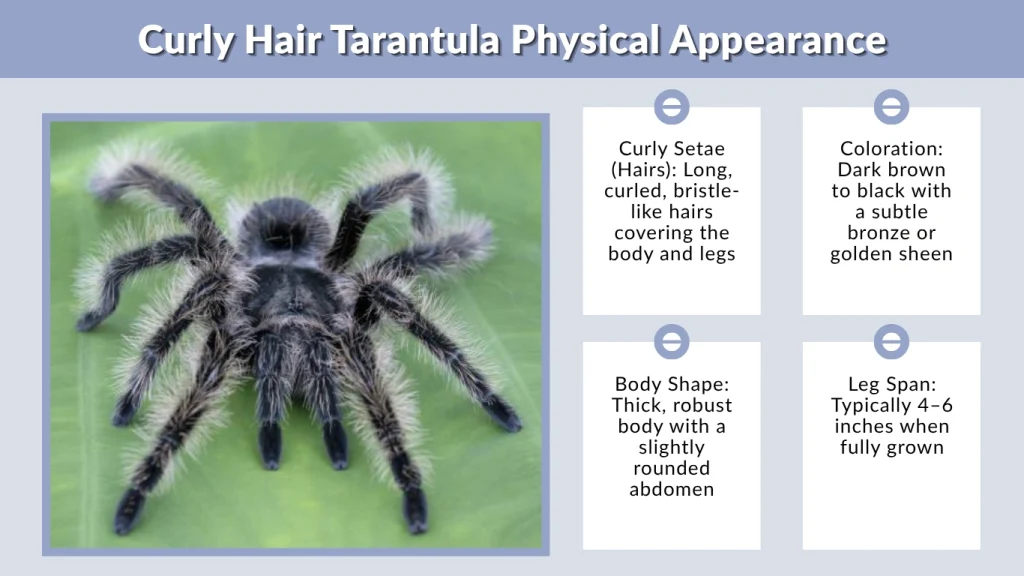
The curly hair tarantula is easily recognized by its unique, textured look and sturdy body structure. Its entire appearance gives it a “fluffy” or woolly impression, which sets it apart from smoother-bodied tarantula species. Despite its somewhat intimidating size, its soft, curled hairs and earthy coloration make it one of the most visually distinctive and appealing pet spiders.
Key Features (Quick Overview)
- Curly Setae (Hairs): Long, curled, bristle-like hairs covering the body and legs
- Coloration: Dark brown to black with a subtle bronze or golden sheen
- Body Shape: Thick, robust body with a slightly rounded abdomen
- Leg Span: Typically 4–6 inches when fully grown
- Eye Cluster: Small eyes grouped closely on top of the carapace
- Fangs: Downward-facing fangs used for hunting and defense
- Sex Differences: Females are larger and bulkier; males are slimmer with longer legs
This combination of curly texture and natural tones gives the curly hair tarantula its signature look, making it one of the most recognizable tarantula species in the pet trade.
Curly Hair Tarantula Temperament
Temperament is one of the key reasons why this species is so popular among beginners.
Behavior Traits
Curly hair tarantulas are generally calm, slow-moving, and non-aggressive. They are more likely to retreat than to display defensive behavior. Compared to other tarantula species, they are considered predictable and easy to manage.
Handling Considerations
While they are docile, handling should still be minimal. Like all tarantulas, they can become stressed if handled frequently. Additionally, their urticating hairs can cause skin irritation, and there is always a small risk of a defensive bite. Observing rather than handling is usually the best approach.
Lifespan
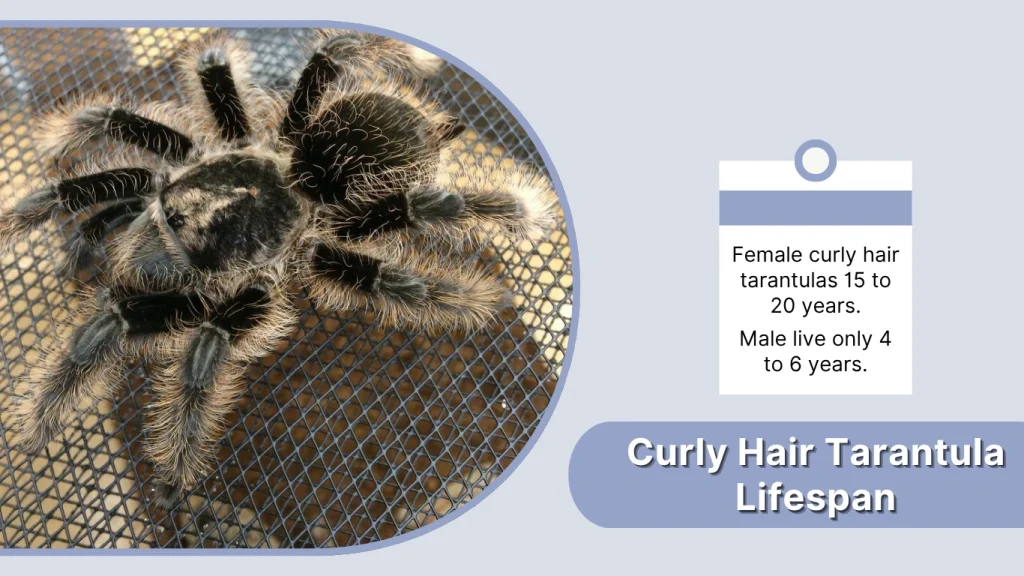
The lifespan of a curly hair tarantula varies greatly between males and females.
Male vs Female Lifespan
Female curly hair tarantulas can live between 15 to 20 years, making them a long-term commitment for owners. Males, on the other hand, typically live only 4 to 6 years and often die shortly after reaching maturity. This difference is important to consider when choosing a pet.
Curly Hair Tarantula Care Guide
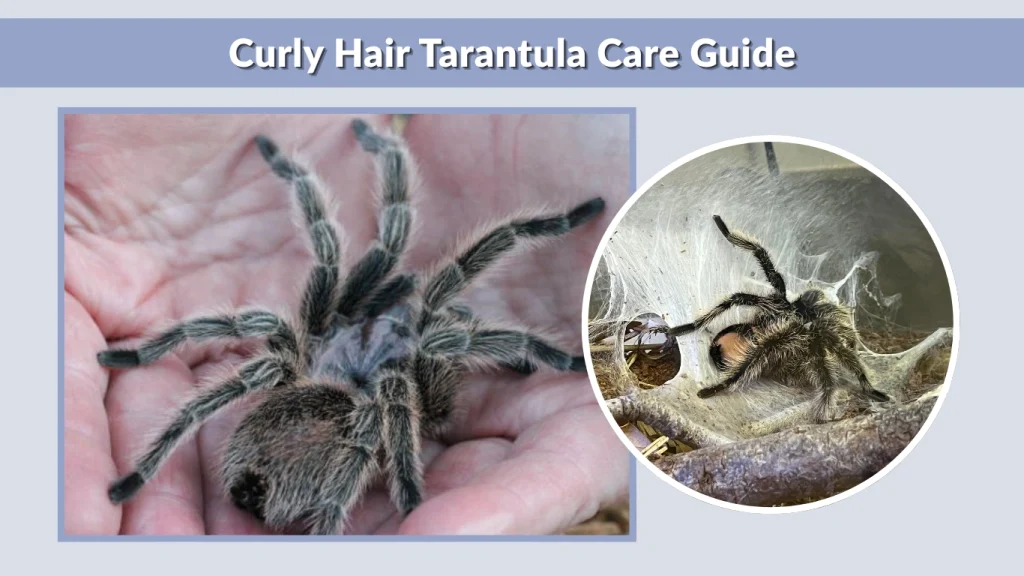
Providing proper care ensures a healthy and stress-free life for your tarantula. Fortunately, this species is relatively low-maintenance.
Enclosure Setup
A simple enclosure works well for a curly hair tarantula. A small to medium-sized tank (around 5–10 gallons) is sufficient for an adult. Since they are terrestrial, floor space is more important than height.
Use a substrate such as coconut fiber, peat moss, or soil, with a depth of at least 3–4 inches to allow burrowing. Adding a hide, such as a piece of bark or a small shelter, helps mimic their natural environment and provides security.
Temperature & Humidity
Curly hair tarantulas thrive in temperatures between 24°C and 28°C (75°F–82°F). Moderate humidity levels should be maintained, typically around 60–70%. Light misting and a shallow water dish can help maintain proper hydration.
Lighting Requirements
These tarantulas do not require special lighting. In fact, bright lights can stress them. Ambient room lighting is more than enough, as they are naturally nocturnal creatures.
Feeding and Diet
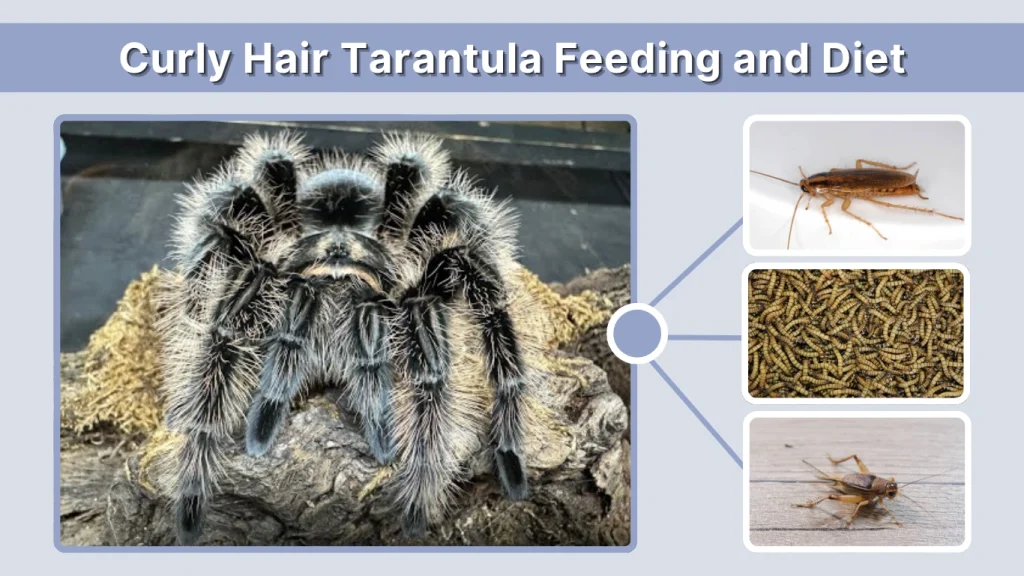
Proper feeding is essential to keep your curly hair tarantula healthy and active. Luckily, their dietary needs are simple and easy to manage.
What Do They Eat?
Curly hair tarantulas are carnivorous and primarily eat live insects. Common food options include crickets, roaches, mealworms, and occasionally superworms. Prey size should be appropriate—generally no larger than the tarantula’s abdomen.
Feeding Schedule
Juveniles should be fed more frequently, about 2–3 times per week, to support growth. Adult tarantulas typically eat once every 7–10 days. It’s important to remove uneaten prey after 24 hours to prevent stress or injury, especially during molting periods.
Molting Process
Molting is a natural and crucial part of a tarantula’s growth cycle. Understanding this process helps ensure your pet remains safe during this vulnerable time.
Signs of Molting
Before molting, a curly hair tarantula may stop eating, become less active, and appear darker in color. Some may lie on their backs—this is normal and not a sign of death.
Care During Molting
Do not disturb your tarantula during molting. Avoid feeding and maintain proper humidity to support the process. After molting, wait several days before offering food, as their fangs need time to harden.
Is a Curly Hair Tarantula Good for Beginners?
This species is often considered one of the best entry points into tarantula keeping.
Pros
- Calm and docile temperament
- Easy care requirements
- Hardy and adaptable
- Affordable and widely available
Cons
- Long lifespan (especially females)
- Limited interaction compared to other pets
- Handling risks (hair irritation, potential bites)
Overall, the curly hair tarantula is an excellent choice for beginners who want a low-maintenance exotic pet.
Common Health Issues
Although generally hardy, curly hair tarantulas can experience a few common problems if not properly cared for.
- Dehydration: Caused by low humidity or lack of water
- Molting complications: Often due to improper environmental conditions
- Stress: From excessive handling or poor enclosure setup
Maintaining proper care conditions can prevent most of these issues.
Curly Hair Tarantula vs Other Tarantulas
Compared to other popular species, the curly hair tarantula stands out for its ease of care and calm nature.
- Chilean Rose Tarantula: Also beginner-friendly but can be more unpredictable
- Mexican Red Knee Tarantula: More visually striking but often more expensive
- Pink Toe Tarantula: Arboreal and requires more complex setup
The curly hair tarantula offers a balanced combination of simplicity, affordability, and temperament.
FAQs
Are curly hair tarantulas dangerous?
They are not considered dangerous to humans. While they can bite, it is rare and typically no worse than a bee sting.
Can you handle a curly hair tarantula?
Handling is possible but not recommended frequently due to stress and risk of irritation from urticating hairs.
How often should you feed them?
Juveniles should be fed 2–3 times weekly, while adults need feeding once every 7–10 days.
Do they bite?
Bites are uncommon and usually occur only when the tarantula feels threatened.
Conclusion
The curly hair tarantula is a calm, hardy, and beginner-friendly species that makes an excellent introduction to the world of tarantula keeping. With simple care requirements, a fascinating appearance, and a long lifespan, it offers a unique pet ownership experience. By providing the right environment, proper feeding, and minimal stress, you can ensure your tarantula thrives for many years.