
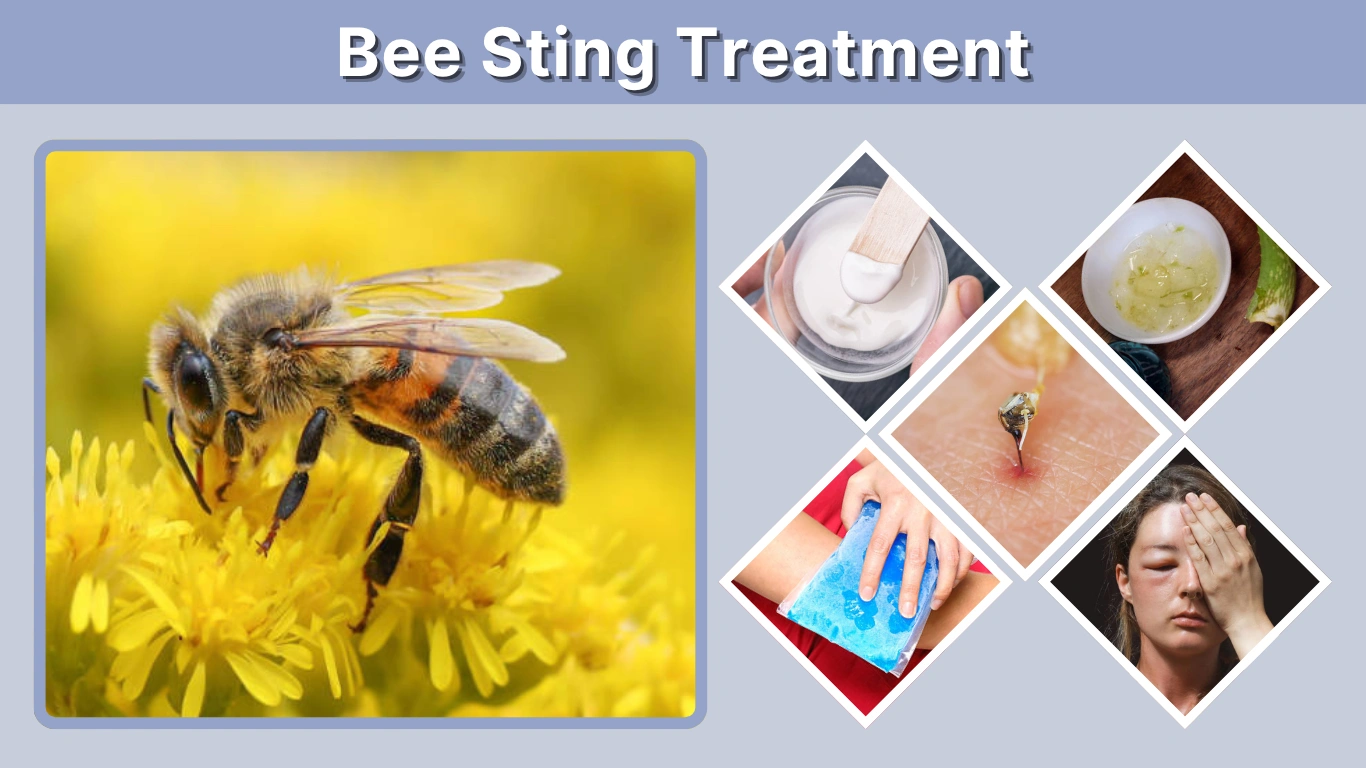
Bee stings are common and usually not serious, but they can cause pain, swelling, and discomfort. Knowing how to treat a bee sting quickly can reduce symptoms and prevent complications. Most stings can be managed at home with simple first aid and remedies. However, some cases require medical attention, especially if allergic reactions occur. This guide explains effective bee sting treatments, how to reduce swelling, and what to do in different situations for fast and safe relief.
What Is the Best Treatment for a Bee Sting?
The best treatment for a bee sting focuses on quick action to limit venom spread and reduce pain. Acting immediately can make a big difference in how severe the reaction becomes.
Immediate First Aid Steps
- Remove the stinger as soon as possible
- Wash the area with soap and water
- Apply a cold compress for 10–15 minutes
- Keep the affected area elevated if possible
Bee Sting Treatment at Home
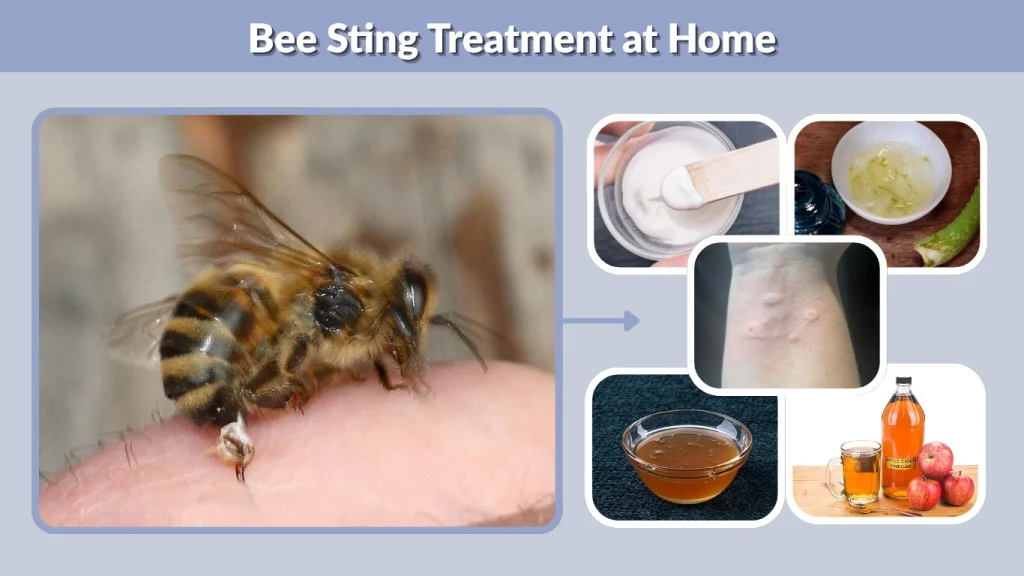
Home treatment is effective for most mild bee stings. Using simple remedies and basic care can relieve pain and help the skin recover quickly without complications.
Common Home Remedies
- Baking soda paste to reduce irritation
- Aloe vera gel to soothe the skin
- Honey for mild calming effect
- Apple cider vinegar for temporary relief
Simple Care Tips
- Avoid scratching the sting area
- Reapply cold compress as needed
- Keep the area clean and dry
- Monitor for unusual reactions
Bee Sting Swelling Treatment
Swelling is one of the most common reactions after a bee sting. While it can look alarming, it is usually a normal response of the body to venom.
Swelling typically begins shortly after the sting and may increase over the next few hours. In most cases, it stays localized and fades within a few days. Applying ice and keeping the area elevated can help reduce swelling. Over-the-counter antihistamines may also ease the reaction. If swelling spreads significantly or affects sensitive areas like the face or throat, medical attention should be considered.
Bee Sting Itching and Pain Relief

Pain and itching can make a bee sting uncomfortable, especially during the first few hours. Proper care helps reduce irritation and speeds up recovery.
Ways to Relieve Pain
- Use a cold compress to numb the area
- Apply hydrocortisone cream
- Take mild pain relievers if needed
- Keep the area still and relaxed
Ways to Reduce Itching
- Apply calamine lotion
- Use antihistamine creams
- Avoid touching or scratching
- Keep skin moisturized
Bee Sting Allergy Treatment
Some people experience allergic reactions to bee stings, which can range from mild to severe. Recognizing the symptoms early is important for safety.
Mild Allergic Reaction
- Redness and swelling beyond the sting site
- Itching or rash
- Mild discomfort
Severe Allergic Reaction
- Difficulty breathing
- Swelling of face, lips, or throat
- Dizziness or fainting
- Rapid pulse
Emergency Response
- Use an epinephrine injector if available
- Call emergency services immediately
- Stay calm and lie down
- Avoid further exposure
Multiple Bee Stings Treatment
Getting stung multiple times increases the amount of venom in the body and can lead to more serious symptoms. This situation requires careful attention and monitoring.
When multiple stings occur, the first step is to move away from the area to avoid further attacks. Removing all stingers quickly helps reduce venom exposure. Applying cold compresses to affected areas can ease pain and swelling. Drinking fluids and resting are also important. If symptoms worsen or include nausea, dizziness, or breathing issues, immediate medical care is necessary.
Bee Sting Treatment Near Sensitive Areas
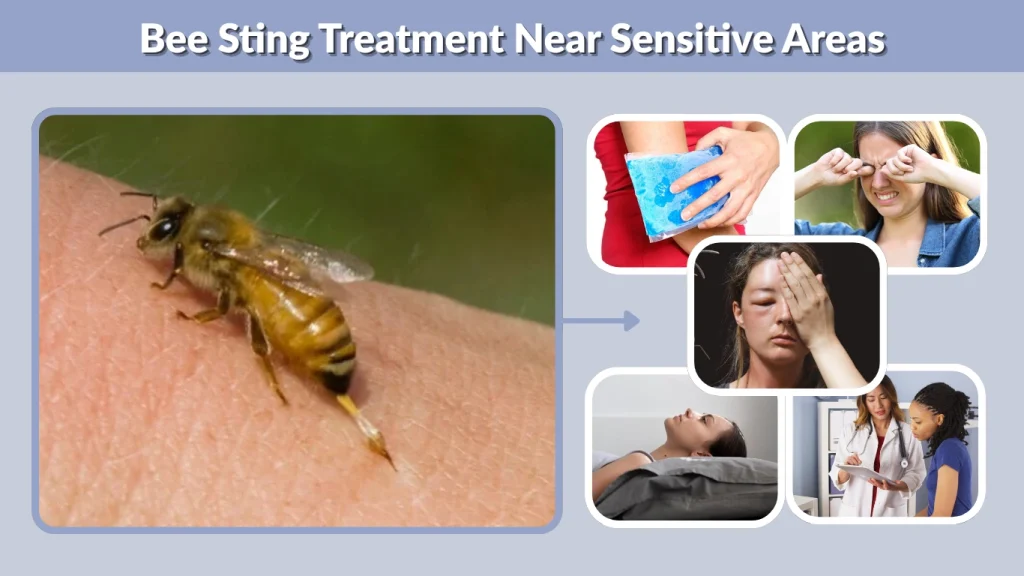
Stings in sensitive areas like the face, eyes, or lips require extra care. These areas are more prone to swelling and discomfort, and even mild reactions can feel more severe due to delicate skin.
Bee Sting Near Eye
- Apply a cold compress gently
- Avoid rubbing the eye area
- Keep the head elevated
- Seek medical advice if swelling increases
Bee Sting on Face or Lip
- Use ice immediately to reduce swelling
- Expect temporary swelling and redness
- Avoid hot foods or drinks
- Monitor breathing closely
Natural Bee Sting Treatment
Natural remedies can provide mild relief and are often used alongside basic first aid. While they do not replace medical treatment, they can help soothe irritation.
Popular Natural Remedies
- Aloe vera for cooling and healing
- Honey for mild soothing effect
- Baking soda paste for irritation
- Coconut oil for skin calming
How to Use Them Safely
- Apply gently to clean skin
- Use small amounts first
- Avoid broken skin
- Stop if irritation worsens
OTC (Over-the-Counter) Bee Sting Treatment
Over-the-counter medications are widely available and can help manage symptoms effectively. These treatments are useful when home remedies are not enough.
OTC options include antihistamines to reduce allergic reactions and swelling, as well as pain relievers to manage discomfort. Creams such as hydrocortisone can reduce itching and inflammation. These products are generally safe when used as directed and can provide faster relief compared to natural remedies alone. Always follow dosage instructions and consult a healthcare provider if symptoms persist.
Bee Sting Treatment for Dogs and Pets
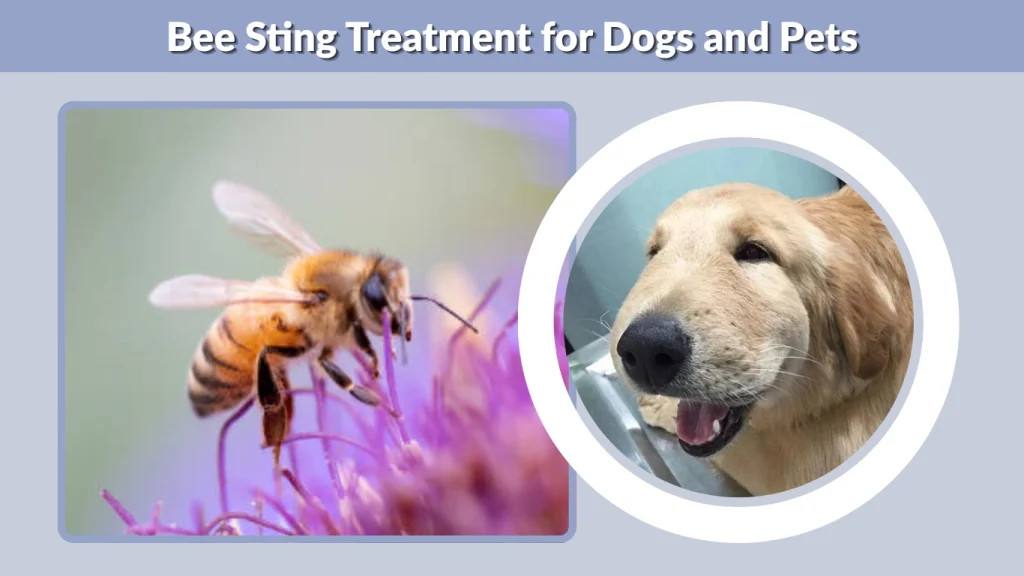
Pets, especially dogs, are often stung while exploring outdoors. Their reactions can vary, so quick and careful treatment is important.
Dog Bee Sting Treatment
- Remove the stinger if visible
- Apply a cold compress to the area
- Keep the pet calm and still
- Monitor swelling and behavior
When to Call a Vet
- Swelling around face or throat
- Difficulty breathing
- Excessive drooling or weakness
- Signs of allergic reaction
When to Seek Medical Treatment for a Bee Sting
Most bee stings can be treated at home, but certain situations require professional medical care. Knowing when to seek help can prevent serious complications.
Warning Signs
- Difficulty breathing
- Severe swelling or spreading redness
- Multiple stings at once
- Signs of infection (pus, warmth, pain)
High-Risk Situations
- Known allergy to bee stings
- Sting inside the mouth or throat
- Infants, elderly, or sensitive individuals
- Symptoms lasting longer than a few days
FAQs
What is the best treatment for a bee sting?
The best treatment is to remove the stinger quickly, clean the area, apply a cold compress, and use antihistamines or creams to reduce swelling and itching.
How do you reduce swelling from a bee sting?
Apply ice, keep the area elevated, and use antihistamines or anti-inflammatory creams. Swelling usually improves within a few days.
Can you treat a bee sting at home?
Yes, most bee stings can be treated at home with basic first aid, cold compresses, and over-the-counter remedies unless severe symptoms appear.
When should you see a doctor for a bee sting?
Seek medical help if there is difficulty breathing, severe swelling, multiple stings, or signs of an allergic reaction.
Are natural remedies effective for bee stings?
Natural remedies like aloe vera or baking soda can help soothe irritation, but they should be used alongside proper first aid for best results.
